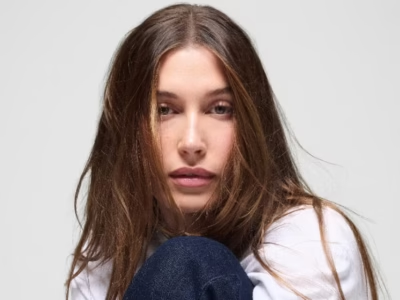
Chloe Kelly and the Barbie Effect: Why Seeing Her as a Doll Matters

April 18, 2026
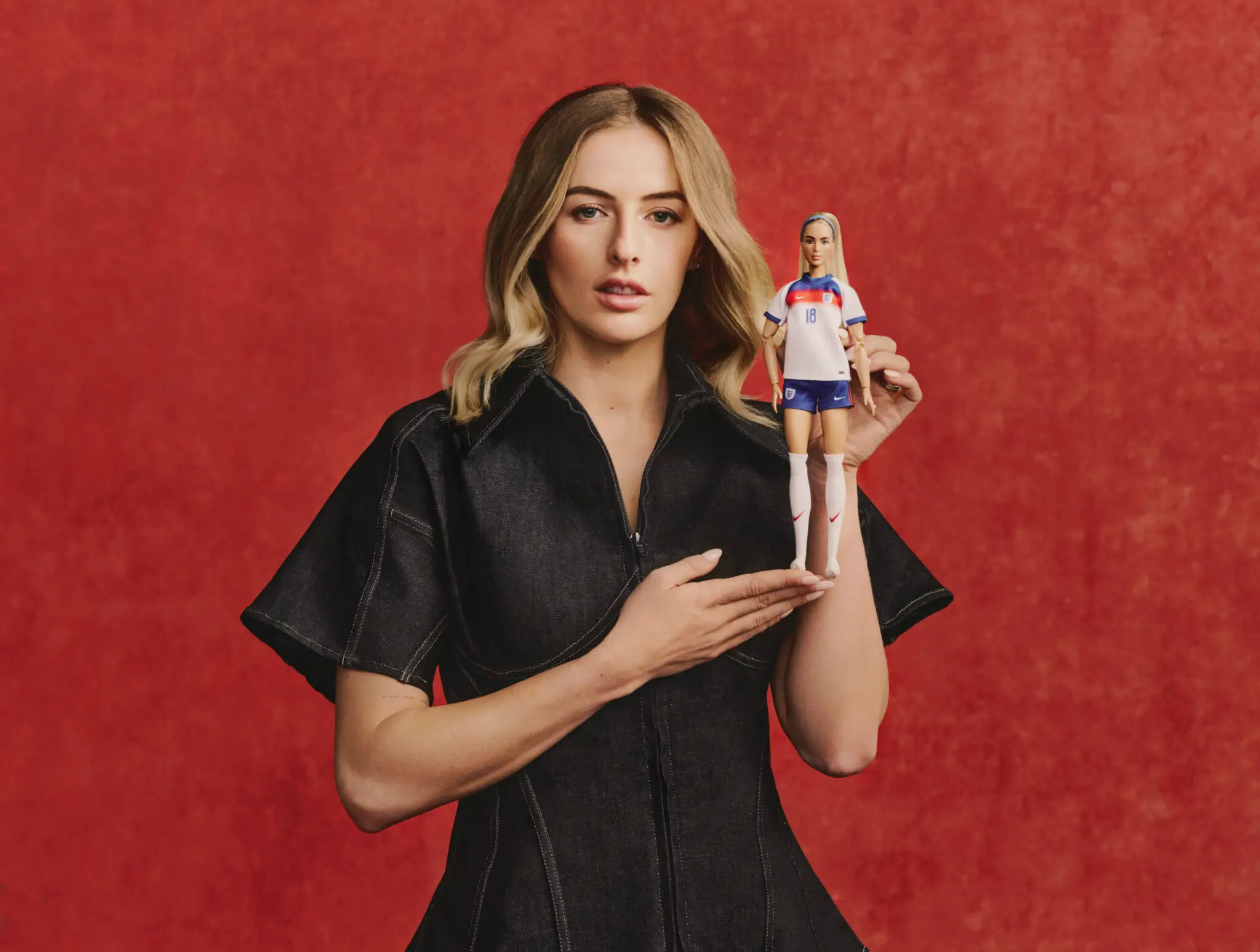
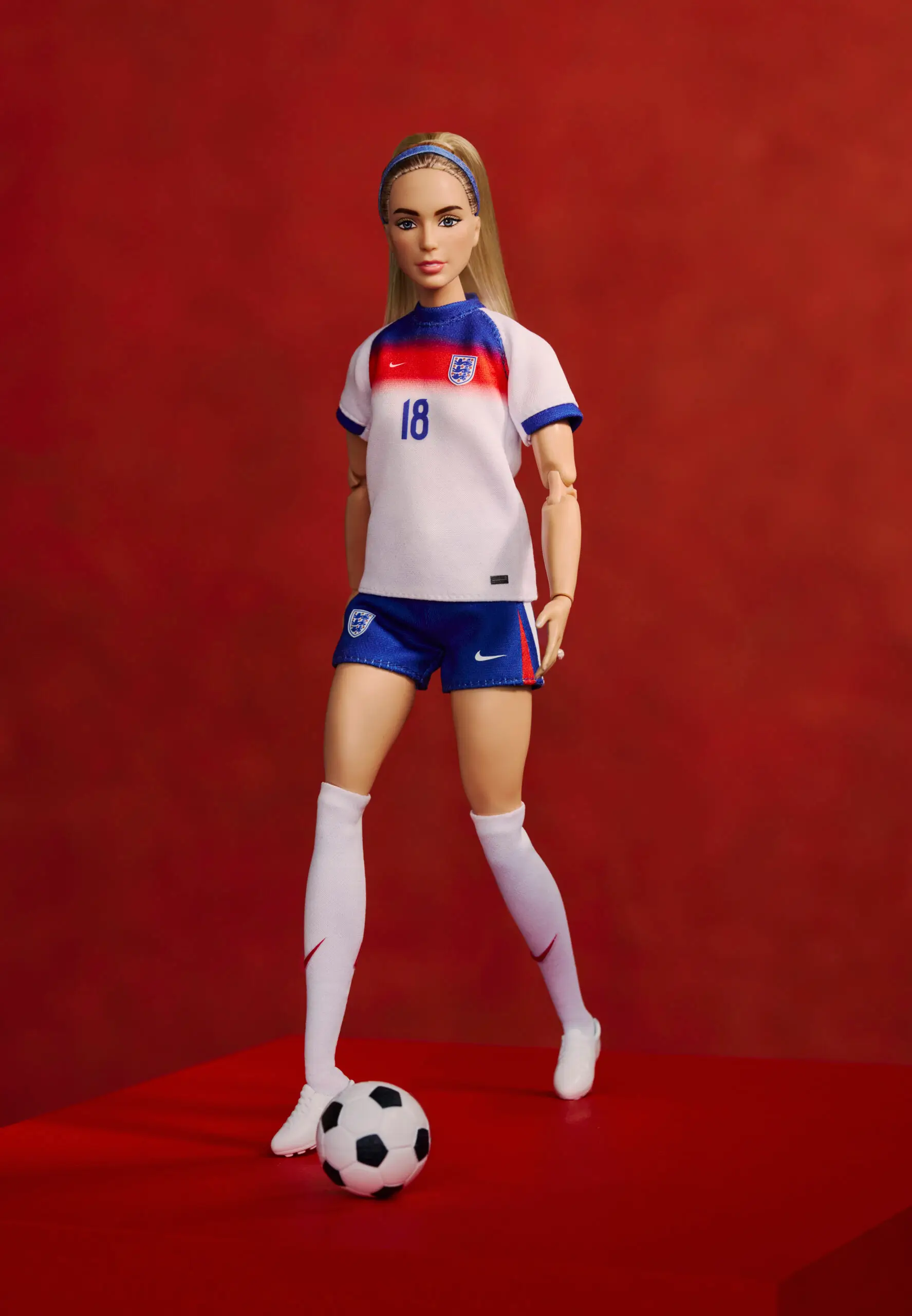
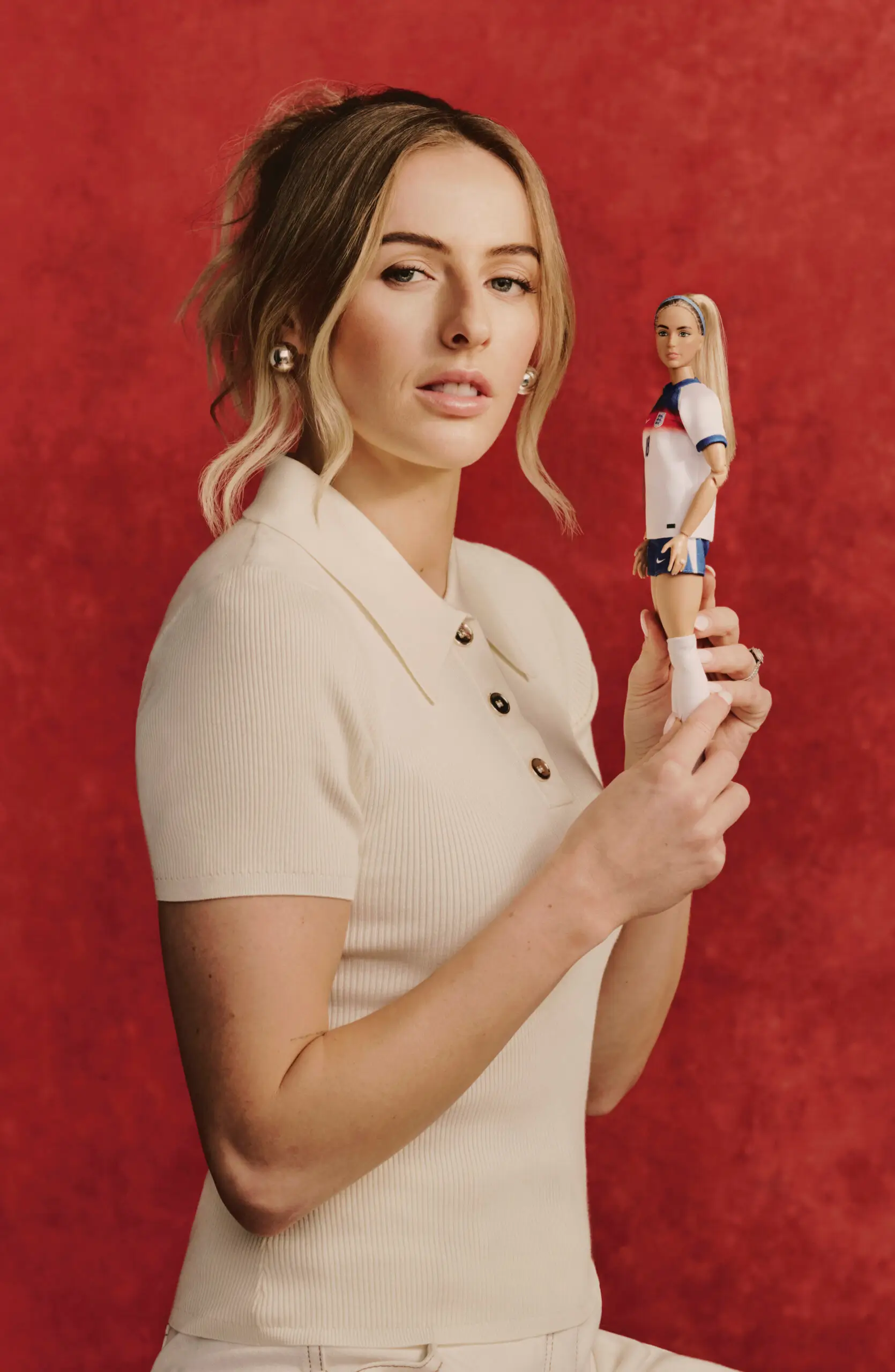
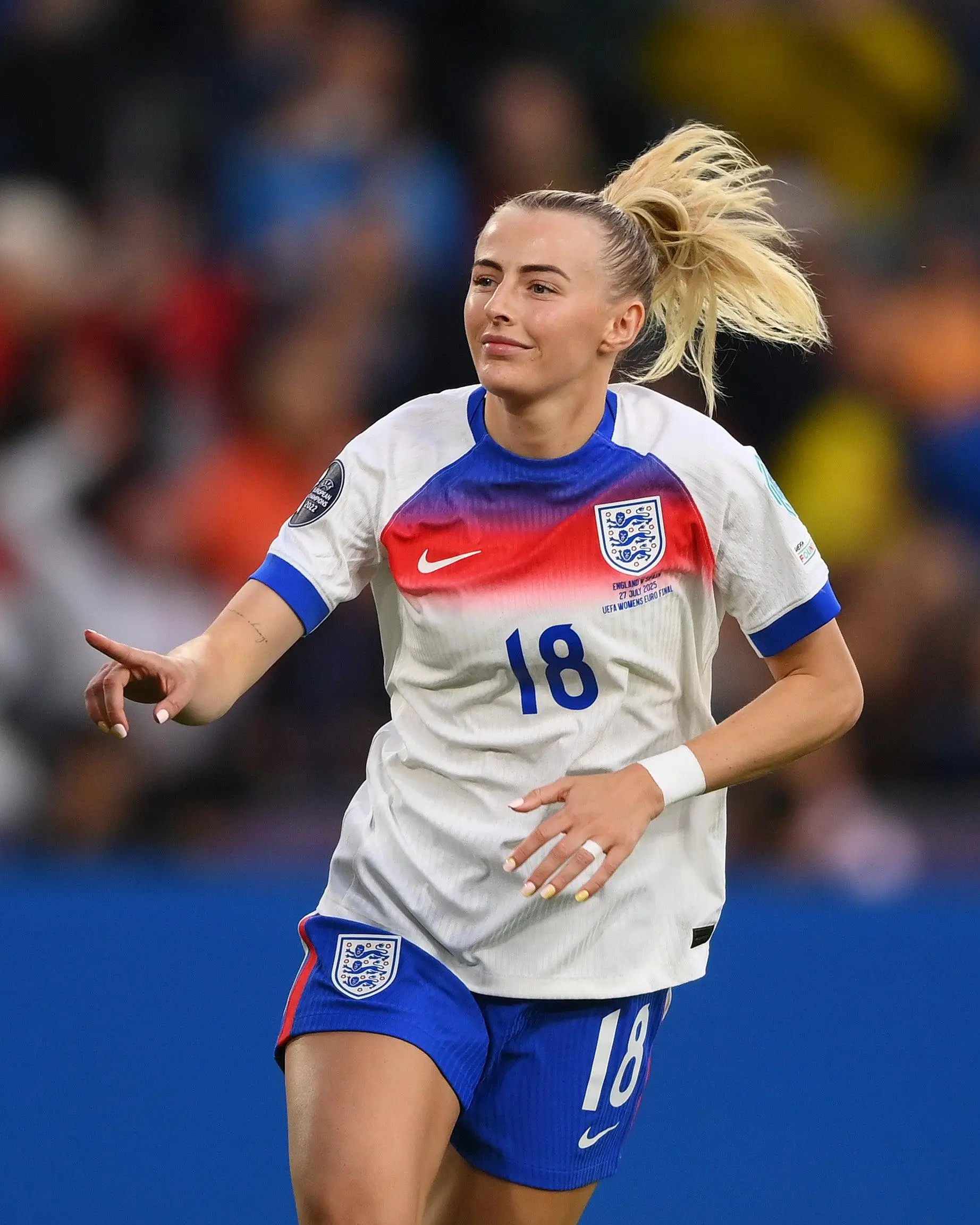
When Chloe Kelly tore off her jersey and sprinted across the Wembley pitch during the UEFA Women’s Euro 2022 Final, the image didn’t just circulate—it embedded itself. Not as spectacle, but as signal. A release of pressure, yes, but also a reframing of who gets to embody triumph in sport. That moment now sits in quiet conversation with something seemingly distant: the curated, plastic precision of Barbie.
At first glance, the pairing feels improbable. But look closer, and it becomes inevitable.
stir
Kelly’s winning goal against Germany in 2022 wasn’t simply decisive—it was layered. It arrived in extra time, in a match already saturated with tension, watched by a record-breaking crowd at Wembley and millions beyond. The finish itself was scrappy, instinctive, almost imperfect. That imperfection is key. It resists the myth of the flawless athlete and replaces it with something more resonant: presence under pressure.
The celebration that followed—shirt off, arms outstretched—echoed decades of men’s football iconography. Think of Brandi Chastain, whose own stripped-back celebration in 1999 similarly redefined visibility in women’s sport. But Kelly’s moment felt less like an echo and more like a continuation, a generational handoff in the language of expression.
What matters here is not just what she did, but how it was received. The image wasn’t sanitized. It wasn’t softened. It was allowed to exist in its full intensity—broadcast, shared, archived.
idea
To understand why a Chloe Kelly Barbie matters, you have to understand Barbie not as a toy, but as a system of translation. Since her debut in 1959, Barbie has functioned as a mirror—sometimes distorted, sometimes aspirational, but always reflective of cultural priorities.
In recent years, Mattel has recalibrated that mirror. The “Role Models” and “Inspiring Women” lines have moved beyond abstraction into specificity. Figures like Serena Williams, Smriti Mandhana, and Gladys West are not presented as ideals to aspire to from afar—they are rendered tangible.
A doll becomes a proxy. A child doesn’t just observe achievement; they rehearse it.
This is the Barbie Effect: the transformation of narrative into object, of admiration into interaction.
why
Kelly’s trajectory resists linear storytelling. She is not the inevitable prodigy, nor the overnight success. Her career includes injury setbacks—notably an ACL tear in 2021—and the long, often invisible process of recovery. That arc matters. It introduces friction into the narrative, making it legible, relatable.
Her return to form, culminating in the Euro 2022 winner, reframes success as endurance rather than inevitability.
And then there is her aesthetic presence. Kelly occupies a space that refuses binary thinking. She is as comfortable in full kit as she is in fashion editorials. This duality—performance and presentation—complicates outdated assumptions about femininity in sport.
A Barbie modeled after Kelly wouldn’t need to resolve that tension. It would embody it.
challenge
Fast forward to 2025. Another high-stakes moment. Another demonstration of composure. Kelly steps up to the penalty spot—an arena defined by isolation. No teammates to distribute to. No tactical complexity. Just decision and execution.
She converts.
What’s striking here is not just the outcome, but the repetition. Delivering once can be framed as luck, instinct, or timing. Delivering again establishes pattern. It builds a vocabulary of reliability under pressure.
This is the kind of narrative that translates powerfully into symbolic form. A doll doesn’t capture movement; it captures meaning. And in Kelly’s case, that meaning is consistency in the face of scrutiny.
infra
The conversation around representation often centers on view—who is seen, and how. But there’s another layer: infrastructure. What systems exist to sustain that view?
Barbie operates as one such system. It is distributed globally, embedded in retail networks, integrated into childhood routines. When a figure like Kelly enters that system, her story gains durability.
A poster fades. A broadcast ends. A doll persists.
For young girls, particularly those navigating the early stages of identity formation, this persistence matters. It normalizes ambition. It situates athletic excellence within the realm of the everyday.
beyond
Kelly’s influence extends beyond football. She participates in a broader recalibration of how female athletes are perceived—not as niche figures within sport, but as central actors in culture.
This shift is visible across industries. Fashion houses collaborate with athletes. Media coverage expands beyond match reports into personal narratives. Brands align themselves with figures who embody both performance and personality.
Barbie’s recent iterations reflect this shift. The dolls are no longer confined to traditional professions or aesthetics. They are modular, adaptable, responsive to cultural change.
A Chloe Kelly Barbie would not exist in isolation. It would sit alongside a network of figures redefining what it means to be visible.
View this post on Instagram
anti-cyclic
Barbie has long been critiqued for enforcing narrow standards—of beauty, of body type, of lifestyle. Mattel’s recent efforts to diversify the line address these critiques, but they also open new questions.
What does it mean to “break the mold” within a system built on molds?
In Kelly’s case, the answer lies in narrative rather than form. The doll doesn’t need to replicate every physical detail. It needs to carry the story—the goal, the celebration, the resilience.
This is where the symbolic power outweighs the literal. The mold becomes a vessel, not a constraint.
gen
Imagine a young girl in West London, not unlike Kelly herself years ago. She picks up a doll—not generic, not abstract, but specific. It wears a kit. It carries a story. It reflects a path that feels accessible.
That accessibility is the point.
Barbie, at its most effective, collapses distance. It brings the extraordinary into reach. It allows for identification rather than admiration alone.
Kelly’s presence in that space would extend her impact beyond the pitch, into the quiet, formative moments that shape future trajectories.
a new
Iconography in sport has traditionally been mediated through photographs, statues, and highlight reels. These formats capture moments, but they remain external to everyday life.
A doll is different. It enters domestic space. It becomes part of routine. It is handled, repositioned, reimagined.
This shift from observation to interaction redefines what it means to be an icon.
Kelly’s potential transition into this form signals a broader evolution in how athletic achievement is commemorated.
fin
A Chloe Kelly Barbie would not just celebrate a goal. It would encode a set of values—resilience, visibility, duality—into a form that can be held, played with, and passed on.
In that sense, the doll becomes less an endpoint and more a continuation. A way of ensuring that the story doesn’t end with the final whistle, but extends into the lives of those who come next.
And that is where its true significance lies.
Related Articles

Rose Byrne and Mary Bronstein Are Doing It Again, and This Time They Brought Jenna Ortega
A coach and her prodigy are about to become the most dangerous relationship in a […]