Bad Brains and Trust Records: Rewiring Punk Legacy for a New Era

April 18, 2026
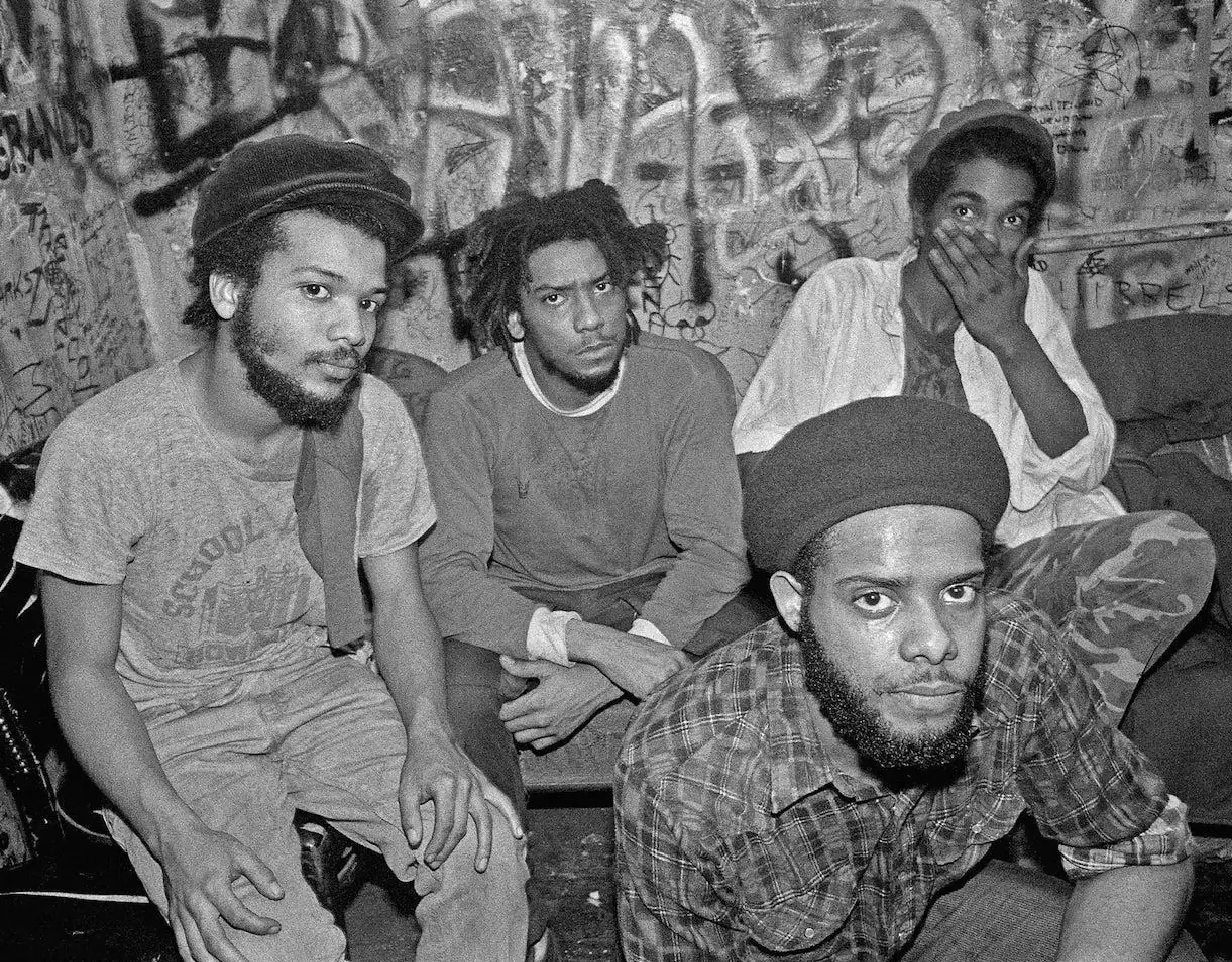
There’s a tendency to treat legacy acts as static—fixed in the amber of their most explosive years. But Bad Brains have never operated like that. Even in archival form, they move. They mutate. And now, with a wide-ranging rights partnership alongside Matt Pincus and his Trust Records platform, the band’s past isn’t being preserved—it’s being reactivated.
This isn’t a catalog deal in the passive, extractive sense that has defined so many recent legacy acquisitions. It’s something more deliberate: a cultural systems conjure, one that understands punk not as nostalgia, but as infrastructure.
stir
The Trust Records model has always leaned toward restoration over repackaging. In practical terms, that means high-fidelity remastering, contextual liner notes, and physical-first releases that respect the tactile rituals of punk culture. But in 2026, that philosophy lands differently.
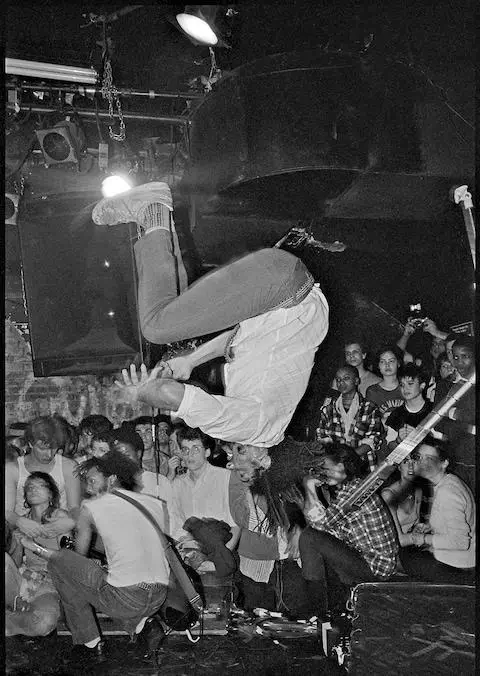
The rediscovery of early live recordings—capturing Bad Brains at The Bayou in 1980 and 1981—doesn’t just expand the archive. It reframes it. These aren’t “lost tapes” for collectors; they’re raw documents of a scene still forming itself, where hardcore, reggae, and improvisation collided before genre lines hardened.
What Trust Records is doing, in effect, is re-sequencing history for a generation that never experienced it linearly.
flow
If 2020–2024 was about rights consolidation, 2025–2026 is about narrative control. The Bad Brains deal sits within a broader shift where artists—or their estates—are no longer just monetizing catalogs but curating how those catalogs are understood.
This matters because Bad Brains were never just a band. They were a rupture in the system:
- Black musicians redefining a predominantly white punk space
- Technical virtuosity colliding with DIY aggression
- Spiritual philosophy threading through sonic chaos
That complexity often gets flattened in mainstream retellings. A rights deal, handled incorrectly, could reduce them to a playlist. Handled correctly, it becomes a corrective lens.
Trust Records appears to be aiming for the latter.
show
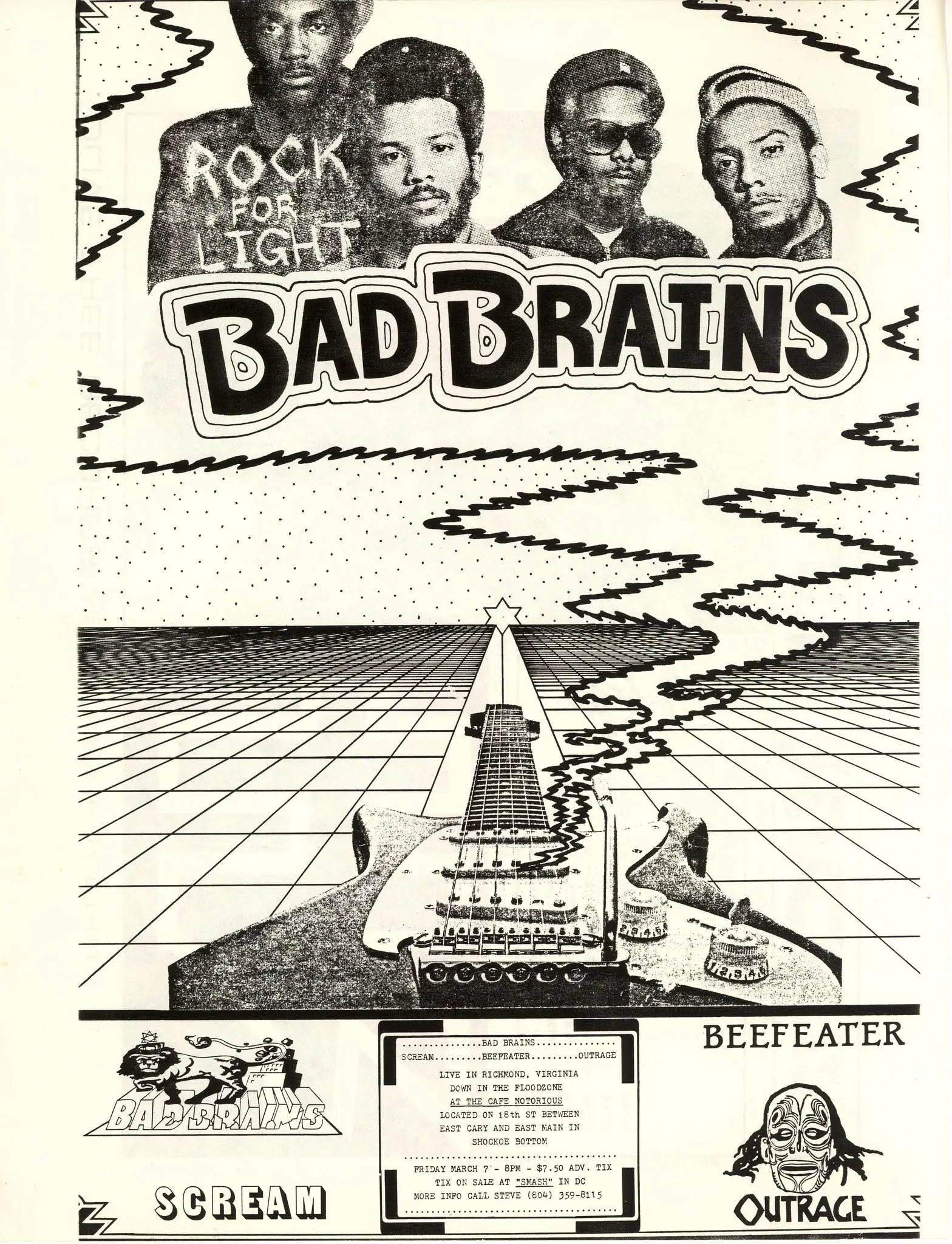
In an era where streaming has abstracted music into frictionless data, the renewed emphasis on vinyl—seen in projects like NO/MÁS covering “Banned in D.C.” through Decibel Magazine’s flexi series—feels intentional.
This isn’t retro fetishism. It’s resistance.
Physical releases slow the listener down. They demand attention, space, and participation. For a band like Bad Brains, whose music was always about intensity and presence, that format alignment isn’t incidental—it’s essential.
curation effect
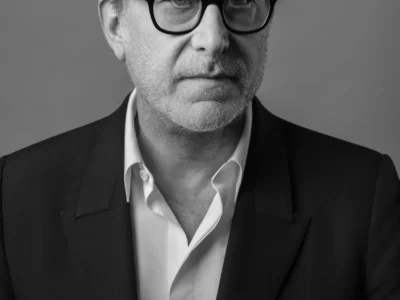
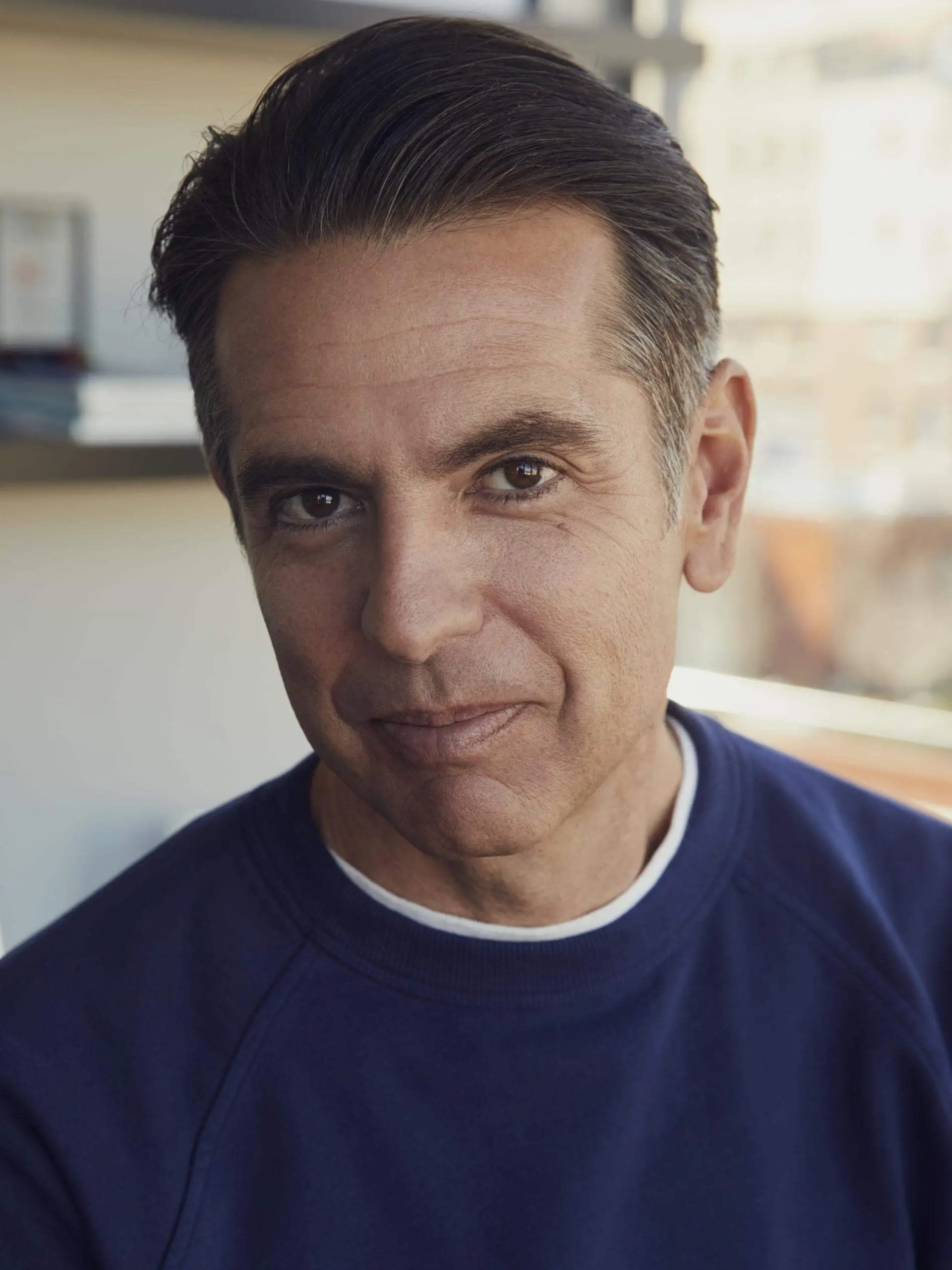
Matt Pincus’ transition from traditional music executive to archival-focused label founder signals a broader industry pivot. Instead of chasing newness at scale, there’s increasing value in depth—owning, restoring, and recontextualizing culturally significant catalogs.
With Bad Brains, that approach carries weight. This isn’t just another legacy act; it’s a foundational node in multiple musical lineages:
- Hardcore punk
- Alternative rock
- Reggae fusion
- Even early threads of what would become post-hardcore and metalcore
View this post on Instagram
To treat that catalog as static would be a misread. To treat it as a living ecosystem—one that can be expanded through unreleased material, reinterpretations, and scholarly framing—is where the opportunity lies.
push
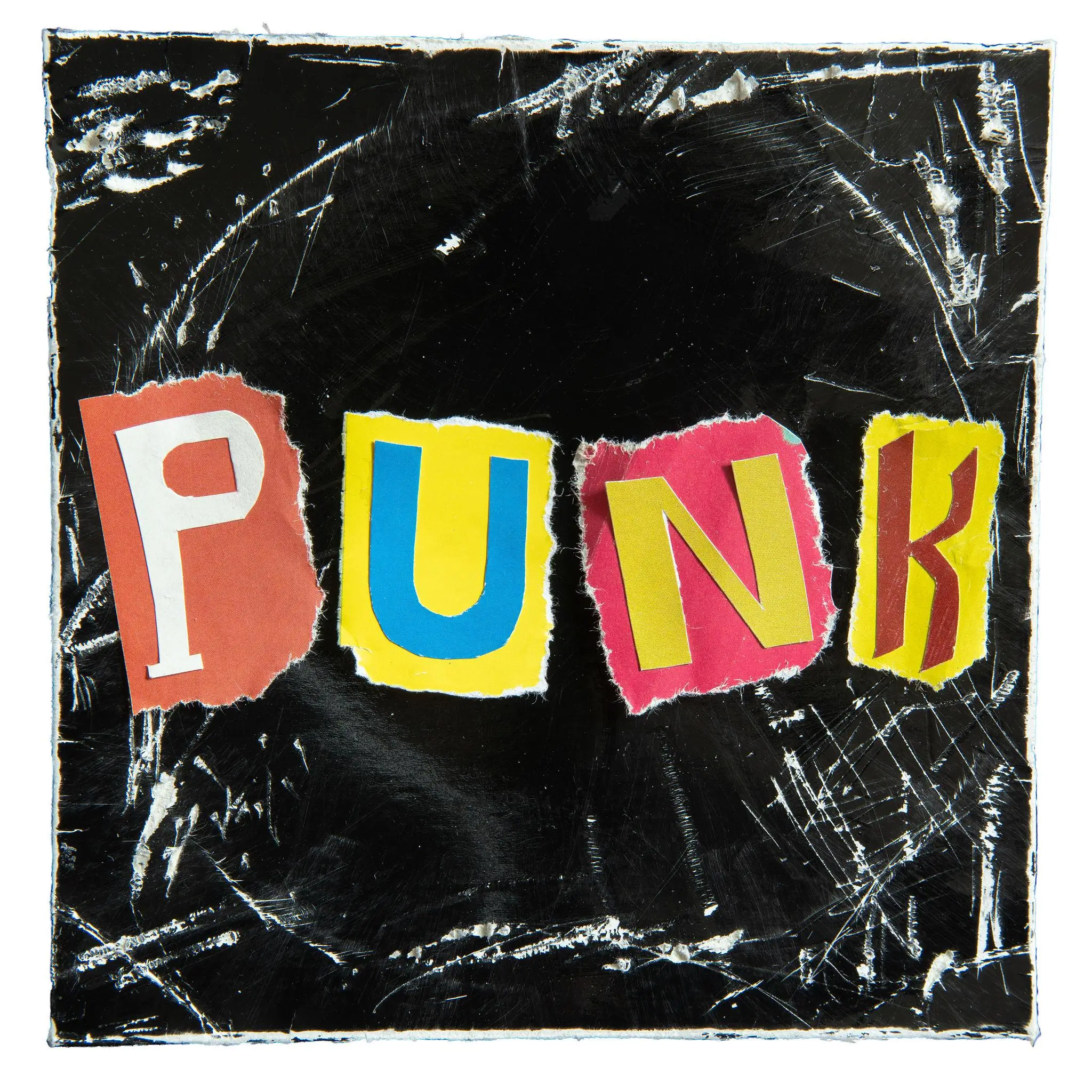
The NO/MÁS cover of “Banned in D.C.” is a small but telling signal. Influence here isn’t reverential—it’s active. Bands aren’t just citing Bad Brains; they’re reprocessing them through contemporary sonic languages.
That feedback loop is critical. It prevents the archive from becoming closed. Instead, it keeps the material porous—open to reinterpretation, friction, and evolution.
idea
Looking ahead, this partnership suggests a few key trajectories for 2026 and beyond:
The first is expanded archival releases—not just demos and live recordings, but potentially multimedia formats that situate the band within their full cultural context.
The second is cross-generational collaborations, where contemporary artists engage directly with the catalog, not as tribute but as dialogue.
The third is institutional recognition—museum exhibitions, academic integration, and broader cultural framing that positions Bad Brains alongside other canonical innovators.
fin
It’s easy to frame deals like this as preservation efforts. But that undersells what’s actually happening. Bad Brains don’t need to be preserved. They need to be understood—properly, fully, and in motion.
And in 2026, with the infrastructure now in place, that process is finally catching up to the legacy.
The archive is no longer a vault.
It’s a circuit.
Related Articles

Rose Byrne and Mary Bronstein Are Doing It Again, and This Time They Brought Jenna Ortega
A coach and her prodigy are about to become the most dangerous relationship in a […]