DRIFT AUDIO
Listen to this story
Choose a voice, then press play.
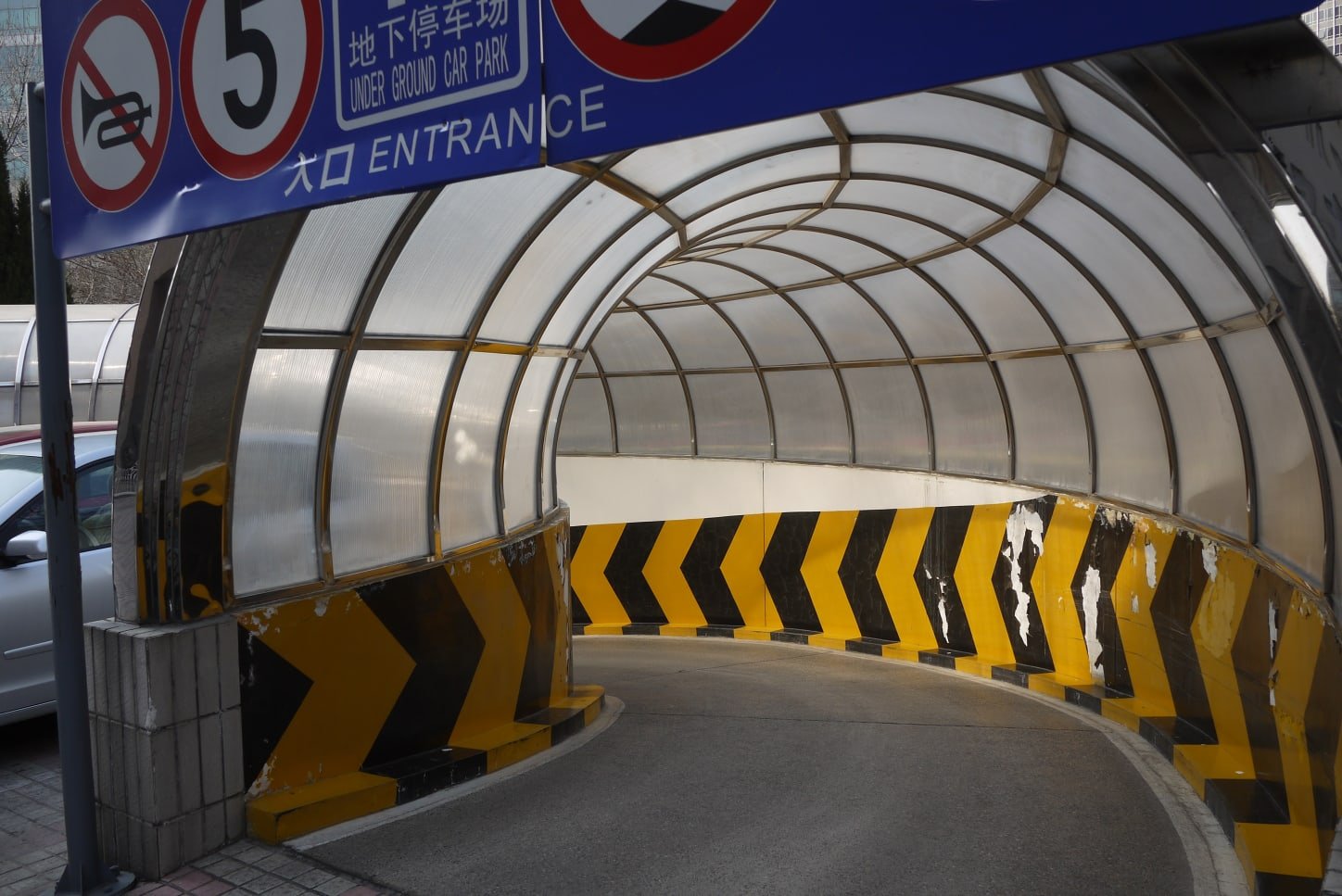
Cui Jie’s Research Photograph, 2013 exemplifies her engagement with architecture, urban transformation, and memory. Known for her layered approach to painting and photography, Cui Jie explores the interplay between the built environment and its human context. This work, part of her broader practice, highlights her ability to deconstruct urban landscapes and reimagine them as complex, abstracted forms.
Born in Shanghai in 1983, Cui Jie is a Chinese contemporary artist whose work is rooted in the rapid modernization of China’s cities. The 2013 photograph reflects her fascination with postmodern architecture and the tension between history and progress. Through her art, Cui Jie examines urban environments as spaces of both preservation and transformation, where past and future coexist in fragile balance.
Research Photograph, 2013 presents a fragment of urbanity—a building, architectural detail, or space captured with ambiguity. While seemingly straightforward, the photograph reveals layers of distortion and abstraction upon closer inspection. Cui Jie’s manipulation of light, framing, and perspective decontextualizes the subject, making it difficult to discern whether it represents a real structure or an imagined one. This ambiguity aligns with her broader practice, where the boundaries between documentation and invention blur.
The title, Research Photograph, suggests its role within Cui Jie’s creative process. For the artist, photography is a tool for exploration, enabling her to capture fleeting moments in urban spaces before transforming them into layered compositions. This photograph functions as both documentation and inspiration, freezing a moment of transformation within an ever-changing cityscape.
The aesthetic of the piece resonates with Cui Jie’s painterly works, which often abstract architectural motifs into floating geometries and fragmented compositions. The photograph mirrors this approach by isolating its subject from its environment, reducing it to essential shapes and textures. This process invites viewers to reflect on the impermanence of urban spaces and the ways in which architecture embodies cultural memory.
Created during a period of intense urbanization in China, Research Photograph, 2013 captures the essence of a rapidly evolving landscape. By focusing on a single architectural element, Cui Jie invites viewers to contemplate the larger narrative of change—how cities grow, adapt, and erase their histories. Her work reflects the paradox of modernization, where progress often entails loss, and nostalgia intertwines with innovation.
The inclusion of Research Photograph in collections like Pilar Corrias and Antenna Space highlights its significance within contemporary art. Cui Jie’s ability to bridge photography, painting, and sculpture has cemented her reputation as a leading voice in examining urbanization’s impact on society.
Ultimately, Research Photograph, 2013 serves as a meditation on transformation and memory, a reminder of the fluidity of urban life and the stories embedded within architectural forms. Through her distinctive lens, Cui Jie redefines how we perceive the relationship between humanity and the spaces we inhabit, offering a compelling vision of modernity.
Related Articles
Modigliani’s Limestone ‘Tête’
Carved from a single block of limestone in Montparnasse more than a century ago, one of Modigliani's rare stone heads goes to auction for the first time…