Everlast Returns With “Stones”: A Raw Reflection on Regret, Redemption, and the Road to Embers to Ashes

May 30, 2026
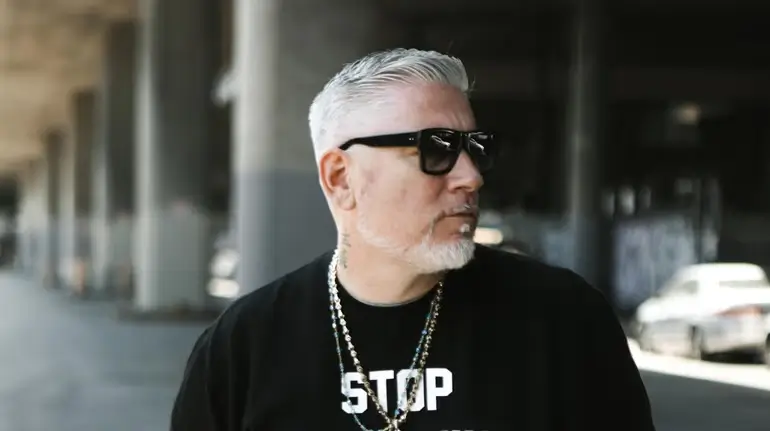
Erik Schrody, better known as Everlast (or Whitey Ford), has built a career defined by reinvention. From the rowdy Irish-American hip-hop of House of Pain in the early 1990s to the introspective, blues-infused folk-rap of his solo work, he has consistently blended genres while mining personal and social truths. In March 2026, after an eight-year gap since his last full studio album, Everlast dropped “Stones,” the lead single from his upcoming project Embers to Ashes (set for release August 28, 2026). Produced by Yelawolf and mixed by Chris Lord-Alge, the track marks a powerful return that feels both raw and redemptive.
stir
“Stones” is a confessional ballad that Everlast describes as “a song about culpability and regret. A journey from self-loathing to self-healing and forgiveness.” The track opens with sparse, atmospheric production—acoustic guitar undertones layered with subtle hip-hop beats and atmospheric textures courtesy of Yelawolf. It evokes the stripped-down vulnerability of Whitey Ford Sings the Blues (1998) more than the aggressive energy of House of Pain’s “Jump Around.”
Key lyrics paint a picture of internal struggle:
“Broke a promise to myself / To leave that bottle on the shelf / But then I went and took it down and now I’m wasted…”
The song traces an emotional arc familiar to longtime fans: acknowledging past mistakes (personal and relational), confronting the weight of one’s actions (“stones” as both burdens and things we throw at others), and moving toward grace. The music video, released in April 2026, amplifies this with stark visuals—intimate close-ups, shadowy lighting, and symbolic imagery of literal stones that shift from obstacles to stepping stones.
Musically, the link with Yelawolf (another artist known for genre-blending and Southern roots) brings a fresh yet rooted edge. The production feels modern but not trendy, prioritizing storytelling over hooks designed for TikTok virality. This restraint has resonated: as of late May 2026, the official video and lyric video have garnered hundreds of thousands of views, with strong radio play and fan discussions highlighting its therapeutic quality.
Critics and fans note parallels to Everlast’s empathy anthem “What It’s Like,” which humanized the struggles of addicts, the homeless, and the marginalized. “Stones” turns that lens inward, making it more autobiographical. In a music climate dominated by polished pop-rap and AI-assisted tracks, its authenticity stands out.
flow
Everlast’s trajectory reflects broader shifts in hip-hop and singer-songwriter culture. In the 1990s, he helped popularize genre fusion—rap with rock, blues, and folk—long before it became commonplace. House of Pain’s debut went multi-platinum on the strength of “Jump Around,” a party staple that still echoes in sports arenas and memes today. But Schrody’s near-fatal heart attack while recording Whitey Ford Sings the Blues forced a pivot. That album’s success (platinum, Top 40 hit) proved vulnerability could sell.
Subsequent releases like Eat at Whitey’s (2000), White Trash Beautiful (2004), and others showed a consistent thread: blending raspy vocals, acoustic elements, social commentary, and personal reflection. He dabbled in La Coka Nostra and soundtrack work, but solo output slowed.
The 2026 return with Embers to Ashes (17 tracks, produced entirely by Yelawolf) fits a trend of veteran artists reclaiming narrative control in their later careers. Think Johnny Cash’s American Recordings series or more recent comebacks by artists like Eminem or even Bob Dylan—focusing on craft over commercial pressure. Everlast has explicitly stated he only creates when inspired: “I don’t paint when I’m not in the mood to paint. I’m not a machine… I only do it for creative fulfillment.”
In the current music ecosystem, “Stones” bucks trends toward short-form, algorithm-driven content. Its deeper themes align with a growing audience fatigue with superficiality, especially among Gen X and millennial listeners seeking substance. The album announcement included pre-orders for signed vinyl and merch, tapping into collector culture and direct-to-fan models that have sustained artists like Jason Isbell or Sturgill Simpson.
There’s also a subtle “vintage activewear” crossover—Everlast the boxing brand has seen nostalgic revival in streetwear, paralleling the artist’s own enduring legacy. Fans wearing classic Everlast gear at shows symbolize a full-circle cultural moment.
View this post on Instagram
challenge
Now in his mid-50s (born August 18, 1969), Erik Schrody lives a markedly different life from his wilder days. He converted to Islam in the mid-1990s, quit drinking around the same time, and has been open about prioritizing family.
Health has always been a core theme. The 1998 heart attack (torn aortic valve, bypass surgery, artificial valve) nearly ended him. He has spoken about the artificial valve lasting his lifetime, approaching it with dark humor. In recent years, he has maintained a lower public profile, focusing on wellness. No major health scares reported in 2025-2026; he appears active, performing select dates and engaging with fans via social media.
Family remains central. He has stepped back from heavy touring in the past to be present as a husband and father—especially after one daughter’s cystic fibrosis diagnosis. This choice reflects a deliberate shift from rock-star excess to grounded domesticity. In interviews around the new music, he emphasizes balance: not chasing riches but using his platform meaningfully.
His lifestyle today seems rooted in Southern California (with Nashville recording ties). He engages in creative pursuits beyond music—possibly visual art or scoring, given past work. Social media shows him promoting the album with excitement but without desperation, posting BTS from sessions and in-store performance plans in the UK. He values independence through Martyr Inc. Records, partnering with Thirty Tigers and Regime Music Group.
Sobriety, faith, and reflection inform his output. “Stones” directly addresses breaking promises to oneself (e.g., the bottle), suggesting ongoing vigilance rather than perfection. This authenticity connects with fans facing their own midlife reckonings—addiction recovery, regret, forgiveness.
Politically and socially, Everlast has never shied away. Tracks like “Rubber Bullets” (written during George Floyd protests) and past commentary show a consistent thread of empathy across divides. He confronts calls to “keep politics out of music” by arguing lived experience naturally informs art.

push
“Stones” and Embers to Ashes represent more than a comeback—they’re a continuation of Everlast’s role as a chronicler of the human condition. In an era of cancel culture and polarization, his emphasis on culpability, healing, and shared realities feels timely. The album’s 17 tracks promise expansion on these themes, with guests or influences potentially broadening its appeal.
Trends suggest growing appreciation for artists who age in public with honesty. Everlast’s fusion style prefigured much of today’s alternative-rap and Americana-hip-hop crossovers. His influence appears in artists comfortable blending singing and rapping without rigid genre boxes.
For fans, this era offers intimacy. Planned in-store performances and limited signed editions create connection points rare for veterans. As he performs at festivals like Oceans Calling in fall 2026, audiences can expect a mix of new material with classics, delivered with the gravelly wisdom of experience.
fin
Everlast’s “Stones” isn’t flashy, but it’s substantial—like the man himself. It acknowledges the weight we carry while suggesting we can lay some burdens down. In a career spanning over three decades, Schrody has survived health crises, industry shifts, and personal reckonings. His current lifestyle—family-focused, creatively selective, sober, and reflective—infuses the music with hard-earned depth.
Embers to Ashes arrives at a moment when audiences crave realness. Whether it becomes a commercial hit or a cult favorite matters less than its role in Everlast’s ongoing journey. As the title implies, from the glowing remnants of past fires comes new creation. Fans old and new will find in “Stones” not just a song, but a mirror—and perhaps a path forward.
Related Articles

Rose Byrne and Mary Bronstein Are Doing It Again, and This Time They Brought Jenna Ortega
A coach and her prodigy are about to become the most dangerous relationship in a […]