DRIFT AUDIO
Listen to this story
Choose a voice, then press play.
Earlier reports that Ford would bring five new models to Europe over the next two years immediately caught the attention of Bronco fans. One announcement in particular raised concern. Ford confirmed it was developing a compact SUV with “Bronco DNA,” leading many enthusiasts to fear the company was preparing a toned-down version of its rugged off-roader for European buyers.
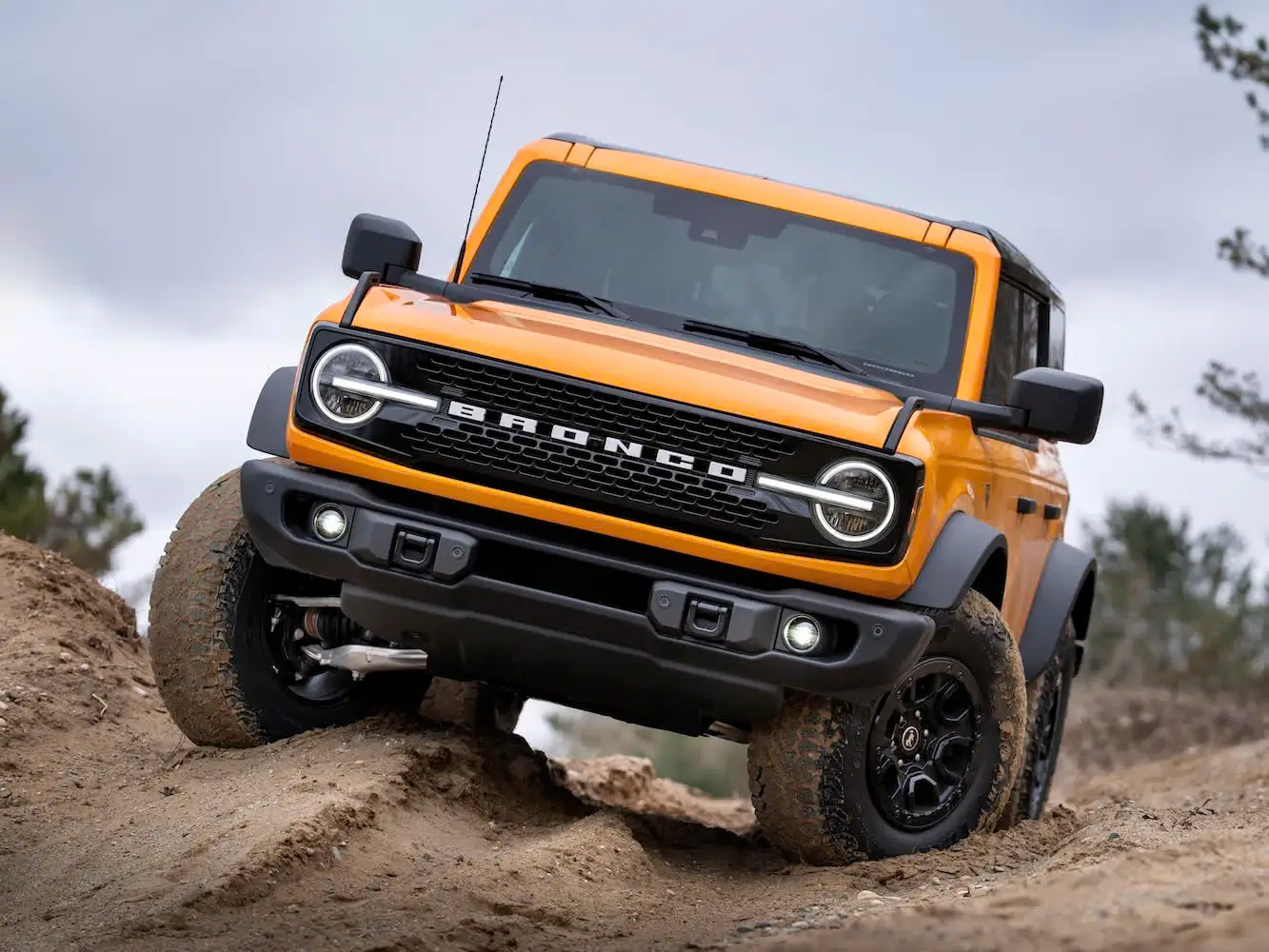
In the weeks following Ford’s May 2026 announcement of a major European passenger-vehicle offensive, online forums, social media groups, and enthusiast publications lit up with a familiar mix of excitement and skepticism. The Bronco nameplate carries heavy expectations, especially after the sixth-gen model’s triumphant 2021 return in North America. That vehicle revived a legend with body-on-frame construction, serious off-road hardware like locking differentials, high ground clearance, and the now-iconic G.O.A.T. (Goes Over Any Terrain) drive modes.
Ford is bringing its popular Bronco SUV to Europe for the first time. https://t.co/rxnonIi1Bu
— Bloomberg (@business) May 18, 2026
stir
Ford’s passenger car business in Europe has faced challenges. The company phased out traditional sedans and hatches like the Fiesta and Focus in favor of higher-margin SUVs and commercial vehicles, while pushing toward electrification under tightening EU emissions rules. Sales have struggled amid intense competition from Volkswagen, Stellantis brands, Hyundai-Kia, and increasingly capable Chinese entrants.
In response, Ford outlined plans for five new passenger vehicles by the end of 2029, all built or assembled in Europe and tailored to local tastes, regulations, and infrastructure. The lineup includes:
- A rugged compact Bronco SUV (production starting 2028 at Valencia, Spain).
- A small electric hatchback (possibly reviving the Fiesta name).
- A fully electric small SUV.
- Two additional multi-energy (plug-in hybrid and other) rally-inspired crossovers.
These models draw on Ford’s rich European rally heritage—over 90 World Rally Championship victories—to infuse “thrill and adventure” alongside efficiency. Partnerships, notably with Renault for EV platforms, help accelerate development and control costs.
The Bronco slots in as the emotional flagship, leveraging the name’s global recognition while adapting to European realities: narrower streets, higher fuel taxes, CO2 targets, and buyer preference for smaller, more efficient vehicles.
scope
Production is slated for Ford’s Valencia plant in Spain alongside the Kuga (Europe’s version of the Escape). It will ride on a multi-energy platform, likely related to the C2 architecture shared with the Kuga PHEV, rather than the body-on-frame setup of the full-size North American Bronco. Expect a unibody construction for better on-road manners, lower weight, and improved efficiency—essential for a PHEV powertrain.
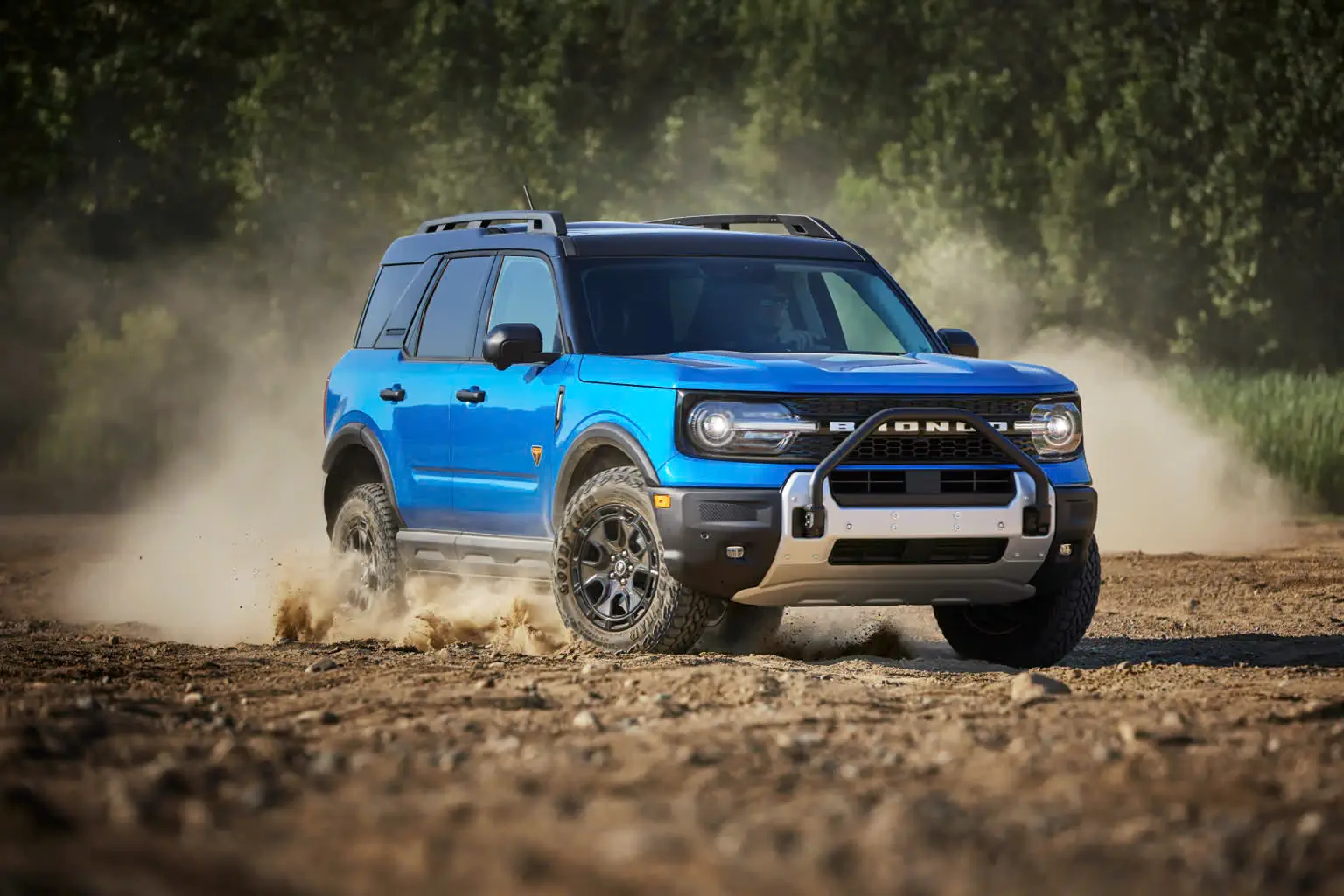
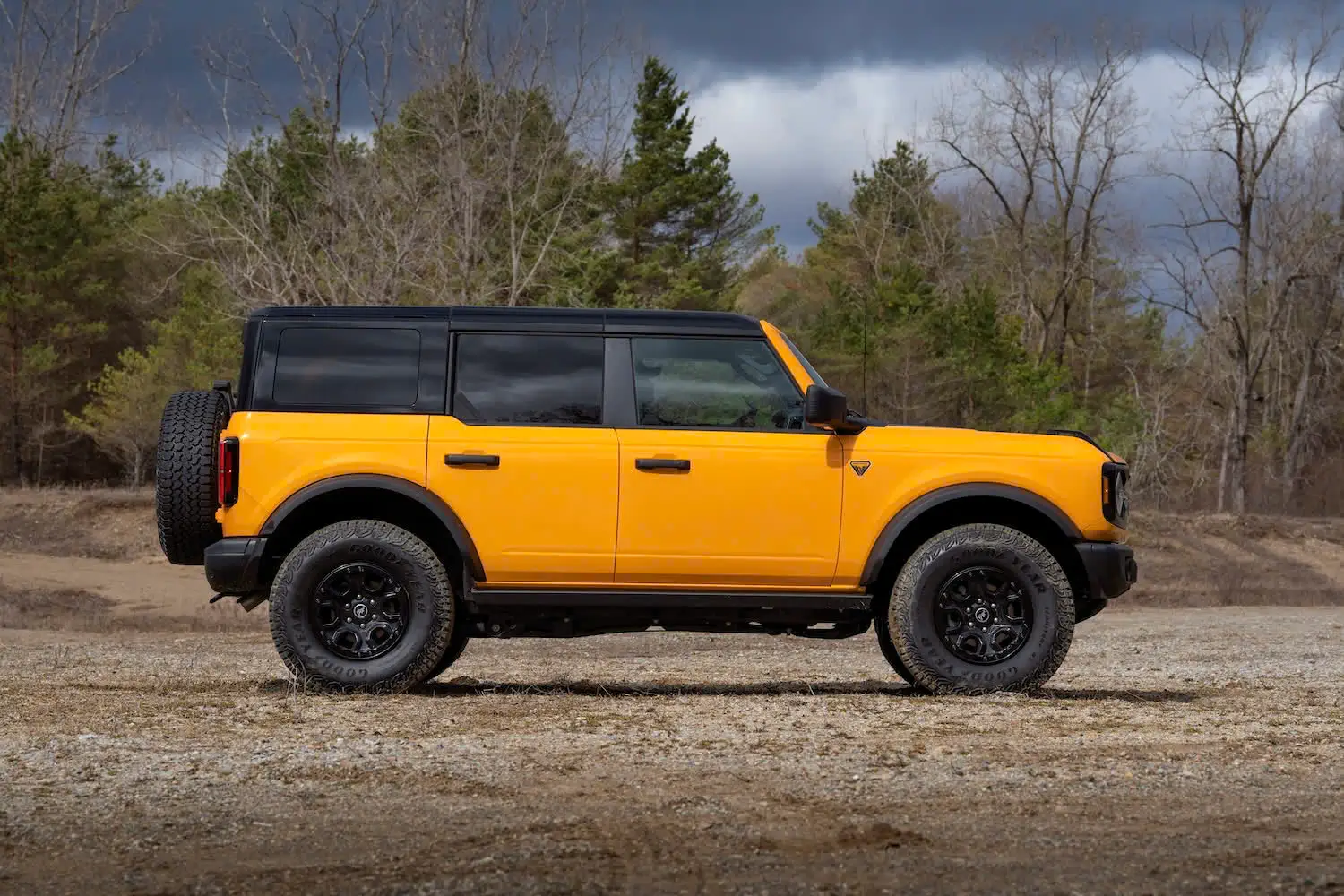
Size-wise, it should be roughly comparable to the U.S. Bronco Sport but with a more upright, two-box design. It will be slightly smaller and more maneuverable than the Bronco Sport in some dimensions, making it suitable for dense European cities while still offering weekend off-road prowess. Styling will echo the big Bronco: boxy fenders, round headlights, a prominent grille, and rugged details that scream adventure.
Powertrain: Primarily plug-in hybrid, using a setup similar to the Kuga PHEV (likely a 2.5-liter Atkinson-cycle four-cylinder paired with an electric motor and sizable battery for 30-40+ miles of electric range). Multi-energy flexibility means potential mild-hybrid or other variants. This balances performance, emissions compliance, and real-world usability on Europe’s mix of highways, B-roads, and unpaved trails.
Off-road credentials are where Ford draws the line against “softened crossover” accusations. Executives promise core Bronco traits: elevated ground clearance, approach/departure angles optimized for trails, advanced all-wheel-drive systems with torque vectoring, multiple drive modes (including dedicated off-road settings), and possibly features like trail control or camera-based terrain viewing. It won’t match the full-size Bronco’s extreme rock-crawling ability but aims to outperform typical compact crossovers like a standard Jeep Compass or Toyota RAV4 in mild-to-moderate off-roading.
Pricing will target the volume mainstream segment—more accessible than the U.S. Bronco but positioned as a premium adventure option against rivals like the Dacia Bigster, Jeep Avenger/Compass, or Subaru Crosstrek equivalents.
Ford is bringing its popular Bronco SUV to Europe for the first time. https://t.co/rxnonIi1Bu
— Bloomberg (@business) May 18, 2026
fan
Enthusiasts’ fears stem from past experiences. Many iconic nameplates (think Jeep Wrangler’s road-biased variants or Land Rover Defender’s earlier road-focused iterations) have seen dilution for broader markets. The Bronco Sport in the U.S. already represents a more accessible, car-like take on the formula, and some worried the European version would go further—prioritizing efficiency and comfort at the expense of capability.
Ford’s messaging counters this directly. Baumbick and team stress authenticity: “Things that you see, touch, and feel… make it authentically a Ford.” The vehicle will incorporate rally-bred dynamics—sharp handling on twisty roads, confidence-inspiring chassis tuning—and view/tactile cues that connect to the Bronco legacy. It’s positioned as a hero model, not a badge-engineered filler.
This approach aligns with broader trends. Compact off-road-focused SUVs are booming: Ford’s own Bronco Sport success, Jeep’s trail-rated models, Toyota’s revived Land Cruiser concepts, and Ineos Grenadier all prove demand for genuine capability in smaller packages. Europe’s growing interest in overlanding, van-life, and accessible green-lane exploration supports a capable Bronco.
challenge
Adapting Bronco DNA to Europe isn’t straightforward. EU safety regulations, pedestrian impact rules, and WLTP emissions testing demand careful engineering. A unibody PHEV platform helps meet these while delivering low CO2 figures for fleet compliance. Ford must balance this with the brand’s rugged image—no easy feat when competitors like the electric Ford Explorer/Capri already face demand softness.
Supply chain localization (building in Spain) reduces tariffs and logistics costs. Partnerships lower development risk. Yet Ford faces execution pressure: recent job cuts and EV production adjustments in Europe show the stakes. Success hinges on delivering promised capability without compromising efficiency or refinement.
imply
The European Bronco represents more than one model. It signals Ford’s commitment to a multi-energy future—PHEVs as a bridge—while lobbying for realistic emissions policy. It leverages American heritage (the Bronco) with European strengths (rally DNA, agile dynamics). For enthusiasts, it could expand the global Bronco family, potentially influencing future U.S. variants or aftermarket interest.
Competitively, it challenges Stellantis (Jeep), Toyota, and emerging Chinese brands offering rugged, affordable SUVs. If executed well, it could help Ford regain retail share in a segment where SUVs now dominate.
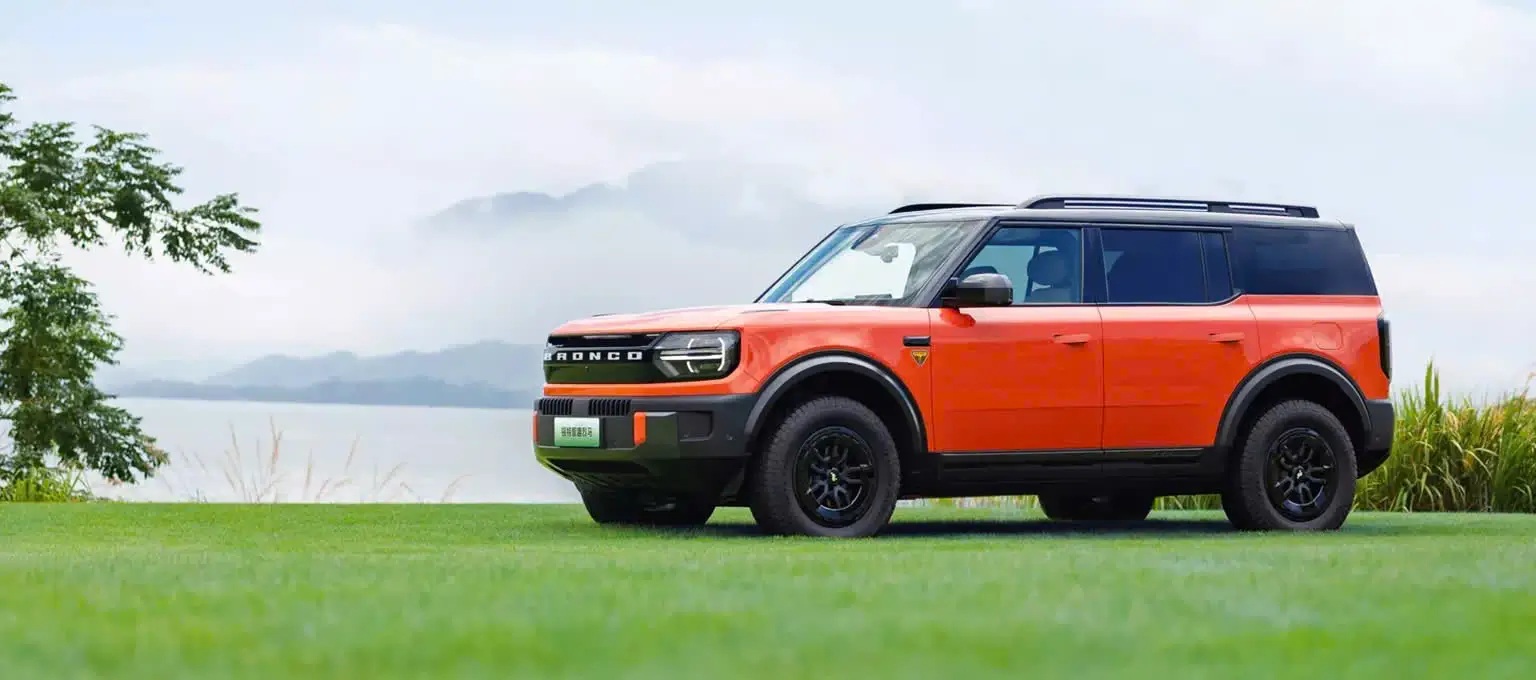
Longer-term, this compact Bronco might preview elements of a next-generation global lineup. While not coming to the U.S. initially (due to tariffs, platform differences, and positioning), strong European sales could justify broader ambitions. China already has its own Bronco New Energy EV variant, showing nameplate flexibility.
Ford is bringing its popular Bronco SUV to Europe for the first time. https://t.co/rxnonIi1Bu
— Bloomberg (@business) May 18, 2026
rx
Initial reactions are cautiously optimistic. Bronco Nation forums praise the commitment to capability but demand proof—spy shots, prototypes, and eventual drive reviews. Skeptics note unibody limitations versus body-on-frame purity, but most accept compromises for a Europe-specific vehicle.
Ford has teased views in announcement materials showing a boxy, adventure-ready silhouette. Full reveal likely late 2027 or early 2028 ahead of 2028 production. Expect configurators with off-road packages, heritage color options (think Oxford White, Race Red, or new Europe-inspired hues), and accessories like roof racks, winch mounts, and all-terrain tires.
spin
Ford’s European Bronco is not a betrayal of the formula but an intelligent adaptation. By insisting on core off-road DNA—capability, style, and adventure spirit—while embracing PHEV technology and compact proportions, the company aims to satisfy purists and pragmatists alike. It’s a volume seller with hero appeal, a rally-flavored compact that can tackle Alps trails by day and city streets by night, all while meeting stringent regulations.
Related Articles

Under Rue de Castiglione, Liaigre Gives Hôtel Costes a Spa With No Hard Corners
A 20-meter lap pool, eight treatment rooms and not one sharp angle: Studio Liaigre’s spa […]