DRIFT AUDIO
Listen to this story
Choose a voice, then press play.
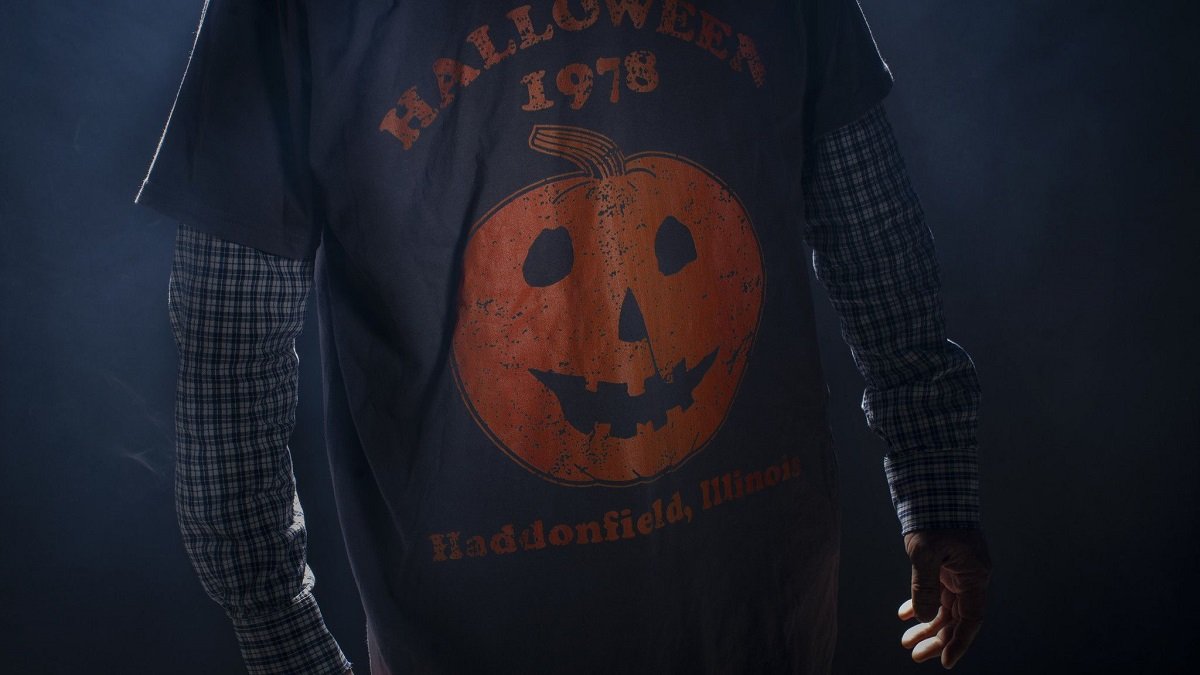
Haddonfield, Illinois, is a fictional town that has gained notoriety as the eerie backdrop for the beloved horror franchise, “Halloween”. First introduced in John Carpenter’s 1978 classic, the town embodies a sense of Americana—complete with quiet streets, suburban homes, and a seemingly idyllic community. Yet beneath this veneer of normalcy lurks a darkness embodied by the infamous character of Michael Myers, whose brutal return to Haddonfield reignites a cycle of terror and violence that shapes the franchise’s narrative.
Set in the late fall, particularly around Halloween, Haddonfield serves as a microcosm of fear, where the mundane lives of its residents are shattered by a masked killer. The charm of this town lies in its juxtaposition of tranquility and horror. The initial scenes of “Halloween” showcase children trick-or-treating and families enjoying the festivities, creating a stark contrast to the terror that Michael Myers unleashes. This duality captures the essence of horror: the idea that evil can emerge from the most unsuspecting places.
Over the decades, Haddonfield has been revisited numerous times, with each installment exploring different facets of fear and survival. Following the original film, the sequels delve into the psychological ramifications of trauma, particularly for Laurie Strode, portrayed by Jamie Lee Curtis. Her character’s evolution reflects the lasting impact of violence on survivors and communities alike. The struggle against an unrelenting force manifests not only in physical confrontations but also in the emotional scars carried by those who have encountered Myers.
Moreover, the setting of Haddonfield allows for an exploration of societal fears and anxieties. The small-town atmosphere can be seen as a representation of 1970s America—an era grappling with issues of family, safety, and the lurking dangers of the world. Michael Myers symbolizes the existential threats that disrupt the peace, turning the familiar into the frightening. The character’s origin story—stemming from a troubled childhood and the subsequent violence he perpetrates—challenges viewers to consider the sources of evil and the societal failures that may contribute to such monstrous behavior.
In recent iterations of the franchise, particularly the 2018 reboot and its sequels, Haddonfield continues to serve as a battleground for confronting the past. These films return to the core themes of the original while recontextualizing them for a contemporary audience. The character of Laurie Strode becomes a symbol of resilience, as she prepares for the inevitable return of Myers. The town itself becomes a character, representing the collective memory of trauma and the struggle for a community to reclaim its safety and sense of normalcy.
As the franchise expands, Haddonfield’s representation evolves, echoing changes in societal attitudes toward horror and violence. The films explore the idea of legacy—how the actions of one generation can haunt the next. In doing so, they prompt viewers to reflect on their own fears and the cultural narratives surrounding violence, survival, and community.
Haddonfield, Illinois, stands as a critical setting for the “Halloween” franchise, serving as a canvas for themes of fear, trauma, and resilience. Its blend of quaint suburban life with a backdrop of horror creates a compelling narrative that resonates with audiences across generations. As long as Michael Myers lurks in the shadows, Haddonfield will continue to evoke a sense of dread, reminding us that evil can emerge from even the most ordinary places. The town is more than just a setting; it is a reflection of our deepest fears and the haunting legacy of violence that permeates our culture.
Related Articles

Two Image Scavengers in a Venetian Palazzo: Arthur Jafa and Richard Prince Take On America
Inside an eighteenth-century Grand Canal palazzo. in this story Arthur Jafa Richard Prince Fondazione Prada […]