DRIFT

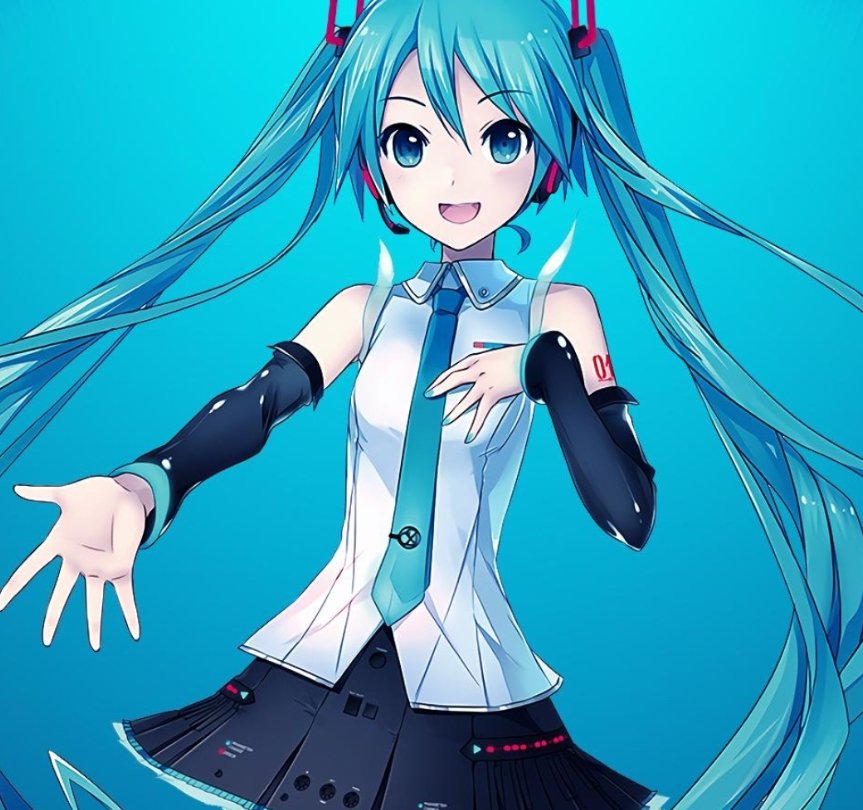
Since her creation in 2007, Hatsune Miku has become a phenomenon that transcends boundaries, redefining the intersection of music, technology, and culture. Born as a vocaloid software character, Miku’s voice and persona have captivated millions around the world. While she first rose to prominence in Japan, her iconic turquoise twin-tails and synthesized melodies have gradually turned her into a global sensation, a cultural staple in the realms of music, fashion, and fandom.

As we look at her meteoric rise and enduring legacy, Hatsune Miku’s journey showcases how a digital character can evolve from niche software into a multi-faceted global icon.

The Creation of Hatsune Miku

Hatsune Miku was developed by Crypton Future Media as part of their “Character Vocal Series.” Powered by Yamaha’s Vocaloid 2 software, she was designed to give users the ability to create songs using her synthesized voice. Her name, which translates to “The First Sound of the Future” (初音ミク), reflects her purpose as a groundbreaking musical tool.

Miku’s voice was provided by Japanese voice actress Saki Fujita, whose recordings were processed to produce the wide range of tones and expressions that define her vocal character. However, Miku wasn’t just a voice—she came with a distinctive, futuristic persona. Designed by illustrator KEI, her turquoise pigtails, futuristic outfit, and striking design quickly made her a recognizable figure.

Initially, Crypton Future Media did not expect her to achieve mainstream success. However, her approachable software, paired with her unique visual identity, quickly caught the attention of music producers, fans, and content creators, sparking the start of her rise to stardom.

From Vocaloid to Virtual Pop Star

Hatsune Miku’s initial popularity came from her use as a creative tool for musicians. Producers began creating original tracks using her voice, uploading them to platforms like Niconico Douga (Japan’s equivalent of YouTube at the time). These early creators included artists like ryo (Supercell), kz (Livetune), and Hachi (now Kenshi Yonezu), who composed songs that became instant hits within the Vocaloid community.

As more songs featuring Miku gained traction, the character herself became inseparable from the music. Fans began illustrating and animating her in fan videos, further solidifying her persona as more than just a piece of software.

By 2009, Hatsune Miku officially transitioned into a virtual pop star with the release of “The Disappearance of Hatsune Miku” and other groundbreaking tracks. These songs showcased her synthesized voice as dynamic, emotive, and versatile. Miku was no longer just a tool for musicians—she became the centerpiece of a burgeoning subculture.

Miku’s Cultural Impact in Japan

In Japan, Hatsune Miku became a cultural icon. Her music topped charts, and her presence extended into merchandise, anime collaborations, and even food branding. She appeared in commercials, on billboards, and at promotional events, becoming an ambassador for futuristic creativity.

One of Miku’s most groundbreaking milestones was her live concert debut in 2009, where she appeared as a 3D hologram performing for a live audience. This technological marvel blurred the lines between reality and virtuality, setting a new standard for digital entertainment. Her concerts, such as those in the “Miku Expo” series, attracted thousands of fans, further cementing her role as a bona fide pop star.

Miku’s Gradual Global Expansion

Although she first gained fame in Japan, Hatsune Miku’s popularity gradually expanded to international audiences. Early adopters outside Japan discovered her through music-sharing platforms like YouTube, where fans translated lyrics and videos for a global audience.

Anime Conventions and Fandoms:

By the early 2010s, Miku had become a staple of anime conventions worldwide. Her design, with its instantly recognizable turquoise pigtails and futuristic outfit, made her a favorite among cosplayers. Merchandise like figures, apparel, and posters dominated convention booths, and her music echoed through the halls of fan gatherings.

Video Games and Collaborations:

Miku’s popularity soared further with the release of “Hatsune Miku: Project DIVA,” a rhythm game series by Sega that allowed players to interact with her music through gameplay. The game’s success helped introduce Miku to gaming communities worldwide, reinforcing her status as a versatile digital icon.

Additionally, Miku’s collaborations with global brands like Toyota, Domino’s Pizza, and Louis Vuitton brought her into mainstream pop culture. Her holographic performances on The Late Show with David Letterman and at events like Coachella 2020 exposed her to new audiences, solidifying her presence in the global entertainment landscape.

The Role of Fandom in Miku’s Success

What sets Hatsune Miku apart from other pop stars—virtual or real—is the deep connection she shares with her fanbase. Miku’s creators designed her as a platform for user-generated content, empowering fans to shape her identity through their creativity.

Music Creation and Collaboration

Miku’s fans are not just passive consumers; they are active participants in her success. Producers from around the world create original songs featuring her voice, spanning genres from pop to rock to electronic. Some of these tracks, like “World is Mine” and “Rolling Girl,” have achieved legendary status within the Vocaloid community and beyond.

Fan Art and Cosplay

Miku’s visual design has inspired countless fan artists and cosplayers. Her adaptability as a character allows fans to reinterpret her in unique ways while still retaining her core identity. This collaborative spirit has made Miku a symbol of artistic freedom and innovation.

Miku’s Enduring Legacy

Over 15 years after her debut, Hatsune Miku continues to thrive. She remains a symbol of the possibilities unlocked by combining technology, art, and music. Her influence can be seen in the growing trend of virtual influencers and performers, such as K/DA, Lil Miquela, and other virtual idols who owe part of their existence to the trail Hatsune Miku blazed.

Innovations in Virtual Performance

Miku’s live performances have evolved over the years, incorporating cutting-edge holographic and projection technology. These concerts are immersive experiences, featuring dynamic stage visuals and fan interactions that rival those of human performers.

The Miku Expo

The Miku Expo, a series of international concerts and events, showcases her global appeal. From Tokyo to Los Angeles to Paris, fans across the world come together to celebrate their love for Miku, demonstrating the unifying power of her music and persona.

A Gateway to Vocaloid Culture

For many fans, Hatsune Miku serves as an introduction to the broader Vocaloid community. She has paved the way for other Vocaloid characters like Kagamine Rin and Len, Megurine Luka, and KAITO to find their own audiences.

Challenges and Critiques

Despite her success, Hatsune Miku’s rise has not been without controversy. Some critics question the ethics of idolizing a virtual character, citing concerns about replacing human artists with digital performers. Others argue that her overwhelming presence sometimes overshadows other Vocaloid characters and artists.

However, her fans and creators view Miku not as a replacement for human artistry but as a tool for enhancing creativity. Her existence has democratized music production, giving individuals from all backgrounds the chance to create and share their work with the world.

The Future of Hatsune Miku

As technology continues to evolve, so too does Hatsune Miku’s potential. Artificial intelligence, augmented reality, and blockchain technology are opening new doors for virtual performers, and Miku is poised to remain at the forefront of these innovations.

Expanding Collaborations

Future collaborations could see Miku breaking into new industries, such as virtual reality gaming or fashion tech. Her adaptability ensures that she will continue to resonate with new audiences while staying relevant to her longtime fans.

Cultural Legacy

More than just a character, Hatsune Miku represents a cultural shift. She has shown the world how technology can bridge the gap between creators and audiences, fostering a global community of innovation and creativity.

Impression

Hatsune Miku’s journey from a piece of vocaloid software to a global cultural icon is nothing short of extraordinary. Her influence spans music, technology, fashion, and fandom, making her a symbol of creativity in the digital age.

For those who grew up with her music echoing through anime conventions or danced to her holographic concerts, Miku is more than a virtual character—she’s a reminder of the boundless possibilities of imagination. And as she continues to inspire fans and creators worldwide, it’s clear that Hatsune Miku’s story is far from over.

Related Articles

Modern data center facility with a solar-panel-clad exterior, bright green administrative offices, and secure perimeter fencing, showcasing sustainable digital infrastructure and renewable energy integration

Lombardy’s Data Center Boom: Balancing Digital Ambition with Environmental Responsible

Lombardy has emerged as Italy’s primary hub for new digital infrastructures, particularly data centers—vast complexes […]

In a highly anticipated reunion after 24 years, Adidas Originals and Coca-Cola have joined forces once again to celebrate the FIFA World Cup 2026™. The collaboration revives their iconic 2002 partnership from the Japan-South Korea tournament, now reimagined for the biggest global sporting event of 2026, co-hosted by the United States, Canada, and Mexico. Set to launch on June 6, 2026, this collection masterfully blends Adidas' streetwear heritage with Coca-Cola's timeless branding, creating a vibrant fusion of football culture, nostalgia, and modern style. The drop arrives at a perfect moment. With the World Cup kicking off on June 11, 2026, fans worldwide are gearing up for a summer of football excitement. This collaboration isn't just merch—it's a cultural statement that merges two legendary brands under the banner of "Originals are the Real Thing," a clever twist on Coca-Cola's famous slogan. Historical Context: A Reunion 24 Years in the Making Adidas and Coca-Cola first collaborated during the 2002 FIFA World Cup, producing limited-edition pieces that captured the era's energy. That partnership helped define early 2000s football-streetwear crossover culture. Fast-forward to 2026, and the brands are back with fresh energy, leveraging Adidas' deep FIFA ties (as an official partner) and Coca-Cola's long-standing sponsorship of the tournament. The 2026 edition promises to be historic as the first 48-team World Cup, spanning three countries and generating unprecedented global hype. This collab taps into that momentum, offering fans wearable pieces that celebrate both brands' legacies while looking forward to the future of football fashion. Collection Overview and Design Philosophy The Adidas Originals x Coca-Cola collection fuses 2000s street style with classic sporting aesthetics. Expect bold reds, creams, whites, and silver accents inspired by Coca-Cola's iconic packaging—think classic script logos, droplet detailing, and can-inspired motifs. The lineup spans footwear, apparel, and accessories, divided into two visual directions: one logo-heavy and graphic-forward, the other drawing from vintage advertising aesthetics. Designs pay homage to Coca-Cola's visual language while staying true to Adidas Originals' archival roots. High-quality materials, attention to detail, and versatile silhouettes make these pieces suitable for both match-day wear and everyday street style. The campaign, featuring young football star Lamine Yamal and a diverse cast in everyday scenes building anticipation for the tournament, reinforces themes of originality and shared cultural moments. Footwear Highlights Footwear takes center stage in this collaboration, with reimagined takes on iconic 2000s Adidas silhouettes: Samba and Superstar Models: These classics get Coca-Cola treatment with white/cream/red colorways and prominent script branding. The Samba blends street heritage with football roots, while the Superstar II features weathered bases and bold side panels. Expected pricing around $110–$130. Adistar Control 5: A standout with droplet detailing mimicking condensation on a cold Coke can. This model brings performance-inspired design into lifestyle territory. Predator Sala: Indoor/hybrid style with silver-and-red accents, nodding to predatory precision on the pitch and Coca-Cola's bold energy. Climacool 1: Revived with breathable tech and Coke-inspired graphics, perfect for warm summer days. Megaride F50: A highlight paying tribute to the iconic Coca-Cola glass bottle, with unique contours and refreshing design cues. Each pair incorporates thoughtful details like embroidered logos, custom insoles, and packaging that mimics vintage Coke crates or cans. These shoes are built for durability and comfort, appealing to sneakerheads, football fans, and casual wearers alike. Apparel and Accessories Beyond kicks, the collection offers a full lifestyle range: Track Tops and Jerseys: Standout jerseys fuse retro Coca-Cola advertising from different eras into cohesive football designs. Track jackets feature signature three stripes alongside Coke branding, in vibrant reds and classic whites. Shorts and T-Shirts: Relaxed fits with graphic prints, ideal for casual wear or layering. Expect motivational football motifs blended with refreshing beverage references. Accessories: A bright red airliner bag stands out as a functional statement piece. Additional items may include caps, socks, and tote bags carrying the collaborative spirit. The apparel emphasizes comfort with premium cotton blends, mesh panels for breathability, and oversized silhouettes popular in contemporary streetwear. Unisex sizing and inclusive fits make the collection accessible to a broad audience. Cultural Impact and Fan Appeal This collaboration resonates on multiple levels. For football fans, it represents national pride and global unity ahead of the 2026 tournament. Sneaker enthusiasts will appreciate the nostalgic 2000s revival mixed with modern execution. Streetwear collectors see it as a prime example of how heritage brands can innovate through partnerships. In an era where sports and fashion increasingly intersect, Adidas and Coca-Cola deliver pieces that transcend the pitch. Wear them to watch matches at home, attend watch parties, or hit the streets in any host city—New York, Los Angeles, Toronto, or beyond. The designs are versatile enough for gym sessions, festivals, or daily commutes. The timing aligns perfectly with rising interest in football in North America, boosted by the co-hosting nations. Young talents like Lamine Yamal in the campaign help bridge generational gaps, attracting newer fans while satisfying longtime supporters. Where to Buy and Release Details The collection launches globally on June 6, 2026, via: Adidas CONFIRMED app (for early access and raffles) Adidas.com Select retailers and flagship stores worldwide Some regions may see staggered drops, with Japan and other markets getting early access. Prices are expected to range from $50–$150 depending on the item, making it relatively accessible compared to ultra-limited drops. Pro Tips for Copping: Enable notifications on the CONFIRMED app. Check local stock at Adidas stores in major cities. Monitor resale platforms post-drop for exclusive colorways, but be wary of markups. Size up slightly for oversized apparel fits. Given the World Cup hype, popular items like the Sambas and jerseys are likely to sell out quickly. International shipping is available, but factor in potential customs delays. Styling Suggestions Match Day Look: Pair a collaborative jersey with classic black shorts and Samba sneakers for effortless fan style. Streetwear Rotation: Layer a track top over a graphic tee with wide-leg pants and the Megaride F50 for a bold urban ensemble. Casual Summer: White Superstar with denim shorts and the airliner bag for a refreshing, vacation-ready vibe. These pieces mix seamlessly with existing Adidas or neutral wardrobes, maximizing versatility. Broader Context in 2026 Fashion and Sports The Adidas x Coca-Cola drop is part of a larger wave of high-profile collaborations tied to the World Cup. Adidas continues its dominance in football kit design, while Coca-Cola leverages its sponsorship with collectibles, bottles, and experiential activations like the Trophy Tour. In the sneaker industry, this collab exemplifies the ongoing trend of lifestyle reinterpretations of performance silhouettes. It also highlights how global brands use major events to drive cultural conversations around unity, originality, and joy—core values for both companies. Sustainability notes (based on Adidas' broader initiatives) suggest some pieces may incorporate recycled materials, aligning with modern consumer expectations. Looking Forward: Legacy and Excitement As the countdown to kickoff continues, this collection serves as the perfect prelude to an unforgettable summer of football. Whether you're a die-hard supporter, a fashion-forward collector, or someone seeking motivation through style, the Adidas Originals x Coca-Cola FIFA World Cup 2026 lineup delivers. Expect potential restocks, special event exclusives in host cities, and continued campaign content featuring more athletes. This isn't just clothing—it's a ticket to participate in the global celebration of the beautiful game. Mark your calendars for June 6, 2026. Refresh your wardrobe, lace up those Sambas, and get ready to cheer on your team in style. The "Real Thing" meets the Originals in what promises to be one of the most talked-about releases of the year. This collaboration captures the essence of football's universal appeal: bringing people together through shared passion, iconic brands, and unforgettable moments. As the world prepares for 2026's expanded tournament, Adidas and Coca-Cola remind us that some partnerships are truly timeless.

Adidas Originals x Coca-Cola Collection: FIFA World Cup 2026

In a highly anticipated reunion after 24 years, Adidas Originals and Coca-Cola have joined forces […]

Loewe shoulder bag crafted in brown and black leather with minimalist lion face detailing and a matching fur tail charm

180 Years Unfolded: The Full Story Behind Loewe’s New Campaign

The year was 1846. Queen Victoria was on the British throne and the telephone, the […]