DRIFT

A South of France Dream in West Hollywood

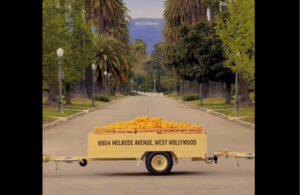
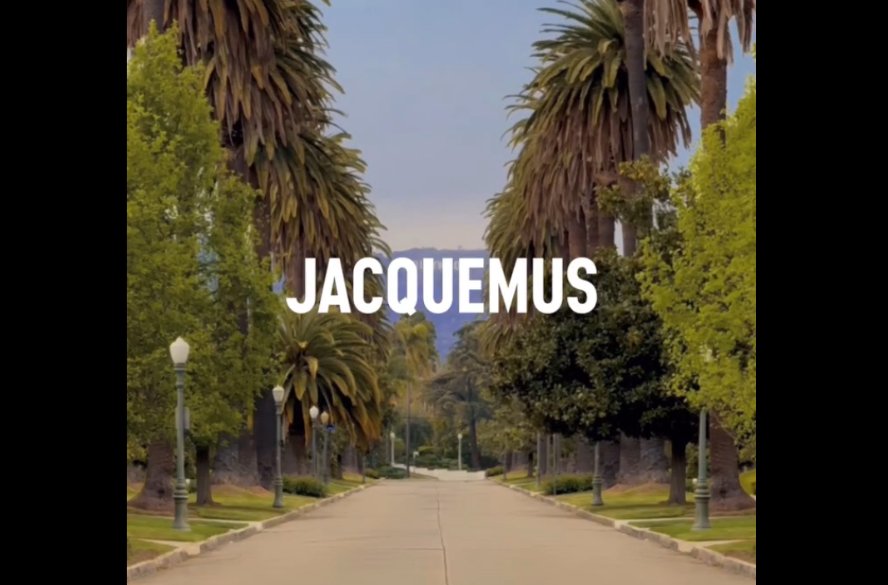
In a sunlit corner of West Hollywood, where style pulses through every sidewalk and the scent of citrus lingers in the spring air, Jacquemus is reimagining retail yet again. From April 24 to 27, the French fashion house will host its first-ever Jacquemus Market at 8804 Melrose Avenue — a four-day immersion in color, joy, and cinematic simplicity. Part installation, part open-air fête, the event acts as a prelude to the grand opening of the brand’s first permanent boutique in Los Angeles, slated for the end of the month.

This isn’t merely a store launch; it’s a mood, an emotion, a carefully calibrated collision between Provence and California cool. For Jacquemus, a designer who has turned everyday objects into couture icons and countryside nostalgia into high fashion, the choice of Los Angeles — and specifically Hollywood — signals not just a new commercial frontier, but a cultural conversation.

An Open-Air Market with a Twist

The Jacquemus Market invites Angelenos into the brand’s playful universe through a rare blend of physical storytelling and experiential gifting. Upon arrival, guests are given a whimsical choice: a ticket for either a Yellow Flower Bouquet or Fresh Banana Ice Cream, both evoking the label’s signature palette and tactile charm. It’s a nod to summer in Provence — the scent of wildflowers, the creaminess of ripe bananas under the sun — but delivered with L.A. flair.

Yet this is Jacquemus, where even delight has layers. Hidden inside select tickets are “golden moments” — exclusive win cards that can be redeemed for special in-store prizes. Chief among them are two items emblematic of the brand’s whimsical-meets-functional ethos: the Rond Carré clutch in Jacquemus yellow, and a new cult piece from the house’s surprise collaboration with Timberland — a pair of sunny “La Bateau” 3-Eye Lug boat shoes.

This blend of nostalgia, gamefulness, and collector-tier exclusivity encapsulates Simon Porte Jacquemus’ retail strategy: a boutique shouldn’t merely house clothes; it should house wonder.

From Parisian Rigor to Californian Ease

Los Angeles marks Jacquemus’ fifth permanent boutique worldwide, after opening in Paris (Avenue Montaigne), New York (SoHo), London (Bond Street), and Dubai (Mall of the Emirates). But unlike the stone-and-brass severity of most flagship stores, the L.A. outpost embraces something breezier.

The Melrose space, designed in collaboration with long-time architectural partner OMA (Office for Metropolitan Architecture), is inspired by roadside fruit stands, pastel diners, and the geometry of LA strip malls. Oversized lemons, suspended palms, and tiled surfaces transform the store into a sensorial playground that references Southern California’s grocery culture as much as the Mediterranean’s lazy luxury.

Inside, minimalist ready-to-wear hangs alongside new iterations of the Chiquito and Le Bambino bags, draped in creamsicle hues and lemon-curd leathers. A micro-kiosk sells postcards, keyrings, and tiny soaps — all infused with Jacquemus wit.

It’s commerce softened by poetry.

Why Los Angeles — Why Now?

The expansion to Los Angeles is as much a strategic decision as an emotional one. For a brand rooted in sunshine and sensuality, L.A. represents not just another luxury market, but a like-minded landscape. “Los Angeles is the only other place where I feel the same light as I do in the South of France,” Jacquemus once told Le Monde. “It’s the city where everything slows down, and yet where everything happens.”

In commercial terms, it’s savvy. Los Angeles is now the second-largest luxury market in the United States, with a customer base that is younger, more casual, and more inclined toward experiential retail. This aligns with Jacquemus’ growing Gen-Z following, who crave a brand that doesn’t take itself too seriously.

Moreover, the brand’s playful minimalism — oversized buttons, towel-texture polos, shoes shaped like fruit crates — fits comfortably into L.A.’s aesthetic melting pot, where streetwear, wellness, and genderless fashion merge on daily sidewalks.

The Banana and the Boat Shoe: Product as Story

The items given away or sold during the market weekend are more than just marketing props; they are narrative artifacts. The banana ice cream, for instance, references not only the palette of past Jacquemus campaigns but also the designer’s 2020 collection, L’Année 97, which featured fruit-forward prints and childlike iconography.

Meanwhile, the Timberland “La Bateau” shoe marks one of the brand’s most significant footwear collaborations to date. Reworking Timberland’s 3-Eye Lug — a staple of preppy, nautical Americana — Jacquemus transforms it into a sun-drenched objet d’art. The result is a boat shoe that’s been stripped of its yacht-club stiffness and dipped in lemon sorbet.

In many ways, it’s the perfect metaphor for Jacquemus’ approach: recontextualize the familiar into something eccentric, elegant, and disarmingly sincere.

Community, Content, and Contagion

Of course, no modern fashion event is complete without its content pipeline. The Jacquemus Market is designed to be photographed. Bouquets in branded paper sleeves. Ice cream melting against blue skies. A Rond Carré clutch cradled by a terrier in a straw tote. All of it Instagrammable, but also deeply on-brand.

Jacquemus has always relied on viral resonance. His Le Chiquito micro-bag became a global sensation not because of function, but because it offered a surreal twist on luxury — a punchline in handbag form. By contrast, the Los Angeles installation leans into emotional contagion: it’s not just cute, it’s cheerful, in a way fashion rarely permits itself to be.

And it builds community. The brand’s past events — from lavender fields to pink lake runways — weren’t fashion shows so much as happenings. With the Jacquemus Market, it invites Angelenos to play, taste, shop, and feel something.

Retail in the Age of Immersion

Jacquemus is part of a broader shift in retail — one where brick-and-mortar isn’t dying but mutating. In 2025, immersion sells. Consumers are tired of sterile luxury. They want spaces that act as sanctuaries, stages, or playgrounds.

Compare this with similar recent rollouts: Loewe’s Paula’s Ibiza surf shack in Malibu, Gucci’s botanical speakeasy in Seoul, or Aimé Leon Dore’s espresso bar-meets-gallery in New York. All of them collapse the distance between consumer and brand mythos. Jacquemus goes further by collapsing retail and romance.

In Hollywood — a city obsessed with performance — Jacquemus becomes both set and story.

A Hollywood Ending, or a New Beginning?

The temporary Jacquemus Market will close on April 27, but the boutique it prefaces will remain — a lemon-scented fixture in the city’s luxury circuit. And it may only be the beginning. Rumors are already swirling about potential outposts in Tokyo, Madrid, and even São Paulo.

The question isn’t whether Jacquemus can expand. It’s whether it can scale intimacy. The brand’s magic lies in its ability to create personal, emotional connections — whether through a tiny handbag, a roadside flower stall, or a yellow-wrapped ice cream cone.

If Jacquemus can continue to craft experiences that feel more like memories than transactions, then it may have cracked the code of 21st-century fashion retail.

In a world of cold commerce, it dares to be warm.

Related Articles
In a highly anticipated reunion after 24 years, Adidas Originals and Coca-Cola have joined forces once again to celebrate the FIFA World Cup 2026™. The collaboration revives their iconic 2002 partnership from the Japan-South Korea tournament, now reimagined for the biggest global sporting event of 2026, co-hosted by the United States, Canada, and Mexico. Set to launch on June 6, 2026, this collection masterfully blends Adidas' streetwear heritage with Coca-Cola's timeless branding, creating a vibrant fusion of football culture, nostalgia, and modern style. The drop arrives at a perfect moment. With the World Cup kicking off on June 11, 2026, fans worldwide are gearing up for a summer of football excitement. This collaboration isn't just merch—it's a cultural statement that merges two legendary brands under the banner of "Originals are the Real Thing," a clever twist on Coca-Cola's famous slogan. Historical Context: A Reunion 24 Years in the Making Adidas and Coca-Cola first collaborated during the 2002 FIFA World Cup, producing limited-edition pieces that captured the era's energy. That partnership helped define early 2000s football-streetwear crossover culture. Fast-forward to 2026, and the brands are back with fresh energy, leveraging Adidas' deep FIFA ties (as an official partner) and Coca-Cola's long-standing sponsorship of the tournament. The 2026 edition promises to be historic as the first 48-team World Cup, spanning three countries and generating unprecedented global hype. This collab taps into that momentum, offering fans wearable pieces that celebrate both brands' legacies while looking forward to the future of football fashion. Collection Overview and Design Philosophy The Adidas Originals x Coca-Cola collection fuses 2000s street style with classic sporting aesthetics. Expect bold reds, creams, whites, and silver accents inspired by Coca-Cola's iconic packaging—think classic script logos, droplet detailing, and can-inspired motifs. The lineup spans footwear, apparel, and accessories, divided into two visual directions: one logo-heavy and graphic-forward, the other drawing from vintage advertising aesthetics. Designs pay homage to Coca-Cola's visual language while staying true to Adidas Originals' archival roots. High-quality materials, attention to detail, and versatile silhouettes make these pieces suitable for both match-day wear and everyday street style. The campaign, featuring young football star Lamine Yamal and a diverse cast in everyday scenes building anticipation for the tournament, reinforces themes of originality and shared cultural moments. Footwear Highlights Footwear takes center stage in this collaboration, with reimagined takes on iconic 2000s Adidas silhouettes: Samba and Superstar Models: These classics get Coca-Cola treatment with white/cream/red colorways and prominent script branding. The Samba blends street heritage with football roots, while the Superstar II features weathered bases and bold side panels. Expected pricing around $110–$130. Adistar Control 5: A standout with droplet detailing mimicking condensation on a cold Coke can. This model brings performance-inspired design into lifestyle territory. Predator Sala: Indoor/hybrid style with silver-and-red accents, nodding to predatory precision on the pitch and Coca-Cola's bold energy. Climacool 1: Revived with breathable tech and Coke-inspired graphics, perfect for warm summer days. Megaride F50: A highlight paying tribute to the iconic Coca-Cola glass bottle, with unique contours and refreshing design cues. Each pair incorporates thoughtful details like embroidered logos, custom insoles, and packaging that mimics vintage Coke crates or cans. These shoes are built for durability and comfort, appealing to sneakerheads, football fans, and casual wearers alike. Apparel and Accessories Beyond kicks, the collection offers a full lifestyle range: Track Tops and Jerseys: Standout jerseys fuse retro Coca-Cola advertising from different eras into cohesive football designs. Track jackets feature signature three stripes alongside Coke branding, in vibrant reds and classic whites. Shorts and T-Shirts: Relaxed fits with graphic prints, ideal for casual wear or layering. Expect motivational football motifs blended with refreshing beverage references. Accessories: A bright red airliner bag stands out as a functional statement piece. Additional items may include caps, socks, and tote bags carrying the collaborative spirit. The apparel emphasizes comfort with premium cotton blends, mesh panels for breathability, and oversized silhouettes popular in contemporary streetwear. Unisex sizing and inclusive fits make the collection accessible to a broad audience. Cultural Impact and Fan Appeal This collaboration resonates on multiple levels. For football fans, it represents national pride and global unity ahead of the 2026 tournament. Sneaker enthusiasts will appreciate the nostalgic 2000s revival mixed with modern execution. Streetwear collectors see it as a prime example of how heritage brands can innovate through partnerships. In an era where sports and fashion increasingly intersect, Adidas and Coca-Cola deliver pieces that transcend the pitch. Wear them to watch matches at home, attend watch parties, or hit the streets in any host city—New York, Los Angeles, Toronto, or beyond. The designs are versatile enough for gym sessions, festivals, or daily commutes. The timing aligns perfectly with rising interest in football in North America, boosted by the co-hosting nations. Young talents like Lamine Yamal in the campaign help bridge generational gaps, attracting newer fans while satisfying longtime supporters. Where to Buy and Release Details The collection launches globally on June 6, 2026, via: Adidas CONFIRMED app (for early access and raffles) Adidas.com Select retailers and flagship stores worldwide Some regions may see staggered drops, with Japan and other markets getting early access. Prices are expected to range from $50–$150 depending on the item, making it relatively accessible compared to ultra-limited drops. Pro Tips for Copping: Enable notifications on the CONFIRMED app. Check local stock at Adidas stores in major cities. Monitor resale platforms post-drop for exclusive colorways, but be wary of markups. Size up slightly for oversized apparel fits. Given the World Cup hype, popular items like the Sambas and jerseys are likely to sell out quickly. International shipping is available, but factor in potential customs delays. Styling Suggestions Match Day Look: Pair a collaborative jersey with classic black shorts and Samba sneakers for effortless fan style. Streetwear Rotation: Layer a track top over a graphic tee with wide-leg pants and the Megaride F50 for a bold urban ensemble. Casual Summer: White Superstar with denim shorts and the airliner bag for a refreshing, vacation-ready vibe. These pieces mix seamlessly with existing Adidas or neutral wardrobes, maximizing versatility. Broader Context in 2026 Fashion and Sports The Adidas x Coca-Cola drop is part of a larger wave of high-profile collaborations tied to the World Cup. Adidas continues its dominance in football kit design, while Coca-Cola leverages its sponsorship with collectibles, bottles, and experiential activations like the Trophy Tour. In the sneaker industry, this collab exemplifies the ongoing trend of lifestyle reinterpretations of performance silhouettes. It also highlights how global brands use major events to drive cultural conversations around unity, originality, and joy—core values for both companies. Sustainability notes (based on Adidas' broader initiatives) suggest some pieces may incorporate recycled materials, aligning with modern consumer expectations. Looking Forward: Legacy and Excitement As the countdown to kickoff continues, this collection serves as the perfect prelude to an unforgettable summer of football. Whether you're a die-hard supporter, a fashion-forward collector, or someone seeking motivation through style, the Adidas Originals x Coca-Cola FIFA World Cup 2026 lineup delivers. Expect potential restocks, special event exclusives in host cities, and continued campaign content featuring more athletes. This isn't just clothing—it's a ticket to participate in the global celebration of the beautiful game. Mark your calendars for June 6, 2026. Refresh your wardrobe, lace up those Sambas, and get ready to cheer on your team in style. The "Real Thing" meets the Originals in what promises to be one of the most talked-about releases of the year. This collaboration captures the essence of football's universal appeal: bringing people together through shared passion, iconic brands, and unforgettable moments. As the world prepares for 2026's expanded tournament, Adidas and Coca-Cola remind us that some partnerships are truly timeless.

Adidas Originals x Coca-Cola Collection: FIFA World Cup 2026

In a highly anticipated reunion after 24 years, Adidas Originals and Coca-Cola have joined forces […]

Loewe shoulder bag crafted in brown and black leather with minimalist lion face detailing and a matching fur tail charm

180 Years Unfolded: The Full Story Behind Loewe’s New Campaign

The year was 1846. Queen Victoria was on the British throne and the telephone, the […]

Interior view of H.Lorenzo’s new West Hollywood flagship illuminated in vivid green lighting, featuring sculptural metal display structures, minimalist furnishings, and an immersive futuristic retail environment

H.Lorenzo Opens a New Flagship in West Hollywood, Uniting Four Decades of Avant-Garde Fashion Under One Roof

For more than four decades, H.Lorenzo has occupied a singular and irreplaceable position within the […]