DRIFT AUDIO
Listen to this story
Choose a voice, then press play.
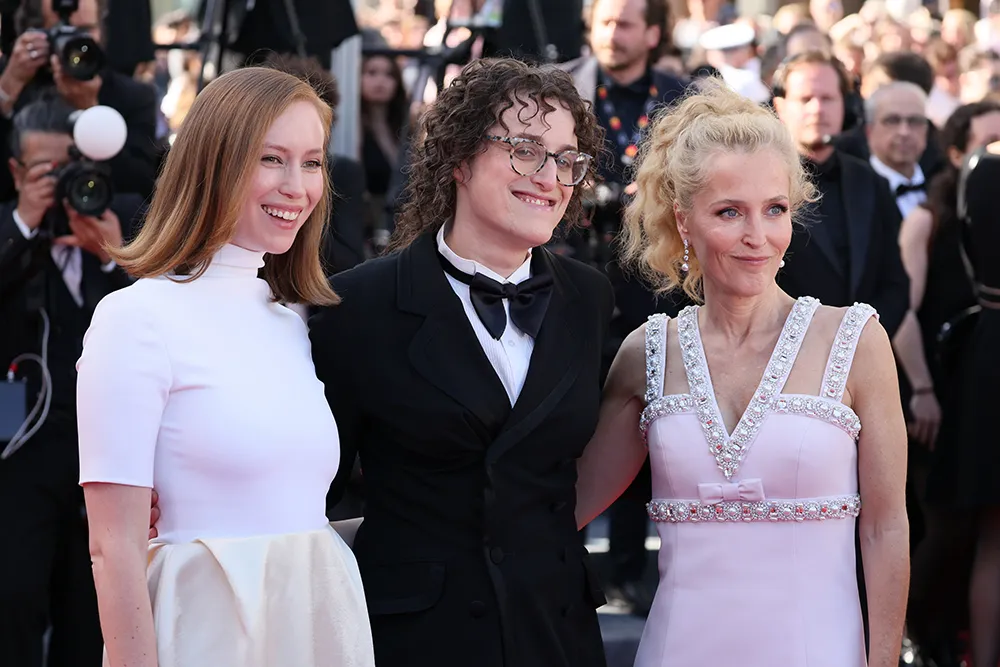
Jane Schoenbrun’s Teenage Sex and Death at Camp Miasma has rapidly become the defining breakout film of the 2026 Cannes Film Festival, arriving with the kind of ecstatic critical reaction usually reserved for gen-shifting cult cinema. What premiered inside the Un Certain Regard section as a provocative midnight-ready slasher quickly evolved into one of the festival’s most discussed culture events, praised for its collision of queer desire, industry satire, VHS horror nostalgia, and emotionally volatile romantic obsession.
Running 112 minutes, the film marks Schoenbrun’s third feature following We’re All Going to the World’s Fair and I Saw the TV Glow, extending their fascination with media mythology, identity fragmentation, and horror as a vessel for emotional transformation. Yet Camp Miasma also signals a deliberate stylistic pivot. Where earlier work often felt inward, dreamlike, and melancholically dissociative, this latest film weaponizes theatricality, camp excess, and visceral genre pleasure. Schoenbrun reportedly described it as their attempt at a “sleepover classic,” a film meant to recreate the ecstatic feeling of discovering strange VHS slashers during late-night video store wanderings.
idea
At the center of the film is Kris, conjured by Hannah Einbinder, a queer filmmaker hired to reboot the fictional Camp Miasma slasher franchise after years of culture irrelevance and online backlash. The franchise itself becomes one of the film’s sharpest inventions: an imagined horror property mapped through faux VHS covers, merchandise relics, fading box-office numbers, and discourse surrounding outdated portrayals of gender and sexuality.
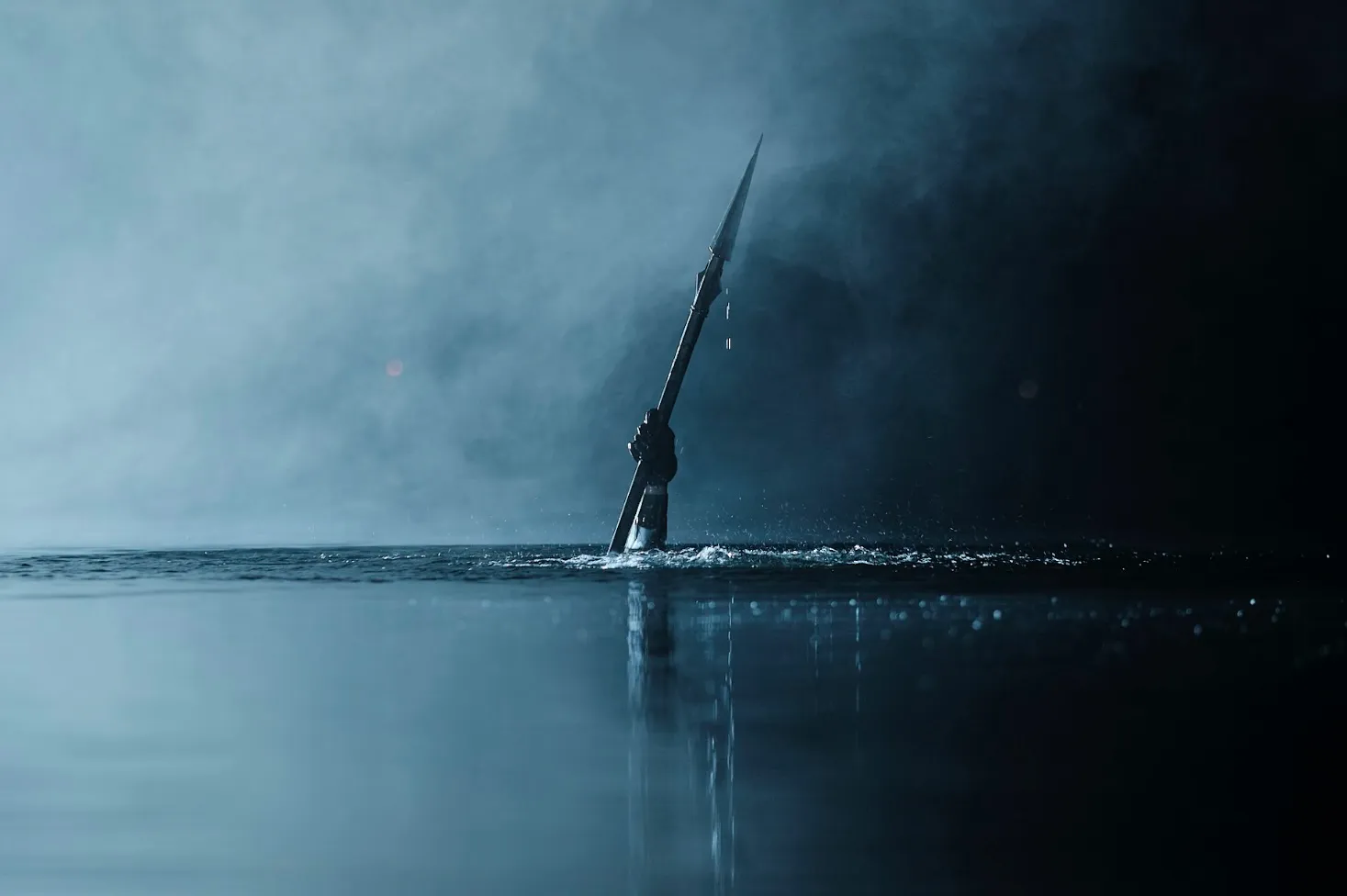
The fictional mythology surrounding Little Death — the gender-fluid masked killer haunting the lakeside camp with a spear — immediately situates the film within slasher iconography while destabilizing its traditional binaries. Schoenbrun appears less interested in parody than in excavation, pulling apart decades of horror lang to expose how desire, fear, repression, and identity have historically intertwined within the genre.
Kris’ creative ambition hinges on convincing Billy Preston, the franchise’s original “final girl,” to emerge from years of seclusion. Billy, portrayed by Gillian Anderson, becomes both muse and obsession, transforming the film from reboot satire into an increasingly psychosexual spiral where authorship, fantasy, attraction, and emotional projection blur into something unstable and intoxicating.
The comparisons surrounding the film already reveal its unusual tonal ambition. Critics have likened it to Portrait of a Lady on Fire refracted through the structure of an ’80s Friday the 13th sequel, while traces of David Lynch surrealism and David Cronenberg body horror ripple beneath the neon-lit surface. The result reportedly oscillates between cozy midnight-movie energy and deeply vulnerable examinations of embodiment and intimacy.
scope
Schoenbrun’s emergence as one of horror cinema’s most singular contemporary voices has been gradual yet unmistakable. Born in Ardsley, New York in 1987, the filmmaker initially gained attention through internet-culture-adjacent experimental work, including the 2018 documentary A Self-Induced Hallucination, before expanding into emotionally charged genre narratives.
Their breakout feature, We’re All Going to the World’s Fair, explored loneliness, online performance, and identity dissolution through creepypasta aesthetics, while I Saw the TV Glow transformed suburban media obsession into a devastating allegory for trans identity and repression. With Camp Miasma, Schoenbrun appears to synthesize those earlier thematic concerns into something intentionally larger, louder, and more communal.
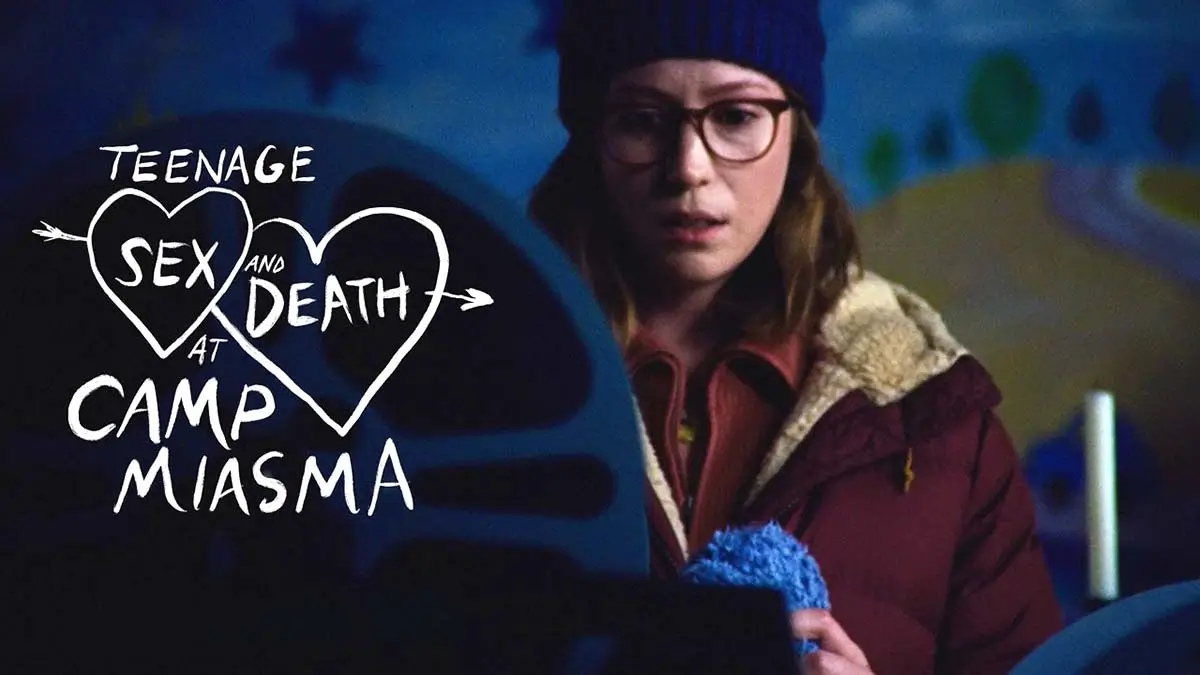
The production itself reflects that scale shift. Backed by Plan B Entertainment and MUBI, the film was shot in British Columbia during spring 2025, including sequences at Camp Barnard. The increased budget allowed Schoenbrun to embrace classical slasher craftsmanship with visible affection: split diopters, exaggerated crash zooms, stylized POV shots, and what the draft memorably calls “bisexually lit color palettes.”
Musically, the synth-heavy score by Alex G reportedly amplifies the dreamlike emotional texture, bridging retro horror atmospheres with aching romantic undertones.
Perhaps most revealing are Schoenbrun’s own comments surrounding the project. Following the emotional intensity of I Saw the TV Glow, they emphasized wanting audiences to feel like they were “sharing a joint on the porch and eating candy and talking about real things.” That framing explains why Camp Miasma appears simultaneously outrageous and strangely intimate — a film built around bloodshed and camp absurdity, yet fundamentally interested in emotional honesty.
anchor
Much of the film’s acclaim appears rooted in the chemistry between Einbinder and Anderson. Einbinder reportedly plays Kris with nervous intellectualism, someone perpetually attempting to theorize her own emotions rather than fully inhabit them. Her awkwardness becomes central to the film’s emotional architecture, especially as attraction and artistic obsession begin collapsing into one another.
Anderson, meanwhile, reportedly delivers one of the film’s most memorable performances as Billy Preston — seductive, theatrical, wounded, and knowingly absurd. The draft highlights moments where Anderson weaponizes camp affectation with Southern-fried line deliveries and mascara-heavy glamour, turning Billy into both horror relic and erotic fantasy.
Supporting performances from Jasmin Savoy Brown, Sarah Sherman, and Dylan Baker reportedly deepen the film’s satirical ecosystem, balancing sincere vulnerability with exaggerated industry grotesquerie.
flow
What ultimately distinguishes Teenage Sex and Death at Camp Miasma from contemporary prestige horror is its apparent refusal to sanitize desire. The film reportedly uses slasher conventions not merely to critique representation politics or deconstruct genre mechanics, but to explore how people emotionally disconnect from their own bodies, fantasies, and vulnerabilities.
Kris’ inability to surrender emotionally during intimacy becomes intertwined with her filmmaking anxieties and obsessive need for control. Billy’s presence destabilizes that repression, leading to encounters described as explicit, chaotic, joyful, and emotionally revealing amid showers of blood and exaggerated horror spectacle.
The film also appears acutely aware of horror’s historical treatment of queer and gender-nonconforming bodies. Schoenbrun reportedly engages directly with the genre’s legacy of coding deviance as monstrous, reworking those anxieties into something liberatory rather than punitive. Instead of using horror to discipline desire, Camp Miasmaseemingly reframes horror as a consensual imaginative playground — a safe arena where fantasy, fear, performance, and emotional truth can coexist.
fin
The early critical reaction has positioned the film as one of the defining genre titles of 2026. Standing ovations, near-universal praise, and instant cult-classic discourse have surrounded the Cannes launch, while the upcoming “Camp Is in Session” North American tour with preview screenings and Q&As only amplifies anticipation ahead of its August 7 theatrical release through MUBI.
Stops at queer- and horror-friendly festivals including NewFest Pride, Frameline, Fantasia Fest, and Provincetown Film Festival suggest a rollout designed around communal midnight-movie energy rather than algorithmic streaming churn. That strategy feels especially fitting for a film so invested in shared emotional experience, nostalgia, and cult ritual.
In a cinematic landscape increasingly dominated by franchise repetition and flattened streaming aesthetics, Teenage Sex and Death at Camp Miasma appears determined to reclaim excess, sensuality, messiness, and personality. It understands that horror has always functioned as a container for social panic, erotic projection, and emotional transformation — and instead of apologizing for that history, Schoenbrun leans into it with gleeful sincerity.
Camp, in this case, is not merely aesthetic posture. It becomes emotional methodology: theatrical enough to survive unbearable truths, exaggerated enough to make vulnerability feel survivable, and bloody enough to remind audiences that desire and fear have always shared the same pulse.
From the DRIFT archive: Letterboxd Video Store Marks a New Era for Movie Discovery and Digital Rentals · Inside the World’s Most Iconic Ski Experiences