DRIFT AUDIO
Listen to this story
Choose a voice, then press play.
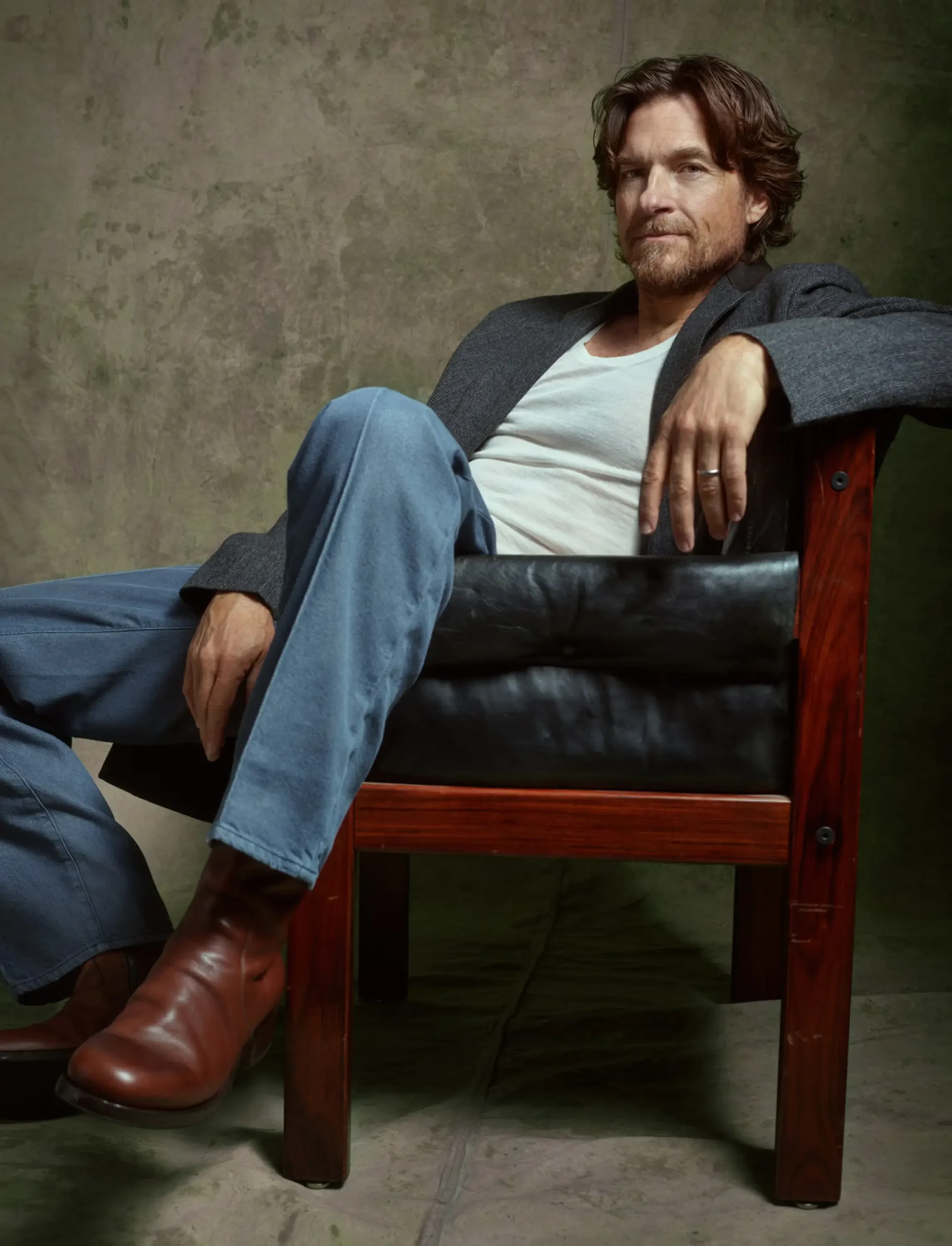
Jason Bateman is having a moment. Actually, make that several moments. In a career that has already spanned decades—from his early days as a child actor to his breakout as the deadpan Michael Bluth on Arrested Development, and later as the intense Marty Byrde on Ozark—Bateman has proven himself to be one of television’s most versatile and reliable talents. Now, in 2026, he finds himself surging in the Emmy conversation on two very different fronts: as a lead actor and director for Netflix’s gritty crime thriller Black Rabbit, and as a supporting actor in HBO’s darkly comedic limited series DTF St. Louis.
This isn’t just another awards season blip. Bateman’s recent work showcases an actor at the peak of his powers, delivering nuanced performances that blend his signature dry wit with deeper, more vulnerable layers. With one Emmy win already under his belt from 2019 for directing Ozark, and a hefty collection of nominations (around 13-14 additional ones across acting and directing categories over the years), the industry is buzzing about whether this could be the year he adds more hardware to his shelf.
stir
Bateman’s journey is a masterclass in longevity. Born in Rye, New York, he began acting young, appearing in shows like Little House on the Prairie and Silver Spoons. But it was his role as the straight-man sibling in Arrested Development (2003-2019) that cemented his comedic timing and earned him multiple Emmy nods, including for Outstanding Actor in a Comedy Series.
His transition to drama with Ozark (2017-2022) marked a pivotal shift. As financial advisor-turned-money launderer Marty Byrde, Bateman brought quiet intensity and moral complexity to the role. He wasn’t just acting; he was directing episodes too, culminating in that 2019 win for Outstanding Directing for a Drama Series on the episode “Reparations.” It was his first Emmy victory after years of recognition, validating his behind-the-camera ambitions.
Post-Ozark, Bateman has balanced producing through his Aggregate Films banner, acting, and directing. His work feels more personal and assured. He’s not chasing trends—he’s carving out space for character-driven stories that mix tension, humor, and human frailty. That approach shines brightly in his 2025-2026 projects.
one
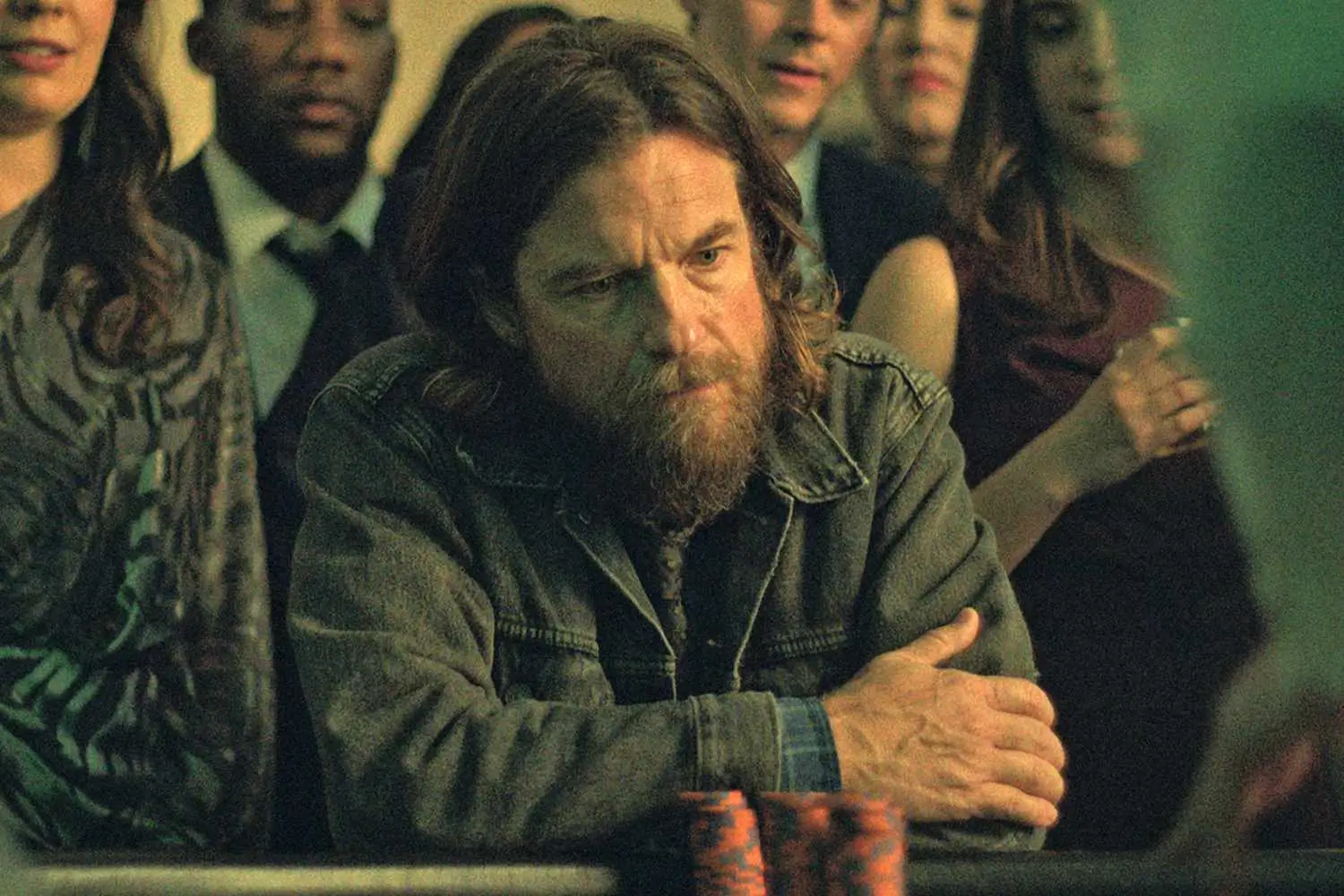
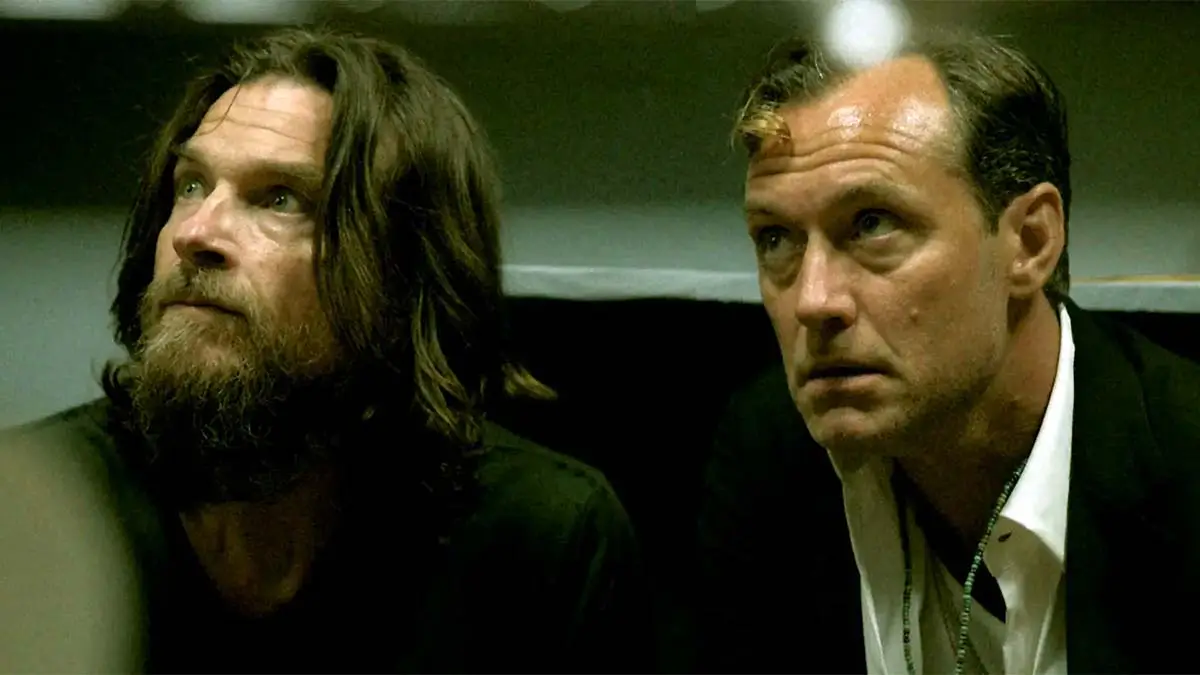
Black Rabbit, which premiered on Netflix in September 2025, is a limited series created by Zach Baylin and Kate Susman. It stars Jude Law as Jake Friedken, the charismatic owner of a buzzy New York restaurant and VIP lounge called Black Rabbit, and Jason Bateman as his older, more chaotic brother Vince.
The story explores the fractured bond between the siblings. Jake has built a successful life in the high-pressure hospitality world, while Vince returns unexpectedly, bringing old traumas, bad decisions, and new dangers that threaten to unravel everything. It’s a propulsive crime thriller with noir undertones—think family loyalty colliding with ambition, greed, and the seedy underbelly of downtown Manhattan nightlife.
Bateman’s portrayal of Vince is being hailed as some of his finest work. Vince is a charming screw-up: impulsive, empathetic in flawed ways, and carrying the weight of past failures. Critics note how Bateman infuses the role with vulnerability beneath the bravado, making Vince relatable even as his actions spiral. His direction of the first two episodes also sets a distinctive visual tone—tense, stylish, and immersive—establishing the show’s rhythm before other directors like Laura Linney, Justin Kurzel, and Ben Semanoff take over.
In Emmy terms, Bateman is competing in Lead Actor (Limited Series) for Black Rabbit, where Gold Derby odds show him climbing steadily (up about 4% recently). He’s also eligible in directing categories. Early 2026 predictions place him as a strong contender, though the field is competitive with names like those in other high-profile limited series.
What makes this performance special? Bateman has spoken about the appeal of the brotherly dynamic—two men who love each other but clash fundamentally, one buttoned-up and the other a wildcard. The chemistry with Jude Law crackles; their scenes feel lived-in, toxic yet magnetic. It’s the kind of material that rewards Bateman’s understated style: small gestures, loaded silences, and sudden bursts of intensity that reveal deeper emotional truths.
two
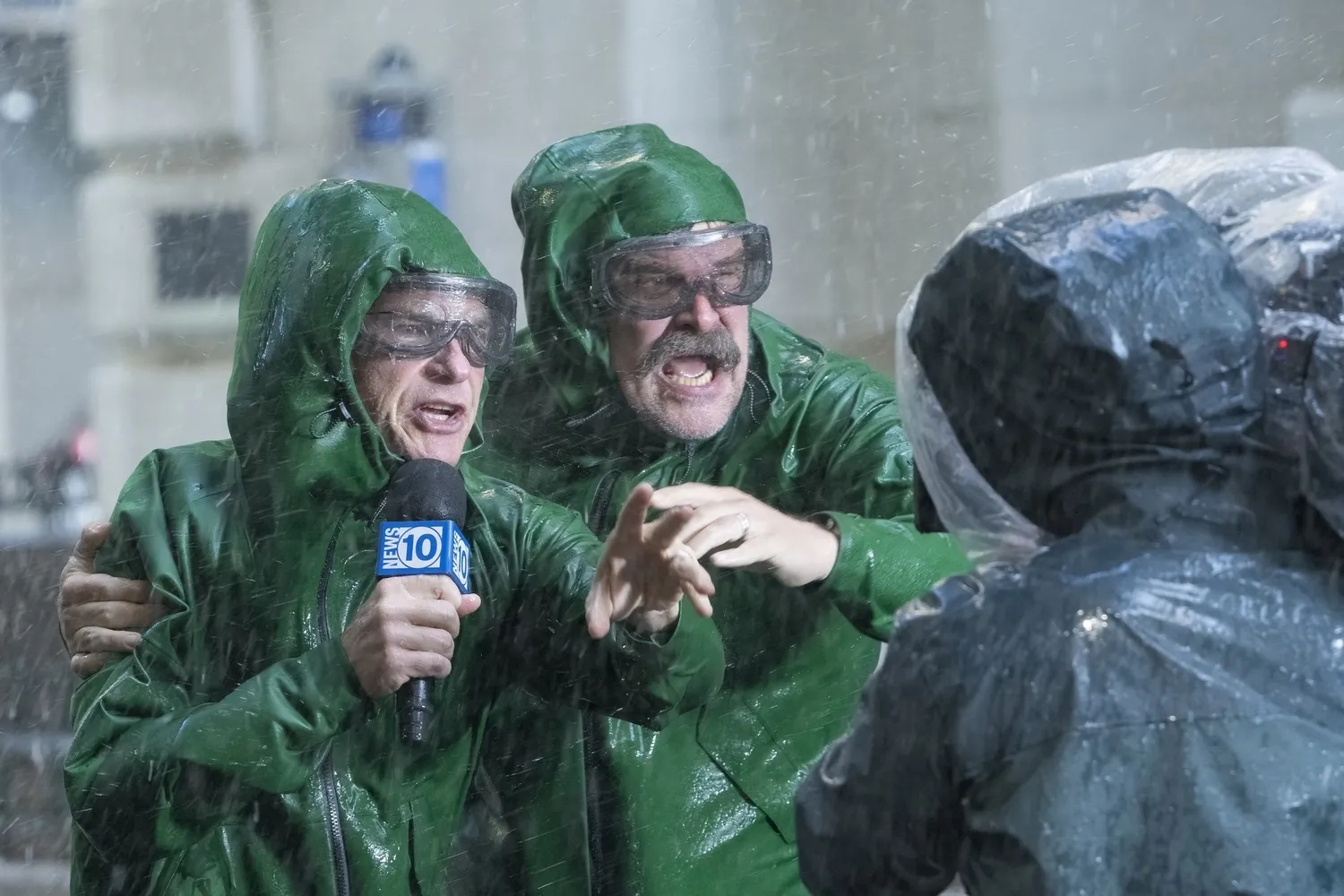
On the other side of the spectrum is DTF St. Louis, HBO’s dark comedy miniseries that premiered on March 1, 2026. Created by Steven Conrad, it stars Bateman as Clark Forrest, a slick local weatherman in St. Louis. The ensemble includes David Harbour as Floyd Smernitch (a sign-language interpreter for the station) and Linda Cardellini as Floyd’s wife Carol.
The plot revolves around an unlikely friendship and affair that spirals into a murder mystery laced with sex, suburban malaise, and biting humor. It’s a three-hander at its core—an “immaculately crafted” exploration of middle-aged longing, betrayal, and the chaos of ordinary lives. Bateman’s Clark embodies big-fish-small-pond success: polished on camera, but navigating personal dissatisfaction off it.
Bateman is submitting in the Supporting Actor (Limited) category here, where his odds have jumped 11% in recent Gold Derby updates, putting him in a solid position for a nomination (around 7th place with a decent shot at a bid). The show itself has generated buzz for its genre-blending: part comedy, part thriller, part empathetic character study. It subverts expectations, turning familiar true-crime tropes into something smarter and funnier.
Bateman has praised the project in interviews, calling it “really effing good” and highlighting the challenge of more intimate, vulnerable scenes. His character’s awkwardness in exploring new dynamics adds to the show’s human texture. The cast chemistry—particularly with Harbour and Cardellini—elevates the material, making the love triangle feel both ridiculous and painfully real.
flow
Bateman’s dual campaigns reflect his “everywhere” status. He’s producing via Aggregate Films (involved in both projects), directing selectively, and choosing roles that stretch him. Black Rabbit allows him to lean into dramatic intensity and directorial view, while DTF St. Louis showcases his comedic roots with darker edges.
This versatility is key to his awards push. Voters appreciate actors who aren’t typecast. Bateman’s everyman appeal—relatable yet capable of menace or pathos—resonates. His post-Ozark output demonstrates sustained excellence, not a flash-in-the-pan comeback.
Critics and audiences agree he’s “never been better.” In Black Rabbit, his screw-up brother is empathetic and chaotic; in DTF, his weatherman is a study in suburban performance and hidden desires. Both roles play to his strengths: impeccable timing, facial expressiveness, and the ability to make flawed men compelling.
scope
As of mid-2026, Emmy nominations are approaching. Bateman’s multi-project presence gives him multiple shots. In Lead Actor (Limited) for Black Rabbit, he’s climbing amid strong competition. In Supporting for DTF St. Louis, momentum is building, especially with the show’s critical reception and ensemble strength.
His 2019 directing win gives him credibility there too. If Black Rabbit garners directing attention, it could compound his year. History shows voters reward actors with proven track records who deliver standout work across categories.
Challenges remain: limited series fields are crowded, and category strategy matters (lead vs. supporting submissions). But the buzz is real—Bateman’s name appears frequently in early predictions and expert discussions.
fwd
Beyond awards, these roles solidify Bateman as a major TV force. He’s expanded his range, taken creative risks (directing, producing), and collaborated with top talent like Jude Law, David Harbour, and Linda Cardellini. His work continues themes from Ozark—family ties under pressure, moral gray areas—but in fresh contexts.
For fans, it’s exciting to see the Arrested Development alum evolve while retaining that dry charm. He’s not just “showing up anywhere”; he’s elevating projects with thoughtful performances.
impression
Either or not Bateman takes home more Emmys in 2026, his current run cements a legacy of consistent quality. Black Rabbit and DTF St. Louis highlight an artist comfortable in his skin, unafraid to explore darkness and humor side-by-side.
In an era of franchise fatigue, Bateman’s grounded, character-first approach feels refreshing. He’s back, and as observers note, never better—delivering work that’s compelling, human, and award-worthy. The odds are hopping up for good reason. This could be another banner year for one of television’s steadiest hands.
From the DRIFT archive: Eddie Murphy to Receive the AFI Life Achievement Award in 2026
Related Articles

Under Rue de Castiglione, Liaigre Gives Hôtel Costes a Spa With No Hard Corners
A 20-meter lap pool, eight treatment rooms and not one sharp angle: Studio Liaigre’s spa […]