DRIFT AUDIO
Listen to this story
Choose a voice, then press play.
How About Never, MACK, 2026. Skateboarder, photographer, first years living alone. A marriage hidden until the last face.
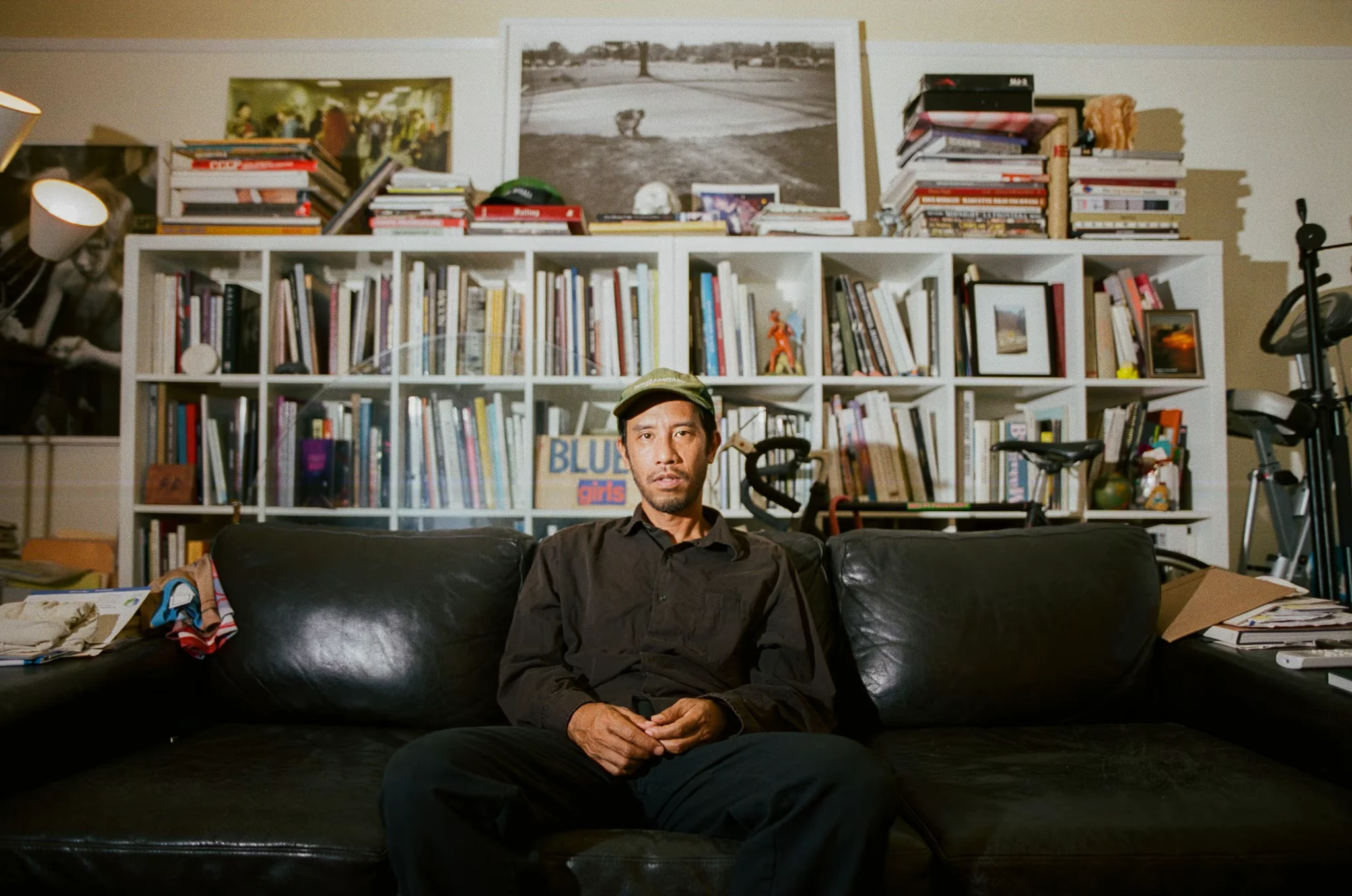
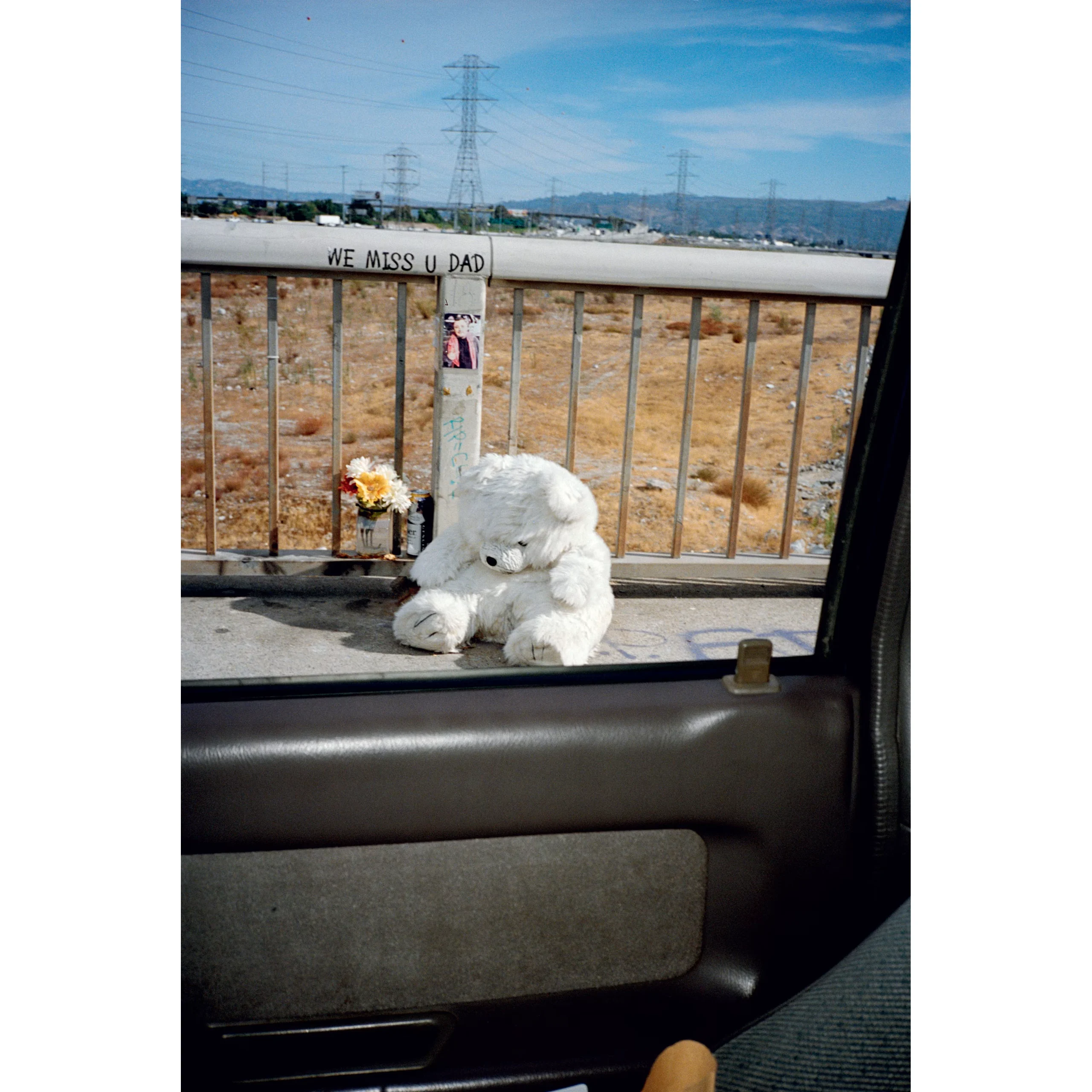
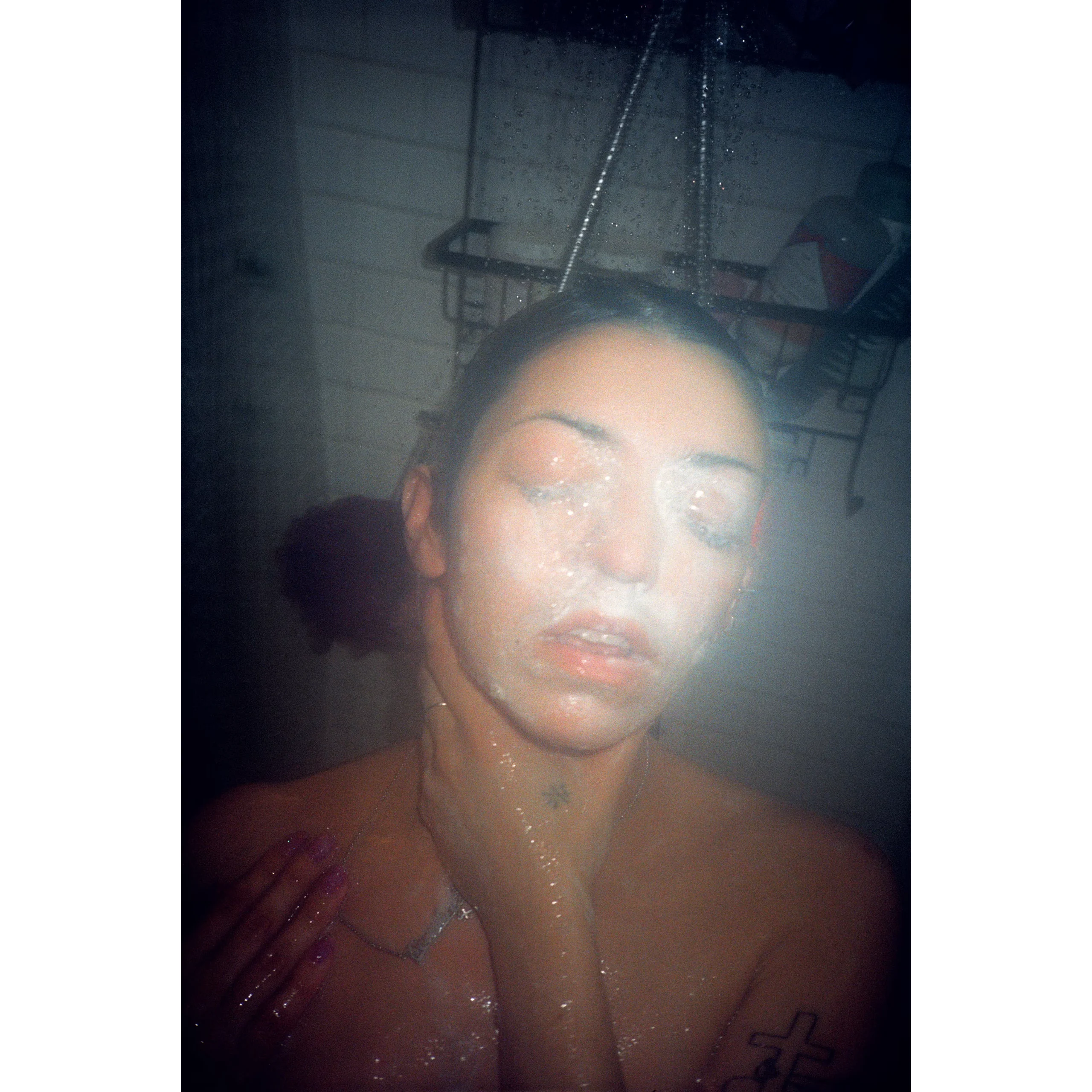
Jerry Hsu spent fifteen years in Los Angeles with a Leica M7 after a lifetime of camcorders. How About Never, published by MACK in 2026, gathers the pictures from about 2011 to 2025. Overturned cars. A bank on fire. A cake flower on a knife above a dirty sink. Hospital rooms. Scabs. An ex-wife’s hands on a bathroom sink. Portraits of friends and strangers with faces that do not explain themselves.
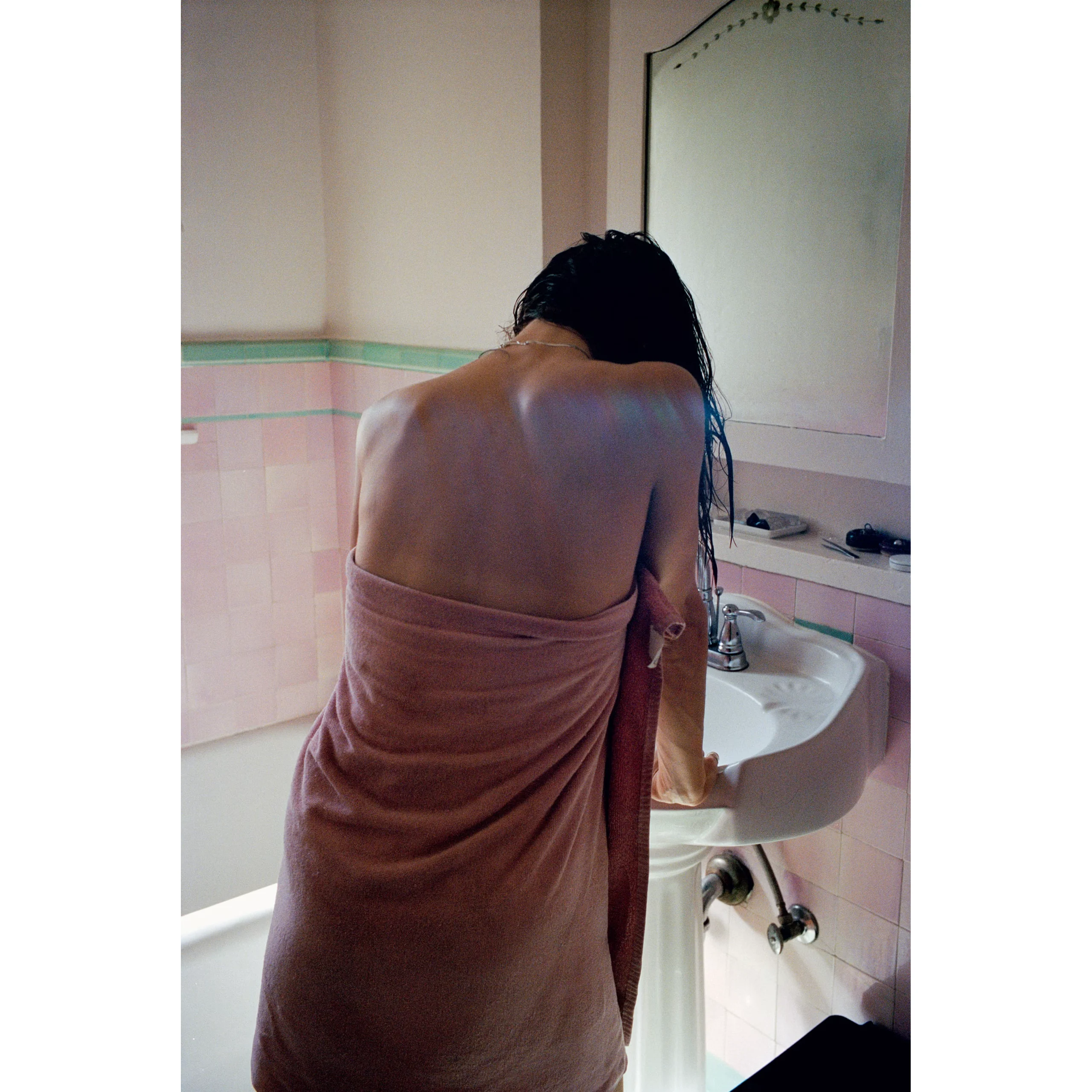
He told interviewers the book is how he felt in the city, not a guide to the city. He also said he realized late that the secret spine is a marriage. They were falling in love when the earliest frames were made. They were deciding to separate when the last ones were made. She is a main character. Her face appears once, at the end. He says they did not end on bad terms. Different directions. He is living alone for the first time in years.
The title, he said around the MACK rel, hints at rejection, the edge of failure that comes with making pictures. Some of the book looks bleak. He is obsessed with hope. Maybe How About Never is not being said to him. Maybe he is the one saying it. Bob Mankoff’s old New Yorker cartoon used the same three words as a punch line about lunch. Hsu’s never is heavier. It is a refusal aimed at a picture, a city, a life that had already finished.
Signal. What happened: Hsu published How About Never with MACK. Exact product: photobook of Los Angeles work, 2011–2025, listed around £45 at shops carrying MACK. When and where: 2026 release, Arcana Books conversation and signing 12 September 2026, 4 p.m. Source: MACK and Hsu interviews around the rel. Why it matters: a pro skater’s scan turned into a marriage-length sequence. Earlier DRIFT: none on this book.
View this post on Instagram
stir
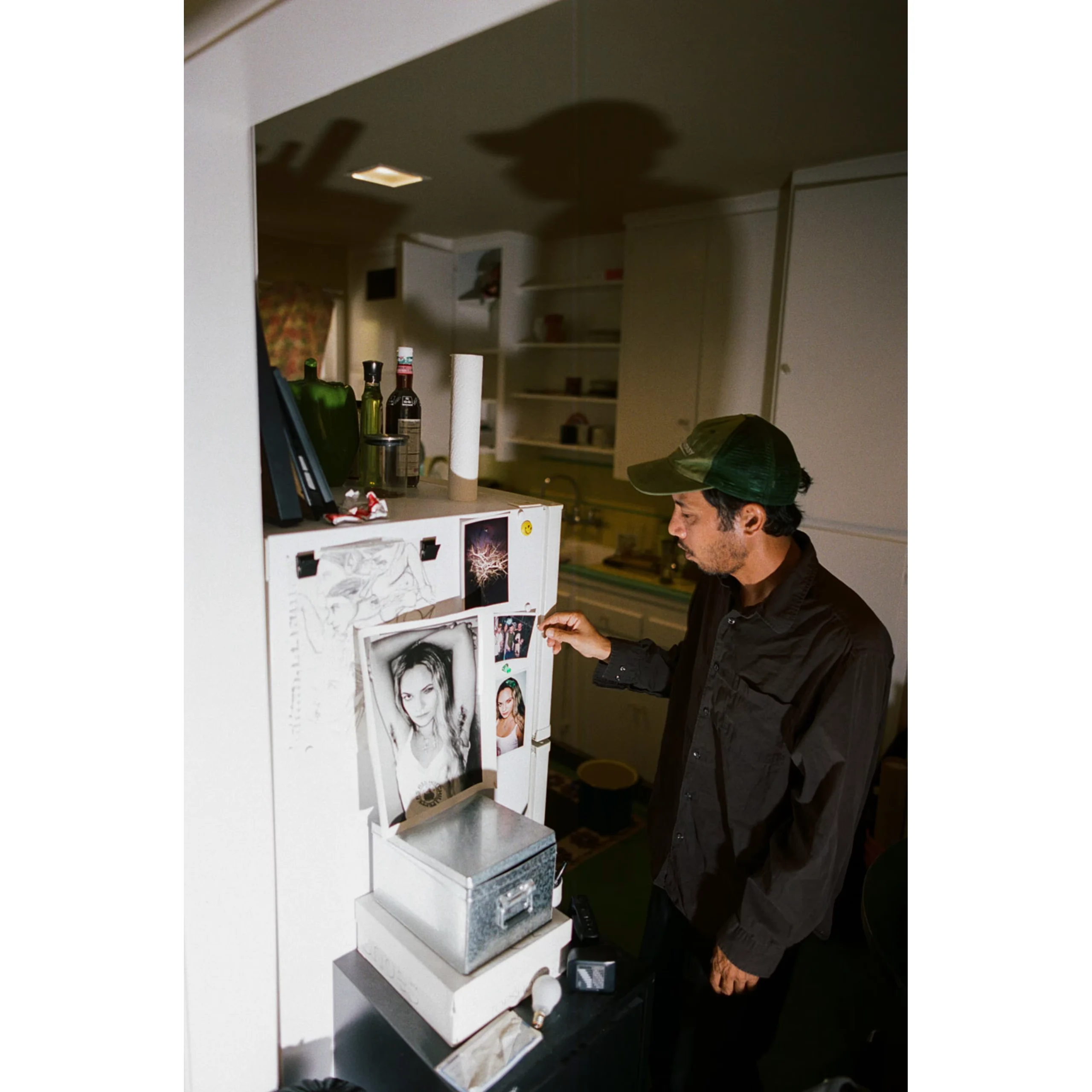
Hsu grew up in San Jose and assumed for a long time he would not leave. An hour south of San Francisco was enough city. Skating made a career. Chocolate first, later his own company Sci-Fi Fantasy. The camcorder was the first instrument, the tool of parts and friends and the thing you carried because the trick needed proof. Los Angeles asked for a still camera. He moved south in his twenties to keep a relationship. The M7 became the way he learned a city that was not the Bay. Film, not video. One frame instead of a clip you could fix in the edit.
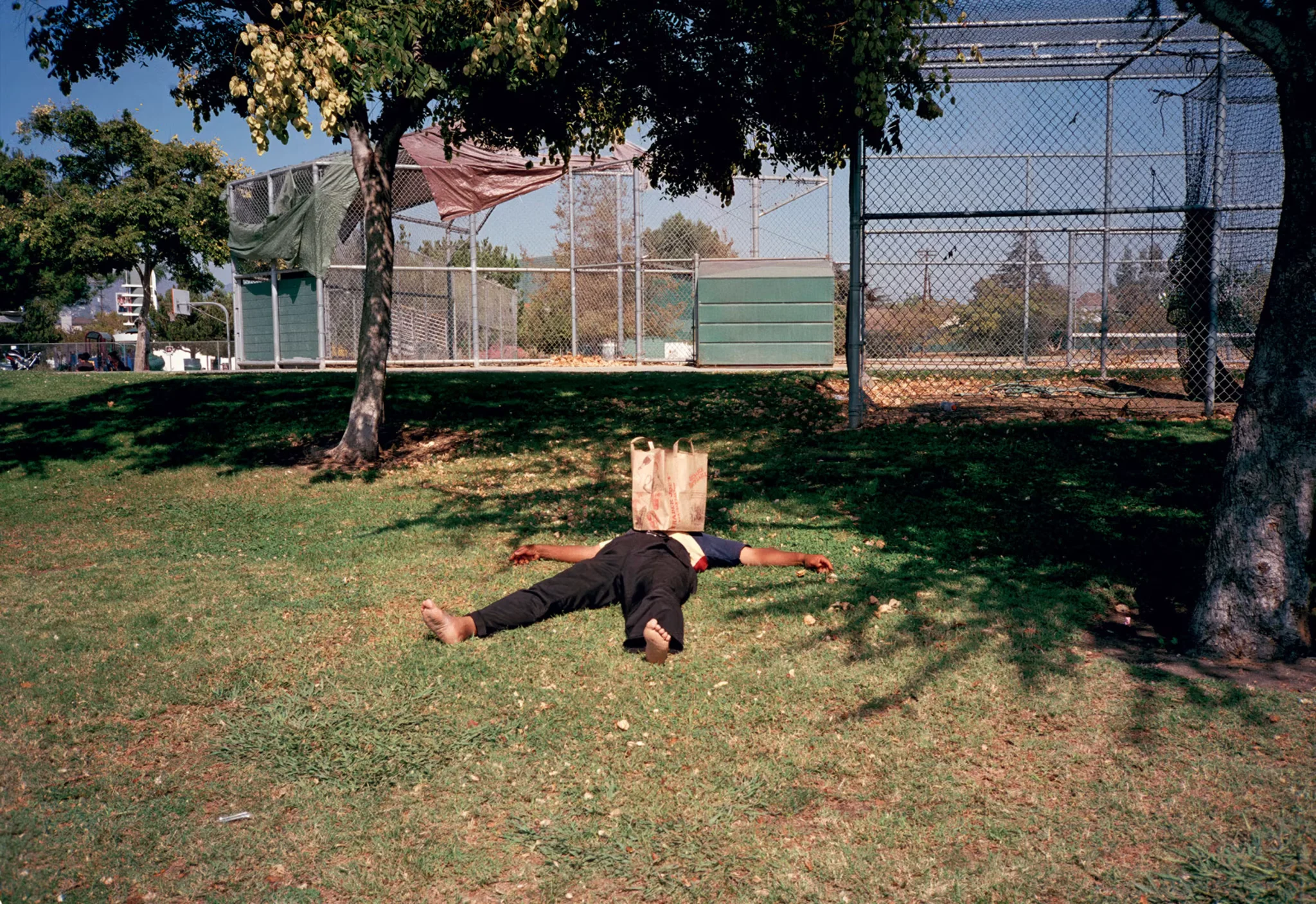
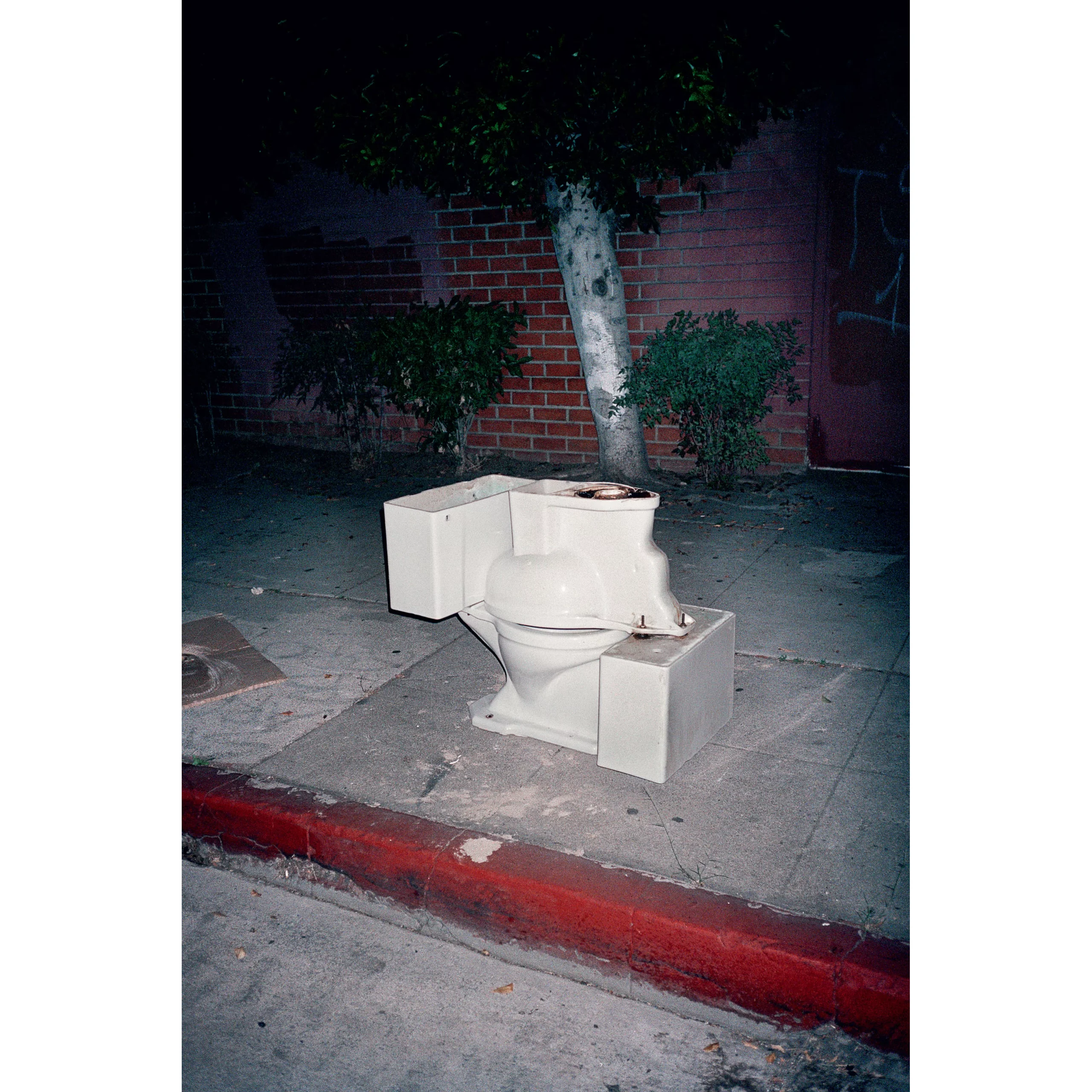
MACK’s copy is atmospheric and exact enough. Photographs attuned to contradiction. Hope and despair in the same sequence. Disfigured fences, injuries, a discarded toilet, a blood-stained mattress, crashed cars, a bank in flame. Portraits looking for intimacy inside disrepair. Dissonant strands reaching a harmony that treats destruction as a possible rebirth. That is publisher lang. The pictures do the cruder work. Hua Hsu, writing in The New Yorker Photo Booth on 5 September, called it a chronicle of leftovers and castoffs, manic extremes, a person who runs toward fire.
Editing took years. One account says nearly ten. Another says about two once the rule was set: only Los Angeles, only that span. Removing anything outside those limits was liberation. If he could not answer why a picture belonged, it left. Diaristic is the word he used, then immediate disliked the cliché of “things around me.” Emotional state, he said. Photographic representations of how it felt to be here. The feeling includes love at the start and the decision to leave at the end. The middle is the part a reader has to walk without a caption.
The opening image people mention is domestic and wrong in a small way: frosting flower, knife, sink. Hospital rooms follow later. Bruises. The marriage is not captioned. You are not handed a timeline with dates on the wall. You are handed a city that happens to contain a bathroom, and a bathroom that happens to contain two people’s weather.
Signed copies have been offered through shops. Arcana Books in Los Angeles set a live conversation for 12 September at 4 p.m., Jesse from the shop interviewing, books signed after, drinks, signed mailers shipping from 15 September if you buy remote. That is a Saturday in a photobook city. The book exists whether you go or not. Japan shops listed signed plates tipped onto the endpaper. The object has already started its retail life. Forty-five pounds in the UK shop line is a photobook price, not a magazine price. You buy it to keep the sequence in the order he chose.
He is clear that she is proud of the work. Proud of him. A good relationship after a shape that no longer fit. That sentence matters because photobooks about endings often pretend the other person is either villain or ghost. Hsu keeps her as a person who used the same sink. First person in the book. Face last. Hidden in between on purpose.
huh
A skateboarder scans for surfaces to misuse. Ledges, banks, gaps, the unused face of a building. Hsu’s photographs keep that scan and drop the trick. The bank on fire is a spot that cannot be skated. The overturned car is a spot that already failed. Risk, he said, is still the attraction. Running toward the fire is not a metaphor when the frame includes an actual fire. Friends on Instagram joke that he is always finding cars on fire. The joke is also a method.
Nine Club and Living Proof conversations over the years show the same restlessness in the company and the skating. Sci-Fi Fantasy is the brand he built by making what he liked rather than filling a hole in a market. Photography is the parallel practice that does not need a team video or a premiere date. The Leica is slower than a camcorder. You wait. You miss. How About Never is the title of that miss as much as of a breakup.
Los Angeles in these pictures is not palm trees as product. It is mattresses and fences and faces that will not perform for the camera. Portraits of strangers sit next to people he loves. The inscrutable expression is the city’s default and the book’s ethics. He does not explain the crash. He does not explain the hands on the sink. He does not caption the flame. Dazed is the word Hua Hsu used for those faces. Dazed is also how a marriage looks from the inside when it is ending and nobody has announced it yet.
Process, as he has described it: catch something, wake up, try to make sense of what it was telling him. Years of that. Then a parameter. Then a sequence that turned out to be a marriage. He did not start by deciding to make a divorce book. He started by living in a place and pointing a camera at what felt charged. The plot arrived at the end, which is how diaries work if you are honest at the light table.
Skate vision is greedy. It wants the next usable plane. Photo vision in this book is the same greed pointed at wreckage. The unused plane is a burned facade, a stained mattress, a fence already bent by someone else. Rebirth is the publisher’s word. Hsu’s word is hope, which is smaller and harder to photograph. He puts it next to the bleak frames anyway.
Coming to Los Angeles was a rebirth, he said. Entire relationship. Entire marriage. Book ends when that ends. He hates the phrase time capsule and uses the chronology anyway. The length of the marriage is the length of the edit. That is not a metaphor. That is a date range on a contact sheet. 2011 to 2025. Love to separation. City as witness, not subject.
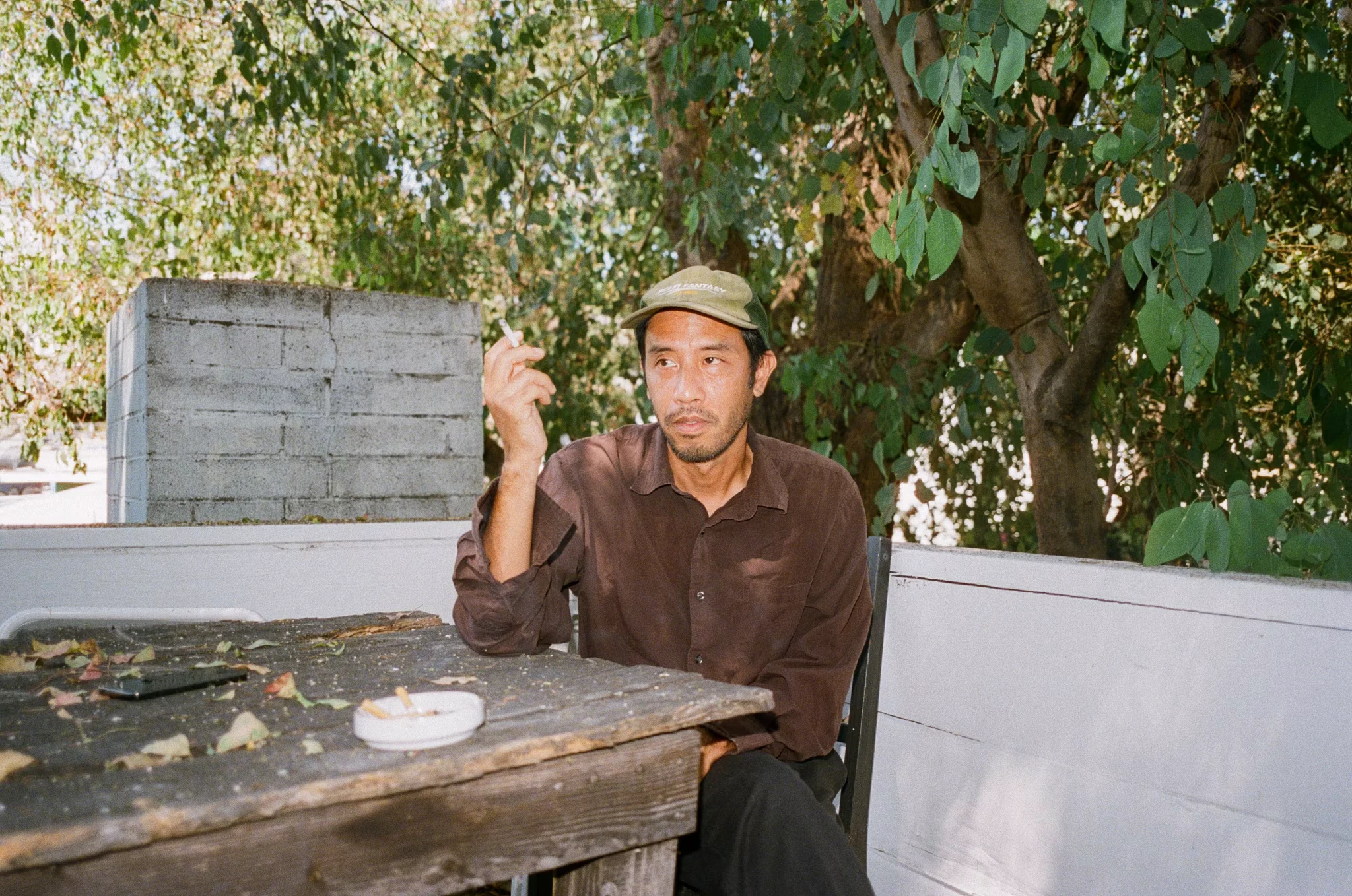
A candid photograph of a man wearing a green cap and a brown button-down shirt, sitting at a rustic wooden table outdoors and smoking a cigarette, with trees and a white fence in the background.
end
Living alone for the first time in years is the sentence after the last page. Empty space is not a gallery program here. It is the apartment. The sink that used to have two people’s weather now has one. He has said a cat wants the next thing it can enjoy, and that he is trying to stand in that animal position. Forward is not a thesis. Forward is breakfast. The scan does not stop because the marriage did.
The title can be a door closed on him or a door he closes. He prefers the second reading. Ultimate rejection, he said, is relentless when you make photos. Constantly on the edge of failure. How About Never as something he says, not something said to him, turns the bleakness into a stance. Never to the easy picture. Never to the caption that would make the marriage simple. Never to staying in a shape that was already over.
San Jose to Los Angeles was already a leave-taking. The book is the second. Skating taught him to use a city without asking permission. Photography taught him the same city could refuse. How About Never is both lessons bound by MACK, a Saturday signing in Culver City, a sequence that ends when a marriage ends and a man starts sleeping in a room that does not contain another person’s hands on the porcelain.
Friends still appear. Strangers still appear. The city does not empty because a couple does. That is the hope he keeps putting next to the fire. The leftovers remain. The camcorder years are over. The still years are not. Sci-Fi Fantasy still needs boards and videos. The M7 still needs a walk. Alone is a housing fact. It is not the end of looking.
The fire pictures will be the ones people send. The sink will be the one that lasts. The last face will be the one you only notice on the second pass, which is how he hid a person in a city book and then told you, after the bind, that she had been there the whole time.