Jiangnan University’s Firefighting System Wins Red Dot Best of the Best: Innovating Forest Fire Management

October 21, 2024
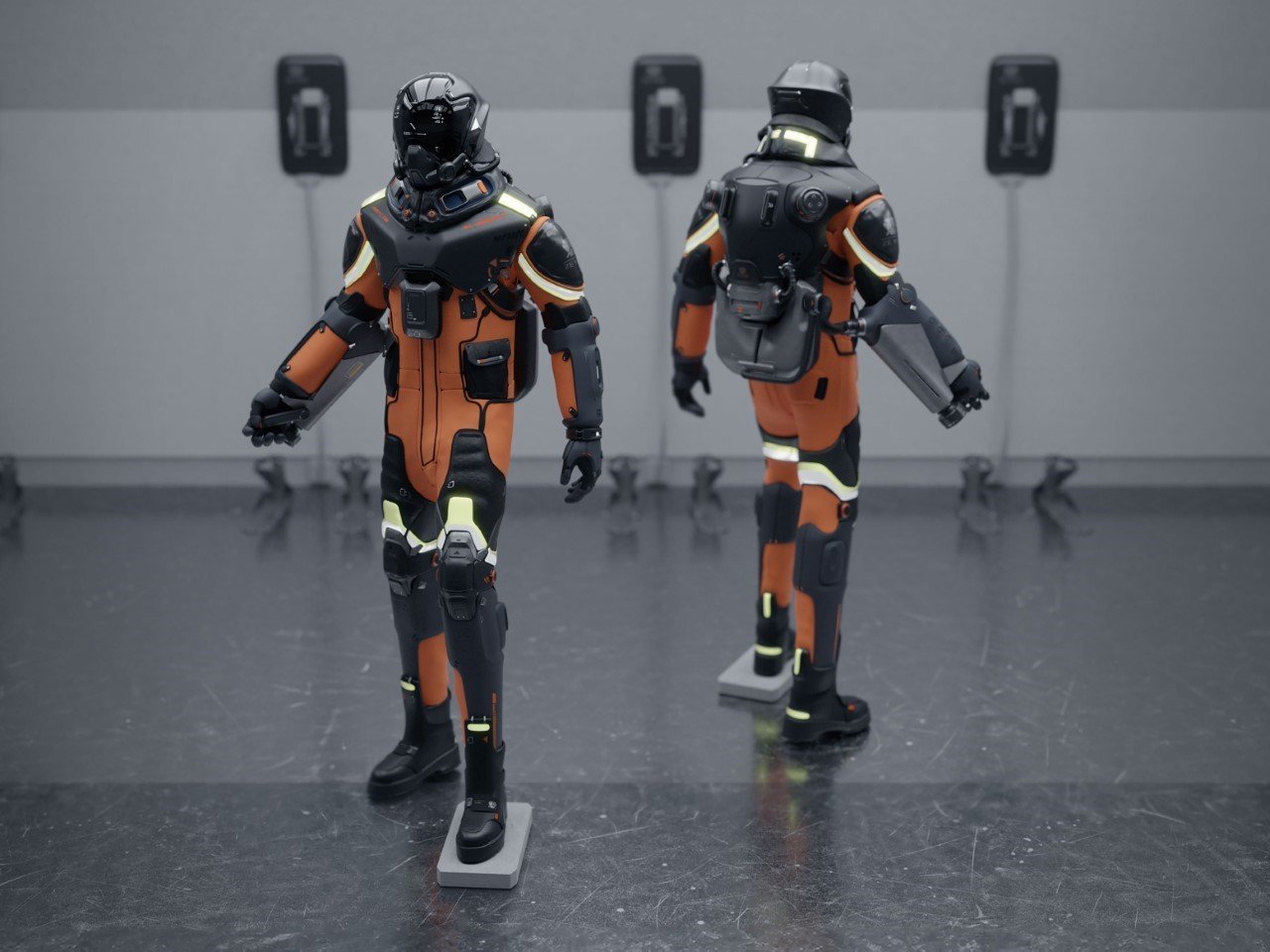
The Innovative Design of Products and Systems for Forest Fires, created by Jiangnan University and recognized as one of the “Best of the Best” at the 2024 Red Dot Design Concept Awards, exemplifies how design can address real-world environmental challenges through innovation. This project responds to the increasing frequency and severity of forest fires, driven largely by climate change, and proposes a comprehensive system to improve the efficiency, safety, and effectiveness of firefighting operations in remote and dangerous environments, such as the Daxinganling area in Heilongjiang, China.
Here we will examine the design concept from multiple angles: its technical innovations, its relevance to the challenges posed by modern forest fires, the role of modularity and portability in firefighting equipment, the implications for firefighter safety, and the potential impact of this design on global firefighting strategies. Through this analysis, we will also consider the broader importance of design thinking in addressing environmental crises and how this project serves as a critical example of the intersection between technology, human-centered design, and ecological sustainability.
The Growing Threat of Forest Fires
Forest fires have become a more pressing issue globally due to rising temperatures and increasingly dry conditions caused by climate change. According to the United Nations, wildfires are projected to increase by up to 50% by the year 2100, with particularly devastating impacts in vulnerable ecosystems such as the Arctic, the Amazon, and boreal forests like those in China.
The Daxinganling area, a vast forested region in northeastern China, is particularly susceptible to wildfires. These fires can spread rapidly, fueled by high winds and dry conditions, making firefighting operations in such environments extraordinarily difficult. Jiangnan University’s design tackles this problem by introducing a modular and portable system that allows firefighters to respond quickly and adapt their approach based on the specific challenges posed by each fire. The system is designed to be highly mobile, integrating tools that can be transported and deployed in difficult-to-access areas, making it especially suited for large, remote regions like Daxinganling.
Modularity and Portability: Key Design Principles
One of the standout aspects of Jiangnan University’s design is its focus on modularity and portability. Forest firefighting often involves challenging terrain where traditional vehicles and equipment may be impractical. This system addresses that challenge by incorporating lightweight, transportable modules that can be easily carried or moved to the fire zone.
The system is designed to optimize firefighting operations across six key dimensions: function division, information transfer, firefighting modes, mobility, resource mobilization, and emergency risk avoidance. Each of these dimensions addresses specific aspects of firefighting, ensuring that the system is adaptable to various situations. For instance, information transfer is enhanced by the inclusion of heads-up displays (HUD) within the full-body protective gear, allowing firefighters to receive real-time data on environmental conditions and fire behavior without being distracted from the task at hand. Similarly, the mobility dimension is supported by powered exoskeletons, which increase firefighters’ physical capabilities in rough terrain, enabling them to carry heavy equipment or injured colleagues without sacrificing speed or efficiency.
The modularity of the system is particularly noteworthy because it allows different components to be used interchangeably or independently, depending on the situation. This ensures that firefighters can customize their approach, focusing on fire suppression, rescue operations, or containment as needed. The modular approach also allows for the gradual integration of new technologies as they become available, ensuring that the system remains future-proof and adaptable to emerging challenges in firefighting.
Innovations in Firefighter Safety and Efficiency
Firefighting is an inherently dangerous profession, and forest fires present unique risks due to the unpredictable and fast-moving nature of the flames, as well as the long durations that teams often need to work in hazardous environments. The Jiangnan University system prioritizes firefighter safety through a number of innovative features, most notably the protective clothing and powered exoskeletons.
The protective clothing incorporates vital signs monitoring, ensuring that command centers can track the health and status of individual firefighters in real-time. This is critical in preventing overexertion, heatstroke, or other medical emergencies that could compromise the safety of the team. Moreover, the protective gear is designed to guard against not only flames but also smoke inhalation and environmental hazards, such as falling debris.
The powered exoskeletons are another groundbreaking addition. By augmenting the wearer’s strength and endurance, these exoskeletons enable firefighters to move faster, carry more, and work longer without succumbing to fatigue. This is particularly important in forest fires, where response times are critical and terrain often necessitates carrying heavy loads for long distances. Exoskeleton technology has previously been explored in industrial and military contexts, but its application in firefighting represents a significant advancement in ensuring the well-being and efficiency of emergency responders.
The Role of Advanced Technology: UAVs and Environmental Monitoring
Jiangnan University’s design also leverages cutting-edge technologies, including unmanned aerial vehicles (UAVs) and environmental monitoring systems, to enhance firefighting operations. UAVs, or drones, have already proven their value in monitoring wildfires by providing aerial views that can track the spread of flames, identify hotspots, and assess damage in real-time. This system takes UAV technology a step further by using drones equipped with sensors to detect underground fires—fires that smolder beneath the surface and can reignite after the main blaze has been extinguished.
This capability is crucial because residual fires, which can burn undetected for weeks or even months, pose a significant challenge in forest firefighting. By deploying UAVs with specialized detection equipment, firefighters can locate and eliminate these underground hotspots before they have the chance to flare up again. In combination with the off-road motorized sprayer, which allows for more precise deployment of fire-suppressing materials, this system ensures a more thorough and efficient response to forest fires, reducing the likelihood of future outbreaks.
Impression
Beyond the immediate goal of extinguishing fires, the Jiangnan University design takes into account the broader ecological impression of firefighting operations. Forest fires not only destroy large swathes of vegetation and wildlife but also release significant amounts of carbon into the atmosphere, exacerbating climate change. By focusing on precision firefighting, the system aims to minimize collateral damage to the environment. For example, the use of innovative foam agents in the fire suppression module is designed to be both highly effective at extinguishing flames and environmentally friendly, reducing the risk of contaminating water sources or harming local flora and fauna.
Additionally, the system’s emphasis on risk avoidance and emergency resource mobilization reflects a deep understanding of the interconnected nature of firefighting and environmental stewardship. By optimizing the deployment of resources, including water, chemical agents, and manpower, the system reduces the overall ecological footprint of firefighting efforts. This is especially important in sensitive ecosystems, where the indiscriminate use of heavy machinery or chemical suppressants could cause lasting harm to the environment.
While Jiangnan University’s design was created with the specific conditions of China’s Daxinganling area in mind, its implications are global. Forest fires are not limited to one region or country; they are a growing threat in many parts of the world, from Australia to California to the Mediterranean. As such, the modular, portable, and technologically advanced system proposed in this design could be adapted to various geographical and environmental contexts.
The potential for international collaboration in firefighting efforts is another exciting possibility raised by this design. As wildfires become a more frequent global concern, countries may need to work together to share resources, strategies, and technologies. The system’s modularity makes it particularly suited for such collaborations, as different components can be easily transported and integrated into existing firefighting operations in different countries. Furthermore, the use of UAVs, environmental sensors, and information-sharing platforms could foster real-time cooperation between firefighting teams across borders, enhancing the global response to forest fires.
Jiangnan University’s Innovative Design of Products and Systems for Forest Fires is more than just a collection of firefighting tools—it is a comprehensive, forward-thinking approach to one of the most pressing environmental challenges of our time. By prioritizing modularity, portability, safety, and environmental responsibility, this system sets a new standard for how we approach the increasingly complex task of forest firefighting.
The design’s inclusion of advanced technologies such as UAVs, powered exoskeletons, and vital signs monitoring represents a significant leap forward in the field of emergency response. Meanwhile, its focus on minimizing environmental impact through the use of precision fire suppression and sustainable materials ensures that firefighting efforts do not contribute to the very ecological degradation they seek to prevent.
As forest fires continue to increase in frequency and intensity, innovations like this will be critical in ensuring that firefighters are equipped to meet the challenges of a changing world. Jiangnan University’s award-winning design offers a glimpse into the future of firefighting—one that is safer, smarter, and more sustainable.
Related Articles

France Just Banned Social Media for Kids Under 15, and the Fight Over Anonymity Is Only Getting Started
France becomes the first EU nation to bar under 15s from social platforms, and critics […]