DRIFT AUDIO
Listen to this story
Choose a voice, then press play.
A new cap doesn’t usually carry a message about litter. This one does, drawn by Yusuke Hanai for New Era and Surfrider Foundation, out July 17.
Tokyo’s Nakameguro district houses the headquarters of New Era Japan, and on July 17 the company’s online store adds seventeen new pieces built around one theme: the coastline. The release splits cleanly into two parts. One is a straightforward collaboration between New Era and the environmental nonprofit Surfrider Foundation, built on typography and a single commissioned logo. The other folds in a third name, the Kanagawa born illustrator Yusuke Hanai, and turns the collection into something closer to a protest poster you can wear on your head.
New Era’s own announcement, distributed through its Japanese press office on July 13, frames the release in plain terms. Surfrider Foundation traces its roots to 1984, when a group of California surfers began informally testing water quality at their local breaks. The organization has operated in Japan since 1993 and became a registered general incorporated association in 2011. It now runs chapters across ten countries, according to the brand’s release materials, with an ongoing focus on beach cleanups and public education rather than confrontational activism. That last distinction matters to how Surfrider Foundation Japan describes itself: since a 2015 restructuring, the group has avoided protest campaigns in favor of partnerships with municipalities, corporations, and everyday volunteers, a strategy documented on its own about page.
New Era’s decision to attach a headwear collection to that mission isn’t unusual for a brand that has spent recent years pairing its caps with causes, characters, and regional franchises in roughly equal measure. Its Japanese storefront has cycled through collaborations with the manga character Cojicoji, New Japan Pro Wrestling, and MLB’s Tokyo Series in the space of a single year, alongside a steady stream of apparel drops built around seasonal themes rather than partnerships. What separates this release from that pattern, and from a routine nonprofit tie in, is the second layer, the one built around Hanai’s artwork, which turns an otherwise tasteful collaboration into something with an actual point of view.
View this post on Instagram
It also isn’t New Era’s first pass at environmental messaging through headwear. The brand has leaned into sustainability adjacent collections before, but rarely with a specific illustrated statement attached to a specific cause the way this one does. Most of those efforts have stayed at the level of material sourcing or general branding language. Handing the message to an illustrator known for quiet, character driven work, rather than building a campaign around sustainability buzzwords, is a different approach, and one that puts the burden of communicating the point on a single image rather than a marketing paragraph.
where
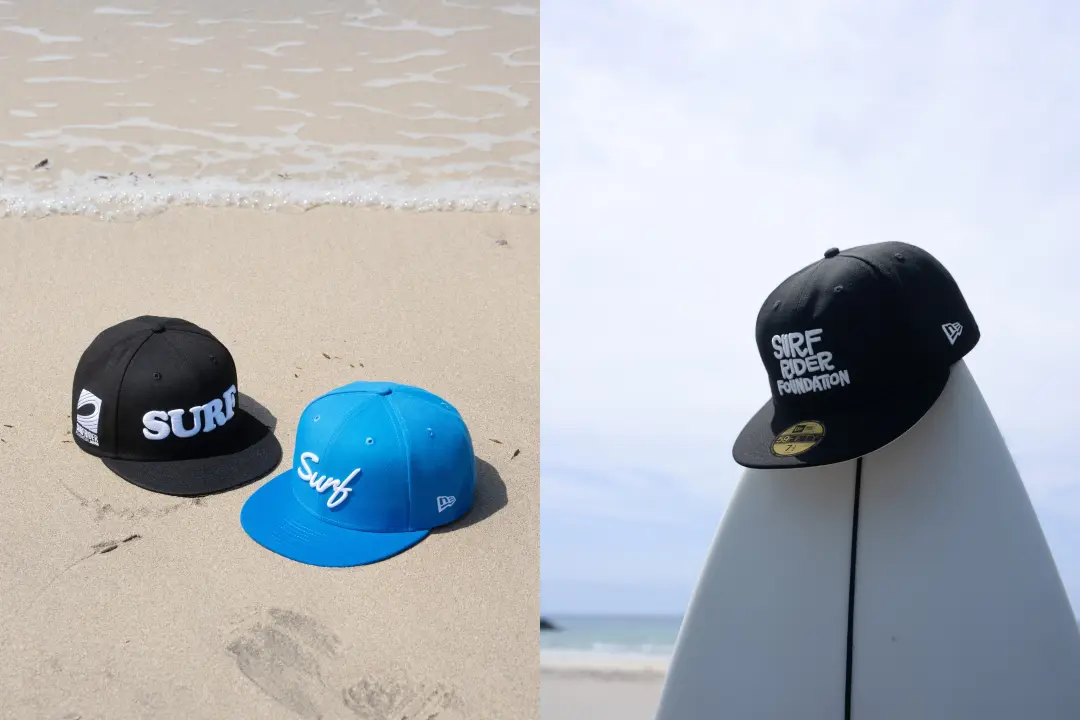
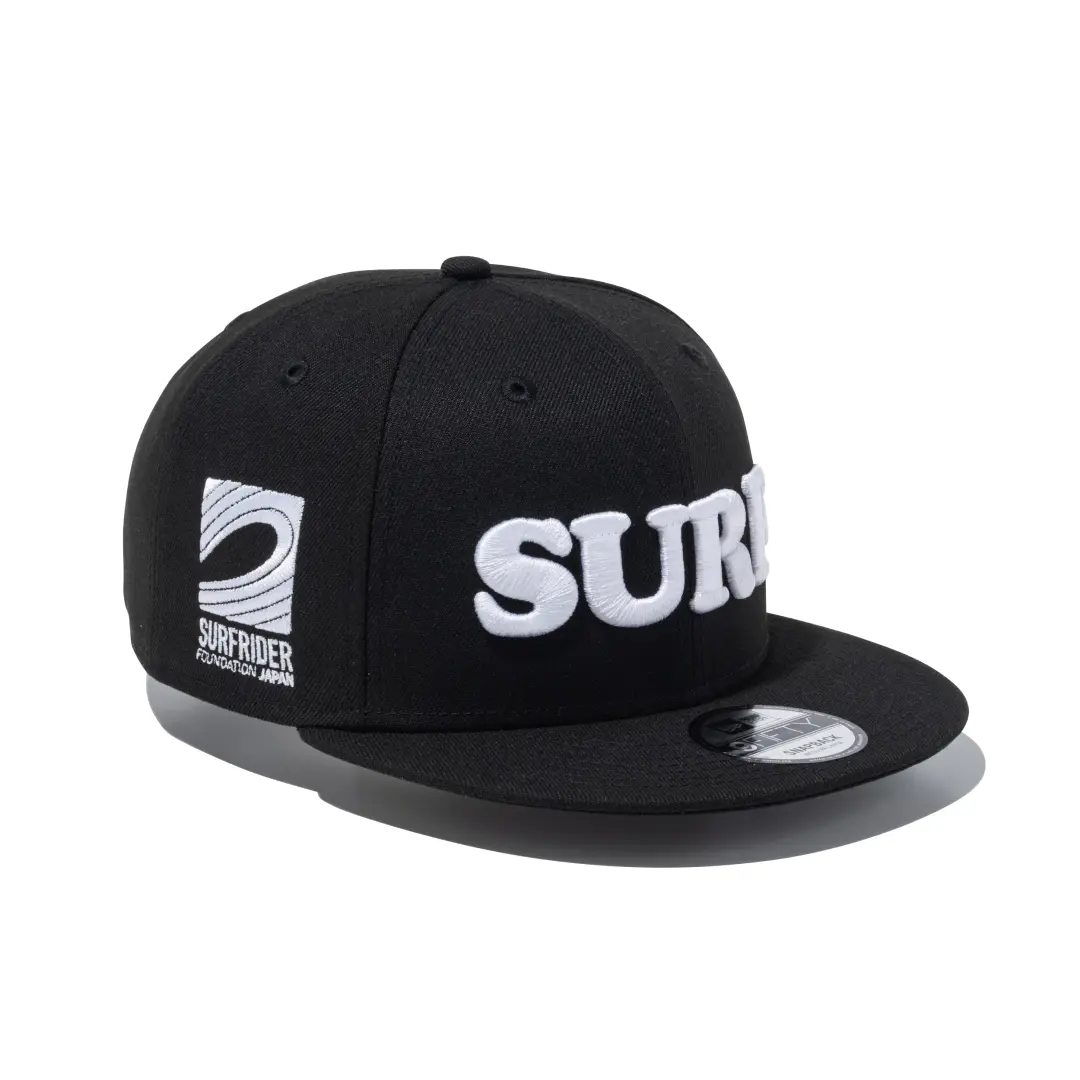
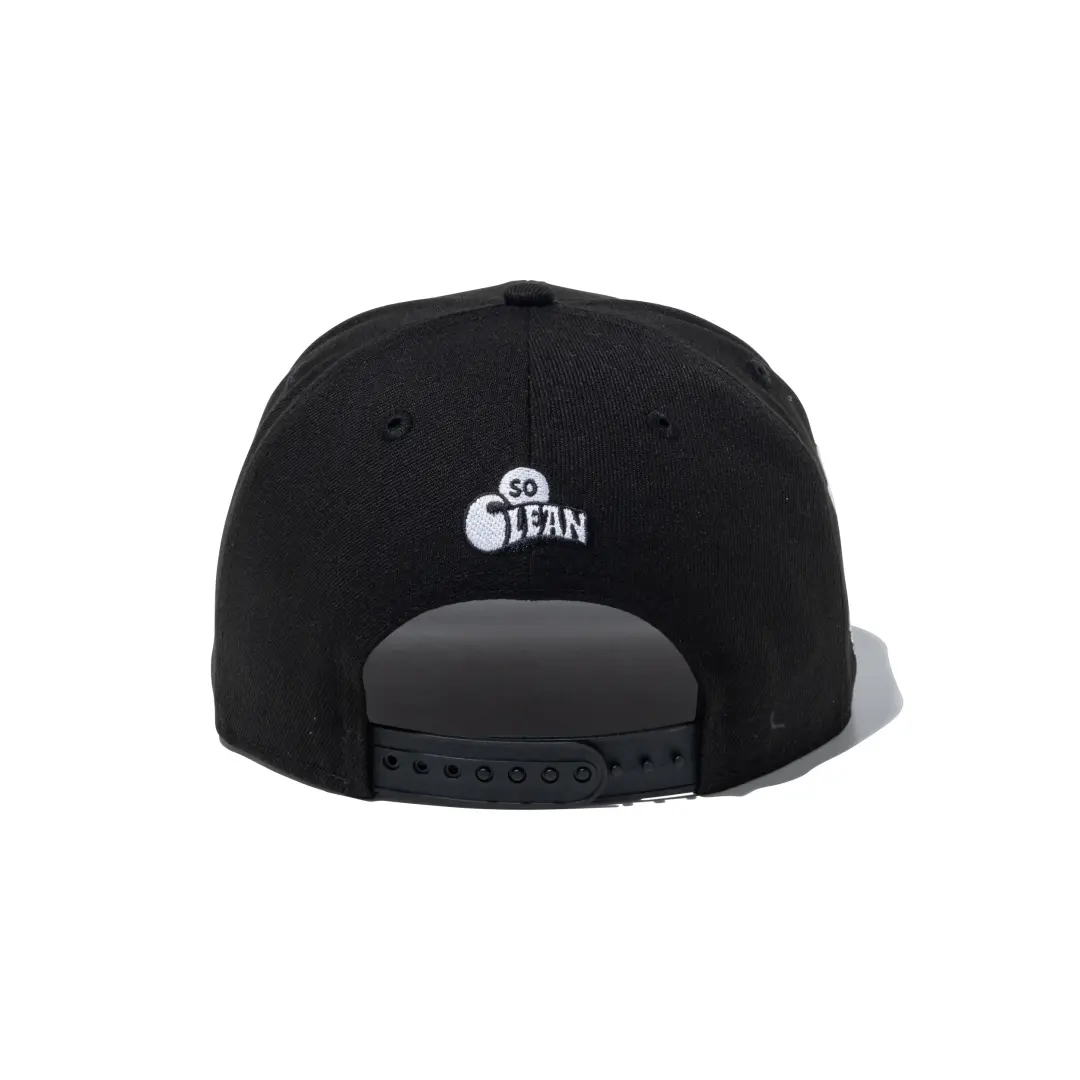
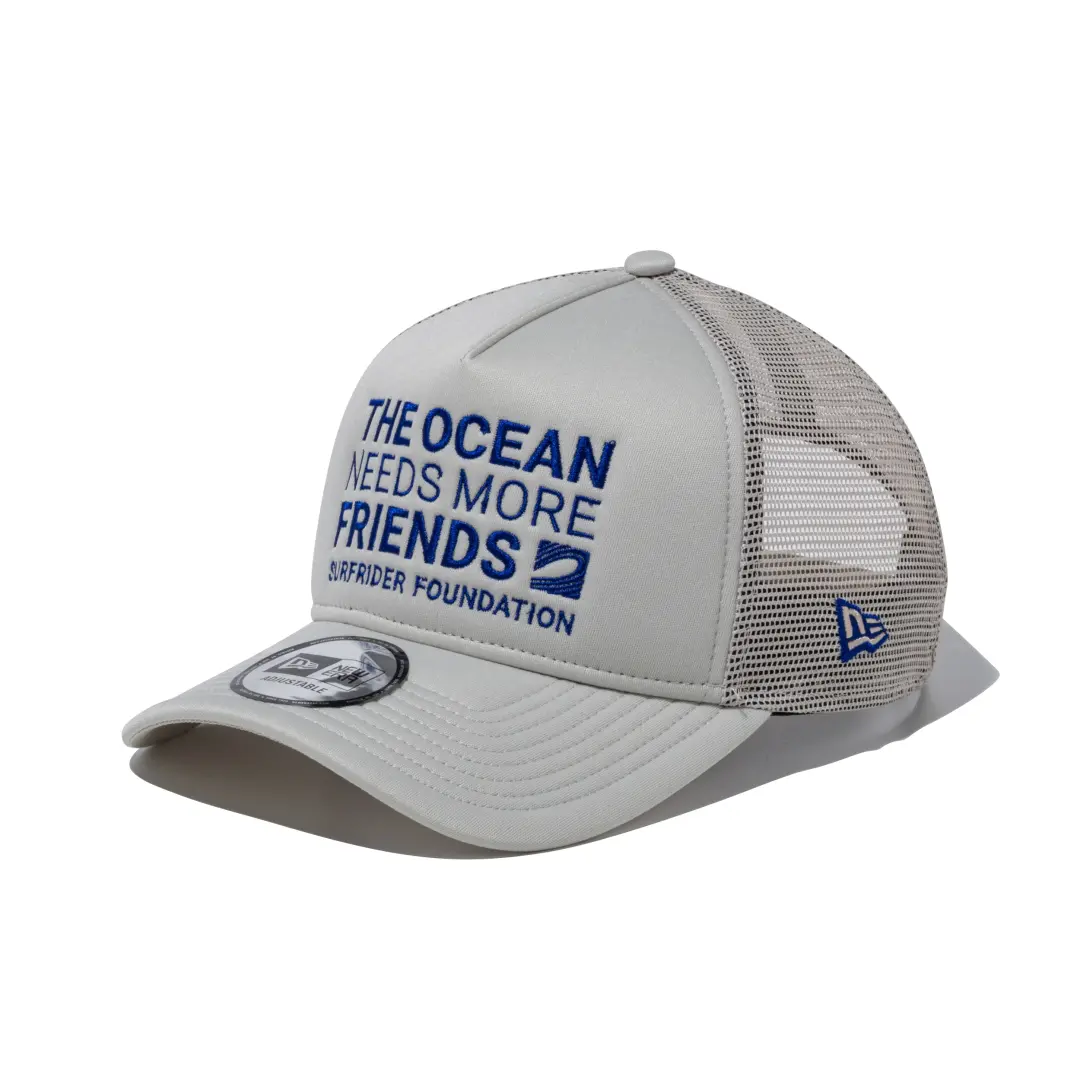
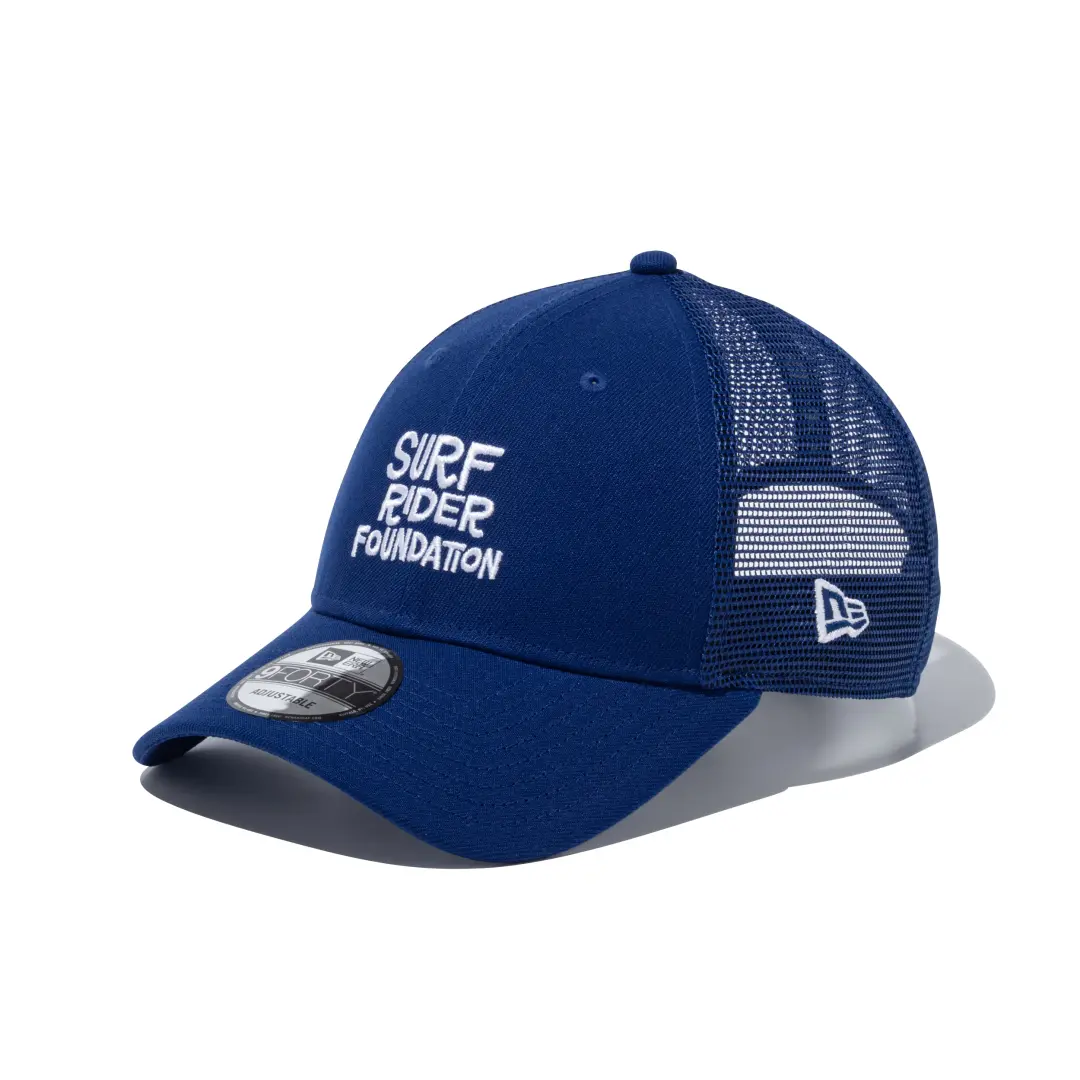
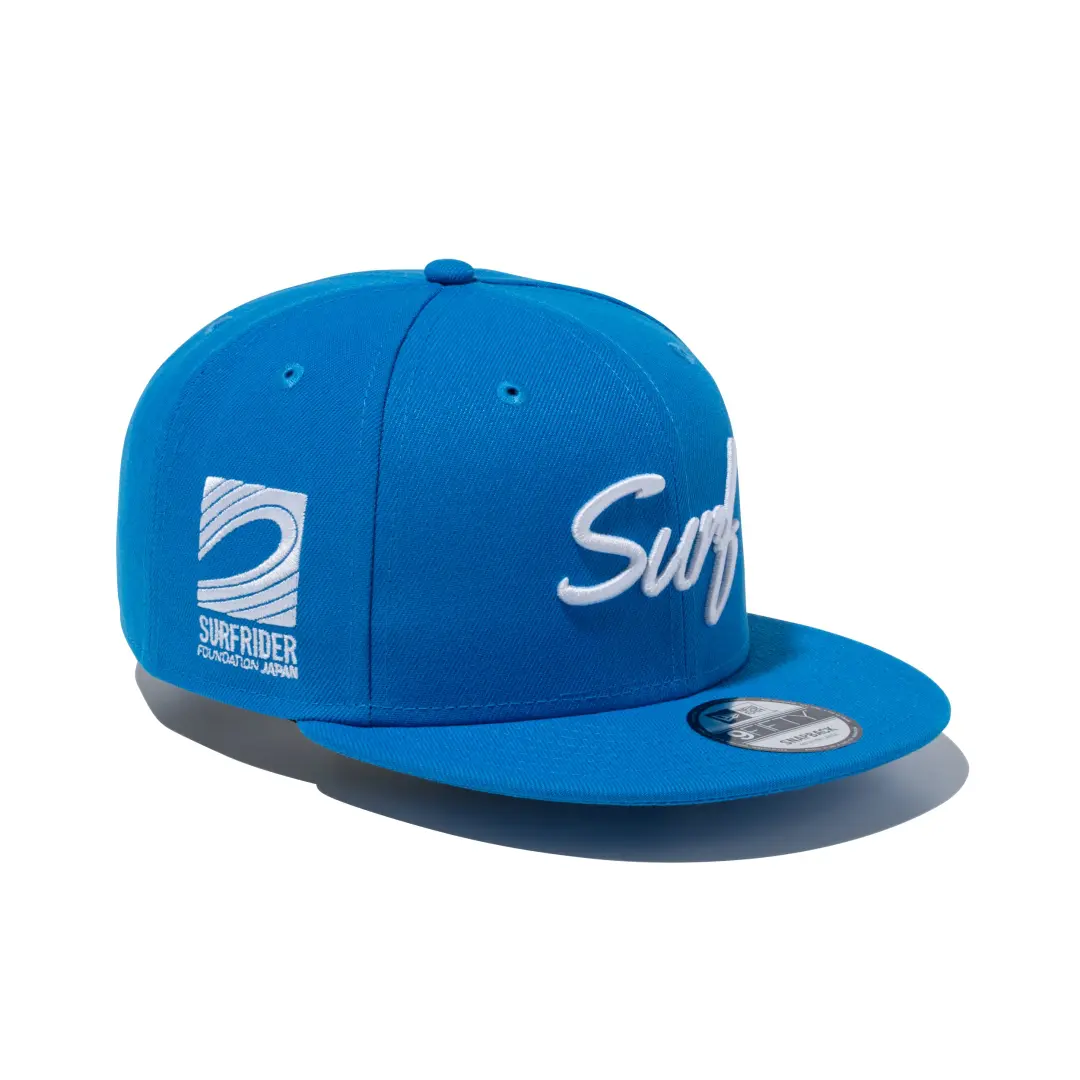
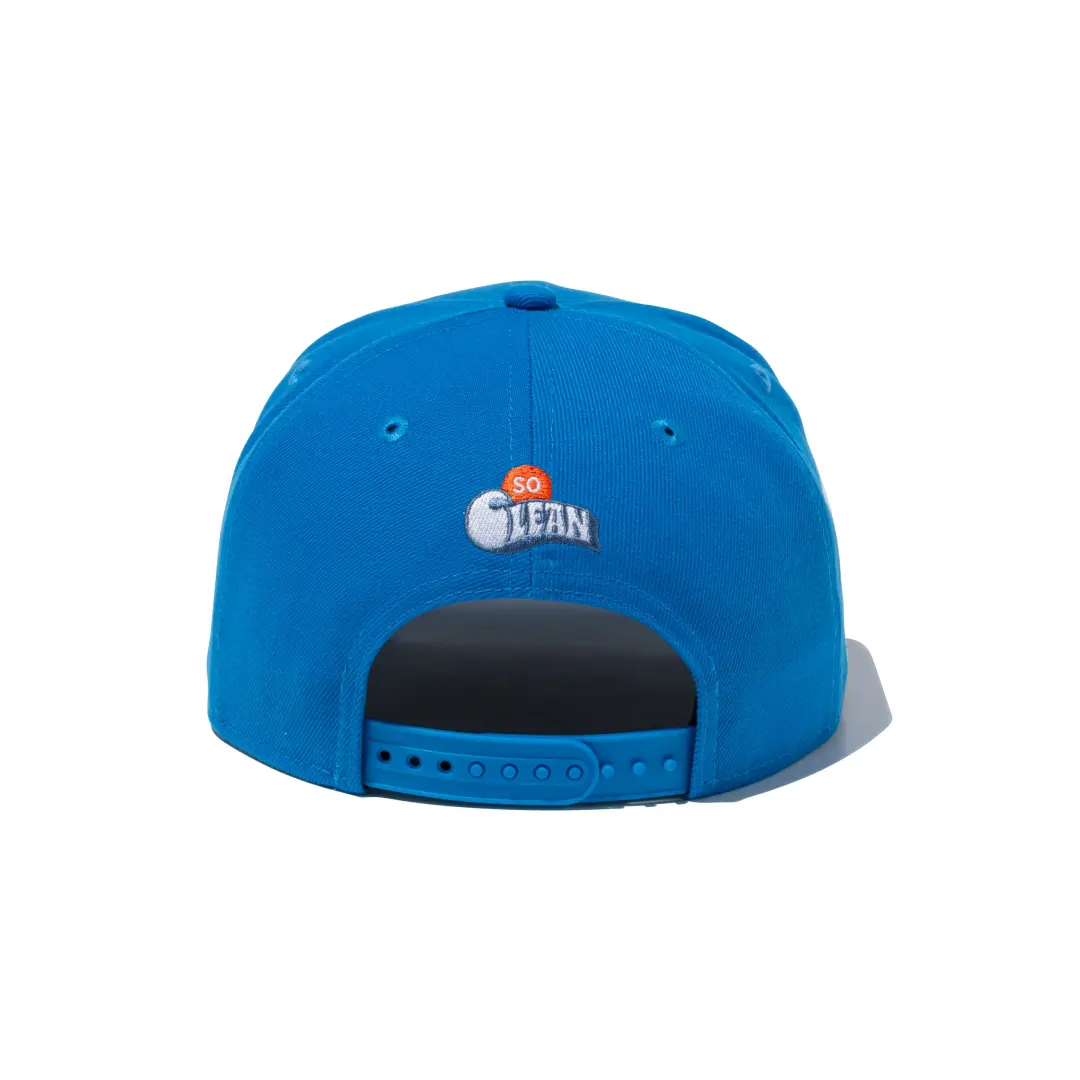
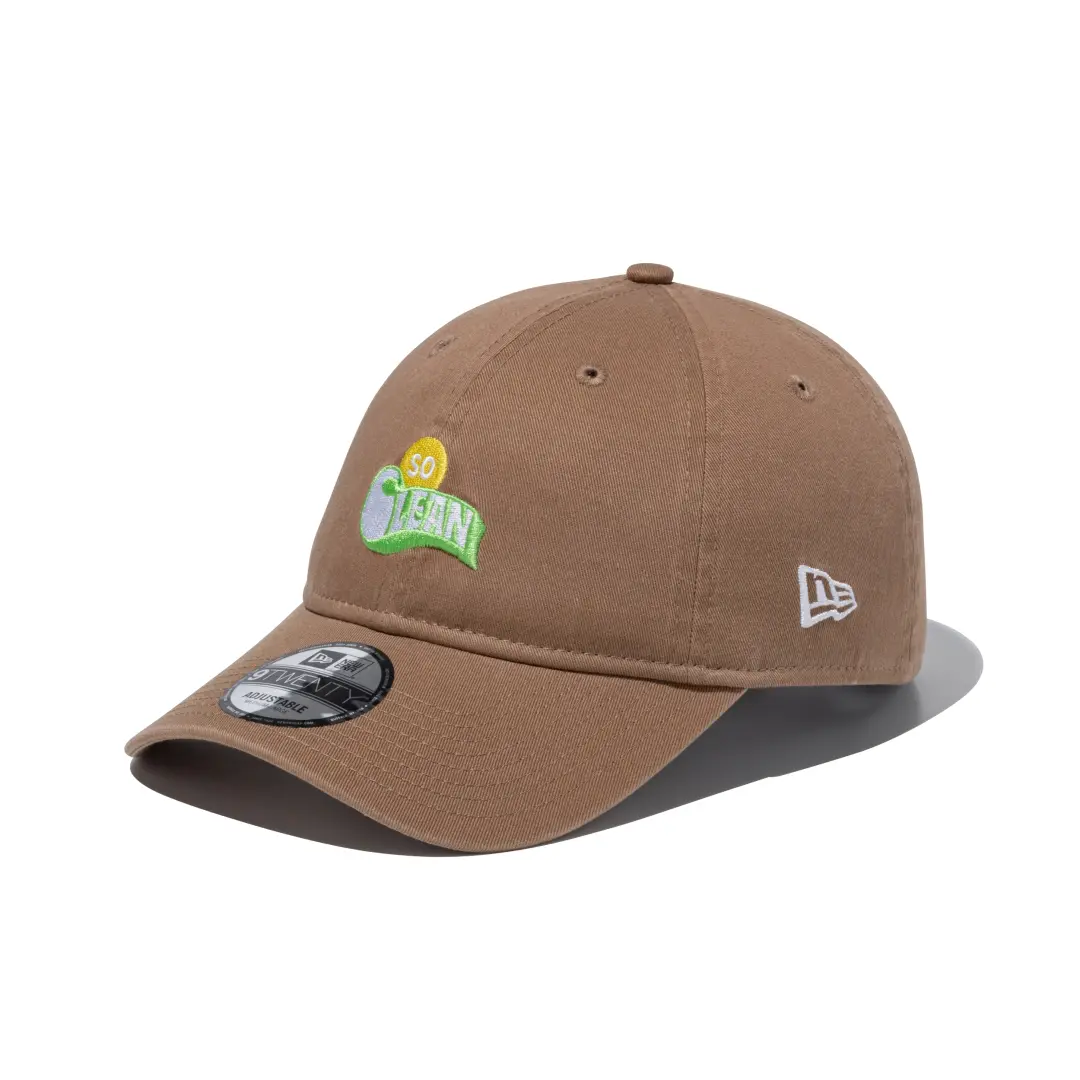
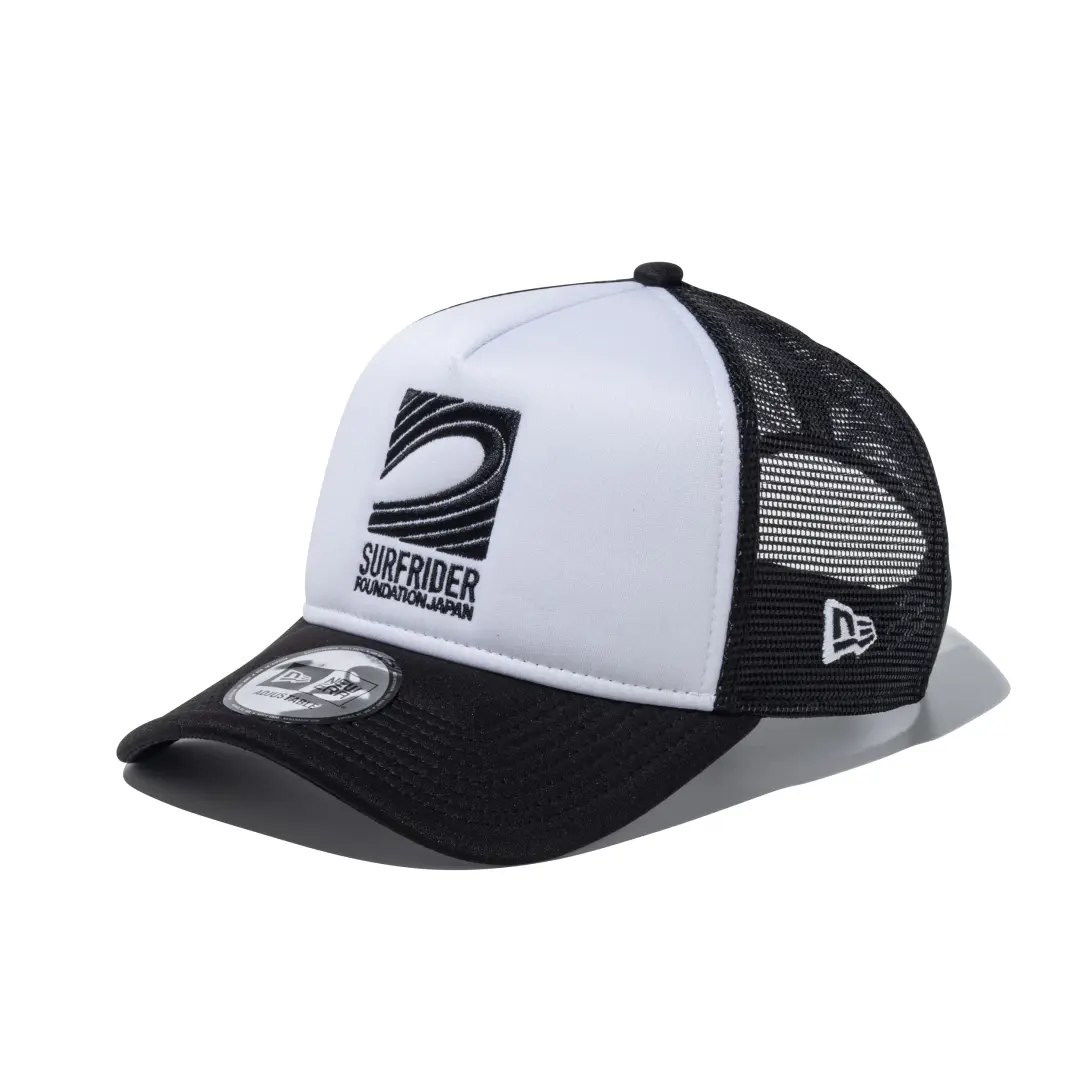
The base connection, the one without Hanai’s name attached, centers on artwork from Jeff Canham, a San Francisco based designer and sign painter who spent years as the art director of Surfer Magazine before apprenticing at New Bohemia Signs, where he learned traditional hand painted lettering. Canham’s contribution here is understated by his own standards: a logo and typographic treatment rather than one of the illustrated scenes he’s known for through collaborations with Patagonia, The North Face, and Mollusk Surf Shop. It reads less like an art project and more like branding, which seems to be the intent. Six cap styles carry the design, spanning the 9FIFTY, 9FORTY, and 9TWENTY silhouettes, each priced between 4,400 and 6,600 yen including tax.
Canham’s background gives the collide a credible that a generic nonprofit tie in might lack. He isn’t simply a name licensed for the occasion. His career has run parallel to surf culture’s publishing history for two decades, and his design language, built on confident line work and a restrained palette, suits a cap that’s meant to be worn constantly rather than treated as a collector’s piece.
His path into that design language is fairly specific. Canham grew up in Hawaii before studying graphic design at the University of Oregon, then landed the art director job at Surfer Magazine in Southern California in the early 2000s, a role he’s described in past interviews as a dream position given his childhood spent reading the publication. After leaving the magazine in 2005, he relocated to San Francisco and apprenticed at New Bohemia Signs, a shop specializing in traditional hand painted signage, an experience he has credited with reshaping how he approaches every project since, either it’s a gallery mural or a corporate logo. He now works out of a shared Outer Sunset studio called Woodshop, alongside a surfboard shaper and a furniture maker, a detail that fits the low key, craft focused persona his client list, from Patagonia to The North Face to Mollusk, tends to lean on. That background is a useful contrast to Hanai’s more illustrative, character forward style within the same release, and it’s part of why New Era split the effort into two distinct collections rather than blending both artists into a single line.
from
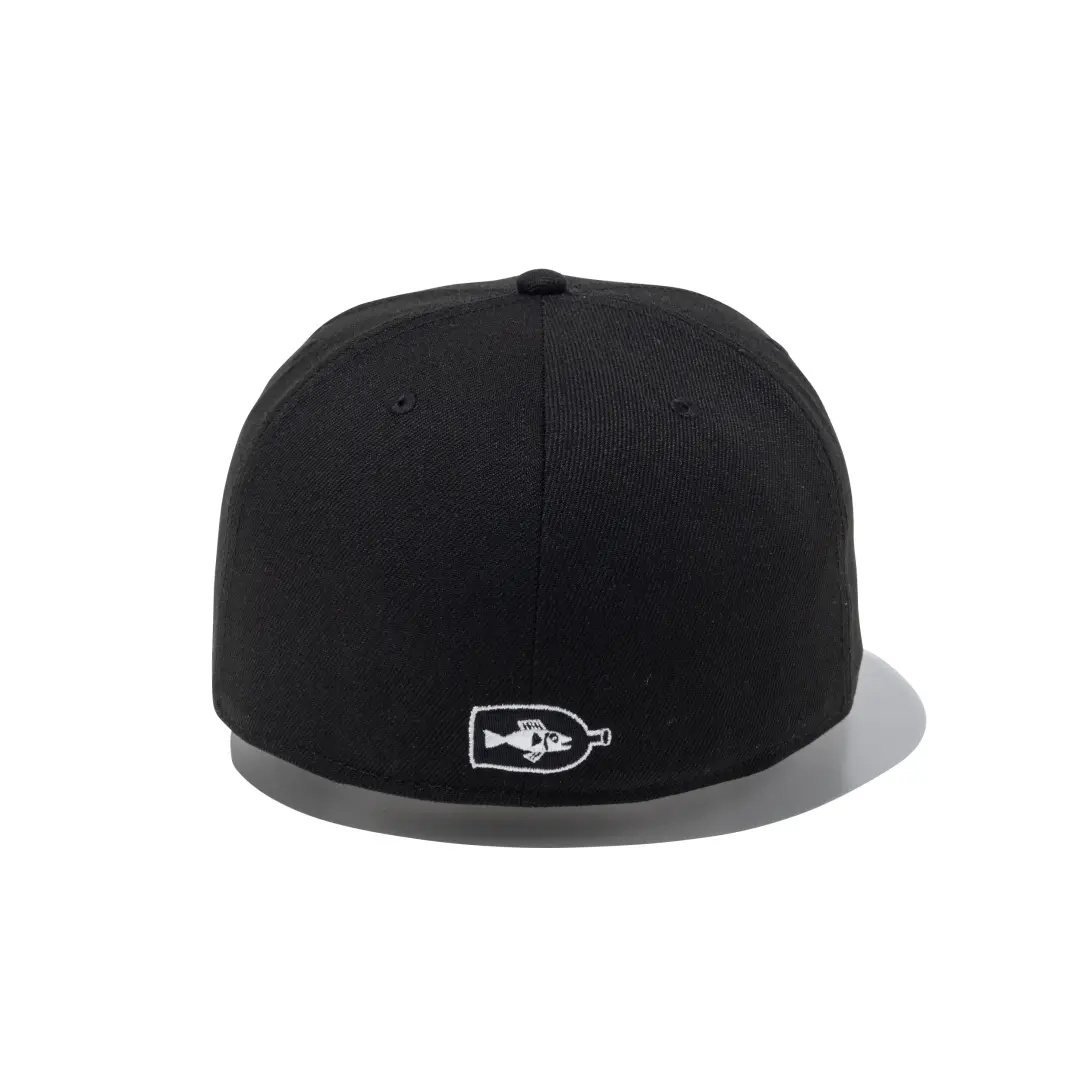
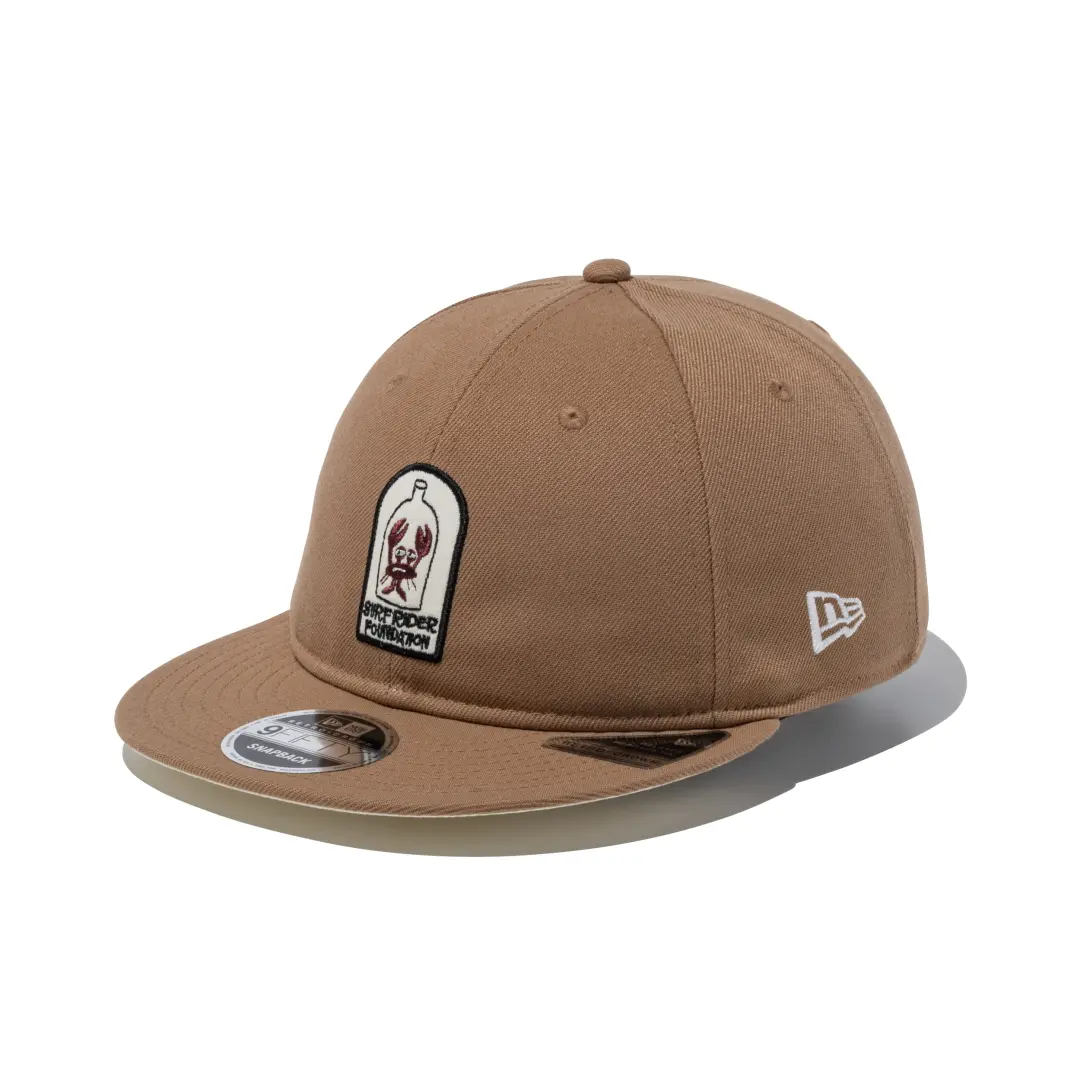
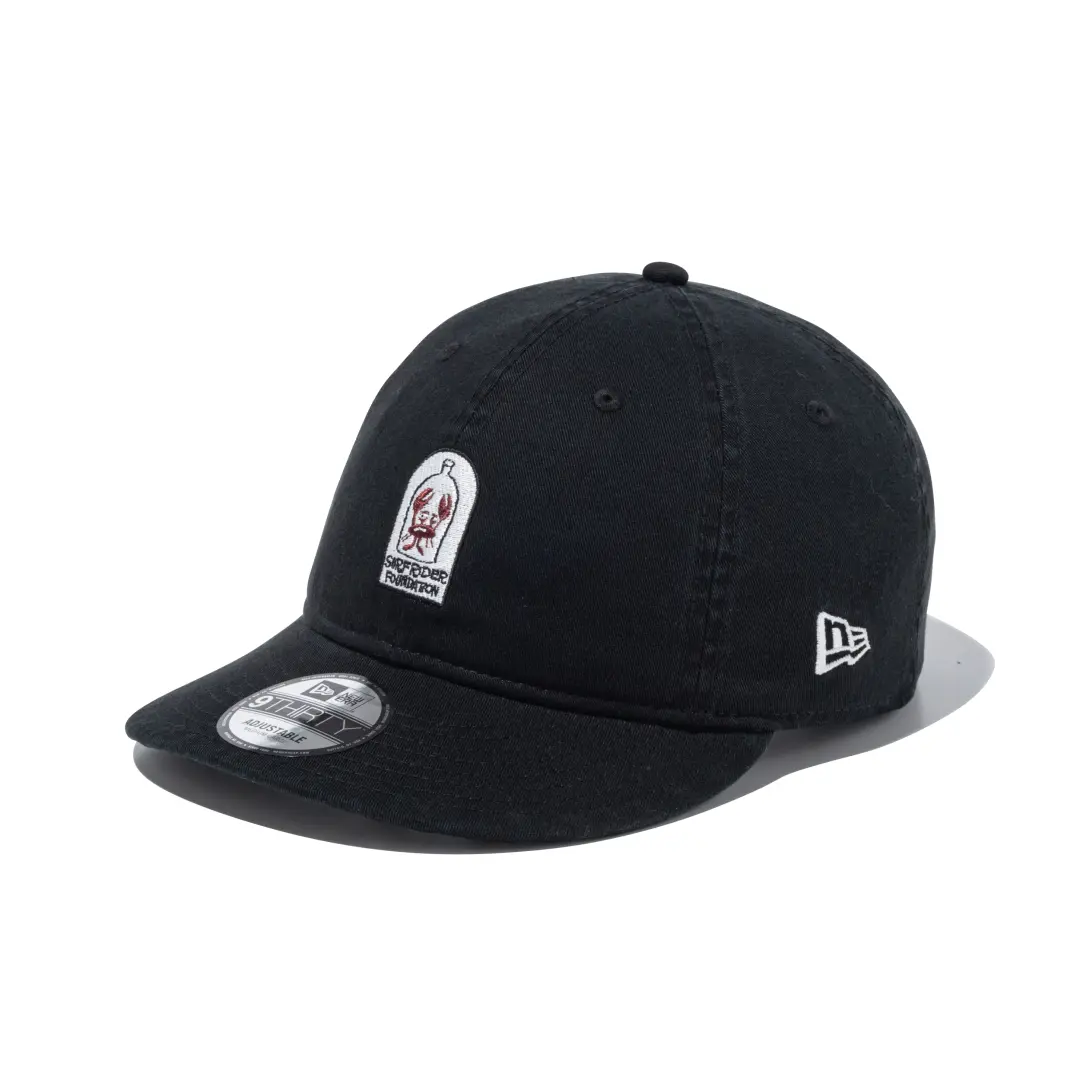
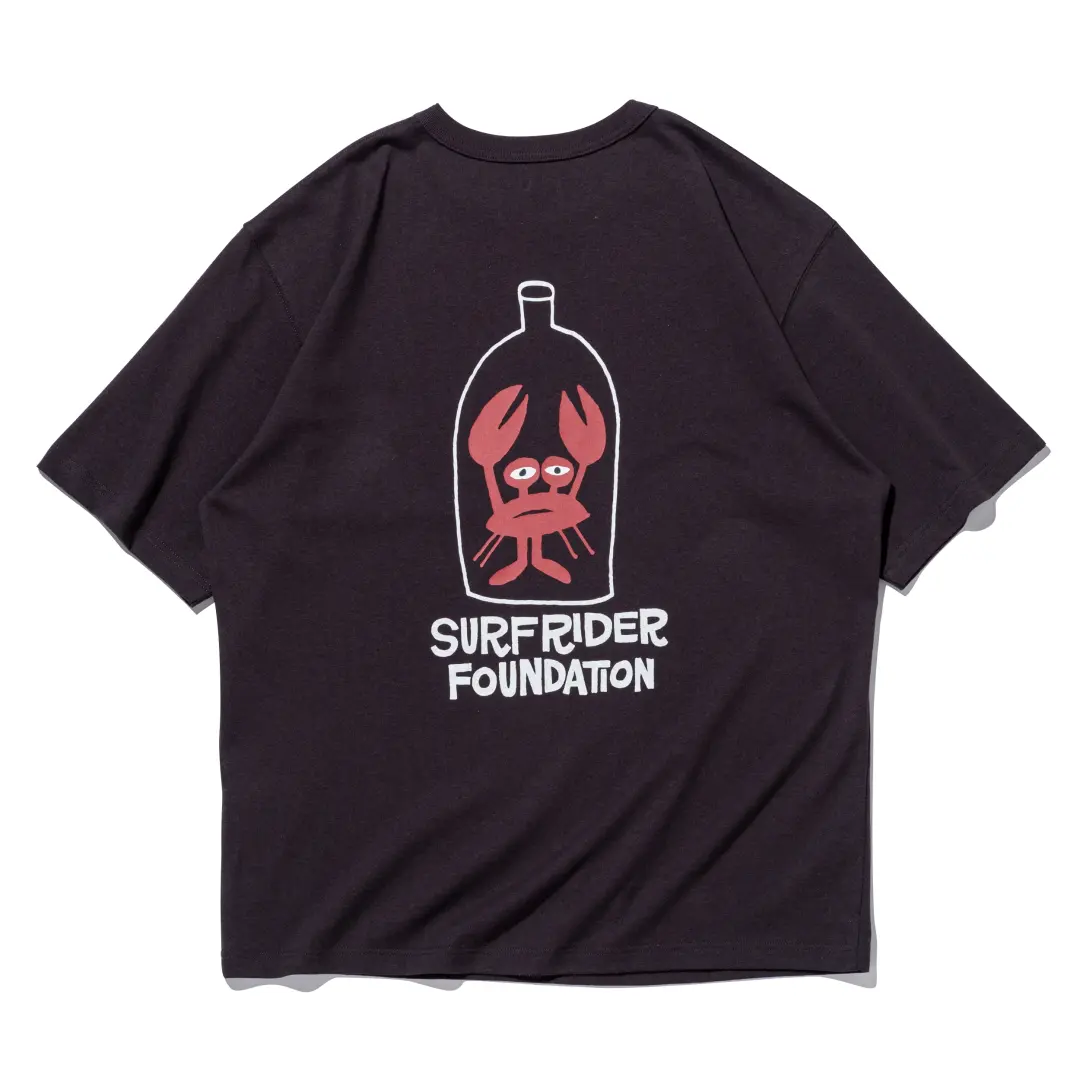
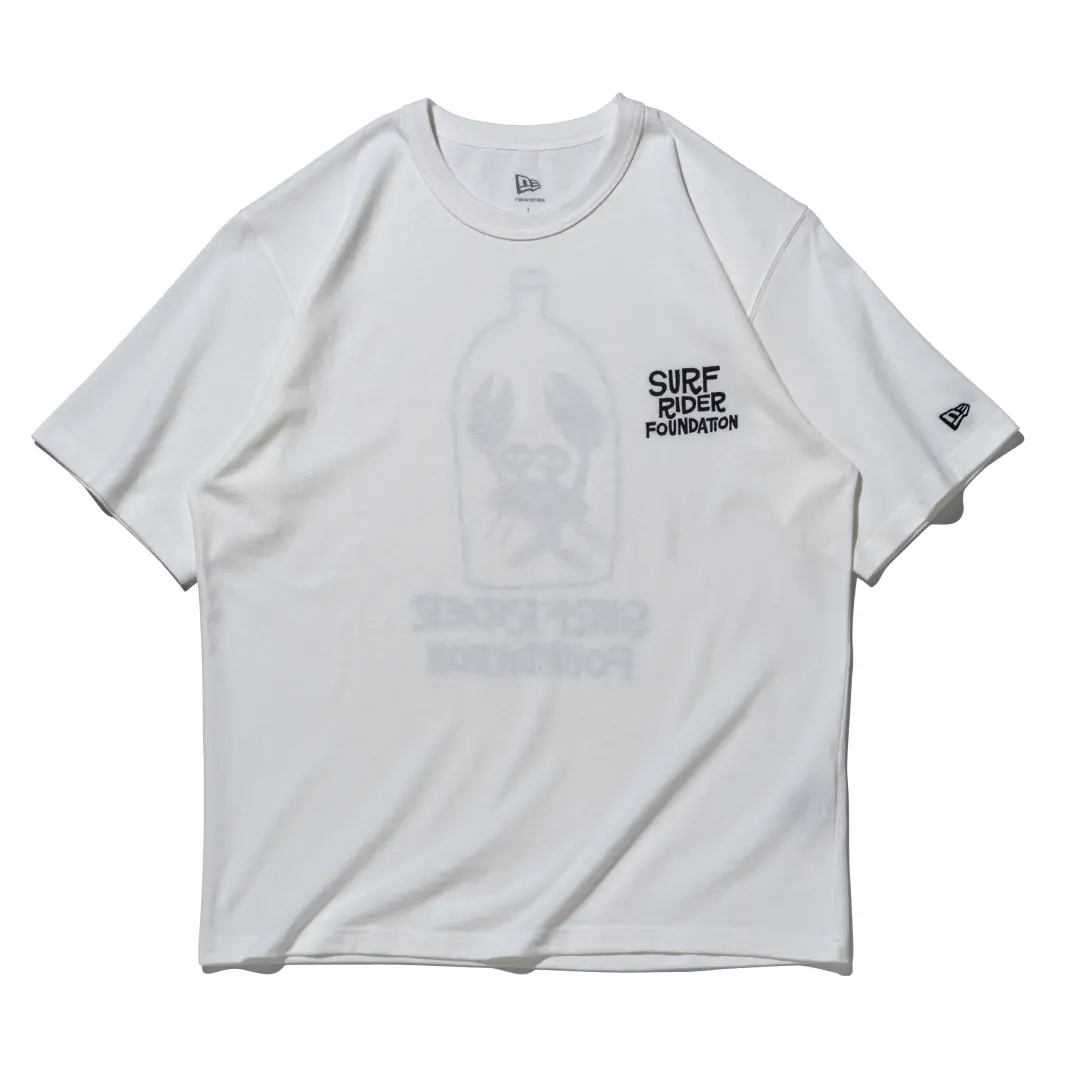
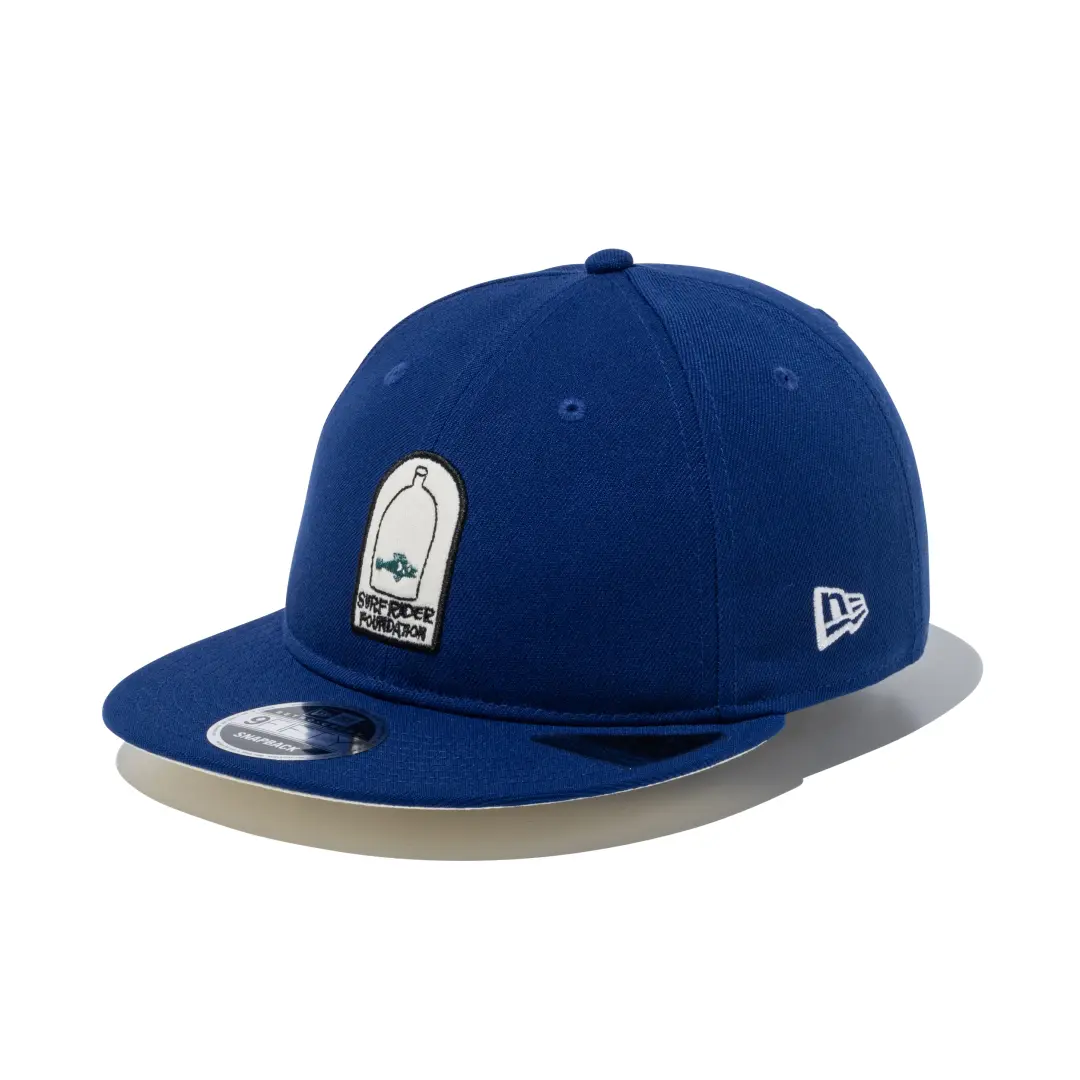
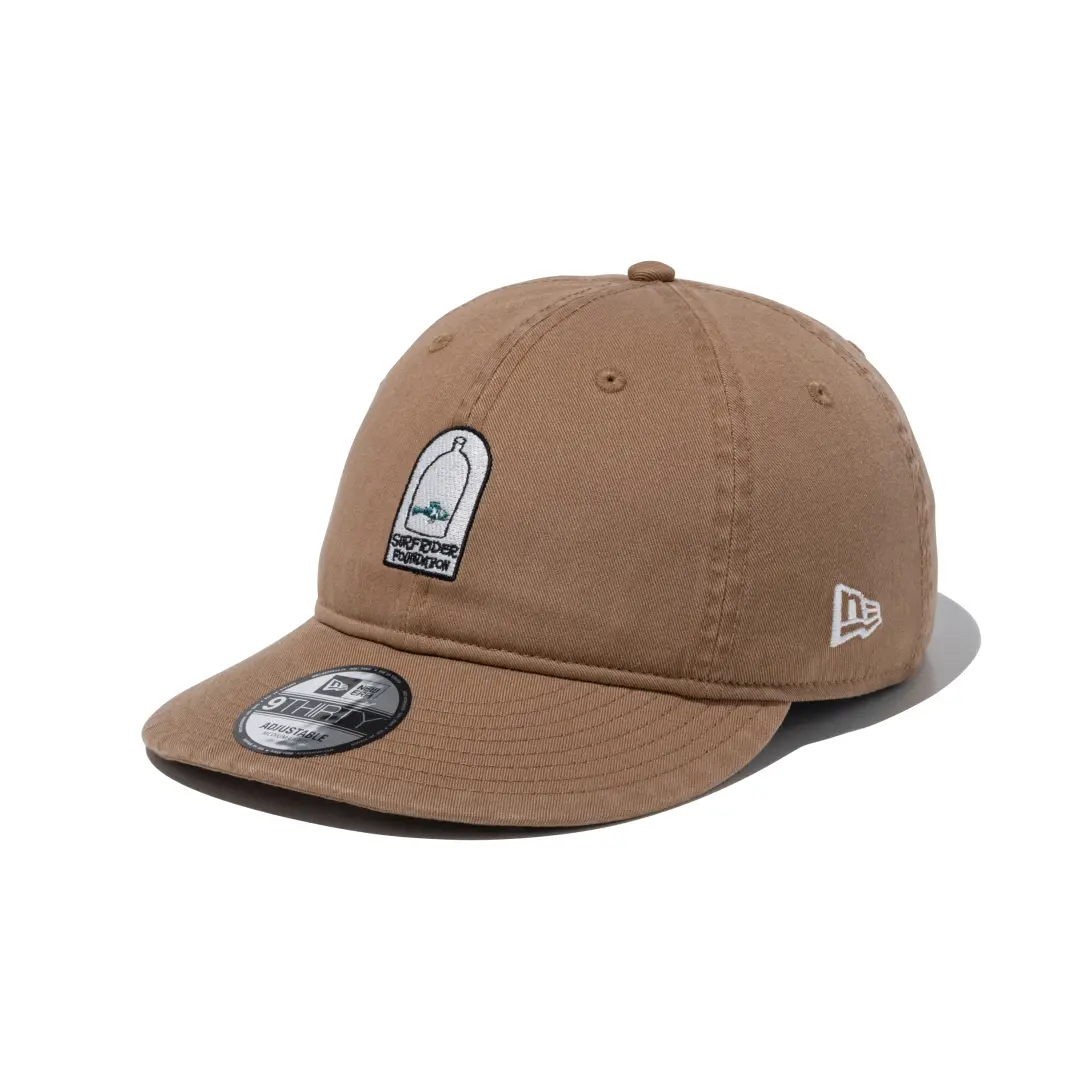
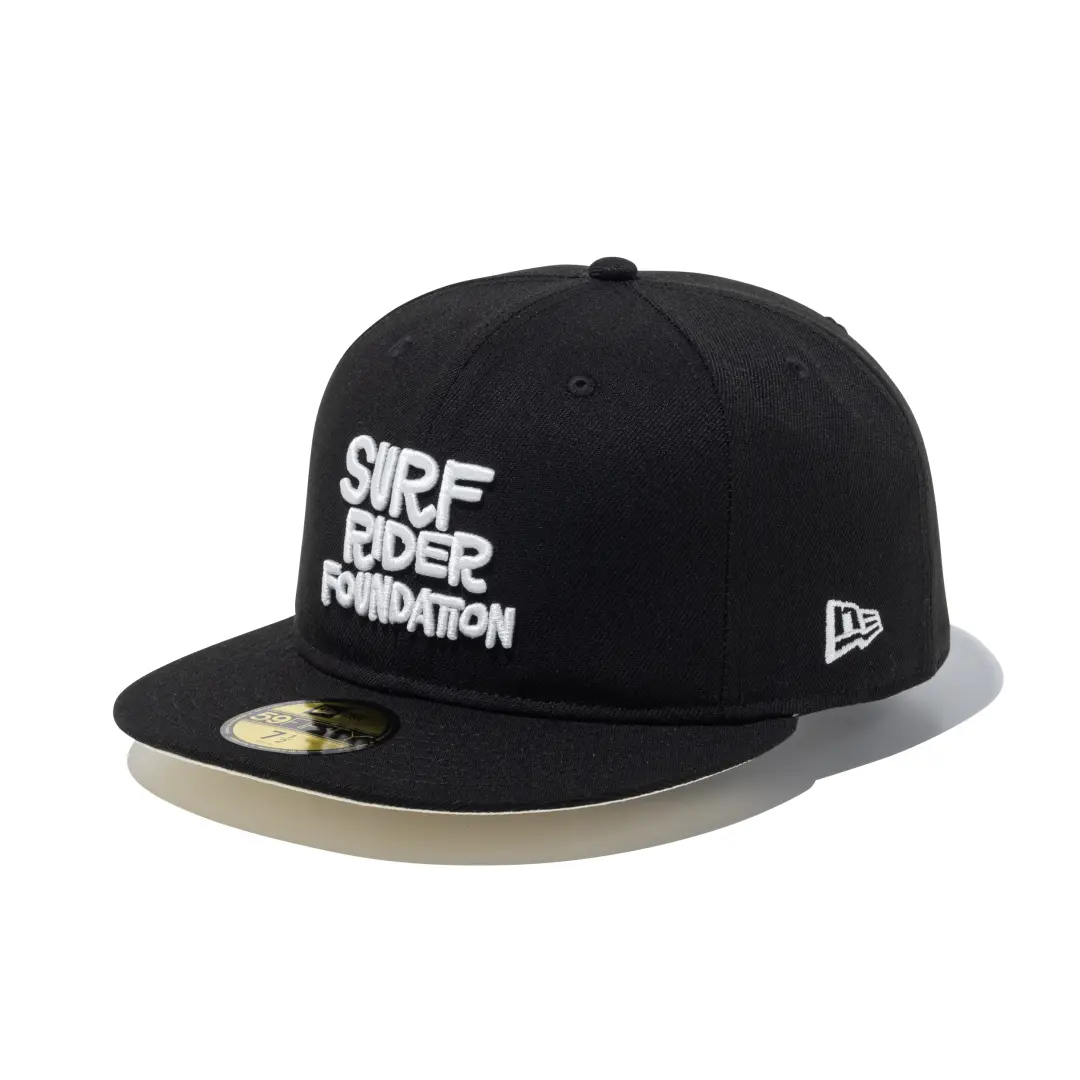
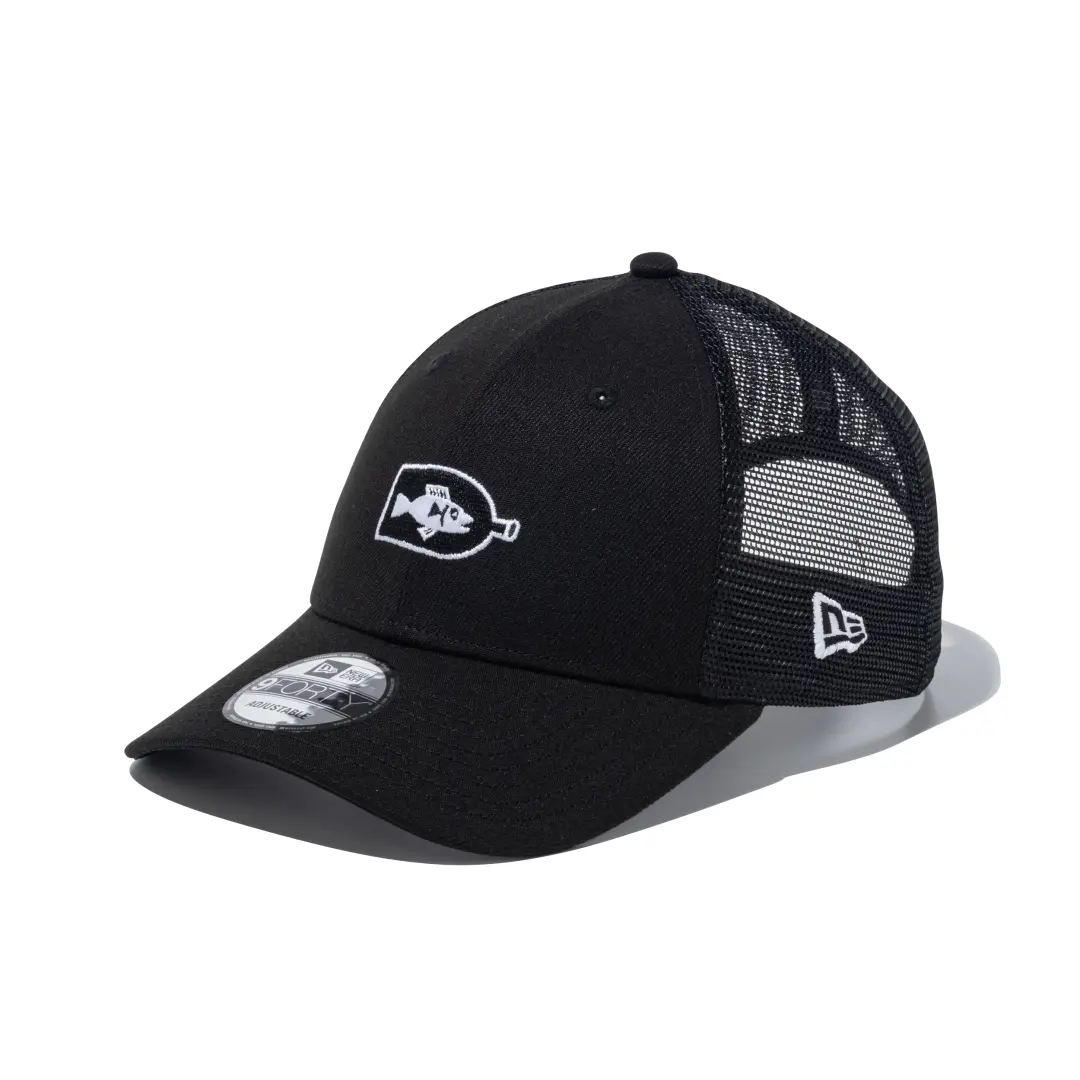
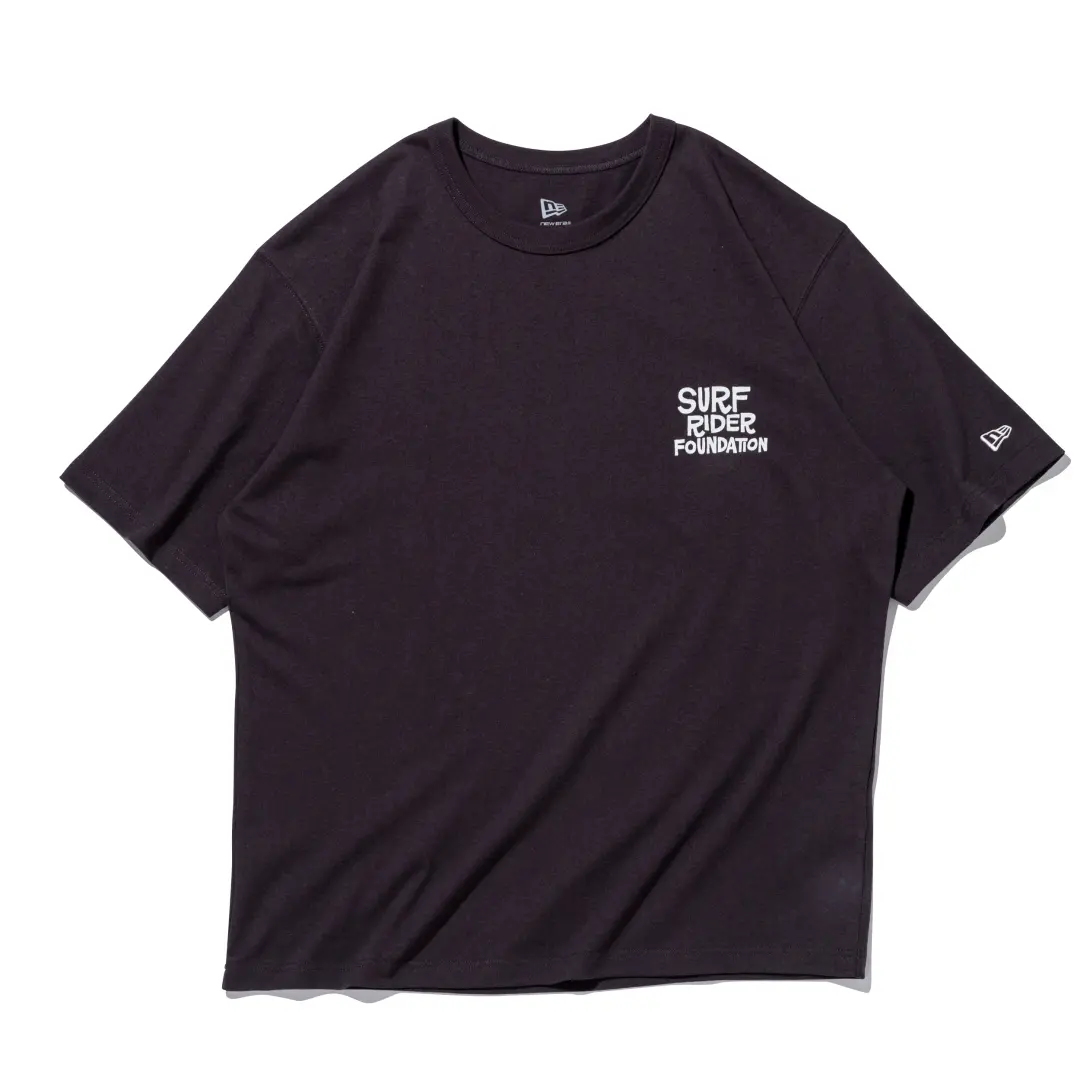
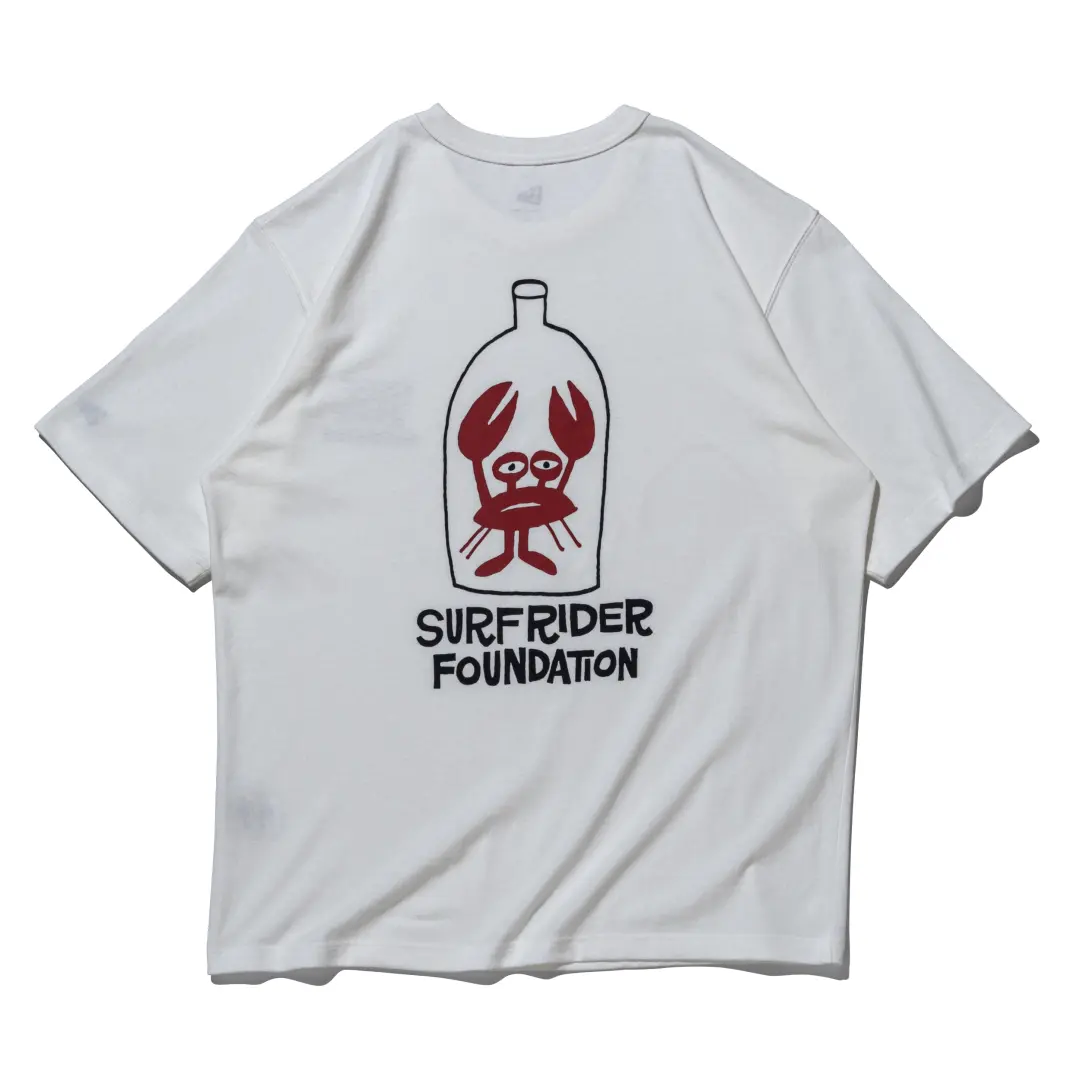
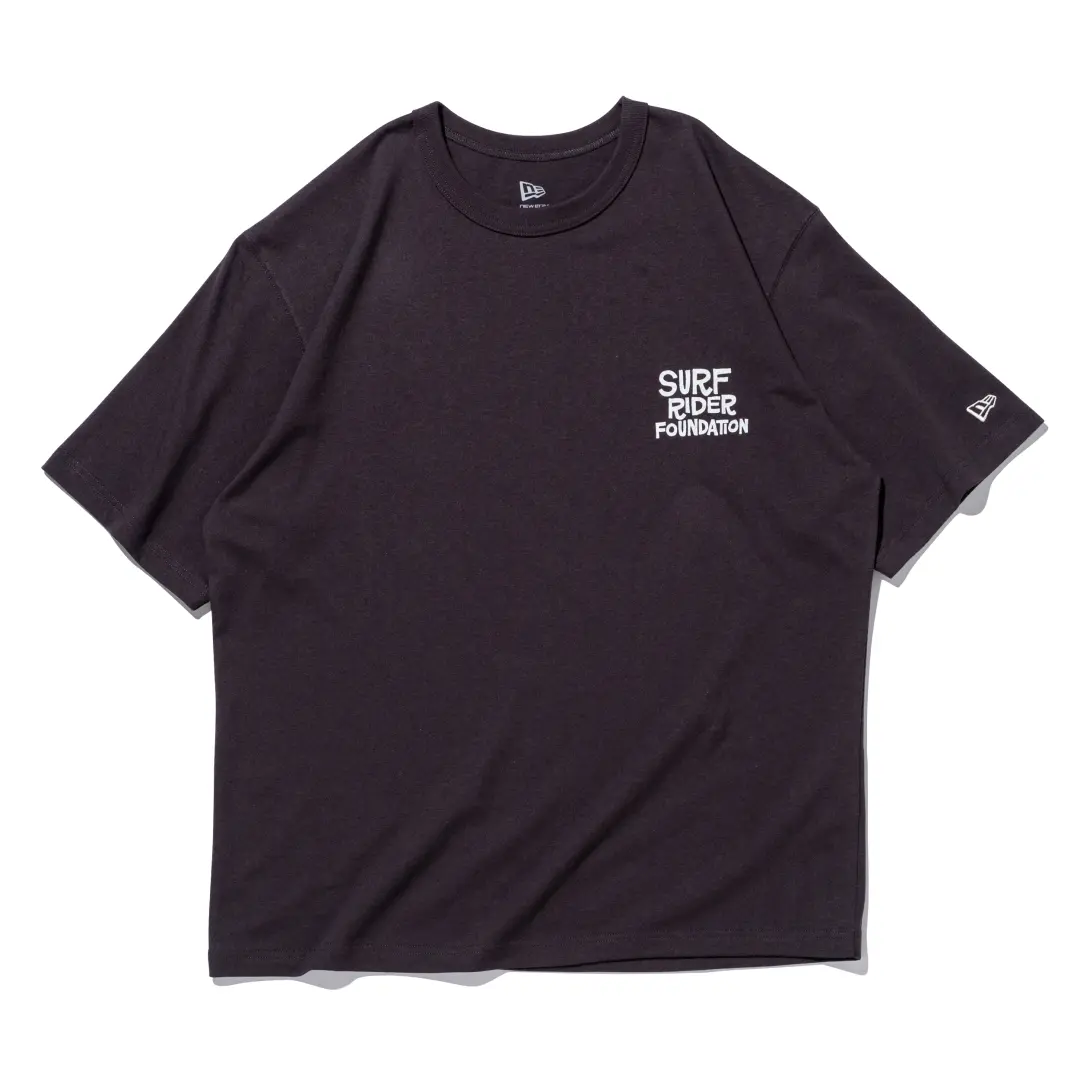
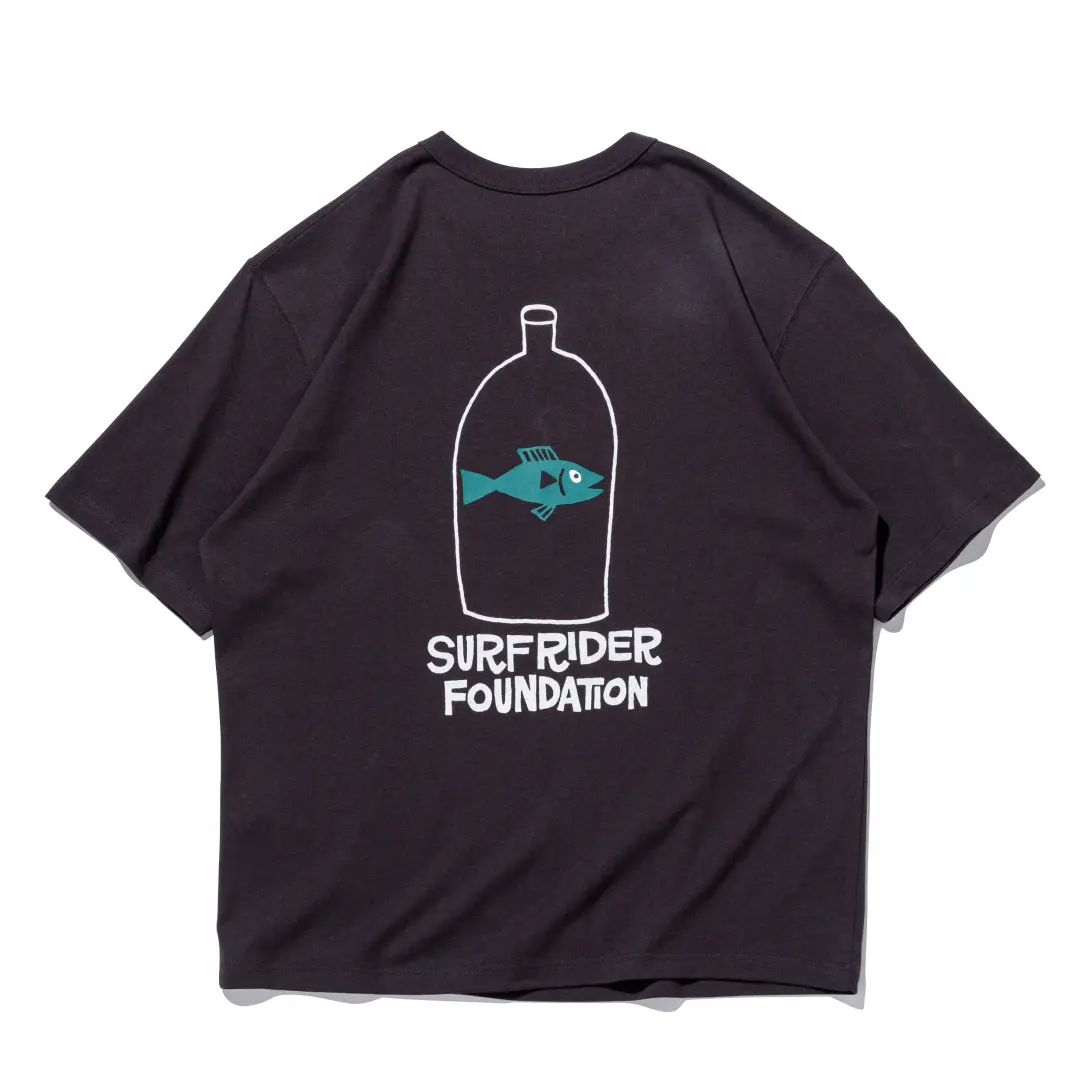
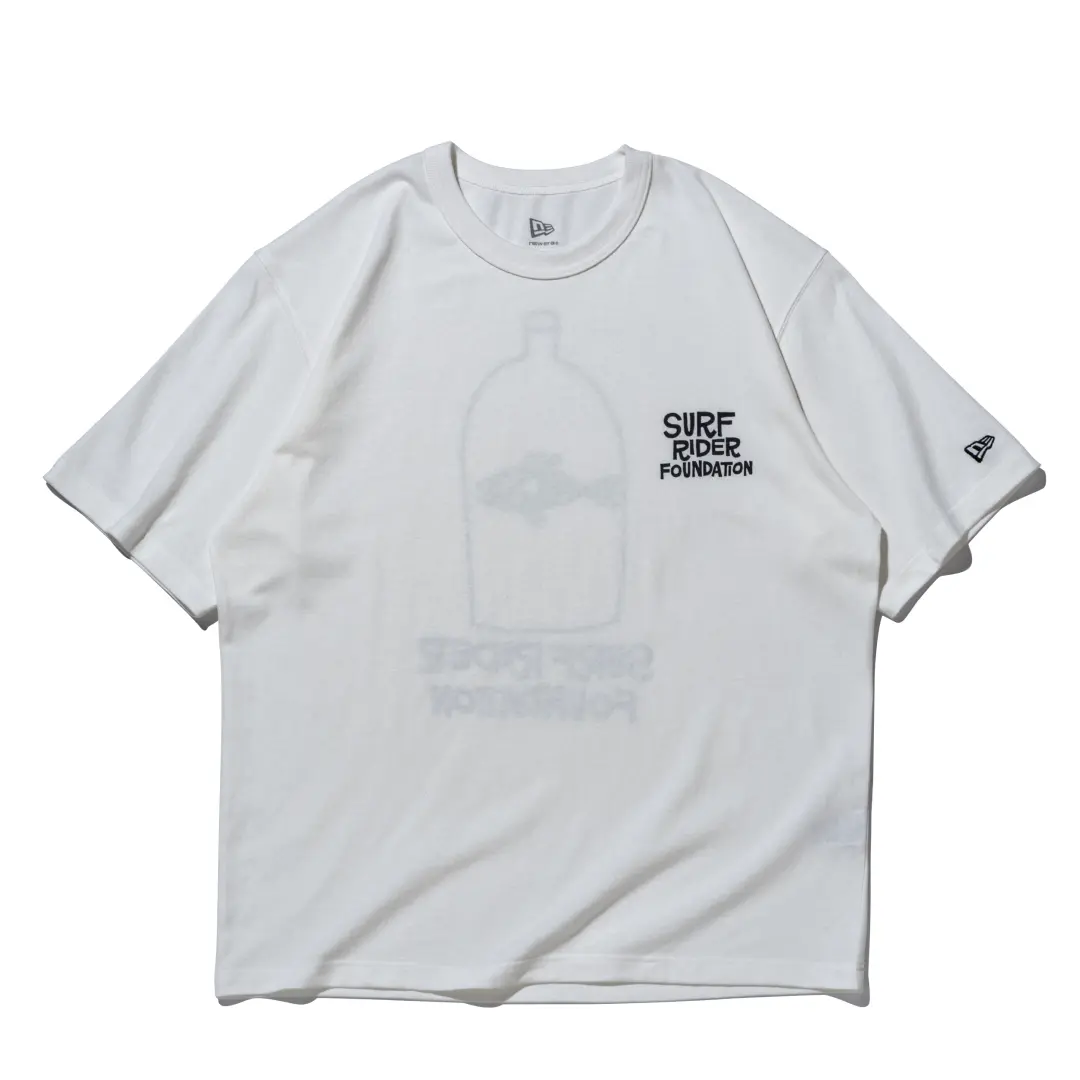
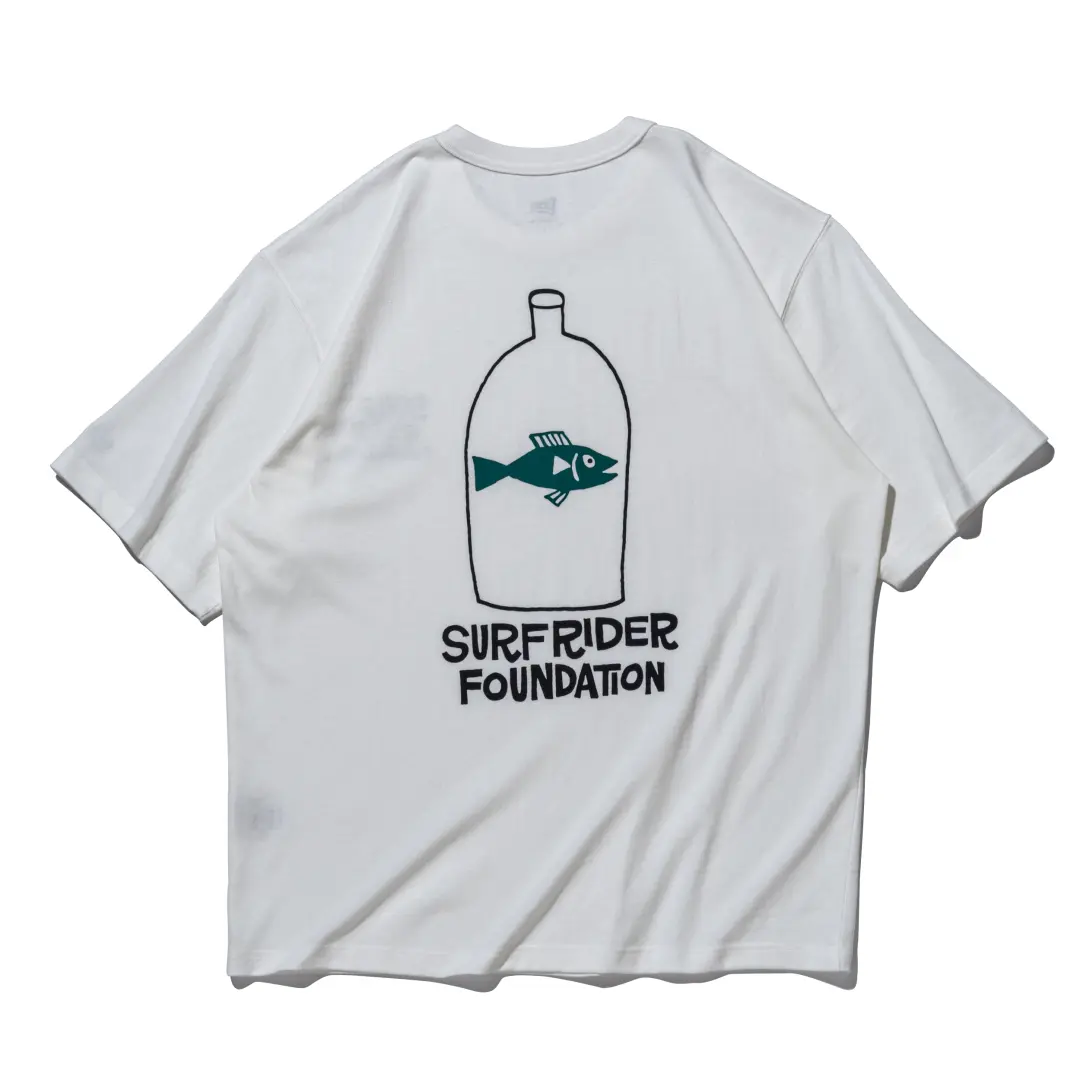
The second collection is where the release earns its headline. Hanai, who has spent nearly two decades building a view lang out of loose, ink heavy linework and characters that sit somewhere between American counterculture illustration and Japanese pop sensible, contributes artwork built around a single image: a sea creature trapped inside a discarded plastic bottle. According to New Era’s release, the piece is meant to comment on how casual littering, discarded without a second thought by the people responsible for it, ends up doing lasting damage to marine environments. It’s a blunt image, intentionally so, and it appears across a 59FIFTY Soft Buckram cap, a Retro Crown 59FIFTY, a 9FORTY Trucker, a 9THIRTY, and a washed cotton short sleeve Tee.
View this post on Instagram
Hanai’s career has taken him well beyond Japan’s borders. Born in Kanagawa Prefecture in 1978, he began showing work at The Surf Gallery in Long Beach in 2005 and has since exhibited in New York, Sydney, London, and Paris, according to his profile on BEAMS T’s B Cultures feature. His past collaborators include Vans, Nixon, and Uniqlo UT, and a piece of his was selected for the permanent collection of Brazil’s Santos Surf Museum in 2009. What consistently defines his output, whether on a gallery wall or a T shirt, is a kind of gentle melancholy applied to characters who look like they belong in an old zine, which makes the bottle imagery here land harder than a more polished illustration might.
The message isn’t subtle, and it isn’t meant to be. New Era rarely attaches this kind of direct environmental statement to a headwear drop, and doing so through Hanai’s illustration style, rather than through copy on a hangtag, gives the collection a weight that a straightforward brand statement would lack.
Hanai’s view signature, thick outlines, muted earth tones, and figures that look slightly worn down by time, developed out of an interest in blending Japanese sensibility with American retro illustration, particularly the counterculture aesthetic of the 1950s and 1960s. That combination has made him a consistent collaborator for brands trying to signal a specific kind of laid back, slightly nostalgic cool, from BEAMS T’s ongoing series of artist collaborations to Levi’s, which brought him in for a live silkscreen printing session at its Harajuku flagship store to mark the 501 line’s 150th anniversary. His gallery relationship with Tokyo’s Gallery Target has produced multiple solo exhibitions since 2017, expanding from paintings into large scale installation work as his international profile has grown. That range, moving between commercial collaborations and gallery scale installations without much friction, is part of what makes an environmental message from Hanai land differently than it might from an artist working strictly in one lane or the other.
The specific choice to depict a marine animal enclosed inside a bottle, rather than a beach littered with trash or a more literal cleanup scene, also fits Hanai’s general tendency toward a single, contained image doing the emotional work rather than a busy composition. It’s the kind of graphic that reads clearly from a distance on a cap brim, which matters given the format it’s been placed on.
sale
Across both collections, the lineup runs to seventeen items. The Canham designed Surfrider Foundation collection includes six caps: two 9FIFTY styles at 6,600 yen each, two 9FORTY styles at 4,400 yen each, and two 9TWENTY styles at 4,620 yen each, all prices inclusive of Japanese consumption tax.
The Hanai designed triple collide expands the range further. A single 59FIFTY Soft Buckram cap sells for 6,930 yen. Two Retro Crown 59FIFTY styles are priced at 6,600 yen each. Two 9FORTY Trucker caps run 4,620 yen each. Two 9THIRTY styles are priced at 4,950 yen each. And two colorways of the short sleeve washed cotton T shirt sell for 6,600 yen each, made from a 7.5 ounce cotton with a wash treatment intended to resist shrinkage and hold its shape through repeated washes.
Both collections are listed on New Era’s official storefront under dedicated collection pages, New Era x Surfrider Foundation and New Era x Surfrider Foundation x Yusuke Hanai, where full sizing and colorway details are available ahead of the release.
30
It’s worth sitting with what Surfrider Foundation Japan actually does, since the organization’s identity is doing real work in this collaboration beyond a logo placement. The group operates as a registered general incorporated association focused specifically on protecting Japan’s coastal environments, positioning itself as a complement to government efforts rather than an adversarial watchdog. Its guiding principles, listed on public filings, commit the organization to nonpartisan activity, calm information gathering over confrontation, and active collaboration with other organizations, governments, and corporations.
That approach has produced a long list of brand partnerships beyond this one, including past collaborations with the Tokyo based T shirt label GOAT and the sporting goods retailer Murasaki Sports, both structured around cash donations tied to sales volume. The organization also runs an ongoing public campaign called One Hand Beach Clean Up, which asks participants to pick up trash during a normal beach visit and document it on social media, a low friction model that mirrors the tone of this New Era release: participation over protest, and design as the entry point rather than the message itself.
View this post on Instagram
The organization’s leadership has been fairly stable since that 2015 reorganization, when Jun Nakagawa took over as representative director and pushed the group toward building relationships with local governments and businesses rather than opposing them, a framing he laid out at the time by describing ocean protection as a duty specific to surfers rather than a broader activist cause. That framing shows up again in how Surfrider Foundation Japan structures its brand partnerships generally, favoring product collaborations, pop up stores, and point of sale donation models over the kind of public campaigning more commonly associated with international environmental NGOs. Its annual presence at events like Carnival Shonan, a beach festival in Fujisawa that has drawn crowds in the tens of thousands while maintaining a zero waste bin policy on site, reflects the same instinct: build the behavior into an event people already want to attend, rather than asking them to show up for the cause on its own.
That track record is part of what makes the New Era partnership a reasonably natural fit rather than a one off licensing deal. Surfrider Foundation Japan has spent a decade building relationships with apparel and lifestyle brands specifically because product collaborations, done carefully, generate both revenue and visibility without requiring the organization to run its own retail operation at scale.
rel
The full seventeen piece collection goes live on New Era’s Japanese online store at 10:00 a.m. on July 17. Pricing across both collections runs from 4,400 yen to 6,930 yen, all tax included, with no indication from either brand of a limited run or restricted purchase quantity at this stage. New Era has not announced whether the collection will extend to markets outside Japan, and the collaboration pages currently list availability through the Japanese storefront only.
Related Articles
Supreme Week 8 Puts Rita Ackermann’s Artwork on Work Jackets and Soccer Kits for Japan on October 10
Supreme’s Week 8 arrives in Japan on Saturday, October 10, led by Rita Ackermann artwork […]