Ken Griffin’s $45 Billion Bid for a Stegosaurus at Sotheby’s: Reflecting on Nominal Reasons and Market Stabilities

July 18, 2024
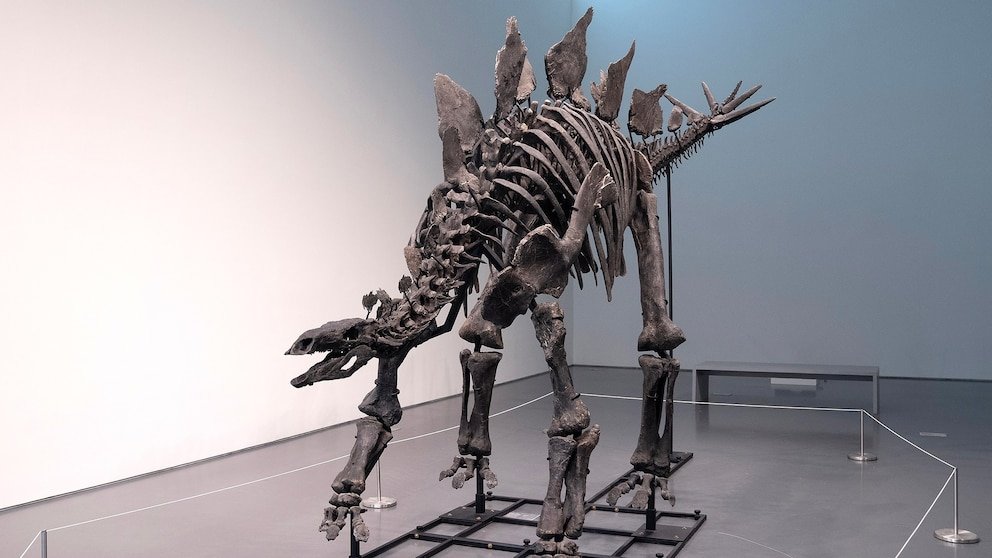
Ken Griffin, the billionaire hedge fund manager and CEO of Citadel, made headlines with his audacious $45 billion bid for a stegosaurus fossil at Sotheby’s. This move, while seemingly extravagant, has garnered significant attention not just for its monetary value but for what it signifies in the broader context of market dynamics and investor behavior. This editorial delves into the nominal reasons behind Griffin’s bid, considering the recent stabilities and fluctuations in the market.
The Fascination with Fossils: A Historical Perspective
Cultural and Scientific Value:
Fossils, particularly those of dinosaurs, hold immense cultural and scientific value. They are not only symbols of the prehistoric past but also represent significant milestones in the study of natural history. Owning such a piece of history can be seen as both a prestigious and intellectually stimulating investment.
Collector’s Prestige:
For high-net-worth individuals, possessing rare and valuable artifacts serves as a status symbol. The acquisition of a stegosaurus fossil is a testament to one’s wealth and taste, aligning with the tradition of collecting rare art, antiquities, and historical objects.
Long-Term Investment:
Fossils are finite resources, and their value tends to appreciate over time. Unlike contemporary art, which can be replicated or mass-produced, each fossil is unique. This scarcity makes fossils attractive long-term investments, often yielding significant returns.
Understanding the $45 Billion Bid
Inflation and Asset Value:
In an era of increasing inflation, tangible assets such as real estate, gold, and collectibles are seen as safe havens. These assets tend to retain value or appreciate when fiat currency depreciates. Griffin’s bid can be viewed as a strategic move to hedge against inflation by converting cash into a tangible, appreciating asset.
Market Diversification:
Diversification is a key principle in investment strategy. By bidding on a stegosaurus fossil, Griffin diversifies his portfolio beyond traditional financial instruments. This move not only reduces risk but also taps into the rising market for unique and alternative investments.
Economic Stability and Wealth Accumulation:
The recent market stability, characterized by steady economic growth and low-interest rates, has led to significant wealth accumulation among the ultra-rich. This surplus capital often seeks new avenues for investment, including high-value collectibles and rare artifacts.
The Allure of Paleontological Artifacts in Modern Markets
Public Interest and Media Attention:
The auction of dinosaur fossils often attracts considerable public interest and media attention. This heightened visibility can drive up the value of such artifacts, making them even more desirable to collectors and investors.
Cultural Capital:
Owning a stegosaurus fossil can also be seen as a means of acquiring cultural capital. It positions the owner within a lineage of renowned collectors and patrons of the sciences, enhancing their social standing and influence.
Museological Appeal:
Many private collectors loan their fossils to museums, gaining both recognition and tax benefits. This symbiotic relationship between private collectors and public institutions can enhance the perceived value of the fossil.
The Role of Sotheby’s in the Auction Market.
Reputation and Trust:
Sotheby’s, one of the world’s premier auction houses, lends credibility and prestige to any auction it conducts. The house’s reputation for dealing with high-value, authentic artifacts ensures that bidders like Griffin are confident in the legitimacy and value of their acquisitions.
Market Influence:
Sotheby’s plays a significant role in shaping the market for rare and valuable items. Their auctions set benchmarks for the prices of similar items, influencing future sales and valuations.
Strategic Bidding:
Bidding at Sotheby’s is not just about acquiring an item; it is also a strategic move in the art and collectibles market. High-profile bids can influence market trends and signal confidence in the value of such assets, potentially leading to increased demand and higher future prices.
Market Stabilities and Their Impact on High-Value Auctions
Economic Indicators:
Current economic indicators suggest a stable market environment, conducive to high-value investments. Low-interest rates, robust stock market performance, and rising consumer confidence contribute to a favorable climate for large-scale auctions.
Investor Behavior:
In stable markets, investors are more willing to engage in high-stakes bidding, driven by the assurance of economic stability and the potential for future gains. Griffin’s bid reflects this confidence, leveraging current market conditions to secure a valuable asset.
Speculative Investments:
High-value auctions often attract speculative investments, where bidders anticipate significant appreciation in the value of the acquired item. Griffin’s bid can be seen as a calculated speculative move, banking on the long-term appreciation of rare fossils.
The Future of Collectibles and Alternative Investments
Increasing Popularity:
The market for collectibles and alternative investments is expanding, driven by the desire for diversification and the pursuit of unique assets. This trend is likely to continue as more investors recognize the potential returns and cultural value of such investments.
Technological Advancements:
Advancements in technology, such as blockchain and digital authentication, are enhancing the transparency and security of the collectibles market. These technologies make it easier to verify the authenticity and provenance of high-value items, increasing investor confidence.
Sustainability and Ethical Considerations:
As the market for fossils and other natural artifacts grows, there is increasing scrutiny on the ethical implications of their acquisition and sale. Sustainable practices and ethical sourcing will become crucial factors in maintaining the market’s integrity and appeal.
Ken Griffin’s $45 billion bid for a stegosaurus fossil at Sotheby’s is a landmark event that highlights the intersection of wealth, cultural interest, and market dynamics. This editorial reflects on the nominal reasons behind Griffin’s bid, considering the stable economic environment and the broader trends in the market for high-value collectibles.
Griffin’s bid is more than a display of wealth; it is a strategic investment that leverages current market conditions and the intrinsic value of rare fossils. It underscores the growing appeal of alternative investments and the role of prestigious auction houses like Sotheby’s in shaping market trends.
As the market for collectibles continues to evolve, driven by technological advancements and changing investor behaviors, the acquisition of unique and culturally significant items like dinosaur fossils will remain a compelling pursuit for high-net-worth individuals. Ken Griffin’s bold move serves as a testament to the enduring allure and potential of alternative investments in a dynamic and ever-changing market landscape.
Related Articles

The Heart Association Just Told Millions of Coffee Drinkers to Relax a Little
New guidance from the American Heart Association says up to five cups a day is […]