
DRIFT AUDIO
Listen to this story
Choose a voice, then press play.
When M.I.A. released “Paper Planes” in 2008 as part of her album “Kala”, she brought a complex blend of hip-hop, world music, and provocative social commentary to the mainstream. The song’s catchy, sing-along chorus—“All I wanna do is [gunshots sound] and [cash register sound], and take your money”—became instantly iconic, capturing the listener’s attention with its stark juxtaposition of playful melody and ominous sound effects. Yet beneath the seemingly simple refrain lies a layered critique of globalization, immigration, and cultural identity that resonates as deeply today as it did over a decade ago.
The lyrical content of “Paper Planes” is both satirical and defiant. M.I.A. weaves themes of immigration and cultural displacement through lyrics that initially sound celebratory, but upon closer examination, reveal a biting commentary on how immigrants are perceived and treated in Western societies. The line “All I wanna do is bang bang, take your money” can be read as a distorted portrayal of the fear and stereotypes surrounding immigrants, who are often painted as threats or criminals. M.I.A. flips these notions on their head, appropriating these stigmatized perceptions in a way that forces the listener to confront the absurdity and unfairness of such characterizations.
The gunshot and cash register sound effects that punctuate the chorus further highlight the song’s satirical nature. They evoke a sense of violence and materialism that M.I.A. critiques throughout “Kala”, challenging listeners to think critically about the global systems of wealth and power. These sound effects aren’t simply gimmicks; they’re sonic metaphors for the transactional and often exploitative relationships between the Global North and South, where resources, labor, and wealth are frequently transferred in inequitable ways.
Musically, “Paper Planes” is a sonic collage that blends elements from different cultures and genres, mirroring M.I.A.’s own transnational identity. The song samples “Straight to Hell” by The Clash, borrowing its melancholic guitar riff to create a sense of dislocation and nostalgia. The choice of this sample is significant, as it connects M.I.A.’s narrative of immigrant struggle to the punk ethos of rebellion and resistance against authority.
The beat is underpinned by hip-hop rhythms, but the production incorporates unconventional sounds—such as the aforementioned gunshots and cash register chimes—imbuing the track with a surreal quality. This eclectic sonic palette reflects M.I.A.’s artistic ethos of breaking boundaries and challenging norms. By refusing to adhere to a single genre, she disrupts the listener’s expectations and pushes back against the musical and cultural homogenization often perpetuated by the mainstream music industry.
“Paper Planes” was both celebrated and controversial upon its release. While it earned critical acclaim and became a commercial success, peaking at number four on the Billboard Hot 100, its provocative lyrics and sound effects sparked debates over whether M.I.A. was glorifying violence or offering a critique of it. The song was even censored on some radio stations, with the gunshots removed—a move that ironically sanitized the very critique M.I.A. was making about how society responds to perceived threats.
The controversy only amplified the song’s impression, drawing attention to the way M.I.A. subverts expectations of what a pop song can address. Unlike the apolitical fare that often dominates the charts, “Paper Planes” forces the listener to confront uncomfortable truths about global inequities, immigration policies, and Western imperialism.
Today, “Paper Planes” is considered a defining track of the 2000s, not just for its distinctive sound but for its fearless commentary. The song encapsulates M.I.A.’s role as an artist who defies easy categorization—someone who uses her platform to amplify marginalized voices and critique the status quo, all while creating music that is accessible and undeniably catchy.
In a world where the politics of immigration and global inequality are still hotly debated, “Paper Planes” remains as relevant as ever. Its legacy endures not just because of its sonic brilliance, but because of its courage to say what others won’t, wrapping a powerful message in a package that demands to be heard.
Related Articles
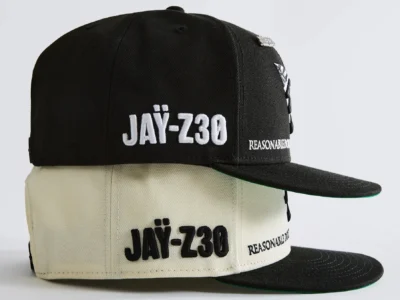
JAŸ-Z30: Reasonable Doubt Collection Drops Today at Paper Planes – A Timeless Blueprint for Street Legacy
In This Story Drop: Today, June 25, 2026 (30th anniversary) Shop: paperplane.shop/collections/new-arrivals Highlights Tracklist Tee […]