
DRIFT AUDIO
Listen to this story
Choose a voice, then press play.
The second drop of John Elliott’s Fall/Winter 26 season is live online and at the Melrose Avenue and Lafayette Street flagships, following a Delivery I that opened September 20.
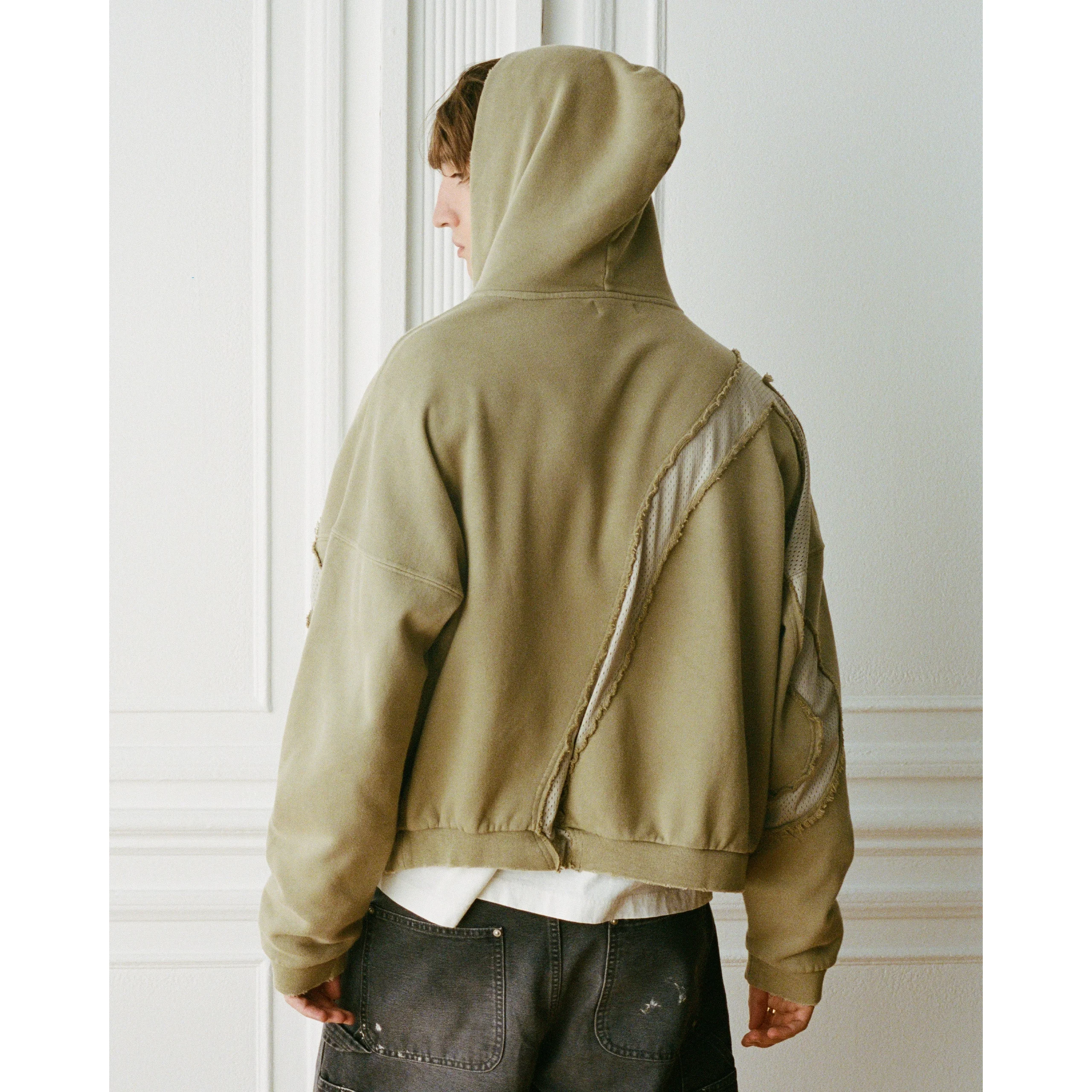
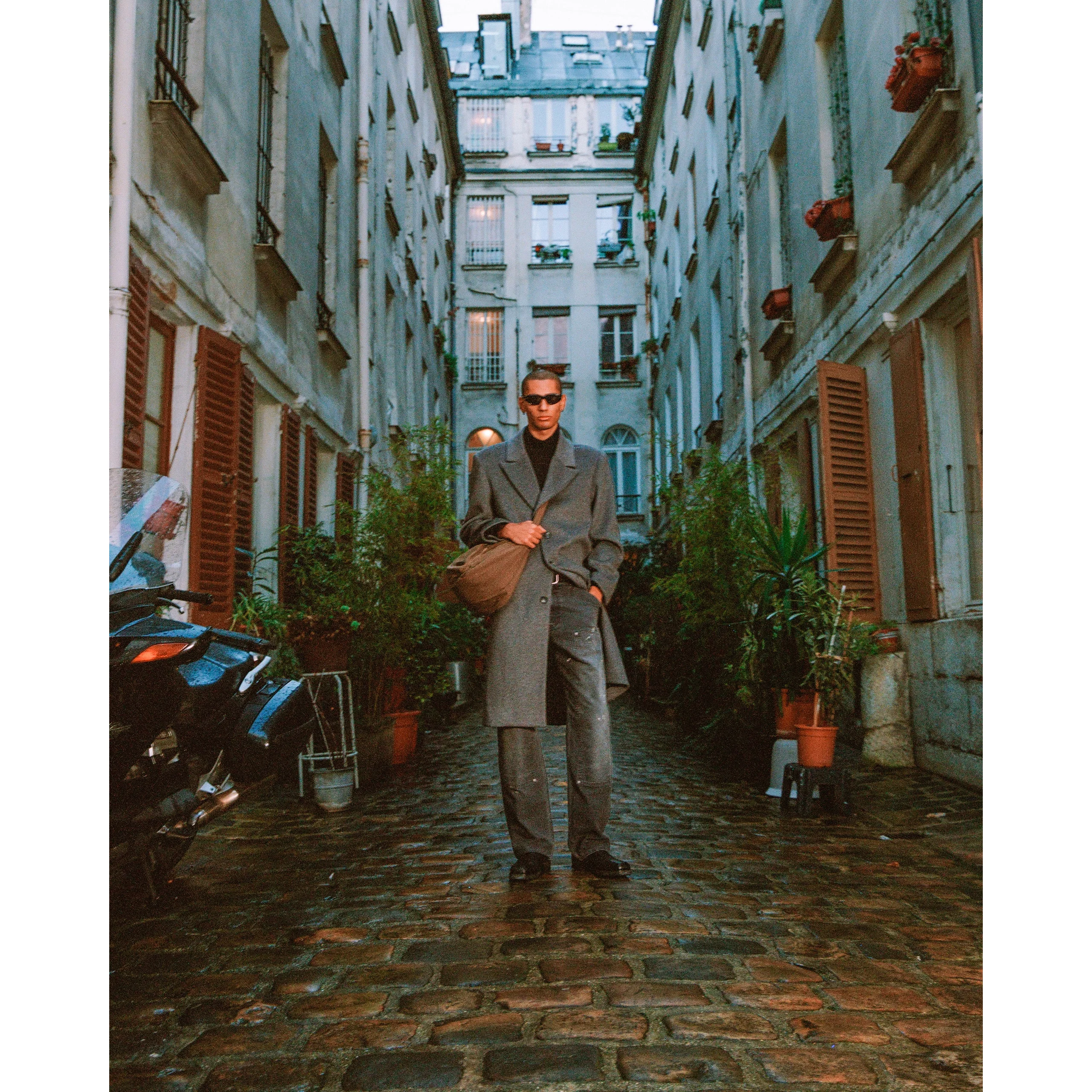
The banner across the top of John Elliott’s homepage now reads Fall/Winter 26 Delivery II, and the label says the new drop is available through its own web store and inside its two flagships, on Melrose Avenue in West Hollywood and on Lafayette Street in SoHo. Delivery I came first. The Fall/Winter 26 lookbook page still opens with a short film and a single date line for it, Sunday, September 20, and its shop link leads to a collection the site files under the name Season 16.5. Sunday releases are an old habit here. Fall/Winter 23 began on Sunday, August 13, with weekly installments behind it, and Fall/Winter 24 started its weekly drops on Sunday, August 18, at 8 a.m. Pacific. This season opened about five weeks later in the calendar than either of those.
View this post on Instagram
Signal. What happened: John Elliott rel Delivery II of its Fall/Winter 26 menswear season, the second installment after a Delivery I launch on Sunday, September 20. Exact object: Fall/Winter 26 Delivery II, part of a season whose confirmed pieces include the Desert Snow Field Jacket at $598, which the brand says is made at its own factory in Kojima, Japan; no separate item list or price range for Delivery II had been published at the time of writing. When and where: available now at johnelliott.com and at the 8808 Melrose Avenue flagship in West Hollywood and the 270 Lafayette Street flagship in New York. Source: John Elliott’s own release notice, homepage banner, Fall/Winter 26 lookbook page and product listicle. Why it matters: it is the first fall season to reach the shop floor since the label was reported in March to have been acquired by Centric Brands and Sam Ben-Avraham, and it leans on Japanese manufacturing the brand now describes as its own.
stir
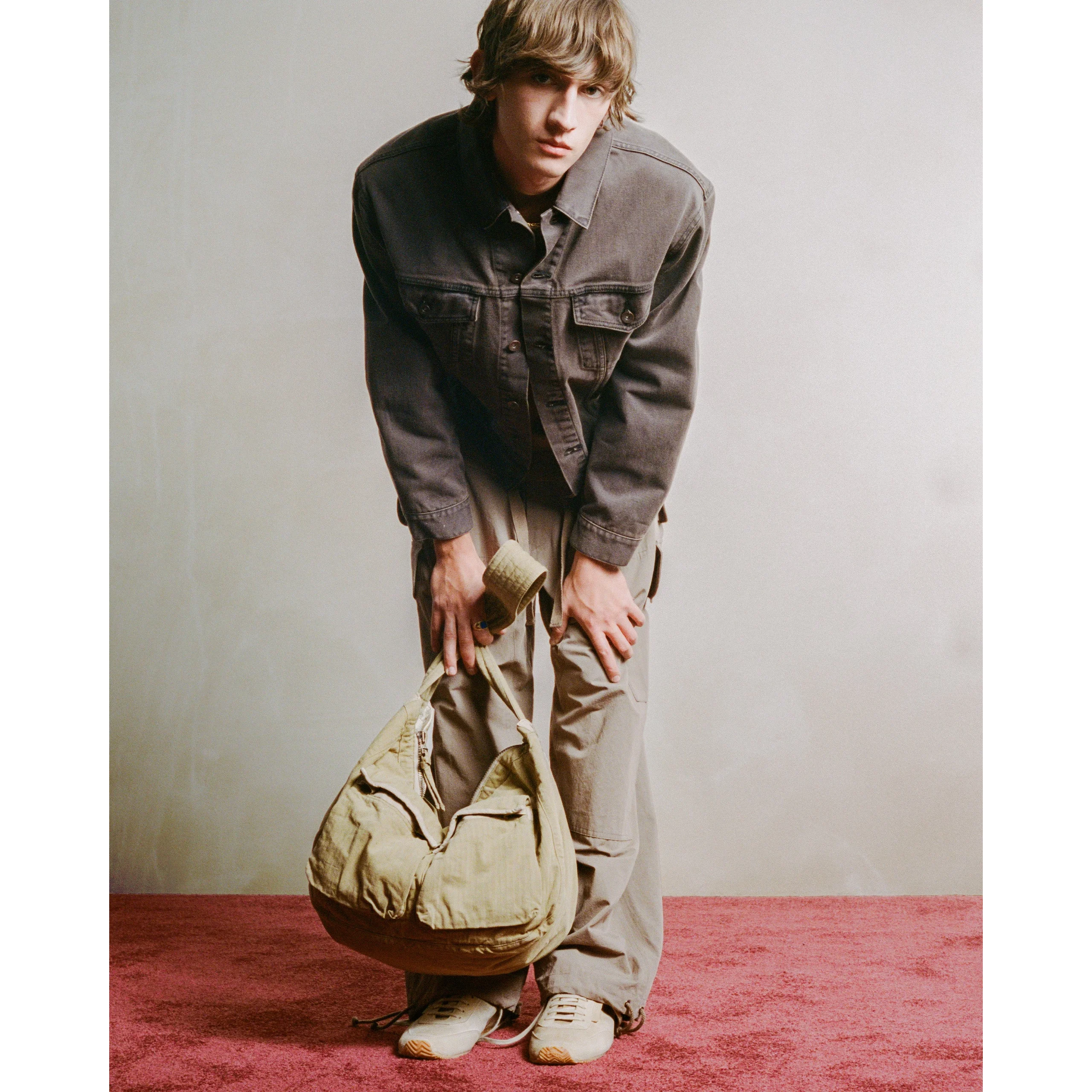
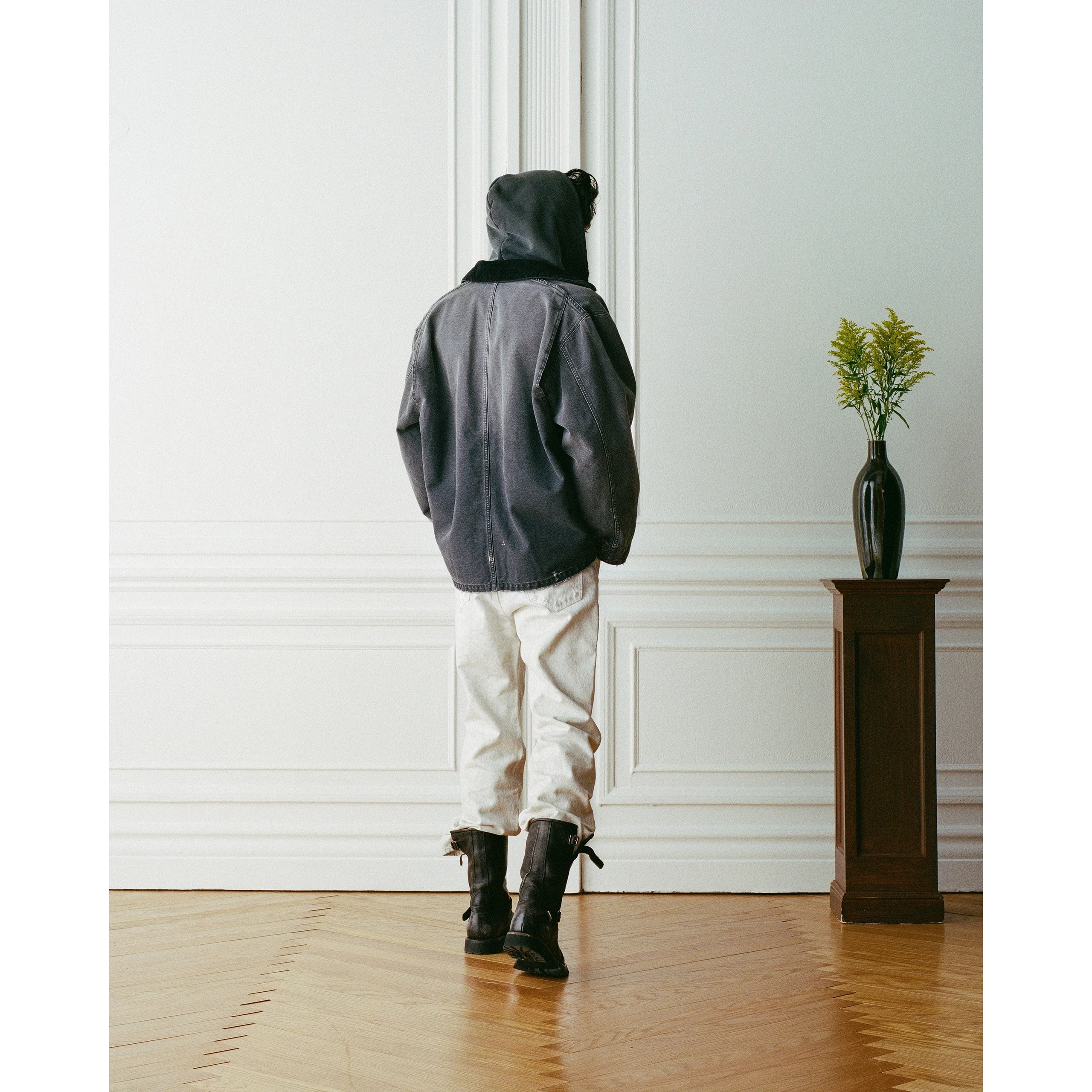
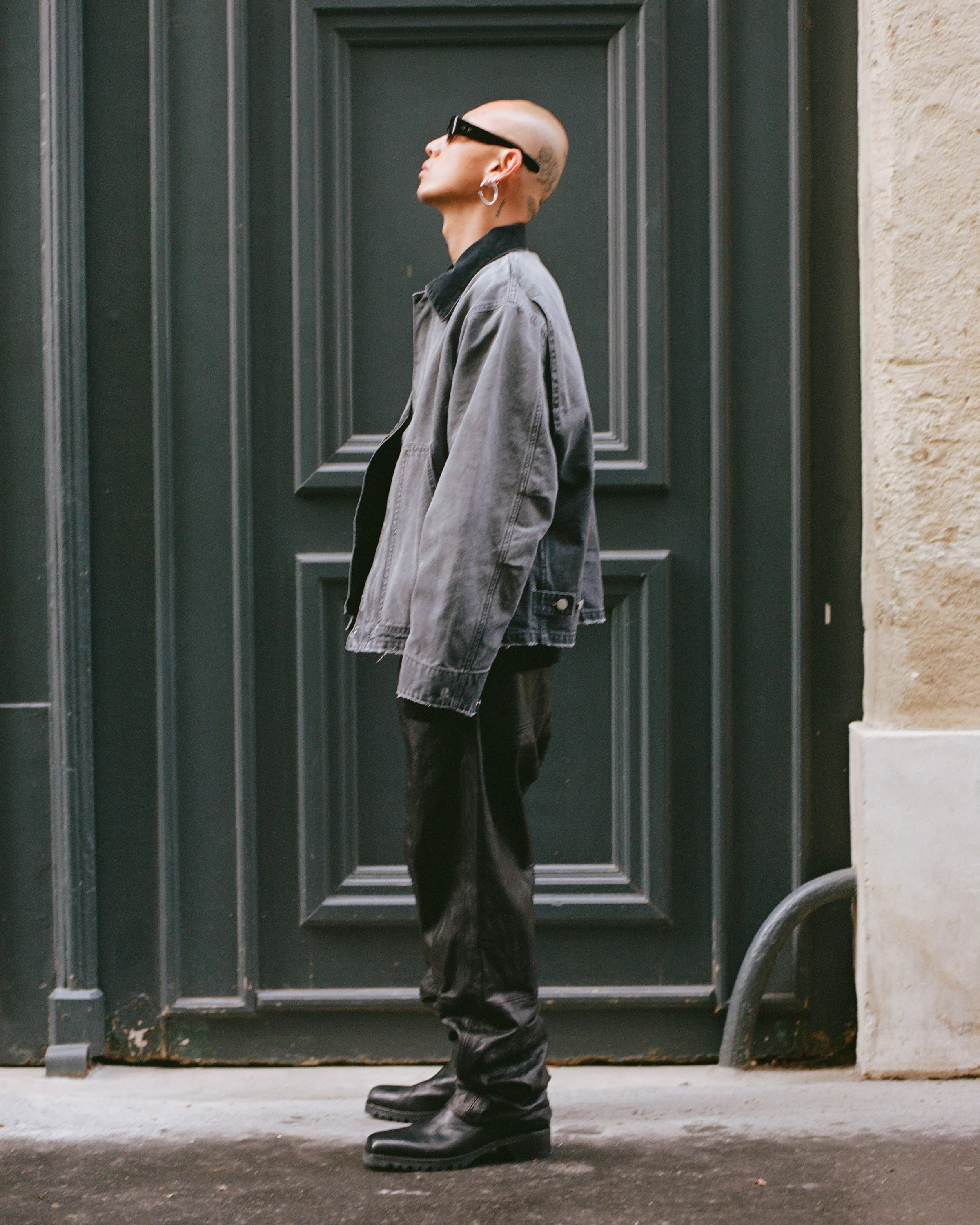
Delivery I went out to subscribers on a single idea, the return of Desert Snow, and the brand’s launch email listed new Field Jacket, Work Jacket and pant silhouettes alongside a Fleet Thermal Crew. The Desert Snow Field Jacket is the clearest read on what the fabric story is about. It is a workwear field jacket with a baby corduroy collar, three utility patch pockets plus a fourth that buttons shut, button cuffs and rivet hardware throughout, listed at $598 in Washed Black. The cloth is a sulfur yarn-dyed cotton oxford with a structured hand, and the slight tonal gap between warp and weft gives the surface its depth. Each jacket is distressed individually, so no two come out quite alike.
The Work Jacket takes the same oxford in another direction, with a zip front hidden under a button placket, curved openings on its front patch pockets and adjustable button tabs at the back waist. Underneath all of it sits the Fleet Thermal Crew, a slim, close-fitting thermal in 100% cotton with ribbed collar and cuffs, set-in sleeves and flatlock seams, washed for a vintage hand and made in Los Angeles in Vintage Black and Vintage Army.
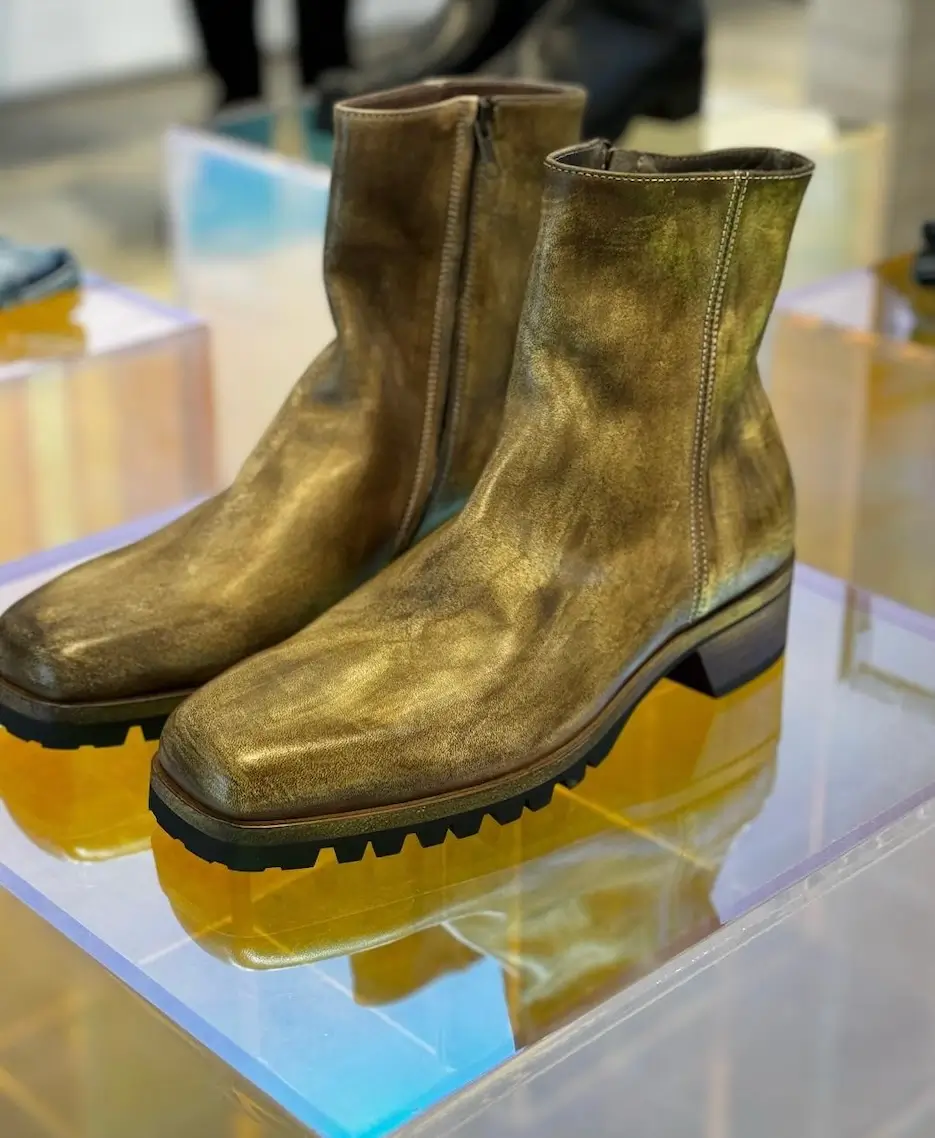
On the field jacket’s own product page, John Elliott styles the piece with two items that sketch out the rest of the wardrobe. The Air Spun Henley, at $158, is a relaxed long-sleeve henley made in Peru from a recycled-yarn jersey knit at a deliberately loose gauge, so the slub shows and the fabric feels broken in from the first wear. The Square Toe Boot is the louder statement: a side-zip ankle boot in drum-dyed horse leather with a subtle squared toe, a stacked leather heel and a lug sole, priced at $1,198. Its uppers are assembled first and then washed to age them, and each finished pair is distressed again by hand. It comes out of a small family-owned factory in Italy’s Marche region that specializes in washing and dip-dyeing shoes and accessories. Vintage Black sits alongside Loden, Sepia and Taupe, and several Vintage Black sizes were already sold out at the time of writing.
What John Elliott has not done is publish Delivery II as a separate list. The homepage banner for the new drop points to the full Fall/Winter 26 collection rather than a delivery-specific edit, and no item-by-item breakdown of the second installment had appeared on the site at the time of writing.
The Factory in Kojima
The most telling detail of the season sits in a line of product copy. John Elliott describes the Desert Snow outerwear as crafted at its own factory in Kojima, the district of Kurashiki in Okayama Prefecture that is widely credited as the birthplace of Japanese jeans, where denim makers still line the shopfronts of its Jeans Street. For a label that built its name on Los Angeles sweats and denim, that is a meaningful shift in how it talks about where its clothes come from. Across the pieces the brand pairs on that one product page and in its Delivery I lineup, the making spans four countries: the Fleet Thermal Crew is made in Los Angeles, the Air Spun Henley in Peru, the Square Toe Boot in Italy and the Desert Snow outerwear in Japan.
The Japan connection runs back further than the factory. Before the first collection existed, Elliott spent his days at the offices of a Japanese denim company, pressing Nobu Yamamoto to teach him the trade and collecting samples to cut apart and recombine with a patternmaker, according to a 2014 profile of the designer in Complex that traced the label’s earliest days. Japanese fabric has been part of the line ever since, and the site now carries a standing Made in Japan section beside its seasonal collections.
The Japanese market has bought into the label through collaboration as well. In November 2023, John Elliott and Descente Allterrain released their third joint collection in Japan, a three-piece run of a down jacket, a shell jacket and shell pants. The headline piece rebuilt John Elliott’s Pico Puffer around Descente’s Mizusawa Down technology, pairing GORE-TEX fabric and heat-bonded, non-quilted construction with Descente’s HEAT NAVI lining, a material that converts light into warmth. It sold through select Descente stores, the Descente Blanc shops, Descente Tokyo and Descente’s own online store. Distribution in Japan has shifted over the years too, with Sazaby League acting as the brand’s agent there for a period.
scope
Desert Snow reads differently once it is lined up against the fall collections that came before it. Fall/Winter 21, titled New Bones, was photographed in Northern California among thick concrete walls and stands of Jeffrey pine and white fir, and leaned on leather, military-inspired utility outerwear, nylon down jackets, custom polar fleece and heavily distressed Japanese denim. Two years later, the Fall/Winter 23 collection, titled Wherever, Whenever..Have a Nice Day, moved the brand’s usual military codes toward classic Americana, with a cropped field jacket and a longer hunting coat in washed cotton canvas with quilted padding, plus chunky plaids the brand nicknamed Big Mac, Italian-made footwear and modular bags.
Fall/Winter 24 went to Italy. A development trip turned into an unplanned day off in Modena, where a visit to the Maserati factory left Elliott studying how the engineers mixed tailoring with activewear in their own clothes. That collection rested on four fabrics: a custom melton wool from Japan used in two outerwear pieces, a heavy moleskin for trucker jackets and high-rise straight-leg denim, a brushed knit with an uneven skip stitch meant to recall vintage car interiors, and the patinated leather that has become a staple category for the brand. Its standout print came from a Chinese oil painting that hung in one of Enzo Ferrari’s homes in Sardinia.
Set against that run, Fall/Winter 26 picks up threads rather than starting over. The field jacket is back, now in Kojima oxford instead of quilted canvas. The footwear is still Italian, now from a Marche factory that washes and dip-dyes its leather. And the fabric development that once leaned on custom Japanese cloth is now credited to a factory the brand calls its own.
extend
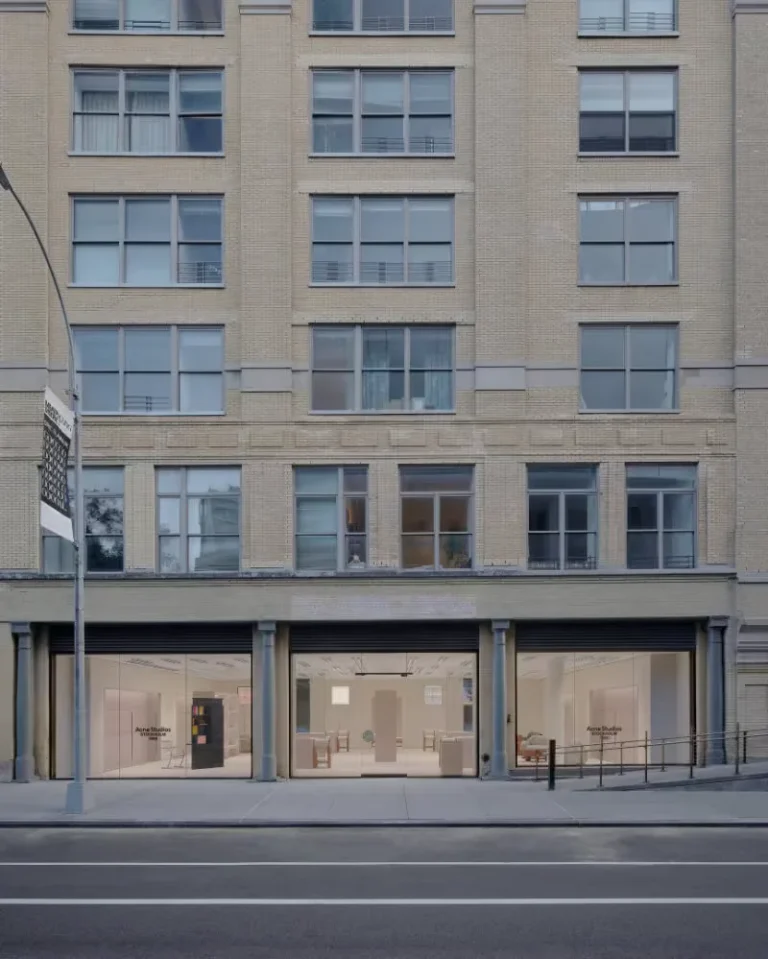
On Melrose, the brand works at its largest scale. The West Hollywood store at 8808 Melrose Avenue covers 3,500 square feet and was designed to fold Tokyo and the Pacific Coast into one room. Long, narrow Japanese tiles in matte white cover the facade beneath an upper wrapped in white technical fabric, with a lightbox projecting off the front. Inside, the lighting is tuned to daylight color temperatures, and the back of the store, where the footwear lives, is planted with Japanese bamboo that grows in the California climate.
New York is the smaller of the two at 2,700 square feet, but it plays to height. The store at 270 Lafayette Street opened as the brand’s third physical location, with sixteen-foot floor-to-ceiling windows facing the street and a continuous twelve-foot fixture display running through an open framework the brand compares to a piazza, with several rooms and corners to wander through. The label calls New York its North Star, since its first wholesale order and its first runway show both happened nearby. On the brand’s store page, Elliott puts it plainly: “This feels like a bit of a homecoming.”
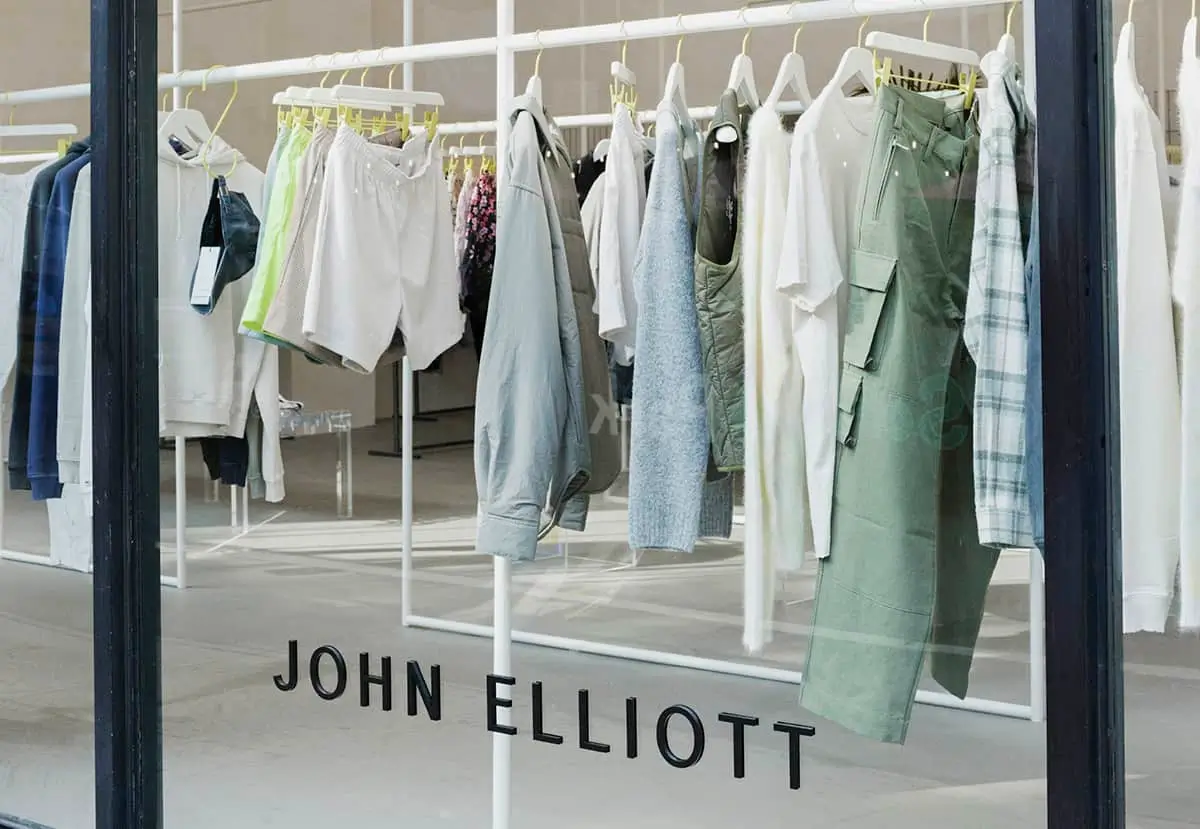
Those two stores are what remain of a bigger footprint. WWDJAPAN’s report on the sale noted that John Elliott ran six stores of its own at its peak, and that the Madison Avenue, Miami, Aspen and Toronto locations have since closed, leaving Los Angeles and New York as the only flagships.
to
Elliott grew up skating in early-1990s San Francisco, worked the floor at Villains on Haight Street, and learned the business as manager and head buyer at a San Francisco shop called Jack’s. After moving to Los Angeles he slept on the floor of his best friend, Aaron Lavee, for a year, and the two pooled about $30,000 to start the label. In 2012 they carried the collection to New York for a meeting in the basement of Atrium. A salesman spotted the Villain crew, tried it on and found the side zips and the hidden kangaroo pocket. “That was the moment that changed my life,” Elliott recalled. Atrium ordered on the spot, and the first collection went into 11 stores.
Recognition followed quickly. The brand made its New York Fashion Week debut with Fall/Winter 15, earned a CFDA nomination for menswear designer of the year in 2016, and from Spring/Summer 23 onward showed during the Paris and Los Angeles fashion weeks. Business softened after the pandemic, though. In April 2025, multiple outlets reported the company was weighing a sale, and Authentic Brands Group reportedly looked and passed because the label sat below its threshold of roughly $1 billion in annual revenue.
In March, WWD reported, citing sources, that Centric Brands and Sam Ben-Avraham had acquired John Elliott. Neither commented and no press release followed, but John Elliott appeared on Centric’s own brand roster, and the careers link at the foot of johnelliott.com now routes to a Centric Brands job portal. Centric, founded in 1987, handles design, sourcing and wholesale for more than 100 licensed brands and owns labels including AVIREX, Robert Graham and Favorite Daughter. Ben-Avraham is known for his early investment in Kith, for launching the PROJECT trade show and for building Atrium, the same store whose basement order put John Elliott into business in 2012.
The label kept collide through the transition, pairing with HOKA on the Rocket X 3 for Spring/Summer 26, a project that still leads the brand’s media archive alongside its seasonal lookbooks. Fall/Winter 26 is the first full fall season John Elliott has delivered since the acquisition report. As of this writing, its lookbook page still carries only the Delivery I date, while the homepage banner has already moved on to Delivery II.