DRIFT

When we celebrate Cinco de Mayo, it often becomes an occasion veiled in shallow festivity—sombreros and salsa, margaritas and mariachi. But behind the commercialization lies a vast and richly woven cultural fabric stretching across 31 states and one federal district that make up the nation of Mexico. Each state carries its own topographies, histories, and inheritances. They are not just administrative divisions, but regions of myth, identity, cuisine, revolution, and art.

Baja California: The Crossroads at the Edge of the North

Clue: Tijuana is its most popular city.

Answer: Baja California

Border cities are often distorted through the lens of stereotype—Tijuana perhaps more than any other in North America. Located in the state of Baja California, Tijuana lies across the border from San Diego, California, acting both as a threshold and as a mirror of global mobility and economic disparity. Baja California’s proximity to the U.S. inflects it with a binational character, a liminal zone where tacos de birria might sit beside Korean BBQ trucks and punk bands rage against cartel violence and ICE policies alike.

But Baja California is more than Tijuana’s gritty glamour. The state also stretches into the serene Valle de Guadalupe, Mexico’s wine country, often likened to a scruffier Napa Valley. It is the arid beaches of Rosarito, the jagged cliffs plunging into the Pacific, the slow hum of surf culture intersecting with the rhythms of migrant labor and high-end tourism.

Geographically isolated from the Mexican mainland, Baja California carries a spirit of both wildness and rebellion. It feels almost like an island—detached, defiant, dynamic. It is a land of edges: political, geographic, and cultural.

Oaxaca: Land of Mezcal, Mole, and Mountains

Clue: 90% of Mexican mezcal comes from this state, whose cuisine is also known for moles.

Answer: Oaxaca

Oaxaca is the kind of place where flavor becomes an act of resistance. It is the soul of southern Mexico, a mountainous, multiethnic region home to sixteen officially recognized indigenous groups, including the Zapotecs and Mixtecs. The richness of Oaxaca lies in its plurality: in its weaving traditions, its calendas (street parades), its Day of the Dead marigolds, and in its kitchen, where seven moles reign as ancestral inventions.

To speak of Oaxaca is to speak of mezcal—not as a trend, but as a ritual. Distilled from agave using age-old underground pit-roasting methods, mezcal is more than a drink here; it is an agricultural legacy, a spiritual connector, and increasingly, a contested economic resource. As mezcal booms globally, Oaxacan producers wrestle with commercialization, trying to balance fair trade, sustainability, and identity.

From the painted markets of Tlacolula to the sacred ruins of Monte Albán, Oaxaca resists reduction. Its geography ranges from the Sierra Madre to the sun-washed beaches of Puerto Escondido, where surfers now mingle with digital nomads. It is both deeply rooted and surprisingly cosmopolitan, a place that speaks many tongues—both literal and metaphorical.

Tabasco: Spice, Petroleum, and Political Power

Clue: It shares a name with a red pepper-based hot sauce.

Answer: Tabasco

Tabasco the state is often overshadowed by Tabasco the brand—a Louisiana-based hot sauce whose name comes from the region but whose product hails from the American South. Yet the real Tabasco, located in southeastern Mexico, is less about bottle labels and more about sprawling wetlands, oil rigs, and political gravitas.

This is the state that gave the country its current president, Andrés Manuel López Obrador, as well as centuries of cacao-based culture that predate the Spanish arrival. Tabasco is part jungle, part river delta—nourished by the mighty Río Grijalva and cloaked in dense vegetation that once shielded Olmec civilization, arguably the mother culture of Mesoamerica.

Modern Tabasco is marked by contradictions. It’s one of Mexico’s most oil-rich states, and yet remains vulnerable to flooding, environmental degradation, and underdevelopment. It is both an economic engine and an ecological concern, a place where petroleum pipelines run beneath pre-Columbian relics. But perhaps that tension is what defines it—a territory of complexity beneath a name made iconic for a flavor not its own.

Chihuahua: Desert Dog and Border Legend

Clue: A dog breed, one of the smallest in the world, is named after it.

Answer: Chihuahua

The Chihuahua dog may be small, but the state that gave it its name is massive—Mexico’s largest by land area. Encompassing vast desert expanses and highland forests, Chihuahua is a land of elemental contrast. Its geography echoes the American Southwest, yet its identity is fiercely Mexican—formed through resistance, revolution, and ranchero pride.

Home to the city of Juárez—another complex borderland metropolis—Chihuahua has long been a site of economic flux, drug conflict, and cultural hybridization. It is also the spiritual heartland of Mexico’s 1910 revolution, with figures like Pancho Villa etched into its political memory and into its dusty landscapes.

Beyond politics and narco headlines, however, lies a region rich in resilience. The Rarámuri (Tarahumara) people of Chihuahua are legendary for their long-distance running, tracing trails through Copper Canyon (Barranca del Cobre), a natural marvel deeper and broader than the Grand Canyon itself.

And the dog? A national icon—scrappy, loud, and loyal. Much like its namesake state.

Yucatán: Ruins, Resistance, and Renaissance

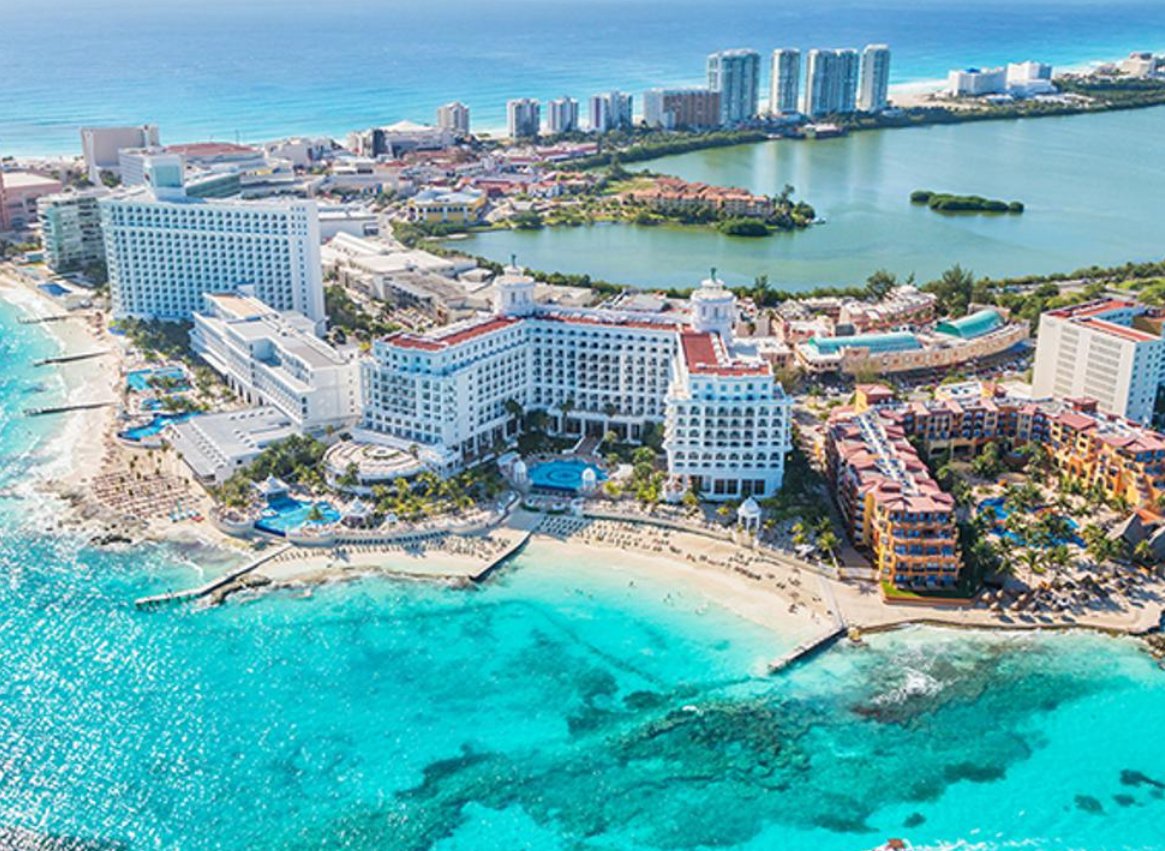
Clue: If you’ve visited Chichén Itzá, the world-renowned Mayan ruin, then you’ve been to this state, which shares its name with a peninsula.

Answer: Yucatán

Yucatán is a place where myth and stone merge. The ruins of Chichén Itzá rise from the jungle not as monuments to a dead past, but as glyphs of continuity. This was—and remains—Maya land. Despite centuries of conquest and assimilation, the language is still spoken, and the calendar still consulted. The cultural survival of the Maya is not a relic but a living structure.

Unlike much of Mexico, Yucatán remained culturally and geographically distinct for much of its history. For years, it functioned almost as its own country, accessible more easily by sea than land. The Caste War of Yucatán in the 19th century was one of the most formidable indigenous uprisings in the Americas. That independent streak lingers in Yucatán’s people—proud, rooted, self-reliant.

Modern Mérida, the state capital, is among the safest and most refined cities in Latin America. It blends colonial elegance with indigenous endurance, hacienda nostalgia with contemporary design. Yucatán’s culinary staples—cochinita pibil, sopa de lima, papadzules—are not just regional flavors but ceremonial dishes, served with a side of time.

And let us not forget the sacred cenotes: underwater limestone caverns once used for ritual sacrifice, now reimagined as serene tourist destinations. They are thresholds—portals between life and death, old world and new.

Beyond the Quiz: The Cartography of Cultural Memory

This geographical trivia might begin as a test of knowledge, but it ultimately invites a meditation on the emotional and political cartography of Mexico. Each state is more than a point on a map—it is a story, a contradiction, a system of belief. To name them correctly is not enough. One must also feel their textures: the spiced breath of a Oaxaca market, the dry wind in Chihuahua, the salt-slicked edge of Baja.

In their diversity, these five states reveal a portrait of Mexico that defies monoculture. This is not a country of one face, but of many expressions—indigenous and mestizo, rural and urban, cosmopolitan and ancestral. And Cinco de Mayo, though often misunderstood outside of Mexico as a catch-all for independence celebrations, can serve as a reminder to look deeper. It commemorates the Battle of Puebla, yes—but also the broader spirit of Mexican tenacity.

Perhaps, then, the best way to honor Mexico on this day is not through tequila shots or party favors, but through learning. Through exploration. Through naming not just the states—but their people, their music, their soil, their art.

Mission: The Geography of Belonging

To know the names of Mexico’s states is to begin to understand the map of its soul. Baja California, Oaxaca, Tabasco, Chihuahua, Yucatán—each unfolds like a chapter in an epic that is still being written. Geography is never neutral. It is a container of memory, a platform for culture, and a battlefield for identity.

So the next time you take a sip of mezcal or admire a tiny Chihuahua or gaze at the ruins of Chichén Itzá, know that you are touching something deeper than trivia. You are brushing against the eternal layers of a land that refuses to be simplified.

And that—on Cinco de Mayo or any day—is worth celebrating.

Related Articles
Modern data center facility with a solar-panel-clad exterior, bright green administrative offices, and secure perimeter fencing, showcasing sustainable digital infrastructure and renewable energy integration

Lombardy’s Data Center Boom: Balancing Digital Ambition with Environmental Responsible

Lombardy has emerged as Italy’s primary hub for new digital infrastructures, particularly data centers—vast complexes […]

In a highly anticipated reunion after 24 years, Adidas Originals and Coca-Cola have joined forces once again to celebrate the FIFA World Cup 2026™. The collaboration revives their iconic 2002 partnership from the Japan-South Korea tournament, now reimagined for the biggest global sporting event of 2026, co-hosted by the United States, Canada, and Mexico. Set to launch on June 6, 2026, this collection masterfully blends Adidas' streetwear heritage with Coca-Cola's timeless branding, creating a vibrant fusion of football culture, nostalgia, and modern style. The drop arrives at a perfect moment. With the World Cup kicking off on June 11, 2026, fans worldwide are gearing up for a summer of football excitement. This collaboration isn't just merch—it's a cultural statement that merges two legendary brands under the banner of "Originals are the Real Thing," a clever twist on Coca-Cola's famous slogan. Historical Context: A Reunion 24 Years in the Making Adidas and Coca-Cola first collaborated during the 2002 FIFA World Cup, producing limited-edition pieces that captured the era's energy. That partnership helped define early 2000s football-streetwear crossover culture. Fast-forward to 2026, and the brands are back with fresh energy, leveraging Adidas' deep FIFA ties (as an official partner) and Coca-Cola's long-standing sponsorship of the tournament. The 2026 edition promises to be historic as the first 48-team World Cup, spanning three countries and generating unprecedented global hype. This collab taps into that momentum, offering fans wearable pieces that celebrate both brands' legacies while looking forward to the future of football fashion. Collection Overview and Design Philosophy The Adidas Originals x Coca-Cola collection fuses 2000s street style with classic sporting aesthetics. Expect bold reds, creams, whites, and silver accents inspired by Coca-Cola's iconic packaging—think classic script logos, droplet detailing, and can-inspired motifs. The lineup spans footwear, apparel, and accessories, divided into two visual directions: one logo-heavy and graphic-forward, the other drawing from vintage advertising aesthetics. Designs pay homage to Coca-Cola's visual language while staying true to Adidas Originals' archival roots. High-quality materials, attention to detail, and versatile silhouettes make these pieces suitable for both match-day wear and everyday street style. The campaign, featuring young football star Lamine Yamal and a diverse cast in everyday scenes building anticipation for the tournament, reinforces themes of originality and shared cultural moments. Footwear Highlights Footwear takes center stage in this collaboration, with reimagined takes on iconic 2000s Adidas silhouettes: Samba and Superstar Models: These classics get Coca-Cola treatment with white/cream/red colorways and prominent script branding. The Samba blends street heritage with football roots, while the Superstar II features weathered bases and bold side panels. Expected pricing around $110–$130. Adistar Control 5: A standout with droplet detailing mimicking condensation on a cold Coke can. This model brings performance-inspired design into lifestyle territory. Predator Sala: Indoor/hybrid style with silver-and-red accents, nodding to predatory precision on the pitch and Coca-Cola's bold energy. Climacool 1: Revived with breathable tech and Coke-inspired graphics, perfect for warm summer days. Megaride F50: A highlight paying tribute to the iconic Coca-Cola glass bottle, with unique contours and refreshing design cues. Each pair incorporates thoughtful details like embroidered logos, custom insoles, and packaging that mimics vintage Coke crates or cans. These shoes are built for durability and comfort, appealing to sneakerheads, football fans, and casual wearers alike. Apparel and Accessories Beyond kicks, the collection offers a full lifestyle range: Track Tops and Jerseys: Standout jerseys fuse retro Coca-Cola advertising from different eras into cohesive football designs. Track jackets feature signature three stripes alongside Coke branding, in vibrant reds and classic whites. Shorts and T-Shirts: Relaxed fits with graphic prints, ideal for casual wear or layering. Expect motivational football motifs blended with refreshing beverage references. Accessories: A bright red airliner bag stands out as a functional statement piece. Additional items may include caps, socks, and tote bags carrying the collaborative spirit. The apparel emphasizes comfort with premium cotton blends, mesh panels for breathability, and oversized silhouettes popular in contemporary streetwear. Unisex sizing and inclusive fits make the collection accessible to a broad audience. Cultural Impact and Fan Appeal This collaboration resonates on multiple levels. For football fans, it represents national pride and global unity ahead of the 2026 tournament. Sneaker enthusiasts will appreciate the nostalgic 2000s revival mixed with modern execution. Streetwear collectors see it as a prime example of how heritage brands can innovate through partnerships. In an era where sports and fashion increasingly intersect, Adidas and Coca-Cola deliver pieces that transcend the pitch. Wear them to watch matches at home, attend watch parties, or hit the streets in any host city—New York, Los Angeles, Toronto, or beyond. The designs are versatile enough for gym sessions, festivals, or daily commutes. The timing aligns perfectly with rising interest in football in North America, boosted by the co-hosting nations. Young talents like Lamine Yamal in the campaign help bridge generational gaps, attracting newer fans while satisfying longtime supporters. Where to Buy and Release Details The collection launches globally on June 6, 2026, via: Adidas CONFIRMED app (for early access and raffles) Adidas.com Select retailers and flagship stores worldwide Some regions may see staggered drops, with Japan and other markets getting early access. Prices are expected to range from $50–$150 depending on the item, making it relatively accessible compared to ultra-limited drops. Pro Tips for Copping: Enable notifications on the CONFIRMED app. Check local stock at Adidas stores in major cities. Monitor resale platforms post-drop for exclusive colorways, but be wary of markups. Size up slightly for oversized apparel fits. Given the World Cup hype, popular items like the Sambas and jerseys are likely to sell out quickly. International shipping is available, but factor in potential customs delays. Styling Suggestions Match Day Look: Pair a collaborative jersey with classic black shorts and Samba sneakers for effortless fan style. Streetwear Rotation: Layer a track top over a graphic tee with wide-leg pants and the Megaride F50 for a bold urban ensemble. Casual Summer: White Superstar with denim shorts and the airliner bag for a refreshing, vacation-ready vibe. These pieces mix seamlessly with existing Adidas or neutral wardrobes, maximizing versatility. Broader Context in 2026 Fashion and Sports The Adidas x Coca-Cola drop is part of a larger wave of high-profile collaborations tied to the World Cup. Adidas continues its dominance in football kit design, while Coca-Cola leverages its sponsorship with collectibles, bottles, and experiential activations like the Trophy Tour. In the sneaker industry, this collab exemplifies the ongoing trend of lifestyle reinterpretations of performance silhouettes. It also highlights how global brands use major events to drive cultural conversations around unity, originality, and joy—core values for both companies. Sustainability notes (based on Adidas' broader initiatives) suggest some pieces may incorporate recycled materials, aligning with modern consumer expectations. Looking Forward: Legacy and Excitement As the countdown to kickoff continues, this collection serves as the perfect prelude to an unforgettable summer of football. Whether you're a die-hard supporter, a fashion-forward collector, or someone seeking motivation through style, the Adidas Originals x Coca-Cola FIFA World Cup 2026 lineup delivers. Expect potential restocks, special event exclusives in host cities, and continued campaign content featuring more athletes. This isn't just clothing—it's a ticket to participate in the global celebration of the beautiful game. Mark your calendars for June 6, 2026. Refresh your wardrobe, lace up those Sambas, and get ready to cheer on your team in style. The "Real Thing" meets the Originals in what promises to be one of the most talked-about releases of the year. This collaboration captures the essence of football's universal appeal: bringing people together through shared passion, iconic brands, and unforgettable moments. As the world prepares for 2026's expanded tournament, Adidas and Coca-Cola remind us that some partnerships are truly timeless.

Adidas Originals x Coca-Cola Collection: FIFA World Cup 2026

In a highly anticipated reunion after 24 years, Adidas Originals and Coca-Cola have joined forces […]

Loewe shoulder bag crafted in brown and black leather with minimalist lion face detailing and a matching fur tail charm

180 Years Unfolded: The Full Story Behind Loewe’s New Campaign

The year was 1846. Queen Victoria was on the British throne and the telephone, the […]