DRIFT AUDIO
Listen to this story
Choose a voice, then press play.
A Character Defined by Irreverence
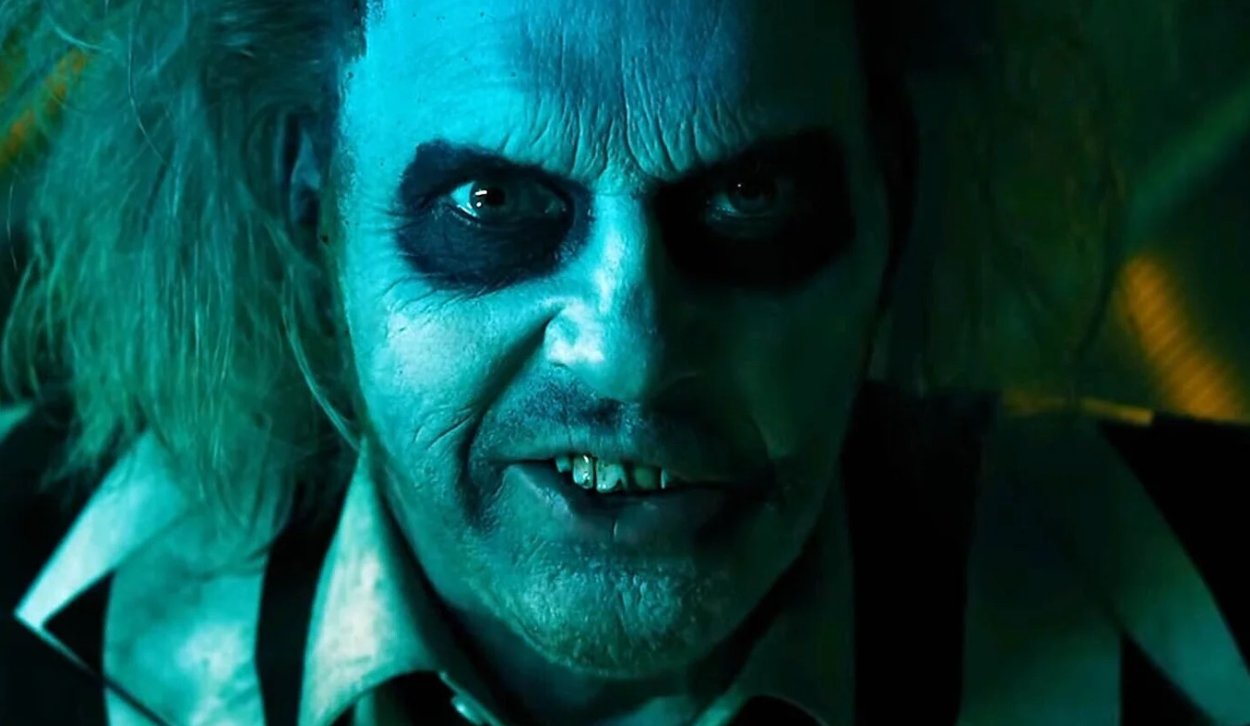
Beetlejuice is not just a character; he’s a force of nature. When the original Beetlejuice hit theaters in 1988, audiences were introduced to an outrageous, larger-than-life personality who reveled in crossing boundaries. Whether he was making crude jokes, breaking the fourth wall, or causing chaos in the afterlife, Beetlejuice represented a kind of comedic anarchy that was both shocking and hilarious. Keaton’s portrayal of the character became iconic precisely because he pushed the envelope—turning what could have been a simple ghost story into a subversive, unforgettable film.
With the upcoming sequel, fans are understandably curious about how Beetlejuice will translate to a world that has changed significantly since the late ‘80s. Political correctness, cancel culture, and a greater emphasis on respectful representation have reshaped the entertainment landscape. But, according to Keaton, Beetlejuice won’t be toning down his antics to fit into this new mold. Instead, he’ll remain true to his original, irreverent self—pushing buttons and challenging audiences just as he did decades ago.
In today’s climate, it can be a tightrope walk to balance a character’s outrageousness with modern-day sensibilities. Yet, that challenge is exactly what makes Beetlejuice so compelling. The character’s debauchery isn’t just for shock value—it’s a deliberate choice that allows the film to explore themes of freedom, rebellion, and the absurdity of societal norms. Keaton’s insistence that Beetlejuice remain a “debauched sicko” in the sequel suggests that the filmmakers are committed to retaining the essence of what made the character so beloved, while also navigating the complexities of modern comedy.
This approach will likely spark debate. Can a character like Beetlejuice still exist in a time when audiences are more critical of the media they consume ? Will his antics be seen as nostalgic fun, or will they be interpreted as out of touch with the times ? These questions underscore the film’s potential to be more than just a nostalgic reboot—it could become a cultural litmus test for how far we’re willing to go in the name of comedy.
Part of Beetlejuice’s enduring appeal lies in his status as an anti-hero. Unlike traditional protagonists, he doesn’t seek redemption, nor does he follow a moral compass. He’s crude, selfish, and unapologetically himself—traits that, in the hands of a lesser actor, could easily make him unlikable. But Keaton’s portrayal injects the character with a kind of manic charm, making Beetlejuice a figure that audiences root for, even as they cringe at his behavior.
In an era where many characters are being reimagined or sanitized to fit contemporary values, Beetlejuice’s refusal to change is oddly refreshing. There’s a catharsis in watching a character who doesn’t care about being politically correct, especially when that character is as entertaining as Beetlejuice. Keaton’s promise that Beetlejuice remains a debauched sicko isn’t just about preserving the character’s integrity—it’s about giving audiences permission to enjoy something outrageous without overthinking it.
As Beetlejuice returns to haunt theaters once again, Michael Keaton’s assurance that the character will stay true to his debauched roots is both exciting and intriguing. In a world that has grown more sensitive and socially conscious, Beetlejuice stands as a reminder that some things are best left unchanged. His irreverence, his chaos, and his unapologetic nature are what make him a cultural icon—and it’s precisely why audiences will flock to see him, even in our more enlightened era.
Ultimately, Beetlejuice’s lasting legacy is proof that there’s still room for characters who defy convention and revel in their own madness. As Keaton steps back into the striped suit, we can be sure of one thing: Beetlejuice isn’t going anywhere—and neither is his delightfully debauched spirit.
Related Articles
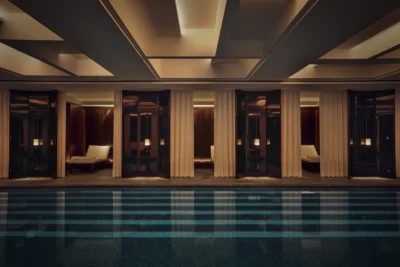
Under Rue de Castiglione, Liaigre Gives Hôtel Costes a Spa With No Hard Corners
A 20-meter lap pool, eight treatment rooms and not one sharp angle: Studio Liaigre’s spa […]