Moncler — “Have A Puffy Summer”: Weightlessness, Rewritten as Identity

April 16, 2026

Given regard of season, a justified tension looms upon asking a winter brand to speak fluently in summer. It is not a contradiction so much as a structural challenge—how to translate insulation into air, density into ease, protection into something that feels almost optional. For Moncler, that tension has always been the point. The brand’s authority is built on extremes: altitude, temperature, endurance. What “Have A Puffy Summer” proposes is not a seasonal pivot, but a recalibration of those extremes into something lighter, more elastic, and unexpectedly playful.
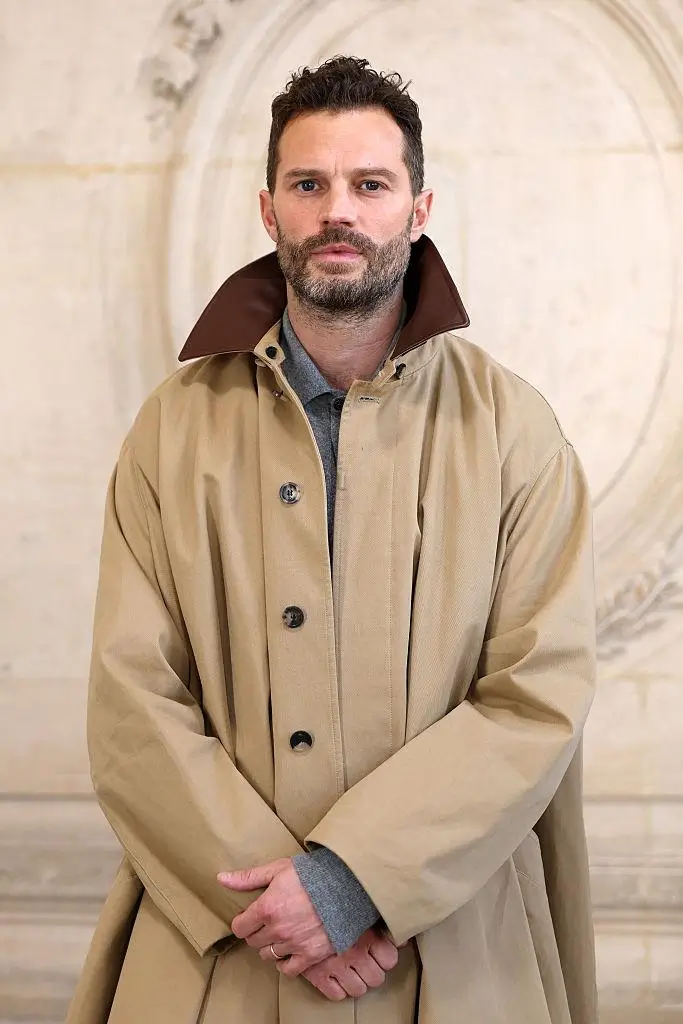
The campaign, fronted by Jamie Dornan, does not abandon Moncler’s core language. It stretches it. Puffiness remains, but its meaning changes. It is no longer purely about warmth—it becomes volume as gesture, comfort as a visual system, lightness as a form of presence. Summer, here, is not the absence of layers. It is the refinement of them.
contrast
Moncler’s design DNA is rooted in protection. The down jacket, historically, is a response to exposure—to cold, to altitude, to environments that demand insulation. But “Have A Puffy Summer” reframes that legacy through subtraction rather than replacement.
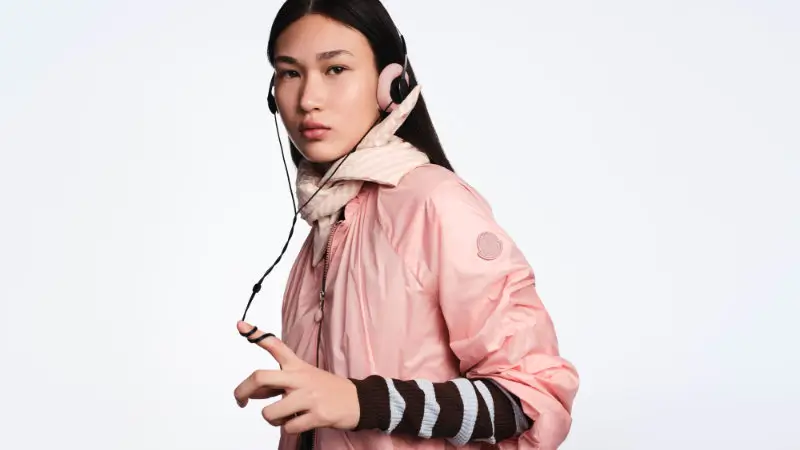
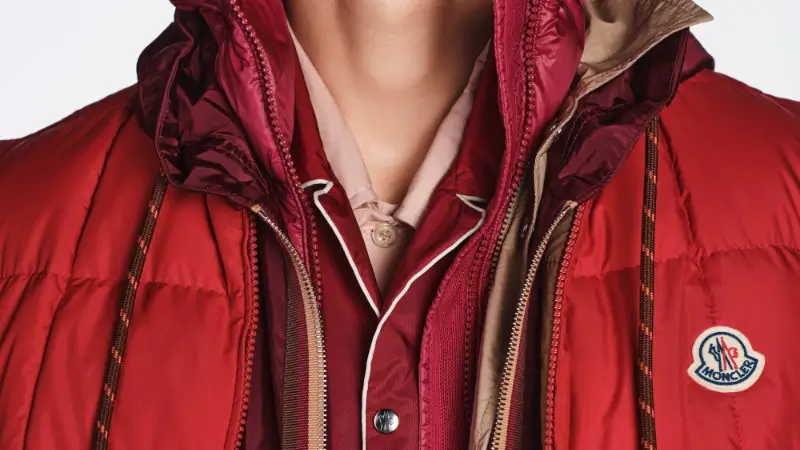
The collection introduces a system where puffiness becomes modular. Instead of a singular, heavy outer layer, it disperses across pieces—gilets, shirt jackets, windbreakers—each engineered to hold the brand’s signature volume without its weight. The result is a wardrobe that behaves differently. It anticipates movement, temperature shifts, and the instability of summer weather, where heat and breeze coexist within the same hour.
This is where Moncler’s expertise becomes visible in a new way. Lightweight down is not a novelty; it is a technical refinement. Whisper-weight nylon replaces the density of winter shells. Chambray and cotton poplin introduce breathability without sacrificing structure. The garments retain form, but they no longer insist on it.
There is an intelligence in this restraint. Rather than dramatizing summer with spectacle alone, the collection works through subtle recalibration. The garments are still recognizably Moncler—but they feel as though they’ve been aerated.
View this post on Instagram
flow
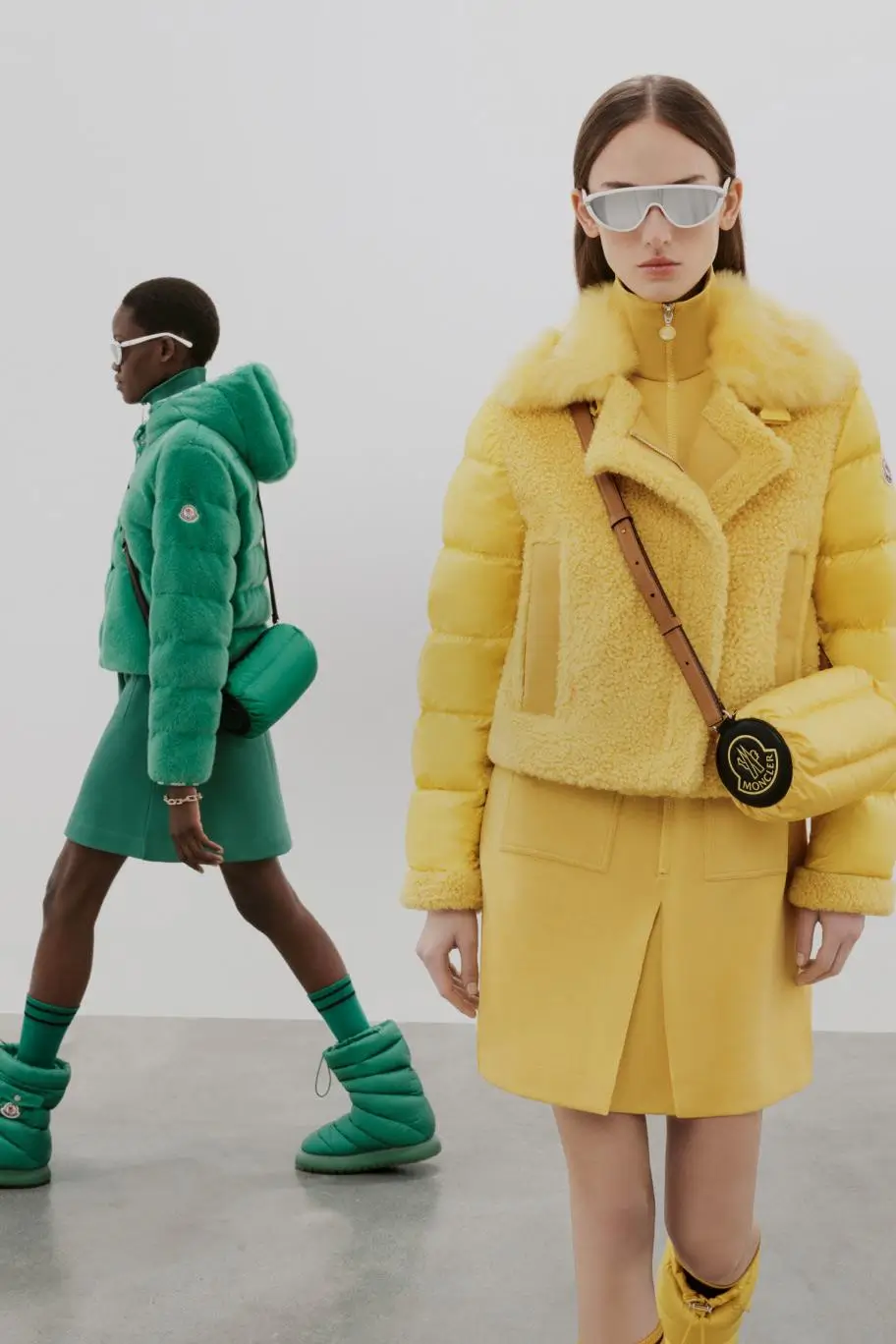
Color operates differently in this collection. It is not applied—it radiates.
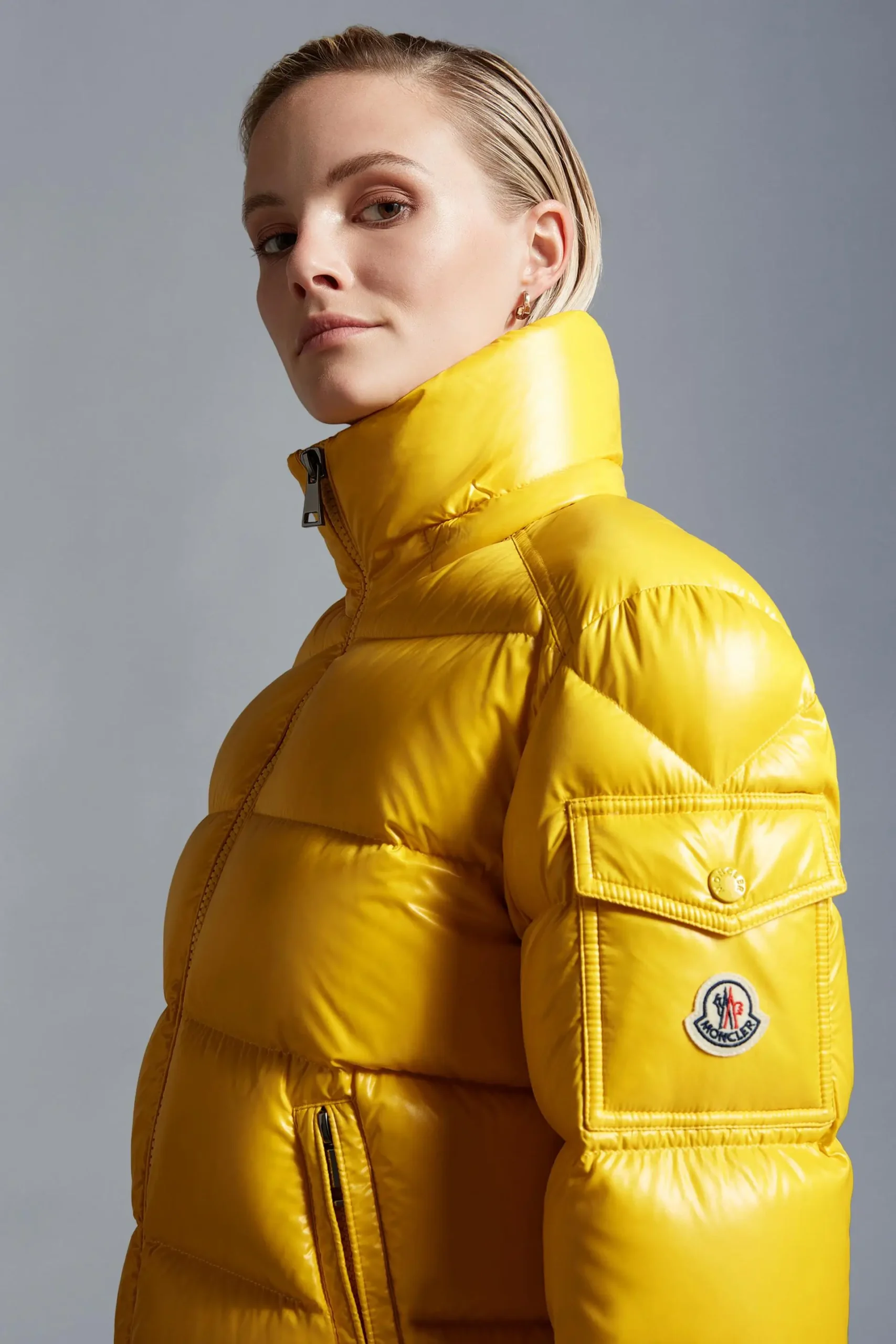
Scarlet red, sunny yellow, and sky blue are not simply seasonal hues; they function as environmental cues. They suggest heat, light, water, and movement. Burgundy grounds the palette, preventing it from drifting into excess, while clean neutrals maintain the brand’s architectural clarity.
What is notable is how these colors interact with the materiality of the garments. Lightweight nylon carries color differently than dense winter fabrics—it reflects, diffuses, and shifts with movement. The result is a palette that feels alive, responsive to light and context.
In this sense, color becomes an extension of puffiness. Both are about presence. Both create volume—not just physically, but visually.
stir
Summer layering often risks becoming decorative. Here, it is functional—almost infrastructural.
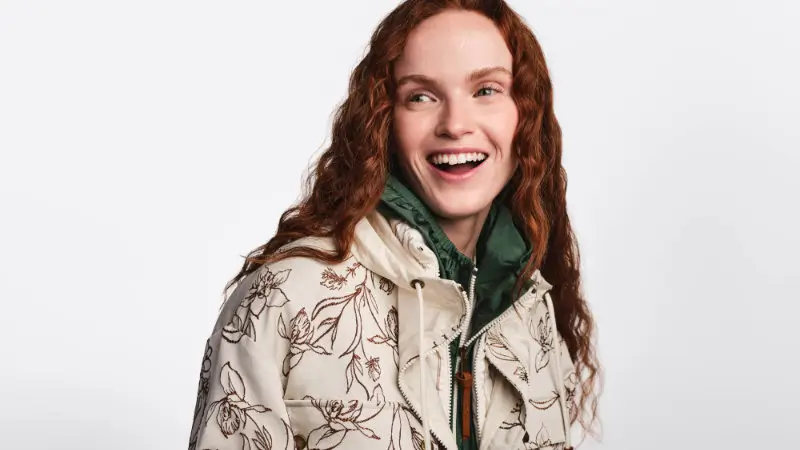
The collection is built around combinations that anticipate fluctuation. A light down gilet can sit over a cotton poplin shirt, which itself is paired with relaxed trousers or shorts. Windbreakers and field jackets introduce a second layer of protection without heaviness. No-down hooded shirt jackets blur the line between shirt and outerwear, functioning as transitional pieces that respond to shifting conditions.
This approach reframes layering as a system rather than a style choice. Each piece has a role, and those roles can be adjusted depending on environment and need.
The foundations of the wardrobe—retro bowling shirts, striped polos, graphic tees—anchor the collection in familiarity. They provide a base layer that feels casual, even nostalgic. But when combined with Moncler’s lightweight outerwear, they take on a different character. The everyday becomes structured.
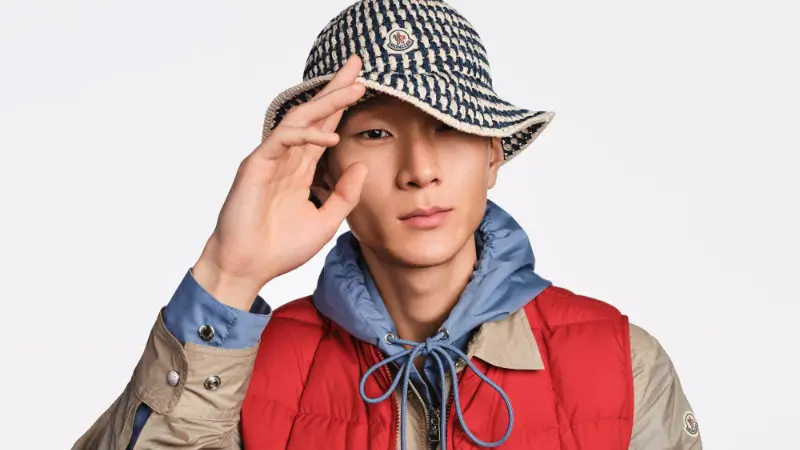
Accessories complete this system with the same logic. Crochet bucket hats, striped poplin hats, and vibrant beanies are not afterthoughts; they extend the layering concept upward, adding texture and color while maintaining coherence.
scope
Casting Jamie Dornan is a deliberate move away from overt spectacle. Dornan’s presence is grounded, understated. He does not impose himself onto the clothes; he inhabits them.
This aligns with the campaign’s broader tone. There is no sense of urgency or performance. Instead, there is ease—an almost conversational relationship between the wearer and the garment.
Dornan’s own reflection on the campaign underscores this shift. The idea of retaining warmth and puffiness while making it “lighter” and “more relaxed” speaks to a recalibration of identity. Moncler is not abandoning its core—it is softening its expression.
In a market saturated with hyper-stylized campaigns, this restraint feels intentional. It allows the garments—and the concept—to speak without amplification.
sustain
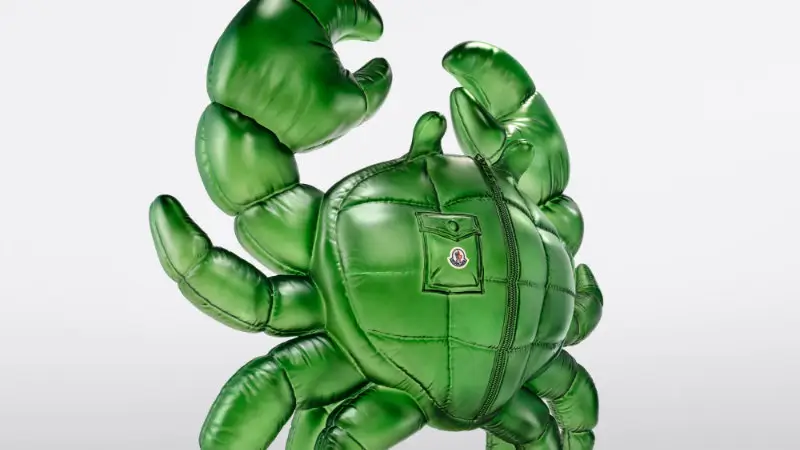
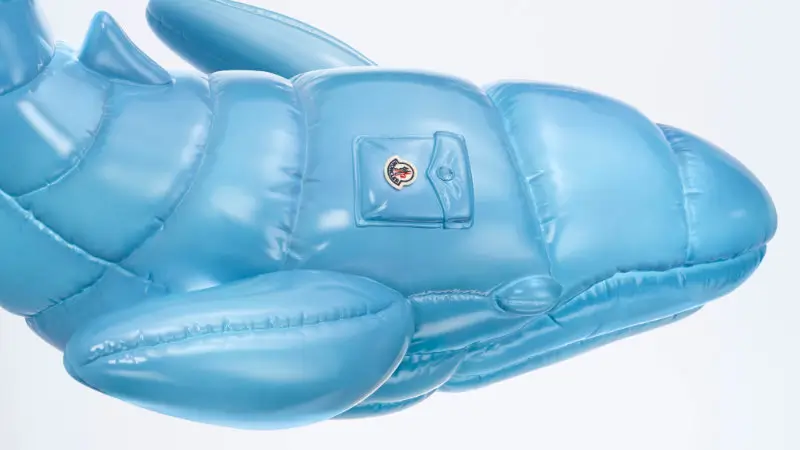
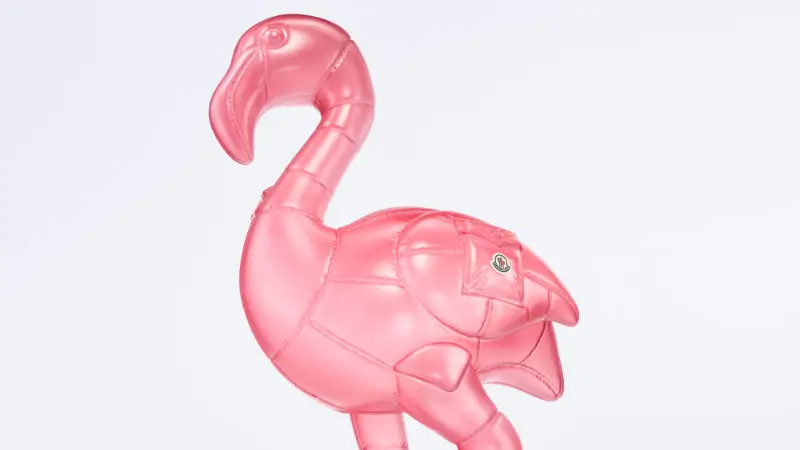
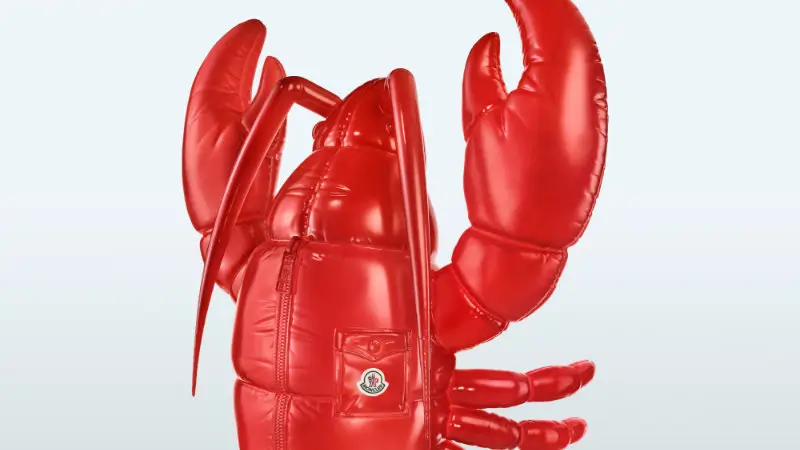
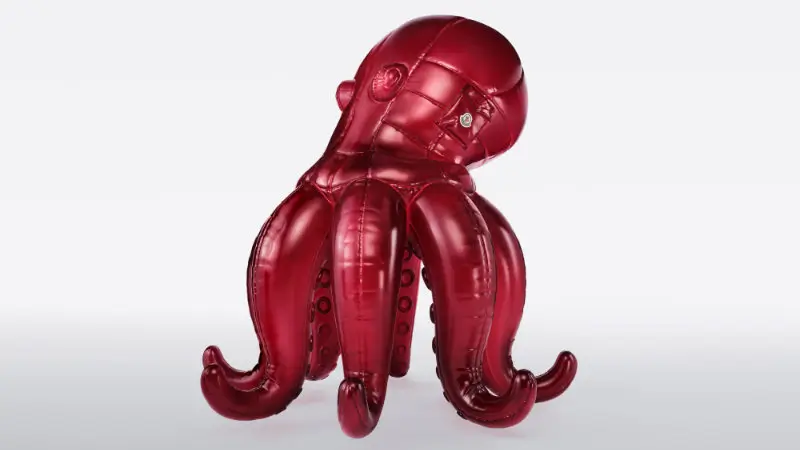
The introduction of inflatable animal sculptures by Andy Hillman shifts the campaign into a different register. An octopus, whale, lobster, seahorse, crab, and flamingo populate the environment—not as literal references to nature, but as stylized, almost surreal forms.
These sculptures mirror the collection’s core idea: volume without weight. They are visually inflated, yet materially light. Their surfaces reflect the same color palette as the garments, creating a cohesive visual system where clothing and environment echo each other.
There is a quiet humor in their presence. They disrupt the seriousness often associated with luxury fashion, introducing a sense of play that feels aligned with the idea of summer. But they are not purely whimsical. They function as spatial markers, defining the environment in which the collection exists.
In this way, Hillman’s work does more than decorate the campaign—it articulates its concept.
show
At its core, “Have A Puffy Summer” is about redefining what protection means. In winter, protection is absolute—it shields, insulates, defends. In summer, it becomes conditional. It responds to fluctuation rather than resisting it.
Moncler’s approach acknowledges this shift. The garments are designed not to dominate the environment, but to adapt to it. They provide comfort without imposing heaviness, structure without rigidity.
This recalibration reflects a broader movement within fashion, where performance is no longer measured solely by technical extremes. Instead, it is about versatility—how a garment moves between contexts, how it responds to change.
Moncler’s expertise in technical design allows it to navigate this transition with credibility. The brand does not need to prove its authority in protection; it can afford to reinterpret it.
consider
Puffiness, as a visual and material concept, has always carried associations of insulation, volume, and presence. In this collection, it becomes more nuanced.
It is no longer about exaggeration. It is about proportion. Lightweight down creates a softer silhouette, one that holds shape without dominating it. The garments appear inflated, but they do not overwhelm the body.
This shift changes how puffiness is perceived. It becomes less about utility and more about expression. It communicates ease, comfort, and a certain lightness of being.
In a cultural moment where fashion often oscillates between extremes—minimalism and maximalism, structure and fluidity—Moncler’s approach feels balanced. It does not reject volume; it refines it.
trial
Summer collections often lean into reduction—fewer layers, lighter fabrics, simplified silhouettes. Moncler moves in the opposite direction, but without contradiction.
By distributing puffiness across multiple lightweight layers, the brand maintains its identity while adapting to seasonal demands. The paradox resolves itself through design.
This is where the collection finds its strength. It does not attempt to become something else. It remains Moncler—just recalibrated.
position
“Have A Puffy Summer” is more than a seasonal offering. It signals a broader shift in how Moncler positions itself.
The brand is no longer confined to winter. It operates across seasons, translating its core language into different contexts. This expansion is not about diversification for its own sake; it is about continuity.
By maintaining a consistent visual and material identity—puffiness, volume, protection—while adapting its expression, Moncler creates a cohesive narrative that extends beyond temperature.
This approach has implications beyond product. It reshapes how the brand is perceived. Moncler becomes less about a specific climate and more about a way of dressing—one that prioritizes comfort, adaptability, and presence.
amb
What ultimately defines this campaign is its sense of joy. Not the exaggerated, performative kind often seen in fashion imagery, but something quieter, more embedded.
It is present in the colors, in the softness of the garments, in the skittish presence of Hillman’s sculptures. It is reflected in Dornan’s relaxed demeanor, in the absence of tension.
This joy is not incidental. It is structural. It informs the design, the styling, the environment.
In a landscape where fashion often leans into intensity—whether through concept, narrative, or view mention—this restraint feels deliberate. It allows the collection to breathe.
impression
“Have A Puffy Summer” does not attempt to redefine Moncler. It refines it.
By translating puffiness into a lighter, more adaptable form, the brand extends its identity into a new context without losing coherence. The collection operates through subtle shifts—material, proportion, color—rather than dramatic reinvention.
This approach results in something that feels both familiar and new. The garments carry the weight of Moncler’s history, but they do so lightly.
And that, ultimately, is the point.
Related Articles
The Crocodile Puts On a Baseball Cap: Lacoste and New Era Bring Their Golf Bet Into Its Second Season
A fall and winter capsule from LACOSTE and NEW ERA lands at Lacoste Harajuku and […]