DRIFT AUDIO
Listen to this story
Choose a voice, then press play.
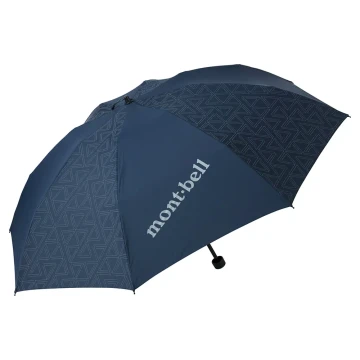
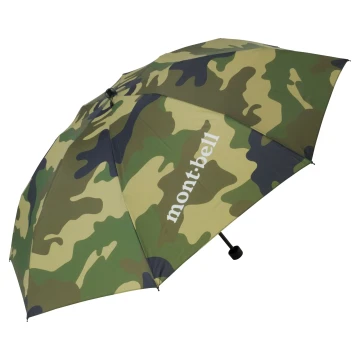
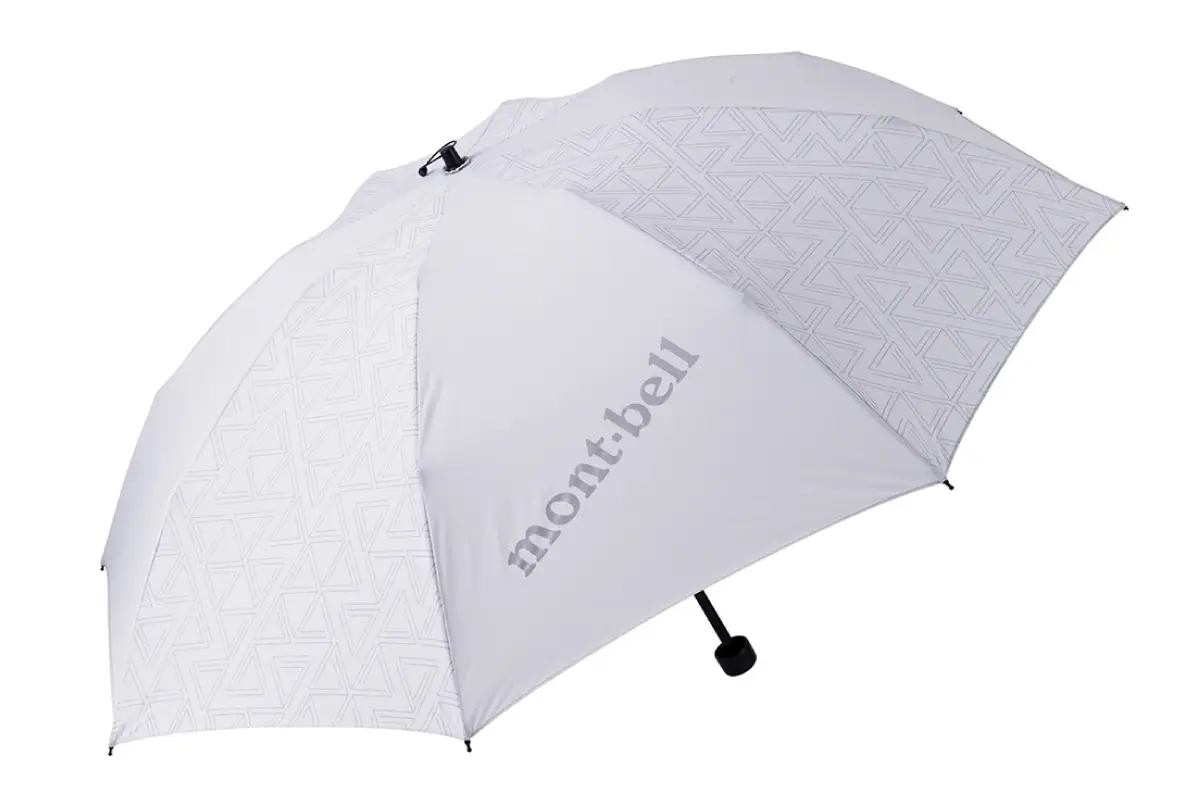
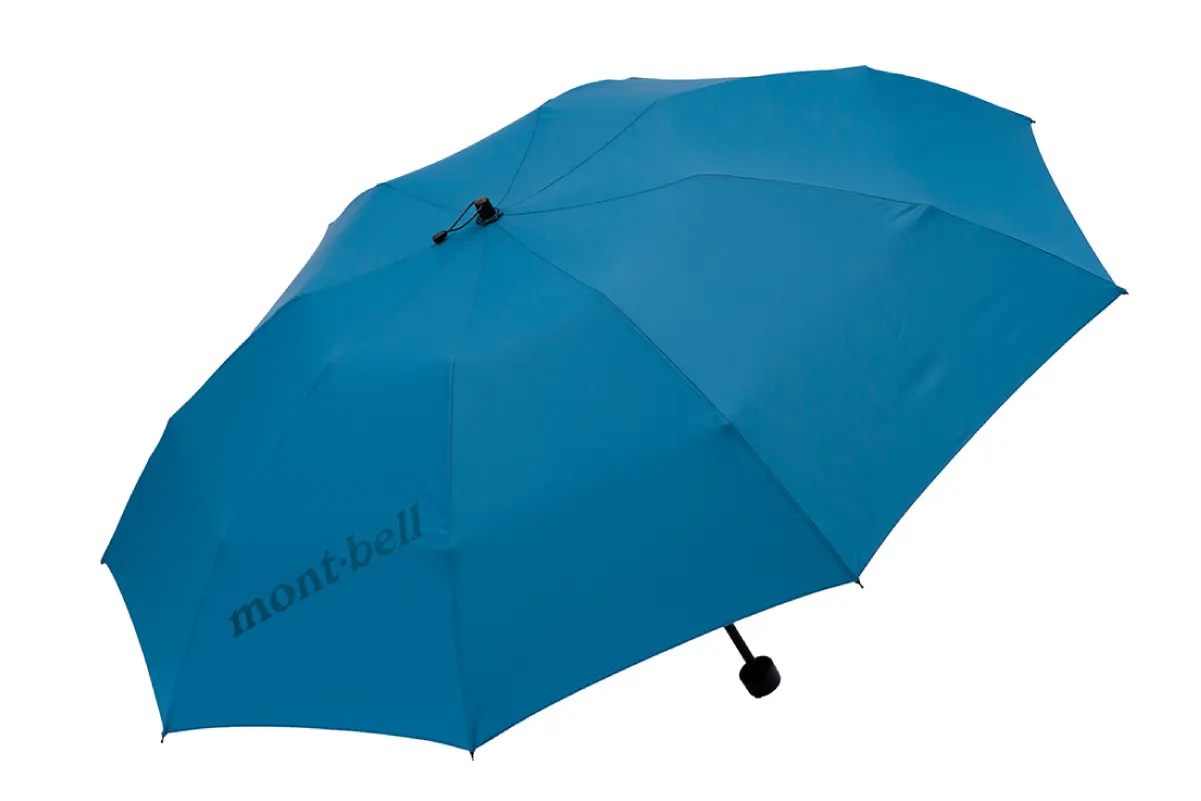
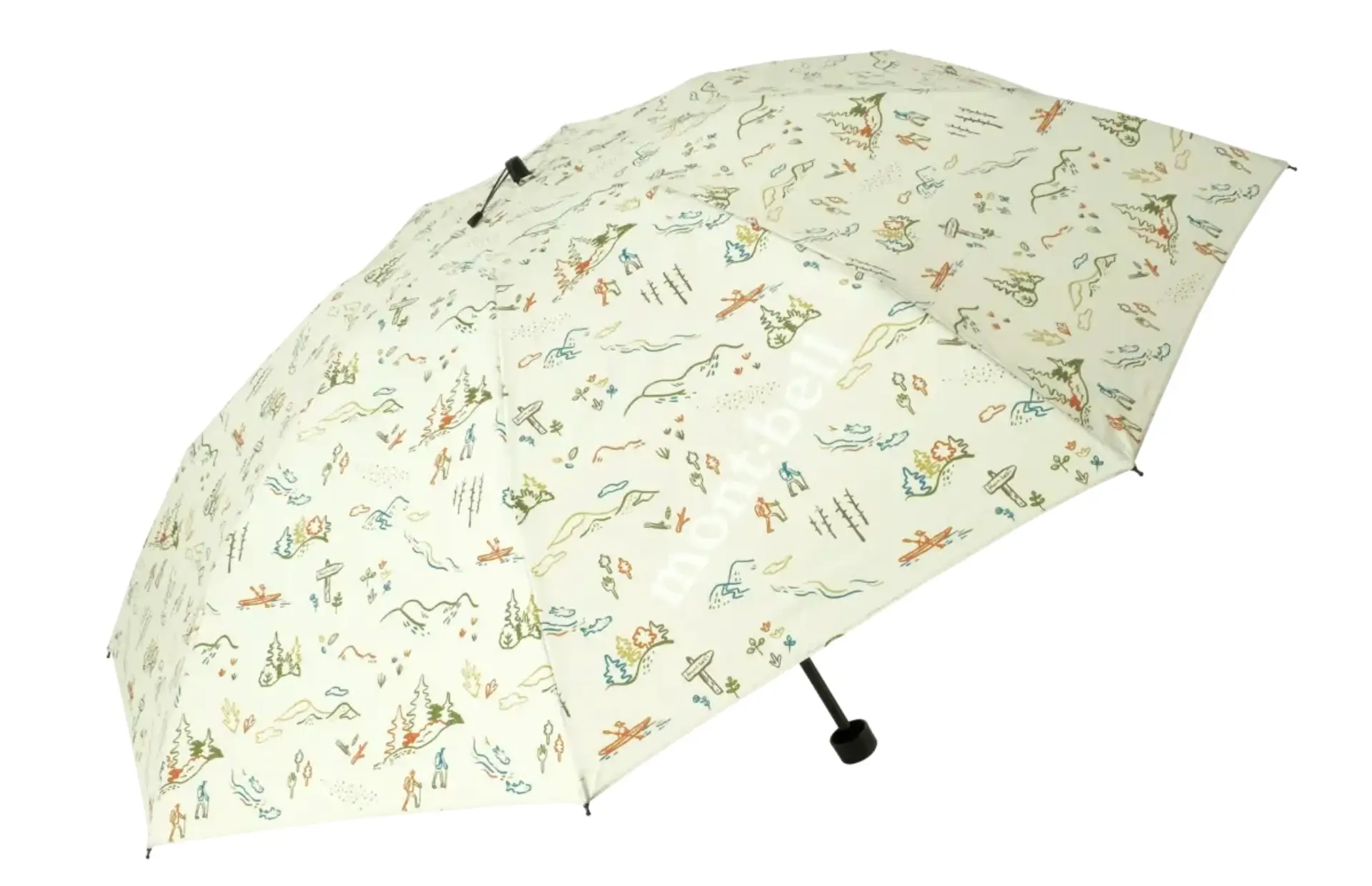
Montbell’s foldable umbrella for hiking, the “Trekking Umbrella,” was developed in 1987. At that time, the very idea of taking an umbrella to the mountains didn’t exist. A trekking umbrella combining lightness and strength was an extremely unique item. The current model, which has undergone numerous improvements since then, has further refined its lightweight and compact nature, and the lineup has been expanded. It’s an item that’s sure to be incredibly useful.
In the world of outdoor gear, where every gram counts and versatile is king, few items embody Japanese ingenuity and practical elegance quite like Montbell’s folding umbrellas. Born from a pioneering spirit in the late 1980s, these tools have evolved from revolutionary concepts into essential companions for hikers, urban commuters, and anyone navigating unpredictable weather.
View this post on Instagram
stir
Montbell, founded in 1975 by Isamu Tatsuno in Osaka, Japan, has long been synonymous with high-quality, lightweight outdoor equipment tailored to the demands of serious adventurers. In 1987, the brand introduced the Trekking Umbrella—a radical departure from traditional heavy rain gear. At a time when hikers relied almost exclusively on bulky ponchos or full rain suits, the notion of carrying an umbrella into the backcountry seemed absurd to many. Windy ridges and exposed trails were thought to render them useless, if not dangerous.
Yet Montbell saw potential in the forested, lower-elevation sections of trails common in Japan’s mountainous terrain. The original Trekking Umbrella combined a lightweight canopy with robust ribs, proving that an umbrella could serve as a breathable, comfortable alternative to sweltering rain jackets. Over nearly four decades, iterative refinements—stronger yet lighter materials, better folding mechanisms, enhanced water repellency, and expanded models—have cemented its legacy. Today’s lineup includes ultralight Travel variants, dedicated Trekking models, Long Tail designs for backpack coverage, and specialized Sun Block options, each honed through real-world testing and user feedback.
This evolution mirrors broader shifts in outdoor culture. As ultralight backpacking gained traction in the 2000s and 2010s, Montbell’s umbrellas found fans among thru-hikers on trails like the Pacific Crest Trail (PCT) and Continental Divide Trail (CDT), where sun protection and occasional showers dominate over constant deluges. Their compact packability addressed a key pain point: traditional umbrellas were too bulky, while rain shells could feel oppressive in humid conditions.
flow
Rain gear remains non-negotiable for serious hikes, but an umbrella shines in specific scenarios. In areas with less wind and min elevation changes—think dense forested zones or rolling foothills—an umbrella provides superior ventilation. Unlike a rain jacket, which can trap heat and moisture against your body, an open umbrella allows air to circulate freely while keeping your torso, head, and pack dry. This reduces the risk of overheating or clamminess during moderate exertion, making for a more enjoyable pace.
Public transportation adds another layer of practicality. Many hikers rely on trains, buses, or subways to reach trailheads. A compact folding umbrella slips easily into a daypack or even a jacket pocket, ready for urban legs of the journey without the bulk of dedicated rain shells. It transitions seamlessly from city sidewalks to mountain paths, eliminating the need for multiple items.
Durability concerns are often overstated for the right models. Montbell’s trekking umbrellas use resilient materials like carbon fiber or reinforced resin ribs (often 8-rib constructions) paired with ballistic nylon or polyester canopies treated with advanced DWR (durable water repellent) finishes. Reviewers note that while they may invert in extreme gusts, the flexible ABS plastic or carbon components typically spring back without damage—unlike metal ribs that bend permanently.
Real-world users praise their show in variable conditions. On the PCT, where umbrellas often double as sunshades, lighter Montbell models excel by saving ounces compared to heavier alternatives like the (now defunct) GoLite Chrome Dome. In humid Japanese summers or misty Pacific Northwest stretches, they provide targeted protection without full encapsulation.

engine
Montbell’s umbrellas prioritize Ballistic Airlight fabrics—ripstop nylons or polyesters in deniers as low as 7D or 10D for the lightest models, up to 15D–75D for more robust versions. These materials offer excellent tear resistance despite minimal weight, with hydrophobic coatings that shed water efficiently and dry quickly.
Key models illustrate the range:
- Travel Umbrella (and variants like 50/55): Around 3–3.2 oz (85–90g), folded length ~9.1 inches (23cm), opened diameter ~34.6 inches (88cm). Ultra-compact, ideal for everyday carry and light showers. Fits in water bottle pockets or small slings.
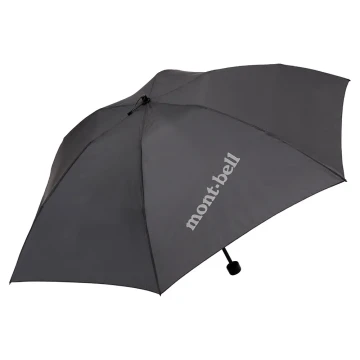
- U.L. Trekking Umbrella: ~5.8 oz (165g), folded ~9 inches, canopy ~86cm wide. A benchmark for balance—light enough for thru-hikes, sturdy for moderate trails. 15D Ballistic Airlight nylon.
- Long Tail Trekking Umbrella: Slightly heavier with an asymmetrical extension for backpack coverage, helping eliminate the need for a pack rain cover in many conditions.
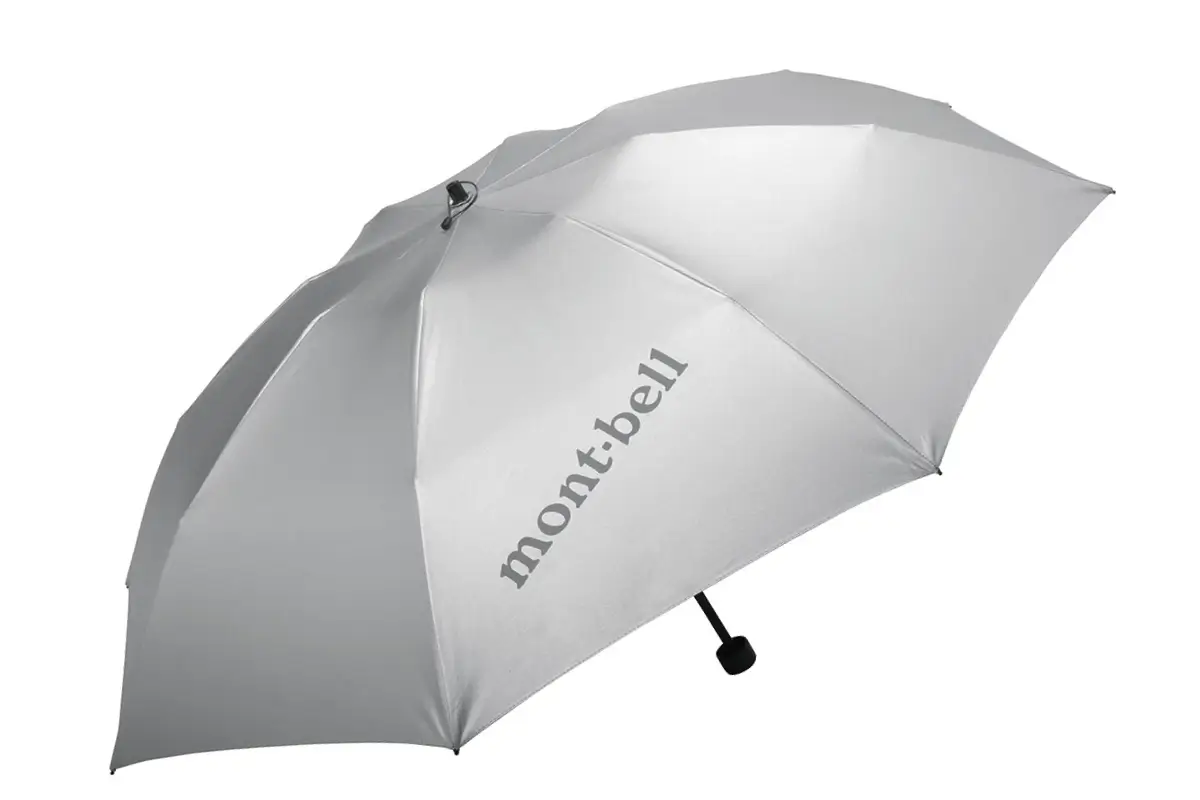
- Sun Block Umbrella: UPF 50+, heavier canopy (e.g., 75D polyester) for intense UV protection in desert or high-altitude environments, weighing around 7.1 oz.
Common features include telescopic shafts (often aluminum/iron hybrids or carbon), quick-deploy mechanisms, tip loops for hanging/drying, and included cases. The 2- or 3-step folding designs collapse into impressively small packages without sacrificing strength. Carbon fiber ribs in select models enhance lightness and wind resistance.
Compared to competitors, Montbell often wins on packability. While Euroschirm/Gossamer Gear/Six Moon Designs models offer larger coverage or hands-free options, they tend to be longer when packed (15+ inches) and heavier. Montbell’s folding prowess makes them true “anywhere” tools.
eleg
Montbell umbrellas transcend the trail. In bustling metropolises like New York, Tokyo, or London, their minimalist aesthetic and featherweight design align with modern streetwear and functional fashion. Slip one into a tote or attaché for commutes, sudden downpours, or summer sun. The Travel models, in particular, pair beautifully with tailored jackets or lightweight parkas, offering protection without compromising style.
Their quick-drying nature and compact size make them perfect for travel—whether jetting between cities or combining business with weekend getaways. Urban hikers appreciate the dual-purpose utility: one item handles both the morning sprint to the subway and an afternoon trail ramble. In an era of climate variability and increased outdoor recreation post-pandemic, this versatility feels prescient.
Sustainable angles also appeal. Montbell emphasizes durable, repairable gear that reduces consumption. High-quality fabrics and robust construction mean these umbrellas outlast cheap disposables, aligning with mindful consumerism in fashion and outdoor circles.
xp
Hikers across forums and reviews consistently highlight reliability in non-extreme conditions. One thru-hiker noted surviving inversions and pack crushes thanks to flexible ribs. Others appreciate the ventilation on humid climbs, reporting less sweat buildup than in full shells.
For sun protection, the Sun Block series excels in exposed terrain, with dark interiors reducing glare. Urban users love the portability—fitting into purses, briefcases, or even large pockets—while maintaining professional appearances.
Limitations exist: In high winds or prolonged heavy rain, pair with a shell for full protection. Bushwhacking demands care to avoid snags on the lighter fabrics. Yet for most users, the pros far outweigh these.
narr
Umbrellas carry culture weight beyond utility. In Japan, they symbolize preparedness and elegance amid variable weather. Montbell’s innovations reflect a philosophy of “Light & Fast” that influences global gear design. As sustainability and minimalism gain traction in fashion—think high-end technical apparel from brands like Arc’teryx or Patagonia—ultralight umbrellas fit neatly into hybrid lifestyles blending city sophistication with wilderness escapes.
They also tie into larger trends: rising interest in accessible outdoor activities, climate adaptation, and multifunctional gear that reduces pack weight and environmental footprint. For creators and enthusiasts in fashion, design, and culture, Montbell represents thoughtful engineering that enhances human experiences without excess.
hint
Montbell’s folding umbrellas exemplify innovation born from necessity. From their 1987 origins to today’s refined lineup, they offer unmatched lightweight compactness, practical comfort, and cross-context versatility. Whether shielding you on a misty mountain trail, a rainy city avenue, or a sun-baked plateau, they deliver freedom of movement and peace of mind.
In a gear landscape often dominated by heavier solutions, Montbell reminds us that true performance lies in thoughtful simplicity. Great for both mountains and cities, these umbrellas are more than accessories—they’re enablers of exploration, style, and resilience. Pack one, and you’ll wonder how you ever went without.