DRIFT AUDIO
Listen to this story
Choose a voice, then press play.
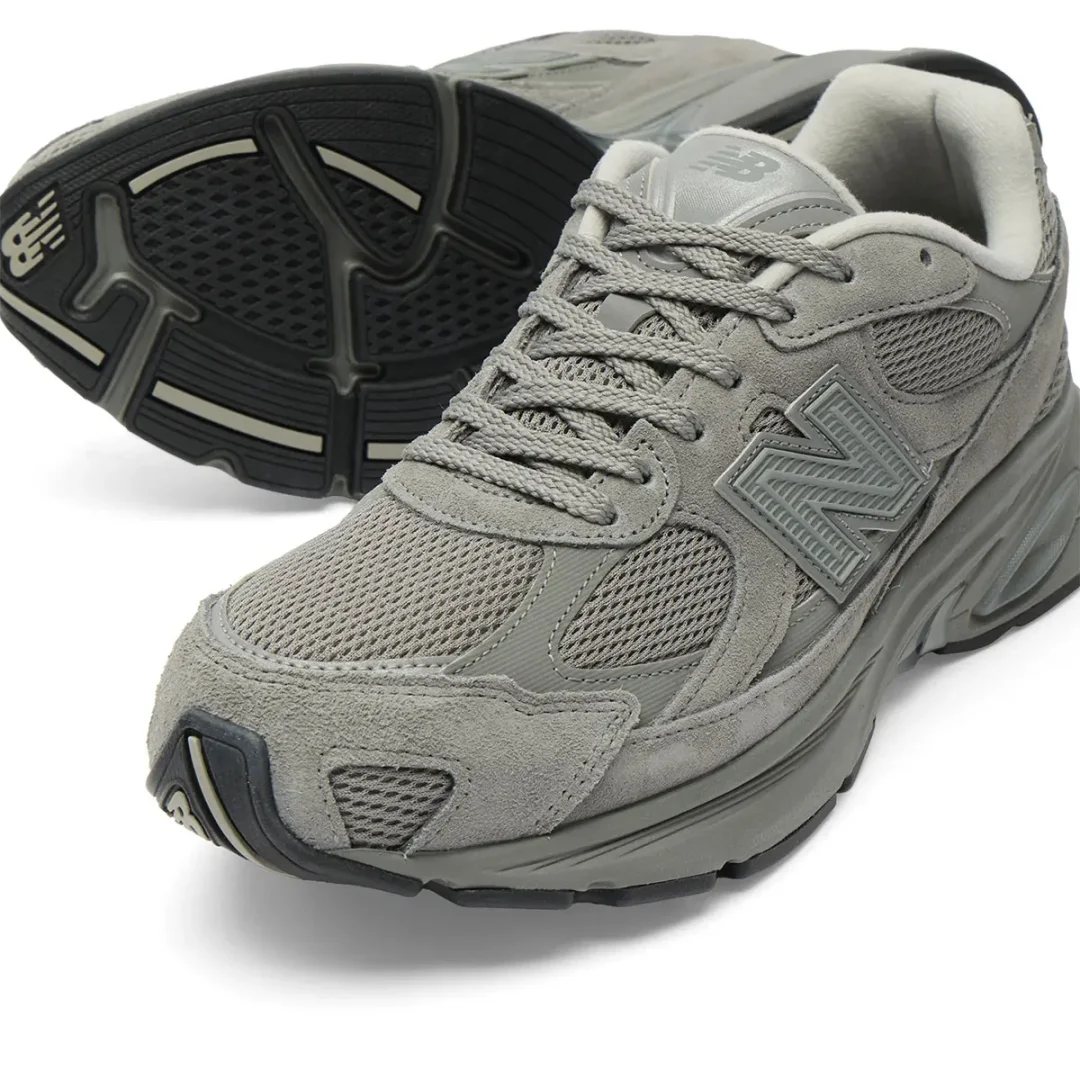
In an era where shoe culture often mistakes volume for innovation, New Balance continues to thrive by doing the exact opposite. While much of the industry chases louder silhouettes, hyper-saturated palettes, and aggressively branded collaborations, the Boston-rooted company remains deeply committed to a design language built on nuance, balance, and long-term wearability. The upcoming New Balance U2010 3EJ “Harbor Grey” exemplifies that know uniquely — a shoe that does not demand attention so much as quietly earn it.
Scheduled to release throughout 2026 at a retail price of $145, the “Harbor Grey” iteration of the ABZORB 2010 silhouette arrives as one of the brand’s most refined tonal executions in recent memory. At first glance, the shoe feels almost understated to a fault. But that restraint is precisely what gives it gravity. The sneaker does not rely on spectacle. Instead, it leans into texture, proportion, and subtle color interplay, continuing New Balance’s longstanding mastery of grey-based footwear design.
idea
For New Balance, grey has never simply been a neutral. It functions more like an institutional signature — a visual shorthand for the brand’s philosophy of practical luxury. Over decades, the company transformed tonal grey runners into cultural staples by emphasizing quality materials, timeless construction, and understated styling over trend-chasing gimmicks.
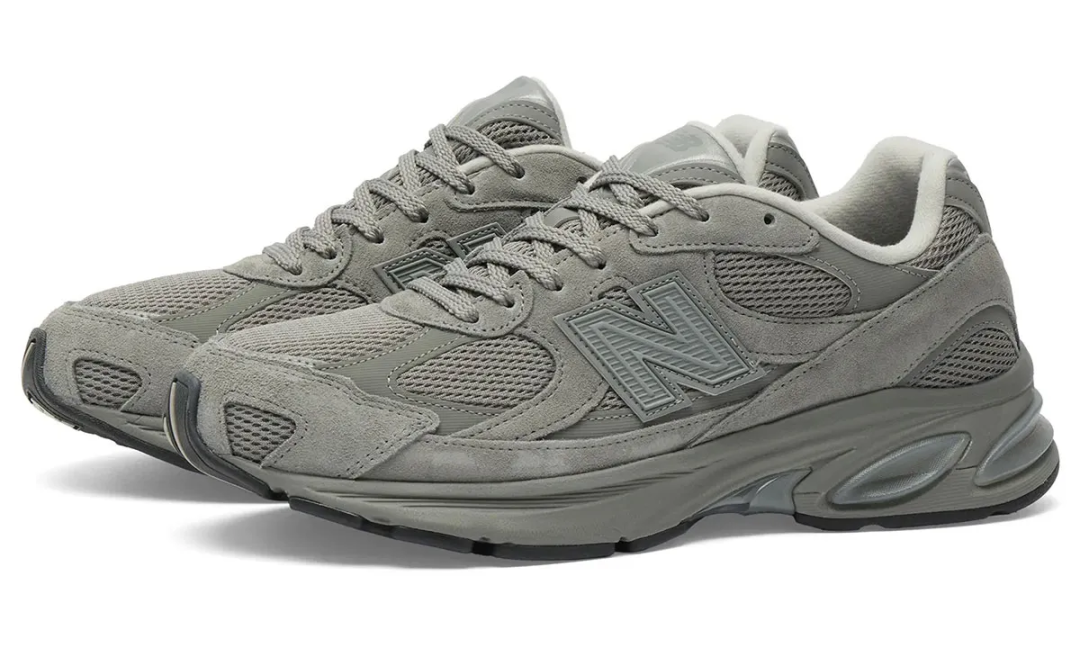
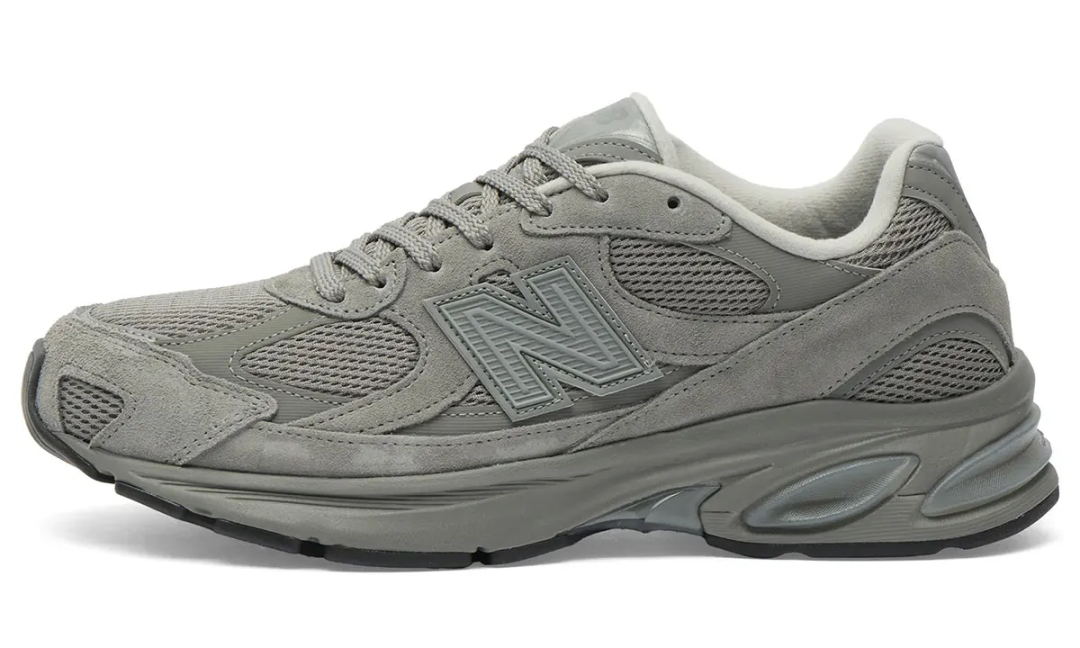
The U2010 3EJ “Harbor Grey” extends that lineage beautifully. Inspired by the cool atmosphere of mist-covered coastal mornings, the sneaker layers muted greys across engineered mesh, premium suede overlays, and smooth leather accents to create remarkable visual depth without relying on contrast-heavy blocking. The effect feels sophisticated rather than minimal. Every panel catches light differently, giving the upper a constantly shifting personality depending on movement and environment.
The tonal “N” logo contributes heavily to this restrained identity. Rather than aggressively standing apart from the upper, the logo blends into the shoe’s overall composition until lighting reveals its dimensionality. White laces provide just enough visual interruption to prevent the sneaker from feeling monochromatic, while soft blue details hidden within the ABZORB pods and structural components introduce a faint coastal energy that complements the “Harbor Grey” naming without overpowering the design.
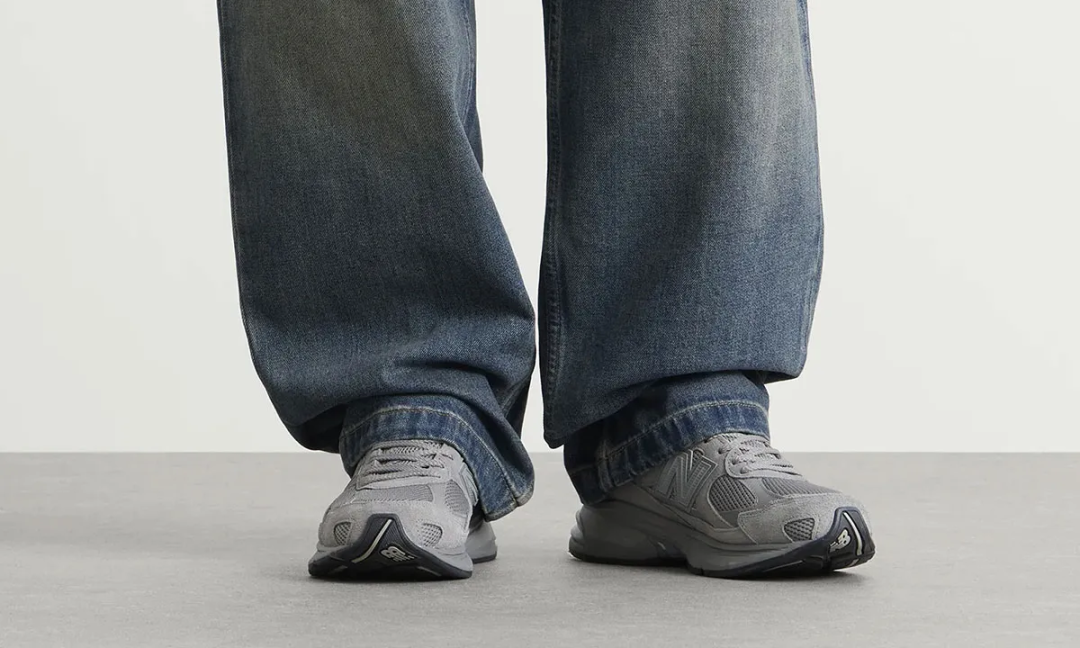
The result is a sneaker that feels deeply wearable across multiple style ecosystems. It works with relaxed denim, technical trousers, oversized tailoring, athletic basics, and contemporary streetwear without ever feeling forced into a single aesthetic lane. That versatility is increasingly rare within a market dominated by footwear designed primarily for immediate visual impact on social media.
evolve
The U2010 silhouette itself reflects New Balance’s ongoing fascination with the early-2000s performance runner era. Over the past several years, Y2K footwear aesthetics have returned aggressively across the industry, but many reinterpretations exaggerate proportions into near-caricature territory. The ABZORB 2010 avoids that trap by maintaining a sense of functional realism beneath its retro influence.
The shoe’s chunky architecture references classic New Balance runners from the early millennium while refining their proportions for modern everyday wear. It captures the comfort-first attitude associated with “dad shoes” without crossing into cartoonish exaggeration. The shape remains substantial yet controlled — technical without becoming intimidating.
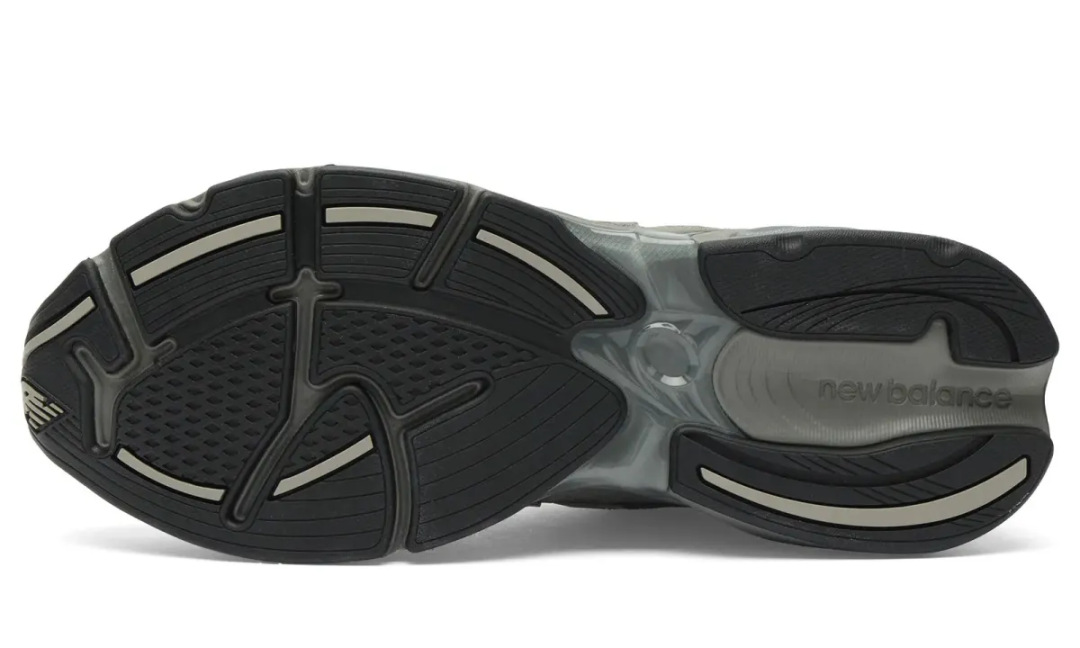
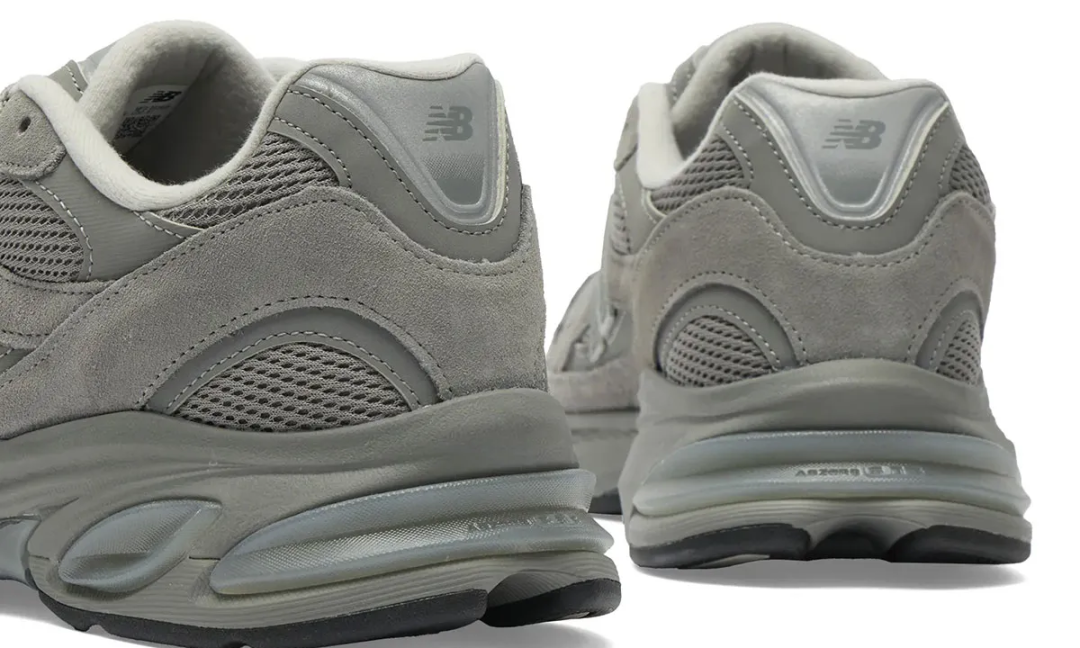
What truly anchors the silhouette, however, is the cushioning platform. The segmented ABZORB midsole dominates the sneaker visually and functionally, creating one of the model’s most distinctive characteristics. Dual-density ABZORB foam works alongside ABZORB SBS gel cushioning units in both the heel and forefoot to deliver a ride that reviewers consistently describe as plush yet stable. A midfoot Stability Web further enhances support while maintaining flexibility for daily movement.
That emphasis on comfort is critical to understanding why New Balance continues outperforming many trend-driven competitors in the lifestyle category. The brand understands that contemporary consumers increasingly prioritize long-duration wearability alongside aesthetics. Sneakers are no longer rotated purely for visual novelty; they are expected to function as reliable all-day companions capable of handling commuting, travel, walking, casual workouts, and extended standing without fatigue.
The U2010 appears designed precisely around that reality. The padded collar, soft tongue construction, breathable mesh foundation, and supportive platform all contribute to a shoe that feels engineered for actual life rather than occasional wear.
shh
Perhaps the most compelling aspect of the “Harbor Grey” is how confidently it resists contemporary sneaker marketing trends. Much of the industry remains trapped in a cycle of artificial scarcity, oversized storytelling, and hyper-visible collaborations. Shoes are frequently designed to dominate timelines rather than wardrobes.
The U2010 moves differently.
Its appeal lies in repetition. It is the type of sneaker that becomes more convincing the more often it appears in rotation. Instead of delivering a singular “wow” moment, it gradually establishes itself through reliability, comfort, and subtle elegance. That slow-burn appeal mirrors the trajectory of many beloved New Balance models before it. The 990 series, for instance, became iconic not because it was loud, but because it consistently integrated into everyday life across generations and subcultures.
The “Harbor Grey” feels positioned for a similar future. It aligns naturally with the ongoing shift toward quiet luxury and understated personal style, where confidence comes from refinement rather than visible branding. In many ways, the sneaker functions almost like footwear minimalism interpreted through technical running heritage.
That positioning becomes even more important considering New Balance’s strategic pricing adjustment. Reducing the MSRP from the model’s original $160 down to $145 significantly improves its competitiveness within the increasingly crowded premium lifestyle sneaker category.
At that price point, the U2010 delivers a combination of premium materials, proven cushioning technology, and versatile design that rivals many more expensive offerings from competitors like Hoka, On, and Adidas. Rather than relying on exclusivity, New Balance appears focused on creating strong long-term value perception — a strategy increasingly aligned with consumer fatigue surrounding inflated sneaker pricing.
day
Part of what makes the “Harbor Grey” especially compelling is its ability to occupy multiple cultural spaces simultaneously. Sneaker enthusiasts appreciate the silhouette’s retro-tech detailing and New Balance heritage references. Casual consumers gravitate toward its wearability and comfort. Fashion audiences embrace its tonal sophistication and muted palette.
That broad accessibility reflects New Balance’s evolving cultural position over the last decade. Once viewed primarily as a performance-oriented or “dad shoe” brand, the company has successfully transformed into one of the most respected players across both luxury-adjacent fashion and everyday footwear culture. Yet unlike many competitors, it achieved that shift without abandoning its core identity.
The U2010 continues that trajectory by prioritizing honesty in design. It does not pretend to be futuristic. It does not rely on celebrity co-signs to justify itself. Instead, it trusts material quality, comfort innovation, and subtle visual storytelling to create emotional attachment.
That emotional attachment becomes increasingly powerful through wear. Early on-foot imagery and reviews suggest the “Harbor Grey” develops character naturally over time, with suede textures softening and tonal variations becoming more pronounced through everyday use.
It is precisely the type of sneaker people begin reaching for instinctively rather than strategically — the shoe that quietly becomes part of someone’s daily rhythm.
fin
The success of silhouettes like the U2010 demonstrates how effectively New Balance understands current consumer psychology. Modern sneaker culture is increasingly divided between collectible spectacle and practical longevity. While limited collaborations still dominate headlines, many consumers now crave shoes capable of existing beyond hype cycles.
The “Harbor Grey” answers that desire elegantly.
It embraces retro performance aesthetics without becoming trapped by nostalgia. It feels premium without becoming inaccessible. It delivers comfort without sacrificing visual sophistication. Most importantly, it communicates confidence through restraint rather than excess.
That restraint may ultimately become the shoe’s greatest strength. In a marketplace overloaded with attempts to manufacture attention, the U2010 3EJ “Harbor Grey” succeeds by offering something increasingly rare: calmness.
New Balance has spent decades proving that subtlety can become its own form of cultural permanence. The “Harbor Grey” continues that tradition beautifully — a sneaker that whispers rather than shouts, and somehow feels more memorable because of it.
From the DRIFT archive: A Cult Classic in Orbit: The Tecnica Moon Boot Icon Nylon Boots Reimagined for Modern Winter · Under a Blue Moon: atmos Reimagines the New Balance 1906R