DRIFT AUDIO
Listen to this story
Choose a voice, then press play.
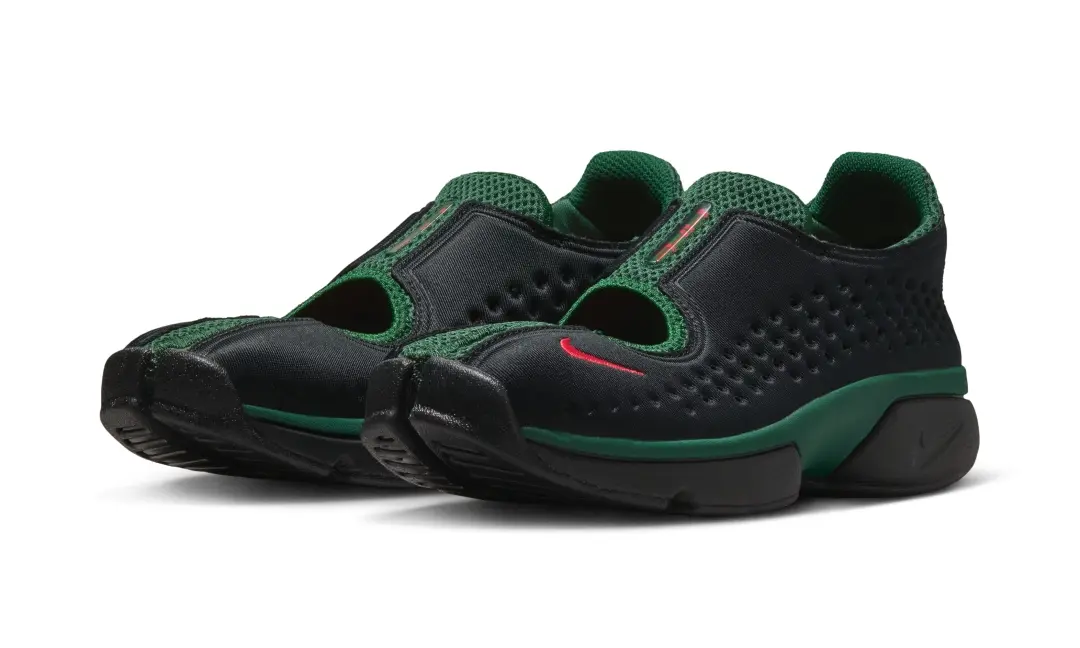
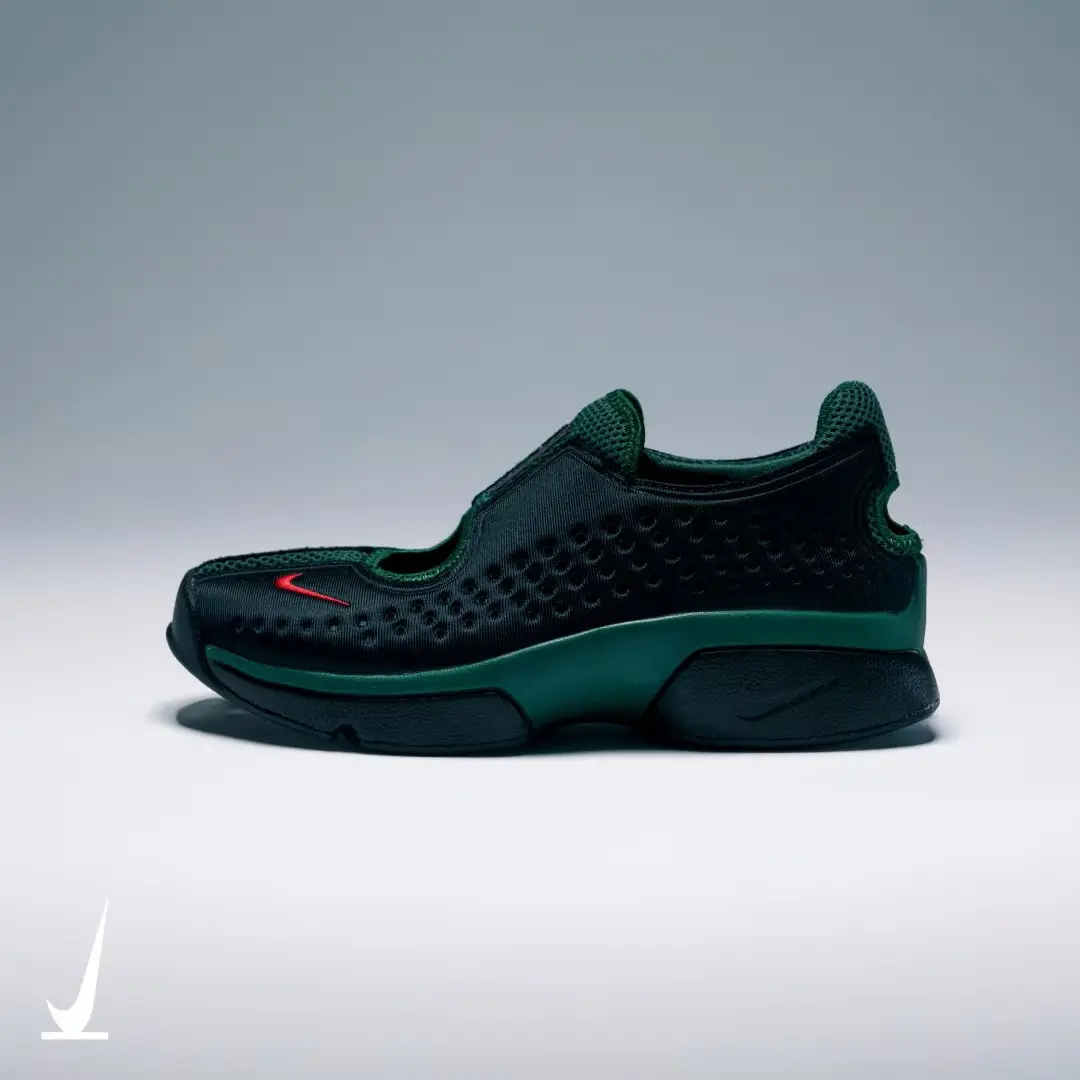
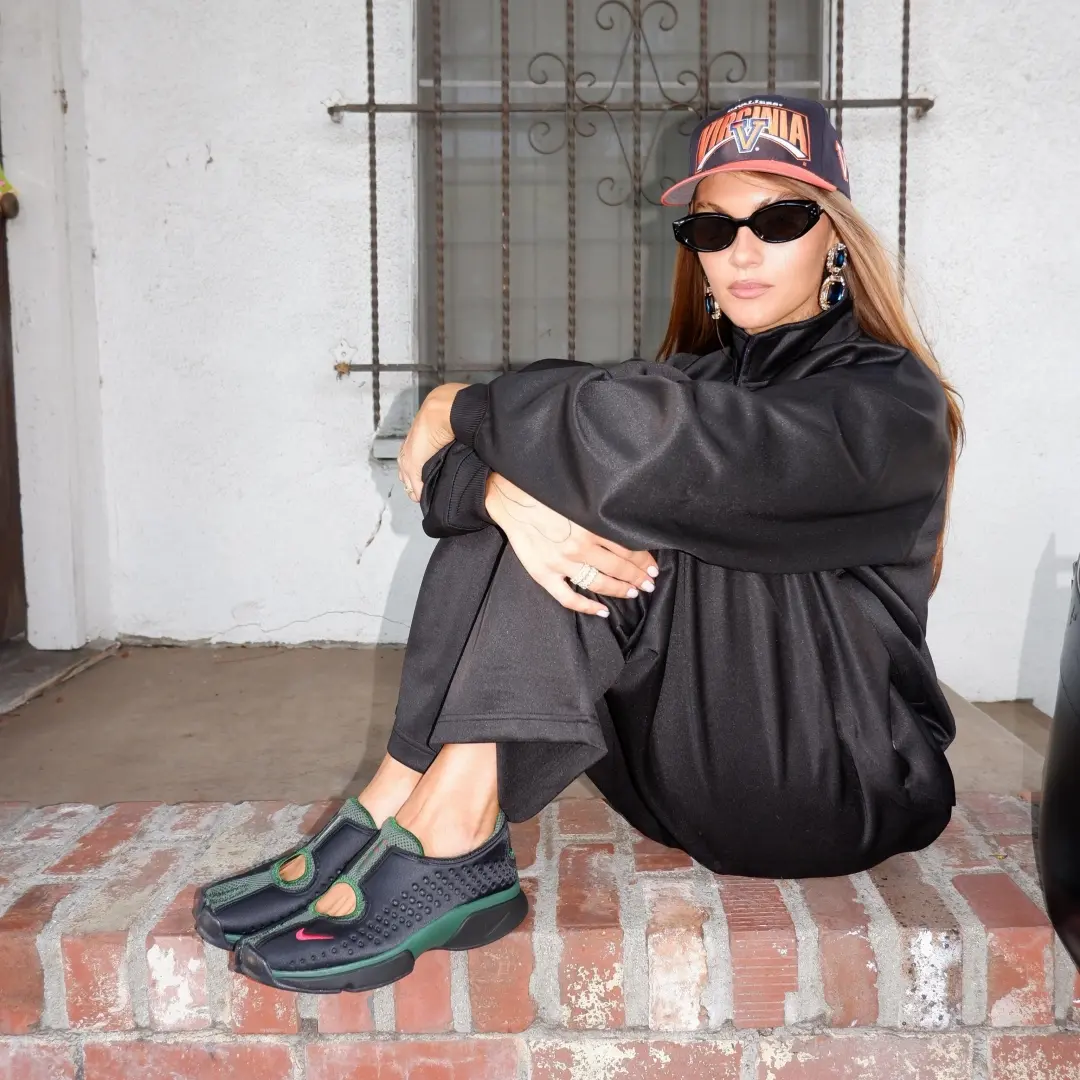
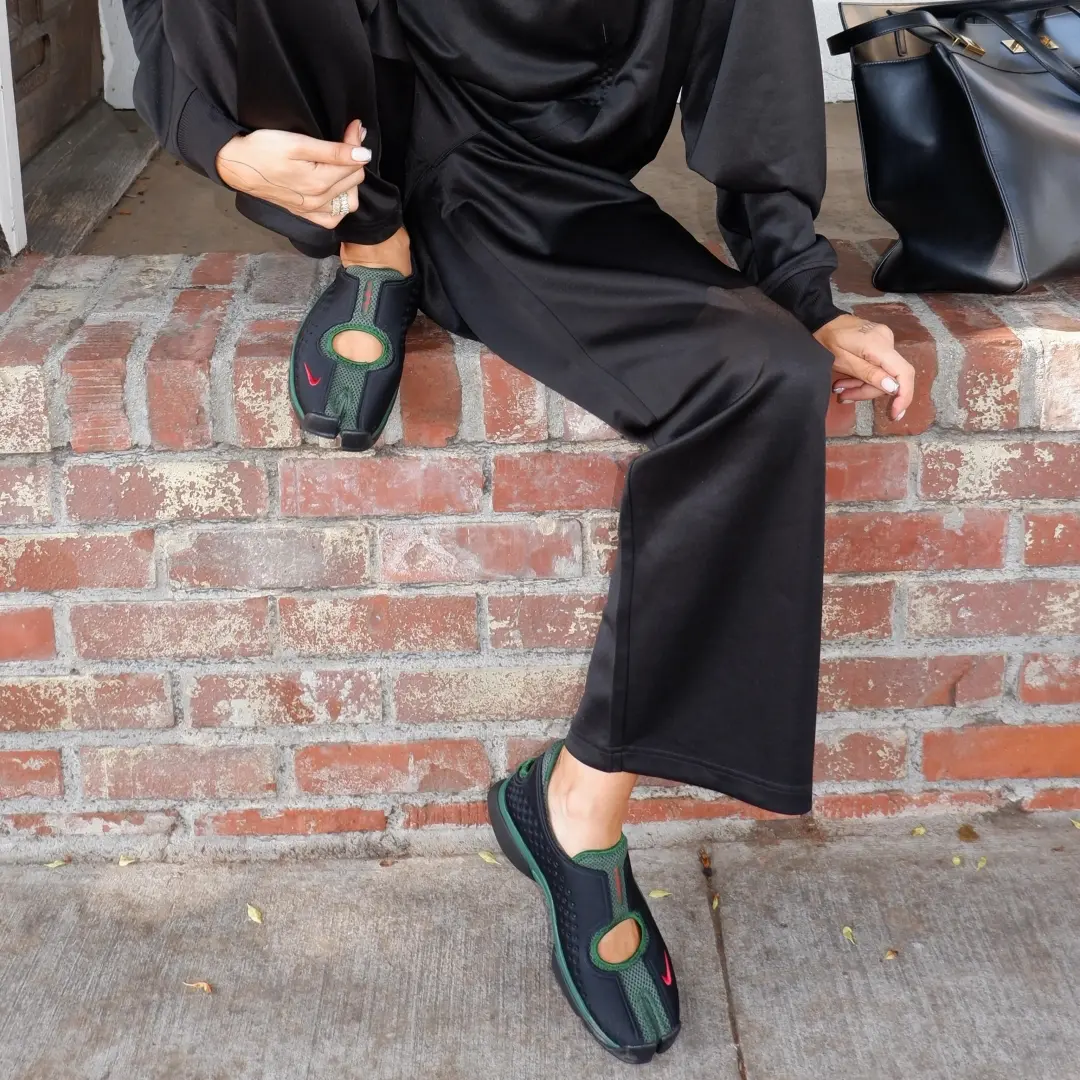
The Nike Air Rift family has always occupied a unique space in shoe culture—equal parts performance pioneer, fashion oddity, and cult classic. With the announcement of the Nike Women’s Air Rift 2 “Kenya/Black/Team Dark Green” (style code IQ8006-002), set for a Summer 2026 release, Nike revives a streamlined successor to one of its most eccentric designs. This colorway pays direct homage to the original Rift’s Kenyan roots, blending black, Team Dark Green, and Fire Red accents inspired by the Kenyan flag.
stir
The Air Rift story begins in the mid-1990s. Nike designer Kip Buck, an ultra-distance runner, sought to create footwear that mimicked barefoot running. Drawing inspiration from Kenyan long-distance runners—who dominated international competitions while training on rugged terrain—Nike looked to the Great Rift Valley. This geological wonder gave the shoe its name and its most defining feature: the split-toe (tabi) design.
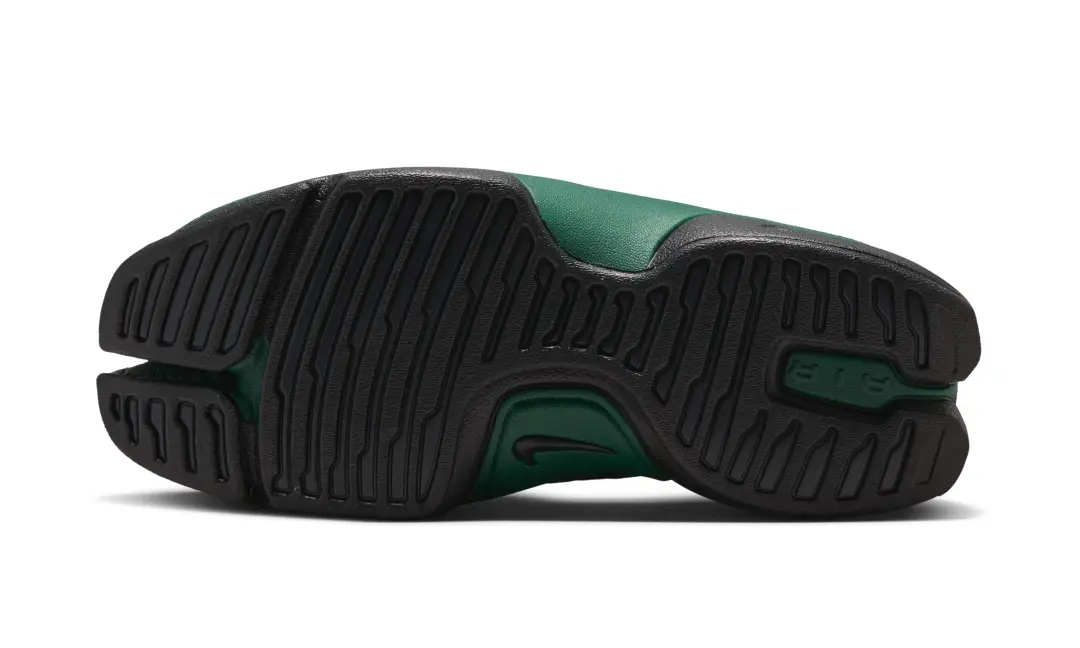
The split toe articulates between the first and second toes, promoting natural motion and foot splay. This was revolutionary in 1996 when the original Air Rift debuted. The outsole featured flex grooves and topographic patterns echoing Kenyan landscapes, while a lightweight EVA midsole with encapsulated Air provided cushioning without bulk. Sandal-like Velcro straps (one at the midfoot, one at the heel) secured a stretchy, breathable upper.
The OG “Kenya” colorway—black base with green and red accents—symbolized the Kenyan flag and the athletes who inspired it. It became a quiet hit among runners and a street-style staple, especially in Japan’s Harajuku scene, where its quirky aesthetic fit perfectly with avant-garde fashion. Matching Nike tabi socks often accompanied early pairs, amplifying the barefoot ethos.
By the early 2000s, the Air Rift had evolved. The Air Rift 2, debuting around 2002, refined the formula. It adopted a sleeker silhouette with a more integrated bootie-style interior, reduced reliance on heavy straps, and a thicker, more supportive sole unit that maintained cushioning through the arch. The tabi toe remained, but the overall build felt more modern and wearable for everyday use. It borrowed elements from contemporaries like the Air SuperFly, emphasizing a streamlined profile suited for women’s styling.
flow
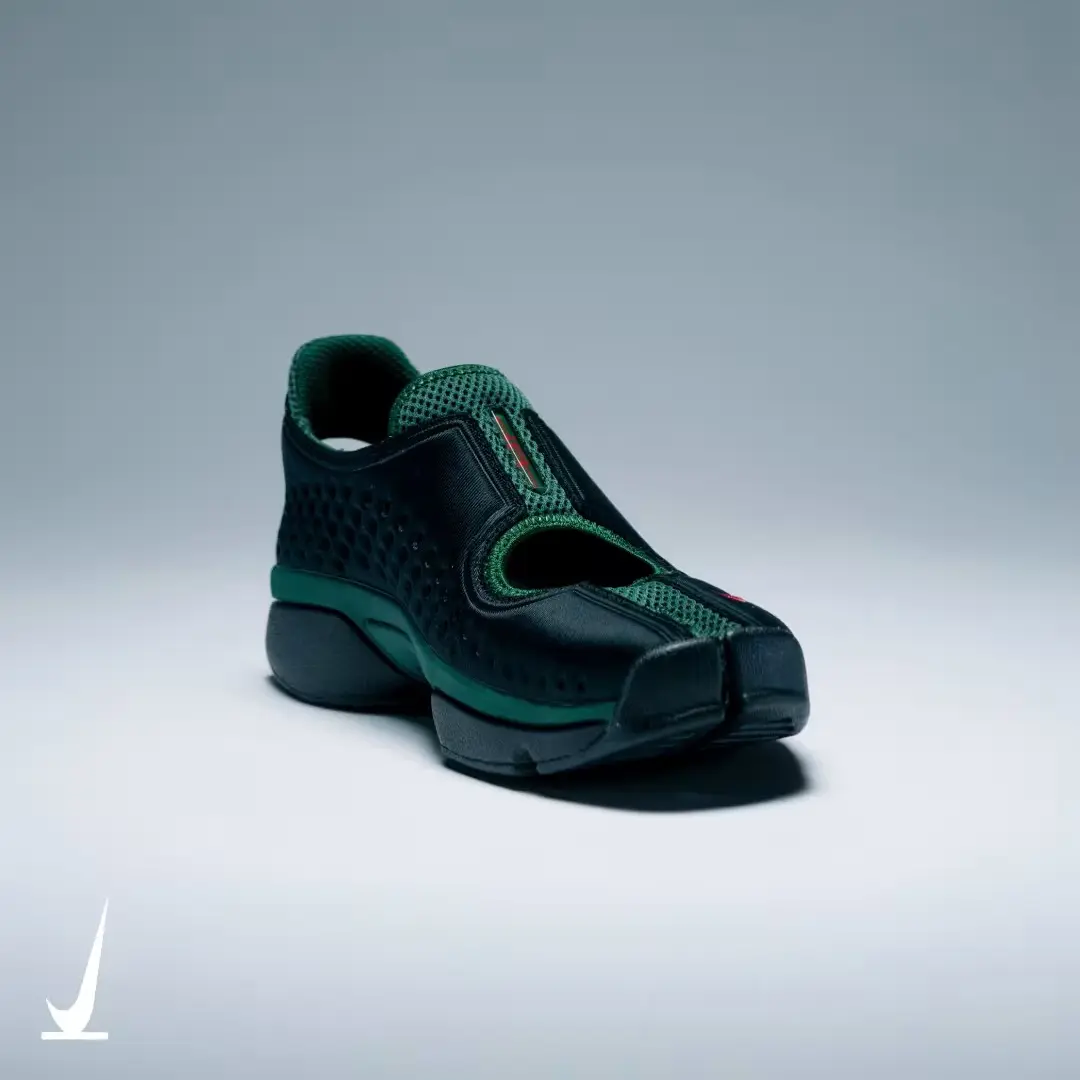
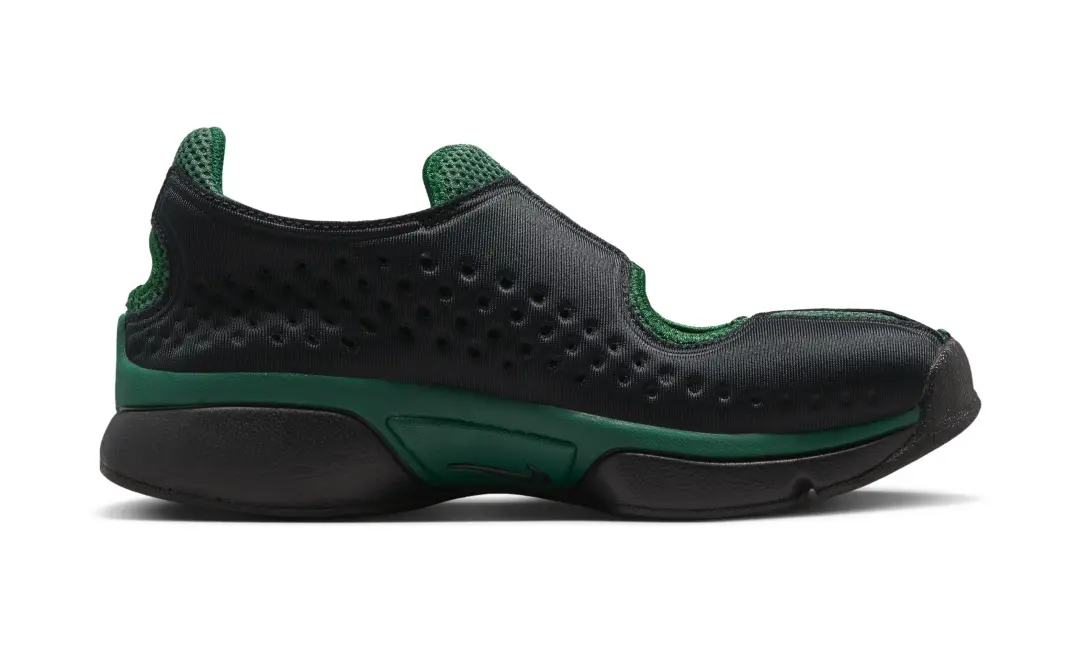
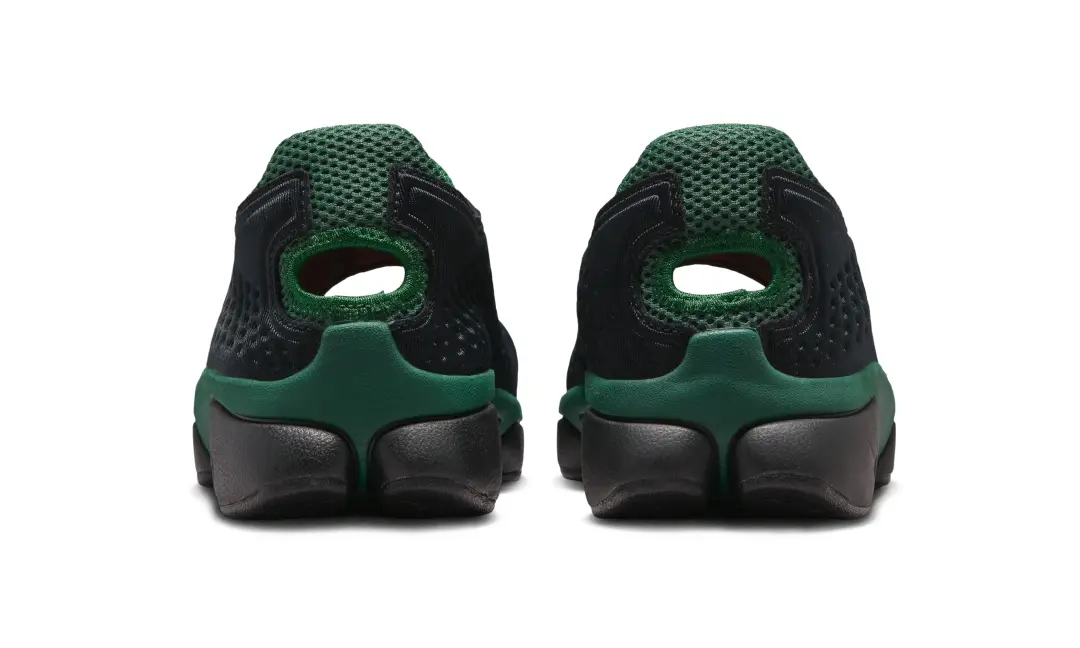
The upcoming “Kenya/Black/Team Dark Green” edition faithfully updates the 2002 model while nodding to the original inspiration. Key features include:
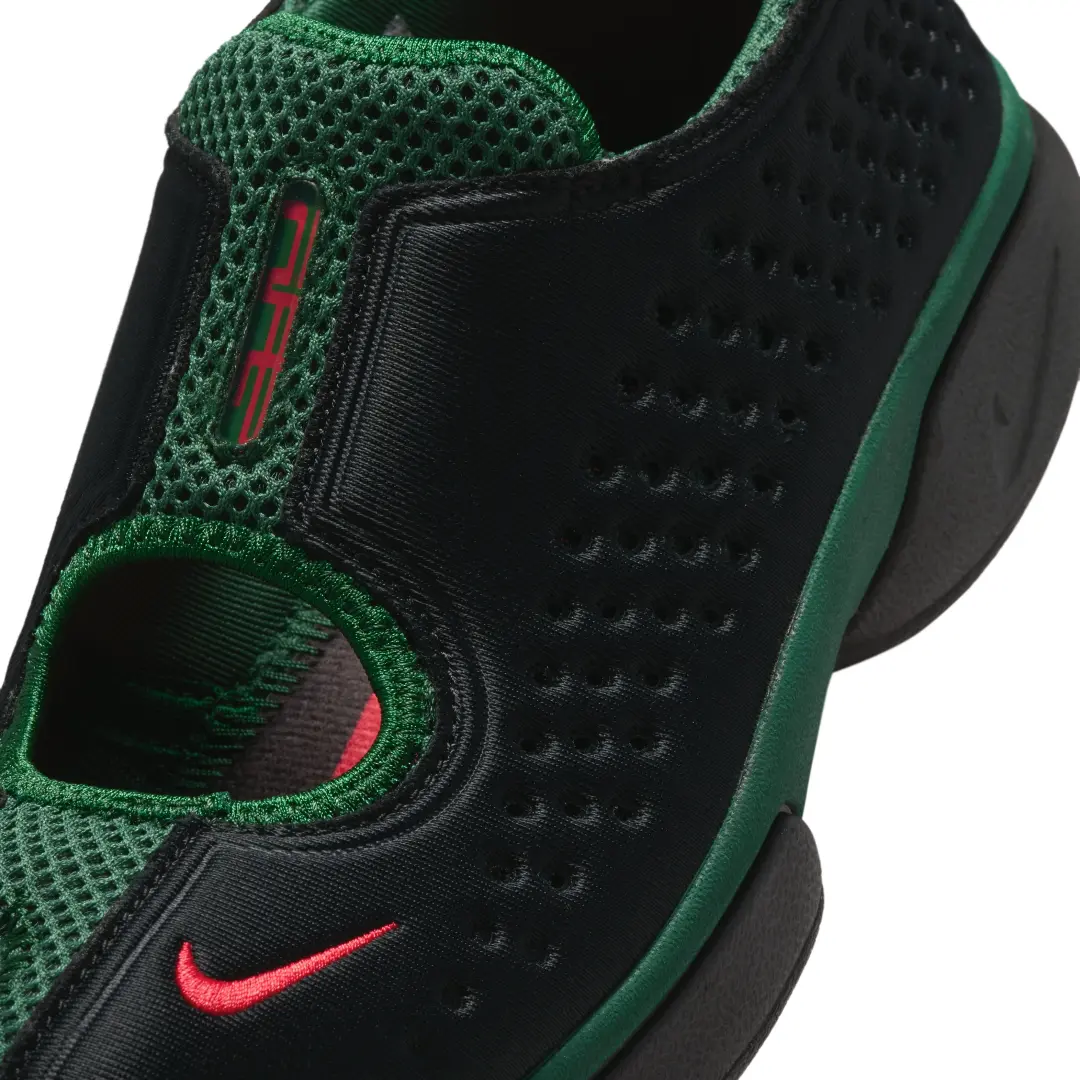
- Upper Construction: Dual-mesh materials for breathability and structure. A dark green base layer pairs with black side panel overlays, creating depth and visual contrast. Perforations enhance ventilation, ideal for warm-weather wear.
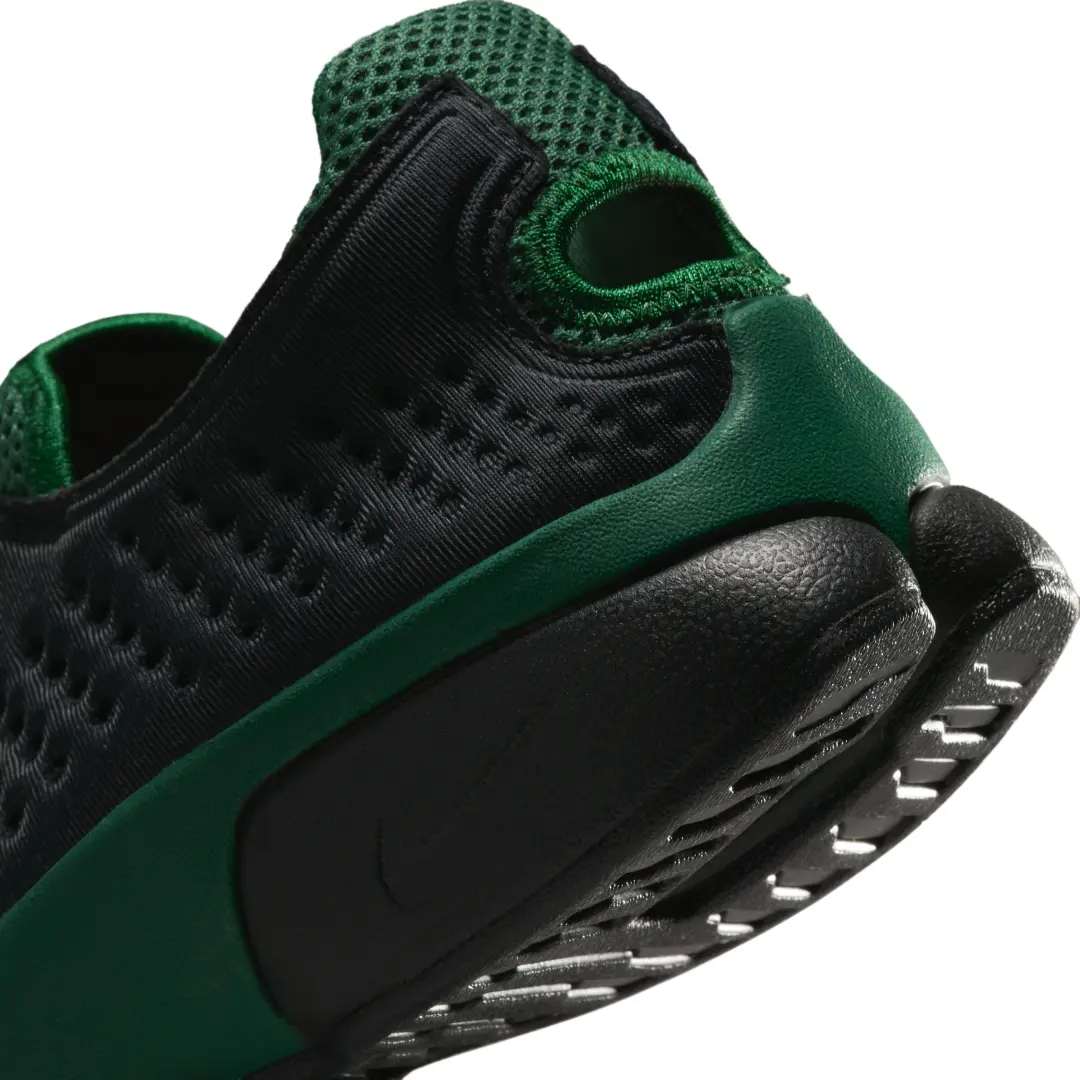
- Signature Split Toe: The decoupled forefoot persists, view from above and through the outsole, maintaining that signature articulation.
- Swoosh Branding: Embroidered Fire Red Swooshes on the outer toes deliver a pop of color that completes the Kenyan flag tribute. Additional branding appears subtly on the heel and tongue.
- Midsole and Outsole: A thicker, more constructed EVA foam midsole offers improved cushioning and support compared to the OG. The rubber outsole retains flex grooves for natural movement and traction patterns inspired by terrain.
- Fit and Closure: A bootie-like interior provides a sock-like feel, with a single midfoot strap for easy on/off and security. This hybrid shoe-sandal design feels minimalist yet functional.
Compared to the 1996 original, the Rift 2 feels fuller and more supportive—less purely minimalist, more day-ready. It aligns with current trends favoring slim, retro runners while preserving its weird, wonderful DNA. Expect a lightweight profile swift for summer styling, gym sessions, or casual outings.
style
The Air Rift has influenced shoe design far beyond its initial run. It predated Nike Free by years in promoting natural motion. Its tabi toe echoed Japanese Jika-tabi workwear and Martin Margiela’s fashion explorations, bridging performance and avant-garde aesthetics. In the 2000s, it appeared in Nike’s Artist Series (including a Halle Berry collaboration) and gained traction in Europe and Asia.
A 2023 retro of the original Rift capitalized on slim-sneaker trends and collisions like Nike x SKIMS. That resurgence proved the silhouette’s enduring appeal. The Air Rift 2 retro builds on this momentum. Its “Kenya” colorway directly revives the most iconic palette, making it a must-cop for longtime fans and newcomers alike.
show
Though rooted in running innovation, modern Air Rifts excel as lifestyle shoes. The mesh upper wicks moisture effectively, and the flexible sole promotes a natural gait. Cushioning suits all-day wear without the heaviness of bulkier trainers. Sizing typically runs true, but the split-toe may require adjustment for wider feet—many recommend trying on or sizing up half a size.
Styling options abound:
- Casual: Pair with denim shorts and a tank top for effortless summer vibes.
- Street: Contrast the green/black palette against neutral outfits or bold socks.
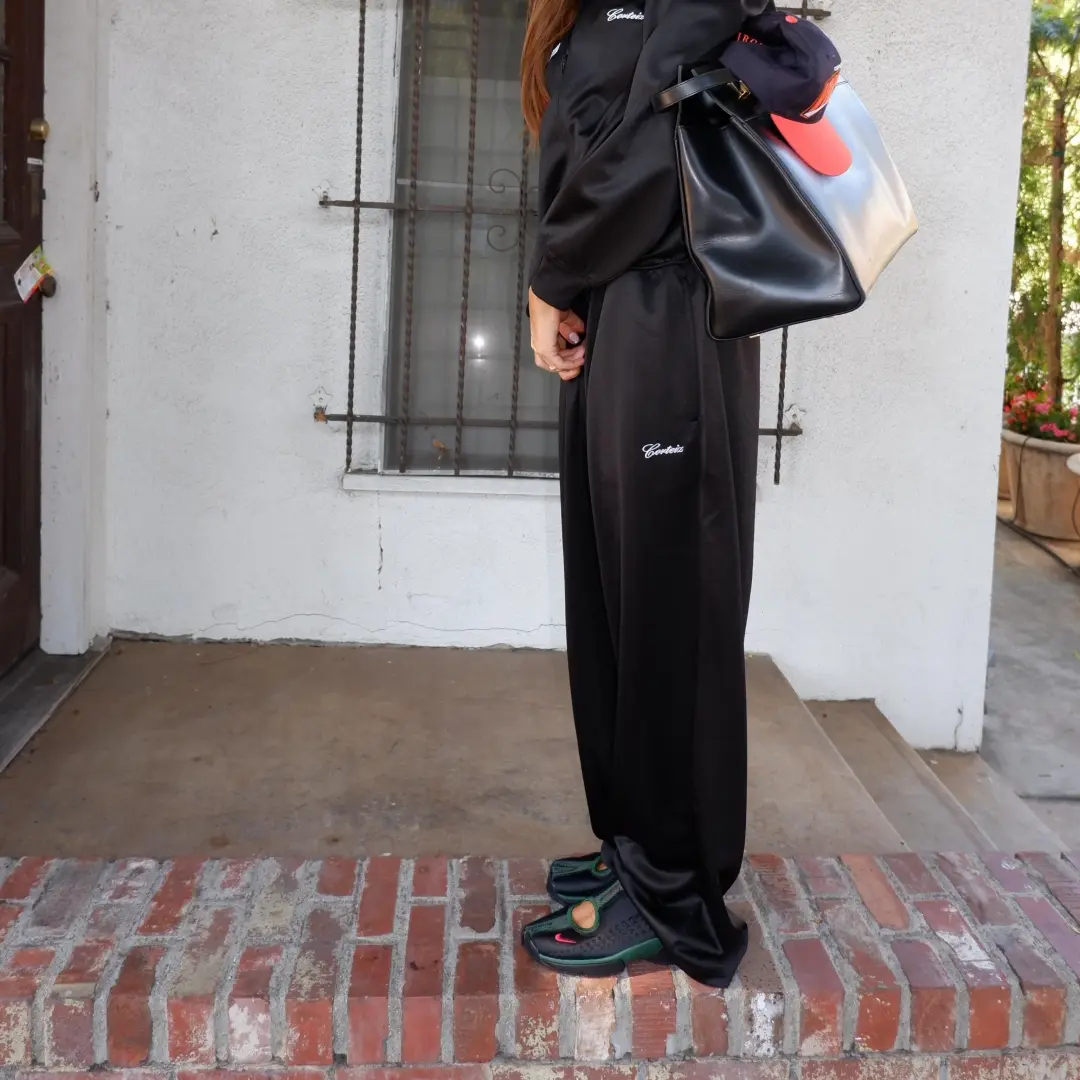
- Athleisure: Wear with leggings or track pants to highlight performance.
- Elevated: The quirky design complements minimalist or high-fashion looks, much like its Harajuku legacy.
Durability should be solid for casual use, with the rubber outsole providing good grip on varied surfaces. Maintenance is straightforward—spot clean the mesh and avoid harsh chemicals on the suede-like accents if present.
rel
The Nike W Air Rift 2 “Kenya” arrives at a perfect time. Shoe culture embraces archival revivals with modern tweaks, and the Rift’s barefoot-inspired innovation feels fresh amid wellness and natural-movement trends. As part of Nike’s SNKRS Verified series, it signals continued investment in lesser-known gems.
Iit offers accessibility without sacrificing heritage. Expect availability via Nike.com, SNKRS app, and select retailers in Summer 2026. Early buzz suggests strong demand, so monitor for raffle and release info.
fin
The Air Rift 2 “Kenya/Black/Team Dark Green” isn’t just another retro—it reconnects with Nike’s innovative spirit. From Kenyan runners’ barefoot efficiency to 90s experimentation and today’s fashion relevance, this shoe embodies curiosity and boundary-pushing. Its split toe remains delightfully weird, inviting stares and conversations.
Read Drift’s related feature, review: Nike Air Liquid Max “Black/Team Red”.
From the DRIFT archive: A Cult Classic in Orbit: The Tecnica Moon Boot Icon Nylon Boots Reimagined for Modern Winter · Palace x Nike Air Max DN8 “Safety Orange”: High-Visibility Energy Meets London Street Logic
Related Articles
Nike A’Two “Potion No. 22” Gives A’ja Wilson a Mismatched Horror Double Bill
Two shoes, two monsters: A’ja Wilson’s Halloween A’Two splits blood splatter and honeycomb across a […]