DRIFT AUDIO
Listen to this story
Choose a voice, then press play.
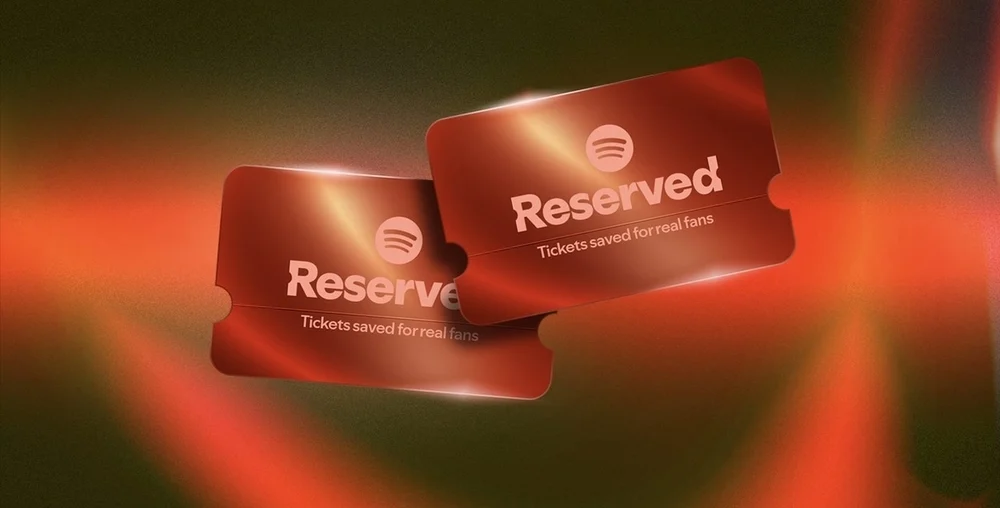
In the chaotic world of modern concert ticketing, getting seats to see your favorite artist often feels like entering a digital gladiatorial arena. Bots swarm presale pages, scalpers hoard inventory with scripts and multiple accounts, and dedicated fans—those who have streamed an album hundreds of times, shared every new single, and built playlists dedicated to the artist—are left refreshing pages in frustration or paying exorbitant resale prices. On May 21, 2026, during its Investor Day, Spotify announced a bold new feature called Reserved to change this dynamic. The streaming giant will identify an artist’s most dedicated fans and hold up to two tour tickets for them, offering a dedicated purchase window before tickets go on sale to the general public.
This isn’t just another presale code or fan club perk. Reserved leverages Spotify’s unparalleled listening data to reward genuine fandom, potentially reshaping how live music experiences are distributed in an era dominated by secondary markets and frustration. With a multiyear partnership with Live Nation, the world’s largest concert promoter, the program launches in the U.S. this summer for eligible Premium subscribers aged 18 and older, with international expansion planned.
Introducing Reserved. Concert tickets held just for you based on your listening 🎫 Stay tuned – Reserved tickets are coming to Premium users in the US. pic.twitter.com/BqGttMJHFI
— Spotify (@Spotify) May 21, 2026
stir
Concert ticketing has long been broken. High demand for popular artists leads to instant sell-outs, often driven by automated bots rather than human fans. Resale platforms like StubHub or Viagogo then flood the market with tickets at 2-10x face value. Artists like Taylor Swift have famously battled this during her Eras Tour, implementing Verified Fan systems and lottery-style presales, yet issues persist. Many true supporters miss out, while opportunists profit.
Spotify positions Reserved as a data-driven antidote. “No racing against thousands of other fans, no hunting for codes, just a reserved window to purchase,” the company stated. “You show up for the artist, Spotify shows up for you.” Rene Volker, Spotify’s senior director of live music, emphasized during the announcement: “Because you’ve earned them.”
By focusing on “real fans,” Spotify hopes to divert a meaningful portion of tickets directly to the people who sustain artists’ careers through consistent streaming, playlist curation, and engagement—behaviors that generate the royalties and view artists rely on in the streaming economy.
flow
The mechanics are straightforward yet sophisticated. For select newly announced tours, participating artists (details on which artists or how many tickets per show remain undisclosed) can allocate a portion of inventory to Reserved. Spotify’s algorithms analyze a Premium user’s activity: total streams of the artist’s catalog, recent listening habits, shares, saves, playlist adds, and other on-platform signals.
To combat gaming the system, Spotify monitors for suspicious behavior—such as “sleep streaming” (leaving tracks playing unattended) or bot-like patterns—and validates human fans. Only Premium subscribers qualify, reinforcing the company’s push toward its paid tier.
Eligible top fans receive notifications via email and in-app alerts. They then have roughly a 24-hour window to purchase up to two tickets. Fans can select shows on the tour (not limited to their immediate area, though proximity factors into eligibility), choose seats, and complete the transaction through third-party partners like Ticketmaster. There are no additional fees from Spotify itself—standard ticketing fees from the seller still apply—and tickets are non-transferable initially to deter immediate resale.
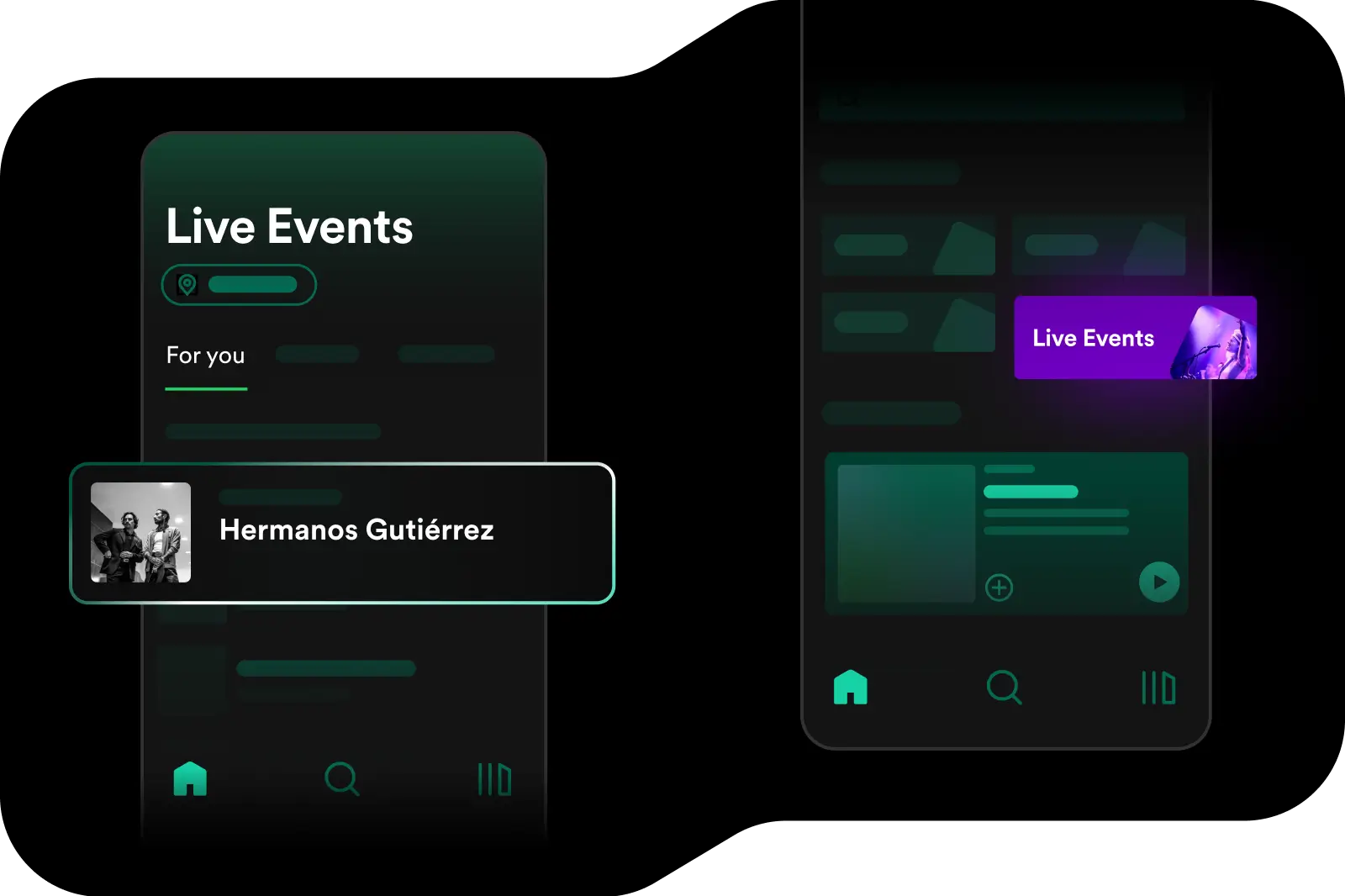
Users must have their preferred concert locations set in the app and notifications enabled in the Live Events feed for the best chance. Not every superfan will receive an offer due to limited inventory; it’s selective by design.
This builds on Spotify’s existing “Fans First” presale campaigns, which have already given early access to targeted listeners for artists like Knocked Loose and others. Reserved takes it further by making the reward more personalized and tied directly to measurable dedication.
evolve
Spotify has been expanding beyond audio streaming for years. Features like Concerts Near You, personalized event recommendations, and ticket links in the app have made it a discovery-to-purchase hub. The company reports strong growth in its live events vertical, with seamless integration lifting fandom.
The Reserved announcement coincided with broader Investor Day updates, and Spotify’s stock rose notably in response, reflecting investor optimism about new revenue streams and user retention. While Spotify doesn’t take a cut on the ticket sales themselves, the feature encourages Premium subscriptions (required for eligibility) and deeper platform engagement. Users motivated to climb the “top fan” ranks may stream more, share more, and stay loyal—indirect but powerful business benefits.
The Live Nation partnership is crucial. As the dominant force in promotion and ticketing (via Ticketmaster), Live Nation’s involvement ensures inventory allocation and logistical feasibility at scale. This collaboration could set a precedent for other platforms or deepen Spotify’s influence in the live sector, which has rebounded strongly post-pandemic but remains plagued by accessibility issues.
scope
For fans, the upside is clear: reduced stress and higher odds of attending shows without entering the resale lottery. A dedicated window removes the panic of general onsales. For casual-to-moderate listeners who don’t obsess over every release, it may incentivize more intentional engagement—perhaps diving deeper into an artist’s back catalog or sharing tracks—to improve their chances next time.
Artists stand to gain loyal audiences in seats rather than empty ones filled by scalpers who may not even attend. True fans sing along, buy merch, and create the electric atmosphere that makes concerts memorable. This could foster stronger artist-fan bonds and encourage more touring, as reliable attendance reduces financial risks for mid-tier acts.
For the industry, Reserved represents an experiment in merit-based allocation. If successful, it could pressure secondary markets and influence other ticketing innovations. By filtering out bots more effectively than broad presales, it might reduce overall scalping. Spotify claims it will help ensure more tickets “go straight to fans instead of scalpers.”
Economically, it aligns incentives in the streaming era. Artists earn fractions of a cent per stream, so live performances are their financial lifeline. Rewarding heavy streamers helps close that loop, potentially increasing overall ecosystem value.
challenge
Not everyone is enthusiastic. Some view it as a “pay-to-play” scheme that further entrenches Spotify’s dominance and Premium subscriptions. Free users, even dedicated ones, are excluded. Others worry about algorithmic fairness: Does “top fan” status favor listeners with insomnia who leave playlists on repeat, or those in regions with higher streaming access? Critics like music commentator Anthony Fantano have highlighted inconsistencies in how streaming data correlates with genuine passion.
Scalpers may adapt—creating multiple Premium accounts or using proxies—though Spotify’s monitoring aims to counter this. Limited availability means many superfans will still miss out, potentially breeding resentment. Non-transferable tickets help initially but could frustrate legitimate buyers with emergencies.
Privacy concerns arise too. While Spotify already tracks listening habits extensively, explicitly using them for ticket access makes the data’s power more visible. There are also questions about market power: Spotify and Live Nation together wield significant influence, raising antitrust eyebrows in some quarters, though the feature is framed as fan-friendly.
Comparisons to existing systems are inevitable. Taylor Swift’s Verified Fan and Capital One presales, artist fan clubs, and lottery models have mixed success. Reserved’s data advantage—tied to actual consumption—could prove more equitable, but execution will determine its reputation.
culture
This launch arrives amid evolving music consumption. Streaming dominates revenue, yet live events drive cultural moments and profitability. Post-COVID, fans crave in-person experiences more than ever, but economics (inflation, dynamic pricing) have made them costlier.
Technologically, Reserved showcases Spotify’s AI and data capabilities. Machine learning models weighing multiple engagement signals could evolve to incorporate more factors—like attendance history at past shows (if integrated) or community contributions. Future iterations might include tiered rewards or integration with Spotify’s other features, such as collaborative playlists or artist radio.
Globally, expansion beyond the U.S. will face challenges: varying ticketing laws, promoter relationships, and data privacy regulations (e.g., GDPR in Europe). Cultural differences in fandom expression might require algorithm tweaks.
For emerging artists, Reserved could be transformative, helping build core audiences without massive marketing budgets. For superstars, it offers a tool to nurture their most passionate base amid arena-scale demand.
prep
While rollout details are forthcoming, proactive steps help:
- Subscribe to Spotify Premium if not already.
- Set preferred locations in the app.
- Enable Live Events notifications.
- Engage authentically: stream regularly, save tracks, add to playlists, share with friends.
- Follow artists you love closely for tour announcements.
Early tests with select tours this summer will reveal real-world effectiveness. Spotify encourages turning on notifications to stay ready.
fin
Reserved is more than a ticketing tweak—it’s a statement about valuing sustained support over fleeting hype. In a fragmented attention economy, it reaffirms that deep listening and engagement matter.
Success depends on transparency, fairness, and measurable impact on scalping. If it delivers tickets to genuine fans without excessive friction, it could become a model emulated across the industry. Skeptics will watch for unintended consequences, like further platform lock-in or disputes over who qualifies as a “real” fan.
Ultimately, Spotify’s bet is that rewarding the people who know every lyric will create better shows, happier artists, and a healthier music ecosystem. For millions of fans tired of losing out to bots, that promise is worth streaming for. As one fan put it in early reactions: “Being a top listener finally means something.”
The coming months will test whether data-driven fandom can outmaneuver the scalpers. For now, the dedicated among us have reason to feel optimistic—and perhaps hit play on that favorite album one more time.
From the DRIFT archive: Inside the World’s Most Iconic Ski Experiences · In The Making: Live-Action Legend of Zelda in New Zealand