DRIFT AUDIO
Listen to this story
Choose a voice, then press play.
A new Work Blue/Aluminum colorway lands as Nike’s chunky platform sandal quietly builds out one of its deepest rotations yet.
In This Story
- A New Colorway Joins a Growing Family
- What the Halo Actually Is
- Reading This Particular Colorway
- Where It Fits in Nike’s Bigger Sandal Push
- Available
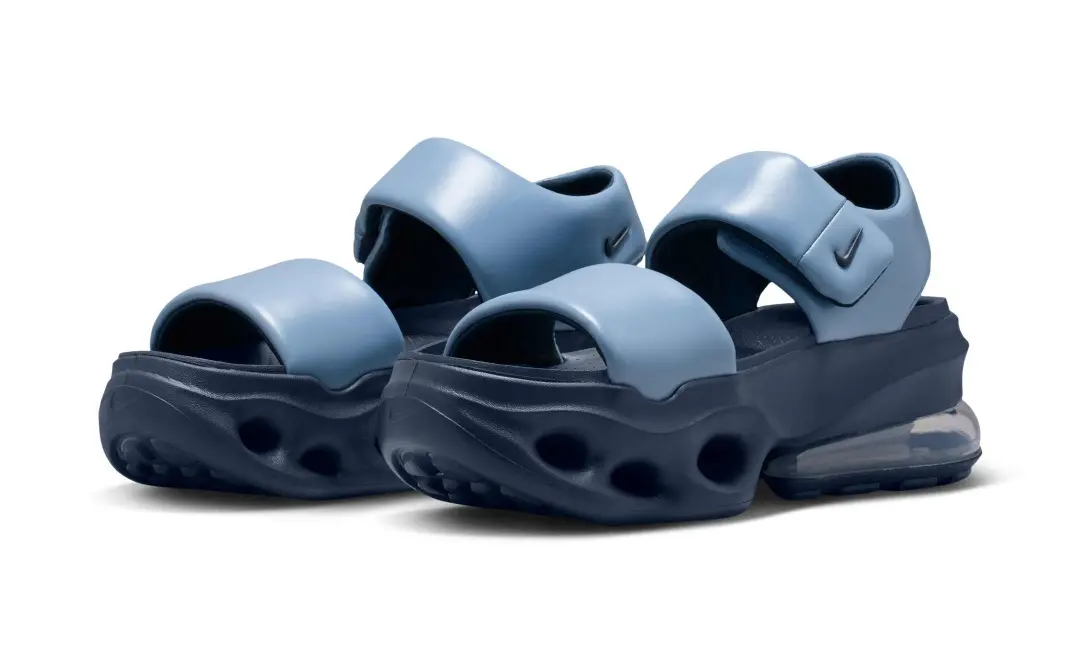
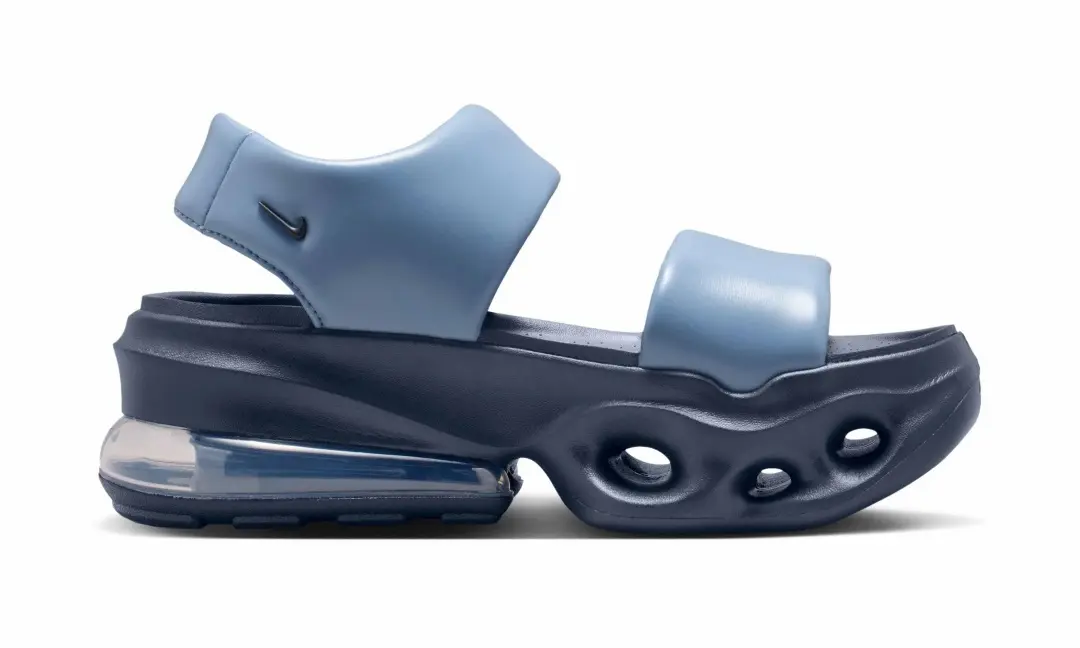
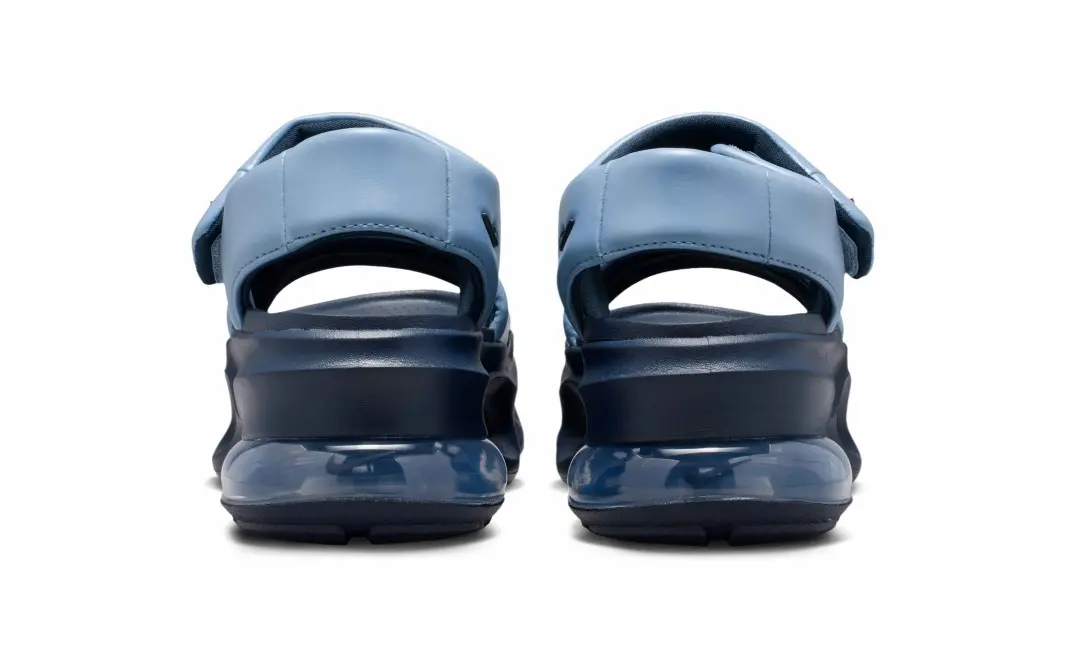
Nike has quietly turned the Air Max Halo into one of the more prolific silhouettes in its women’s lineup this year, and the newest addition, style code IO1959-400 in a Work Blue and Aluminum finish, arrived through Japanese retail on July 12. It joins a colorway list that already includes a Hydrogen Blue and Football Grey pairing, a Metallic Cool Grey and Black option, a Light Magenta multi-tone version, and a stark White and Anthracite build, all moving through the same construction with only the palette changing hands.
Retail listings for the Work Blue release, including one carried by Tokyo retailer Kinetics, price the shoe at 13,530 yen and file it under the brand’s 2026 fall and winter offering, running across a 23 to 26 centimeter women’s size range. That sizing window, along with the retailer positioning it inside a womenswear sandal category rather than a sneaker one, is worth sitting with for a second, because it says something about how Nike itself is framing this shoe.
View this post on Instagram
It also says something about how these releases tend to reach the wider world these days. Rather than a single global drop announced through Nike’s own channels, the Halo’s colorway rotation has been rolling out market by market, with Japanese retail frequently getting first access to a given pairing before it surfaces elsewhere, if it surfaces elsewhere at all. Several earlier colorways in this same family, including the brighter Hydrogen Blue pairing released earlier this year, followed an identical pattern: a Japanese listing first, international attention second.
stir
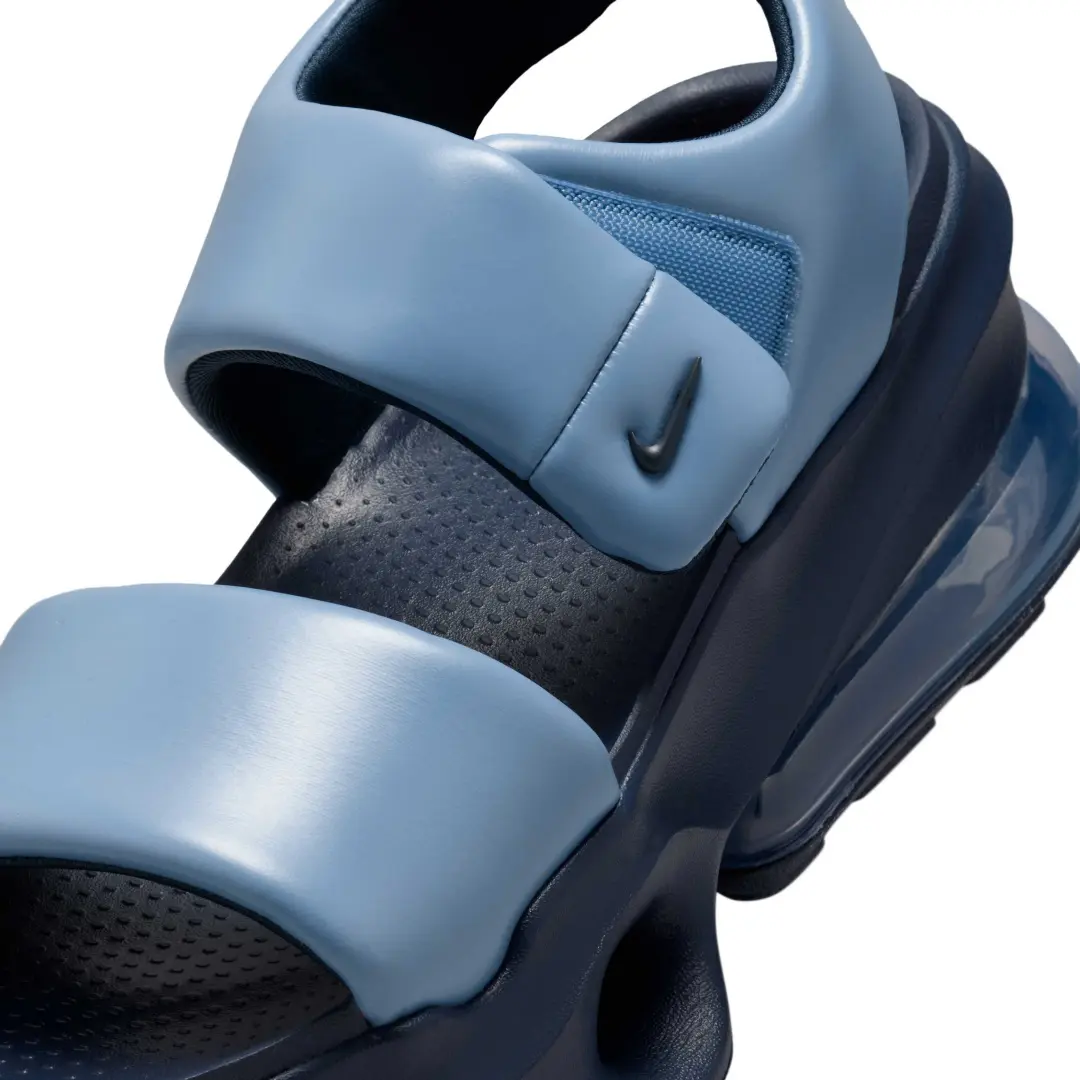
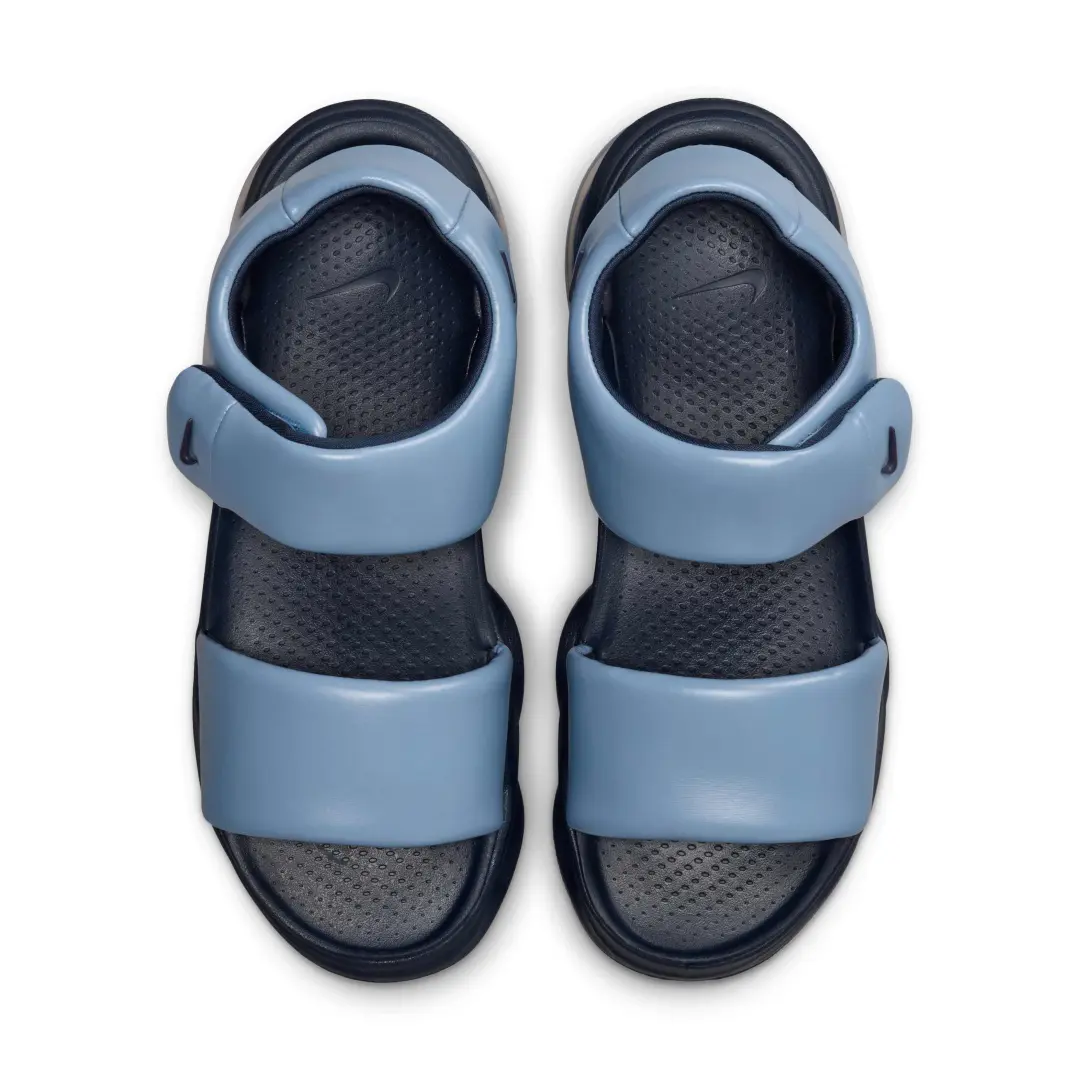
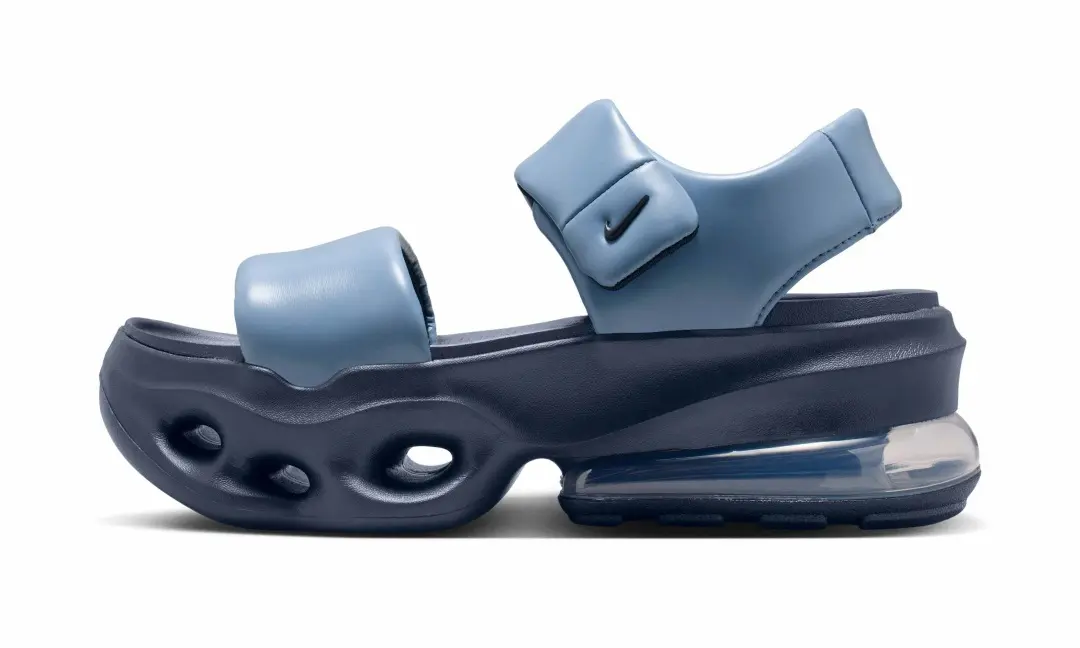
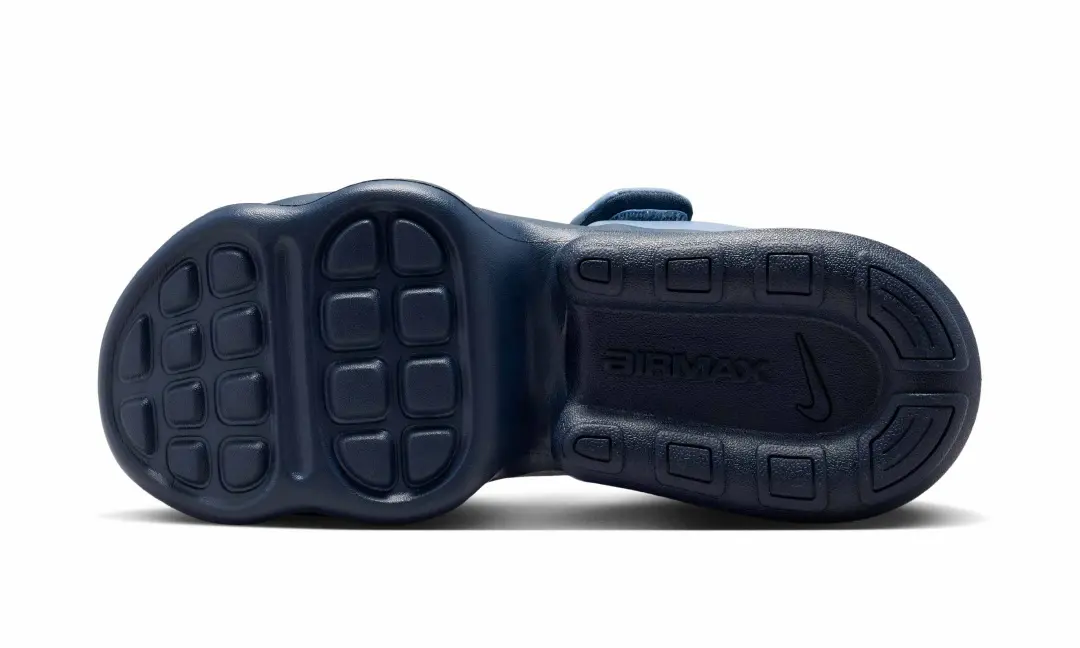
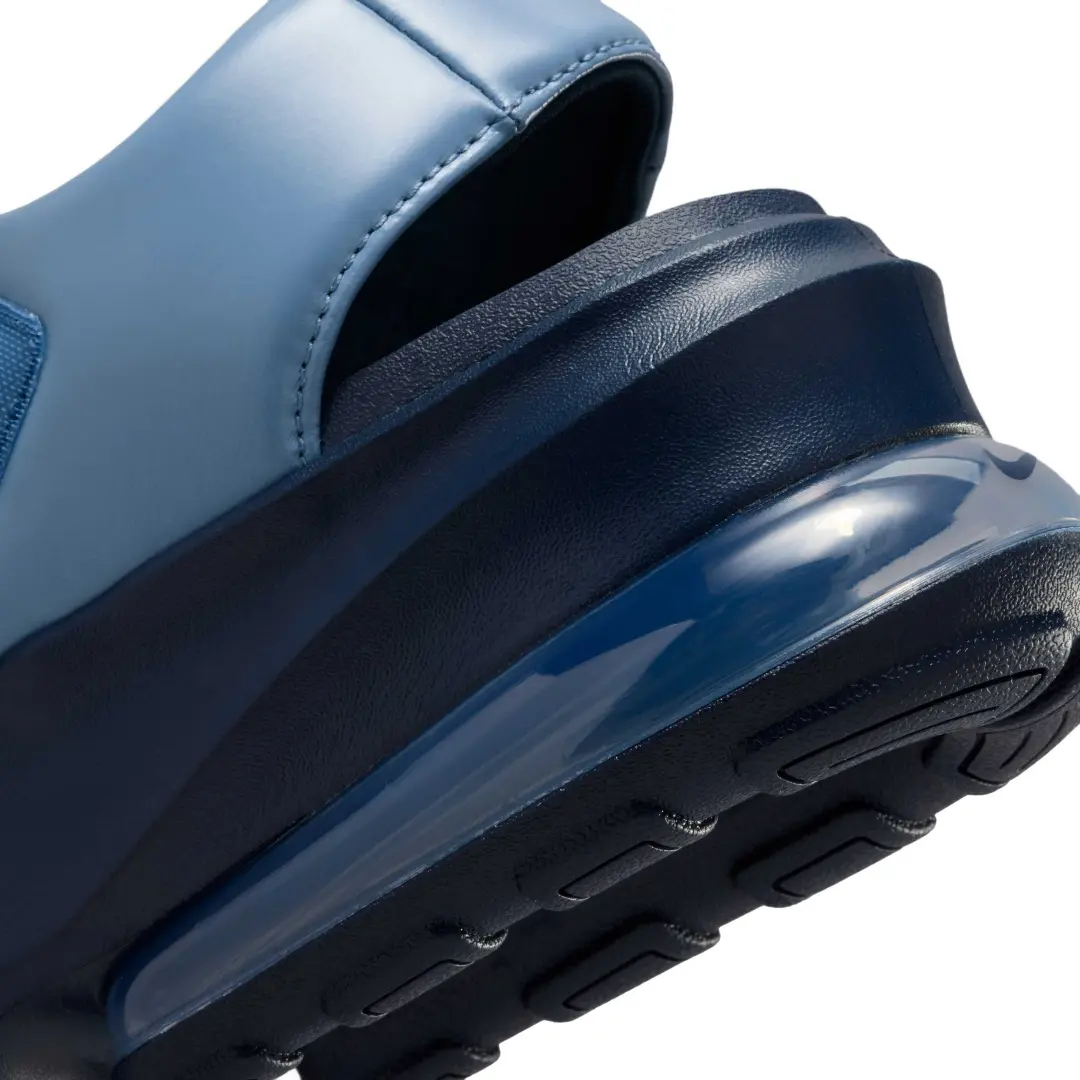
The Air Max Halo is not, technically, a shoe at all. Nike’s own product copy describes it as a platform sandal built for both bare feet and socks, with a padded and adjustable upper that slips on rather than laces up. A textured footbed and a sturdy strap construction are there to keep the foot from sliding around on what is otherwise a fairly aggressive stack height, and that stack is doing a lot of the view work: the midsole is loaded with view Air, soft foam, and a layer of see-through cushioning stacked into a genuine platform rather than a subtle wedge.
It is a shoe designed to read as a hybrid from across the room, something that borrows a sneaker’s cushion lang and applies it to a form nobody would mistake for a sneaker up close. Minimal branding and a textured synthetic leather upper keep the detailing restrained, which puts almost all of the visual weight on the colorway itself and the sheer scale of the sole unit underneath it.
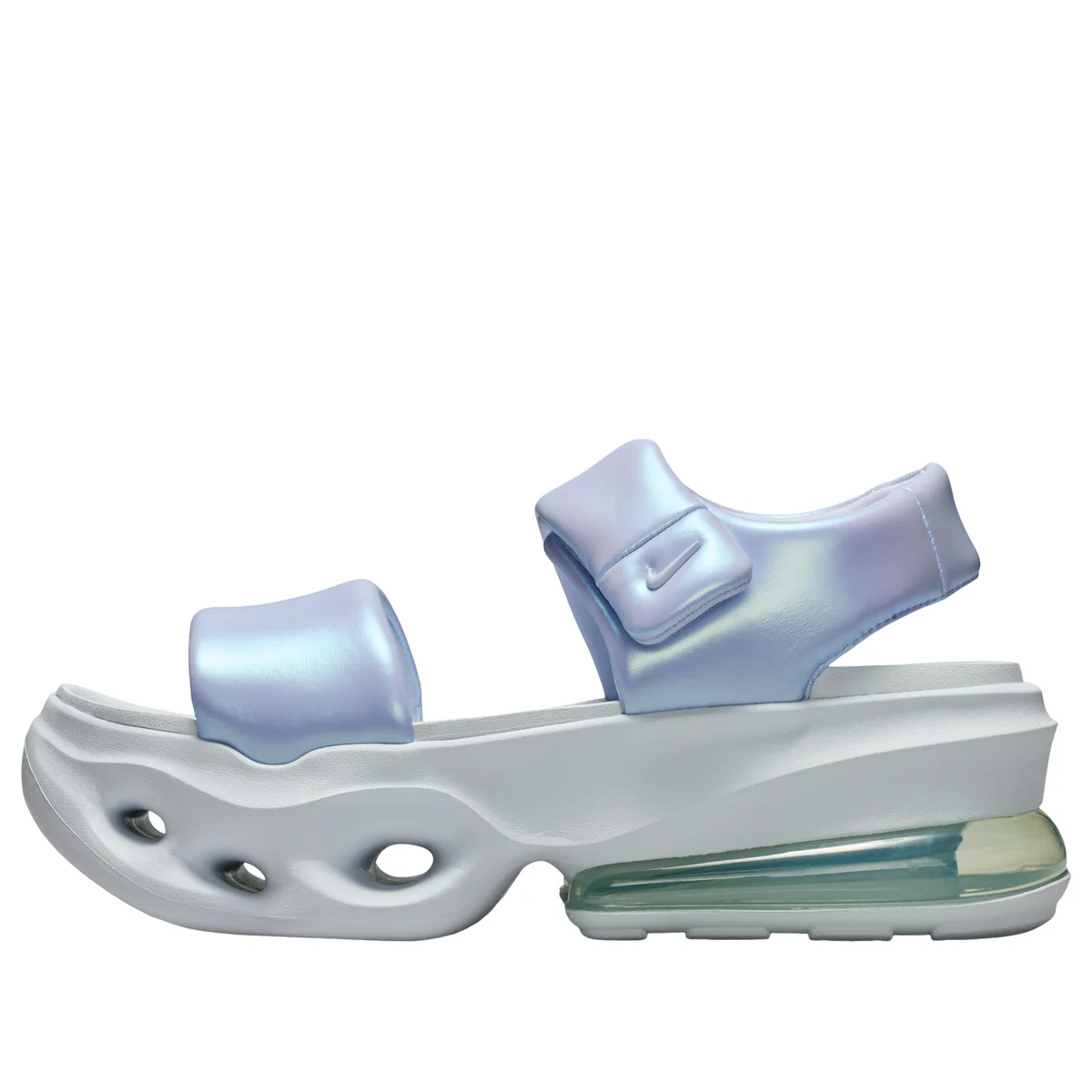
The Nike Air Max Muse sandal combines an iridescent upper with a sculpted foam platform and visible Air cushioning for a bold, futuristic summer silhouette.
This is not an entirely new idea for Nike, but the Halo pushes it further than most of what came before it. Where earlier Air Max slides tended to treat the sole as a supporting element beneath a fairly conventional slide upper, the Halo inverts that relationship. The platform is the point. The strap system exists mostly to keep a foot anchored to what is, functionally, a small tower of cushioning, and the shoe’s proportions make no attempt to disguise that fact.
show
Work Blue sits toward the deeper, more saturated end of Nike’s blue family, closer to a workwear denim than the lighter Hydrogen Blue used on an earlier release this spring. Paired with Midnight Navy accents and an Aluminum grey running through the sole and strap hardware, the combination reads considerably more grounded than the brand’s earlier Halo drops, several of which leaned into brighter magenta and cream tones aimed squarely at a warm-weather rollout.
That shift toward a cooler, more muted palette lines up with the shoe’s positioning as part of Nike’s fall and winter 2026 offering rather than a spring or summer release, and it suggests the Halo is being treated less as a single seasonal moment and more as a running platform that Nike intends to keep dressing differently as the calendar turns over. A shoe that can be marketed in Hydrogen Blue for spring and Work Blue for fall is a shoe a brand has decided to commit to rather than test once and move on from.
flow
The Halo’s arrival reflects a wider pattern across Nike’s current output: chunky, Air-forward sandals aimed at a customer who wants the cushioning and view bulk of a running shoe without committing to a closed toe box. It sits alongside other recent Air Max sandal offshoots in Nike’s women’s catalog that lean on the same idea, taking a recognizable Air Max cushioning stack and rebuilding the upper around a strap system rather than a traditional lace closure.
That approach lets Nike push a single midsole tooling across a much wider release calendar than a standard sneaker silhouette would allow, since a strap-based upper is comparatively cheap to reskin into new colorways compared to reworking a full knit or leather sneaker upper each season. It is a practical strategy as much as a design one, and the Halo’s colorway count this year alone suggests it is working.
fin
The Work Blue and Aluminum pair has surfaced through Japanese retail first, with Kinetics listing all four available sizes as in stock at the time of writing. Domestic Japanese coverage of the broader Air Max Halo rollout, including earlier colorway drops, has run through outlets like SNKRS app, which has tracked the sil’s staggered release pattern across the region over the past several months. A wider release through Nike’s own retail channels and other stockists had not been confirmed at the time of writing, and pricing outside Japan was not yet available.
For now, the safest assumption is that Work Blue and Aluminum follows the same path as its predecessors: a Japan-first window, a gradual appearance on secondary marketplaces as the pair reaches overseas buyers, and, if past colorways in this family are any indication, an eventual but unconfirmed listing through Nike’s own regional storefronts. Buyers outside Japan hoping to secure a pair early should expect to work through import-friendly retailers in the near term rather than Nike’s direct channels.
Related Articles
NIKE AIR FORCE 1 07 LOW “Black/Velvet Brown”
Air Force 1 07 Low. FJ4146-006. Black/Velvet Brown/Coconut Milk. 16 October 2026. ¥16,500. Leather that softens with wear.