

DRIFT AUDIO
Listen to this story
Choose a voice, then press play.
Ibiza has always existed in layers. The island performs itself on the surface—sun-bleached, rhythmic, open-ended—but its most meaningful cultural shifts tend to occur beneath that brightness, in spaces where intention overrides spectacle. Nocturna arrives in Summer 2026 as one of those spaces.
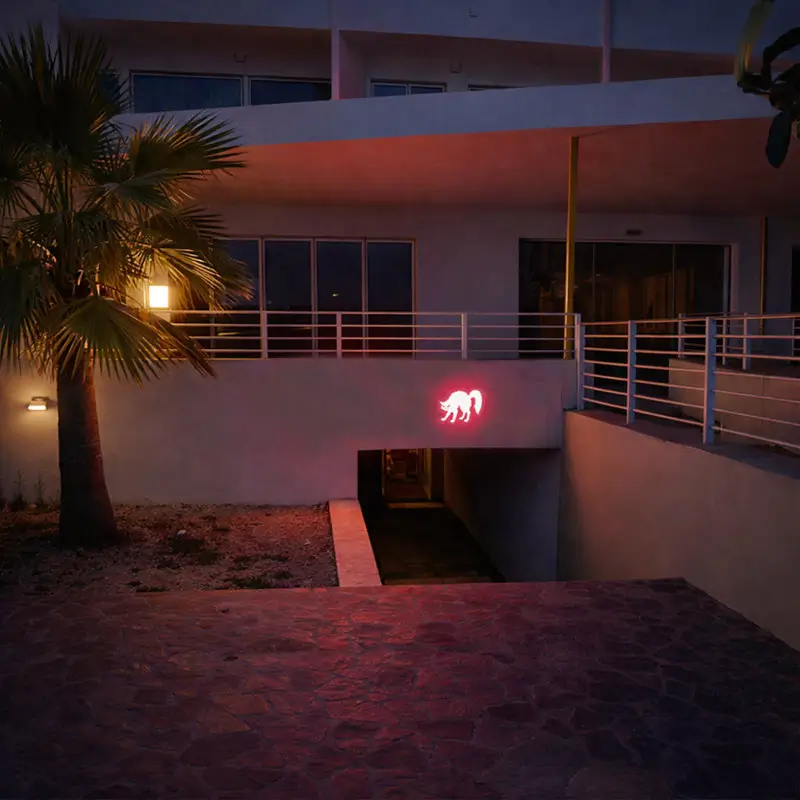
Developed by Concept Hotel Group in flow with Tokyo Industries, Nocturna is not positioned as another addition to Ibiza’s exhaustive club circuit. Instead, it proposes a recalibration. Located beneath Los Felices Ibiza in Cala de Bou, the venue houses just 380 people—a deliberate constraint that signals its priorities before a single track is played.
This is not about scale. It is about attention.
View this post on Instagram
idea
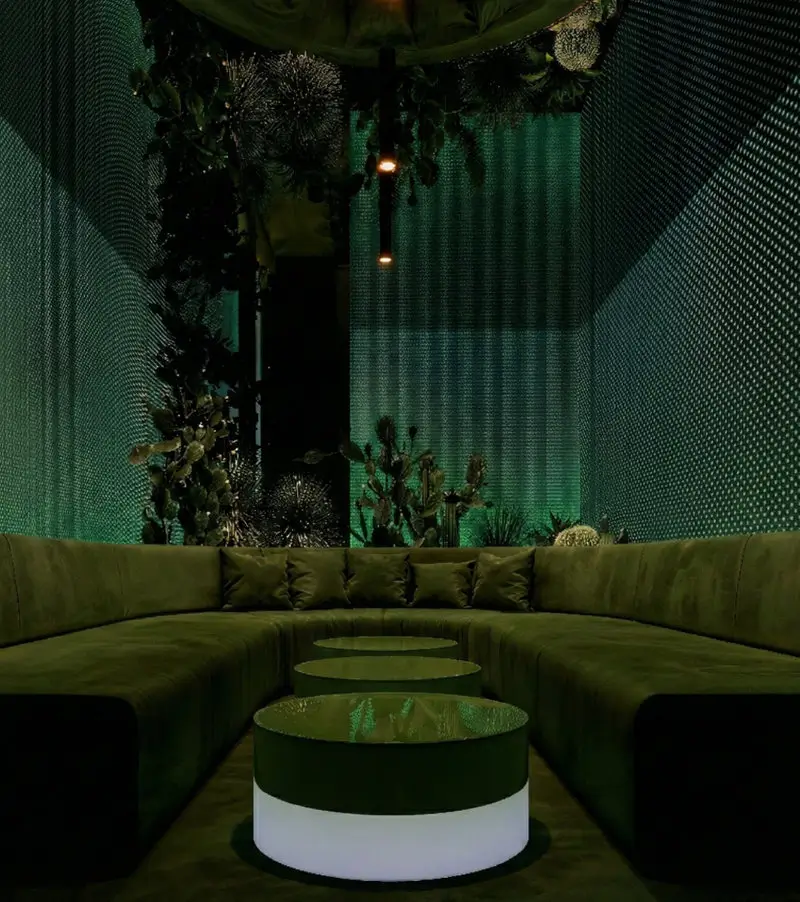
To enter Nocturna is to move away from Ibiza’s default language of excess. The descent beneath Los Felices is not theatrical—it is gradual, almost meditative. There are no visual overloads, no LED cascades, no engineered moments for social capture. The design rejects distraction as a principle.
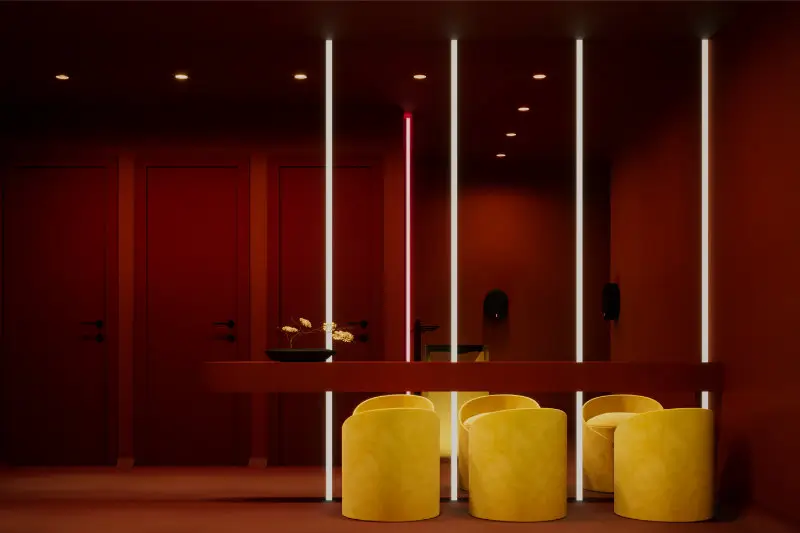
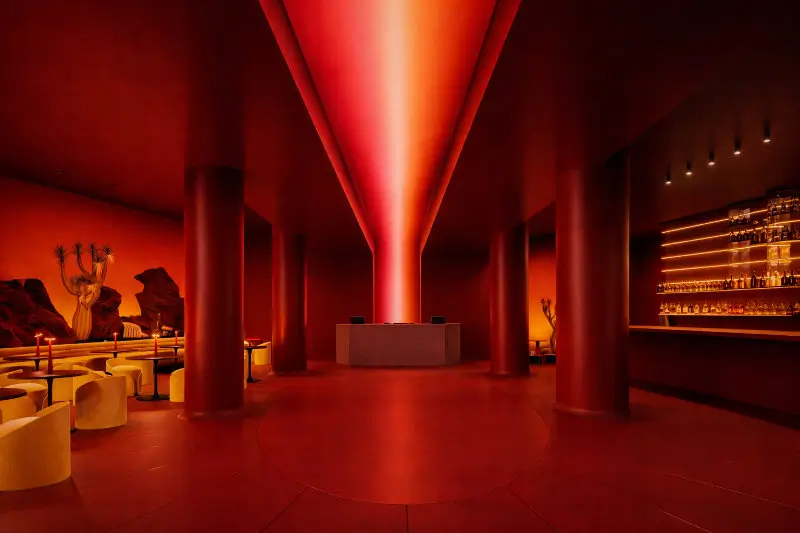
The space itself is shaped by restraint. Low lighting holds the room in a suspended twilight. Materials lean toward tactility rather than gloss—concrete, softened woods, acoustic fabrics. The DJ booth is not elevated as a spectacle stage but integrated as a focal instrument. It becomes less about watching and more about listening.
Capacity, capped at 380, is central to this architecture. It allows the room to behave as a single organism rather than a fragmented crowd. Movement is slower. Energy circulates differently. The room breathes.
This is what Nocturna understands: intimacy is not a side effect—it is a design choice.
stir
Perhaps the most radical element of Nocturna is also the simplest. Phones are not permitted on the floor.
In a nightlife economy increasingly shaped by documentation—where the experience is often secondary to its capture—Nocturna removes the device entirely. The result is not nostalgia but recalibration.
Without screens, time stretches. Tracks are not interrupted by notifications. Transitions feel longer, deeper. Conversations occur without the reflex of partial attention. The DJ’s role shifts from background facilitator to central narrator.
This decision aligns Nocturna with a broader cultural movement—one that resists the fragmentation of experience. In 2026, the idea of a “mobile-free space” has moved beyond novelty into necessity, particularly within environments designed for sensory immersion.
Ibiza, historically a site of both escapism and excess, becomes here a site of discipline.
flow
The phrase “listening room” is often used loosely in nightlife. At Nocturna, it is literal.
The programming prioritizes depth over breadth. Sets are expected to unfold rather than peak. Genres blur—ambient transitions into deep house, dub textures dissolve into experimental electronics. The focus is not on recognition but discovery.
This approach echoes the lineage of listening cultures found in cities like Tokyo and Berlin, where sound systems are treated as instruments and DJs as curators rather than performers. Tokyo Industries’ involvement is particularly resonant here, bringing with it a philosophy shaped by spaces that privilege fidelity, patience, and sonic narrative.
In Nocturna, music is not a backdrop. It is the event itself.
The absence of phones reinforces this dynamic. Without visual documentation, memory becomes the primary archive. The experience is internalized rather than externalized.
This is a quiet but profound shift.
theory
Ibiza’s identity has always been dual. Mega-clubs define its global image—vast rooms, headline residencies, high-production spectacles. Yet parallel to that has always existed a countercurrent of smaller, more intentional spaces.
Nocturna positions itself firmly within that countercurrent, but with a distinctly 2026 sensibility.
The contemporary clubgoer is navigating saturation. Festivals, streaming platforms, algorithmic playlists—music is everywhere, but often without context. What Nocturna offers is not more music, but more meaning.
It responds to a growing fatigue with spectacle. The desire now is not necessarily for bigger nights, but for better ones.
In this sense, Nocturna is less a club and more a correction.
show
The partnership between Concept Hotel Group and Tokyo Industries is not incidental. It represents a convergence of two distinct but complementary approaches to hospitality and nightlife.
Concept Hotel Group has built its reputation on creating spaces that feel curated rather than constructed—hotels and venues that carry narrative weight, often tied closely to their environment. Their projects in Ibiza have consistently leaned toward character over uniformity.
Tokyo Industries, by contrast, brings a more urban sensibility—one rooted in nightlife as a cultural practice rather than a commercial product. Their venues often emphasize programming, sound quality, and atmosphere as primary drivers.
Nocturna emerges at the intersection of these philosophies. It is both place and practice. A venue, but also a statement.
arena
Location, in Ibiza, is never neutral.
Cala de Bou sits slightly removed from the island’s most hyper-visible nightlife zones. It offers proximity without immersion—a vantage point rather than a center stage. Placing Nocturna beneath Los Felices reinforces this sense of intentional distance.
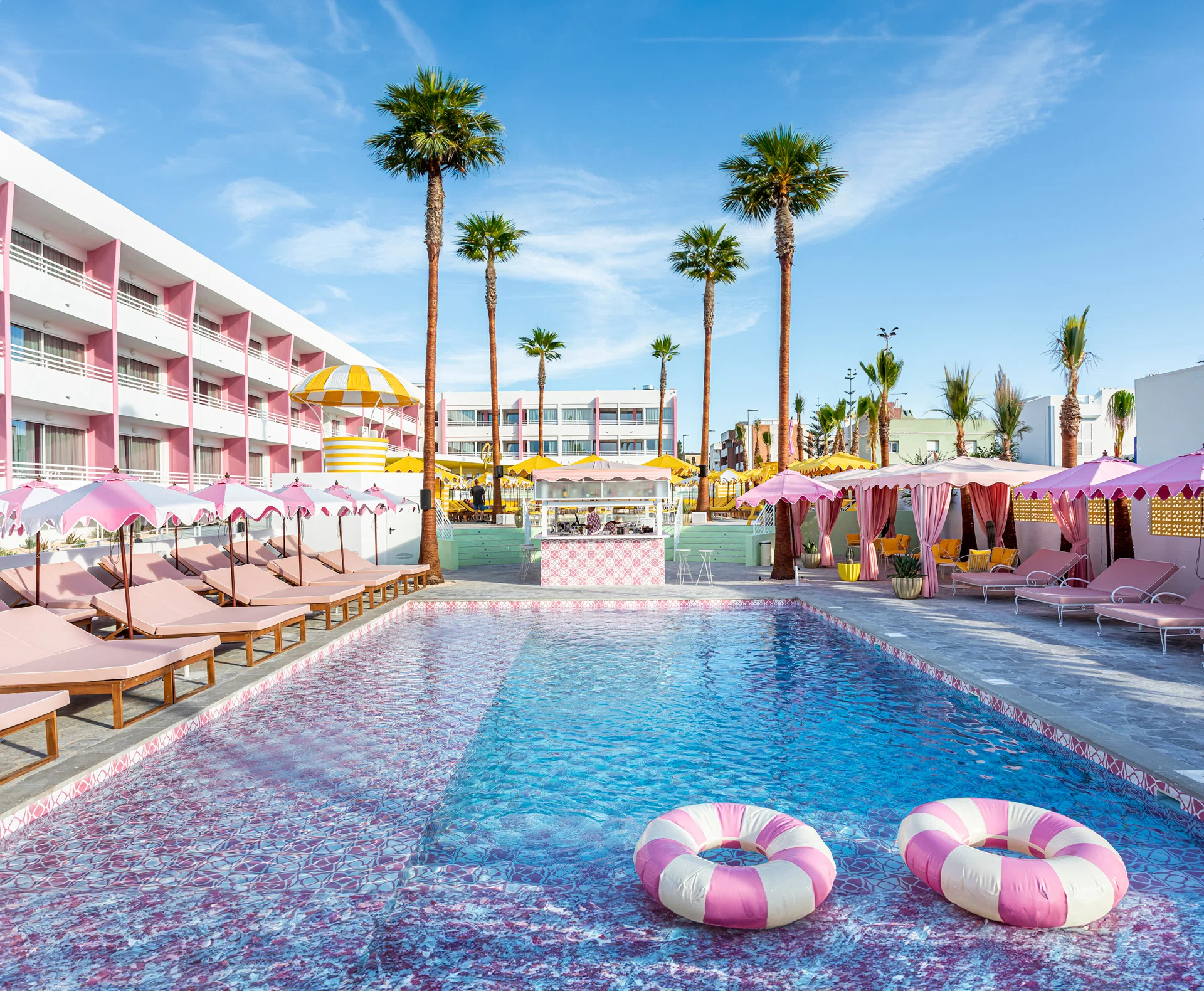
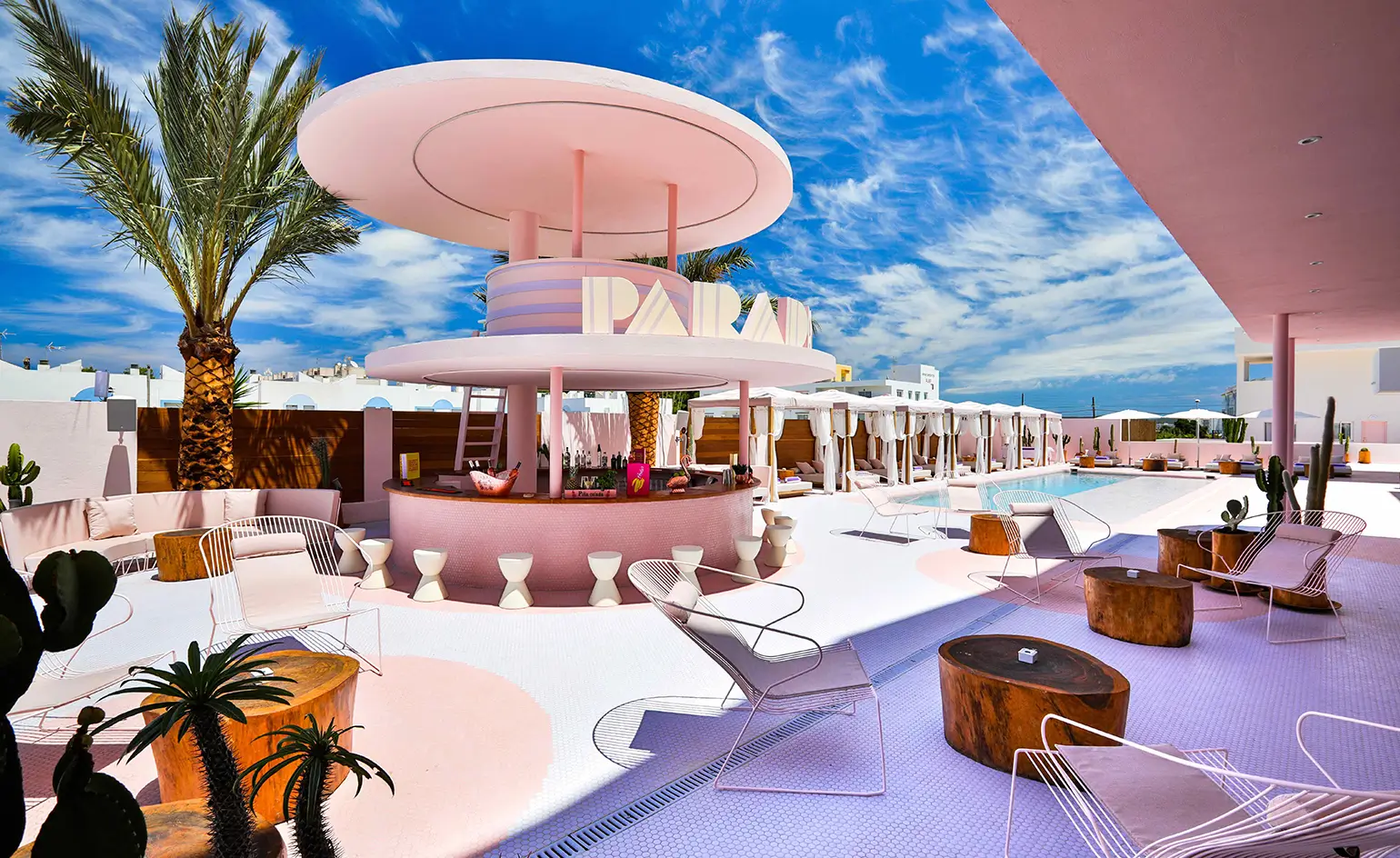
Los Felices Ibiza itself carries a distinct identity—playful, stylized, rooted in a certain retro-modern aesthetic. Nocturna, by contrast, operates in tonal opposition. Where the hotel engages visually, the club withdraws. Where the hotel presents, the club conceals.
This tension becomes part of the experience. Guests move from surface to depth, from image to sound.
It is a spatial metaphor for Nocturna’s broader ethos.
small
A capacity of 380 might seem modest by Ibiza standards, but it fundamentally reshapes the social dynamics of the night.
In larger venues, anonymity dominates. Individuals dissolve into scale. At Nocturna, presence is unavoidable. Faces become familiar. Movements are noticed. The crowd becomes participatory rather than observational.
This has implications for behavior. Without the distancing effect of scale or screens, engagement becomes more direct. Dancing is less performative, more instinctive. Conversations carry weight.
The room itself becomes a social instrument.
muse
Nocturna’s emphasis on sound extends beyond programming into the physicality of the system itself. While specific technical details remain deliberately understated, the intent is clear: fidelity over volume.
In many contemporary clubs, loudness substitutes for clarity. Nocturna reverses this hierarchy. The aim is not to overwhelm but to envelop—to create a sonic environment where detail is perceptible, where textures emerge.
This approach aligns with the broader listening room philosophy, where sound is treated as material rather than effect. The room becomes an acoustic chamber, tuned for immersion.
In such an environment, even silence carries weight.
shh
There is a certain radicalism in creating an experience that resists documentation.
In an era where nightlife is often mediated through feeds and stories, Nocturna insists on ephemerality. What happens in the room exists only in memory. There are no posts to revisit, no clips to circulate.
This absence changes the stakes. The night becomes less about validation and more about presence. There is no external audience—only those within the space.
It is a return, in some sense, to an older understanding of nightlife. One where the value of the experience was inherent, not performative.
discip
Summer in Ibiza has historically been associated with release—long nights, blurred edges, excess. Nocturna introduces a different kind of intensity.
Not less energy, but more focus.
The discipline of the space—its restrictions, its design, its philosophy—creates a different kind of freedom. One that is not about accumulation but about reduction. By removing distractions, the experience becomes sharper.
This is the paradox at the heart of Nocturna: limitation as liberation.
imply
Nocturna does not exist in isolation. It reflects a broader shift within nightlife culture—one that prioritizes depth, presence, and intentionality.
Across global cities, there has been a resurgence of smaller, more curated spaces. Venues that resist the logic of scale in favor of specificity. Nocturna translates this movement into the context of Ibiza, a place historically defined by its extremes.
In doing so, it challenges assumptions about what the island can be.
emotive
To leave Nocturna is to re-emerge into Ibiza’s familiar brightness, but with a subtle recalibration. The noise feels louder. The pace feels faster.
What lingers is not a highlight reel, but a sensation. A track remembered not as a clip but as a feeling. A moment experienced without interruption.
This is Nocturna’s offering.
Not spectacle, but memory. Not documentation, but presence.
fin
Nocturna arrives in Ibiza not as a disruption, but as a refinement. It does not reject nightlife—it distills it.
By placing sound at the center, by removing the mediations that have come to define contemporary experience, it creates a space where music can be encountered directly, without interference.
In Summer 2026, as Ibiza continues to navigate its own identity between heritage and evolution, Nocturna offers a quiet proposition.
Listen more closely.
Everything else follows.
Related Articles

Eric Haze Stitches a Nineties Friend Into TOKYO Capsule
Five pieces carry Eric Haze's embroidered tagging for TOKYO No.1 SOUL SET, sold online and in Osaka around the band's Oct 25 BAYCREW'S FESTIVAL set.