Northwestern University Scientists Revolutionize Construction Industry with Eco-Friendly, Carbon-Negative Concrete

March 23, 2025
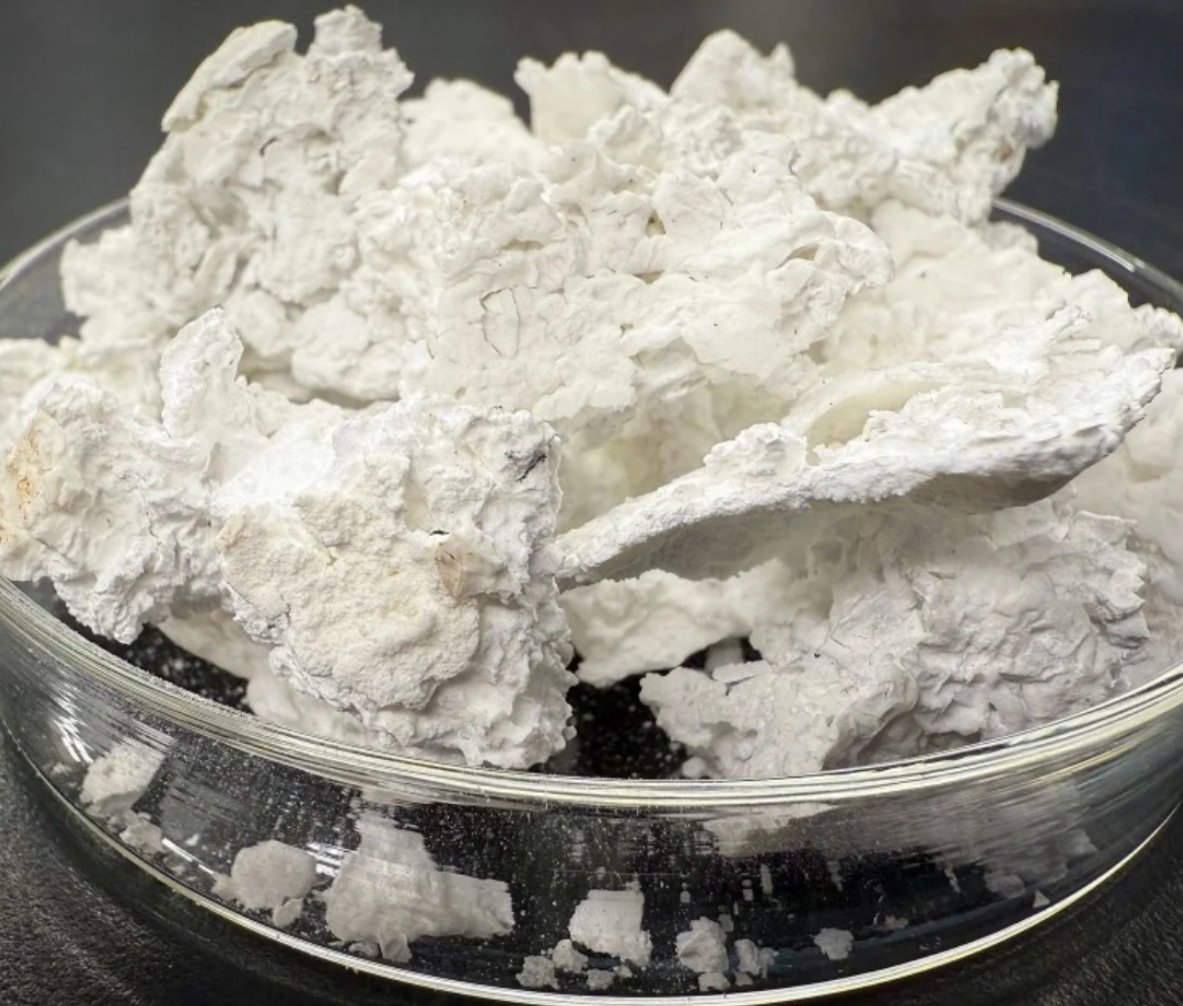
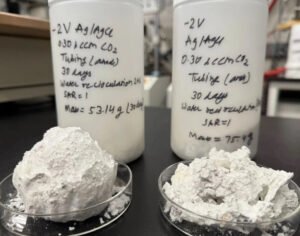
In a significant development set to transform the construction industry, scientists at Northwestern University have successfully created an innovative carbon-negative concrete using seawater and CO2. This revolutionary method not only addresses the environmental concerns associated with traditional concrete production but also contributes to the fight against climate change.
The Environmental Impression of Traditional Concrete Production
Concrete, the most widely used artificial material globally, forms the backbone of numerous structures. However, its production has a detrimental effect on the environment, as it contributes to pollution and is responsible for a substantial portion of global carbon emissions. Furthermore, the extraction of sand, a vital ingredient in conventional concrete, has led to the destruction of coastal areas, seafloors, and riverbeds.
A Revolutionary Solution: Carbon-Negative Concrete
The groundbreaking process developed by Northwestern University researchers utilizes seawater and CO2 as raw materials for producing concrete, eliminating the need for sand extraction. This novel approach results in a carbon-negative material that acts as a carbon sink, absorbing CO2 from the atmosphere during production and reducing greenhouse gas emissions.
Transforming the Construction Industry
The implications of this discovery are far-reaching, with the potential to completely revolutionize the construction industry and establish new standards for sustainable building practices. As the global community faces mounting pressure to address environmental issues, carbon-negative concrete presents a viable and scalable solution that can significantly reduce the carbon footprint of the built environment.
The Future of Carbon-Negative Construction
The development of carbon-negative concrete using seawater and CO2 serves as a testament to the power of innovation in addressing environmental challenges. As the construction industry adopts this game-changing technology, we can expect a significant shift towards more sustainable building practices and increased use of eco-friendly materials.
Impression
Northwestern University’s groundbreaking research on carbon-negative concrete has the potential to reshape the construction industry and contribute to global efforts in mitigating climate change. By offering a sustainable alternative to traditional concrete production, this innovative material lays the foundation for a greener and more resilient future.
Related Articles

The Heart Association Just Told Millions of Coffee Drinkers to Relax a Little
New guidance from the American Heart Association says up to five cups a day is […]