A New Chapter for NUMBER (N)INE: Takahiro Miyashita’s Debut Tee Drop Channels Post-Punk Spirit

March 11, 2026


In the cyclical world of fashion, where nostalgia frequently resurfaces as innovation, few names carry the mythic weight of Takahiro Miyashita. Revered for his emotionally charged approach to clothing and his deep connection to music culture, Miyashita has long occupied a singular space within Japanese fashion. After stepping away from TAKAHIROMIYASHITATheSoloist. in July 2025—a moment that sent ripples through the industry—the designer’s next move became a subject of intense speculation.
Two months later, in September 2025, the answer appeared: NUMBER (N)INE by Takahiro Miyashita. The announcement instantly reignited excitement among longtime fans of his earlier work, as the original Number (N)ine had achieved cult status throughout the 2000s. Known for blending punk, grunge, and high fashion with poetic storytelling, Number (N)ine represented a generation of fashion that drew heavily from music, subculture, and emotional introspection.
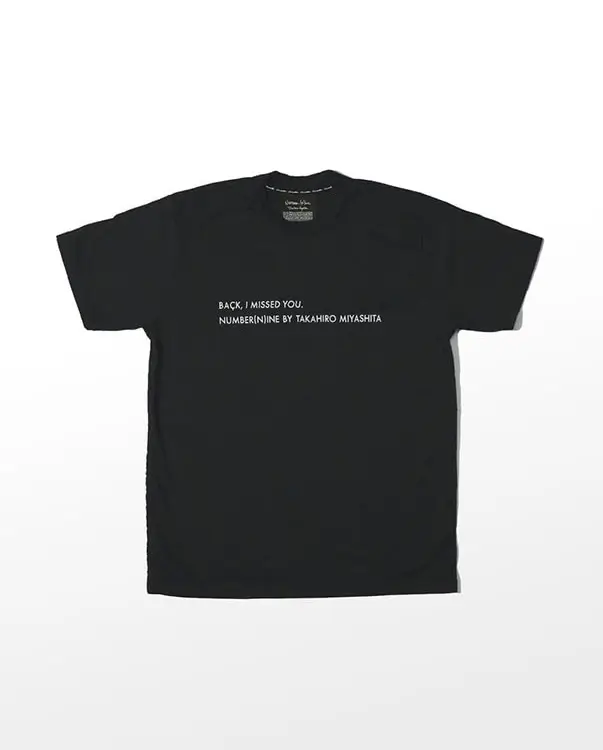
Now, with the first official drop—a concise yet symbolic collection of graphic T-shirts—the designer signals not only a return to familiar territory but also the beginning of a new chapter.
idea
From the beginning of his career, Miyashita treated clothing as a soundtrack. His collections rarely existed in isolation from music; instead, they referenced artists, album covers, and cultural moods that shaped entire eras. That sensibility continues with the debut NUMBER (N)INE by Takahiro Miyashita T-shirt collection.
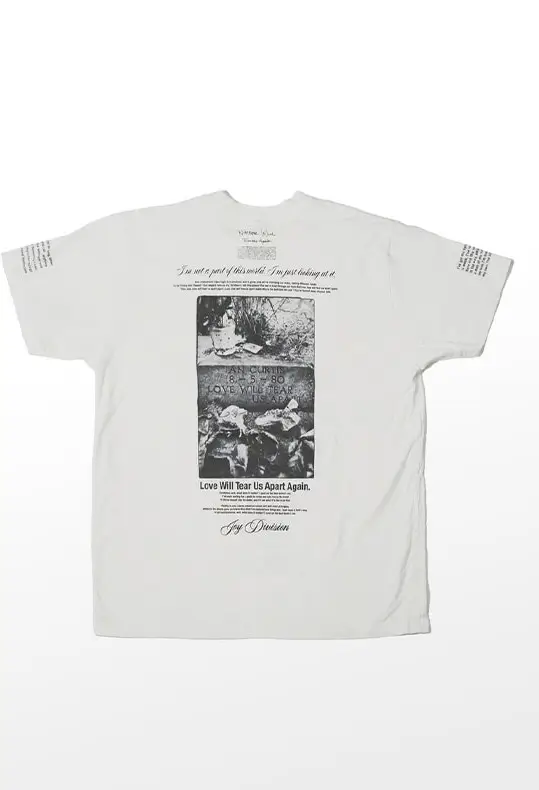
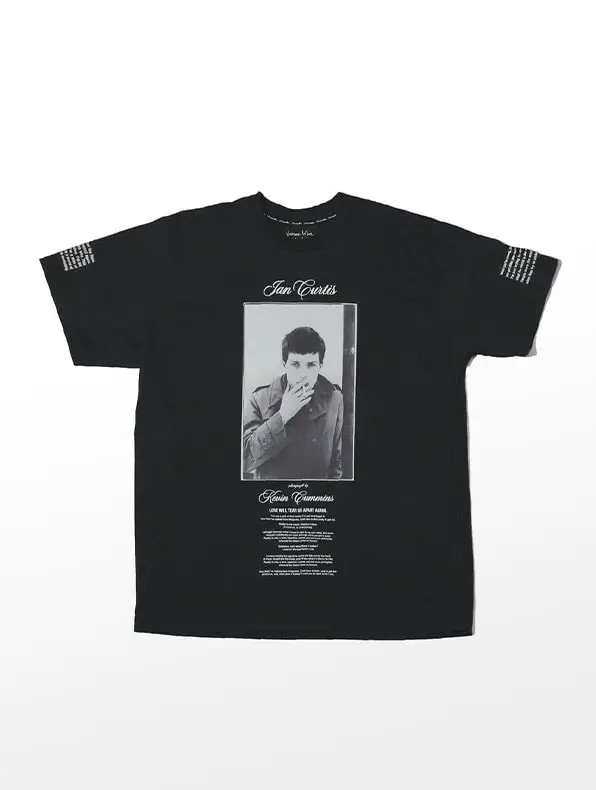
The first release features portraits of two legendary figures: Ian Curtis and Patti Smith. Each icon represents a specific emotional atmosphere that mirrors the designer’s long-standing aesthetic language.
Curtis, the late frontman of Joy Division, embodied a haunting introspection that resonated across late-1970s post-punk culture. Patti Smith, often described as the “punk poet laureate,” captured a different form of rebellion—one rooted in literature, spirituality, and artistic freedom.
For Miyashita, these figures are not simply references; they are emotional coordinates. Their presence on the garments connects the collection to the designer’s original Number (N)ine ethos, where clothing functioned as an expression of music-driven identity.
stir
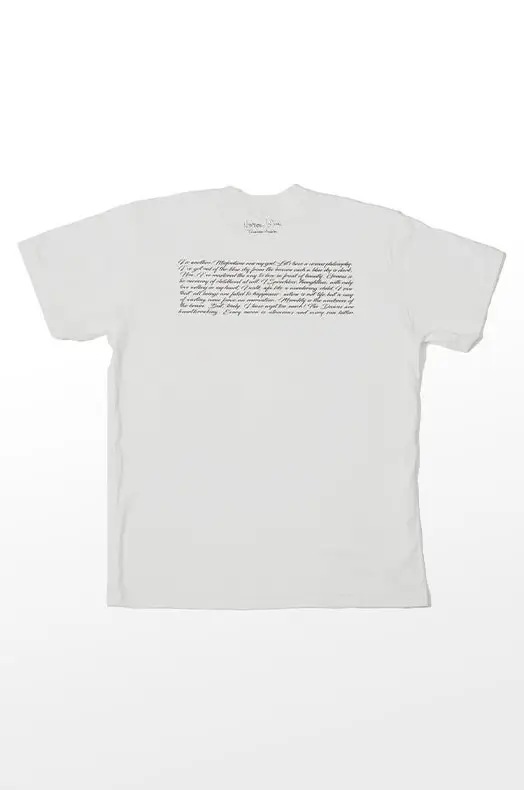
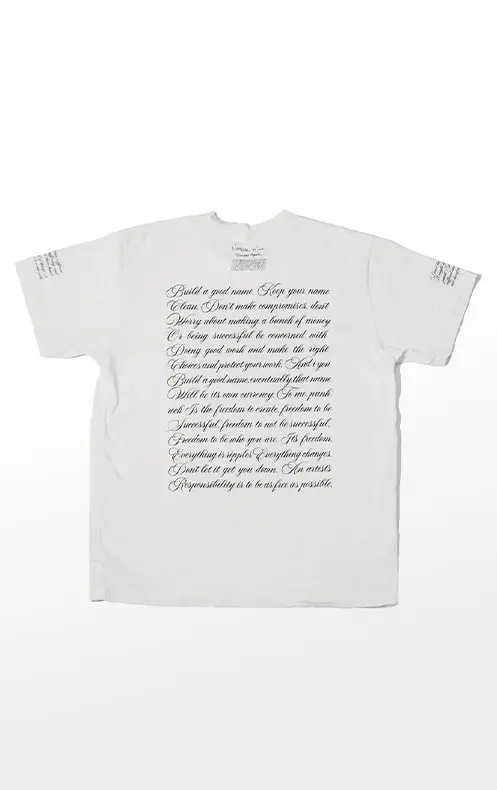
Rather than launching with an expansive seasonal lineup, Miyashita opted for restraint. The debut consists of three carefully considered T-shirts produced in premium cotton and offered in essential monochrome tones—black and white.
This minimal approach reflects a philosophy that prioritizes meaning over quantity. Each shirt carries the same relaxed, contemporary silhouette, a subtle update from the slimmer cuts associated with earlier Number (N)ine pieces.
The design language remains intentionally understated:
-
Portrait graphics of Ian Curtis and Patti Smith
-
Archival-inspired typography referencing past Number (N)ine aesthetics
-
Soft, heavyweight cotton fabric
-
Modern relaxed fit suitable for contemporary styling
The simplicity allows the imagery and cultural references to take center stage. In an era where fashion collaborations often compete for visual noise, this restraint feels deliberate.
style
One of the most fascinating aspects of NUMBER (N)INE by Takahiro Miyashita is its balance between reverence and reinvention. The designer understands that nostalgia can be powerful—but also limiting if approached carelessly.
The original Number (N)ine brand thrived in the early 2000s, during a moment when Japanese fashion was reshaping global street culture. Alongside designers like Jun Takahashi and Nigo, Miyashita helped define a generation that blended luxury craftsmanship with underground aesthetics.
Yet this new iteration does not simply recreate the past. The relaxed silhouette, refined graphic treatment, and modern production approach indicate that the brand is moving forward rather than standing still.
In other words, NUMBER (N)INE by Takahiro Miyashita is less a revival than an evolution.
rare
The collection will be released exclusively through a pre-order system—a strategy increasingly used by designers seeking to avoid overproduction while also cultivating scarcity.
For collectors and longtime followers of Miyashita’s work, the release is already being described as an “instant grail.” The term reflects the almost mythical status that original Number (N)ine garments hold within archival fashion circles.
Vintage pieces from the label—particularly those from the early 2000s—often command significant prices in resale markets. Their appeal stems not only from rarity but also from the emotional storytelling embedded in the garments.
The new T-shirts tap directly into that history while offering something fresh for a new generation of fans.
lang
What separates Miyashita from many designers is his belief that fashion should carry emotional weight. His collections have frequently explored themes such as loneliness, youth, music obsession, and existential reflection.
This emotional storytelling is deeply tied to the artists he references. Ian Curtis and Patti Smith, for example, both embody a poetic melancholy that aligns closely with Miyashita’s creative voice.
The result is clothing that feels less like merchandise and more like a cultural artifact.
influ
The return of Miyashita arrives at a time when Japanese designers continue to exert enormous influence over global fashion. Labels from Tokyo and beyond have long challenged traditional boundaries between streetwear, luxury, and art.
NUMBER (N)INE’s reemergence reinforces the idea that the Japanese design community remains a wellspring of cultural innovation. Rather than following trends, designers like Miyashita often shape them through deeply personal narratives.
This philosophy has helped maintain Japan’s reputation as one of the most intellectually vibrant fashion scenes in the world.
fwd
While the first release focuses exclusively on graphic T-shirts, it almost certainly represents only the beginning of the new brand’s journey. Fans are already speculating about future collections that could include outerwear, tailoring, and more elaborate runway presentations.
Given Miyashita’s history of crafting emotionally immersive collections, the possibilities feel expansive.
Yet the decision to begin with something as humble as a T-shirt may be the most meaningful gesture of all. It strips the brand down to its essence: music, imagery, and personal expression.
fin
In an industry that often celebrates spectacle, the debut of NUMBER (N)INE by Takahiro Miyashita arrives with surprising subtlety. There are no massive campaigns, no celebrity collaborations, no elaborate runway theatrics.
Instead, the launch centers on three carefully designed shirts and two timeless cultural icons.
It is a reminder that fashion’s most powerful moments do not always come from scale—but from sincerity.
For longtime admirers of Takahiro Miyashita’s work, this first drop feels less like a comeback and more like the reopening of a conversation that never truly ended.
And if history is any indication, the next chapters of NUMBER (N)INE are only just beginning.
Related Articles

Rose Byrne and Mary Bronstein Are Doing It Again, and This Time They Brought Jenna Ortega
A coach and her prodigy are about to become the most dangerous relationship in a […]