DRIFT AUDIO
Listen to this story
Choose a voice, then press play.
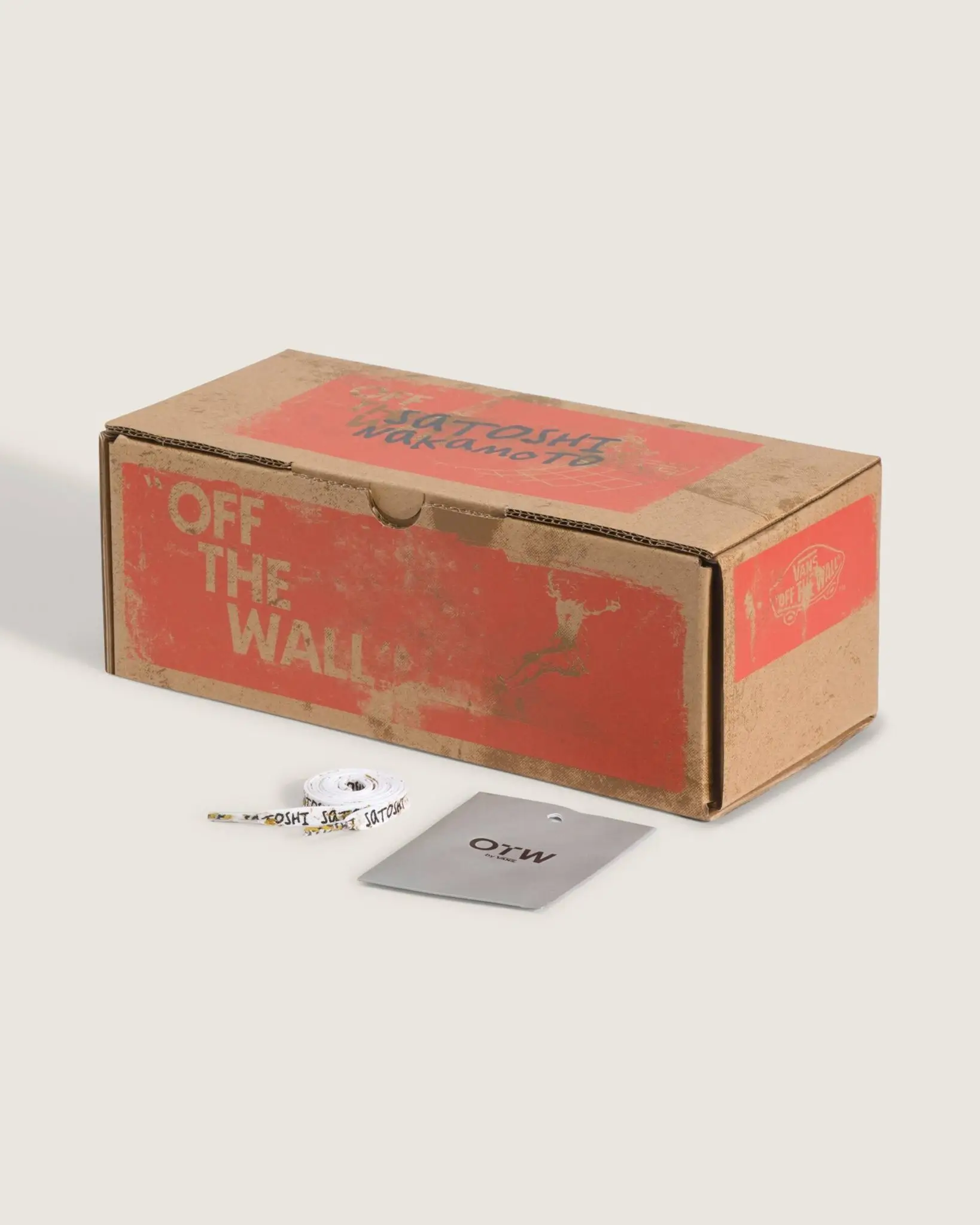
In the world of footwear, few silhouettes carry the weight of cultural history like the Vans Era. Born in 1976 as the first skate-specific vulcanized shoe, the low-top canvas classic has long embodied effortless rebellion and everyday utility. On April 30, 2026 (JST), OTW by Vans—the brand’s most premium and experimental imprint—will release a radical reinterpretation: the OTW by Vans x Satoshi Nakamoto Era 95 Gems.
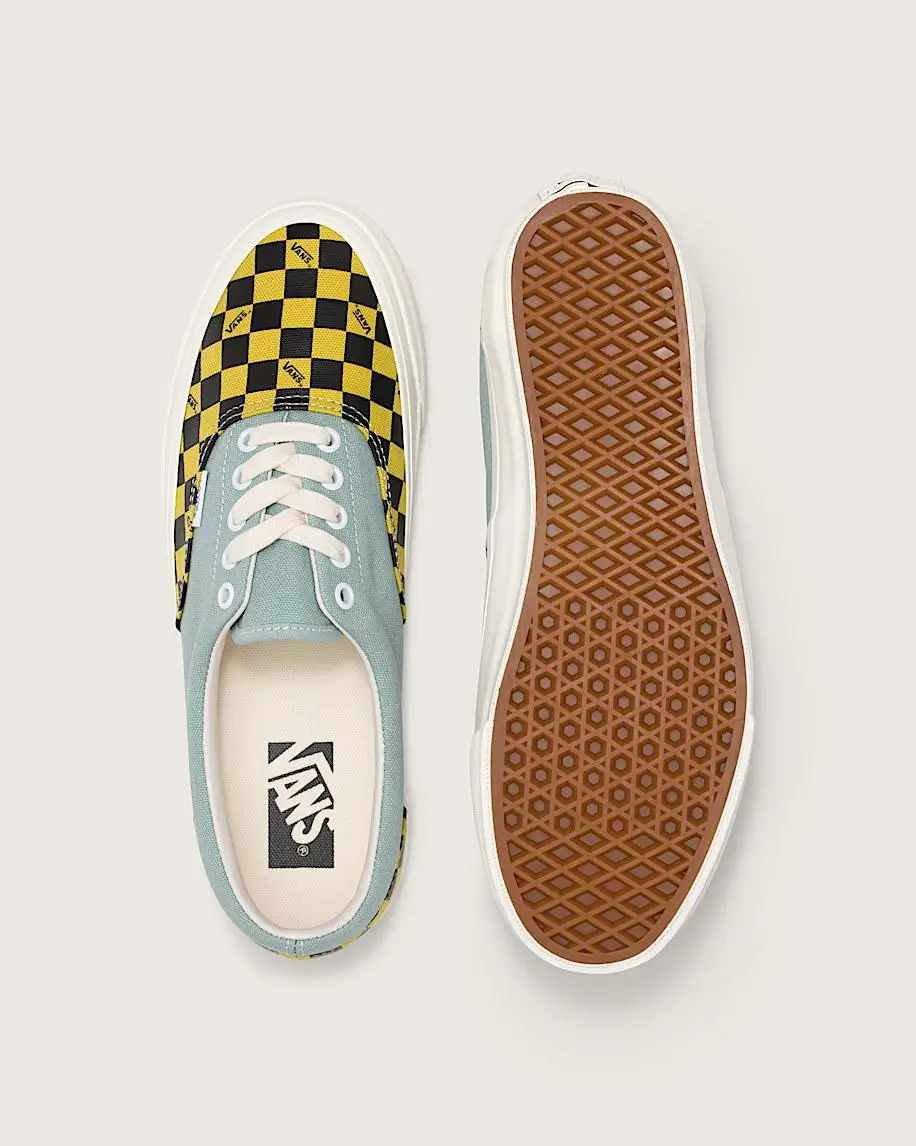
Satoshi Nakamoto, the anonymous LA-based collective named after Bitcoin’s pseudonymous creator, has built a reputation as the “rogue tailors” of contemporary fashion. Operating in deliberate obscurity, they craft garments and objects that reject polished luxury in favor of raw authenticity, deconstruction, and quiet defiance. Their manifesto-like statements describe a post-couture philosophy: “We’re not anti-fashion — we’re post-couture. We’re not retro — we’re rogue. We’re not minimal — we’re intentional.” This Vans partnership marks another step in their evolving dialogue with streetwear icons, following previous drops that leaned into distressed, concept-driven design.
View this post on Instagram
stir
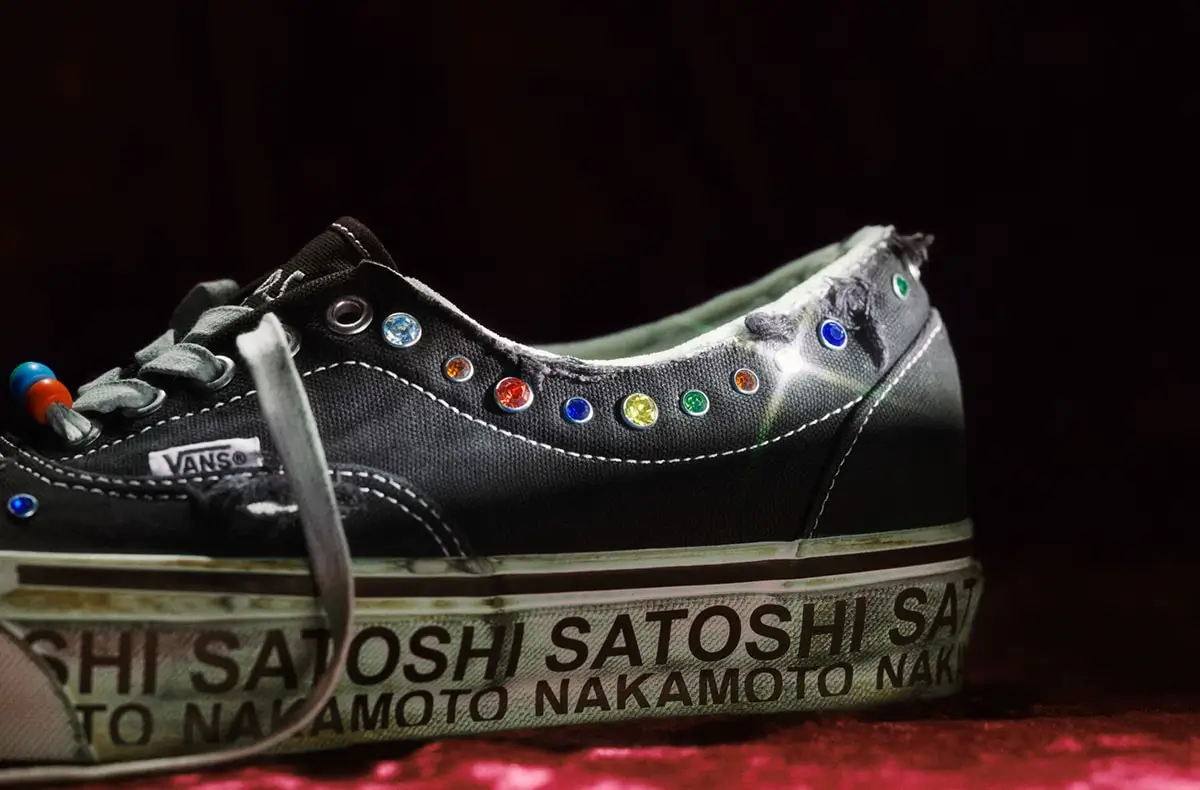
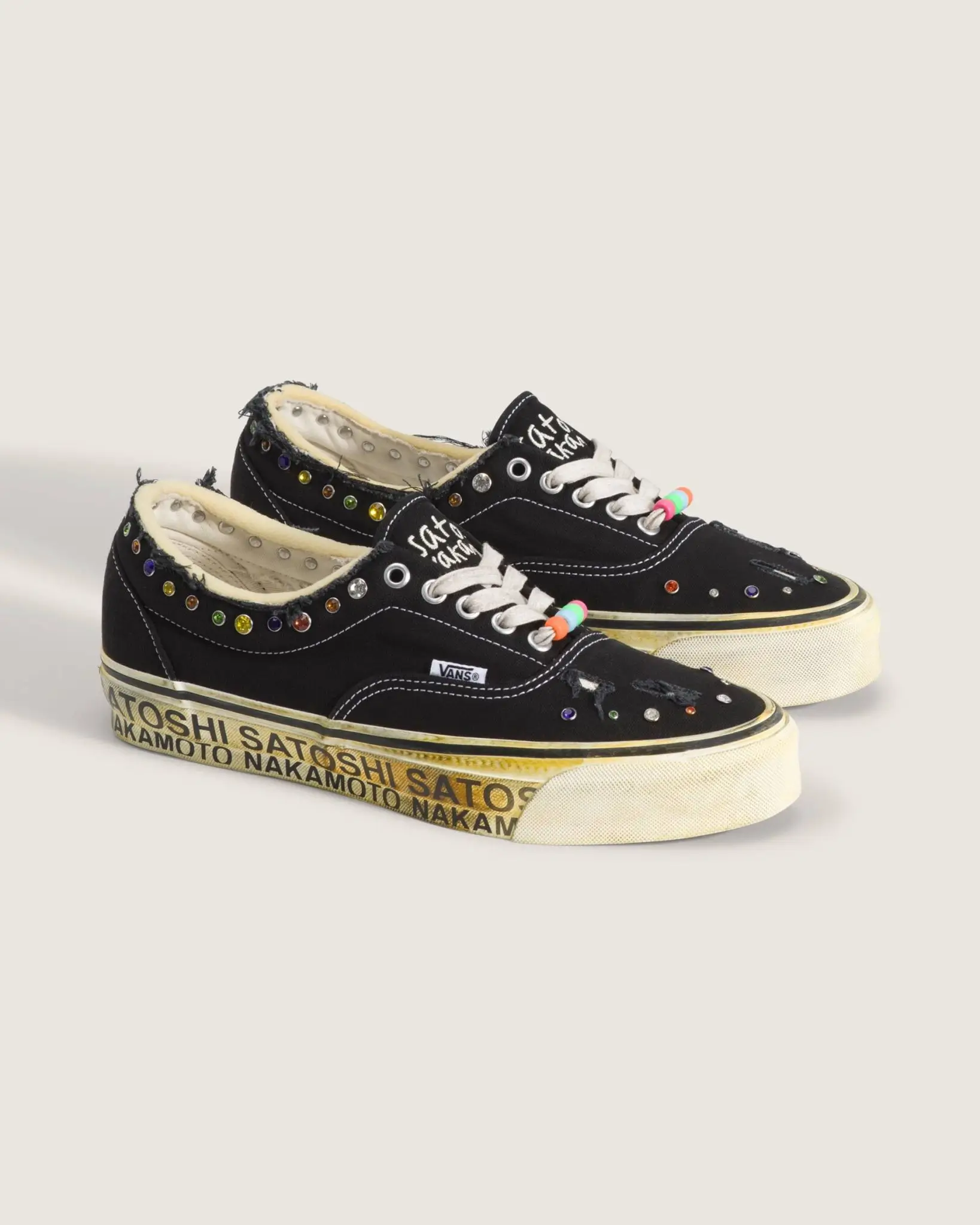
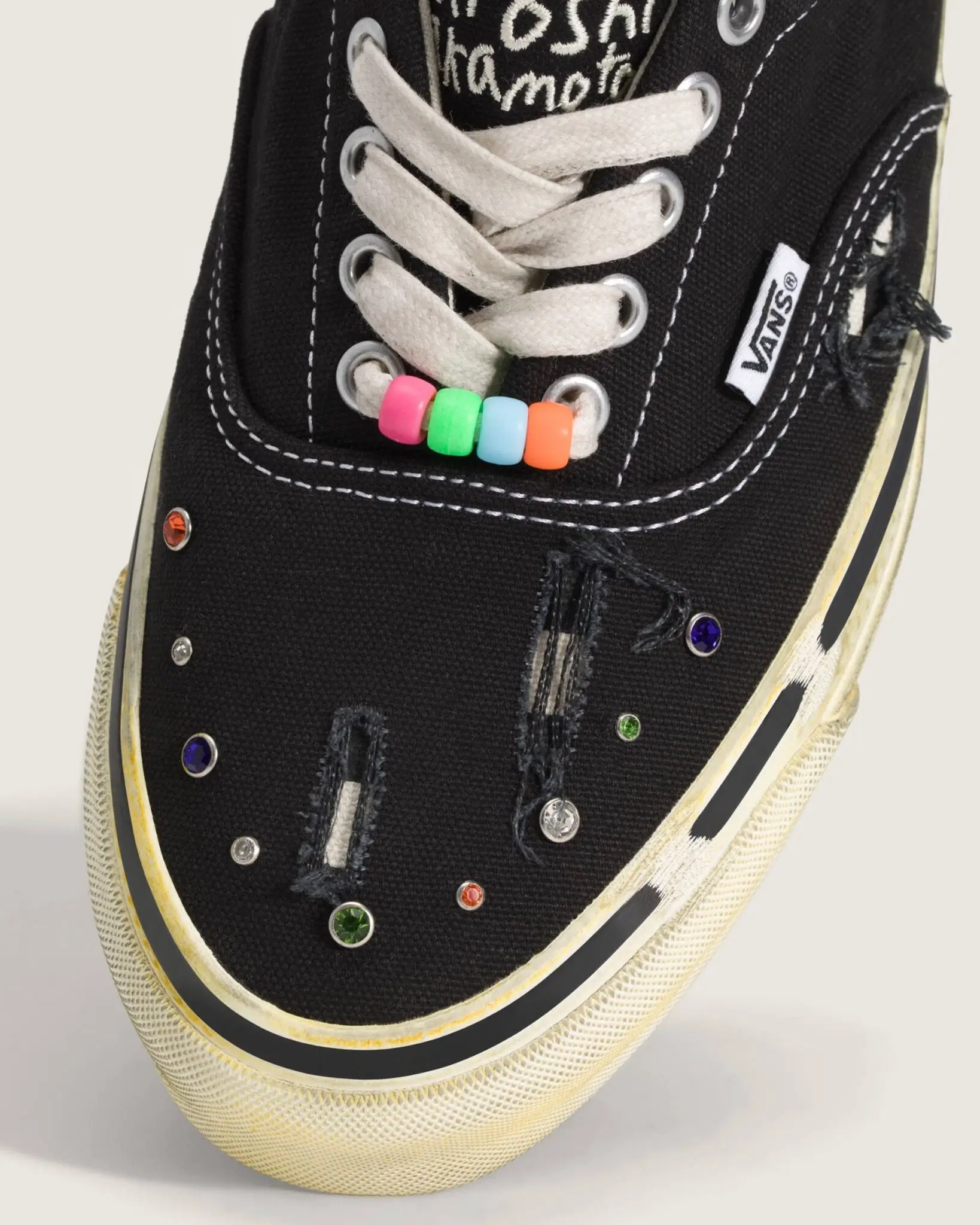
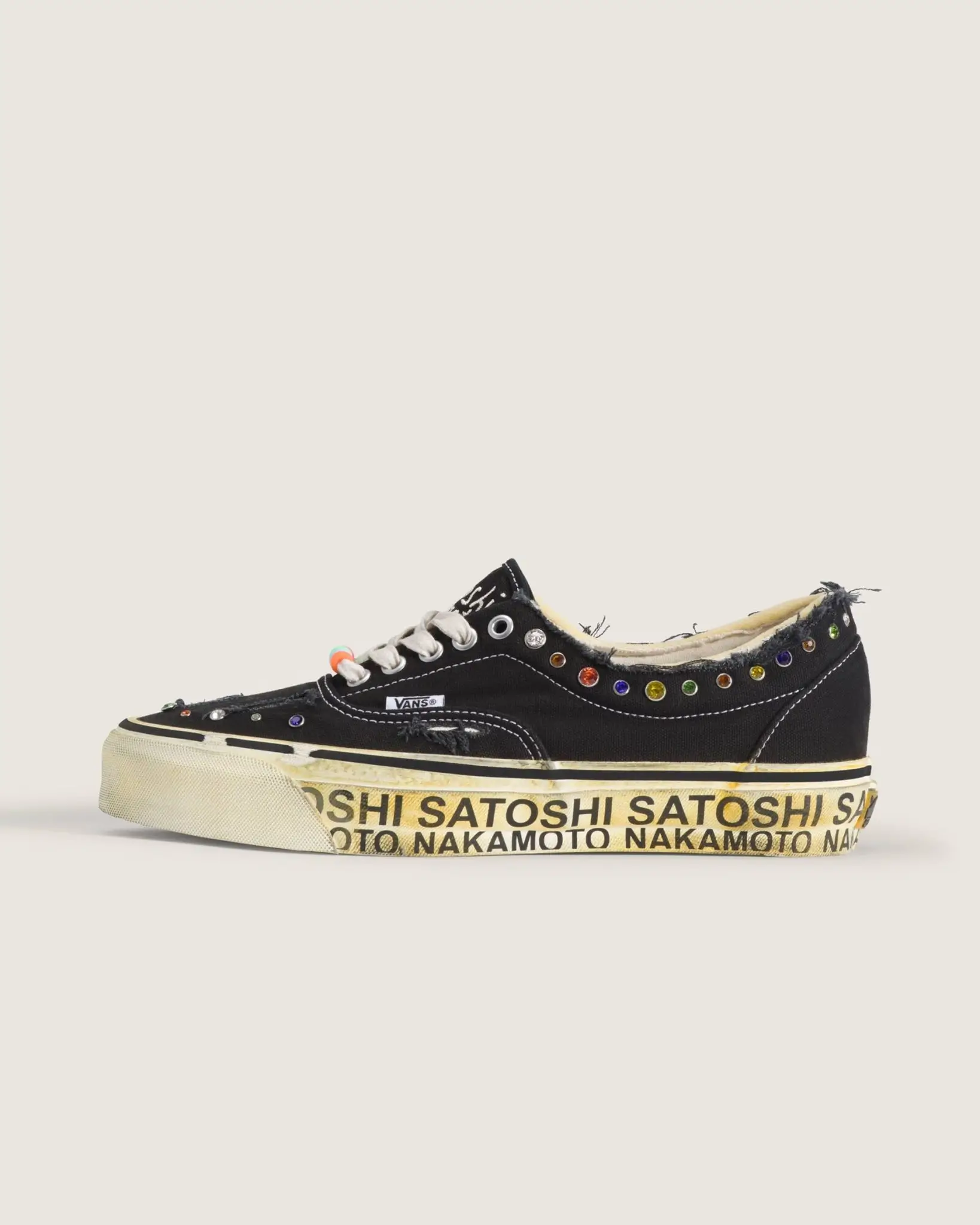
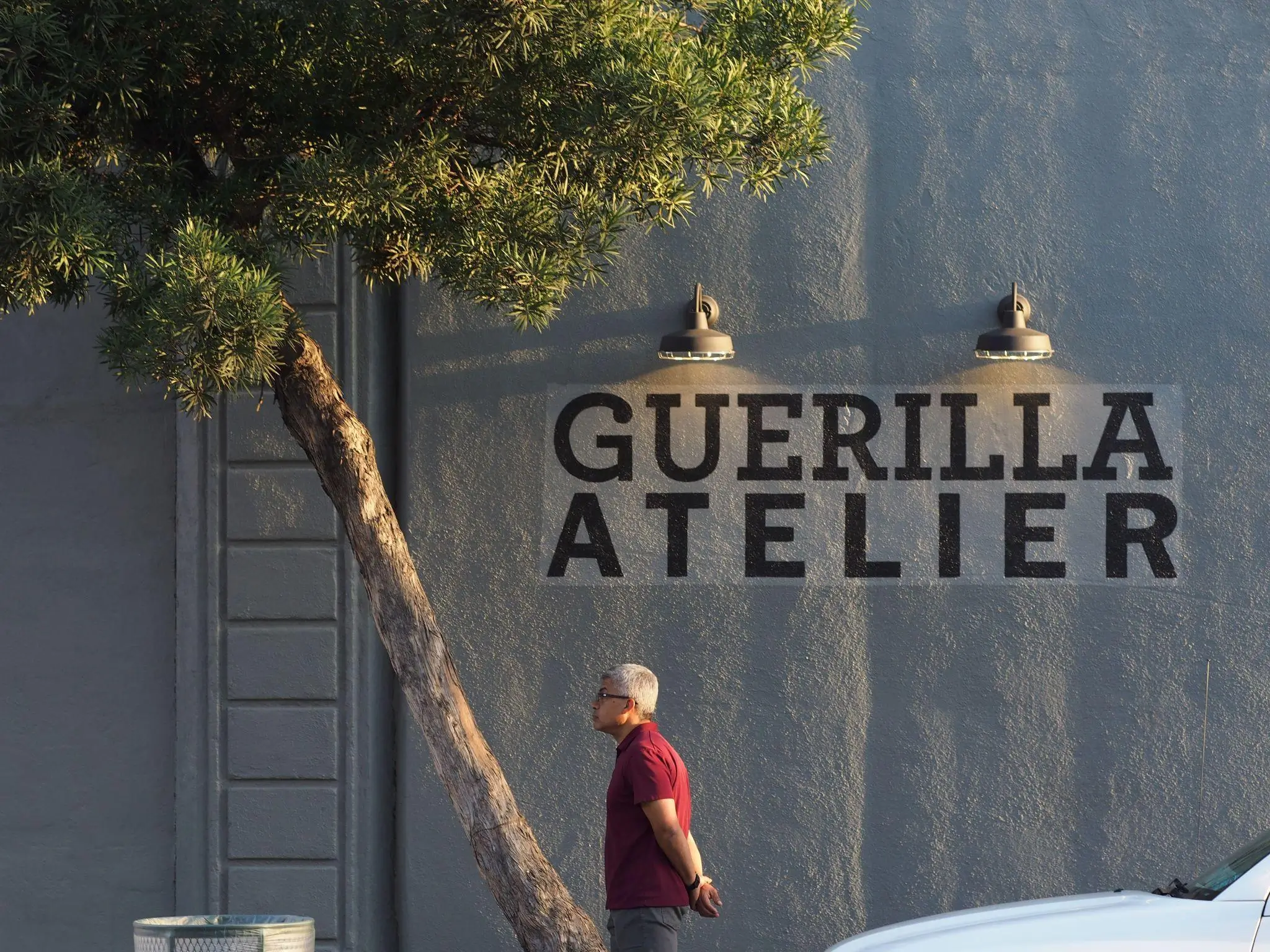
The Era 95 Gems reimagines the classic low-top through a chaotic, post-apocalyptic lens. At first dekko, it appears heavily worn and altered — as if it has survived multiple cycles of use and reinvention. The upper features tearaway black canvas that intentionally reveals a classic checkerboard underlay beneath, creating a layered, evolving aesthetic. Exposed foam at the collar adds a raw, deconstructed edge, while sandblasted bead detailing clusters around the lace throat for tactile contrast.
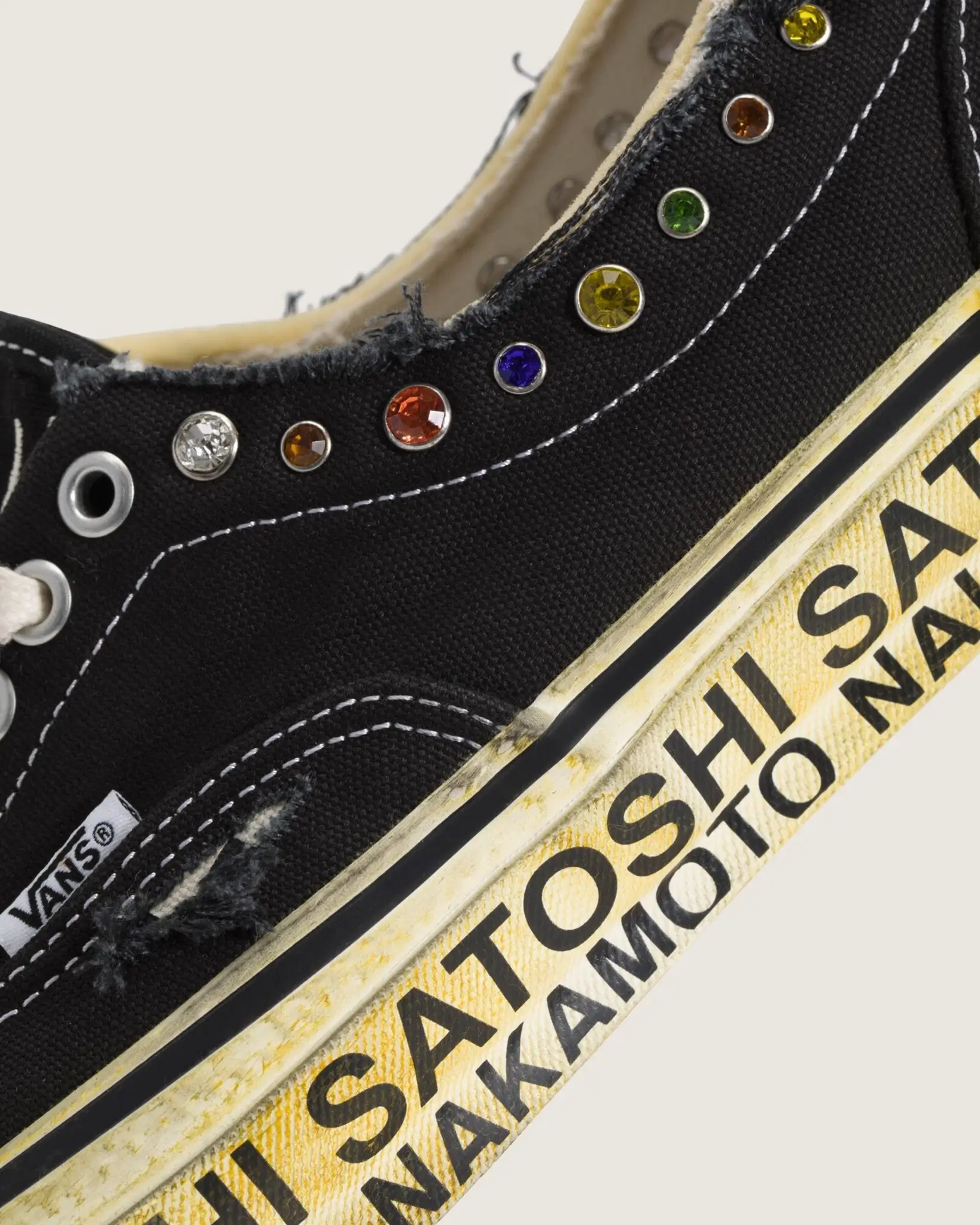
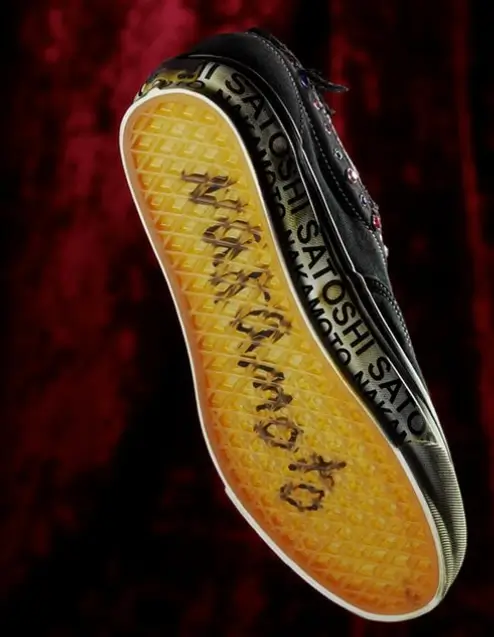
Multicolor round gemstones embedded along the ankle collar introduce flashes of unexpected luxury amid the grit — a nod to “gems” in both literal and metaphorical senses. The sidewall receives a black-and-yellow hand-wiped treatment for a naturally patinated look, and the foxing stripe is dremeled for deliberate distress. Perhaps most striking is the translucent crystal outsole, through which “Satoshi Nakamoto” branding becomes visible with every step. Additional lace options — including a printed “Satoshi” repeat, greased white cotton, and solid black — allow owners to further customize and evolve their pair.
This isn’t subtle customization. It’s a shoe designed to transform over time, embracing imperfection, wear, and personal intervention as core design principles. Where traditional Vans celebrate clean functionality, the Era 95 Gems celebrate entropy and reconstruction — turning the everyday into something enigmatic and collectible.
flow
Satoshi Nakamoto’s collision with OTW by Vans feels almost inevitable. Both entities share deep California roots and a reverence for subcultural authenticity. Vans built its empire on skateboarding’s DIY ethos; Satoshi Nakamoto channels a similar hacker-mentality into fashion — anonymous, decentralized, and resistant to traditional gatekeeping.
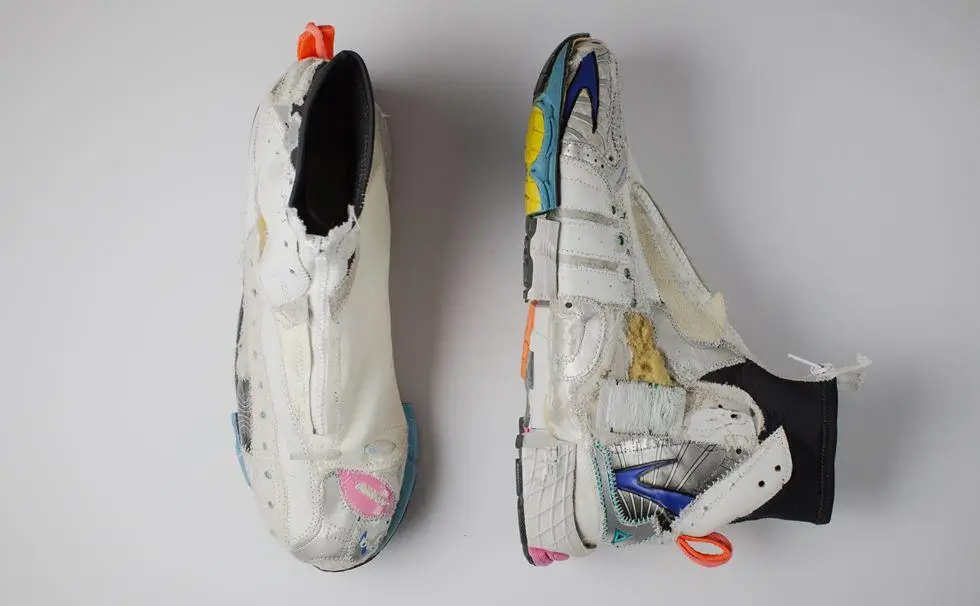
The collective’s broader output — from reworked garments to conceptual drops — consistently blurs the line between clothing and artifact. Their pieces often feel lived-in from day one, carrying embedded narratives of resistance, scarcity, and self-authorship. In this Era 95, that philosophy manifests through material storytelling: tearaway layers that invite interaction, gem accents that elevate the mundane, and construction details that prioritize character over perfection.
OTW by Vans, launched as the brand’s elevated platform for boundary-pushing collaborations and premium materials, provides the perfect canvas. Previous OTW releases have explored advanced cushioning (like Sola Foam), innovative constructions, and high-concept partnerships. This drop continues that trajectory while injecting Satoshi’s dystopian underground energy.
scope
The term “post-couture” has circulated in fashion discourse for years, but few collectives embody it as literally as Satoshi Nakamoto. In their view, traditional haute has lost its soul — replaced by spectacle, hype cycles, and institutional gatekeeping. Instead, they propose an alternative: clothing and objects born from instinct, refined through tension, and owned by those who understand their language.
This shoe encapsulates that shift. It sits in a premium tier without relying on overt logos or celebrity co-signs. Its value comes from craft, concept, and the invitation to participate in its evolution. Owners aren’t just buying footwear — they’re acquiring a piece that continues to change, much like the decentralized ethos of the Bitcoin creator for whom the collective is named.
The design also speaks to broader cultural conversations around authenticity in the digital age. In a world of filtered perfection and algorithmic trends, the Era 95 Gems celebrate visible process — fraying edges, exposed construction, and intentional wear. It’s anti-fragile design: meant to age, adapt, and accrue meaning rather than remain pristine in a box.

show
Beyond the headline deconstruction, the shoe includes thoughtful technical upgrades consistent with OTW standards:
Sola Foam ADC insole (at least 30% biobased PU foam, USDA Certified) for all-day comfort.
Signature waffle outsole preserved for grip heritage.
Custom packaging that extends the collaborative narrative.
Availability begins April 30, 2026, on vans.com/otw and at select global flagship stores including The Grove (Los Angeles), 5th Avenue (New York), London West End, Le Marais (Paris), and locations in Seoul and Tokyo. Early indications suggest strong demand, continuing the momentum of previous Satoshi x Vans releases.
fin
In an industry increasingly dominated by nostalgia revivals and safe collab, the OTW by Vans x Satoshi Nakamoto Era 95 Gems stands out for its willingness to disrupt its own legacy. It doesn’t merely update the Era — it questions the very idea of a “finished” product. By embracing dystopian aesthetics, deconstruction, and wearer agency, it proposes a new model for premium footwear: one where imperfection becomes opulent and anonymity becomes identity.
For fans of Vans’ skate heritage, it offers a fresh evolution. For those immersed in underground fashion and conceptual design, it delivers a wearable manifesto. And for collectors, it represents another chapter in one of the more intriguing anonymous collectives operating today.
n
From the DRIFT archive: A Cult Classic in Orbit: The Tecnica Moon Boot Icon Nylon Boots Reimagined for Modern Winter
Related Articles

BSTN Put Janker Gray And Festival Pink On The München Last
Adidas Originals München. Two colors. Nubuck. Cream stripes. Candy gum. Brindiamo on the tongue. Salute […]