DRIFT AUDIO
Listen to this story
Choose a voice, then press play.
Ask anyone what they want to do in Paris, and they’ll usually mention eating before shopping or a museum visit—not because they’re hungry, but because in Paris, food becomes the first language of belonging. It’s never just about taste. It’s about context: where you sit, who you’re with, how the light falls at 2 PM, what the room communicates before the first plate arrives. The choreography begins long before the meal itself and continues long after it ends, carried in fragments of tone, texture, and memory. When people describe their favorite part of the city, it’s rarely a monument. It’s a story—about a market caught in the rain, a wine bar that refused to close, a lunch that quietly extended into dinner. These aren’t isolated moments but atmospheres that linger, shaping how the city is understood.
For me, recommendations rarely begin with appetite—they begin with placement. Paris, for all its visual clarity, can dissolve into a kind of beautiful disorientation, a zigzag of instinct where you follow what feels alive rather than what’s planned. Not just restaurants, but rooms—environments where fashion spills into food, where time loosens, where you arrive casually and leave recalibrated. And when it comes to recommending places, there’s always tension: Parisians gatekeep, while the outside world reduces everything to lists. My lists tend to get long. This spring, I’ve narrowed it to five, and at the center of that map—quietly, almost deliberately—is BAR OMI.
stir
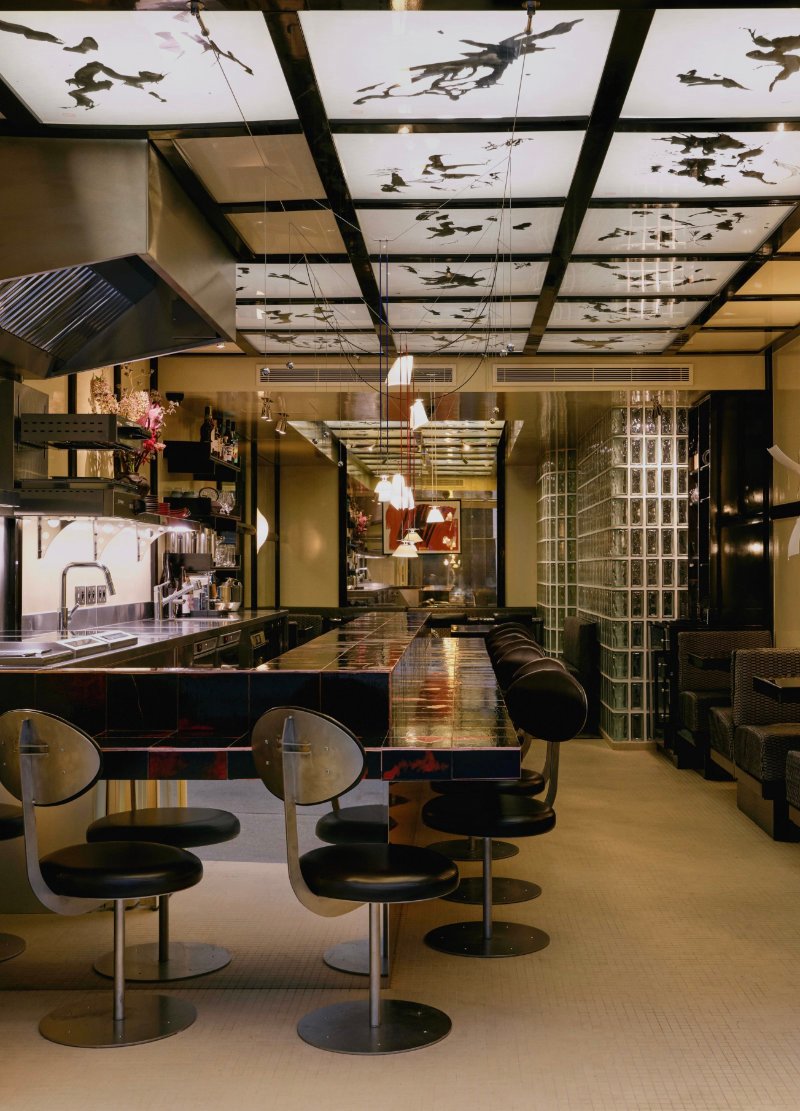
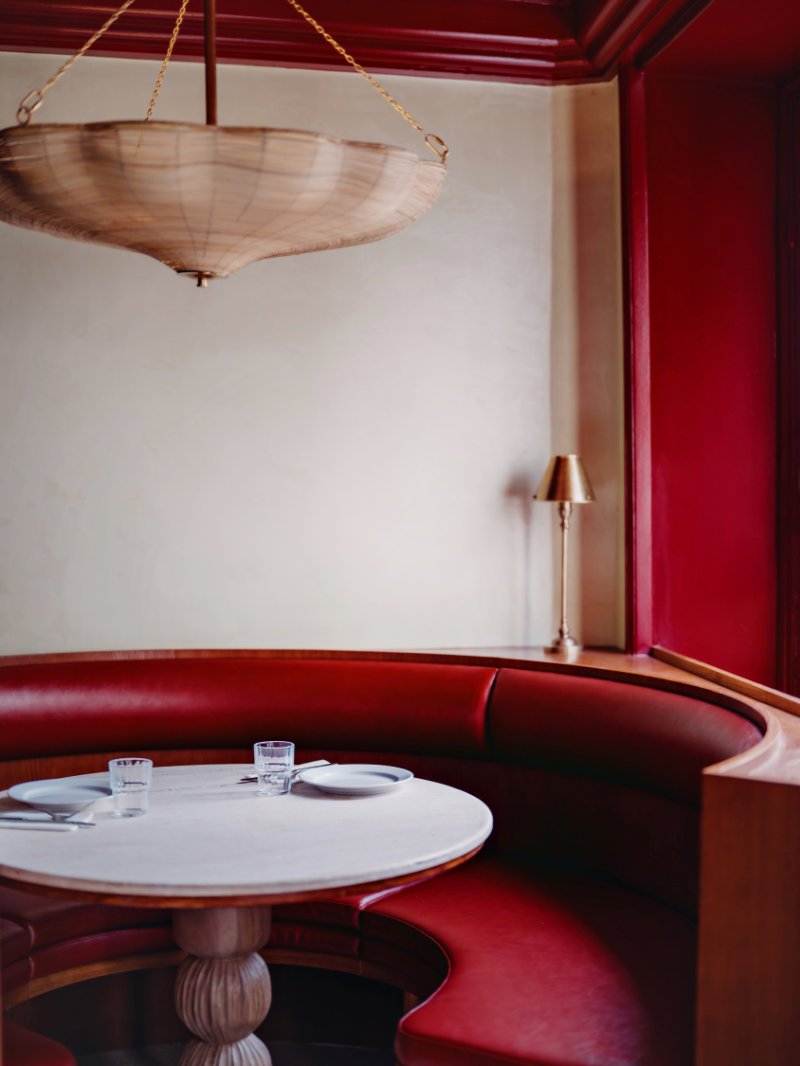
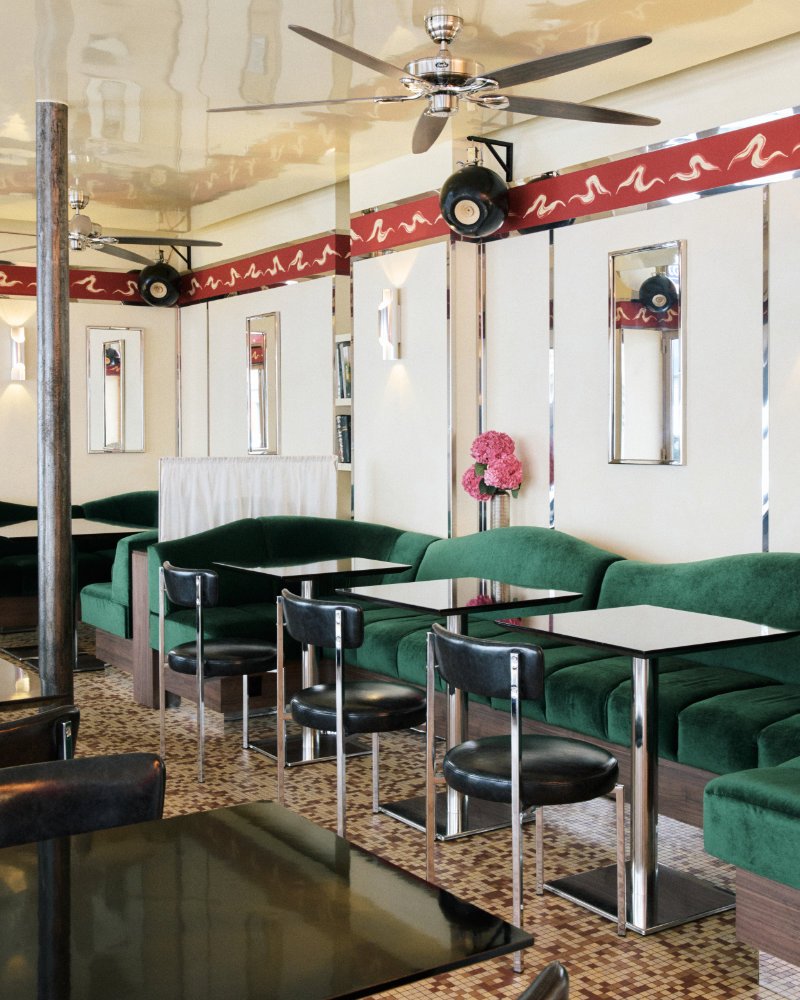
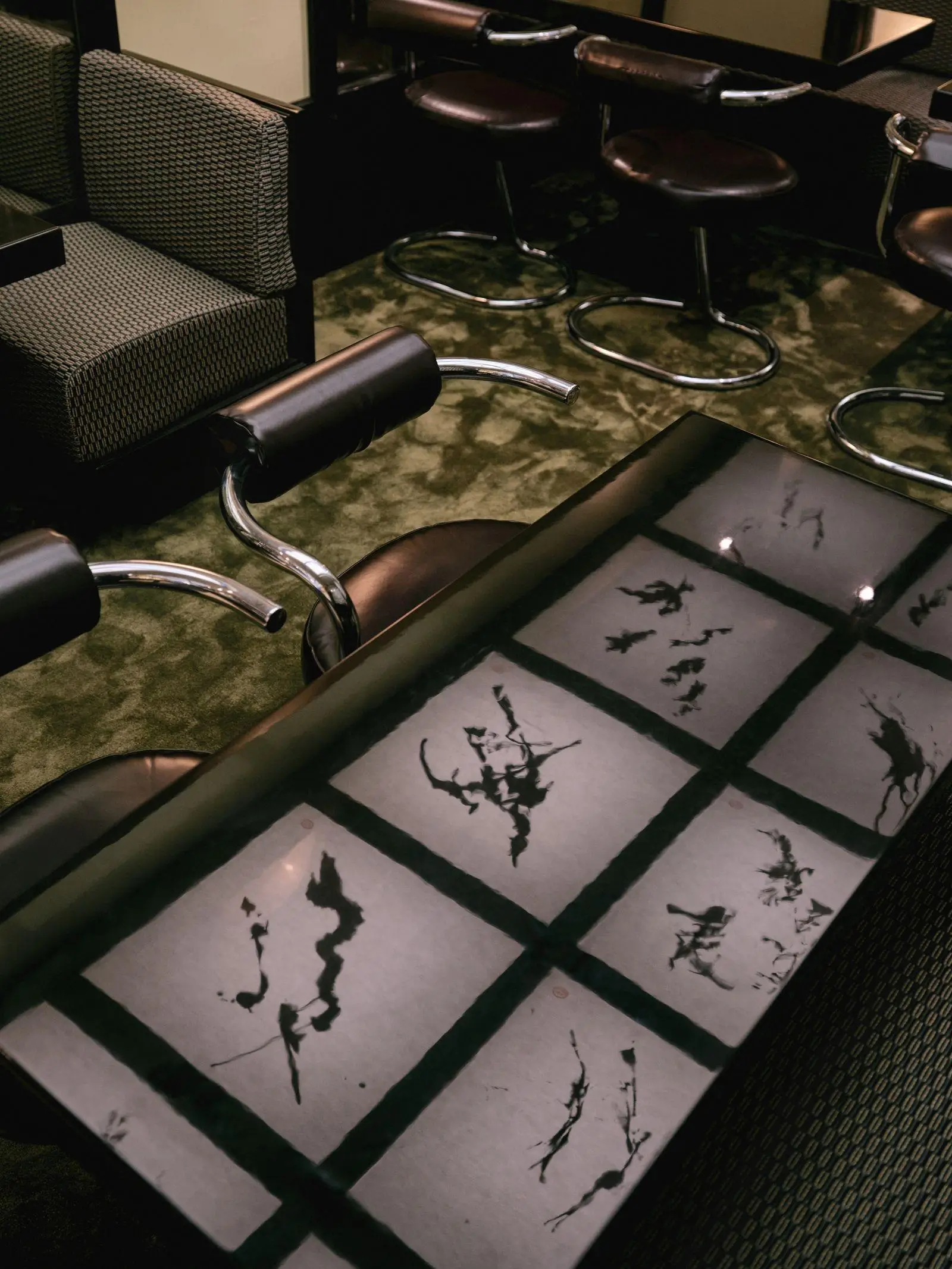
Just off Rue Saint-Honoré, a street defined by precision, heritage, and constant motion, BAR OMI operates slightly outside the obvious rhythm. You don’t stumble into it; you arrive because you intended to, or because someone who understands the city pointed you there, and that distinction matters. Inside, the space unfolds in contrast: an intimate sushi counter, controlled and almost meditative, opens into a dining room shaped by lacquer, reflection, and low, deliberate light. Surfaces catch fragments rather than full views, mirrors extend the room without exposing it, and the lighting frames rather than illuminates. Even when full, it never feels exposed. There’s a quiet tension to the space, a sense that it’s holding something back, and that restraint becomes part of its identity. What happens here isn’t about visibility—it’s about presence.
show
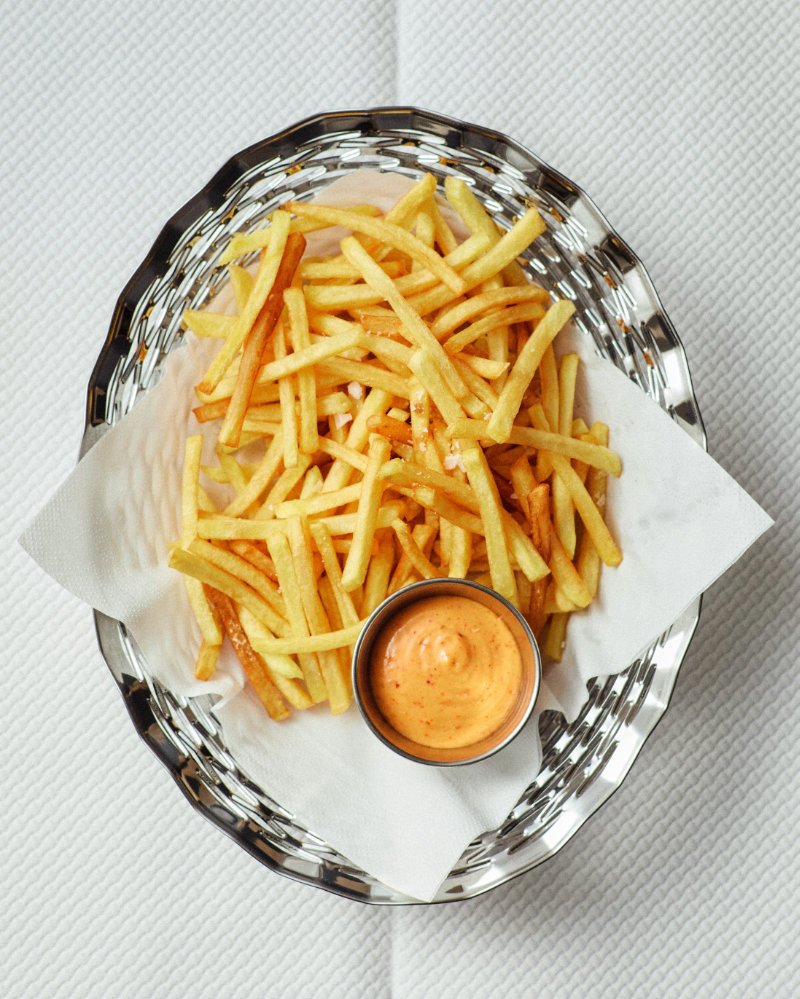
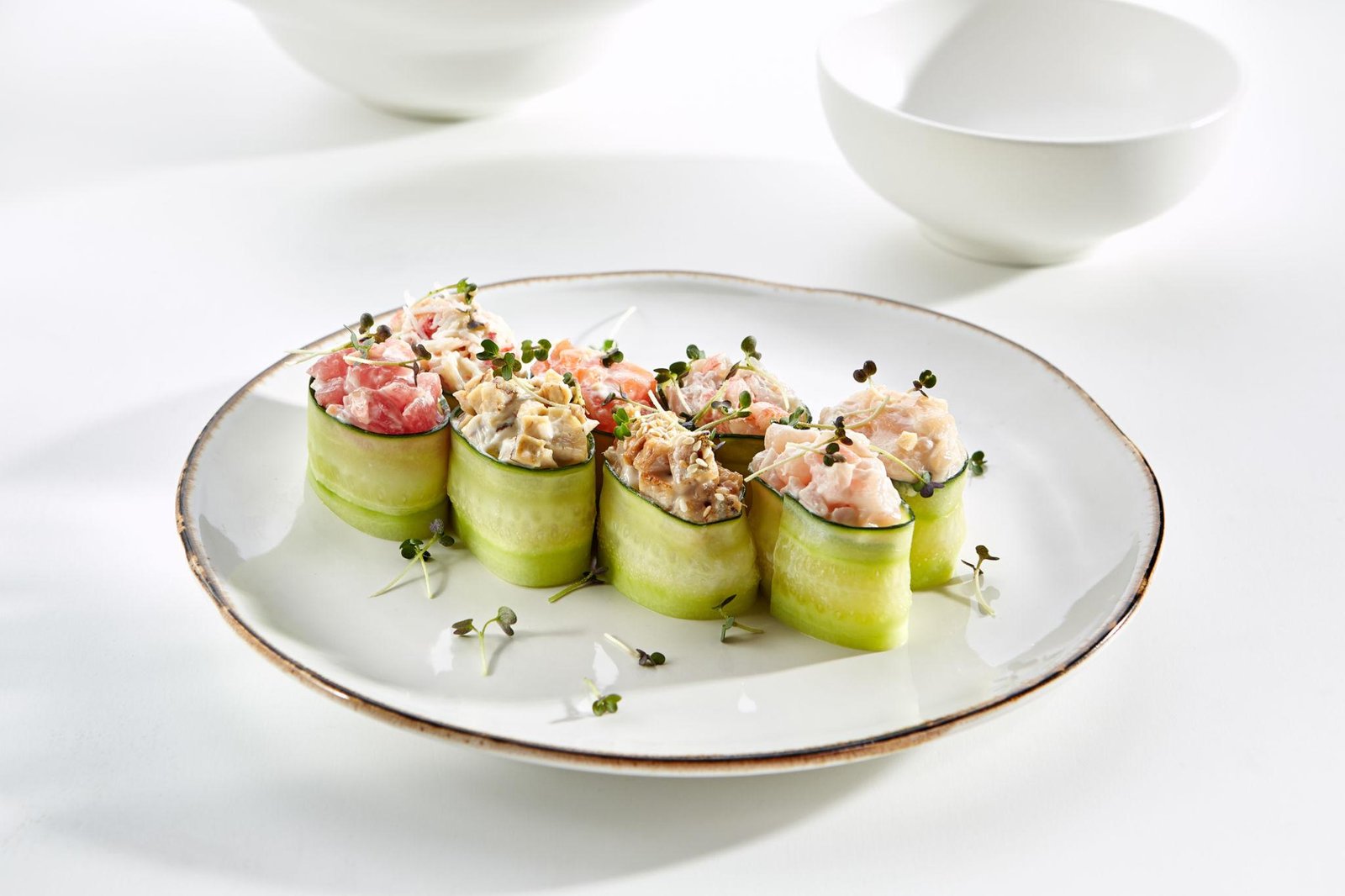
BAR OMI operates within a precise balance between restraint and indulgence, discipline and expression, allowing the meal to unfold as a sequence rather than a series of isolated plates. The sashimi arrives first, clean and exact, followed by nigiri—hamachi, akami, unagi—delivered with a quiet authority that resists explanation. This isn’t fusion; it’s respect, a clarity of intent that grounds everything that follows. Then the register shifts almost imperceptibly: aburi toro layered with tartare introduces heat and smoke, wagyu finished with caviar compresses richness into a single, deliberate bite. Even the smaller plates refuse reduction—a potato salad threaded with trout roe reveals itself slowly through texture and salt, miso-wasabi tuna cuts cleanly and lingers, a miniature ramen offers a brief, grounding pause within the room’s polish. Nothing is oversized, nothing careless, and the pacing feels intentional rather than staged, as though each dish understands its role within a larger rhythm.
I tend to arrive during the day, when the lunch menu becomes an anchor between movements—meetings, fittings, conversations that extend beyond their intended frame. It doesn’t interrupt the day so much as recalibrate it. The fish doesn’t simply feel fresh; it feels immediate, present in a way that’s difficult to define but easy to recognize. And the room reflects that same immediacy. This is not a place people wander into. It’s a place they intend to be, and that intention shapes everything from the pacing of the meal to the tone of the space itself.
idea
Over time, what becomes clear is how BAR OMI shifts without ever announcing the shift. At lunch, the room holds a certain clarity—light moves more directly, conversations are shorter, movements more defined. People arrive with purpose, often alone or in pairs, using the space as a measured pause within a structured day. By evening, that clarity softens.
The light lowers, conversations expand, and tables hold longer than planned. The same dishes begin to register differently—not because they change, but because the rhythm around them does. A nigiri at midday feels exact; the same nigiri in the evening feels immersive. This duality isn’t staged—it’s embedded, allowing the restaurant to exist in multiple registers at once, both functional and atmospheric, immediate and lingering.
flow
During fashion week, the composition of the room sharpens, but never in a way that feels performative. Designers, editors, stylists—the expected figures are present, but so are artists, writers, musicians, those who move adjacent to the system rather than fully within it. The energy never spikes; it hums, held at a consistent level that connects tables without drawing attention to itself.

You feel it in the pacing, in the pauses between courses, in the way conversations extend rather than stack. Reservations here aren’t about trend—they’re about containment. The room holds a certain number of people, and once it reaches that point, it stabilizes. That equilibrium becomes part of the experience, a controlled density that allows the space to remain composed no matter how full it becomes.
palette
Where expectation leans toward sake, BAR OMI takes a different approach, building its identity through a distinctly European wine program that prioritizes precision and structure. A Chablis cuts cleanly through hamachi, a Loire Valley Chenin adds texture to miso-wasabi tuna, a restrained Burgundy works with wagyu rather than overpowering it.
The pairing isn’t about contrast for its own sake; it’s about alignment, about allowing Japanese technique and French terroir to exist in conversation rather than competition. In that exchange, the restaurant makes a quiet but definitive statement: this is Paris, a place where multiple languages coexist within a single rhythm, where identity is built through dialogue rather than definition.
a stay
BAR OMI isn’t something you build your day around—it’s something that reshapes the day you’re already having. You step in between movements—shopping, meetings, wandering without direction—and the pace shifts just enough to register. Time stretches slightly, the edges soften, and what was meant to be a pause becomes something more sustained.
It reflects a simple philosophy: recommend by location, not just craving, because in Paris movement defines experience more than intention does. The city reveals itself not through fixed plans but through interruptions, and BAR OMI exists precisely within that interruption, holding a moment long enough for it to settle.
vive
The places that matter most in Paris rarely function as destinations; they operate as coordinates within a larger, shifting map. Each one marks an intersection—food, fashion, timing, atmosphere—and together they form a system that’s meant to be felt rather than followed. BAR OMI sits at the center of that system, not because it demands attention but because it holds it, stabilizing the moment without overt effort. What it understands, perhaps more than most, is how to hold someone in place without making it obvious.
There’s no pressure to extend the meal, no suggestion to stay longer, and yet you do. Another glass appears, a final plate becomes shared, the conversation expands without marking the transition. This is the architecture of staying—not imposed, but received, built through pacing and restraint rather than design alone.
fin
In a city defined by motion, the rarest form of luxury isn’t access—it’s stillness. BAR OMI offers that without ever needing to announce it, aligning rather than interrupting, holding rather than pushing. And in that alignment, something becomes clear: Paris isn’t just a place you visit, it’s a condition you enter, a rhythm you either resist or allow. This spring, BAR OMI doesn’t attempt to define that rhythm. It reveals it—quietly, precisely, and without excess.
From the DRIFT archive: The Knockout Rounds Mark a Key Moment for the NBA Cup · Jay Kelley Review: Noah Baumbach’s Hollywood Drama Follows a Fading Actor Facing His Own Reflection