Peter Piper at Dawn: The Night a Tape Became a Movement

April 19, 2025
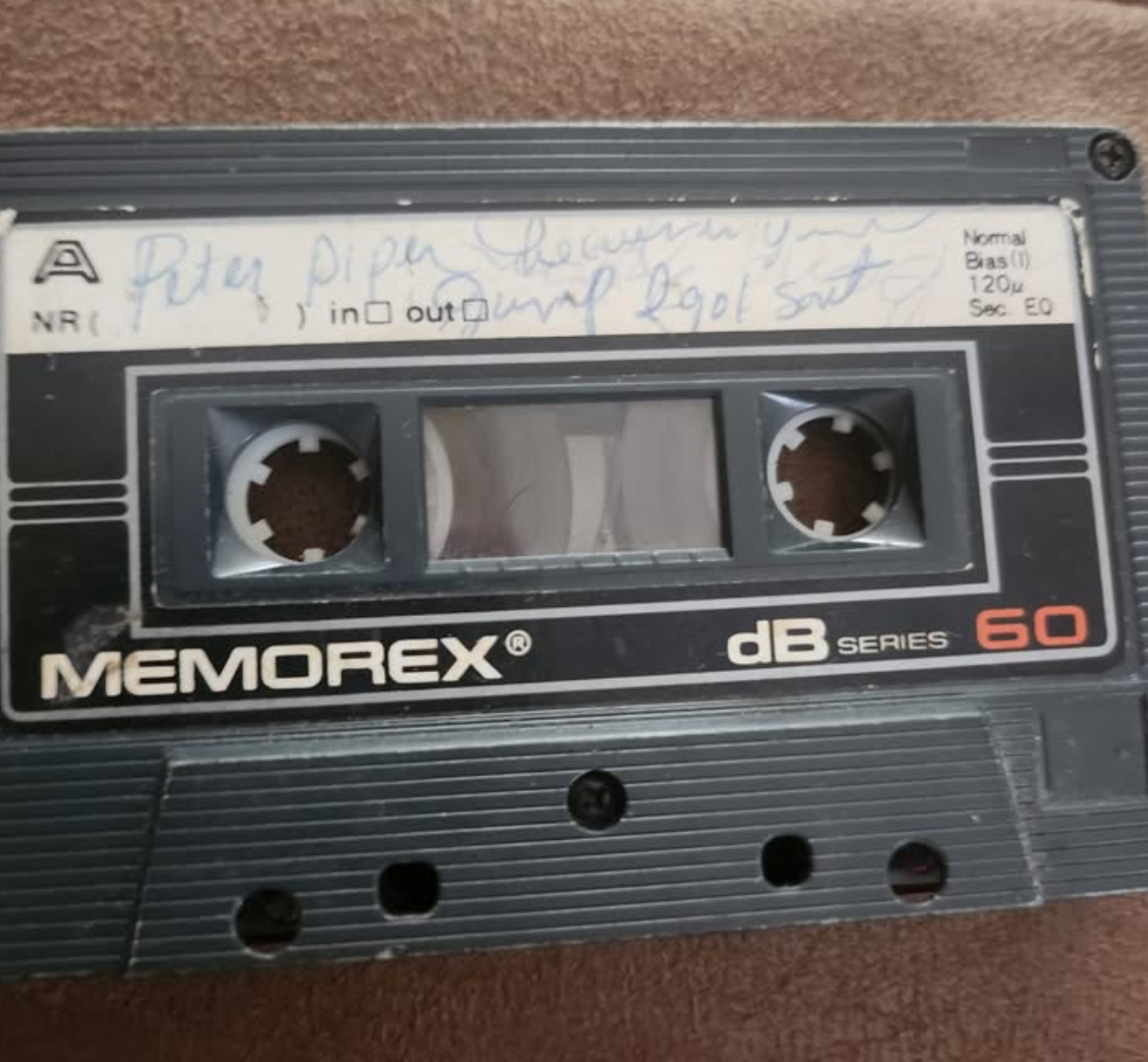
Before “Peter Piper” was a classic, it was a cassette. Before it was a cassette, it was a studio session. And before it was a studio session, it was a rhyme scheme bouncing around the minds of Run-DMC. But the moment it became something more—something immortal—was the night DJ Hurricane handed off the first tape to Jam Master Jay.
They got in the car, hit play, and didn’t stop. They drove through Harlem, windows down, speakers up, letting the city hear what was coming. They played it until the sun came up.
That night wasn’t just about a song. It was about energy, timing, and the kind of shared instinct that tells you: this is it. This is the one.
The Sound of a New Era
“Peter Piper” opens with a bell. Not just any bell—the unmistakable chime of Bob James’ “Take Me to the Mardi Gras.” It’s a loop that had been touched before, but never like this. Jam Master Jay chopped it into something sharp, something urgent. The bells didn’t ring—they snapped.
Then came the rhymes. Run and DMC trading lines like boxers, tight and rhythmic:
“Now Peter Piper picked peppers but Run rocked rhymes / Humpty Dumpty fell down, that’s his hard time…”
It was nursery rhyme meets street cipher. It was playful, but hard. It was familiar, but flipped. And it was a warning shot to the rest of the genre: we’re still innovating.
Hurricane’s Hand-Off
DJ Hurricane, a close friend and collaborator of Jam Master Jay, was there when the track was fresh out of the studio. He handed the tape to Jay, and they took it to the car. No ceremony, no press play and sit back. They turned the volume up and let it ride.
As they drove through Harlem, the track blaring, they weren’t just listening—they were sharing. Every block, every corner, every passerby got a taste. It was a mobile debut, a rolling release party. And as the city lights gave way to dawn, the track looped on. It wasn’t just a song anymore; it was a movement.
The Cultural Ripple
That night in Harlem wasn’t an isolated event. It was the beginning of “Peter Piper” becoming an anthem. When the track officially dropped, it wasn’t just another song on the album—it was a standout. DJs across the country picked it up, fans memorized the lyrics, and it became a staple in hip-hop sets.
The track’s influence extended beyond its initial release. It’s been sampled, referenced, and revered. Artists cite it as an inspiration, and it remains a benchmark for lyrical interplay and innovative production.
Impression
The story of DJ Hurricane, Jam Master Jay, and that night in Harlem is more than a footnote in hip-hop history. It’s a testament to the power of music to capture a moment, to bring people together, and to signal a shift. “Peter Piper” wasn’t just a track—it was a turning point.
And as the sun rose over Harlem that morning, with the bells of Bob James still ringing out, a new chapter in hip-hop had begun.
Related Articles
Drake Turned a New Jersey Estate Into a Branded Kingdom the Morning After the World Cup Final
Padel courts, a Billboard record wall, and a silk robe with his own crest: Drake’s […]