DRIFT

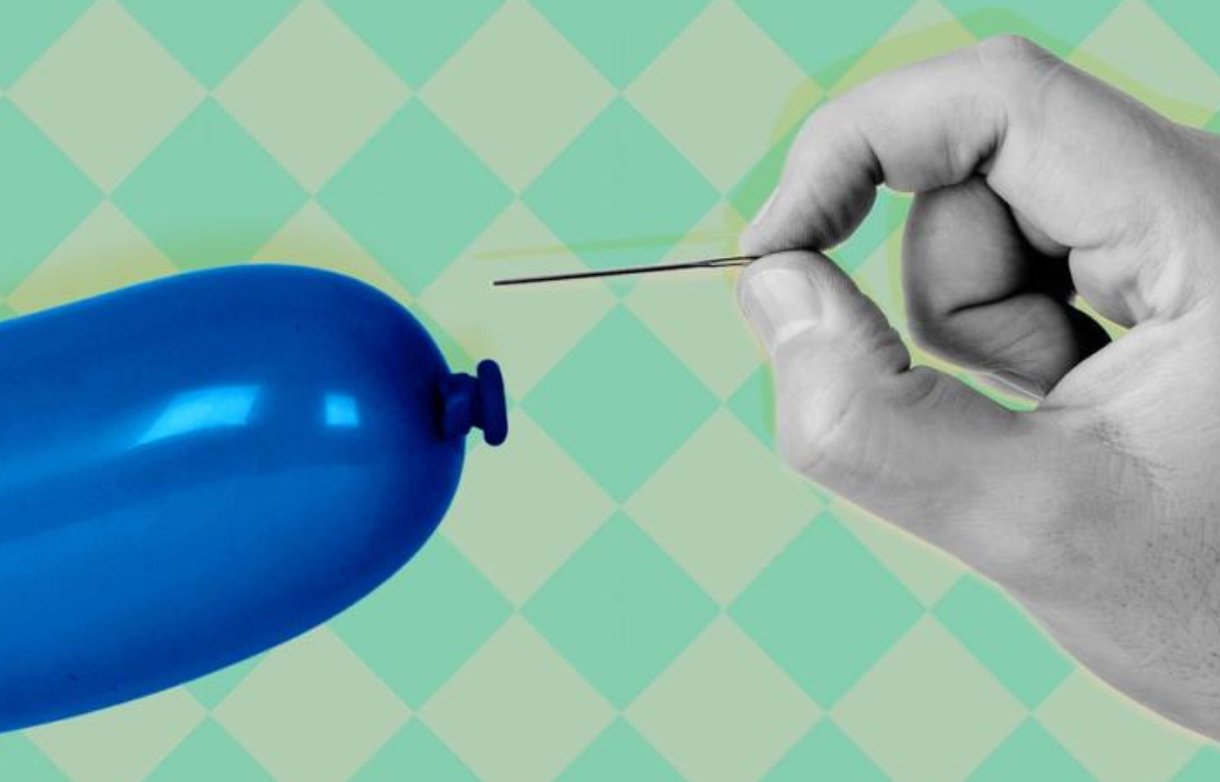
The art market has long been a symbol of affluence and cultural prestige. In recent years, however, the prices of art—especially contemporary and modern pieces—have skyrocketed to unprecedented levels, leading many to question whether the art world is teetering on the brink of a bubble. From record-breaking auction sales to high-profile gallery showings, the market’s exponential growth has created an environment ripe for speculation, where prices seem to be driven less by intrinsic value and more by trend and hype. This phenomenon has raised a critical debate: Is the art market sustainable, or are we witnessing the inflation of a bubble destined to burst?

The Mechanics of the Art Market

The art market is a complex ecosystem comprised of artists, galleries, collectors, auction houses, and investors, each playing a unique role in the valuation and sale of art. Over the past decade, the dynamics of this market have shifted dramatically due to several key factors:

Globalization of the Art Market: The emergence of new buyers from regions such as Asia and the Middle East has injected fresh capital into the market, driving demand for both contemporary and classical art. As a result, art sales have become increasingly international, with a greater number of artists gaining global recognition and prices being influenced by a wider range of collectors.

Financialization of Art: The categorization of art as an alternative asset class has attracted investors seeking to diversify their portfolios. Hedge funds and private equity firms have begun treating art as a commodity, buying and selling works based on anticipated appreciation rather than aesthetic or historical value. This financialization has introduced a speculative element, contributing to the rapid inflation of prices.

Role of Auction Houses and Market Manipulation: Major auction houses like Christie’s and Sotheby’s have played a pivotal role in inflating prices by orchestrating high-profile sales and marketing campaigns that create a sense of urgency and competition. These auction houses often offer guarantees to sellers, ensuring a minimum price for the artwork, which can distort market values and set artificially high benchmarks.

Identifying the Signs of a Bubble

The art market, much like any other financial market, is susceptible to bubbles—a scenario where prices are driven to unsustainable levels by speculation and exuberant behavior. Several indicators suggest that the art market may be experiencing such a phenomenon:

Exponential Price Increases: The prices of certain artists, particularly those in the contemporary and modern categories, have risen exponentially. Artists like Jean-Michel Basquiat, Banksy, and Jeff Koons have seen their works sell for tens of millions of dollars, with some even surpassing the $100 million mark. These dramatic increases, often detached from broader economic trends, suggest an overheated market.

Speculative Buying and Flipping: Many collectors and investors are engaging in short-term buying and selling, or “flipping,” of artworks. This practice is particularly prevalent in the contemporary art segment, where newly minted artists see their prices skyrocket within months of their debut. This speculative activity distorts the market, as it prioritizes quick returns over long-term appreciation and artistic merit.

Emergence of Art Investment Funds: The rise of art investment funds, which pool money from investors to buy and sell artworks, has further fueled the speculative nature of the market. These funds often prioritize high-profile, expensive pieces that can appreciate quickly, thereby contributing to the rapid inflation of certain artists’ prices.

Discrepancy Between Primary and Secondary Markets: A stark discrepancy often exists between the primary market (direct sales from galleries and artists) and the secondary market (resales at auctions and private sales). Works that sell for modest prices in the primary market can achieve astronomical figures in the secondary market, reflecting a speculative premium that may not be sustainable.

The Role of Collectors, Institutions, and Market Manipulation

The art market is not an isolated entity—it is shaped by the behavior and strategies of various stakeholders. In examining the potential for a bubble, it is crucial to critique the roles of collectors, institutions, and market intermediaries:

Collectors as Market Drivers: High-net-worth collectors, often motivated by status and competition, are significant contributors to the inflation of art prices. The phenomenon of trophy hunting—where collectors seek out the most expensive, high-profile pieces to add to their collections—creates an environment where prices are driven by prestige rather than artistic value.

Institutional Influence: Museums and galleries, which have traditionally been seen as guardians of cultural value, are not immune to the pressures of the market. Major institutions sometimes engage in “deaccessioning”—the sale of artworks from their collections—to fund acquisitions of trendier, more commercially viable pieces. This practice not only reflects the influence of market forces on curatorial decisions but also contributes to the perception of art as a speculative commodity.

Auction House Strategies and Guarantees: Auction houses often employ guarantees and irrevocable bids to secure high-value sales, a practice that can manipulate market values. By ensuring that an artwork will sell for a minimum price, auction houses create a false sense of demand and stability. This strategy can backfire, however, if guarantees are not met, resulting in substantial losses and a potential market correction.

Emergence of Blue-Chip Art as a Safe Haven: In times of economic uncertainty, blue-chip artworks by established masters like Picasso, Warhol, and Rothko are often viewed as safe-haven assets. This perception drives up demand for these pieces, further inflating prices. However, if broader economic conditions deteriorate, the demand for even these “safe” assets could wane, leading to a market correction.

Warning Signs: What Could Burst the Bubble?

Rising Interest Rates and Economic Slowdown: If interest rates rise or economic growth slows, liquidity in the market could diminish. Collectors and investors, facing tighter financial conditions, may be less willing to spend exorbitant sums on art. A decrease in demand could cause prices to plummet, particularly for speculative, high-value pieces.

Shift in Market Sentiment: The art market is heavily influenced by sentiment. A few high-profile failures at auction or significant devaluations of major artists could trigger a broader loss of confidence, leading to a cascade of falling prices.

Regulatory Changes and Tax Reforms: Governments around the world are increasingly scrutinizing the art market for issues related to money laundering and tax evasion. Stricter regulations or changes in tax laws could reduce the market’s appeal as a venue for investment and wealth preservation, leading to a decline in demand.

Overproduction of Artworks: Some artists and galleries have increased production to meet the surge in demand, resulting in a glut of artworks on the market. This oversupply, particularly if demand wanes, could lead to devaluation and a collapse in prices.

If the art market were to experience a significant correction or collapse, the implications would extend beyond financial loss. Such a scenario would likely reshape the art world in several profound ways:

Impression on Artists and Galleries: A collapse would have a severe impact on living artists and galleries, particularly those who have relied on the inflated prices of the contemporary market. Many artists might struggle to find buyers, and smaller galleries could face financial ruin.

Reevaluation of Artistic Value: A correction could prompt a reevaluation of what constitutes value in art. The focus could shift from high-priced, trend-driven pieces to works that hold cultural, historical, or aesthetic significance.

Change in Collector Behavior: Collectors, once burned by the volatility of the market, may become more cautious and discerning. This shift could lead to a more stable, sustainable market in the long term, with greater emphasis on quality and longevity rather than speculation.

The art market is at a crossroads. While it has shown remarkable resilience and growth, the warning signs of a potential bubble cannot be ignored. A collapse, if it occurs, would not be unprecedented—history has shown that the art market is cyclical, with periods of boom followed by bust. However, a bubble burst could also pave the way for a healthier, more sustainable market in the long run.

Ultimately, the art world must grapple with its own contradictions: the tension between art as an expression of human creativity and art as a commodity. Navigating this complex landscape will require greater transparency, a reevaluation of value, and a renewed focus on supporting artistic integrity over market speculation.

Related Articles

Modern data center facility with a solar-panel-clad exterior, bright green administrative offices, and secure perimeter fencing, showcasing sustainable digital infrastructure and renewable energy integration

Lombardy’s Data Center Boom: Balancing Digital Ambition with Environmental Responsible

Lombardy has emerged as Italy’s primary hub for new digital infrastructures, particularly data centers—vast complexes […]

In a highly anticipated reunion after 24 years, Adidas Originals and Coca-Cola have joined forces once again to celebrate the FIFA World Cup 2026™. The collaboration revives their iconic 2002 partnership from the Japan-South Korea tournament, now reimagined for the biggest global sporting event of 2026, co-hosted by the United States, Canada, and Mexico. Set to launch on June 6, 2026, this collection masterfully blends Adidas' streetwear heritage with Coca-Cola's timeless branding, creating a vibrant fusion of football culture, nostalgia, and modern style. The drop arrives at a perfect moment. With the World Cup kicking off on June 11, 2026, fans worldwide are gearing up for a summer of football excitement. This collaboration isn't just merch—it's a cultural statement that merges two legendary brands under the banner of "Originals are the Real Thing," a clever twist on Coca-Cola's famous slogan. Historical Context: A Reunion 24 Years in the Making Adidas and Coca-Cola first collaborated during the 2002 FIFA World Cup, producing limited-edition pieces that captured the era's energy. That partnership helped define early 2000s football-streetwear crossover culture. Fast-forward to 2026, and the brands are back with fresh energy, leveraging Adidas' deep FIFA ties (as an official partner) and Coca-Cola's long-standing sponsorship of the tournament. The 2026 edition promises to be historic as the first 48-team World Cup, spanning three countries and generating unprecedented global hype. This collab taps into that momentum, offering fans wearable pieces that celebrate both brands' legacies while looking forward to the future of football fashion. Collection Overview and Design Philosophy The Adidas Originals x Coca-Cola collection fuses 2000s street style with classic sporting aesthetics. Expect bold reds, creams, whites, and silver accents inspired by Coca-Cola's iconic packaging—think classic script logos, droplet detailing, and can-inspired motifs. The lineup spans footwear, apparel, and accessories, divided into two visual directions: one logo-heavy and graphic-forward, the other drawing from vintage advertising aesthetics. Designs pay homage to Coca-Cola's visual language while staying true to Adidas Originals' archival roots. High-quality materials, attention to detail, and versatile silhouettes make these pieces suitable for both match-day wear and everyday street style. The campaign, featuring young football star Lamine Yamal and a diverse cast in everyday scenes building anticipation for the tournament, reinforces themes of originality and shared cultural moments. Footwear Highlights Footwear takes center stage in this collaboration, with reimagined takes on iconic 2000s Adidas silhouettes: Samba and Superstar Models: These classics get Coca-Cola treatment with white/cream/red colorways and prominent script branding. The Samba blends street heritage with football roots, while the Superstar II features weathered bases and bold side panels. Expected pricing around $110–$130. Adistar Control 5: A standout with droplet detailing mimicking condensation on a cold Coke can. This model brings performance-inspired design into lifestyle territory. Predator Sala: Indoor/hybrid style with silver-and-red accents, nodding to predatory precision on the pitch and Coca-Cola's bold energy. Climacool 1: Revived with breathable tech and Coke-inspired graphics, perfect for warm summer days. Megaride F50: A highlight paying tribute to the iconic Coca-Cola glass bottle, with unique contours and refreshing design cues. Each pair incorporates thoughtful details like embroidered logos, custom insoles, and packaging that mimics vintage Coke crates or cans. These shoes are built for durability and comfort, appealing to sneakerheads, football fans, and casual wearers alike. Apparel and Accessories Beyond kicks, the collection offers a full lifestyle range: Track Tops and Jerseys: Standout jerseys fuse retro Coca-Cola advertising from different eras into cohesive football designs. Track jackets feature signature three stripes alongside Coke branding, in vibrant reds and classic whites. Shorts and T-Shirts: Relaxed fits with graphic prints, ideal for casual wear or layering. Expect motivational football motifs blended with refreshing beverage references. Accessories: A bright red airliner bag stands out as a functional statement piece. Additional items may include caps, socks, and tote bags carrying the collaborative spirit. The apparel emphasizes comfort with premium cotton blends, mesh panels for breathability, and oversized silhouettes popular in contemporary streetwear. Unisex sizing and inclusive fits make the collection accessible to a broad audience. Cultural Impact and Fan Appeal This collaboration resonates on multiple levels. For football fans, it represents national pride and global unity ahead of the 2026 tournament. Sneaker enthusiasts will appreciate the nostalgic 2000s revival mixed with modern execution. Streetwear collectors see it as a prime example of how heritage brands can innovate through partnerships. In an era where sports and fashion increasingly intersect, Adidas and Coca-Cola deliver pieces that transcend the pitch. Wear them to watch matches at home, attend watch parties, or hit the streets in any host city—New York, Los Angeles, Toronto, or beyond. The designs are versatile enough for gym sessions, festivals, or daily commutes. The timing aligns perfectly with rising interest in football in North America, boosted by the co-hosting nations. Young talents like Lamine Yamal in the campaign help bridge generational gaps, attracting newer fans while satisfying longtime supporters. Where to Buy and Release Details The collection launches globally on June 6, 2026, via: Adidas CONFIRMED app (for early access and raffles) Adidas.com Select retailers and flagship stores worldwide Some regions may see staggered drops, with Japan and other markets getting early access. Prices are expected to range from $50–$150 depending on the item, making it relatively accessible compared to ultra-limited drops. Pro Tips for Copping: Enable notifications on the CONFIRMED app. Check local stock at Adidas stores in major cities. Monitor resale platforms post-drop for exclusive colorways, but be wary of markups. Size up slightly for oversized apparel fits. Given the World Cup hype, popular items like the Sambas and jerseys are likely to sell out quickly. International shipping is available, but factor in potential customs delays. Styling Suggestions Match Day Look: Pair a collaborative jersey with classic black shorts and Samba sneakers for effortless fan style. Streetwear Rotation: Layer a track top over a graphic tee with wide-leg pants and the Megaride F50 for a bold urban ensemble. Casual Summer: White Superstar with denim shorts and the airliner bag for a refreshing, vacation-ready vibe. These pieces mix seamlessly with existing Adidas or neutral wardrobes, maximizing versatility. Broader Context in 2026 Fashion and Sports The Adidas x Coca-Cola drop is part of a larger wave of high-profile collaborations tied to the World Cup. Adidas continues its dominance in football kit design, while Coca-Cola leverages its sponsorship with collectibles, bottles, and experiential activations like the Trophy Tour. In the sneaker industry, this collab exemplifies the ongoing trend of lifestyle reinterpretations of performance silhouettes. It also highlights how global brands use major events to drive cultural conversations around unity, originality, and joy—core values for both companies. Sustainability notes (based on Adidas' broader initiatives) suggest some pieces may incorporate recycled materials, aligning with modern consumer expectations. Looking Forward: Legacy and Excitement As the countdown to kickoff continues, this collection serves as the perfect prelude to an unforgettable summer of football. Whether you're a die-hard supporter, a fashion-forward collector, or someone seeking motivation through style, the Adidas Originals x Coca-Cola FIFA World Cup 2026 lineup delivers. Expect potential restocks, special event exclusives in host cities, and continued campaign content featuring more athletes. This isn't just clothing—it's a ticket to participate in the global celebration of the beautiful game. Mark your calendars for June 6, 2026. Refresh your wardrobe, lace up those Sambas, and get ready to cheer on your team in style. The "Real Thing" meets the Originals in what promises to be one of the most talked-about releases of the year. This collaboration captures the essence of football's universal appeal: bringing people together through shared passion, iconic brands, and unforgettable moments. As the world prepares for 2026's expanded tournament, Adidas and Coca-Cola remind us that some partnerships are truly timeless.

Adidas Originals x Coca-Cola Collection: FIFA World Cup 2026

In a highly anticipated reunion after 24 years, Adidas Originals and Coca-Cola have joined forces […]

Loewe shoulder bag crafted in brown and black leather with minimalist lion face detailing and a matching fur tail charm

180 Years Unfolded: The Full Story Behind Loewe’s New Campaign

The year was 1846. Queen Victoria was on the British throne and the telephone, the […]