DRIFT


A Sharp New Concept in the Midst of London

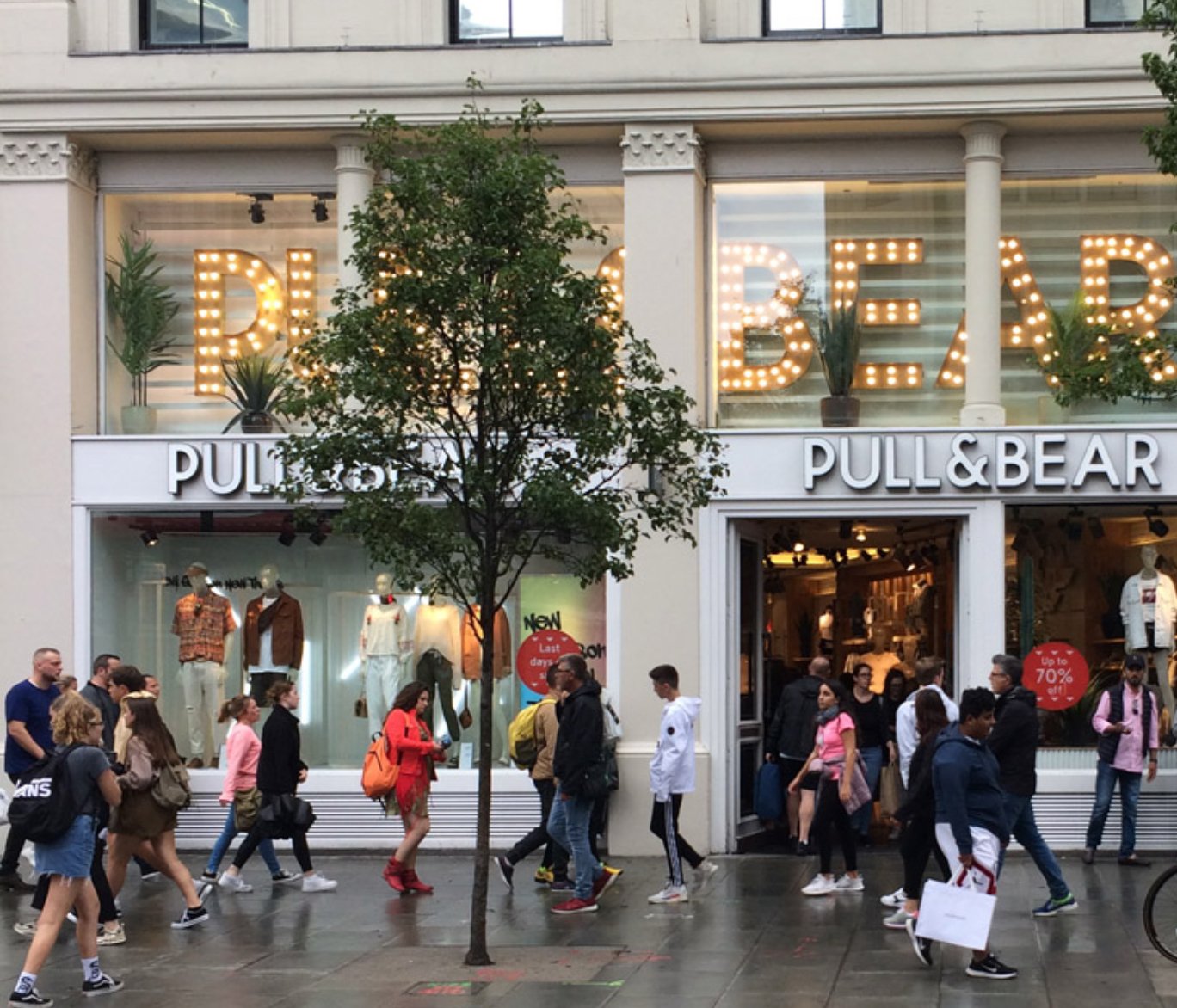
Pull & Bear has always thrived on forward energy. From its skate-inspired silhouettes to its unpretentious price points and youthful optimism, the Inditex-owned label has spoken directly to a generation of shoppers that sees fashion as an extension of motion—cultural, personal, urban. On April 11, 2025, the brand pushed that mission even further with the unveiling of its new flagship store at 213 Oxford Street, London.

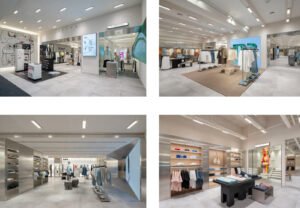
Spanning over 1,391 square meters across two floors, the new location is more than just retail—it’s a future-forward arena of expression. With luminous white interiors, experimental fittings, and sensory-focused spatial design, the store reflects Pull & Bear’s commitment to digitally fluent, experientially driven fashion consumers. It marks a return to physical retail, not as a transactional hub, but as a playground—a place to discover, to dwell, to dream.

Reinventing the Flagship

Flagship stores, traditionally, have operated as brand temples—grand showcases of a label’s visual DNA. With this new space, Pull & Bear breaks that mold. Instead of monumentalism, the store embodies accessibility and interaction. Think: less shrine, more ecosystem.

Upon entry, customers are greeted by an environment that feels at once clinical and creative. White stucco walls and brushed steel installations set the tone—inviting minimalism punctuated by textural complexity. A series of modular display structures, resembling large-format lightboxes, divide the store into flexible zones. These are not mere racks—they’re gallery-like compositions, shifting fluidly between functional retail and visual curation.

The design, developed in flow with a Madrid-based studio specializing in sustainable commercial architecture, leans into biophilic lighting, dynamic movement mapping, and responsive materiality. This isn’t just a store—it’s a system in motion, tailored to the ways people shop, browse, rest, and return.

Digital Meets Physical: A Seamless Shopping Model

The Oxford Street flagship is not merely a store—it’s Pull & Bear’s first hybrid commerce venue, where technology is not a feature, but a framework. Throughout the space, shoppers encounter a suite of touchless tools, digital assistants, and data-backed navigation systems.

  • RFID-enabled fitting rooms automatically recognize products brought in, offer styling suggestions on integrated mirrors, and allow real-time size/availability checks.
  • QR-coded fixtures across the store allow customers to save, scan, or digitally transfer their selections to a mobile cart.
  • Augmented reality installations in the accessories and footwear section allow visitors to virtually try on bags, trainers, or sunglasses through motion capture.
  • A centralized digital concierge desk helps customers order in-store items for at-home delivery, or retrieve online orders without waiting in traditional queues.

The result is a hybrid model that bridges digital efficiency with tactile pleasure—a retail language fluently spoken by Gen Z and younger millennials.

The Mood: Urban Sanctuary, Not Consumption Temple

One of the most unexpected qualities of the new Pull & Bear flagship is how calm it feels. Unlike its fast-fashion competitors—many of whom rely on sensory overload—this store feels curated with intentional breath.

Music is low, ambient, leaning more toward art installation than party playlist. The color scheme is a palette of soft khaki, silver, and cream, with subtle pops of blue neon signaling collection zones. The changing rooms are spacious and softly lit, echoing more of a wellness environment than traditional retail cubicles.

Strategically placed lounging areas, complete with charging stations and brand-commissioned design books, reinforce the idea that this is a space to stay—not just to buy. The message is clear: Pull & Bear isn’t pushing product. It’s inviting presence.

Spatial Identity: A Walk Through Future Fabric

Each section of the flagship is curated around specific product categories, but more importantly, around emotional tempos. The first floor is energetic—graphic tees, denim drops, tech-fabric outerwear. It feels like the entrance to a skate park fused with a Tokyo concept shop. The second floor slows down—knitwear, linen shirts, tailoring-inspired sets. It’s contemplative, laid-back, sunny.

In between are seasonal vignettes, which act as editorial pop-ins—miniature installations that highlight capsule drops or themed edits. For SS25, this includes:

  • “Desert Signal”: A faded-khaki and burnt-orange section featuring utility parkas, cargo skirts, and clay-toned sandals.
  • “Off-Season Court”: A tennis-inspired drop blending preppy polos and netted mesh shorts in pastel colorways.
  • “Digital Mutiny”: A bold unisex corner spotlighting graphic tanks, industrial pants, and translucent vinyl accessories—modeled after urban cyberpunk streetwear.

The interplay of color, light, and texture turns these collections into storyworlds, each corner an invitation to enter a new fashion narrative.

A Street-Level Statement

The new flagship does more than bring the inside of Pull & Bear’s vision to life—it reasserts the brand’s presence on the literal street. Oxford Street, long seen as the commercial artery of London, has experienced major turbulence in recent years. Post-pandemic closures, shifting rent structures, and the decline of department stores have left many flagship spaces shuttered or soulless.

With this opening, Pull & Bear makes a bold statement: the street still matters. Physical spaces are still vital. But their role has changed. They’re not just outlets—they’re community nodes, cultural activators, brand laboratories.

Outside the store, street art installations curated in collaboration with local East London illustrators offer QR-coded murals that link to limited-edition pieces. A series of rotating pop-up carts—offering anything from zines to recycled tote bags—bring spontaneity to the sidewalk. Even the storefront glass carries programmable displays that shift with dayparting schedules, syncing the exterior’s mood with sunlight and foot traffic.

The Sustainability Thread

Though not overt, sustainability weaves quietly throughout the flagship. From LED lighting and recycled aluminum framework to fitting rooms lined with post-consumer cotton panels, the architecture reflects circular thinking. Many of the display platforms are built from compressed hemp fiber and biodegradable resin, and the packaging zone offers textile-based wrapping options.

An in-store recycling wall allows shoppers to drop off unwanted clothing in exchange for Pull & Bear credits, which can be used on future purchases or donated to youth shelters.

Even the staff uniforms, designed by an in-house capsule team, are crafted from deadstock denim and digitally printed cotton—functional, ethical, and visibly tied to the store’s broader purpose.

More Than Shopping: Culture, Tech, and Play

Throughout the next year, the Oxford Street flagship will serve as a rotating culture lab, housing panel talks, DJ sets, styling workshops, and augmented-reality pop-ups. Planned collaborations include:

  • A “Future Garment” symposium, led by fashion tech students from Central Saint Martins.
  • A capsule drop with UK illustrator Joey Yu, launching in-store with a digital gallery takeover.
  • Monthly “Afterhours at 213” events, where the store becomes a nocturnal space for DJs, stylists, and local creators.

This isn’t just a store—it’s a social platform with walls. An arena for creative exchange, live trend-testing, and consumer feedback. By embedding cultural activation into its architecture, Pull & Bear ensures the flagship isn’t just visited—it’s revisited.

Impression: Soft Power Through Smart Design

Pull & Bear’s Oxford Street flagship proves that physical retail isn’t dead—it just needs relevance, rhythm, and redefinition. This isn’t about maximalism. It’s about movement, modulation, and feeling the customer where they are.

Here, the brand doesn’t rely on logos or trend-chasing. It leans on materiality, mood, and maneuverability. It lets people choose their own pace, offering moments to pause or moments to perform.

If the next era of fashion retail is about place-making, then Pull & Bear has delivered a space not just to shop, but to inhabit. Not just to browse, but to be seen browsing. It’s a future-minded playground with analog warmth—tactile, intentional, and alive.

Related Articles
Modern data center facility with a solar-panel-clad exterior, bright green administrative offices, and secure perimeter fencing, showcasing sustainable digital infrastructure and renewable energy integration

Lombardy’s Data Center Boom: Balancing Digital Ambition with Environmental Responsible

Lombardy has emerged as Italy’s primary hub for new digital infrastructures, particularly data centers—vast complexes […]

In a highly anticipated reunion after 24 years, Adidas Originals and Coca-Cola have joined forces once again to celebrate the FIFA World Cup 2026™. The collaboration revives their iconic 2002 partnership from the Japan-South Korea tournament, now reimagined for the biggest global sporting event of 2026, co-hosted by the United States, Canada, and Mexico. Set to launch on June 6, 2026, this collection masterfully blends Adidas' streetwear heritage with Coca-Cola's timeless branding, creating a vibrant fusion of football culture, nostalgia, and modern style. The drop arrives at a perfect moment. With the World Cup kicking off on June 11, 2026, fans worldwide are gearing up for a summer of football excitement. This collaboration isn't just merch—it's a cultural statement that merges two legendary brands under the banner of "Originals are the Real Thing," a clever twist on Coca-Cola's famous slogan. Historical Context: A Reunion 24 Years in the Making Adidas and Coca-Cola first collaborated during the 2002 FIFA World Cup, producing limited-edition pieces that captured the era's energy. That partnership helped define early 2000s football-streetwear crossover culture. Fast-forward to 2026, and the brands are back with fresh energy, leveraging Adidas' deep FIFA ties (as an official partner) and Coca-Cola's long-standing sponsorship of the tournament. The 2026 edition promises to be historic as the first 48-team World Cup, spanning three countries and generating unprecedented global hype. This collab taps into that momentum, offering fans wearable pieces that celebrate both brands' legacies while looking forward to the future of football fashion. Collection Overview and Design Philosophy The Adidas Originals x Coca-Cola collection fuses 2000s street style with classic sporting aesthetics. Expect bold reds, creams, whites, and silver accents inspired by Coca-Cola's iconic packaging—think classic script logos, droplet detailing, and can-inspired motifs. The lineup spans footwear, apparel, and accessories, divided into two visual directions: one logo-heavy and graphic-forward, the other drawing from vintage advertising aesthetics. Designs pay homage to Coca-Cola's visual language while staying true to Adidas Originals' archival roots. High-quality materials, attention to detail, and versatile silhouettes make these pieces suitable for both match-day wear and everyday street style. The campaign, featuring young football star Lamine Yamal and a diverse cast in everyday scenes building anticipation for the tournament, reinforces themes of originality and shared cultural moments. Footwear Highlights Footwear takes center stage in this collaboration, with reimagined takes on iconic 2000s Adidas silhouettes: Samba and Superstar Models: These classics get Coca-Cola treatment with white/cream/red colorways and prominent script branding. The Samba blends street heritage with football roots, while the Superstar II features weathered bases and bold side panels. Expected pricing around $110–$130. Adistar Control 5: A standout with droplet detailing mimicking condensation on a cold Coke can. This model brings performance-inspired design into lifestyle territory. Predator Sala: Indoor/hybrid style with silver-and-red accents, nodding to predatory precision on the pitch and Coca-Cola's bold energy. Climacool 1: Revived with breathable tech and Coke-inspired graphics, perfect for warm summer days. Megaride F50: A highlight paying tribute to the iconic Coca-Cola glass bottle, with unique contours and refreshing design cues. Each pair incorporates thoughtful details like embroidered logos, custom insoles, and packaging that mimics vintage Coke crates or cans. These shoes are built for durability and comfort, appealing to sneakerheads, football fans, and casual wearers alike. Apparel and Accessories Beyond kicks, the collection offers a full lifestyle range: Track Tops and Jerseys: Standout jerseys fuse retro Coca-Cola advertising from different eras into cohesive football designs. Track jackets feature signature three stripes alongside Coke branding, in vibrant reds and classic whites. Shorts and T-Shirts: Relaxed fits with graphic prints, ideal for casual wear or layering. Expect motivational football motifs blended with refreshing beverage references. Accessories: A bright red airliner bag stands out as a functional statement piece. Additional items may include caps, socks, and tote bags carrying the collaborative spirit. The apparel emphasizes comfort with premium cotton blends, mesh panels for breathability, and oversized silhouettes popular in contemporary streetwear. Unisex sizing and inclusive fits make the collection accessible to a broad audience. Cultural Impact and Fan Appeal This collaboration resonates on multiple levels. For football fans, it represents national pride and global unity ahead of the 2026 tournament. Sneaker enthusiasts will appreciate the nostalgic 2000s revival mixed with modern execution. Streetwear collectors see it as a prime example of how heritage brands can innovate through partnerships. In an era where sports and fashion increasingly intersect, Adidas and Coca-Cola deliver pieces that transcend the pitch. Wear them to watch matches at home, attend watch parties, or hit the streets in any host city—New York, Los Angeles, Toronto, or beyond. The designs are versatile enough for gym sessions, festivals, or daily commutes. The timing aligns perfectly with rising interest in football in North America, boosted by the co-hosting nations. Young talents like Lamine Yamal in the campaign help bridge generational gaps, attracting newer fans while satisfying longtime supporters. Where to Buy and Release Details The collection launches globally on June 6, 2026, via: Adidas CONFIRMED app (for early access and raffles) Adidas.com Select retailers and flagship stores worldwide Some regions may see staggered drops, with Japan and other markets getting early access. Prices are expected to range from $50–$150 depending on the item, making it relatively accessible compared to ultra-limited drops. Pro Tips for Copping: Enable notifications on the CONFIRMED app. Check local stock at Adidas stores in major cities. Monitor resale platforms post-drop for exclusive colorways, but be wary of markups. Size up slightly for oversized apparel fits. Given the World Cup hype, popular items like the Sambas and jerseys are likely to sell out quickly. International shipping is available, but factor in potential customs delays. Styling Suggestions Match Day Look: Pair a collaborative jersey with classic black shorts and Samba sneakers for effortless fan style. Streetwear Rotation: Layer a track top over a graphic tee with wide-leg pants and the Megaride F50 for a bold urban ensemble. Casual Summer: White Superstar with denim shorts and the airliner bag for a refreshing, vacation-ready vibe. These pieces mix seamlessly with existing Adidas or neutral wardrobes, maximizing versatility. Broader Context in 2026 Fashion and Sports The Adidas x Coca-Cola drop is part of a larger wave of high-profile collaborations tied to the World Cup. Adidas continues its dominance in football kit design, while Coca-Cola leverages its sponsorship with collectibles, bottles, and experiential activations like the Trophy Tour. In the sneaker industry, this collab exemplifies the ongoing trend of lifestyle reinterpretations of performance silhouettes. It also highlights how global brands use major events to drive cultural conversations around unity, originality, and joy—core values for both companies. Sustainability notes (based on Adidas' broader initiatives) suggest some pieces may incorporate recycled materials, aligning with modern consumer expectations. Looking Forward: Legacy and Excitement As the countdown to kickoff continues, this collection serves as the perfect prelude to an unforgettable summer of football. Whether you're a die-hard supporter, a fashion-forward collector, or someone seeking motivation through style, the Adidas Originals x Coca-Cola FIFA World Cup 2026 lineup delivers. Expect potential restocks, special event exclusives in host cities, and continued campaign content featuring more athletes. This isn't just clothing—it's a ticket to participate in the global celebration of the beautiful game. Mark your calendars for June 6, 2026. Refresh your wardrobe, lace up those Sambas, and get ready to cheer on your team in style. The "Real Thing" meets the Originals in what promises to be one of the most talked-about releases of the year. This collaboration captures the essence of football's universal appeal: bringing people together through shared passion, iconic brands, and unforgettable moments. As the world prepares for 2026's expanded tournament, Adidas and Coca-Cola remind us that some partnerships are truly timeless.

Adidas Originals x Coca-Cola Collection: FIFA World Cup 2026

In a highly anticipated reunion after 24 years, Adidas Originals and Coca-Cola have joined forces […]

Loewe shoulder bag crafted in brown and black leather with minimalist lion face detailing and a matching fur tail charm

180 Years Unfolded: The Full Story Behind Loewe’s New Campaign

The year was 1846. Queen Victoria was on the British throne and the telephone, the […]