DRIFT

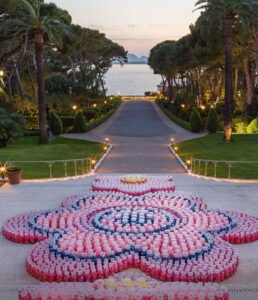
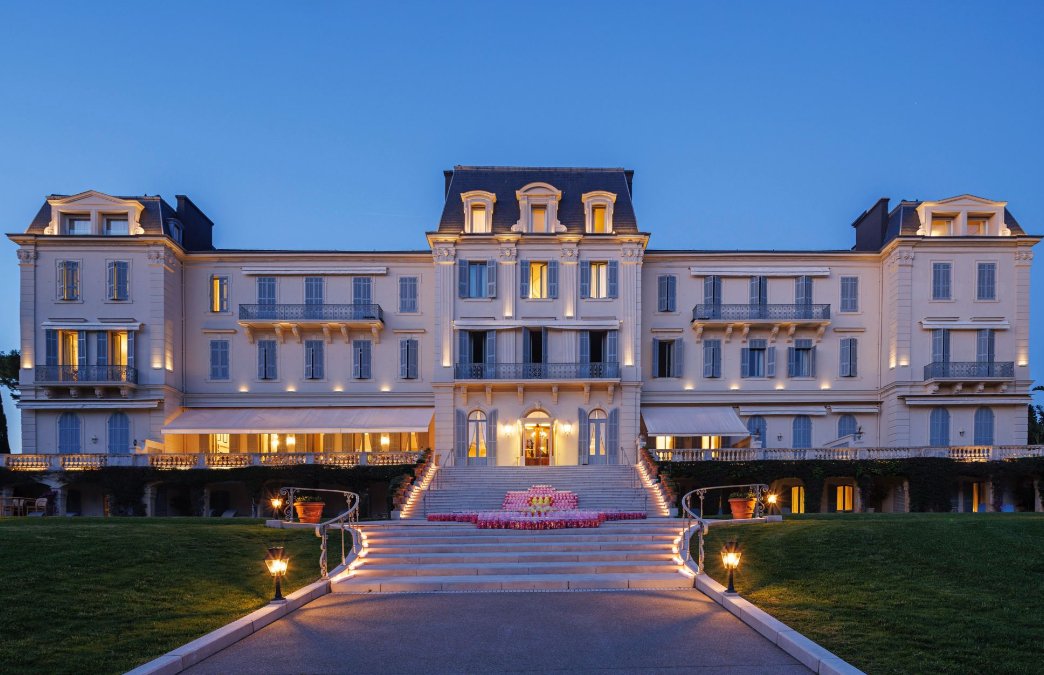
Under the sapphire skies of the Côte d’Azur, where sunlight refracts off the sea like cut diamonds, a singular spectacle unfolded at the Hôtel du Cap-Eden-Roc in Cap d’Antibes—a destination synonymous with the mythos of Riviera glamour. Here, Dior Joaillerie, under the visionary design of Victoire de Castellane, launched its latest high jewelry collection in a setting worthy of cinematic reverence. This was not merely a product reveal. It was a holistic immersion into aesthetic splendor, orchestrated with the precision of haute couture and the emotion of a dream remembered.

The event was private, rarefied, and steeped in an atmosphere of deliberate enchantment—designed not for spectacle alone, but to stage a dialogue between creation, nature, and the timeless poetry of adornment. Across a backdrop of Mediterranean breeze and baroque florals, the pieces gleamed not as accessories but as stories. Stories of metamorphosis, of mineral opulence, of Victoire’s singular ability to transform emotion into structure.

The House and Its Visionary

Since 1999, Victoire de Castellane has shaped Dior’s high jewelry with irreverent brilliance, drawing on childhood fantasies, rococo excess, and the inner lives of precious stones. Hers is a vision that dances between baroque romanticism and acidic whimsy, never content with tradition, always extending the frontier of what jewelry can express. With each collection, she treats gemstones not as status objects but as narrators—animated by their color, their cut, their origin, and the memories they seem to contain.

This latest collection, unveiled in the seclusion and grandeur of the Eden Roc estate, feels like a culmination of her past work and an evolution into something more architectural. Diamonds are not simply set—they are staged. Sapphires do not shimmer—they converse. Tourmalines, opals, and spinels are no longer passive—they become provocateurs. The pieces reflect her ever-deepening interest in organic structure and asymmetry, where the tension between wildness and refinement reaches its most potent expression yet.

A Setting of Cinematic Reverence

The Hôtel du Cap-Eden-Roc has long been a muse to artists, filmmakers, and aristocrats. For this presentation, it became a living jewel box. A pathway lined with rose bushes led guests toward the sea-facing terrace where the exhibit began—not behind velvet ropes but staged like a theater of intimacy. Glass vitrines nestled into sculptural plinths. Floating silk panels moved with the wind, echoing the fluidity of silk chiffons from Dior’s couture archive. Every inch of the experience was choreographed to foster proximity: not just to the jewels themselves, but to the emotion of their creation.

As the sun set, golden light scattered across the display, refracting through aquamarines and garnets like the final glimmer of a mirage. A bespoke scent filled the air—notes of iris, pepper, and sea fennel—a sensorial homage to the Riviera itself. Dior’s hospitality team ensured that guests were enveloped in comfort without distraction, allowing the focus to remain on the craft, on the stones, and on the presence of Victoire herself, who moved through the space as curator, artist, and host.

The Collection: Sculptural Romance and Elemental Intrigue

The collection’s name, undisclosed in early communications, was revealed on the opening evening: Les Mondes Précieux—The Precious Worlds. It was a fitting title, for each piece seemed to be a cosmos in miniature. Rather than adhere to a singular motif or narrative, Castellane presented a polyphony of micro-worlds: oceanic depths, celestial constellations, botanical labyrinths. Each suite of jewelry unfolded like a myth retold through mineral and metal.

One highlight was a necklace crafted from a cascade of Colombian emeralds, cut in irregular shapes and set against asymmetric rows of pink sapphires and icy diamonds. It resembled a topographic map of an imagined planet—one lush, dangerous, and undeniably feminine. Another standout, a ring of intense paraiba tourmaline surrounded by shards of black spinel, seemed to conjure a volcanic heart, caught mid-eruption and frozen in gold.

Castellane’s signature use of color clashing and layering reached new heights here. Stones were chosen not merely for purity or size but for emotional resonance. The imperfections in certain gems—milky opals, cloudy amethysts—were not corrected, but celebrated. Each flaw became a fingerprint, a note of humanity etched into geological time.

Craftsmanship: The Invisible Labor of Beauty

Behind the gleam of each jewel lies hundreds of hours of human labor—stonecutters, polishers, setters, and enamelers, working in tandem in Dior’s Parisian ateliers. One could glimpse this process through curated behind-the-scenes footage displayed on curved OLED screens embedded discreetly throughout the garden installation. Watching a goldsmith carve micro-prongs under a microscope, or a polisher coax fire from a previously dull ruby, reminded guests that these were not just luxury items but acts of devotion.

The use of French enameling techniques—particularly plique-à-jour and champlevé—added an element of translucency to the pieces, allowing light to filter through the jewelry much like stained glass. Some earrings featured hidden mechanisms that allowed them to transform: a drop of rubellite could retract and fold into a diamond hoop; a brooch could pivot into a ring. Such engineering was never boastful, always quietly magical.

Clientele and Couture Rituals

Attendance was deliberately intimate—private clients flown in from Tokyo, Doha, New York, and Milan, alongside editors from the likes of Numéro, Harper’s Bazaar, and L’Officiel. Each guest was guided through the collection by a member of the Dior jewelry salon team, in appointments designed less like showings and more like conversations. Tea was served in custom porcelain inspired by the collection’s patterns; silk gloves were provided before trying on select pieces; handwritten notes described the inspiration behind each jewel in poetic language.

In a world increasingly driven by algorithm and automation, this human-centric ritual felt like a rarefied act of cultural preservation. A moment when luxury decelerated, when attention reasserted itself as the true currency.

The Symbolism of Location: Why Eden Roc?

Cap d’Antibes has long held a gravitational pull for artists and aesthetes. F. Scott Fitzgerald immortalized it in Tender is the Night. Picasso painted here. Dior himself visited during his own Riviera summers. But Eden Roc, in particular, holds a kind of mythic resonance. A retreat that’s as known for its stillness as for its starry clientele. In staging Les Mondes Précieux here, Dior was not just selecting a beautiful location. It was selecting a memory palace—a site of legacy, of myth, of intimate splendor.

The decision also aligned with Castellane’s deeply cinematic approach to jewelry. Much like a director scouting the perfect set, she understands that context changes everything. The blue of a sapphire looks different beside the Mediterranean than it does in a boutique on Avenue Montaigne. At Eden Roc, the jewelry didn’t just sparkle—it spoke.

A Closing Evening to Remember

On the final night of the experience, a dinner was held on the lawn beneath olive trees strung with glass lanterns. Guests dined on Provencal dishes reimagined by Dior’s culinary director, paired with rare vintages from Château d’Yquem. Between courses, a harpist performed an original score inspired by gemstone frequencies—composed specifically for the event. It was a multisensory sendoff to a collection that was never meant to be merely seen, but to be felt, tasted, remembered.

Victoire rose briefly to thank her team—designers, artisans, hosts, and curators—calling them “the architects of emotion.” Her words, like her jewels, struck a chord deeper than ornamentation. She spoke not of status or sales, but of beauty as a human necessity.

Impression

The launch of Les Mondes Précieux at Eden Roc was not simply an event. It was a meditation. A poetic rehearsal of why high jewelry remains relevant in a digital age: because it reminds us of the irreplaceable, the handmade, the intimately felt. Because it demands slowness. Because it dares to make permanence out of transience.

Through her new collection, Victoire de Castellane has once again proven that jewelry, at its best, is not a product. It is a portal—into memory, into material reverie, into a universe where craftsmanship and emotion are inextricably linked.

And in the glow of Cap d’Antibes, with the sea echoing like a lullaby, those precious worlds came to life. Not to be bought. But to be believed in.

Related Articles
Modern data center facility with a solar-panel-clad exterior, bright green administrative offices, and secure perimeter fencing, showcasing sustainable digital infrastructure and renewable energy integration

Lombardy’s Data Center Boom: Balancing Digital Ambition with Environmental Responsible

Lombardy has emerged as Italy’s primary hub for new digital infrastructures, particularly data centers—vast complexes […]

In a highly anticipated reunion after 24 years, Adidas Originals and Coca-Cola have joined forces once again to celebrate the FIFA World Cup 2026™. The collaboration revives their iconic 2002 partnership from the Japan-South Korea tournament, now reimagined for the biggest global sporting event of 2026, co-hosted by the United States, Canada, and Mexico. Set to launch on June 6, 2026, this collection masterfully blends Adidas' streetwear heritage with Coca-Cola's timeless branding, creating a vibrant fusion of football culture, nostalgia, and modern style. The drop arrives at a perfect moment. With the World Cup kicking off on June 11, 2026, fans worldwide are gearing up for a summer of football excitement. This collaboration isn't just merch—it's a cultural statement that merges two legendary brands under the banner of "Originals are the Real Thing," a clever twist on Coca-Cola's famous slogan. Historical Context: A Reunion 24 Years in the Making Adidas and Coca-Cola first collaborated during the 2002 FIFA World Cup, producing limited-edition pieces that captured the era's energy. That partnership helped define early 2000s football-streetwear crossover culture. Fast-forward to 2026, and the brands are back with fresh energy, leveraging Adidas' deep FIFA ties (as an official partner) and Coca-Cola's long-standing sponsorship of the tournament. The 2026 edition promises to be historic as the first 48-team World Cup, spanning three countries and generating unprecedented global hype. This collab taps into that momentum, offering fans wearable pieces that celebrate both brands' legacies while looking forward to the future of football fashion. Collection Overview and Design Philosophy The Adidas Originals x Coca-Cola collection fuses 2000s street style with classic sporting aesthetics. Expect bold reds, creams, whites, and silver accents inspired by Coca-Cola's iconic packaging—think classic script logos, droplet detailing, and can-inspired motifs. The lineup spans footwear, apparel, and accessories, divided into two visual directions: one logo-heavy and graphic-forward, the other drawing from vintage advertising aesthetics. Designs pay homage to Coca-Cola's visual language while staying true to Adidas Originals' archival roots. High-quality materials, attention to detail, and versatile silhouettes make these pieces suitable for both match-day wear and everyday street style. The campaign, featuring young football star Lamine Yamal and a diverse cast in everyday scenes building anticipation for the tournament, reinforces themes of originality and shared cultural moments. Footwear Highlights Footwear takes center stage in this collaboration, with reimagined takes on iconic 2000s Adidas silhouettes: Samba and Superstar Models: These classics get Coca-Cola treatment with white/cream/red colorways and prominent script branding. The Samba blends street heritage with football roots, while the Superstar II features weathered bases and bold side panels. Expected pricing around $110–$130. Adistar Control 5: A standout with droplet detailing mimicking condensation on a cold Coke can. This model brings performance-inspired design into lifestyle territory. Predator Sala: Indoor/hybrid style with silver-and-red accents, nodding to predatory precision on the pitch and Coca-Cola's bold energy. Climacool 1: Revived with breathable tech and Coke-inspired graphics, perfect for warm summer days. Megaride F50: A highlight paying tribute to the iconic Coca-Cola glass bottle, with unique contours and refreshing design cues. Each pair incorporates thoughtful details like embroidered logos, custom insoles, and packaging that mimics vintage Coke crates or cans. These shoes are built for durability and comfort, appealing to sneakerheads, football fans, and casual wearers alike. Apparel and Accessories Beyond kicks, the collection offers a full lifestyle range: Track Tops and Jerseys: Standout jerseys fuse retro Coca-Cola advertising from different eras into cohesive football designs. Track jackets feature signature three stripes alongside Coke branding, in vibrant reds and classic whites. Shorts and T-Shirts: Relaxed fits with graphic prints, ideal for casual wear or layering. Expect motivational football motifs blended with refreshing beverage references. Accessories: A bright red airliner bag stands out as a functional statement piece. Additional items may include caps, socks, and tote bags carrying the collaborative spirit. The apparel emphasizes comfort with premium cotton blends, mesh panels for breathability, and oversized silhouettes popular in contemporary streetwear. Unisex sizing and inclusive fits make the collection accessible to a broad audience. Cultural Impact and Fan Appeal This collaboration resonates on multiple levels. For football fans, it represents national pride and global unity ahead of the 2026 tournament. Sneaker enthusiasts will appreciate the nostalgic 2000s revival mixed with modern execution. Streetwear collectors see it as a prime example of how heritage brands can innovate through partnerships. In an era where sports and fashion increasingly intersect, Adidas and Coca-Cola deliver pieces that transcend the pitch. Wear them to watch matches at home, attend watch parties, or hit the streets in any host city—New York, Los Angeles, Toronto, or beyond. The designs are versatile enough for gym sessions, festivals, or daily commutes. The timing aligns perfectly with rising interest in football in North America, boosted by the co-hosting nations. Young talents like Lamine Yamal in the campaign help bridge generational gaps, attracting newer fans while satisfying longtime supporters. Where to Buy and Release Details The collection launches globally on June 6, 2026, via: Adidas CONFIRMED app (for early access and raffles) Adidas.com Select retailers and flagship stores worldwide Some regions may see staggered drops, with Japan and other markets getting early access. Prices are expected to range from $50–$150 depending on the item, making it relatively accessible compared to ultra-limited drops. Pro Tips for Copping: Enable notifications on the CONFIRMED app. Check local stock at Adidas stores in major cities. Monitor resale platforms post-drop for exclusive colorways, but be wary of markups. Size up slightly for oversized apparel fits. Given the World Cup hype, popular items like the Sambas and jerseys are likely to sell out quickly. International shipping is available, but factor in potential customs delays. Styling Suggestions Match Day Look: Pair a collaborative jersey with classic black shorts and Samba sneakers for effortless fan style. Streetwear Rotation: Layer a track top over a graphic tee with wide-leg pants and the Megaride F50 for a bold urban ensemble. Casual Summer: White Superstar with denim shorts and the airliner bag for a refreshing, vacation-ready vibe. These pieces mix seamlessly with existing Adidas or neutral wardrobes, maximizing versatility. Broader Context in 2026 Fashion and Sports The Adidas x Coca-Cola drop is part of a larger wave of high-profile collaborations tied to the World Cup. Adidas continues its dominance in football kit design, while Coca-Cola leverages its sponsorship with collectibles, bottles, and experiential activations like the Trophy Tour. In the sneaker industry, this collab exemplifies the ongoing trend of lifestyle reinterpretations of performance silhouettes. It also highlights how global brands use major events to drive cultural conversations around unity, originality, and joy—core values for both companies. Sustainability notes (based on Adidas' broader initiatives) suggest some pieces may incorporate recycled materials, aligning with modern consumer expectations. Looking Forward: Legacy and Excitement As the countdown to kickoff continues, this collection serves as the perfect prelude to an unforgettable summer of football. Whether you're a die-hard supporter, a fashion-forward collector, or someone seeking motivation through style, the Adidas Originals x Coca-Cola FIFA World Cup 2026 lineup delivers. Expect potential restocks, special event exclusives in host cities, and continued campaign content featuring more athletes. This isn't just clothing—it's a ticket to participate in the global celebration of the beautiful game. Mark your calendars for June 6, 2026. Refresh your wardrobe, lace up those Sambas, and get ready to cheer on your team in style. The "Real Thing" meets the Originals in what promises to be one of the most talked-about releases of the year. This collaboration captures the essence of football's universal appeal: bringing people together through shared passion, iconic brands, and unforgettable moments. As the world prepares for 2026's expanded tournament, Adidas and Coca-Cola remind us that some partnerships are truly timeless.

Adidas Originals x Coca-Cola Collection: FIFA World Cup 2026

In a highly anticipated reunion after 24 years, Adidas Originals and Coca-Cola have joined forces […]

Loewe shoulder bag crafted in brown and black leather with minimalist lion face detailing and a matching fur tail charm

180 Years Unfolded: The Full Story Behind Loewe’s New Campaign

The year was 1846. Queen Victoria was on the British throne and the telephone, the […]