DRIFT

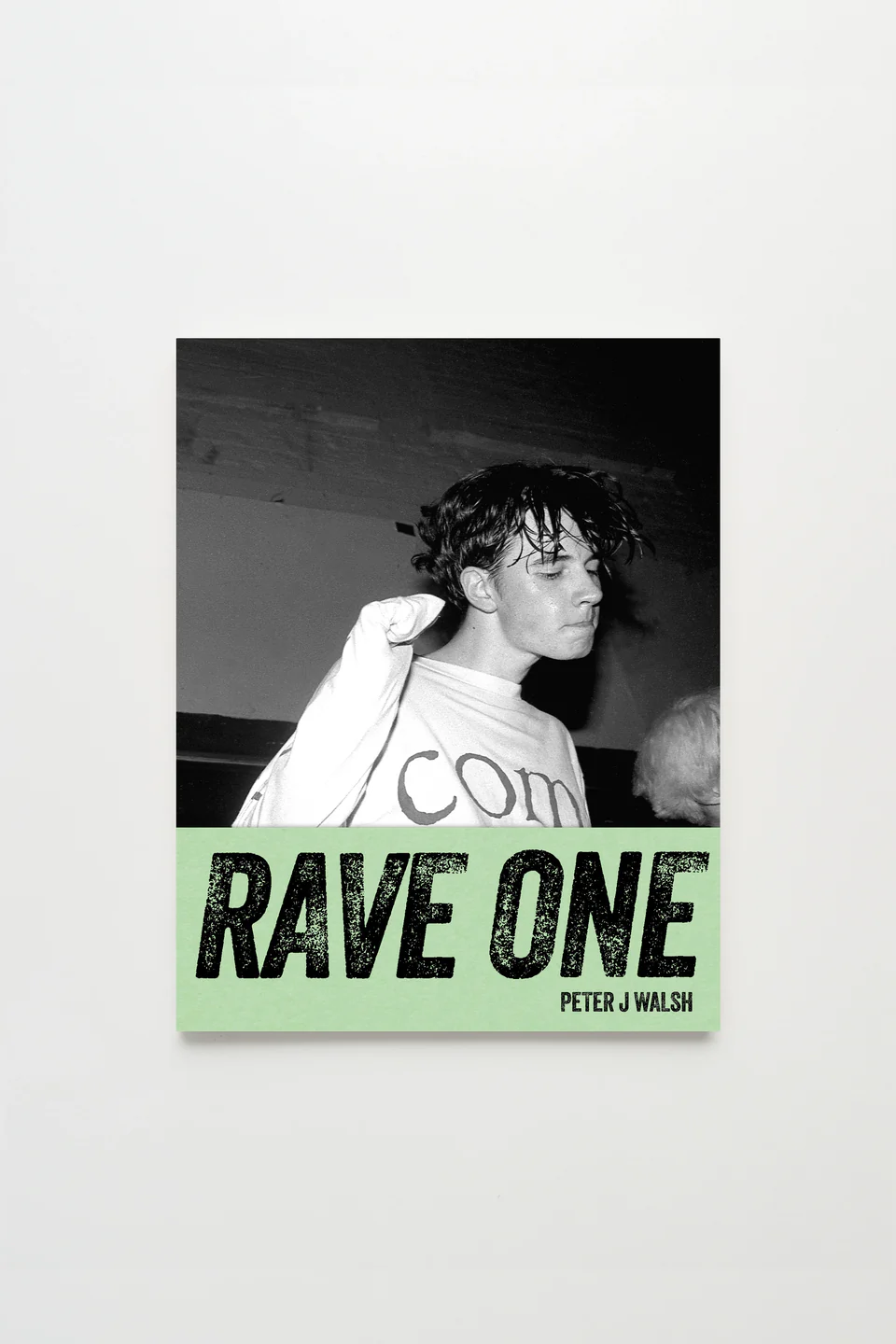
There are moments in cultural history that resist containment—too loud, too immediate, too alive to be archived in real time. The Haçienda nightclub in Manchester was one of them. It didn’t document itself; it happened. Bodies in motion, basslines that blurred into memory, architecture repurposed into something closer to ritual than venue. And yet, decades later, Rave One by Peter J Walsh does something rare: it reconstructs that atmosphere without flattening it.

Now reissued in a new edition of 750 copies by IDEA, Rave One returns not as nostalgia, but as evidence—of a scene, a system, a shift in how youth culture moved, dressed, and gathered.

flow

The Haçienda—formally The Haçienda—opened in 1982, backed by Factory Records and New Order. Initially conceived as a live music venue, it struggled financially in its early years. But by the late 1980s, something recalibrated. Acid house arrived. Chicago’s electronic pulse merged with Manchester’s post-industrial landscape, and the Haçienda became less a destination and more a nucleus.

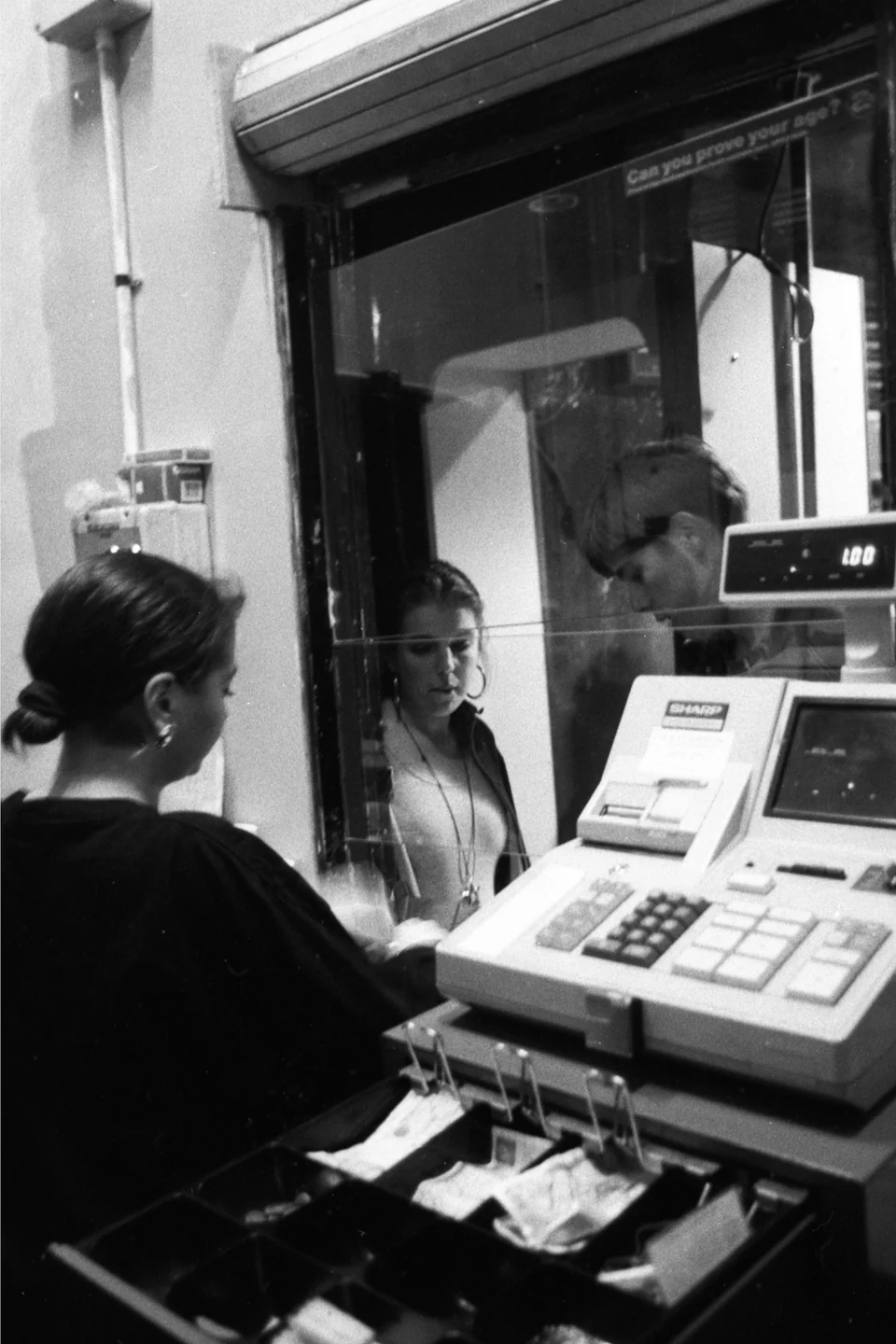
Walsh’s photographs sit precisely at this turning point. They are not polished editorial images; they are embedded. Shot from within the crowd, often at eye level or slightly off-axis, they capture the density of the room rather than its spectacle. There is no distance between photographer and subject—only participation.

You see sweat before you see style. Movement before identity. And then, gradually, both begin to emerge.

serve

What separates Rave One from other archival club photography is its refusal to aestheticize prematurely. Walsh does not treat the Haçienda as an object to be framed; he treats it as an environment to be navigated.

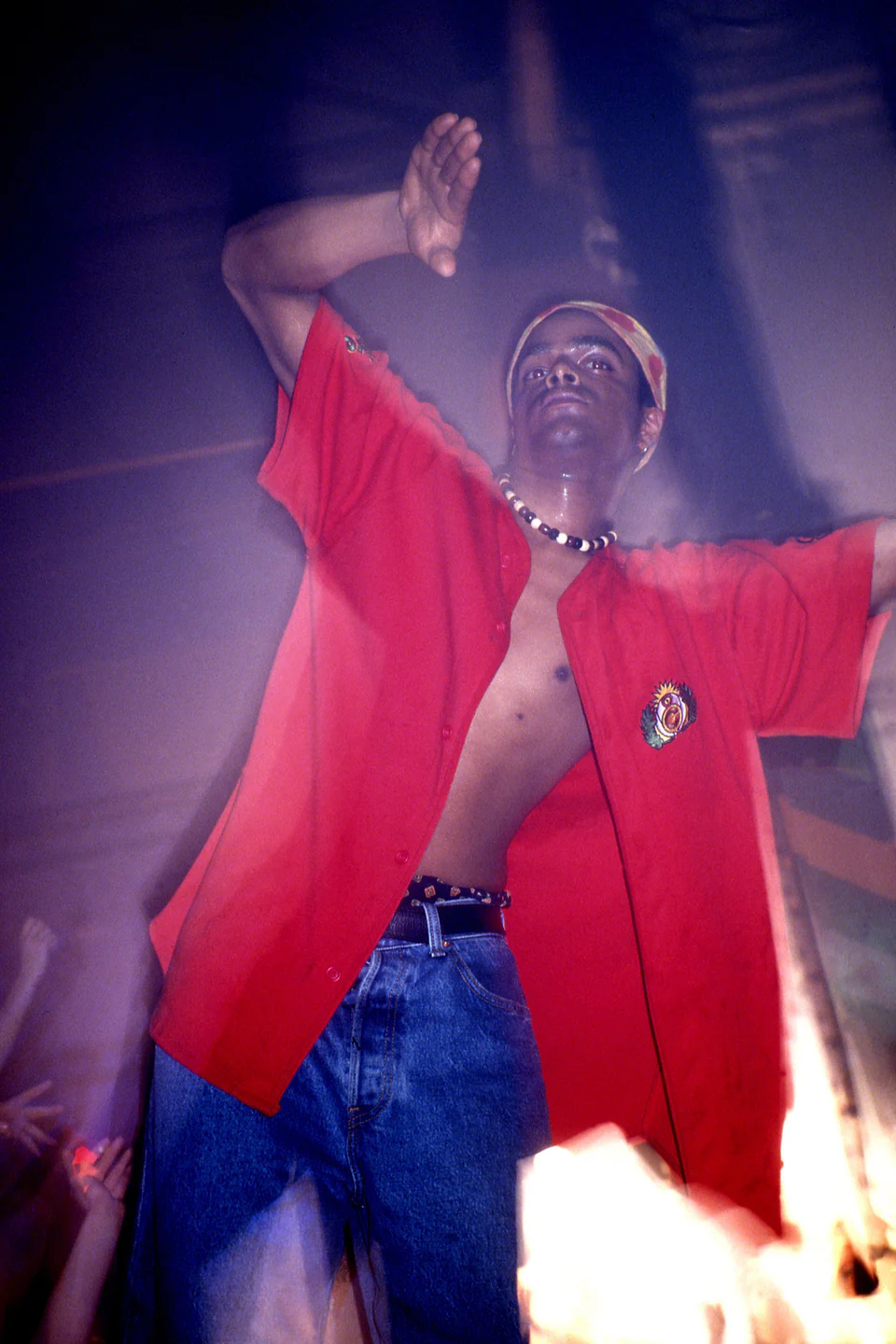
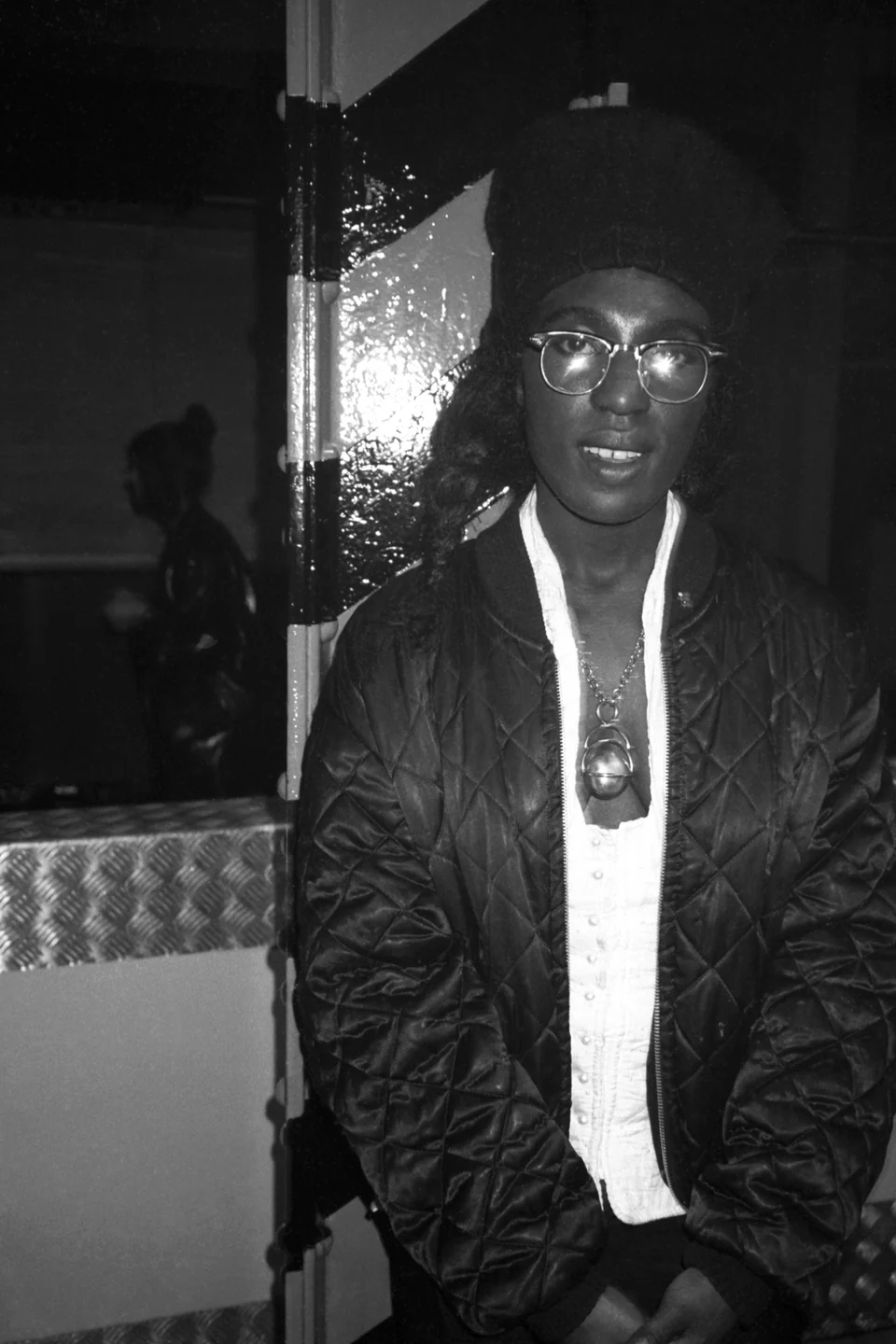
Faces appear mid-transition—eyes closed, expressions suspended between euphoria and exhaustion. Clothing is practical, improvised, often incidental: oversized T-shirts, sportswear, denim, silhouettes that would later become codified as rave uniform. But here, they are still forming.

There is a looseness to the images. Grain, blur, flash inconsistencies—these are not flaws but conditions. The camera struggles to keep up, and in doing so, it records something more honest than clarity: velocity.

Walsh’s lens doesn’t isolate individuals for narrative. It allows them to remain part of a collective rhythm. The result is less portraiture, more atmosphere. Less documentation of people, more documentation of energy.

flow

The Haçienda’s identity—industrial columns, hazard stripes, open-plan dancefloor—has been widely reproduced in design discourse. But in Rave One, architecture is secondary. It exists only insofar as it holds bodies.

Walsh captures how space was used rather than how it looked. The dancefloor becomes a field of compression and release. Corners become sites of recovery. Staircases turn into vantage points for brief observation before re-entry into the crowd.

This is where the book subtly reframes the Haçienda’s legacy. It wasn’t just a landmark of British club design; it was a prototype for how space could be reorganized around sound. The DJ booth didn’t dominate—it directed. The crowd didn’t observe—it completed the circuit.

Acid house culture, with its emphasis on repetition, communal experience, and altered states, required this kind of spatial logic. Walsh’s images reveal how naturally it emerged, without formal instruction.

resemble

The decision by IDEA to reissue Rave One in a limited run of 750 copies is deliberate. IDEA has built a reputation around publishing that sits between fashion documentation and cultural artifact. Their books are not mass-market retrospectives; they are controlled releases, often treated as objects within collector ecosystems.

This edition maintains that approach. The book’s physicality matters. Paper stock, sequencing, scale—each choice reinforces the sense that this is not simply a reprint but a recontextualization. The Haçienda is no longer active; the book becomes a proxy site.

Walsh’s introduction grounds the images without over-explaining them. It resists the temptation to mythologize excessively, instead situating the work within lived experience.


View this post on Instagram


A post shared by Peter J Walsh (@peterjwalshphoto)

show

What becomes clear across Rave One is that what we now recognize as “rave style” was not initially a style at all. It was a byproduct.

Sportswear brands, loose silhouettes, graphic tees—these elements appear throughout Walsh’s photographs, but they are not coordinated. They are worn for comfort, for movement, for endurance across long nights.

And yet, in retrospect, these fragments form a visual language that would later influence global fashion. The democratization of dress, the rejection of rigid codes, the blending of high and low references—these are all present, but in embryonic form.

Walsh captures this moment before translation. Before stylists, before runways, before editorial reinterpretation. The clothes are still embedded in use.

stunt

Looking through Rave One, there is a sense that time is not linear. Images from different nights blur into one continuous experience. This is consistent with how rave culture itself is remembered—not as discrete events, but as extended sequences.

Walsh’s sequencing reinforces this. There is no strict chronology imposed. Instead, the book moves through moods: intensity, release, fatigue, resurgence. The rhythm mirrors the night itself.

This is where the book becomes more than documentation. It operates as an afterimage—a visual echo of a sound-driven experience. You cannot hear the music, but you can infer its structure through the bodies responding to it.

why

In an era where nightlife is increasingly regulated, digitized, and documented in real time, Rave One offers a counterpoint. It shows a moment before constant exhibit. Before every night out was archived on personal devices.

The Haçienda existed in partial obscurity, even at its peak. What Walsh captured was not intended for immediate circulation. It gains meaning retrospectively, as both record and resistance.

The reissue arrives at a time when club culture is being reexamined—not just as entertainment, but as a site of social formation. Questions around community, space, and collective experience have returned with urgency. Rave One does not answer these questions, but it provides a reference point.

clue

The Haçienda closed in 1997. Its physical structure no longer exists in its original form. But through Walsh’s photographs, it persists—not as a static memory, but as a loop.

Each image feeds into the next. Each moment suggests continuation beyond the frame. The book doesn’t conclude; it disperses.

And perhaps that is its most accurate reflection of the Haçienda itself. Not a fixed place, but an ongoing frequency—captured briefly, then released back into circulation.

Related Articles

Modern data center facility with a solar-panel-clad exterior, bright green administrative offices, and secure perimeter fencing, showcasing sustainable digital infrastructure and renewable energy integration

Lombardy’s Data Center Boom: Balancing Digital Ambition with Environmental Responsible

Lombardy has emerged as Italy’s primary hub for new digital infrastructures, particularly data centers—vast complexes […]

In a highly anticipated reunion after 24 years, Adidas Originals and Coca-Cola have joined forces once again to celebrate the FIFA World Cup 2026™. The collaboration revives their iconic 2002 partnership from the Japan-South Korea tournament, now reimagined for the biggest global sporting event of 2026, co-hosted by the United States, Canada, and Mexico. Set to launch on June 6, 2026, this collection masterfully blends Adidas' streetwear heritage with Coca-Cola's timeless branding, creating a vibrant fusion of football culture, nostalgia, and modern style. The drop arrives at a perfect moment. With the World Cup kicking off on June 11, 2026, fans worldwide are gearing up for a summer of football excitement. This collaboration isn't just merch—it's a cultural statement that merges two legendary brands under the banner of "Originals are the Real Thing," a clever twist on Coca-Cola's famous slogan. Historical Context: A Reunion 24 Years in the Making Adidas and Coca-Cola first collaborated during the 2002 FIFA World Cup, producing limited-edition pieces that captured the era's energy. That partnership helped define early 2000s football-streetwear crossover culture. Fast-forward to 2026, and the brands are back with fresh energy, leveraging Adidas' deep FIFA ties (as an official partner) and Coca-Cola's long-standing sponsorship of the tournament. The 2026 edition promises to be historic as the first 48-team World Cup, spanning three countries and generating unprecedented global hype. This collab taps into that momentum, offering fans wearable pieces that celebrate both brands' legacies while looking forward to the future of football fashion. Collection Overview and Design Philosophy The Adidas Originals x Coca-Cola collection fuses 2000s street style with classic sporting aesthetics. Expect bold reds, creams, whites, and silver accents inspired by Coca-Cola's iconic packaging—think classic script logos, droplet detailing, and can-inspired motifs. The lineup spans footwear, apparel, and accessories, divided into two visual directions: one logo-heavy and graphic-forward, the other drawing from vintage advertising aesthetics. Designs pay homage to Coca-Cola's visual language while staying true to Adidas Originals' archival roots. High-quality materials, attention to detail, and versatile silhouettes make these pieces suitable for both match-day wear and everyday street style. The campaign, featuring young football star Lamine Yamal and a diverse cast in everyday scenes building anticipation for the tournament, reinforces themes of originality and shared cultural moments. Footwear Highlights Footwear takes center stage in this collaboration, with reimagined takes on iconic 2000s Adidas silhouettes: Samba and Superstar Models: These classics get Coca-Cola treatment with white/cream/red colorways and prominent script branding. The Samba blends street heritage with football roots, while the Superstar II features weathered bases and bold side panels. Expected pricing around $110–$130. Adistar Control 5: A standout with droplet detailing mimicking condensation on a cold Coke can. This model brings performance-inspired design into lifestyle territory. Predator Sala: Indoor/hybrid style with silver-and-red accents, nodding to predatory precision on the pitch and Coca-Cola's bold energy. Climacool 1: Revived with breathable tech and Coke-inspired graphics, perfect for warm summer days. Megaride F50: A highlight paying tribute to the iconic Coca-Cola glass bottle, with unique contours and refreshing design cues. Each pair incorporates thoughtful details like embroidered logos, custom insoles, and packaging that mimics vintage Coke crates or cans. These shoes are built for durability and comfort, appealing to sneakerheads, football fans, and casual wearers alike. Apparel and Accessories Beyond kicks, the collection offers a full lifestyle range: Track Tops and Jerseys: Standout jerseys fuse retro Coca-Cola advertising from different eras into cohesive football designs. Track jackets feature signature three stripes alongside Coke branding, in vibrant reds and classic whites. Shorts and T-Shirts: Relaxed fits with graphic prints, ideal for casual wear or layering. Expect motivational football motifs blended with refreshing beverage references. Accessories: A bright red airliner bag stands out as a functional statement piece. Additional items may include caps, socks, and tote bags carrying the collaborative spirit. The apparel emphasizes comfort with premium cotton blends, mesh panels for breathability, and oversized silhouettes popular in contemporary streetwear. Unisex sizing and inclusive fits make the collection accessible to a broad audience. Cultural Impact and Fan Appeal This collaboration resonates on multiple levels. For football fans, it represents national pride and global unity ahead of the 2026 tournament. Sneaker enthusiasts will appreciate the nostalgic 2000s revival mixed with modern execution. Streetwear collectors see it as a prime example of how heritage brands can innovate through partnerships. In an era where sports and fashion increasingly intersect, Adidas and Coca-Cola deliver pieces that transcend the pitch. Wear them to watch matches at home, attend watch parties, or hit the streets in any host city—New York, Los Angeles, Toronto, or beyond. The designs are versatile enough for gym sessions, festivals, or daily commutes. The timing aligns perfectly with rising interest in football in North America, boosted by the co-hosting nations. Young talents like Lamine Yamal in the campaign help bridge generational gaps, attracting newer fans while satisfying longtime supporters. Where to Buy and Release Details The collection launches globally on June 6, 2026, via: Adidas CONFIRMED app (for early access and raffles) Adidas.com Select retailers and flagship stores worldwide Some regions may see staggered drops, with Japan and other markets getting early access. Prices are expected to range from $50–$150 depending on the item, making it relatively accessible compared to ultra-limited drops. Pro Tips for Copping: Enable notifications on the CONFIRMED app. Check local stock at Adidas stores in major cities. Monitor resale platforms post-drop for exclusive colorways, but be wary of markups. Size up slightly for oversized apparel fits. Given the World Cup hype, popular items like the Sambas and jerseys are likely to sell out quickly. International shipping is available, but factor in potential customs delays. Styling Suggestions Match Day Look: Pair a collaborative jersey with classic black shorts and Samba sneakers for effortless fan style. Streetwear Rotation: Layer a track top over a graphic tee with wide-leg pants and the Megaride F50 for a bold urban ensemble. Casual Summer: White Superstar with denim shorts and the airliner bag for a refreshing, vacation-ready vibe. These pieces mix seamlessly with existing Adidas or neutral wardrobes, maximizing versatility. Broader Context in 2026 Fashion and Sports The Adidas x Coca-Cola drop is part of a larger wave of high-profile collaborations tied to the World Cup. Adidas continues its dominance in football kit design, while Coca-Cola leverages its sponsorship with collectibles, bottles, and experiential activations like the Trophy Tour. In the sneaker industry, this collab exemplifies the ongoing trend of lifestyle reinterpretations of performance silhouettes. It also highlights how global brands use major events to drive cultural conversations around unity, originality, and joy—core values for both companies. Sustainability notes (based on Adidas' broader initiatives) suggest some pieces may incorporate recycled materials, aligning with modern consumer expectations. Looking Forward: Legacy and Excitement As the countdown to kickoff continues, this collection serves as the perfect prelude to an unforgettable summer of football. Whether you're a die-hard supporter, a fashion-forward collector, or someone seeking motivation through style, the Adidas Originals x Coca-Cola FIFA World Cup 2026 lineup delivers. Expect potential restocks, special event exclusives in host cities, and continued campaign content featuring more athletes. This isn't just clothing—it's a ticket to participate in the global celebration of the beautiful game. Mark your calendars for June 6, 2026. Refresh your wardrobe, lace up those Sambas, and get ready to cheer on your team in style. The "Real Thing" meets the Originals in what promises to be one of the most talked-about releases of the year. This collaboration captures the essence of football's universal appeal: bringing people together through shared passion, iconic brands, and unforgettable moments. As the world prepares for 2026's expanded tournament, Adidas and Coca-Cola remind us that some partnerships are truly timeless.

Adidas Originals x Coca-Cola Collection: FIFA World Cup 2026

In a highly anticipated reunion after 24 years, Adidas Originals and Coca-Cola have joined forces […]

Loewe shoulder bag crafted in brown and black leather with minimalist lion face detailing and a matching fur tail charm

180 Years Unfolded: The Full Story Behind Loewe’s New Campaign

The year was 1846. Queen Victoria was on the British throne and the telephone, the […]