Remembering Through Resistance: An Analysis of Demian DinéYazhi’s my ancestors will not let me forget this (2020)

February 4, 2025
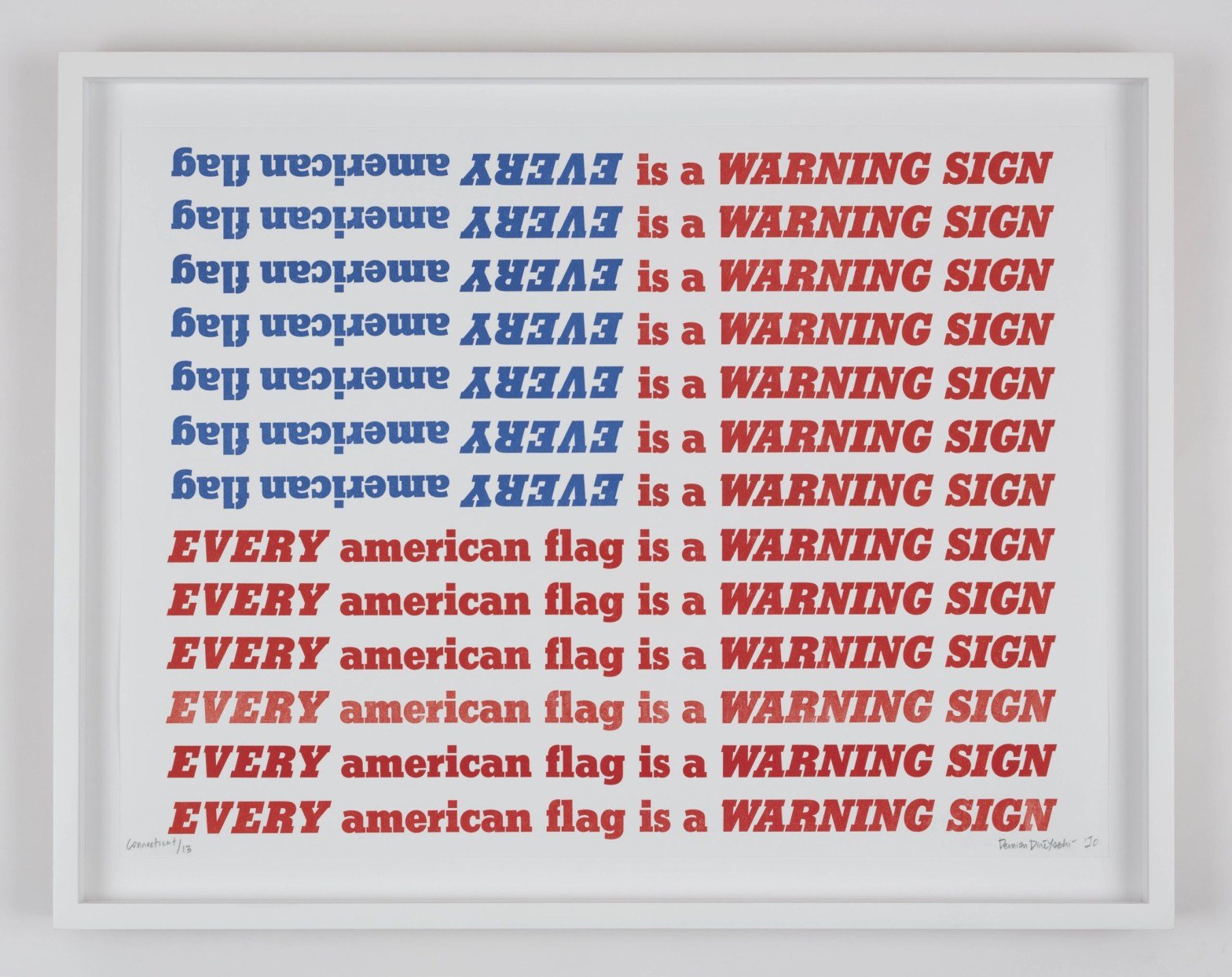
Demian DinéYazhi’, an Indigenous poet and activist, is known for their powerful and unapologetic engagement with themes of colonization, intergenerational trauma, Indigenous identity, and resistance. Their work often confronts the ongoing violence of settler colonialism while affirming Indigenous survival, cultural memory, and queer existence. One of their most compelling works, my ancestors will not let me forget this (2020), embodies these concerns, serving as both an act of remembrance and a call to action.
This poem is deeply rooted in the history of colonial violence, trauma, and resilience that Indigenous peoples have endured. Through fragmented structure, evocative imagery, and repetition, DinéYazhi’ crafts a visceral reflection on ancestral memory, intergenerational pain, and the necessity of resistance. The poem does not simply recount historical atrocities; it demands that they not be forgotten, emphasizing how memory itself is an act of survival. At the same time, it recognizes the intimate relationship between personal identity and collective history, particularly in the context of DinéYazhi’s queer Indigenous existence.
This essay examines how my ancestors will not let me forget this engages with intergenerational trauma, the role of memory in resistance, and the intersection of Indigenous and queer identities. Through an analysis of form, language, and thematic content, this essay argues that DinéYazhi’s poem functions as both a personal reckoning with history and a radical assertion of Indigenous survival.
Historical and Cultural Context
To fully understand DinéYazhi’s my ancestors will not let me forget this, it is crucial to recognize the historical and cultural backdrop against which it is written. The poem is deeply embedded in the history of settler colonialism, forced displacement, genocide, and cultural erasure that Indigenous peoples, particularly Diné (Navajo) communities, have endured for centuries.
The Navajo Nation, like many other Indigenous communities, has suffered forced removals, broken treaties, cultural suppression, and systemic oppression under U.S. policies. One of the most harrowing examples is the Long Walk of the Navajo (1863-1866), during which thousands of Diné people were forcibly marched over 300 miles to the Bosque Redondo reservation, suffering starvation, disease, and abuse. The trauma of this forced relocation lingers in the collective memory of the Diné people, forming a foundational element of intergenerational pain.
Beyond historical traumas, contemporary issues such as environmental racism, missing and murdered Indigenous women (MMIW), and the criminalization of Indigenous activism further inform the poem’s urgency. DinéYazhi’s work is often in dialogue with these ongoing struggles, positioning their poetry as a space for both historical reckoning and present-day resistance.
By invoking their ancestors, DinéYazhi’ acknowledges the weight of this history while also emphasizing the responsibility to remember and resist. The poem situates personal pain within this broader cultural and historical framework, making it clear that forgetting is not an option—memory itself is a political act.
Intergenerational Trauma and Collective Memory
A central theme of my ancestors will not let me forget this is the persistence of intergenerational trauma. The title itself suggests a lack of agency in forgetting—memory is not a choice, but an obligation. The speaker is haunted by their ancestors’ pain, forced to carry the burden of historical violence even as they exist in the present. This idea aligns with broader discussions in Indigenous studies about how trauma is inherited, not just through familial stories, but through lived experience, land, and body.
The poem employs stark, painful imagery to evoke the violence endured by previous generations. DinéYazhi’ does not romanticize suffering; instead, they depict it in unflinching detail, forcing the reader to confront the brutal realities that Indigenous peoples have faced. This engagement with memory is not passive—it is active and urgent. The speaker is compelled to bear witness, ensuring that the pain of the past is not erased by the mechanisms of colonial amnesia.
Yet, the poem also acknowledges that memory is not solely a source of pain—it is also a source of strength. The ancestors who refuse to be forgotten also serve as a guiding force, offering resilience and reminding the speaker that survival itself is an act of defiance. This duality—trauma as both burden and power—underscores the complexity of Indigenous identity and history.
The concept of collective memory extends beyond the personal, positioning the poem within a broader movement of Indigenous resistance literature. By insisting on remembrance, DinéYazhi’ contributes to the larger project of reclaiming historical narratives from colonial erasure.
Language, Form, and Poetic Devices
DinéYazhi’s my ancestors will not let me forget this employs a fragmented, free-verse structure that mirrors the disruptions caused by colonial violence. The poem’s form is jagged and nonlinear, reflecting the ruptured histories it seeks to confront. This structural choice is significant—it resists the conventions of Western poetic tradition, instead embracing an organic, almost oral style that aligns with Indigenous storytelling traditions.
Repetition is a key device in the poem, reinforcing its themes of memory and insistence. The refrain-like quality of certain phrases emphasizes the inescapability of historical trauma, as if the speaker is caught in an unending cycle of remembering. This echoes the way trauma itself operates—it is recursive, never fully resolved, always resurfacing.
DinéYazhi’ also utilizes direct address, making the poem feel immediate and confrontational. This is not a passive meditation on history; it is an urgent declaration. The poem demands that the audience listen, that they engage with the uncomfortable truths it presents. The use of second-person pronouns implicates the reader, positioning them as either a participant in or a witness to historical violence.
Imagery plays a crucial role in constructing the poem’s emotional impact. DinéYazhi’ does not shy away from depicting brutality, but they also incorporate images of survival, endurance, and strength. This balance prevents the poem from being solely about victimhood; instead, it becomes a testament to resilience.
Through these poetic techniques, DinéYazhi’ crafts a work that is both deeply personal and broadly political, ensuring that the weight of memory is felt in every line.
Queer Indigenous Identity and Radical Resistance
DinéYazhi’s work is not only rooted in Indigenous resistance but also in queer identity. As a queer Diné artist, they occupy a space that challenges both settler colonial heteronormativity and the erasure of Indigenous LGBTQ+ identities. my ancestors will not let me forget this can thus be read as a radical assertion of existence against the forces that seek to erase both Indigenous and queer lives.
Colonial violence has historically targeted not only Indigenous land and bodies but also Indigenous gender and sexual diversity. Many Indigenous cultures recognized Two-Spirit identities long before European contact, but colonialism imposed rigid binaries and heteronormativity, leading to the suppression of these identities. DinéYazhi’s poetry refuses this erasure, reclaiming queerness as an integral part of Indigenous existence.
In this context, memory becomes even more significant. The act of remembering is not just about historical events; it is about remembering cultural practices, identities, and ways of being that have been systematically suppressed. The poem becomes an assertion of self, a declaration that neither Indigenous nor queer identities will be forgotten or erased.
Moreover, DinéYazhi’ positions their personal pain within a collective struggle, reinforcing the idea that individual trauma is inextricable from broader histories of oppression. This intersectional approach strengthens the poem’s political force, ensuring that it speaks not only to Indigenous audiences but also to queer communities, activists, and anyone engaged in anti-colonial resistance.
Final Notes
Demian DinéYazhi’s my ancestors will not let me forget this is a powerful meditation on memory, trauma, and resistance. Through its fragmented structure, evocative language, and urgent tone, the poem refuses to allow history to be forgotten, insisting on the importance of remembrance as both a burden and a source of strength.
The poem situates individual pain within a collective historical framework, recognizing that Indigenous trauma is not an isolated phenomenon but an ongoing reality shaped by settler colonialism. At the same time, it asserts the resilience of Indigenous and queer identities, rejecting the narratives of erasure imposed by colonial forces.
Ultimately, DinéYazhi’ uses poetry as a weapon against forgetting, ensuring that their ancestors’ voices continue to resonate in the present. In doing so, they affirm the power of art as a tool for resistance, survival, and transformation. my ancestors will not let me forget this is not just a poem—it is a manifesto for remembrance, a testament to the enduring strength of Indigenous peoples in the face of historical and ongoing violence.
Related Articles

The Heart Association Just Told Millions of Coffee Drinkers to Relax a Little
New guidance from the American Heart Association says up to five cups a day is […]