DRIFT AUDIO
Listen to this story
Choose a voice, then press play.
In the soft glow of a Lisbon evening along the Tagus River, where the city’s historic soul meets its contemporary pulse, Soho House’s Cities Without Houses program orchestrated a gathering that felt both exclusive and warmly communal. On the eve of ARCO Lisboa 2026, the international contemporary art fair’s opening, this intimate dinner brought together the Portuguese capital’s most vibrant creative voices in a setting that perfectly encapsulated the city’s evolving identity: artistic, riverside, and deeply rooted in culture exchange.
The event took place at Antiga Loja da Atalaia, a converted warehouse whose industrial bones have been reimagined into a versatile culture space. Located along the Tagus riverfront, the venue offered sweeping views of the water, where the golden light of sunset gave way to the twinkling reflections of the city. Historically tied to Lisbon’s commercial past, the warehouse’s transformation mirrors the broader renaissance of the city’s waterfront districts—spaces once dedicated to trade now pulsing with art, gastronomy, and conversation.
View this post on Instagram
stir
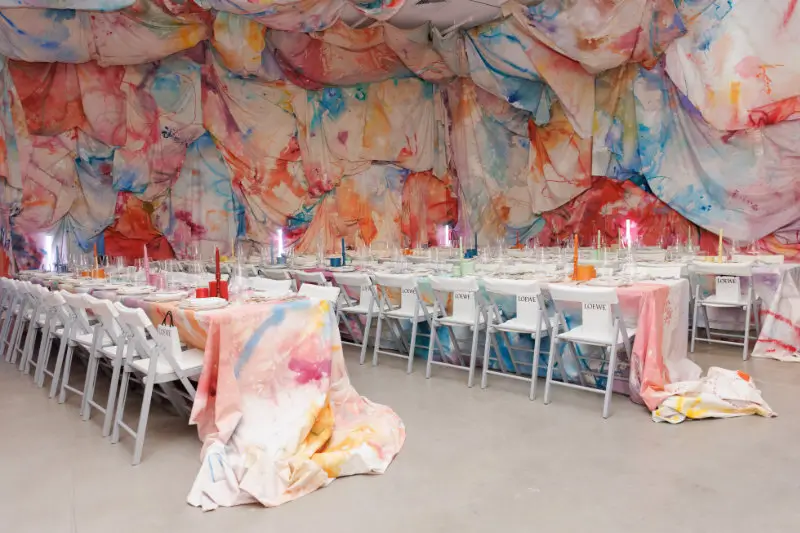
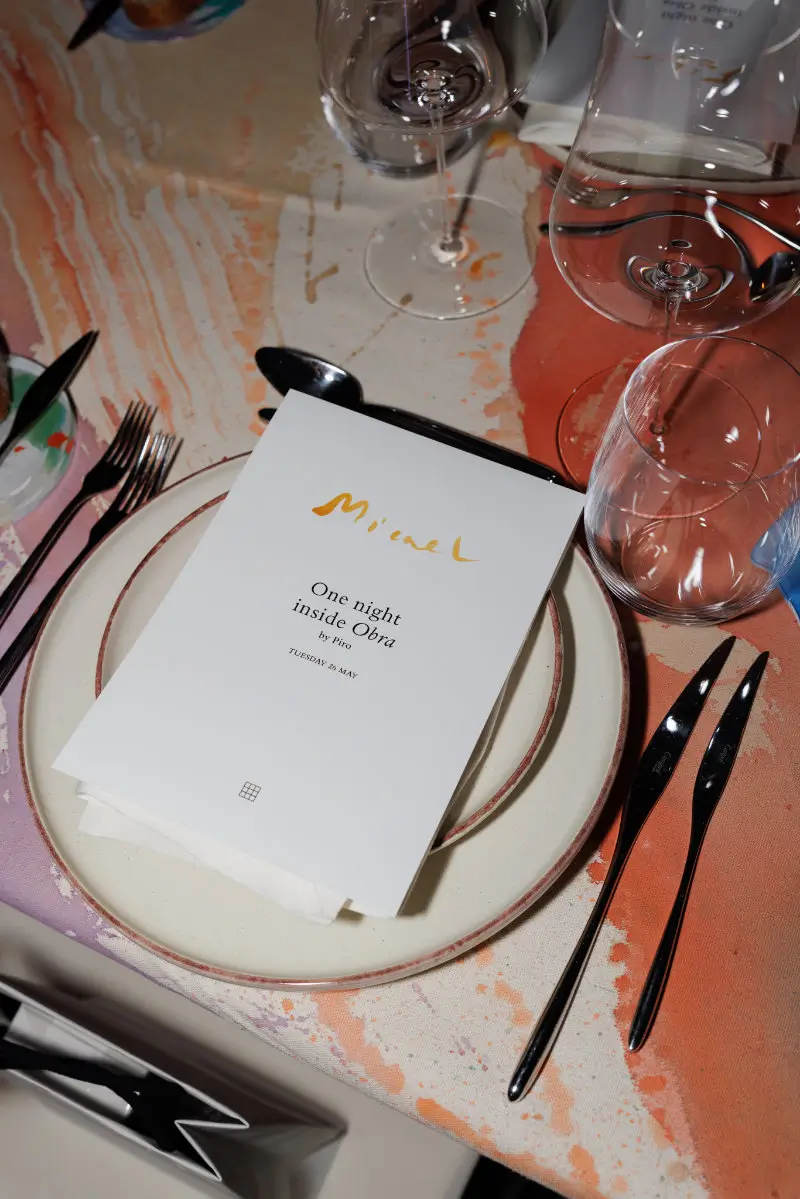
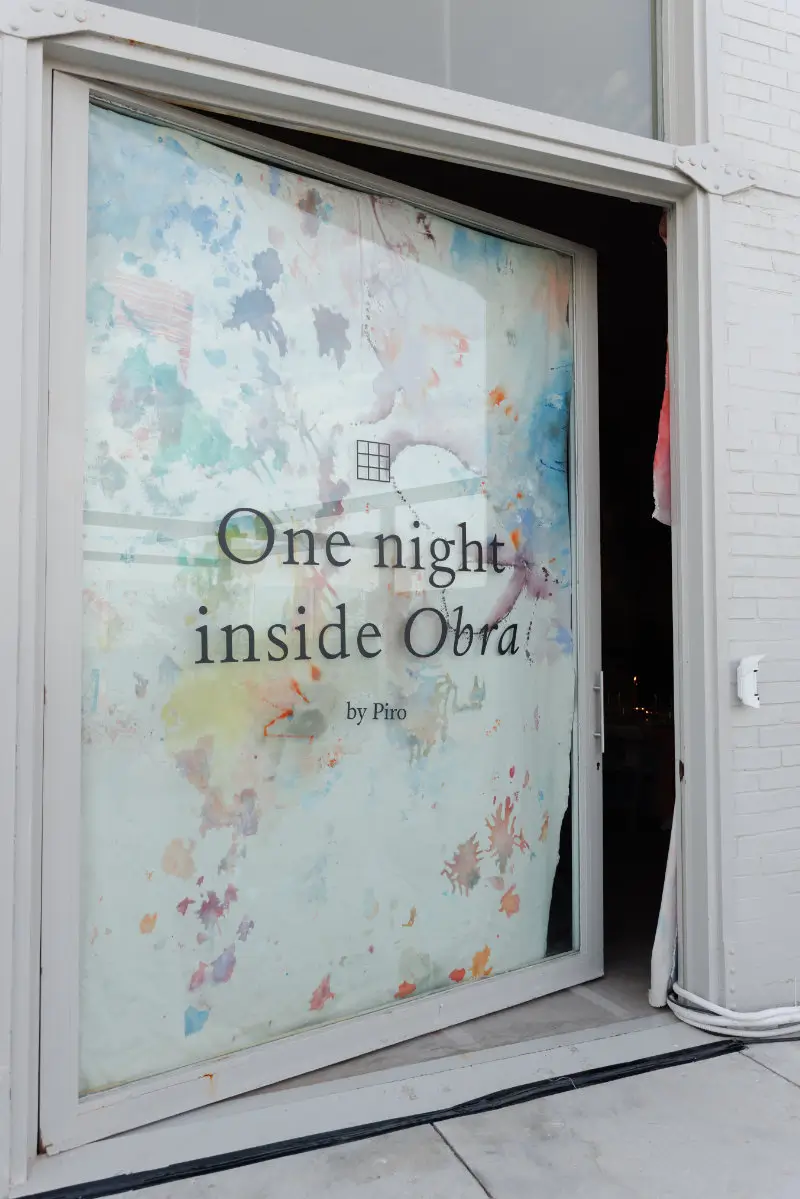
View artist Piro (Andrés Sánchez-Ocaña Núñez), the Spanish-born, Madrid-based talent known for his expressive, large-scale work that bridges painting, textiles, and installation, was the evening’s artistic heartbeat. His installation, titled Obra, enveloped guests in a tactile dreamscape of fabrics and soft illumination.
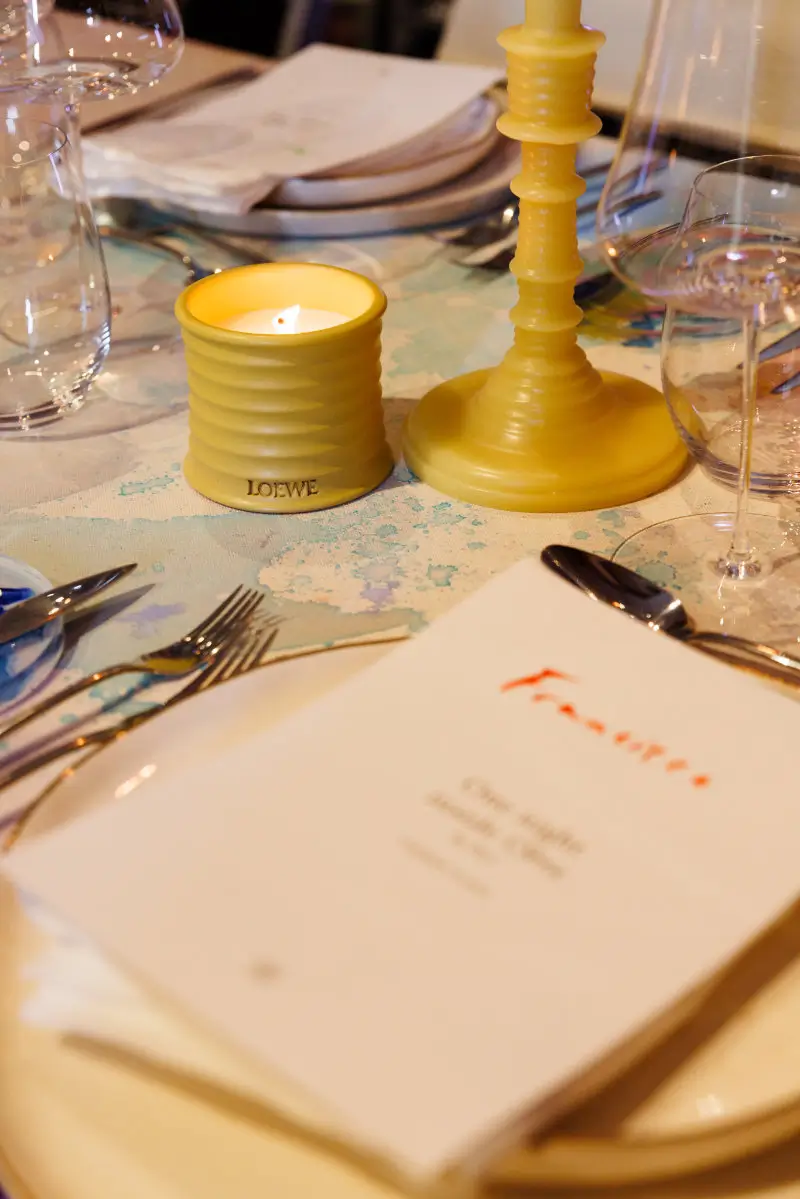
Piro, who began his journey in street art under the moniker Misterpiro and has since expanded into institutional and collective on projects, created an environment that felt alive. Swathes of textiles draped from the warehouse’s high ceilings, catching the light and casting gentle shadows. Candlelight provided by Loewe Perfumes added an olfactory layer—subtle, luxurious scents that mingled with the river air. The installation wasn’t merely decorative; it was immersive, encouraging guests to move through the space, touch the materials, and engage with the art on a sensory level. In a city like Lisbon, where light, water, and history constantly interplay, Obra served as a flow extension of the surroundings.
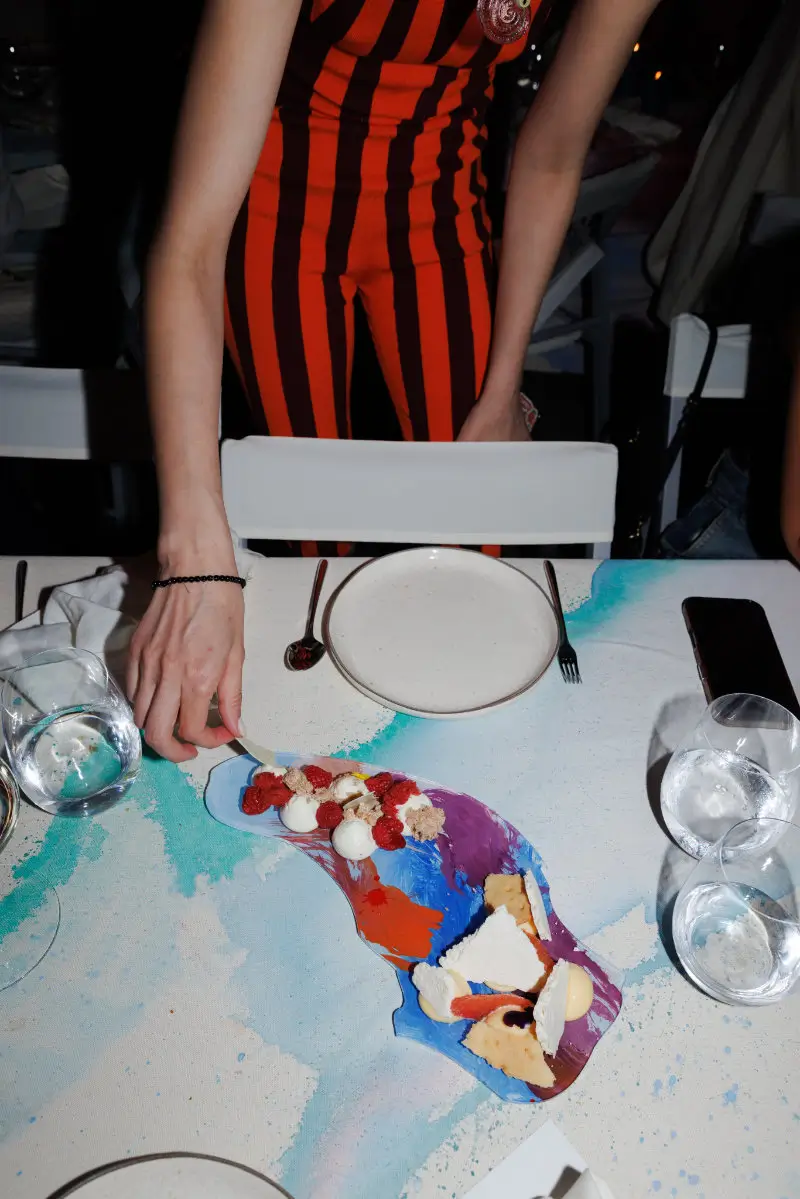
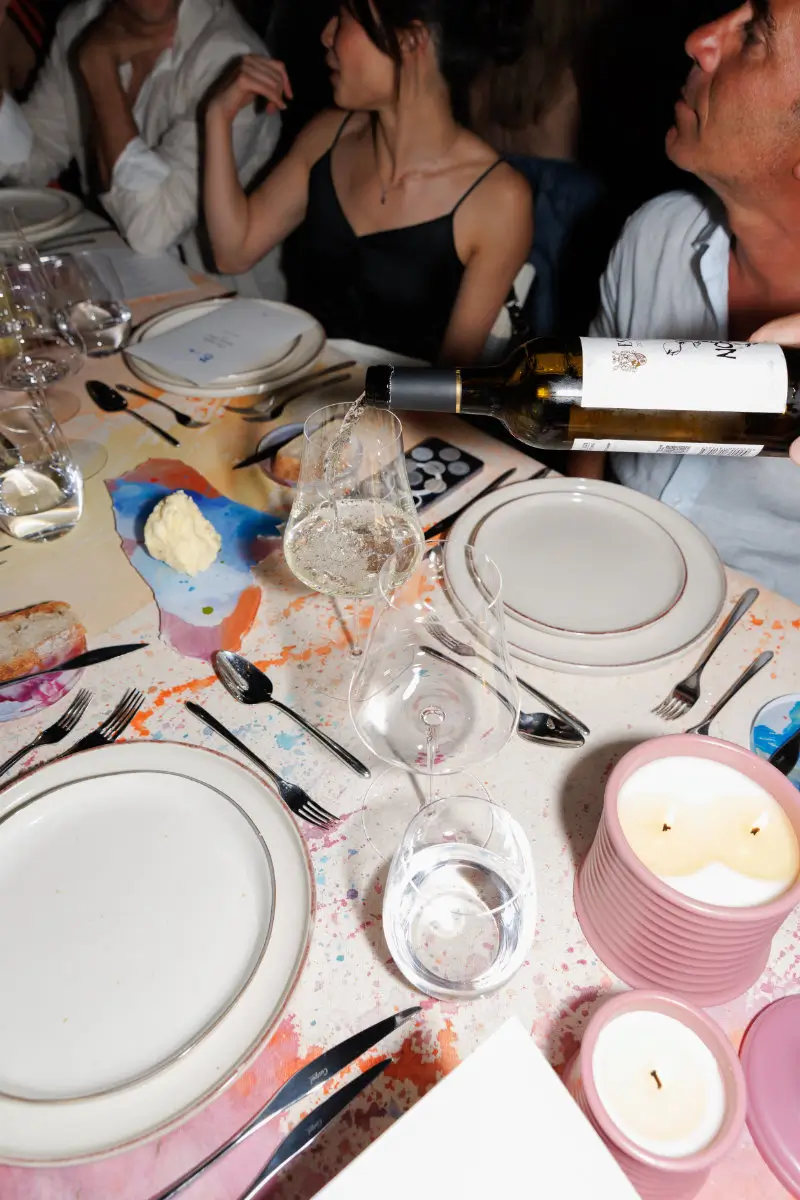
This choice of artist was no accident. Piro’s practice, rooted in vital impulse and bold strokes, aligns beautifully with Soho House’s ethos of fostering cross-cultural creative dialogues. His hand-painted plates for the dinner further personalized the experience, turning each course into a miniature canvas.
flow
The night commenced with a drinks reception featuring Soho House’s signature Picante cocktails—a spicy, refreshing mix that perfectly suited the warm May evening. As guests arrived, the warehouse filled with the low hum of anticipation. Laughter echoed off the textured walls while the Tagus flowed steadily outside, a timeless witness to Lisbon’s many transformations.
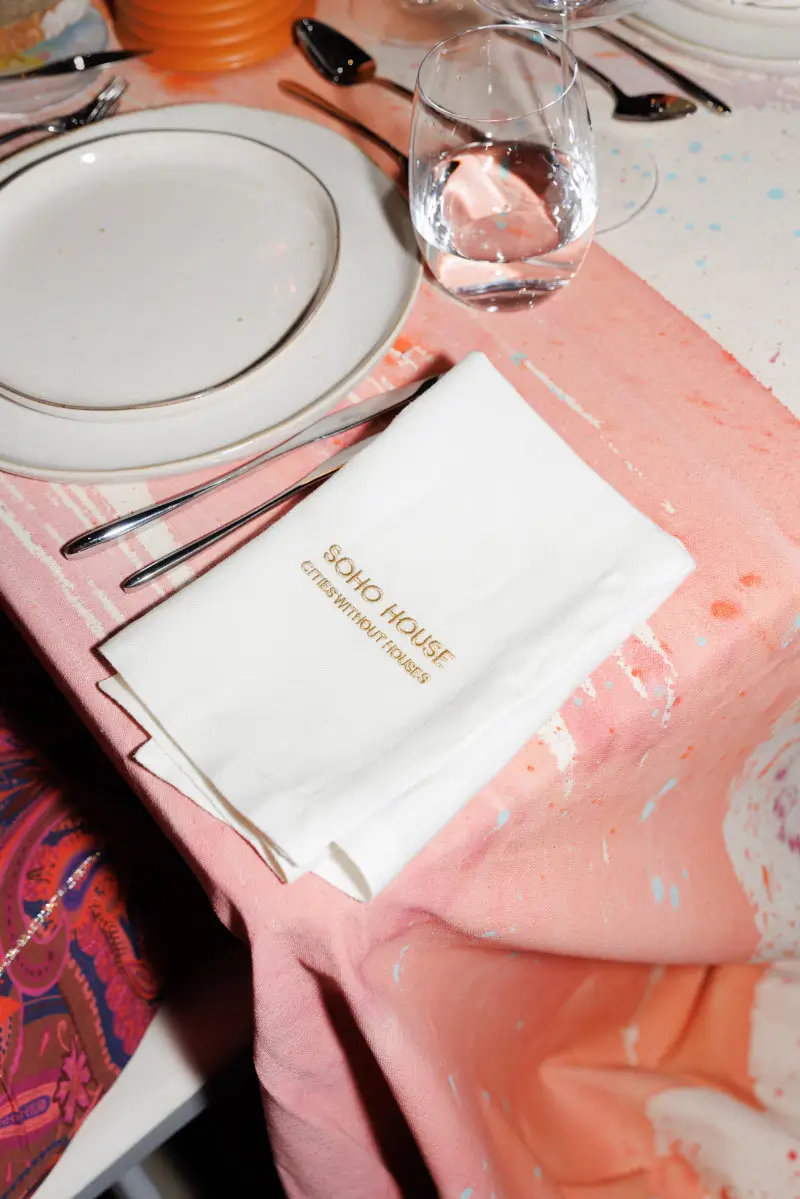
Cities Without Houses, Soho House’s innovative global membership program, is designed precisely for moments like this. For creatives in cities without a physical House—such as Lisbon—it offers access to the global network while nurturing hyper-local communities. Events like this dinner exemplify the program’s strength: bringing people together not just for networking, but for genuine connection amid meaningful cultural moments.
ARCO Lisboa itself, returning to the Cordoaria Nacional from May 28–31, 2026, has solidified Lisbon’s position on the international art calendar. The fair highlights Portuguese art while forging links with global scenes, making it the ideal backdrop for such a gathering.
show
As the reception transitioned into dinner, the culinary experience took center stage under the direction of Bica do Sapato, the iconic Lisbon restaurant recently revitalized in a stunning waterfront location. Known for blending Portuguese tradition with contemporary flair, Bica do Sapato delivered a three-course menu that celebrated local ingredients and seasonal bounty.
The meal opened with a white fish and passion fruit ceviche, a bright, zesty starter that captured the essence of the Atlantic coast. The acidity of the passion fruit cut through the delicate fish, offering a burst of tropical brightness that felt both innovative and rooted in Portuguese seafood traditions.
This was followed by the robust slow-cooked beef short rib, a dish that spoke of comfort and depth. Tender, falling-apart meat paired with thoughtful accompaniments highlighted the kitchen’s skill in elevating classic techniques.
The fish course featured pan-seared corvina loin, showcasing another Portuguese favorite with a refined preparation. Corvina, prized for its firm yet flaky texture, was cooked to perfection, allowing its natural flavors to shine against subtle seasonings.
Dessert offered two delightful endings: deconstructed madeleines with mascarpone cream and raspberries, and lemon cream with sablée, meringue, and grapefruit. These weren’t mere sweets but thoughtful compositions that played with texture and temperature—crispy, creamy, tart, and sweet in harmonious balance.
Every plate was a Piro original, hand-painted with his distinctive expressive style. Guests literally dined on art, a fitting tribute to the evening’s theme.
list
The dinner assembled a who’s who of Lisbon’s creative community, reflecting the city’s dynamic blend of established figures and emerging talents:
- Tomás Taborda
- Carlos Ferra
- Isabela Valadeiro
- Maria João Bastos (renowned actress)
- Rui Pedro Silva
- Namalimba Coelho
- Paola de Orleans
- Guta Moura Guedes (influential curator and design advocate)
- Miguel Costa
- Mariana Cardoso
- Bia Wong
- Rita Bretão
This mix of artists, curators, performers, and culturel entrepreneurs embodied the cross-disciplinary spirit that Soho House champions. Conversations likely ranged from the latest developments at ARCO Lisboa to broader discussions about Lisbon’s role as a creative hub—affordable enough to attract talent yet sophisticated enough to sustain it. Topics may have touched on the city’s post-pandemic resurgence, the growing intersection of art and design, and how Portugal’s culture scene continues to gain international recognition.
View this post on Instagram
straddle
Events like this transcend simple networking. In an era of digital overload, they remind us of the irreplaceable value of shared physical spaces—breaking bread, sharing stories, and experiencing art together. Soho House’s Cities Without Houses initiative excels here by creating these moments in cities like Lisbon, where the community is vibrant but perhaps lacks a centralized “House.”
Lisbon itself provides the perfect stage. With its UNESCO-listed historic center, thriving contemporary art scene, exceptional light, and welcoming atmosphere, the city has become a magnet for creatives worldwide. The riverfront setting of the dinner reinforced this: the Tagus has long been Lisbon’s lifeline, connecting it to the world. On this night, it connected a specific group of people who, in turn, help shape the city’s future.
Piro’s Obra installation, with its textiles and candlelight, symbolized weaving together disparate threads—much like the event itself wove together local and international influences. Loewe Perfumes’ contribution added another layer of sensory luxury, proving that true hospitality engages all the senses.
impression
As ARCO Lisboa 2026 unfolds at the Cordoaria Nacional, this dinner sets an elegant tone for the fair. It signals that Lisbon is not just hosting art—it is living it. The city’s galleries, from established names to experimental project spaces, continue to flourish. Its design scene, culinary revolution, and film industry all intersect in ways that make it uniquely compelling.
For Soho House, this event reinforces the value of its Cities Without Houses model. By investing in local ambassadors and curating experiences tied to major cultural events, the program builds authentic connections that extend far beyond any single evening.
The night at Antiga Loja da Atalaia will linger in memory not just for the exquisite food, stunning installation, or notable guests, but for the feeling of possibility it generated. In the converted warehouse by the river, under Piro’s textiles and the soft flicker of candles, Lisbon’s creatives found a space to dream, collaborate, and celebrate—reminding us all why such gatherings remain essential.
Related Articles
Modigliani’s Limestone ‘Tête’
Carved from a single block of limestone in Montparnasse more than a century ago, one of Modigliani's rare stone heads goes to auction for the first time…