Sony’s Bold Move: Kadokawa Acquisition Set to Revolutionize the Anime Industry

December 9, 2024
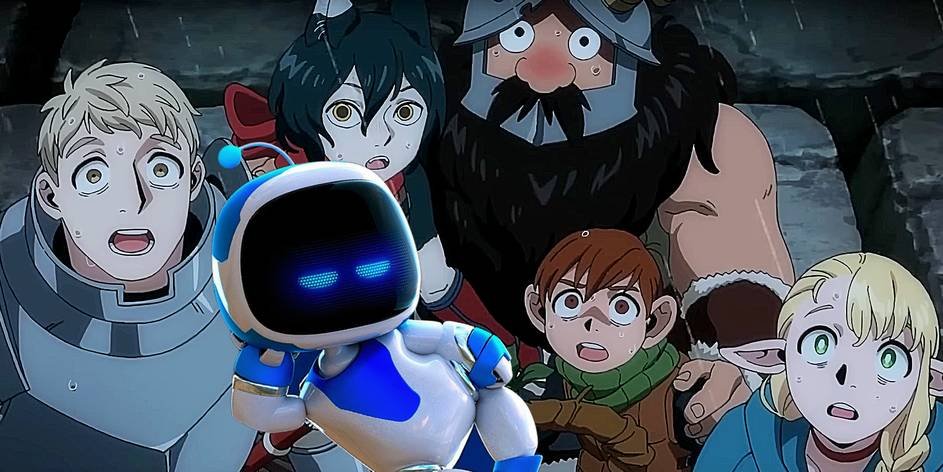
Sony’s potential acquisition of Kadokawa Corporation, a prominent Japanese media conglomerate, has garnered significant attention due to its potential to reshape the anime industry. Kadokawa’s extensive portfolio includes anime production, manga publishing, and video game development, making it a substantial player in Japanese pop culture. This move aligns with Sony’s strategic expansion into entertainment sectors, particularly anime, where it has already established a considerable presence.
Kadokawa’s Influence in the Anime Industry
Kadokawa Corporation has been instrumental in producing and distributing a wide array of anime series, many of which have achieved global recognition. Notable titles under its umbrella include “Sword Art Online,” “Re:Zero,” and “The Rising of the Shield Hero.” Beyond anime, Kadokawa is a significant publisher of manga and light novels, often serving as source material for anime adaptations. Its integrated approach, encompassing content creation, publishing, and distribution, has solidified its role as a cornerstone of the anime industry.
Sony’s Existing Footprint in Anime
Sony has progressively expanded its footprint in the anime sector through strategic acquisitions and partnerships. In 2021, Sony acquired Crunchyroll, a leading anime streaming service, for approximately $1.175 billion, consolidating it with Funimation, another Sony-owned anime distributor. This consolidation aimed to create a unified platform for anime content, enhancing Sony’s distribution capabilities and global reach. Additionally, Sony’s Aniplex subsidiary has been involved in producing and distributing numerous successful anime series, further embedding the company within the industry.
Implications of the Acquisition
Should the acquisition proceed, Sony would gain control over Kadokawa’s extensive anime catalog and production capabilities, potentially leading to several significant developments:
•Content Consolidation: Integrating Kadokawa’s anime titles with Sony’s existing platforms could result in a more comprehensive and exclusive content library, attracting a broader audience to Sony’s streaming services.
•Production Synergies: Combining resources from Aniplex and Kadokawa could enhance production quality and efficiency, fostering the creation of high-caliber anime content.
•Global Distribution: Sony’s international reach could facilitate the global dissemination of Kadokawa’s anime, introducing these works to new markets and audiences.
Potential Challenges
Despite the prospective benefits, the acquisition presents challenges:
•Regulatory Scrutiny: The consolidation of major anime entities may attract regulatory attention concerning market competition and monopolistic practices.
•Cultural Integration: Merging corporate cultures from two distinct entities requires careful management to preserve the creative integrity that defines Kadokawa’s productions.
•Market Dynamics: The anime industry is characterized by diverse stakeholders, including independent studios and creators. Ensuring that consolidation does not stifle innovation or limit opportunities for smaller entities is crucial.
Industry Reactions
The anime community has exhibited mixed reactions to the potential acquisition. Some enthusiasts anticipate that Sony’s resources could elevate the quality and accessibility of anime content. Conversely, concerns exist that increased corporate control might prioritize profitability over creative expression, potentially leading to homogenized content.
Impression
Sony’s intent to acquire Kadokawa Corporation signifies a pivotal moment for the anime industry, with the potential to reshape content creation, distribution, and consumption on a global scale. While the merger could yield benefits such as enhanced production capabilities and expanded reach, it is imperative to address challenges related to market competition and cultural integration. The outcome of this acquisition will likely have lasting implications for the future trajectory of anime as a cultural and entertainment medium.
Related Articles

The Heart Association Just Told Millions of Coffee Drinkers to Relax a Little
New guidance from the American Heart Association says up to five cups a day is […]