DRIFT AUDIO
Listen to this story
Choose a voice, then press play.
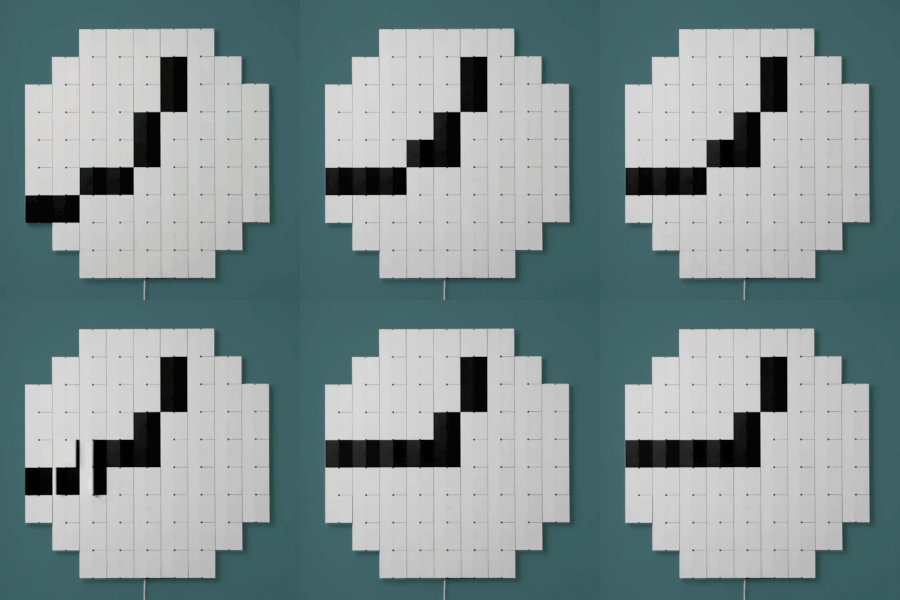
The split-flap clock reimagines traditional timekeeping by using mechanical flaps to display time without relying on numerals. This unique design flutters through various abstract shapes or visual cues, presenting time as a fluid, artistic experience. Inspired by vintage split-flap displays seen in train stations and airports, this version transforms the conventional function of a clock into an interactive piece of art. The concept challenges conventional ways of reading time, merging utility with an aesthetic that appeals to those who appreciate functional, kinetic art.
The Origins and Design Concept
Split-flap displays were historically used in transportation hubs to provide information, renowned for their distinctive flipping sound and mechanical movement. Modern adaptations like this clock tap into that nostalgia while adding an artistic twist. The clock replaces numbers with customizable visuals—shapes, colors, or icons—that users can interpret in their own way to gauge the time. This not only engages viewers but also invites them to rethink their relationship with time and its representation.
The design involves rows of flaps that turn to show different displays at set intervals. Unlike digital or analog timepieces, the split-flap mechanism adds a tactile, rhythmic element to the passing of time, making it feel more connected to physical reality.
Artistic and Philosophical Implications
The absence of numbers on the clock prompts a philosophical question: How do we measure and perceive time without conventional markers? This clock suggests that time can be experienced as an abstract concept, opening up interpretations that lean more towards intuition than precise readings. For some, this could evoke a sense of mindfulness, encouraging them to focus on moments rather than just hours and minutes.
For art and design enthusiasts, the split-flap clock is a functional sculpture that stands at the intersection of technology and aesthetics. The ability to interpret time through visual cues creates a personal connection, making the act of checking the time less about schedules and more about the experience.
Engineering and Technology
The engineering behind a split-flap clock involves precise mechanical movements. Each flap needs to turn over smoothly and align perfectly to maintain the intended display. Innovations in this clock likely include quieter motors, adjustable display settings, and customization options for users who wish to tailor the visuals to their personal preferences. The mechanical aspect of the clock adds an engaging quality, as viewers can hear and see the progression of time.
Technological integration might also include options to sync with smart home devices or apps, allowing for customizable schedules and notifications displayed in non-numerical formats. This enhances its utility while maintaining its artistic allure.
Potential Uses and Market Appeal
The split-flap clock appeals to a niche market that values unique home décor, art installations, and design-forward pieces. It’s particularly suited for modern interiors, creative studios, or public spaces that appreciate the blend of innovation and nostalgia. As an art piece, it functions as a conversation starter, drawing people into discussions about how we conceptualize and interact with time.
The “split-flap clock” transcends the functional role of traditional timepieces by offering an artistic, abstract way to view time. Its mechanical design, absence of numbers, and customizable visuals transform timekeeping into an interactive, thought-provoking experience. By blending kinetic art with practical utility, it appeals to those who appreciate design, innovation, and a novel approach to everyday objects.
Related Articles
Two Image Scavengers in a Venetian Palazzo: Arthur Jafa and Richard Prince Take On America
Inside an eighteenth-century Grand Canal palazzo. in this story Arthur Jafa Richard Prince Fondazione Prada […]