DRIFT


A Time Capsule Beneath the Streets

In today’s world of contactless payments, GPS-enabled route planning, and clean transit campaigns, it’s easy to forget that just five decades ago, New York City’s subway system teetered on the edge of collapse. In the 1970s, the subway was far more than a method of transportation—it was a mirror held up to the city’s rawest edges. It showcased New York’s resilience, its turmoil, its diversity, and most memorably, its contradictions.

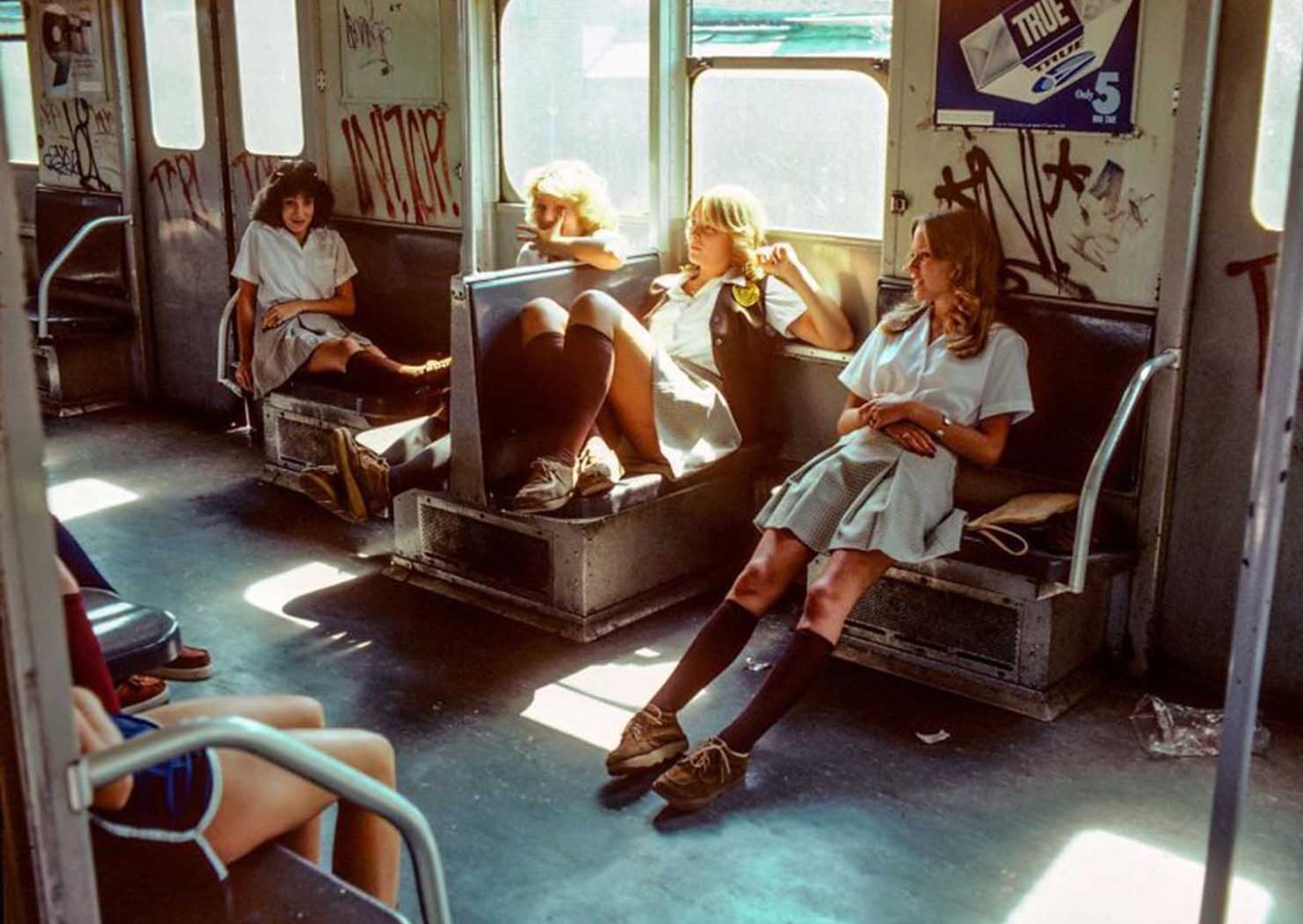
The gritty documentation by photographers like Joni Sternbach, who turned her lens on the worn seats and weary faces of subway riders, helps us not only remember but feel the human complexity of that time. Sternbach’s work was not voyeuristic, but participatory—part love letter, part elegy. Each frame captured in the murky underground was a tribute to survival.

Today’s reflection on the subway system of the 1970s is not a nostalgic act of romanticizing urban decay. It is a reckoning with how far we’ve come—and how close we may still be to some of the same systemic struggles.

The Crisis Underground: Subway in Decline

The New York subway system in the 1970s was plagued by mechanical failure, financial disrepair, and public distrust. Amid the broader economic crises that struck the city—culminating in the infamous 1975 near-bankruptcy—the Metropolitan Transportation Authority (MTA) found itself drowning in deferred maintenance, rising crime, and plummeting morale.

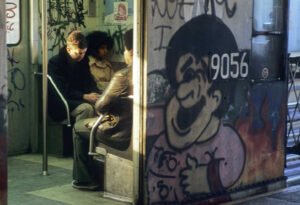
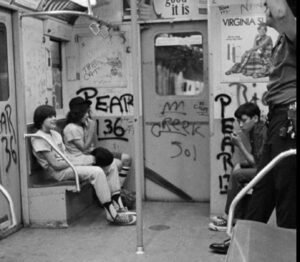
Trains broke down frequently, stations were dimly lit and grimy, and graffiti—seen by some as art and by others as vandalism—covered nearly every surface. The term “ghost trains” became shorthand for cars so derelict that they seemed like relics from a city that had lost hope.

Yet for all its failures, the subway remained essential. Over three million people used the system daily—many of whom had no alternative. Immigrants, working-class New Yorkers, artists, hustlers, and Wall Street suits all shared the same cars.

The Rise of Subway Graffiti: Canvas of a City’s Anguish

The 1970s subway wasn’t just a vehicle—it was a gallery, a bulletin board, a cry for attention. The rise of graffiti culture is inseparable from the era’s transit story. Emerging primarily from Black and Latino youth communities in the Bronx and Brooklyn, artists like Taki 183, Lee Quiñones, Dondi White, and Lady Pink transformed subway cars into moving murals.

Graffiti was a means of cultural ownership in a city that routinely erased marginalized voices. Every tag and burner was a protest against invisibility. Joni Sternbach’s images, while not focused solely on the graffiti itself, nevertheless captured its looming presence—an ambient force in every ride, echoing youth rebellion, aesthetic experimentation, and resistance.

Mainstream media, city officials, and the MTA declared war on graffiti, associating it with crime and moral decay. Yet from today’s vantage point, many of those same works are recognized as seminal contributions to global street art.

The Human Landscape: Riders in Transit

Sternbach’s photography focused on riders—not trains. Her images weren’t about the infrastructure, but about people inside it: a sleeping construction worker; a sharply dressed woman clutching her handbag; a group of kids sharing candy in a graffiti-soaked car.

What makes these photos particularly resonant today is how intimate and unaffected they are. There’s no curated fashion, no performance for the lens—just raw moments of vulnerability, fatigue, contemplation, and camaraderie.

In an age of social media aesthetics and algorithm-driven visibility, Sternbach’s photos remind us of a pre-curated world. Her work offers a democratic, even poetic, look at New York’s pulse.

The R46: Hope on Steel Wheels

In 1975, a beacon of hope arrived in the form of the R46 subway car. Manufactured by Pullman Standard, the R46s were heralded as the next chapter in NYC transit: they were wider, brighter, quieter, and fitted with advanced features like air suspension and energy-efficient motors.

But the R46 rollout was bumpy. Structural cracks, braking failures, and door malfunctions plagued the fleet. Still, the arrival of these modern cars symbolized the city’s determination to rebuild and reimagine its public services, even in the face of staggering odds.

Today, though much refurbished, many R46 cars are still in use—a testament to their durability and symbolic weight. They represent the beginning of the long road toward modernization.

Echoes in the Present: What We’ve Inherited

Fast-forward to 2025. The MTA is again caught in a fiscal web, struggling with post-pandemic ridership, climate resilience, and the equitable rollout of technology. Surveillance has replaced graffiti, and art installations are now formally commissioned by the MTA Arts & Design program.

The platform conversations have shifted—from fears of muggings to debates over fares, facial recognition, and infrastructure equity. However, the essence remains the same: the subway is still where New York is most itself.

Today’s social movements—Black Lives Matter, labor strikes, climate protests—still course through these same tunnels. Performers still spin on poles, and preachers still proselytize. In that way, the subway remains a stage, a shelter, a battleground, and a sanctuary.

Urban Memory and Transit Trauma

When we reflect on the 1970s subway, we are also reckoning with the trauma of urban neglect. The system’s decay was not just a failure of engineering—it was a symptom of social abandonment.

The modern MTA’s slow adoption of accessibility measures, its treatment of homeless riders, and its resistance to fare-free transit zones are reminders that while the hardware has changed, many of the underlying issues remain unresolved.

The 1970s subway legacy forces us to ask: How do cities treat their most vulnerable? Are public services truly public when they operate as commercial enterprises? How do we democratize mobility?

Joni Sternbach’s Legacy: Seeing the Unseen

Joni Sternbach, best known today for her tintype seascapes and surf culture portraits, cut her teeth on these subway portraits. While her later work would return her to natural light and collodion plates, her early years spent in the backdrops of the subway gave her an enduring sensibility—attuned to contrast, patience, and silence.

Her images of New York’s underground aren’t just documentation. They are acts of witnessing. They remind us that beauty can be found in decay, that dignity survives even in neglect, and that every stranger is a story waiting to be told.

Impression: Lessons in Steel and Silence

Looking back, the 1970s subway is not just a relic or cautionary tale. It is a paradigm—a lived case study in how cities manage (or mismanage) growth, community, expression, and decline.

The graffiti-covered cars, the tired commuters, the R46’s first shakedown run—all of it underscores a fundamental truth: public transit is not just about movement, but meaning.

As New York once again reimagines its underground arteries in the age of climate change and AI, we would do well to remember that progress must be measured not only by speed and cleanliness but by human presence, cultural memory, and urban empathy.

Sternbach’s images, the R46’s creaks, the tags that once danced across steel—these are the echoes of a subway that never stopped running, even when the city above it nearly did.


Related Articles
Modern data center facility with a solar-panel-clad exterior, bright green administrative offices, and secure perimeter fencing, showcasing sustainable digital infrastructure and renewable energy integration

Lombardy’s Data Center Boom: Balancing Digital Ambition with Environmental Responsible

Lombardy has emerged as Italy’s primary hub for new digital infrastructures, particularly data centers—vast complexes […]

In a highly anticipated reunion after 24 years, Adidas Originals and Coca-Cola have joined forces once again to celebrate the FIFA World Cup 2026™. The collaboration revives their iconic 2002 partnership from the Japan-South Korea tournament, now reimagined for the biggest global sporting event of 2026, co-hosted by the United States, Canada, and Mexico. Set to launch on June 6, 2026, this collection masterfully blends Adidas' streetwear heritage with Coca-Cola's timeless branding, creating a vibrant fusion of football culture, nostalgia, and modern style. The drop arrives at a perfect moment. With the World Cup kicking off on June 11, 2026, fans worldwide are gearing up for a summer of football excitement. This collaboration isn't just merch—it's a cultural statement that merges two legendary brands under the banner of "Originals are the Real Thing," a clever twist on Coca-Cola's famous slogan. Historical Context: A Reunion 24 Years in the Making Adidas and Coca-Cola first collaborated during the 2002 FIFA World Cup, producing limited-edition pieces that captured the era's energy. That partnership helped define early 2000s football-streetwear crossover culture. Fast-forward to 2026, and the brands are back with fresh energy, leveraging Adidas' deep FIFA ties (as an official partner) and Coca-Cola's long-standing sponsorship of the tournament. The 2026 edition promises to be historic as the first 48-team World Cup, spanning three countries and generating unprecedented global hype. This collab taps into that momentum, offering fans wearable pieces that celebrate both brands' legacies while looking forward to the future of football fashion. Collection Overview and Design Philosophy The Adidas Originals x Coca-Cola collection fuses 2000s street style with classic sporting aesthetics. Expect bold reds, creams, whites, and silver accents inspired by Coca-Cola's iconic packaging—think classic script logos, droplet detailing, and can-inspired motifs. The lineup spans footwear, apparel, and accessories, divided into two visual directions: one logo-heavy and graphic-forward, the other drawing from vintage advertising aesthetics. Designs pay homage to Coca-Cola's visual language while staying true to Adidas Originals' archival roots. High-quality materials, attention to detail, and versatile silhouettes make these pieces suitable for both match-day wear and everyday street style. The campaign, featuring young football star Lamine Yamal and a diverse cast in everyday scenes building anticipation for the tournament, reinforces themes of originality and shared cultural moments. Footwear Highlights Footwear takes center stage in this collaboration, with reimagined takes on iconic 2000s Adidas silhouettes: Samba and Superstar Models: These classics get Coca-Cola treatment with white/cream/red colorways and prominent script branding. The Samba blends street heritage with football roots, while the Superstar II features weathered bases and bold side panels. Expected pricing around $110–$130. Adistar Control 5: A standout with droplet detailing mimicking condensation on a cold Coke can. This model brings performance-inspired design into lifestyle territory. Predator Sala: Indoor/hybrid style with silver-and-red accents, nodding to predatory precision on the pitch and Coca-Cola's bold energy. Climacool 1: Revived with breathable tech and Coke-inspired graphics, perfect for warm summer days. Megaride F50: A highlight paying tribute to the iconic Coca-Cola glass bottle, with unique contours and refreshing design cues. Each pair incorporates thoughtful details like embroidered logos, custom insoles, and packaging that mimics vintage Coke crates or cans. These shoes are built for durability and comfort, appealing to sneakerheads, football fans, and casual wearers alike. Apparel and Accessories Beyond kicks, the collection offers a full lifestyle range: Track Tops and Jerseys: Standout jerseys fuse retro Coca-Cola advertising from different eras into cohesive football designs. Track jackets feature signature three stripes alongside Coke branding, in vibrant reds and classic whites. Shorts and T-Shirts: Relaxed fits with graphic prints, ideal for casual wear or layering. Expect motivational football motifs blended with refreshing beverage references. Accessories: A bright red airliner bag stands out as a functional statement piece. Additional items may include caps, socks, and tote bags carrying the collaborative spirit. The apparel emphasizes comfort with premium cotton blends, mesh panels for breathability, and oversized silhouettes popular in contemporary streetwear. Unisex sizing and inclusive fits make the collection accessible to a broad audience. Cultural Impact and Fan Appeal This collaboration resonates on multiple levels. For football fans, it represents national pride and global unity ahead of the 2026 tournament. Sneaker enthusiasts will appreciate the nostalgic 2000s revival mixed with modern execution. Streetwear collectors see it as a prime example of how heritage brands can innovate through partnerships. In an era where sports and fashion increasingly intersect, Adidas and Coca-Cola deliver pieces that transcend the pitch. Wear them to watch matches at home, attend watch parties, or hit the streets in any host city—New York, Los Angeles, Toronto, or beyond. The designs are versatile enough for gym sessions, festivals, or daily commutes. The timing aligns perfectly with rising interest in football in North America, boosted by the co-hosting nations. Young talents like Lamine Yamal in the campaign help bridge generational gaps, attracting newer fans while satisfying longtime supporters. Where to Buy and Release Details The collection launches globally on June 6, 2026, via: Adidas CONFIRMED app (for early access and raffles) Adidas.com Select retailers and flagship stores worldwide Some regions may see staggered drops, with Japan and other markets getting early access. Prices are expected to range from $50–$150 depending on the item, making it relatively accessible compared to ultra-limited drops. Pro Tips for Copping: Enable notifications on the CONFIRMED app. Check local stock at Adidas stores in major cities. Monitor resale platforms post-drop for exclusive colorways, but be wary of markups. Size up slightly for oversized apparel fits. Given the World Cup hype, popular items like the Sambas and jerseys are likely to sell out quickly. International shipping is available, but factor in potential customs delays. Styling Suggestions Match Day Look: Pair a collaborative jersey with classic black shorts and Samba sneakers for effortless fan style. Streetwear Rotation: Layer a track top over a graphic tee with wide-leg pants and the Megaride F50 for a bold urban ensemble. Casual Summer: White Superstar with denim shorts and the airliner bag for a refreshing, vacation-ready vibe. These pieces mix seamlessly with existing Adidas or neutral wardrobes, maximizing versatility. Broader Context in 2026 Fashion and Sports The Adidas x Coca-Cola drop is part of a larger wave of high-profile collaborations tied to the World Cup. Adidas continues its dominance in football kit design, while Coca-Cola leverages its sponsorship with collectibles, bottles, and experiential activations like the Trophy Tour. In the sneaker industry, this collab exemplifies the ongoing trend of lifestyle reinterpretations of performance silhouettes. It also highlights how global brands use major events to drive cultural conversations around unity, originality, and joy—core values for both companies. Sustainability notes (based on Adidas' broader initiatives) suggest some pieces may incorporate recycled materials, aligning with modern consumer expectations. Looking Forward: Legacy and Excitement As the countdown to kickoff continues, this collection serves as the perfect prelude to an unforgettable summer of football. Whether you're a die-hard supporter, a fashion-forward collector, or someone seeking motivation through style, the Adidas Originals x Coca-Cola FIFA World Cup 2026 lineup delivers. Expect potential restocks, special event exclusives in host cities, and continued campaign content featuring more athletes. This isn't just clothing—it's a ticket to participate in the global celebration of the beautiful game. Mark your calendars for June 6, 2026. Refresh your wardrobe, lace up those Sambas, and get ready to cheer on your team in style. The "Real Thing" meets the Originals in what promises to be one of the most talked-about releases of the year. This collaboration captures the essence of football's universal appeal: bringing people together through shared passion, iconic brands, and unforgettable moments. As the world prepares for 2026's expanded tournament, Adidas and Coca-Cola remind us that some partnerships are truly timeless.

Adidas Originals x Coca-Cola Collection: FIFA World Cup 2026

In a highly anticipated reunion after 24 years, Adidas Originals and Coca-Cola have joined forces […]

Loewe shoulder bag crafted in brown and black leather with minimalist lion face detailing and a matching fur tail charm

180 Years Unfolded: The Full Story Behind Loewe’s New Campaign

The year was 1846. Queen Victoria was on the British throne and the telephone, the […]