DRIFT AUDIO
Listen to this story
Choose a voice, then press play.
A railroad worker’s jacket and the first jacket American women called their own — “91-J 1947 model” and “11-W 1949 model” relaunch together on July 10
In This Story
- What THE ARCHIVES Project Actually Is
- 91-J 1947 Model — A Silhouette Decided by a Railroad Worker’s Pocket Watch
- 11-W 1949 Model — The New Workwear Postwar American Women Reached For
- Why Call It “Perfected”? What the Details Reveal About 1940s Craft
- Release Information
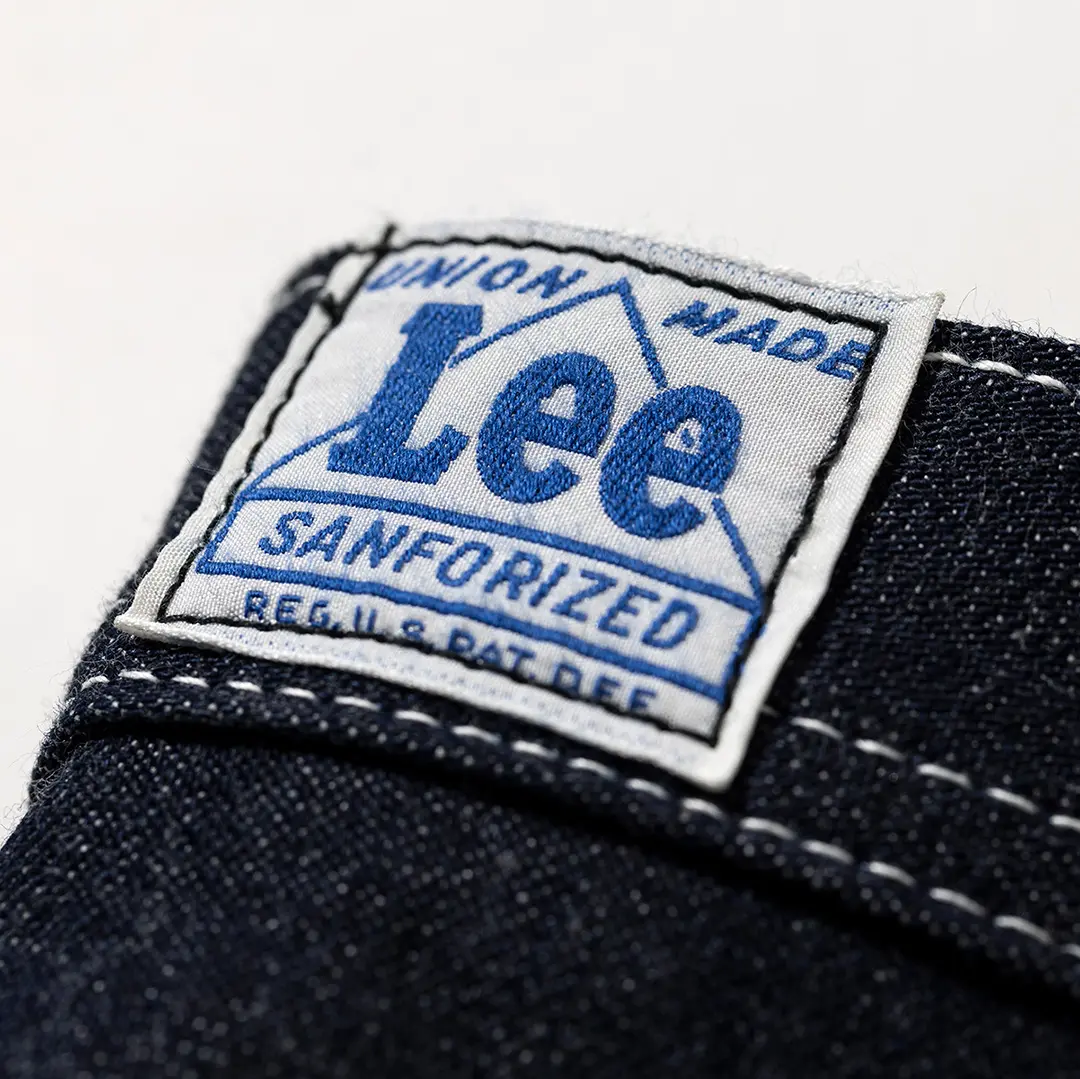
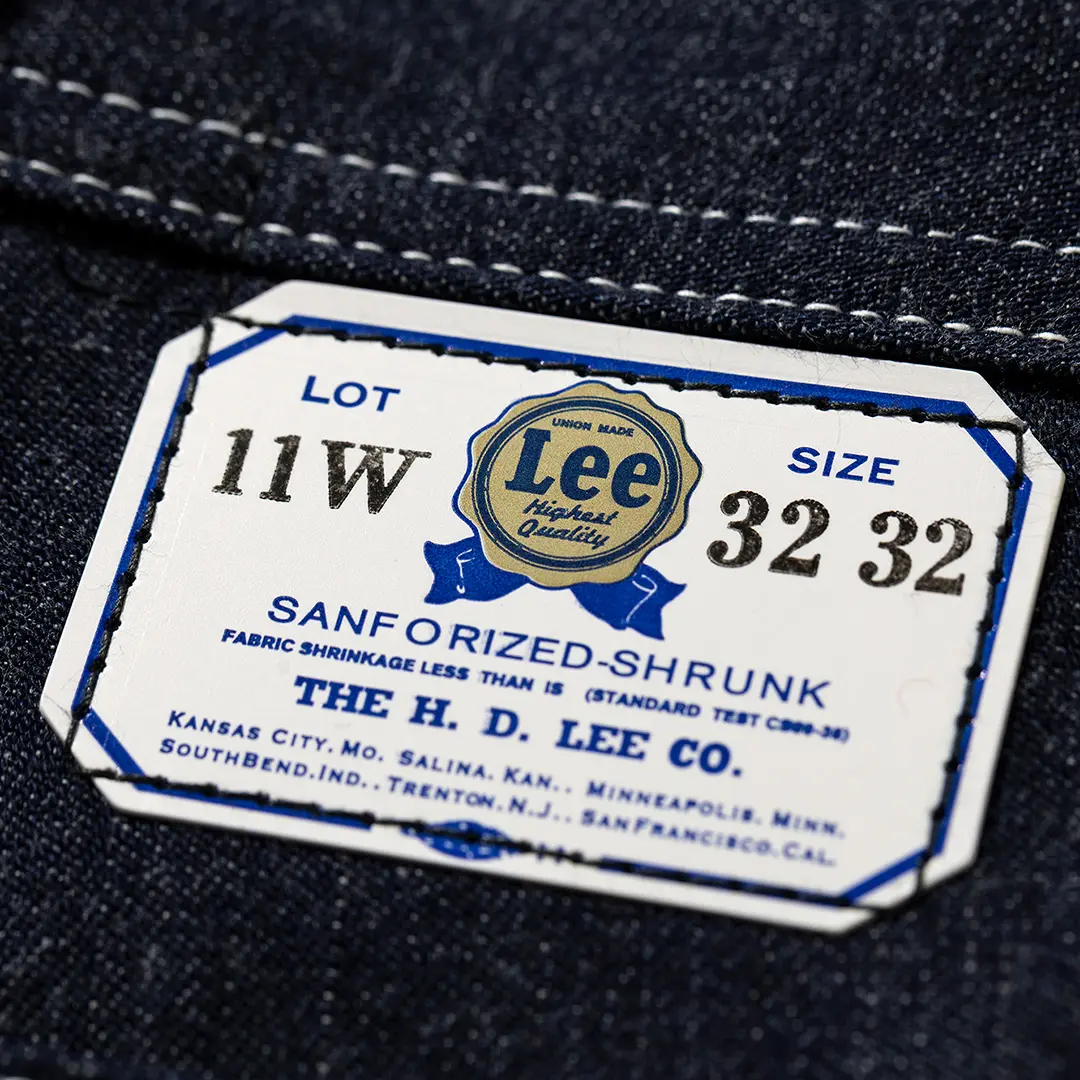
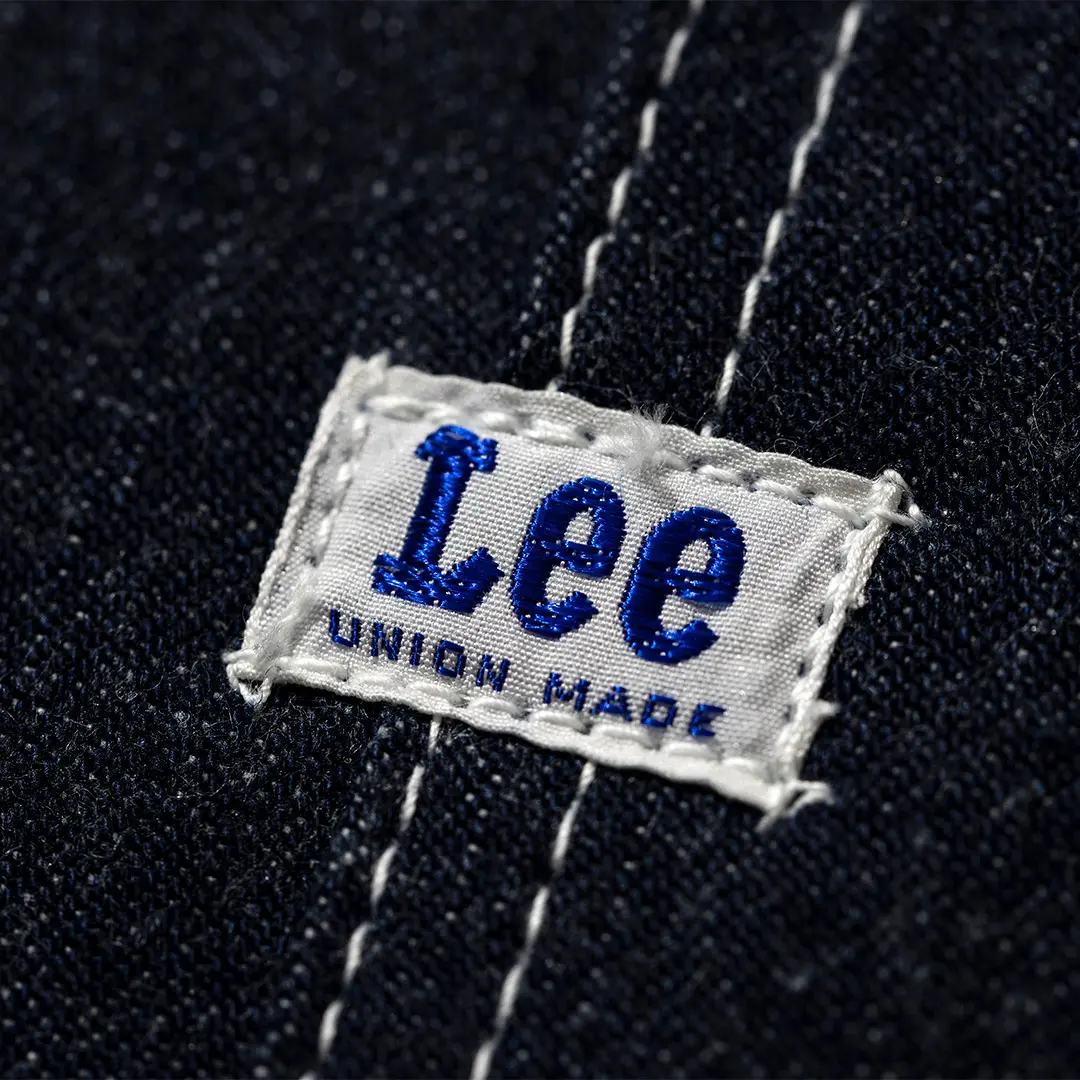
Lee‘s “THE ARCHIVES” project is a tribute to founder Henry David Lee and the successors who built out America’s industrial and sartorial history in the early twentieth century — recreated today with modern technique. Every weave, every stitch line, the typeface on the woven labels, the spec of every hardware piece: each gets traced back to its original vintage example and re-patterned from scratch, year by year.
The series has already revived era-specific masterpieces like the “COWBOY 101 1945 model,” the “RIDERS 101-Z 1948 model,” and the “DUNGAREES 191-Z 1950 model” — mostly centered on jeans and trucker jackets. The July 10 release of the “91-J 1947 model” and “11-W 1949 model” pushes deeper into Lee’s roots as a workwear brand specifically. One traces a coverall lineage going back to the 1920s; the other comes from a line born fresh after the war. The years sit close together, but the stories behind them couldn’t be more different.
View this post on Instagram
stir
The story of “91-J” goes back to 1921. At the time, America’s expanding rail network was treated as the very symbol of national modernization, and the workers who ran the locomotives were seen as the glamour profession of “carrying civilization.” Lee built this jacket — nicknamed the “Loco Jacket” — for exactly that audience.
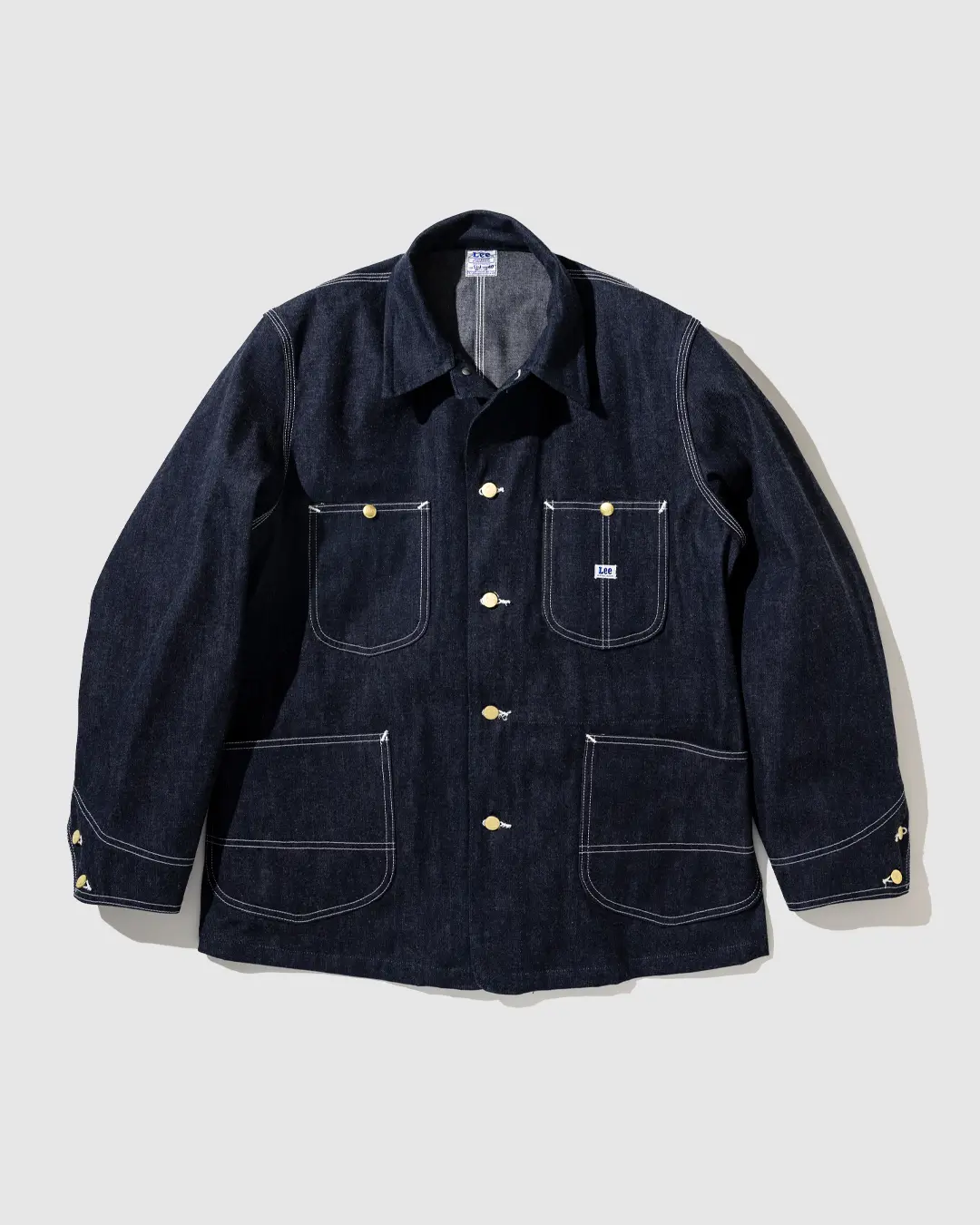
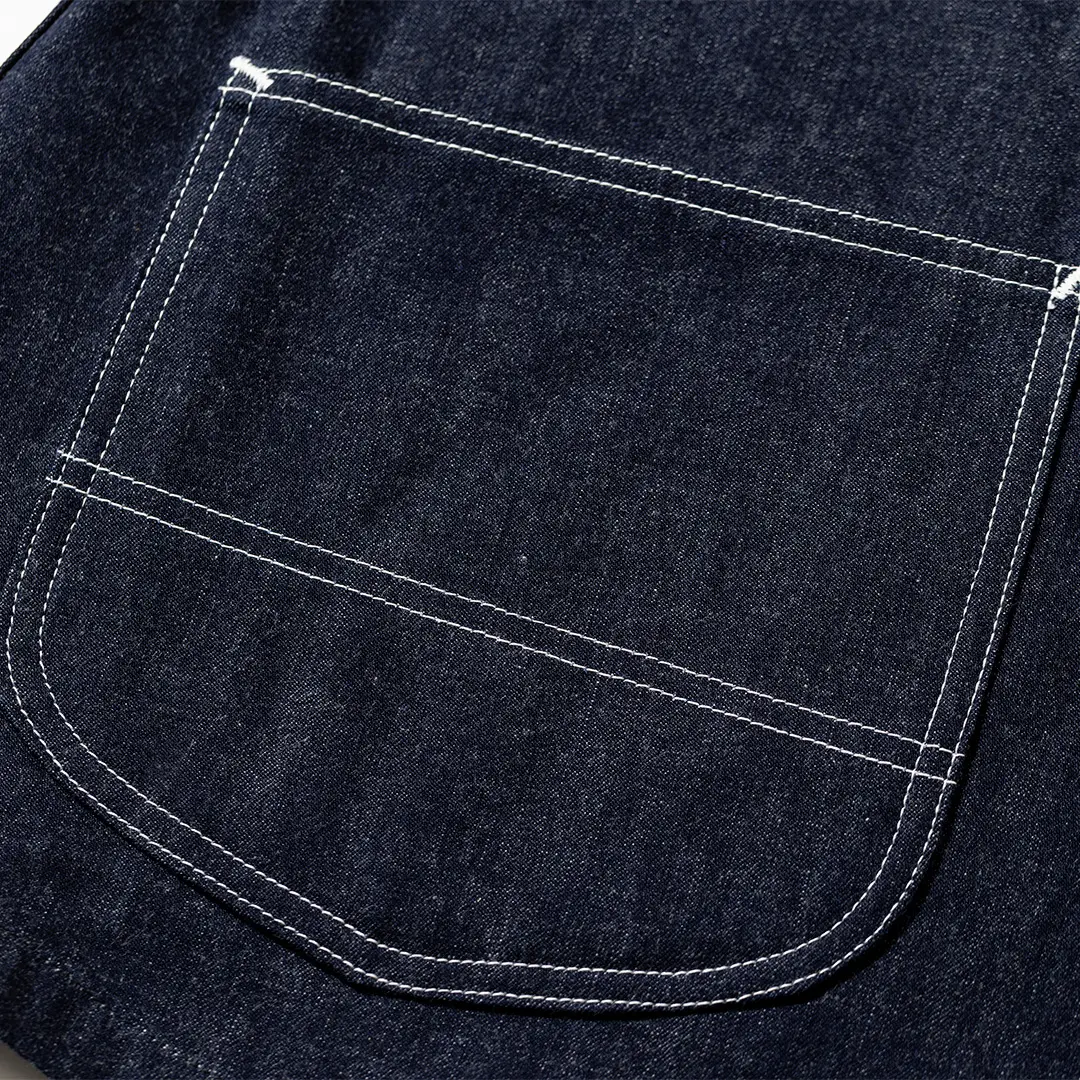
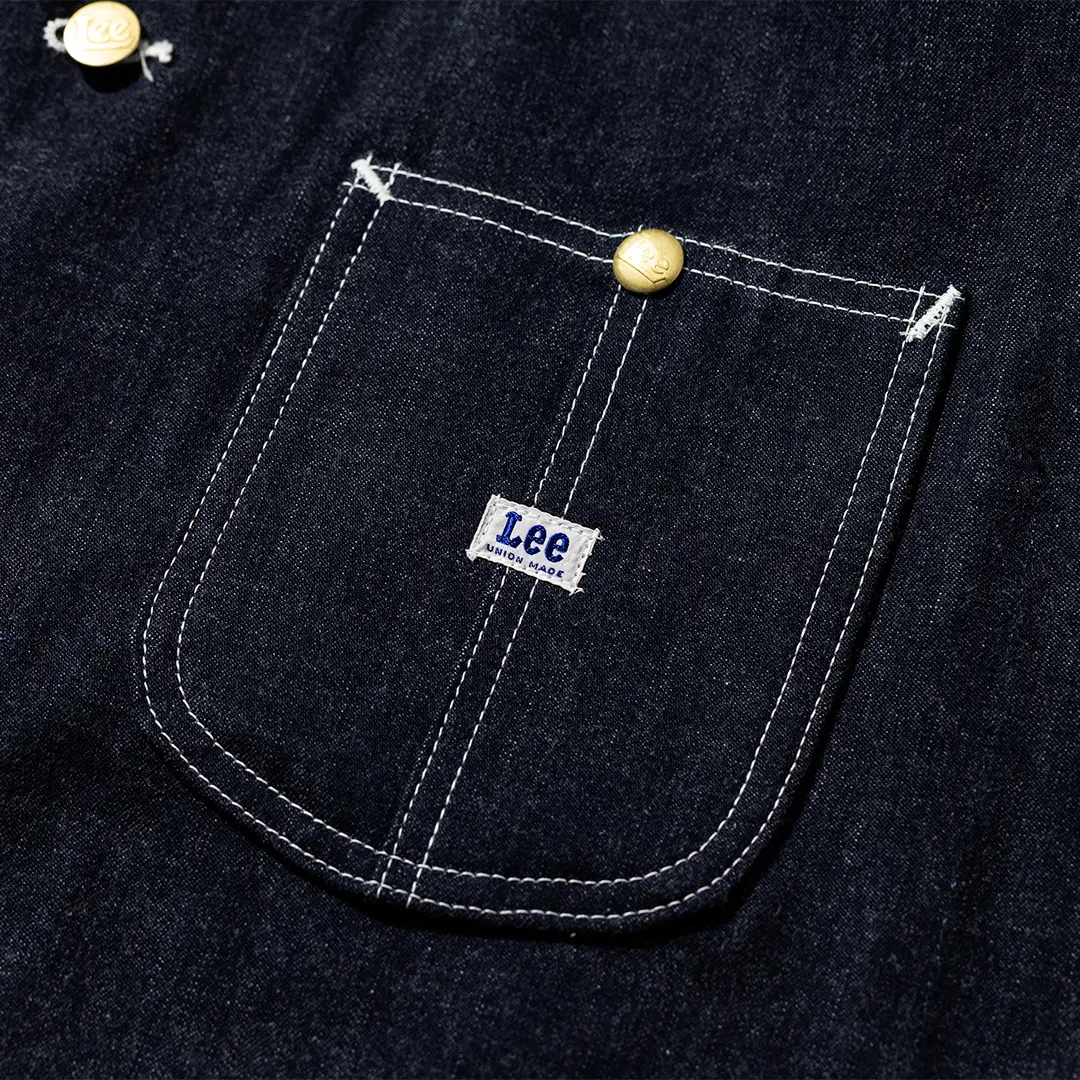
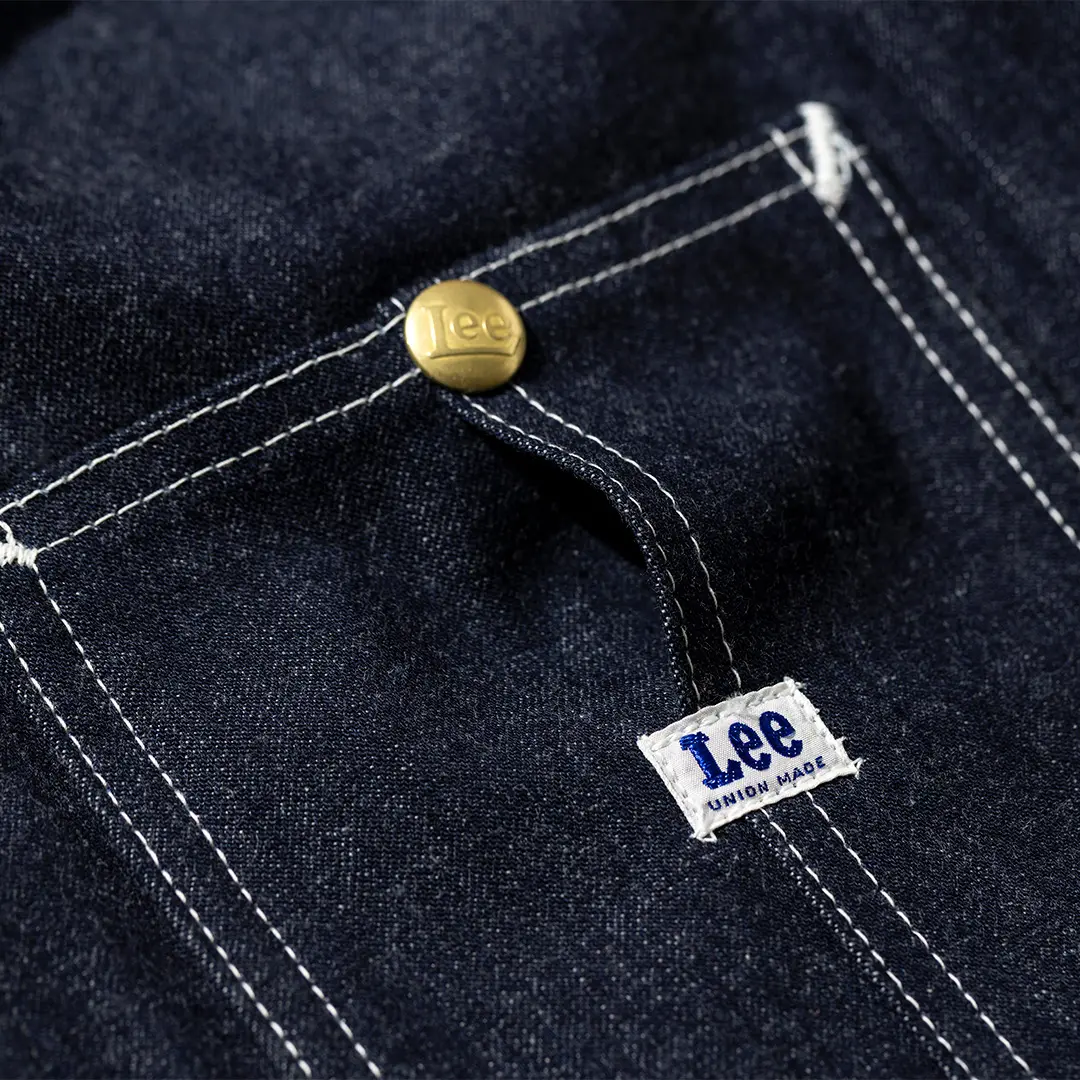
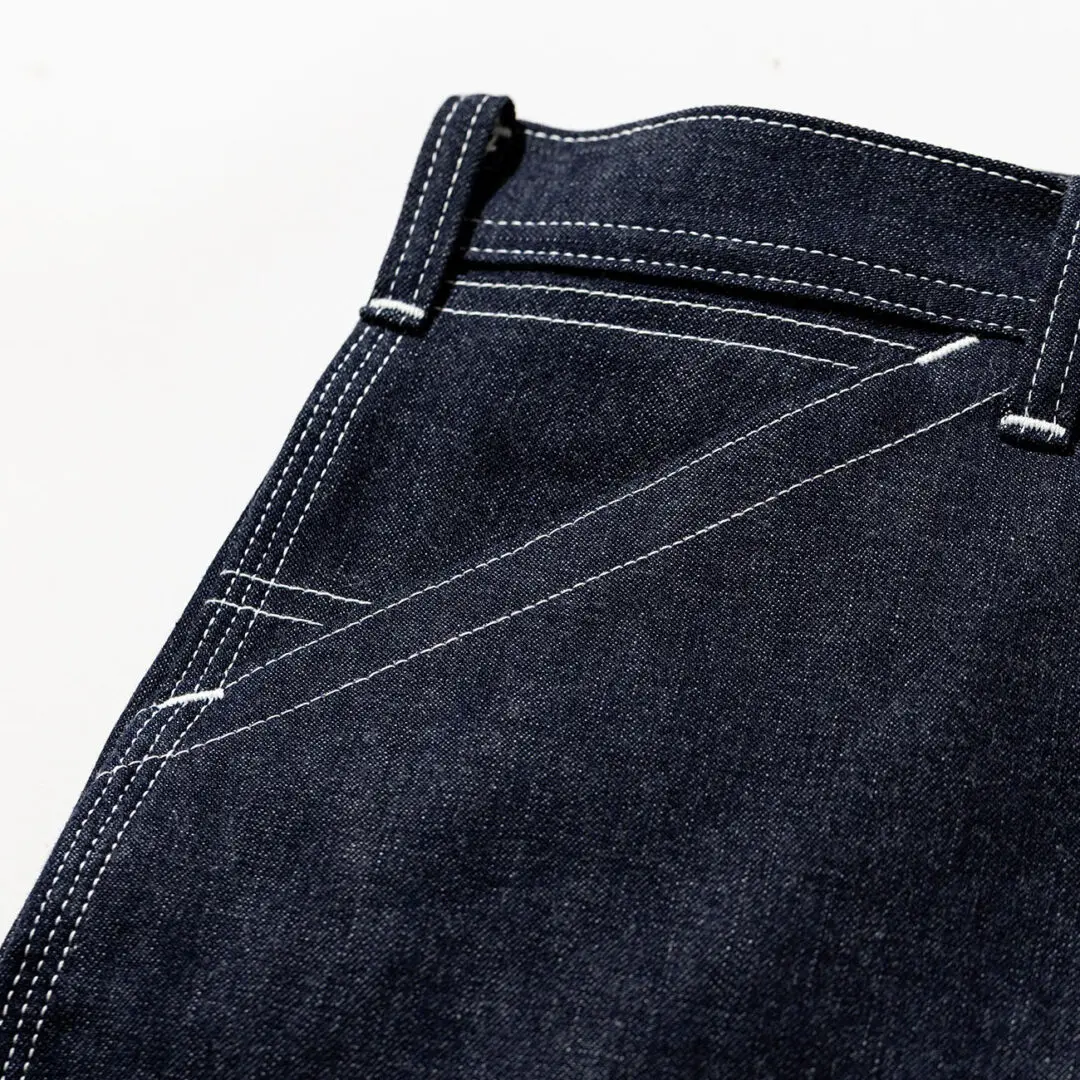
Every part of the design works backward from the railroad worker’s job. A watch pocket for the pocket watch a train’s schedule depended on. A timebook pocket on the inside left, for the timetable itself. Oversized pockets reinforced on the inside so they wouldn’t lose shape under tools or paperwork. None of it is decorative — all of it came straight out of necessity on the job.
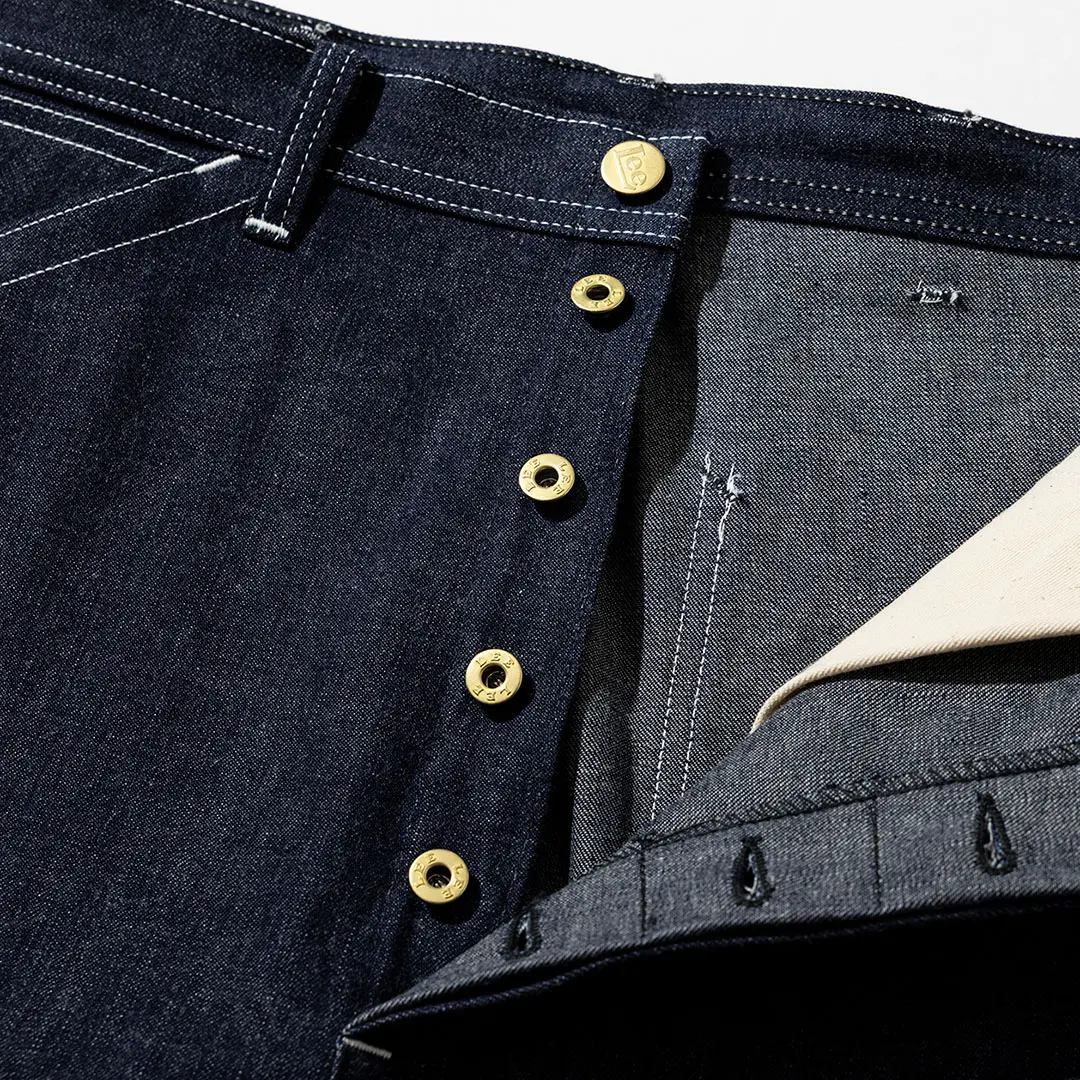
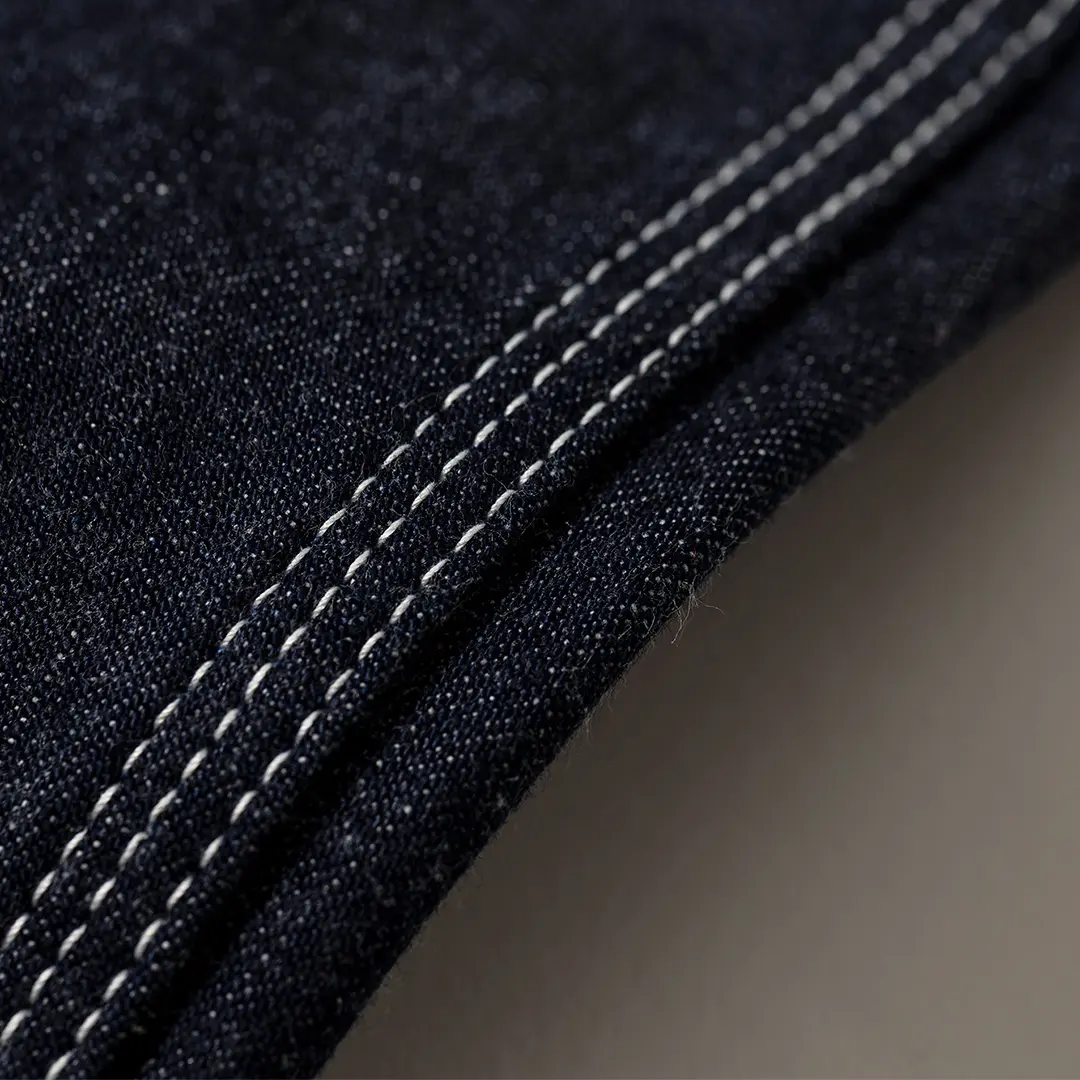
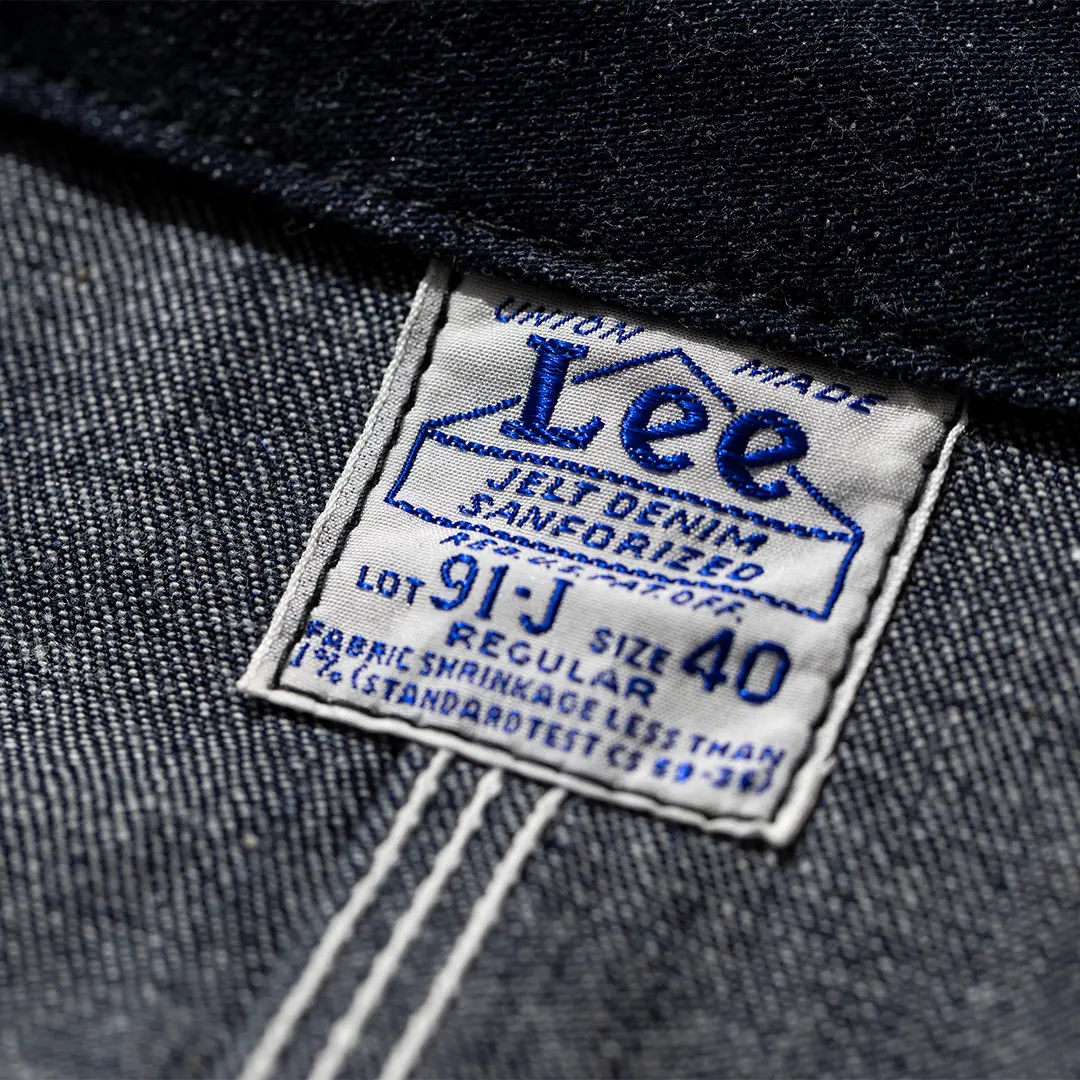
The fabric is Lee’s own “Jelt Denim,” developed in-house in 1925. At 11.5 ounces, it was lightweight yet abrasion-resistant, engineered to hold its shape through sparks and soot on the job. Combined with the durability of triple-stitched seams, the 91-J became more than a work garment — it reached a kind of functional beauty in its own right.
This revival targets the production run from right after the war ended in 1947 — a transitional moment when details that had been simplified under wartime material rationing were slowly returning to their original specs. The 91-J stands alongside the 101-J (the trucker jacket better known as the Lee Riders jacket) as one of the pillars of Lee’s workwear line, and it’s notable for how little the basic design has changed over the decades. That, in itself, is a sign of how early it reached its “perfected” form.
flow
The other lead, the “11-W 1949 model,” carries a completely different story.
During World War II, Lee supplied roughly 25,000 units of workwear to the U.S. Army. After the war, the brand rebranded its core line from “COWBOY” to “RIDERS,” pushing harder into casualwear aimed at a much broader audience. In that same momentum, in 1949, Lee launched its first dedicated women’s line: “Lady Lee Riders.” That same year also happened to be when the flagship 101-J was awarded a design patent — adding “DESIGN PATENTED” to its tag — marking 1949 as a genuine turning point for the brand as a whole.
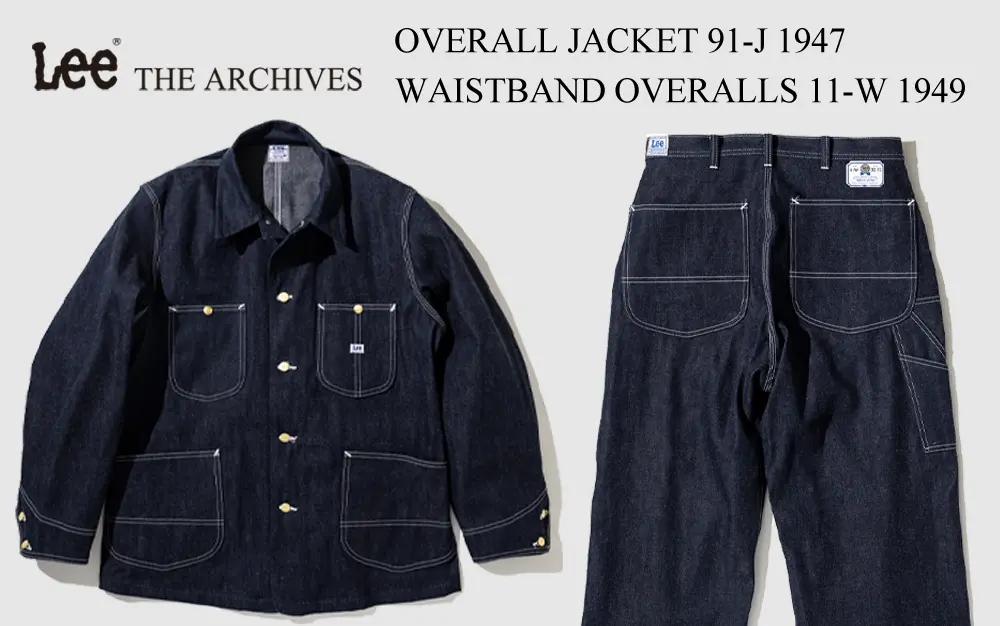
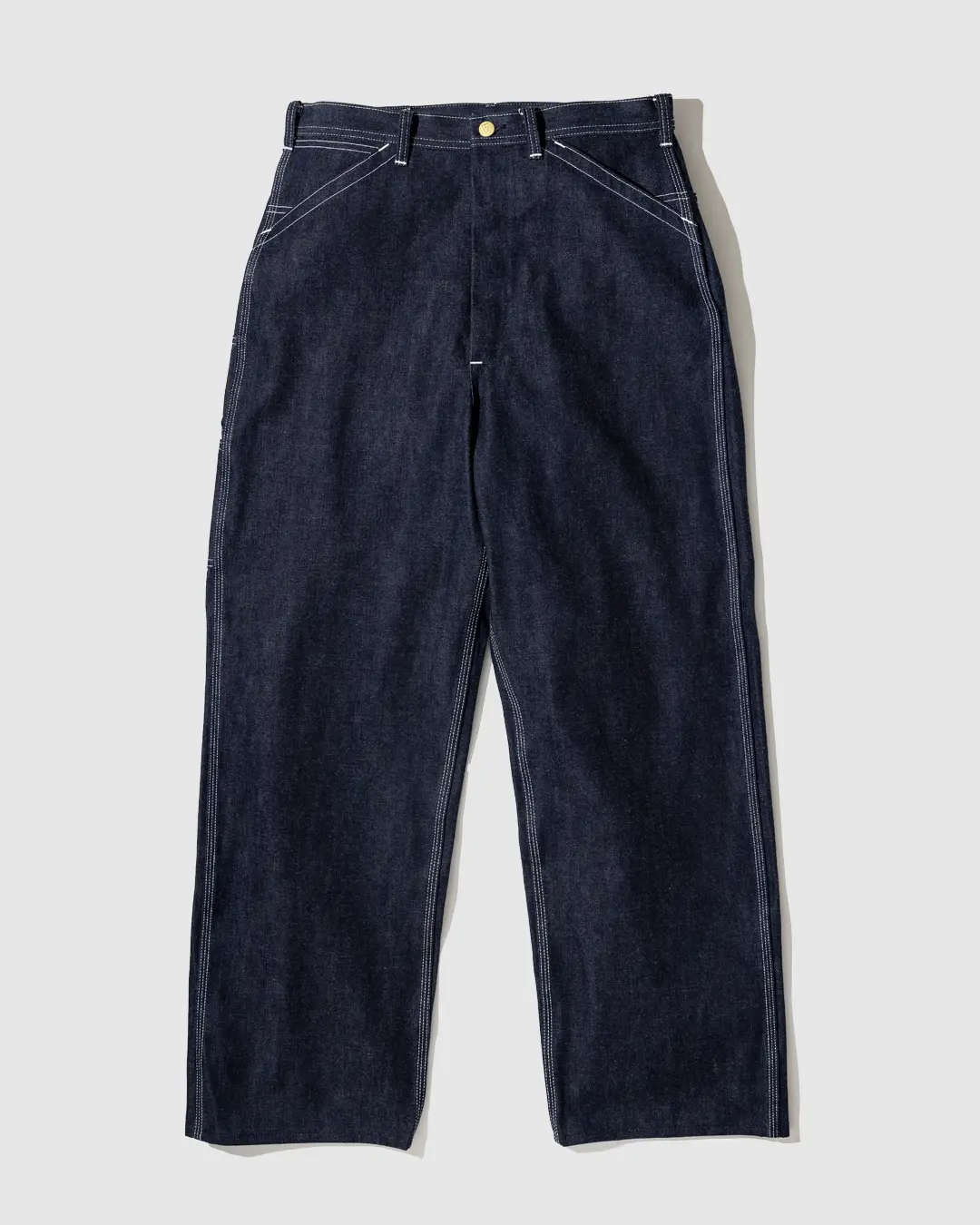
Lee THE ARCHIVES revives two postwar icons with the faithfully reproduced 91-J 1947 Overall Jacket and 11-W 1949 Waistband Overalls, celebrating classic American workwear heritage.
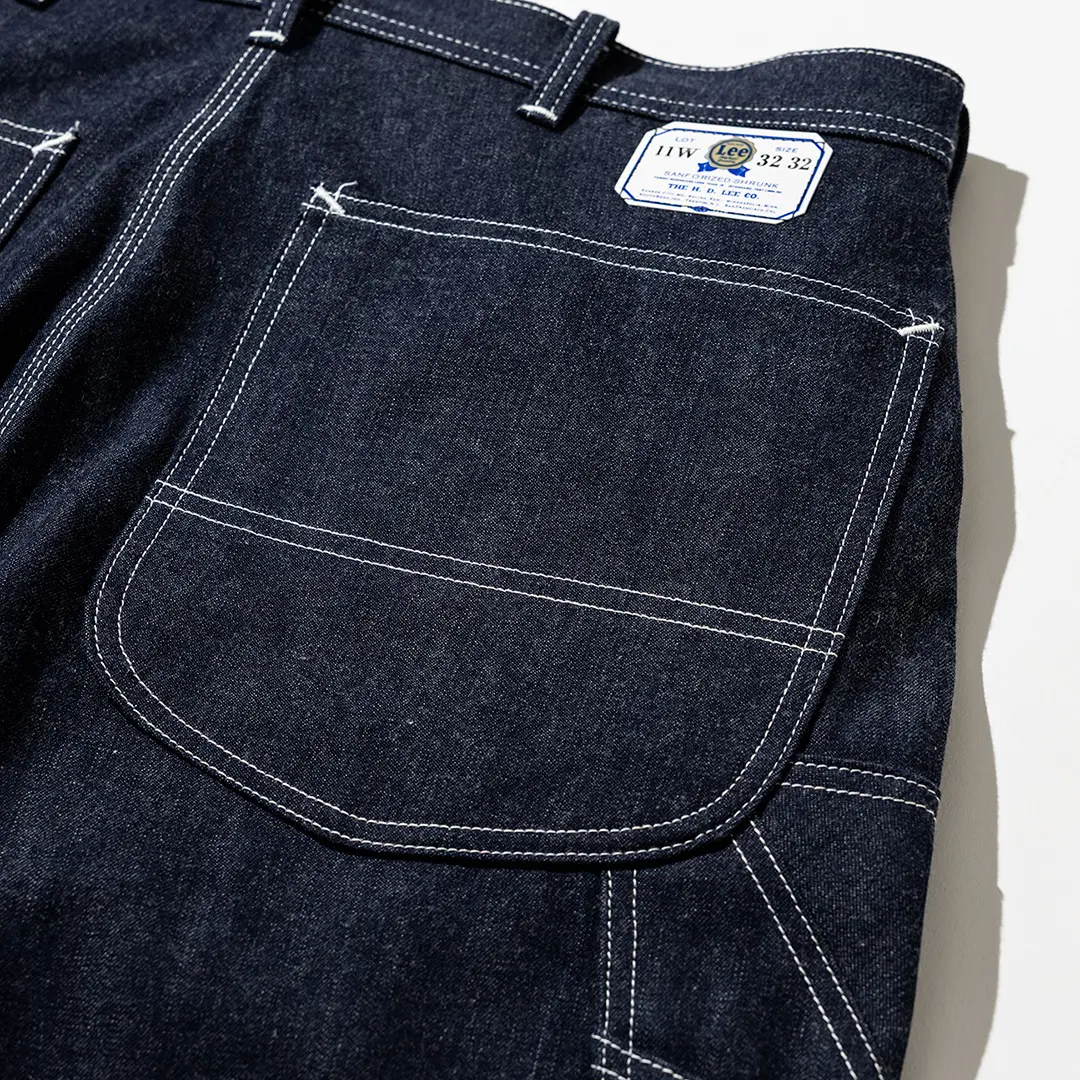
The social backdrop here matters: women who had carried factory and wartime-industry labor through the war kept demanding practical workwear once it ended — a chapter that’s essential to understanding American apparel history. Lee responded by rethinking silhouettes and pocket placement that had been optimized for men’s bodies, redesigning the line for women specifically. The “W” in the lot number “11-W” most naturally reads as part of that same “Women’s” lineage.
Where the 91-J of 1947 represents a model that was “already perfected and faithfully preserved,” the 11-W of 1949 represents something still being defined. The former is the endpoint of accumulated functional beauty; the latter is Lee’s first real step toward a new era. Placed side by side, the two pieces show just how wide-ranging the postwar shifts in American denim actually were.
fin
What THE ARCHIVES project holds onto consistently is an accurate trace of how details shifted from year to year. According to Lee’s own detail breakdown, even something as small as the back-pocket stitch evolved — from a loose wave pattern around the war years into the so-called “lazy S stitch,” said to be modeled on the side profile of a horse’s mouth. The “red tag,” adopted around the 1930s, shows the logo’s shape changing gradually over time as well.
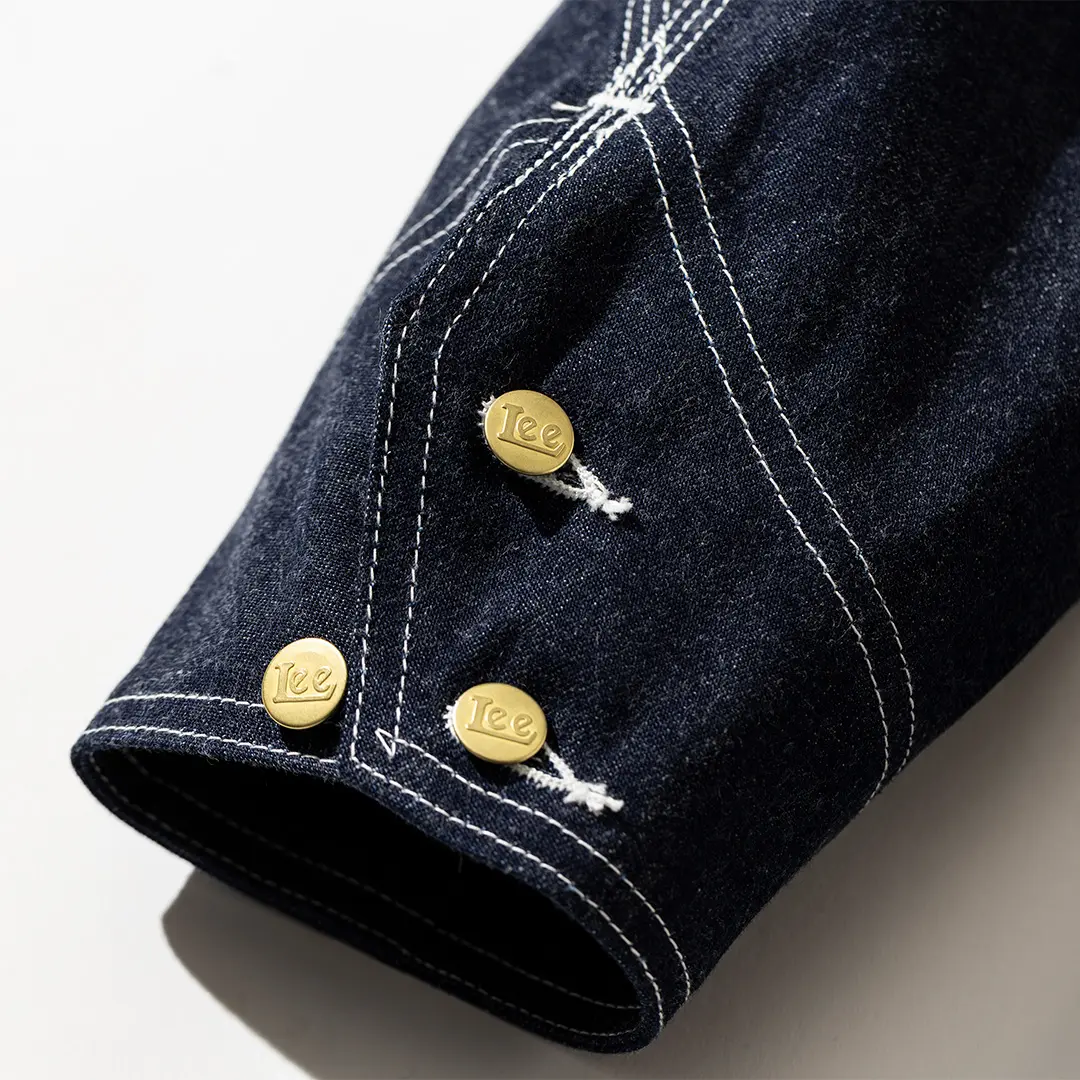
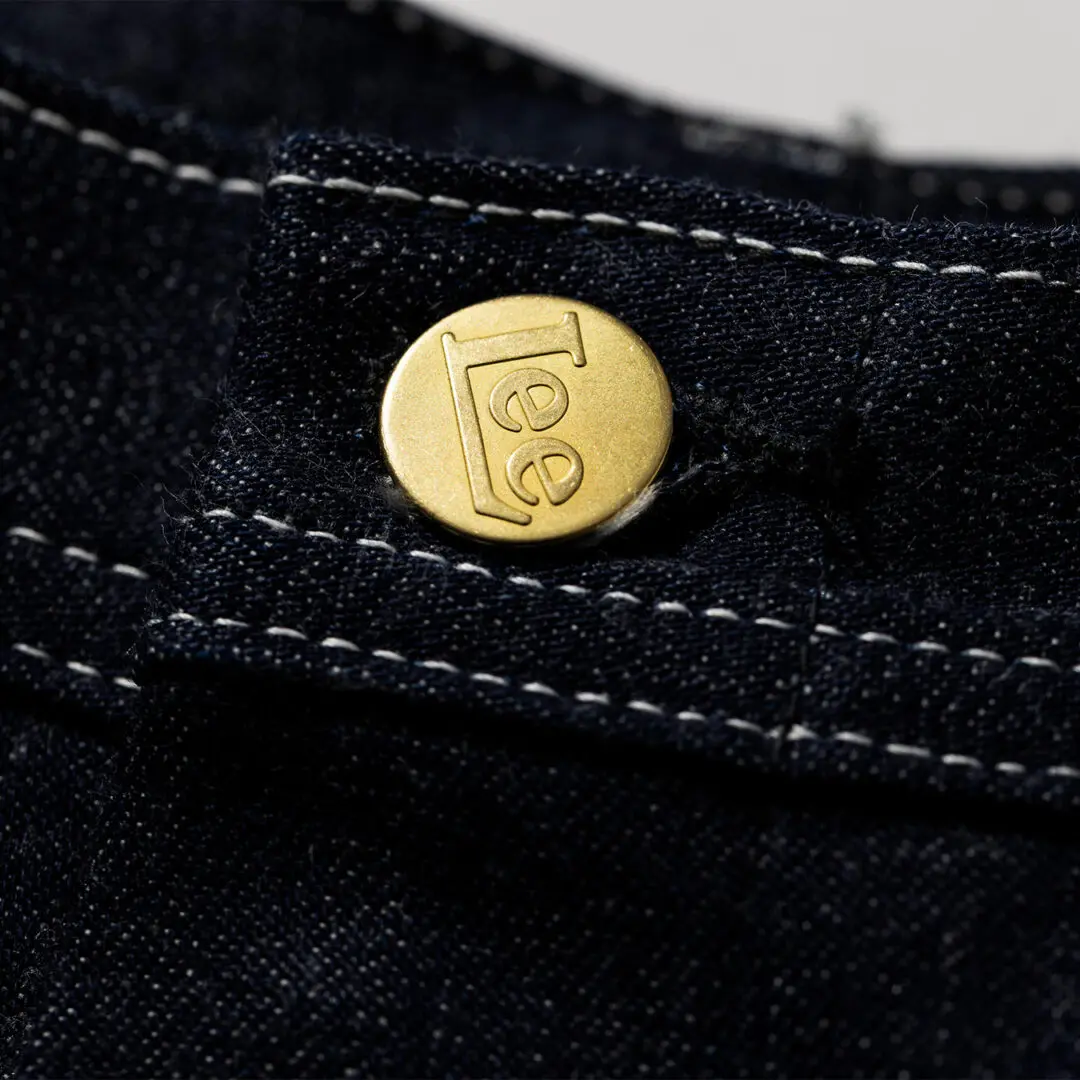
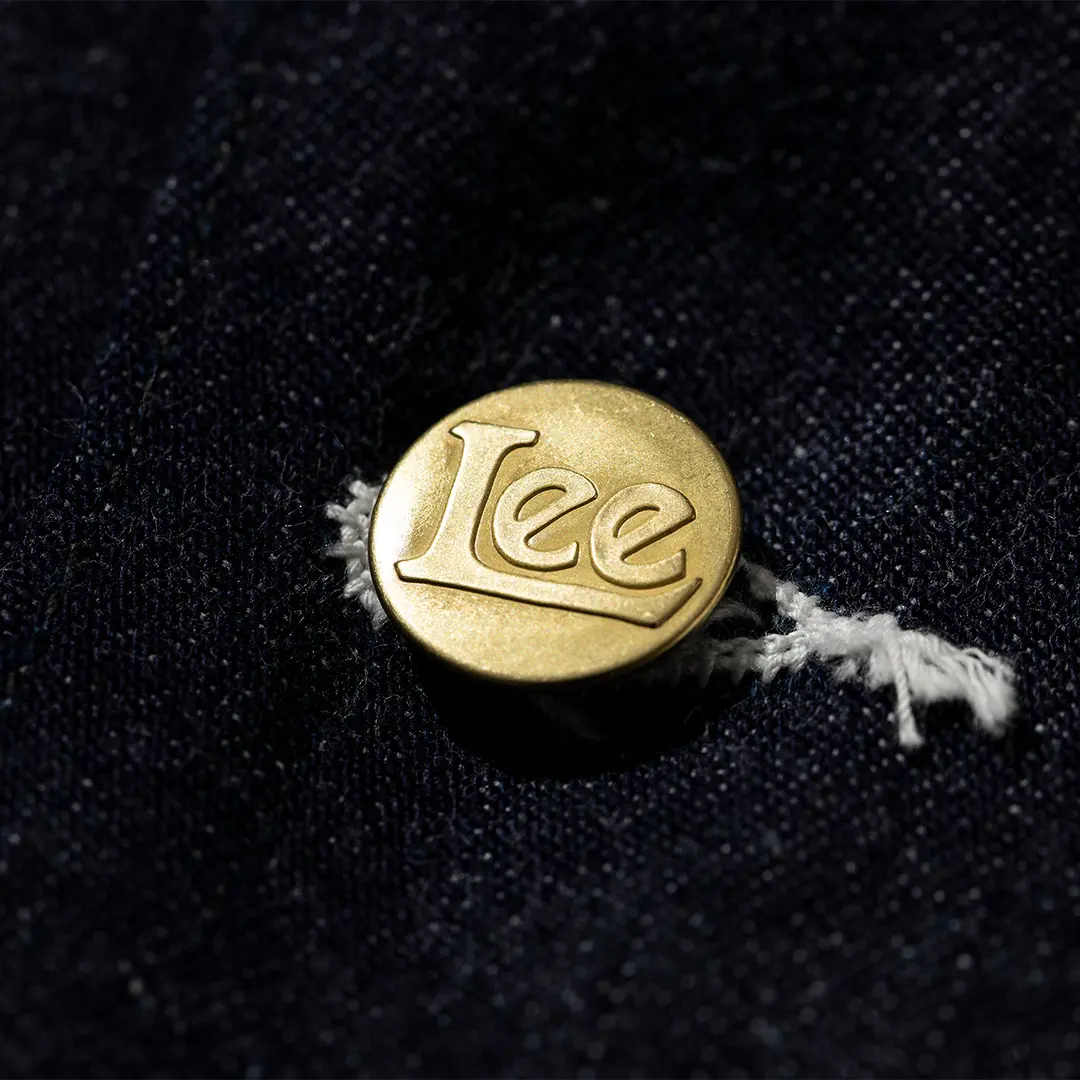
Even the buttons evolved — from donut buttons fastened with an S-wire to covered buttons — and the stampings on them shifted right alongside the brand’s own name changes: Union-Alls, Union Made, Cowboy, Riders. Rivets stayed consistently low-profile to avoid scratching a cowboy’s saddle, with one notable exception: wartime models, where material shortages forced the use of off-the-shelf hardware instead.
None of this detail work is nostalgia for its own sake. It’s a record of the manufacturing conditions, market pressures, and material constraints Lee was operating under at the time, all literally stitched into the garment. Even the two years separating 1947 and 1949 hold two distinct stories — the slow recovery from postwar material shortages on one side, and a brand actively opening up a new customer base on the other.
The current wave of interest in American vintage and workwear isn’t just about consuming a trend — knowing why a detail exists in the first place changes how you see the garment. The 91-J’s pockets built for a railroad worker, and the 11-W’s place in postwar women’s daily life — both tell the same underlying story: design born from function tends to stay loved for a very long time.
From the DRIFT archive: The North Face Women’s Nuptse Short Jacket: A Modern Icon · DAVID CATALÁN Fall/Winter 2025 Campaign — Industrial Warmth, Urban, And The New Iberian Silhouette
Related Articles

WACKO MARIA Brings Its Leopard Lining to the Big Leagues
Black nylon outside, leopard fur inside: WACKO MARIA’s first Major League Baseball collection reached Japan […]