DRIFT AUDIO
Listen to this story
Choose a voice, then press play.
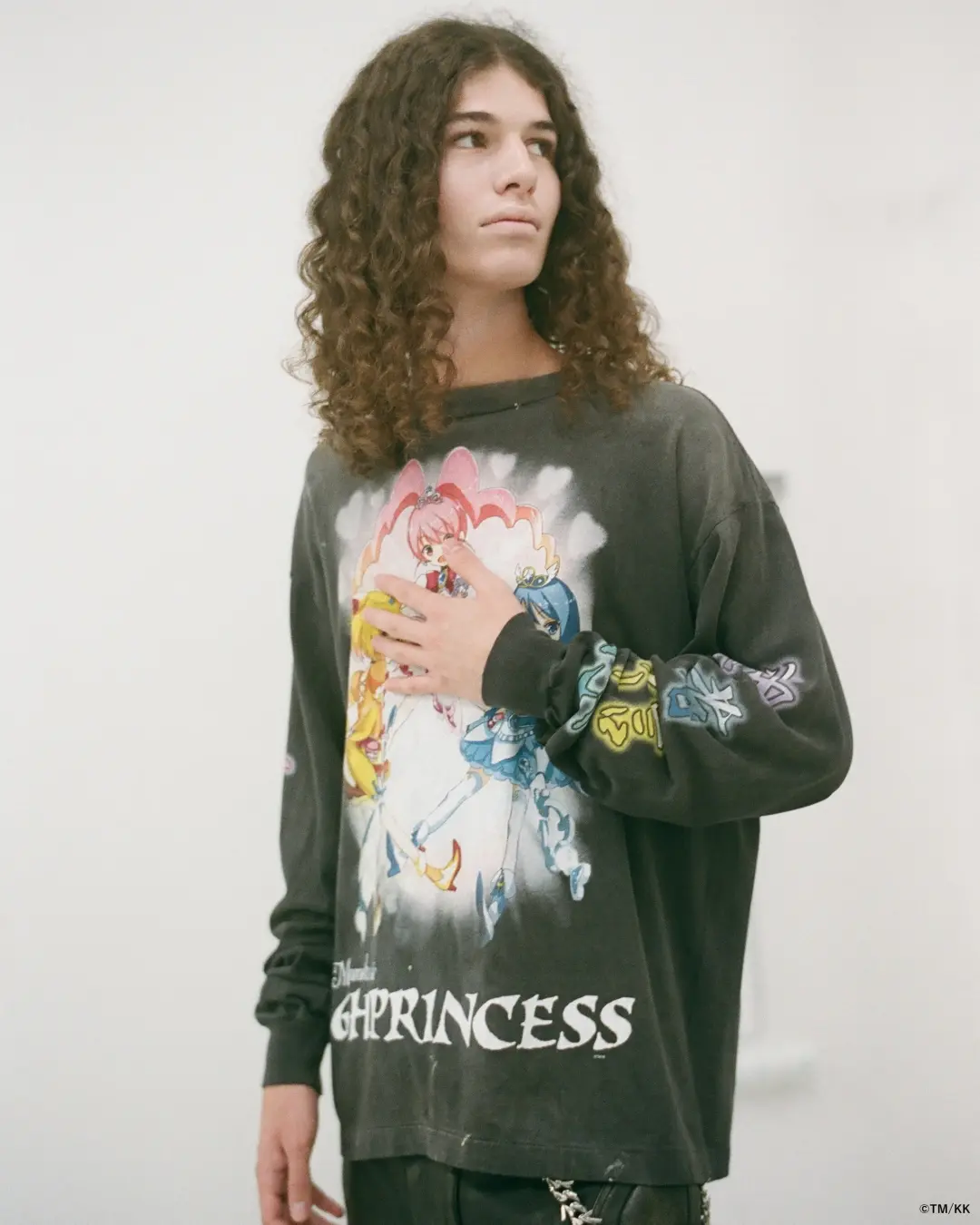
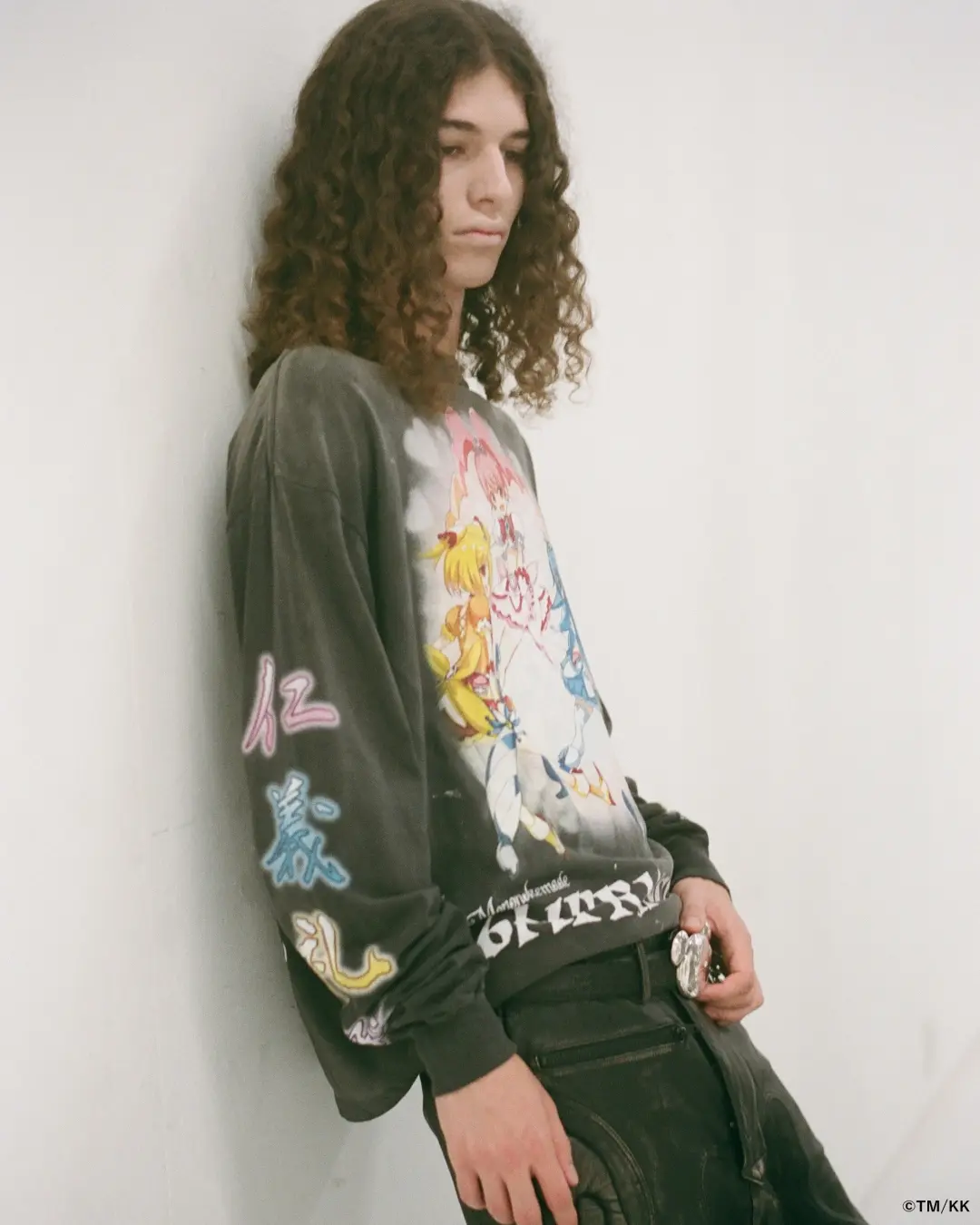
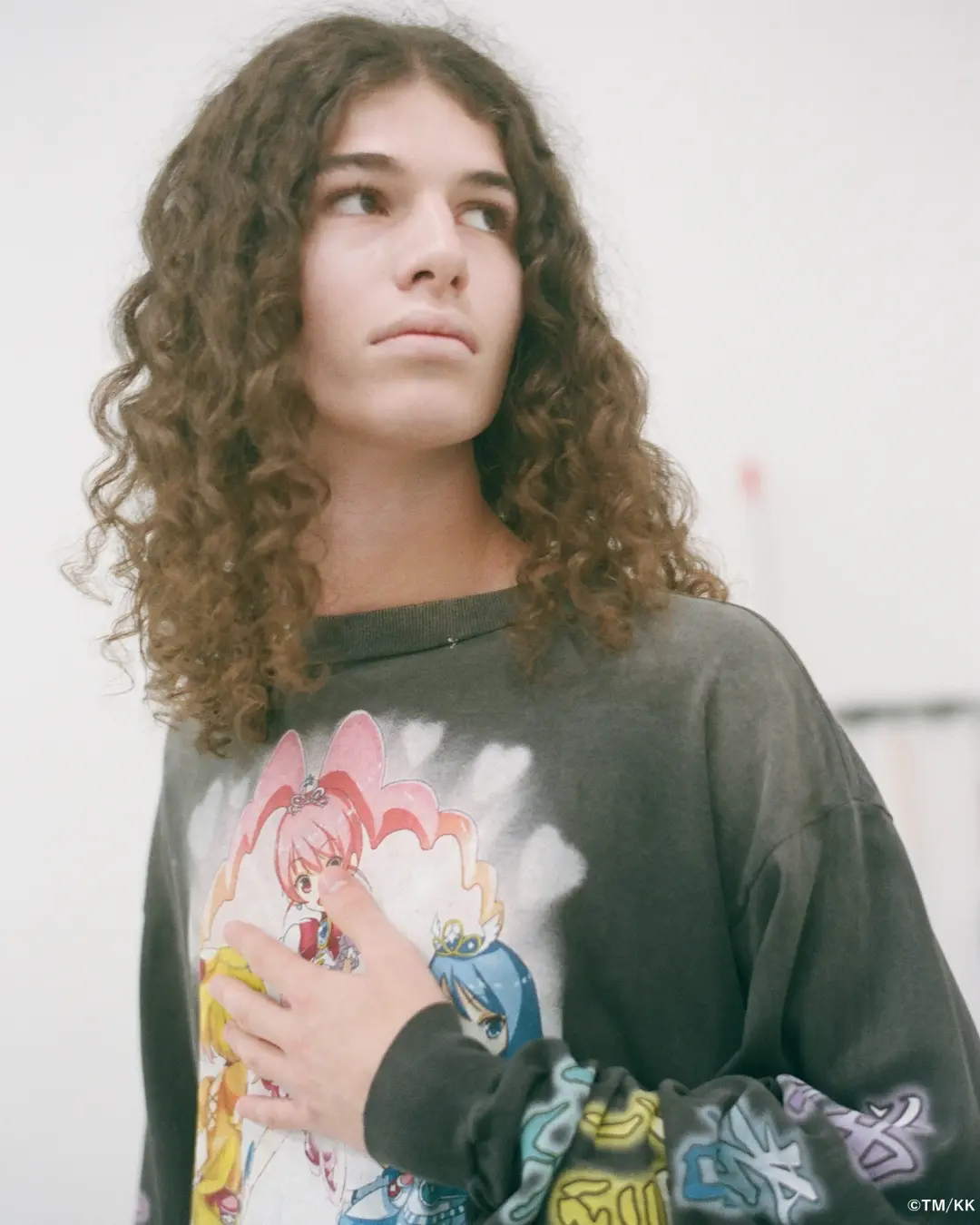
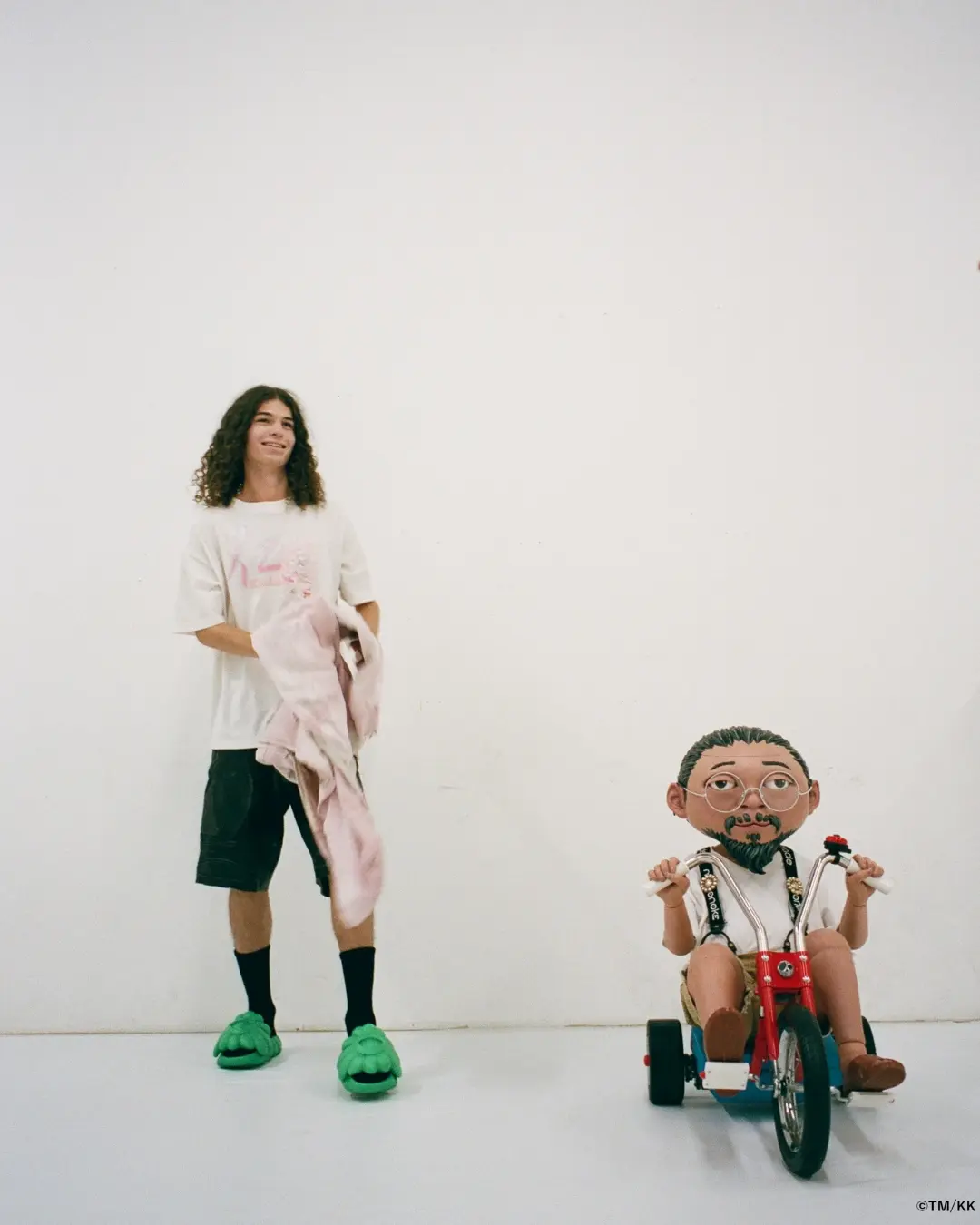
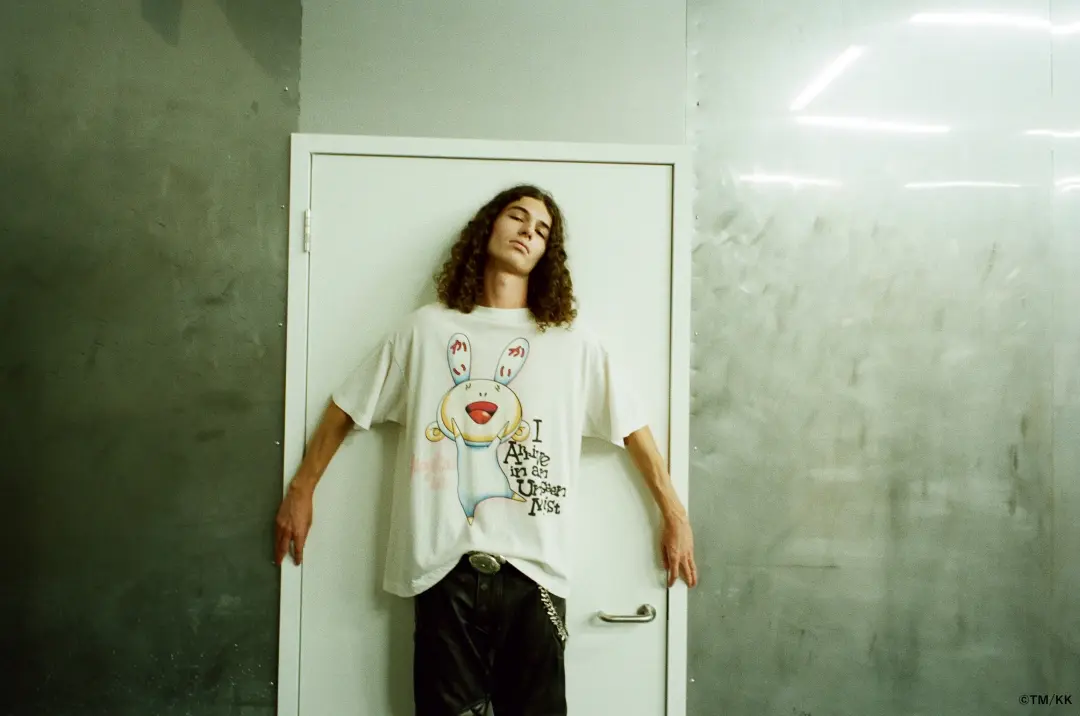
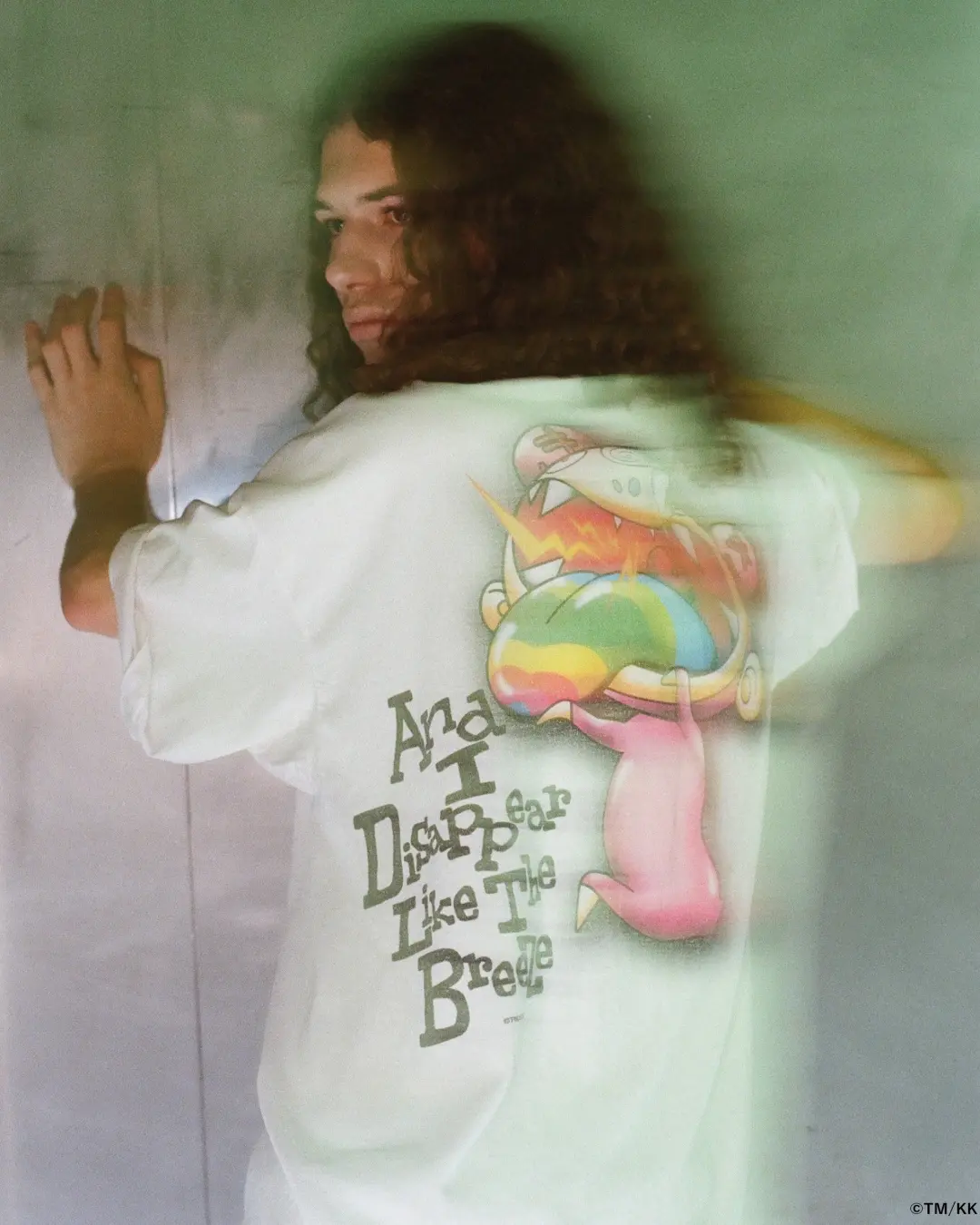
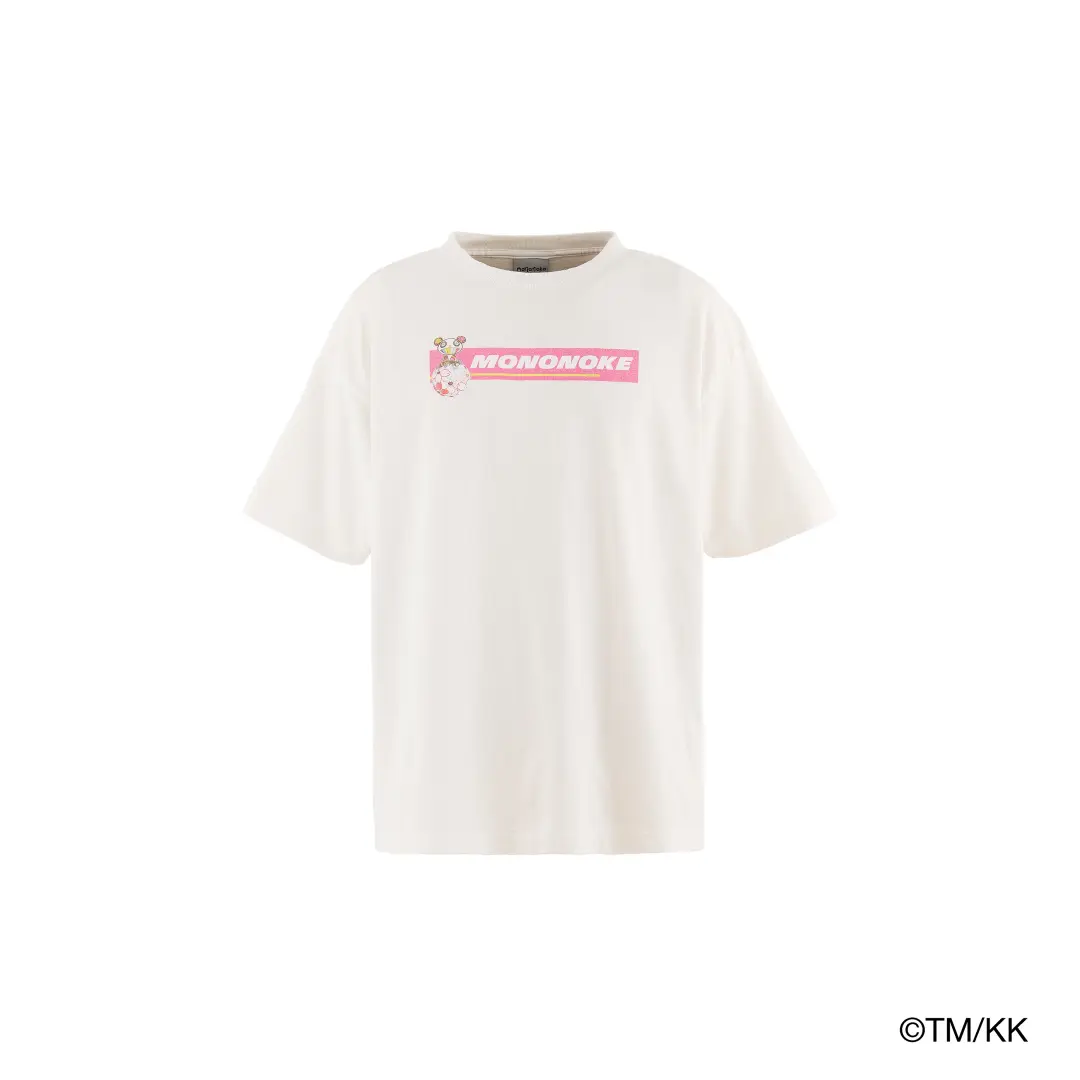
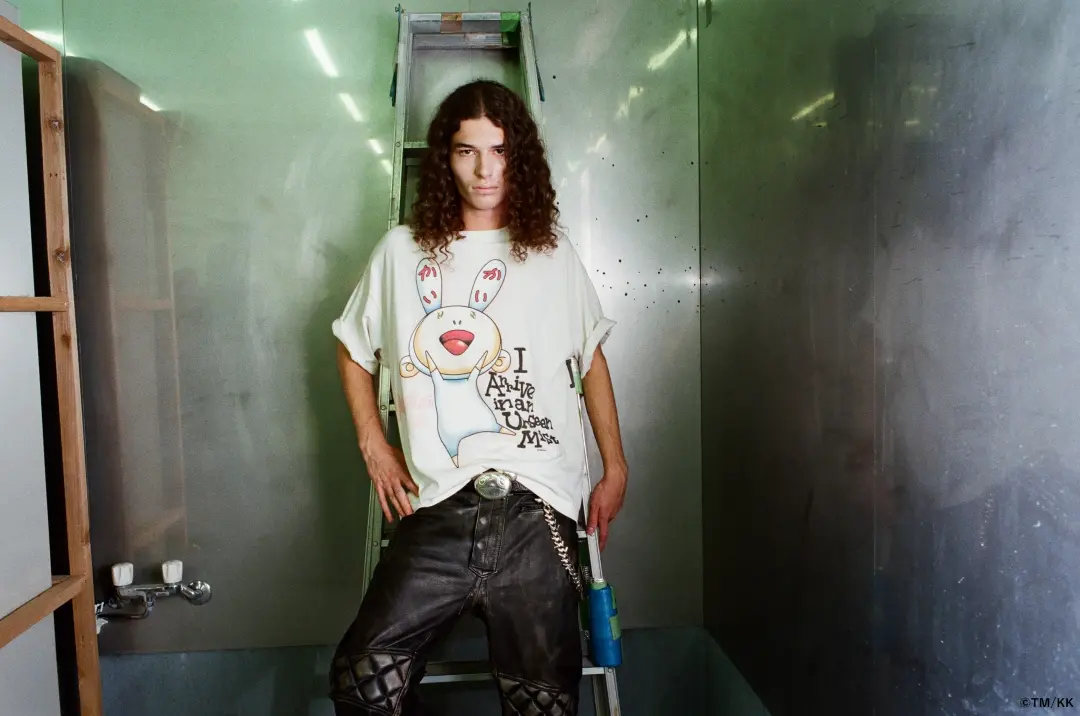
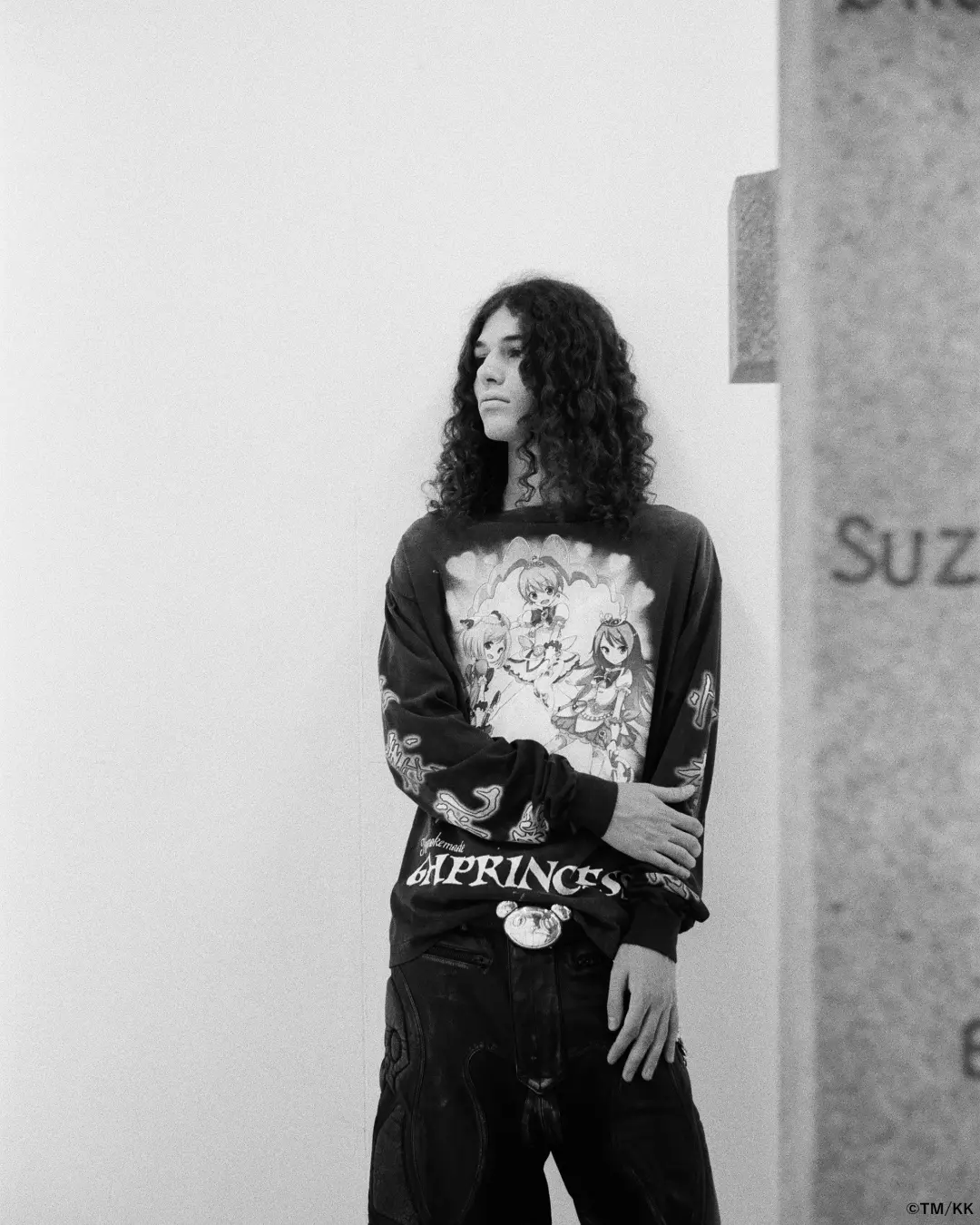
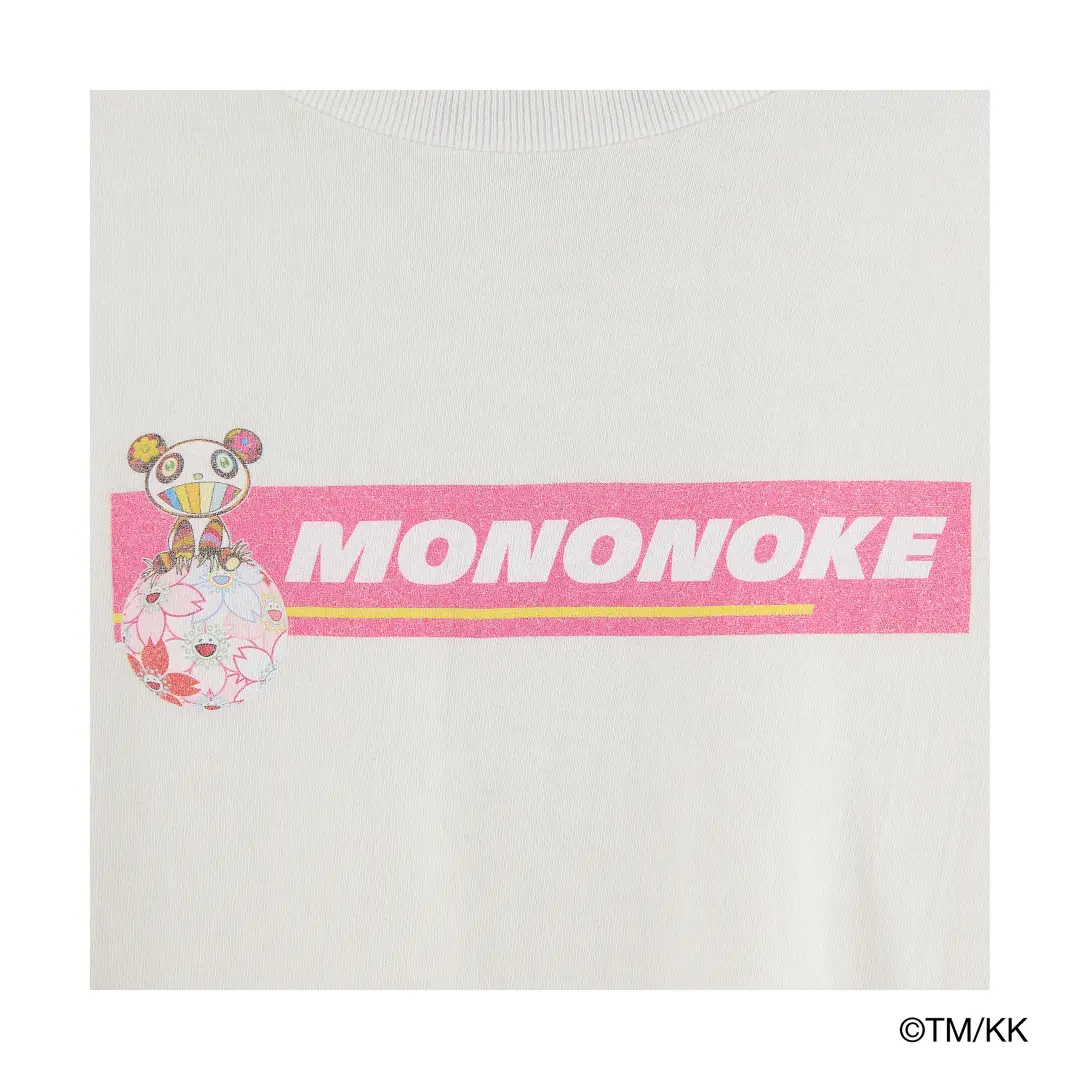
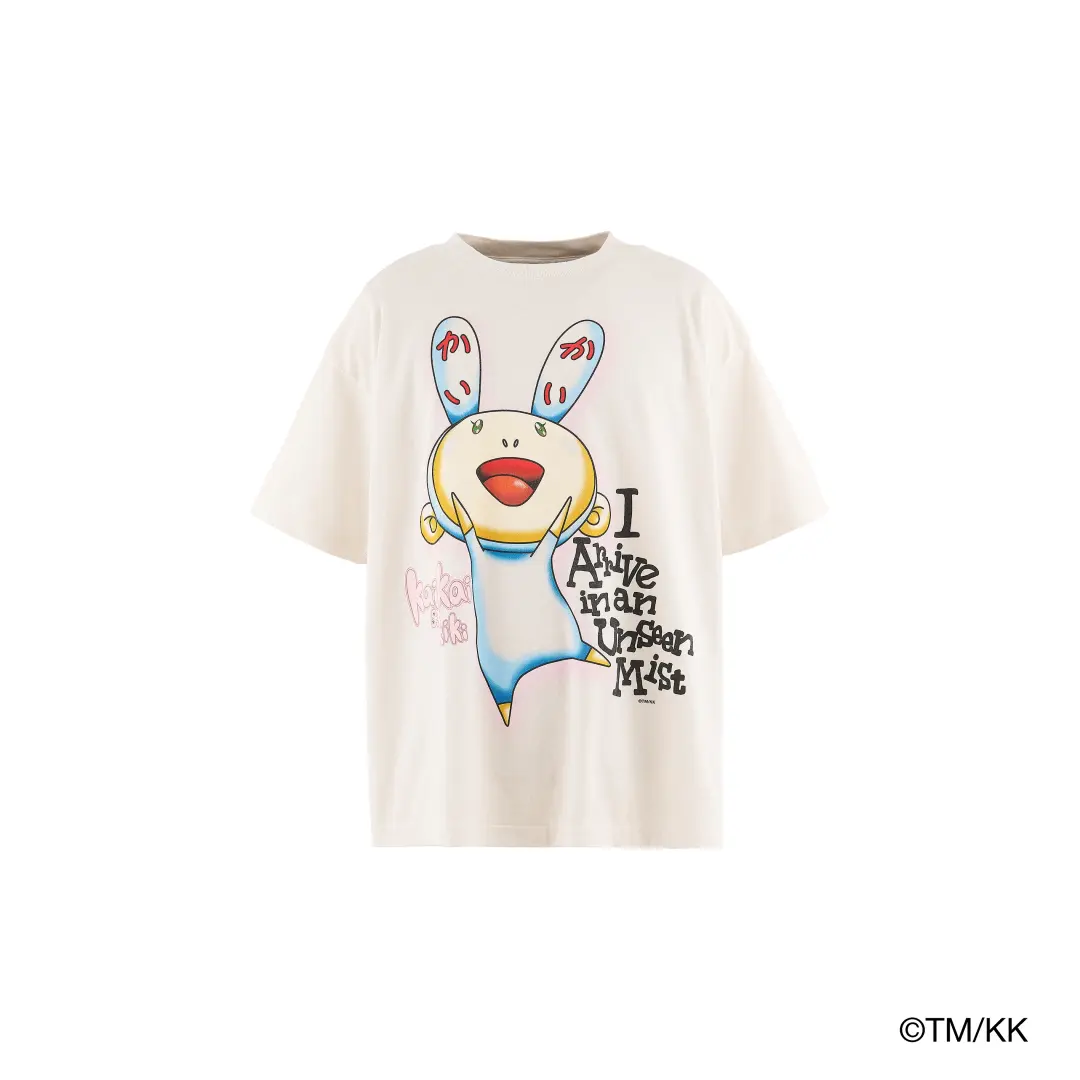
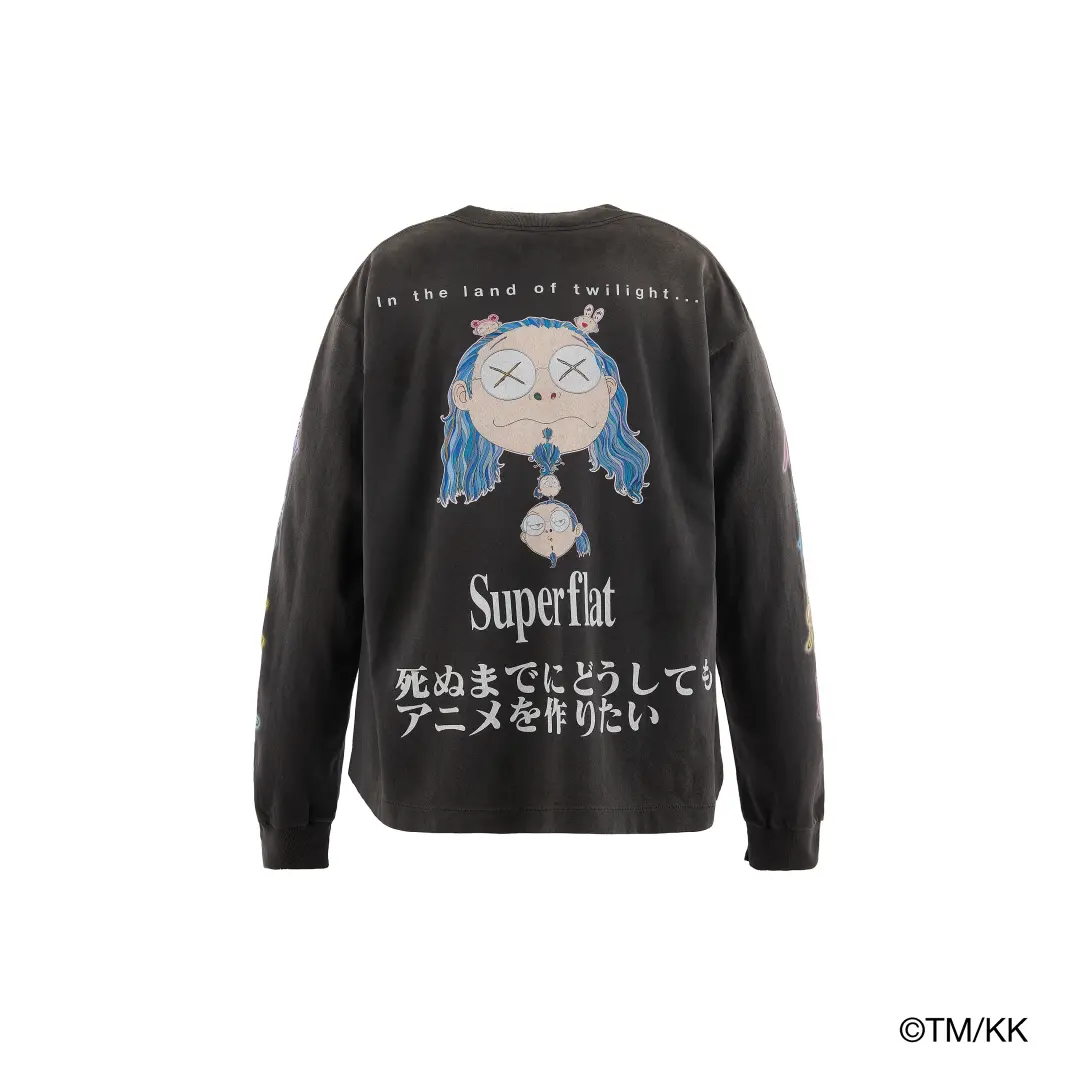
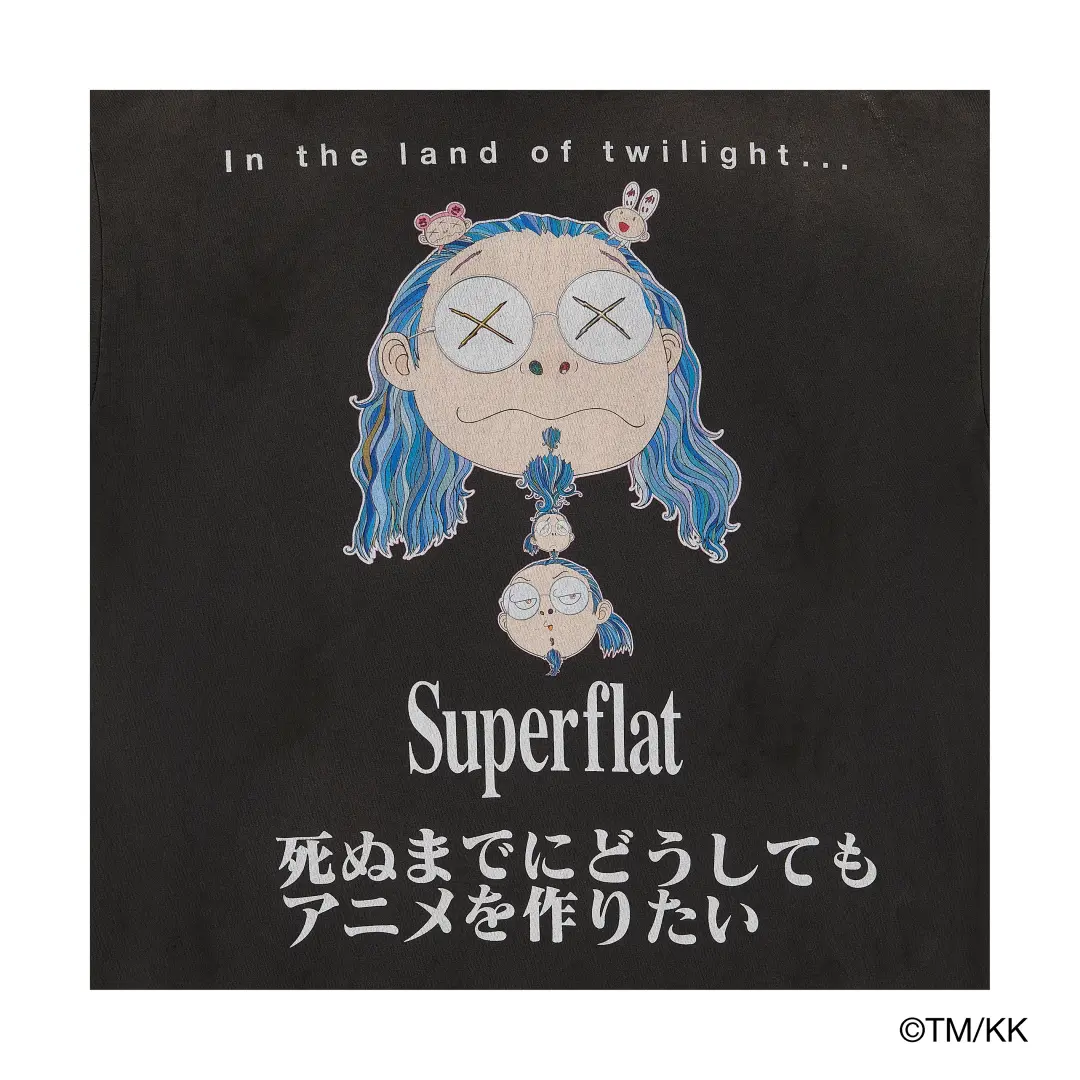
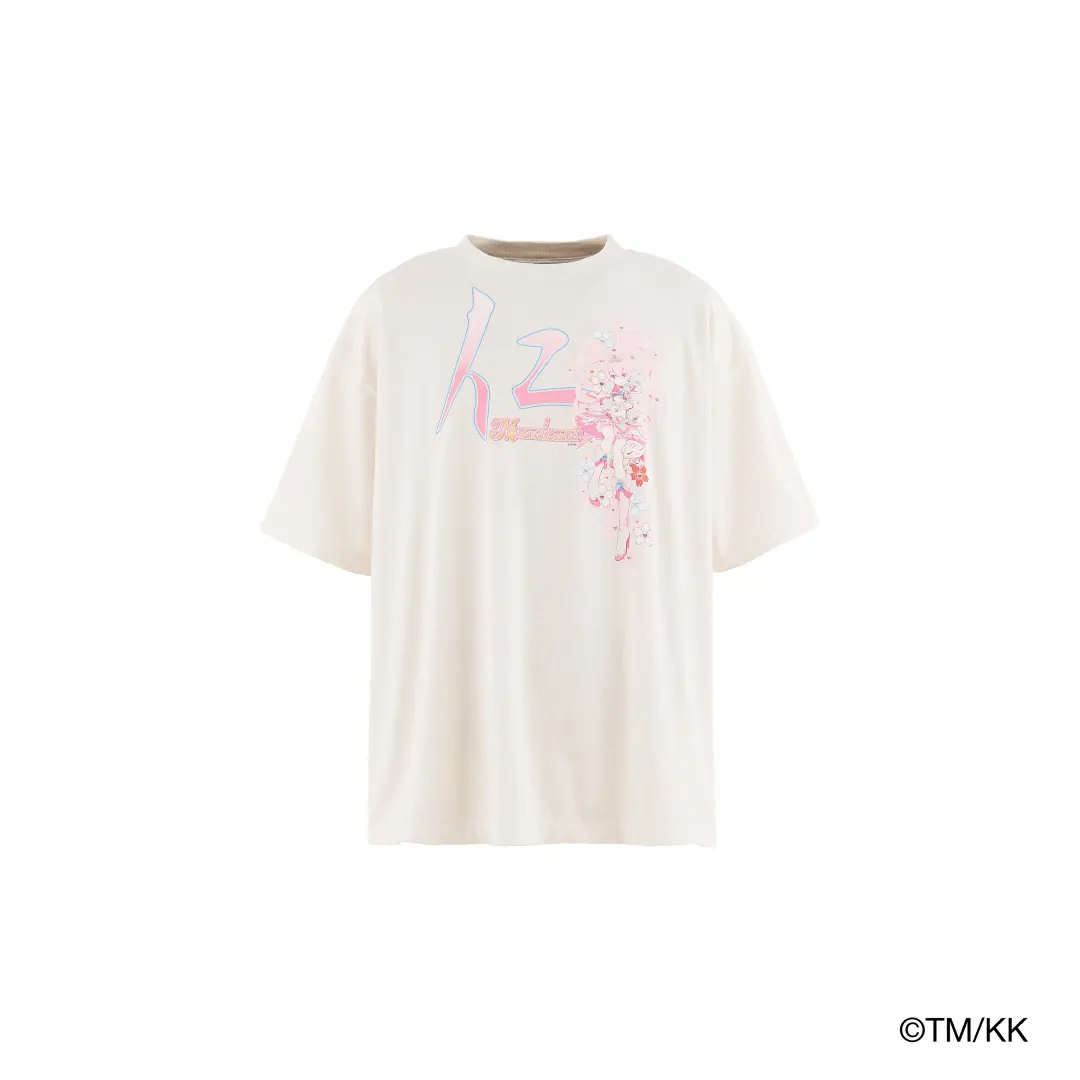
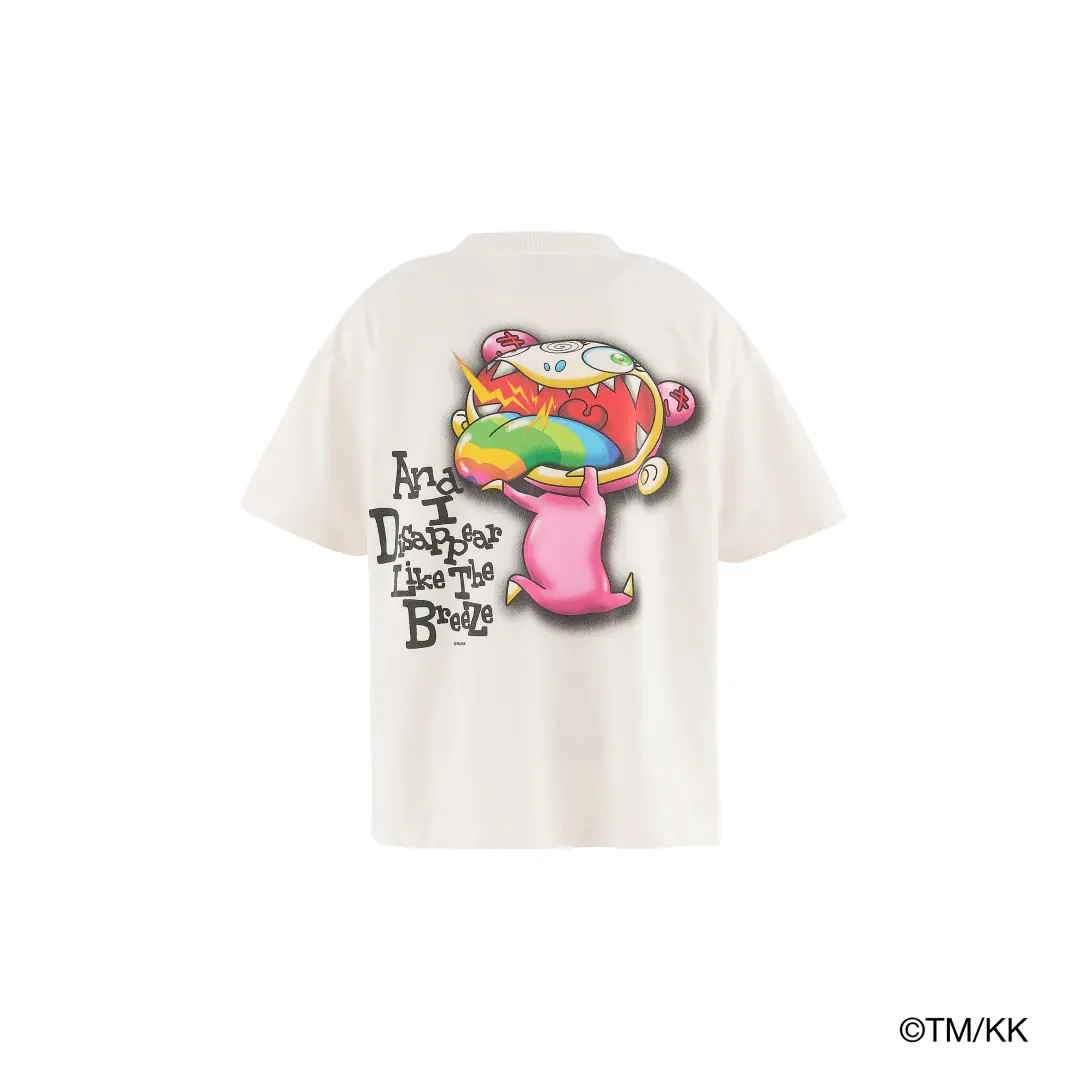
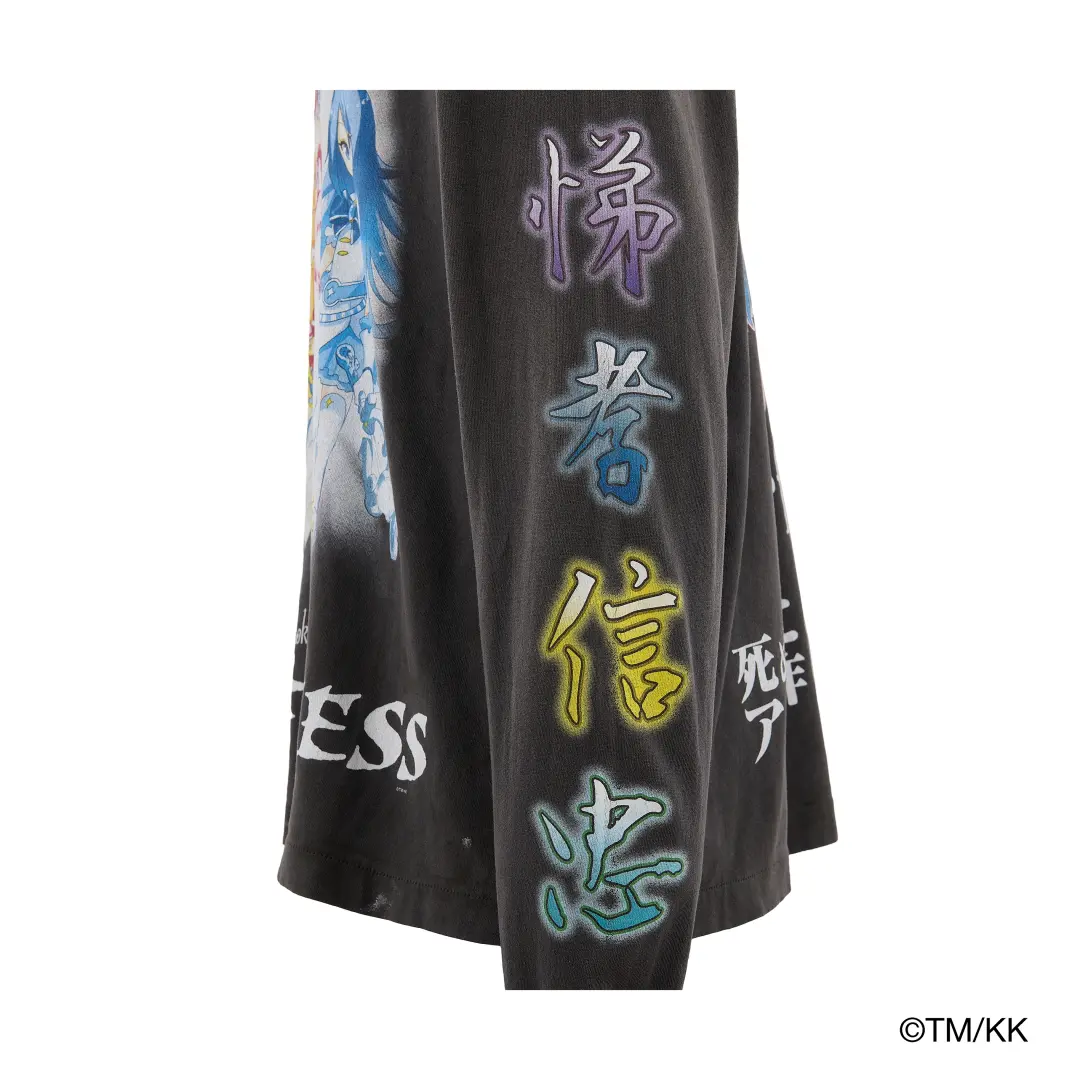
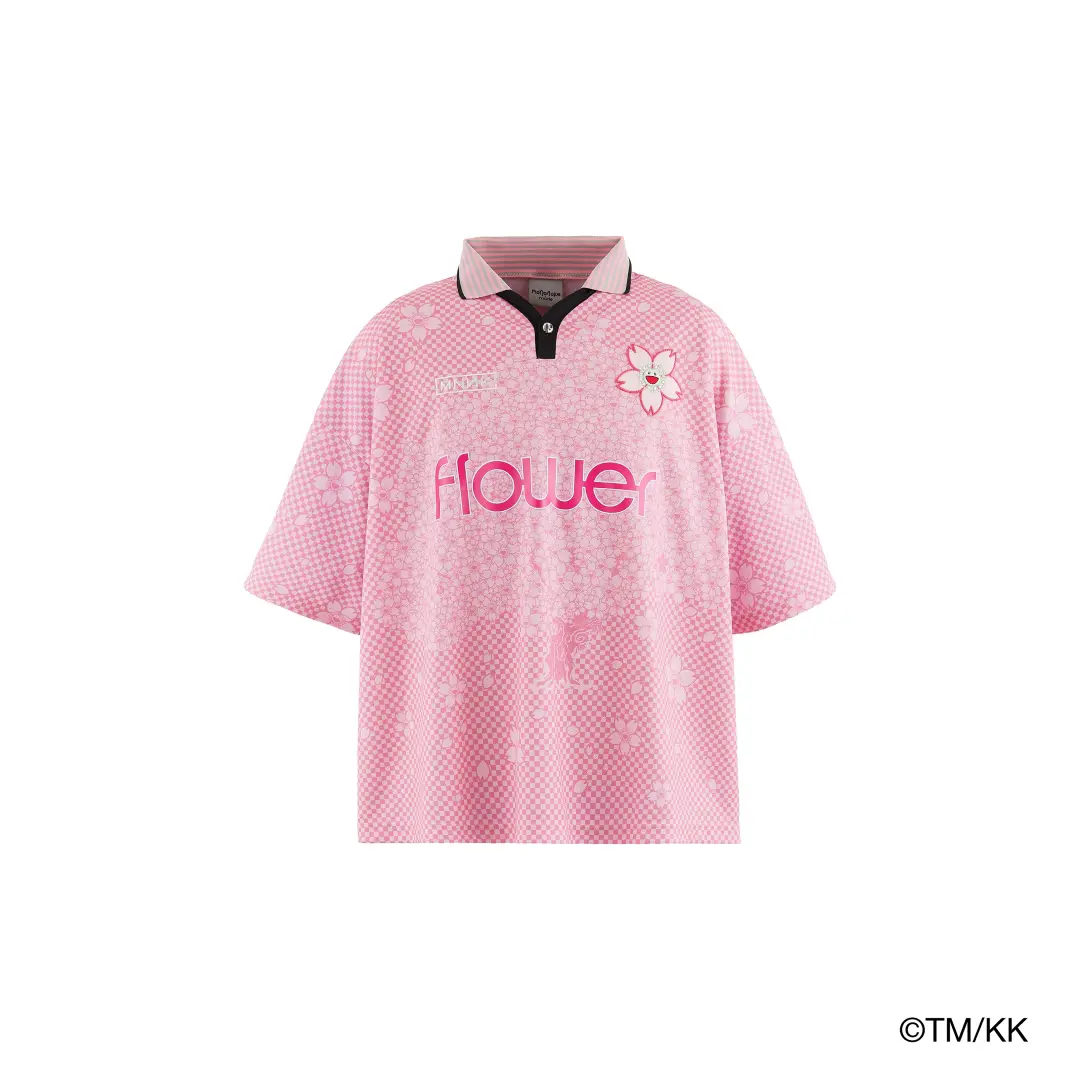
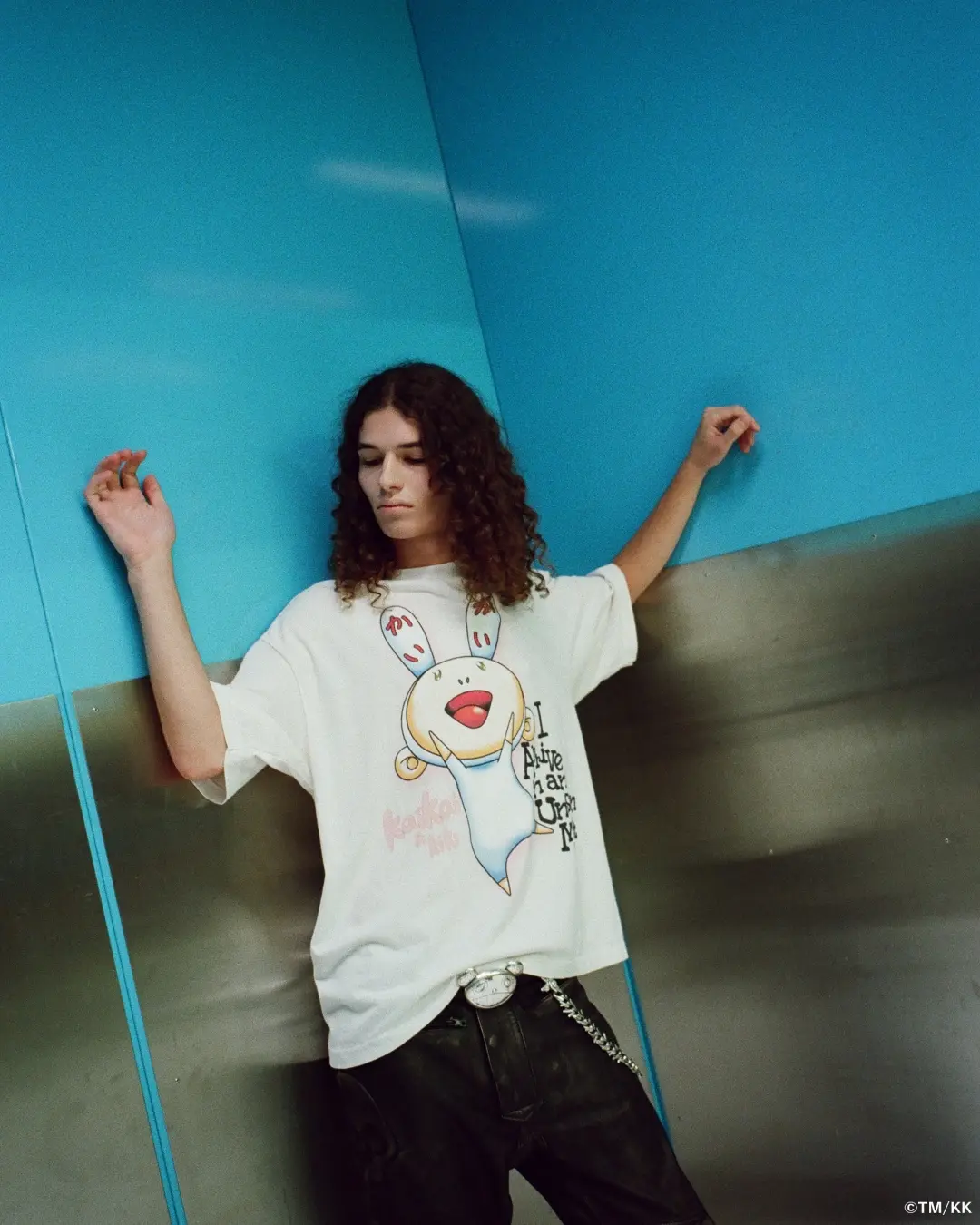
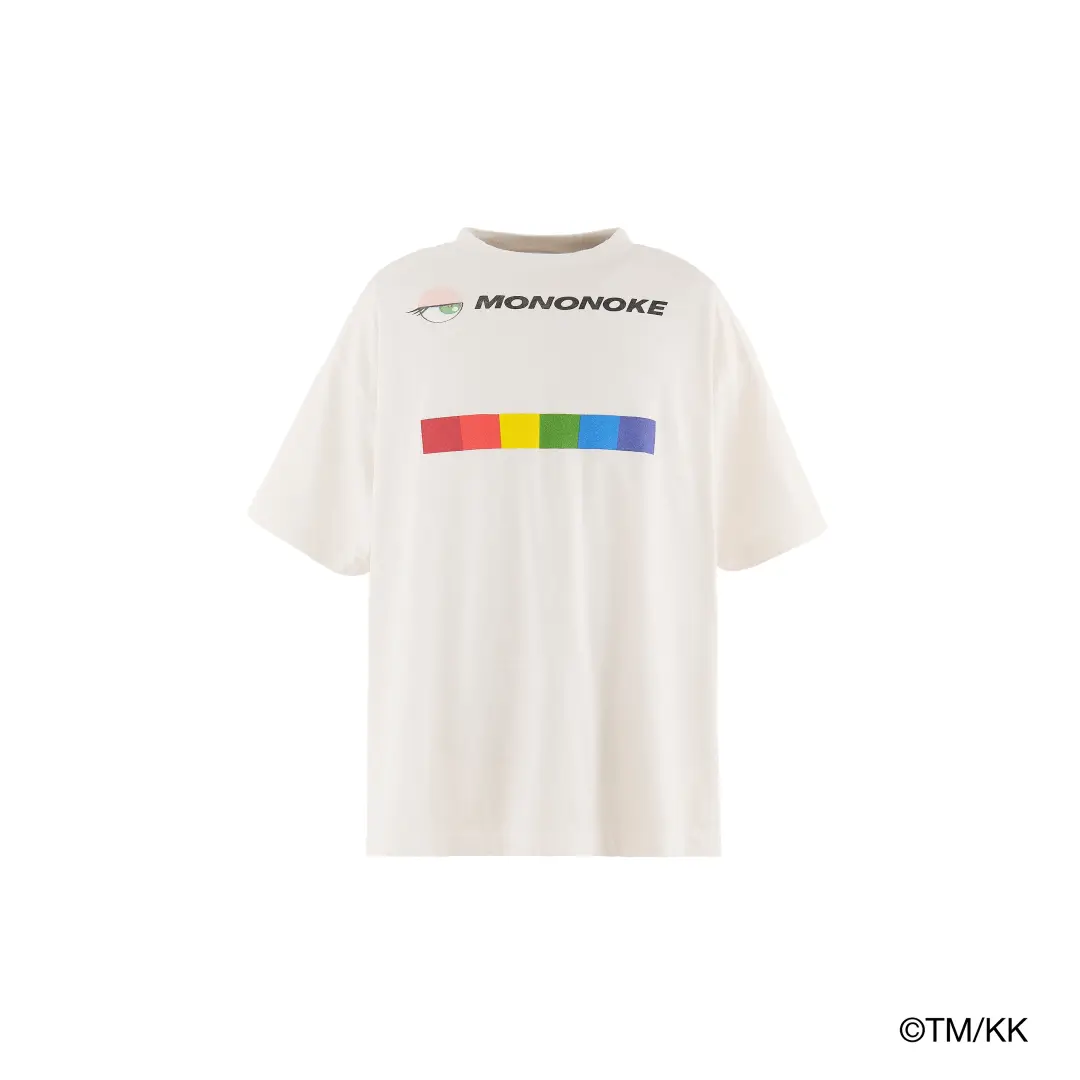
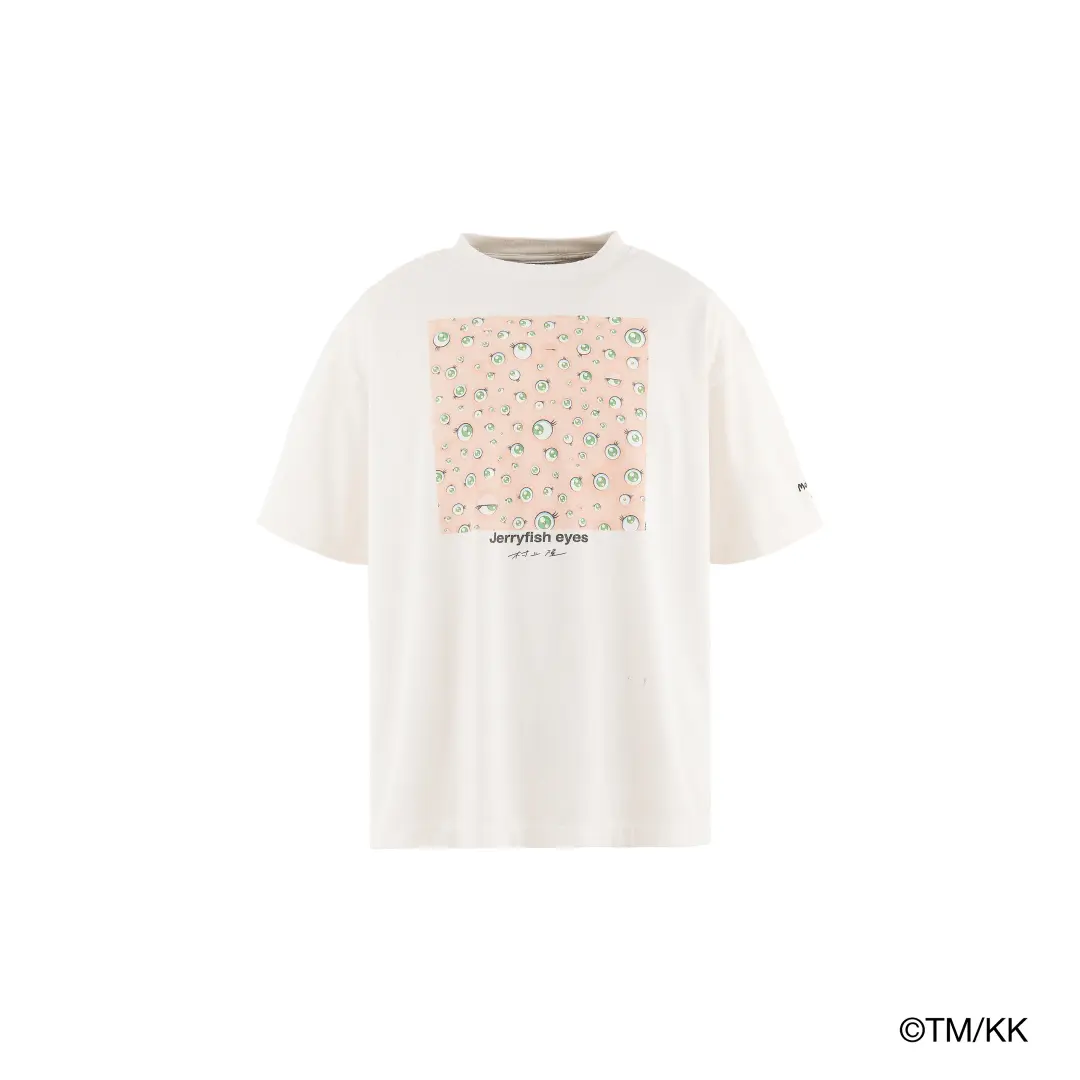
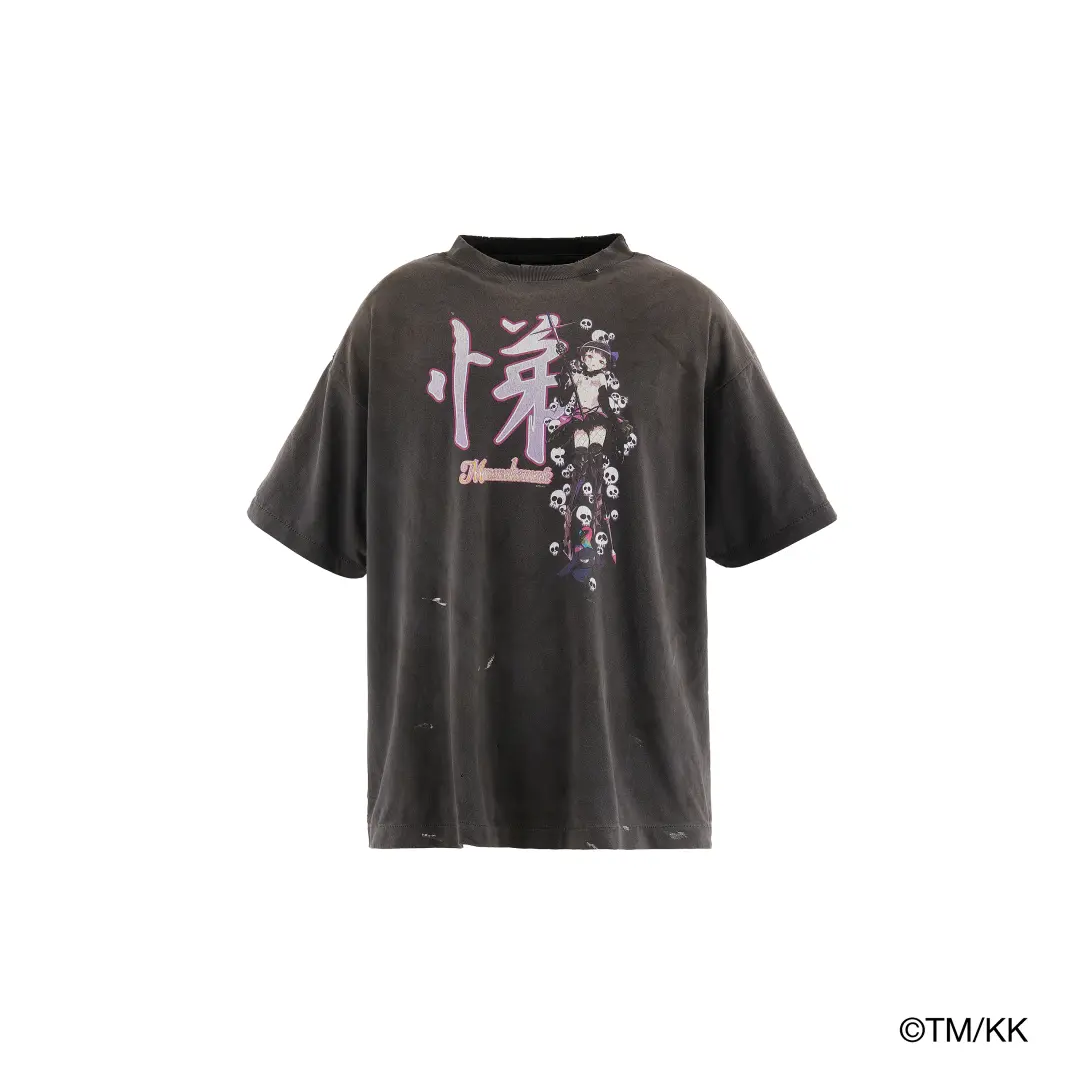
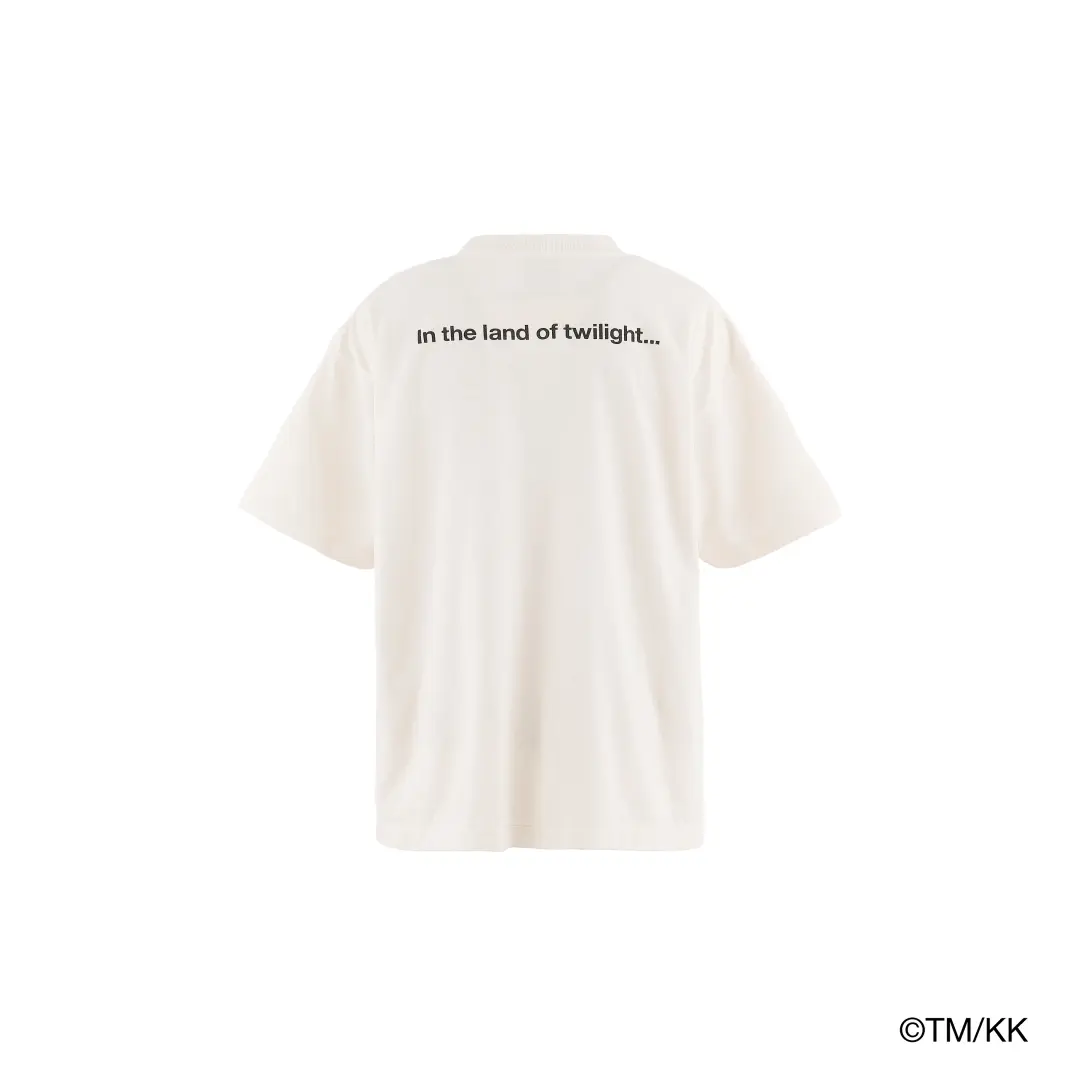
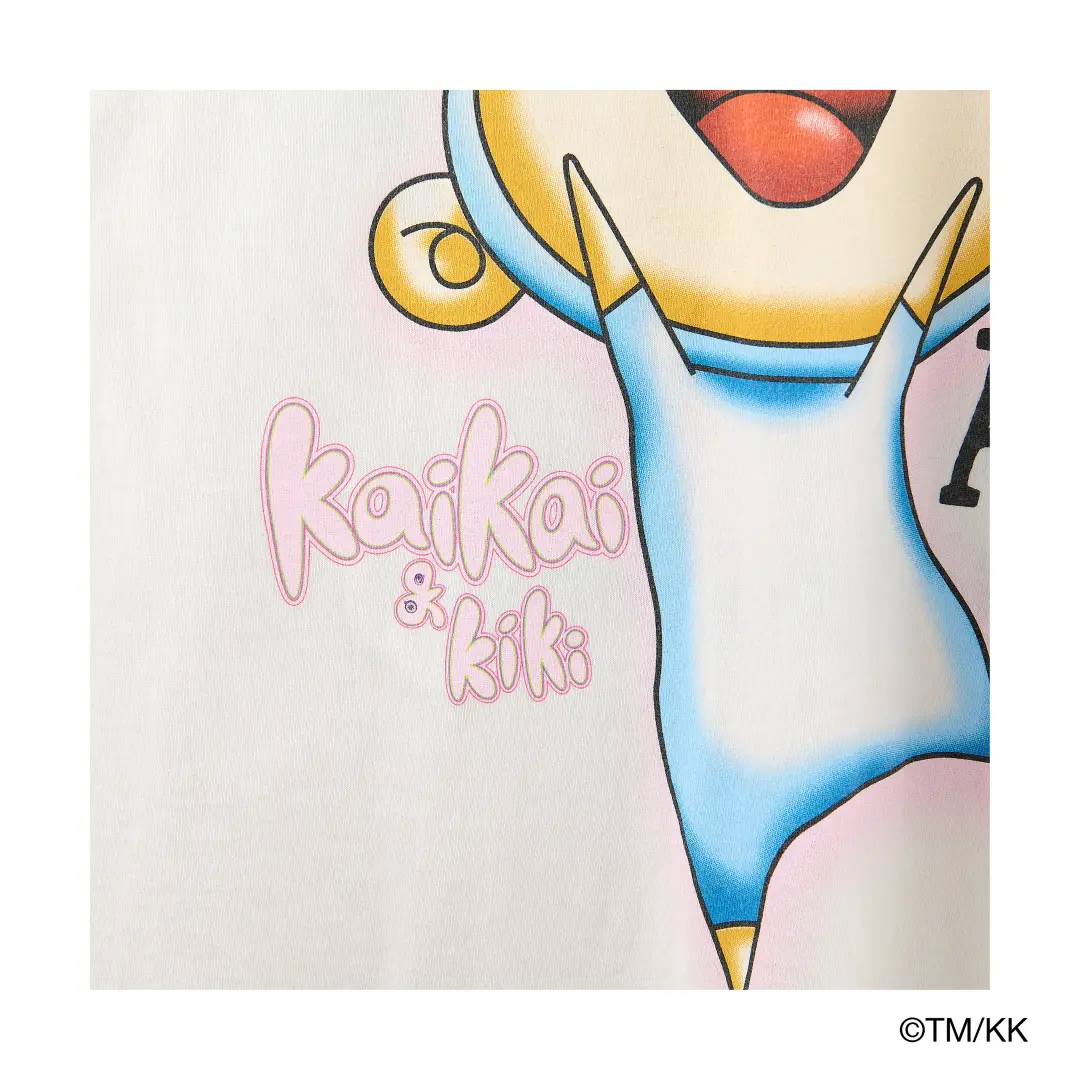
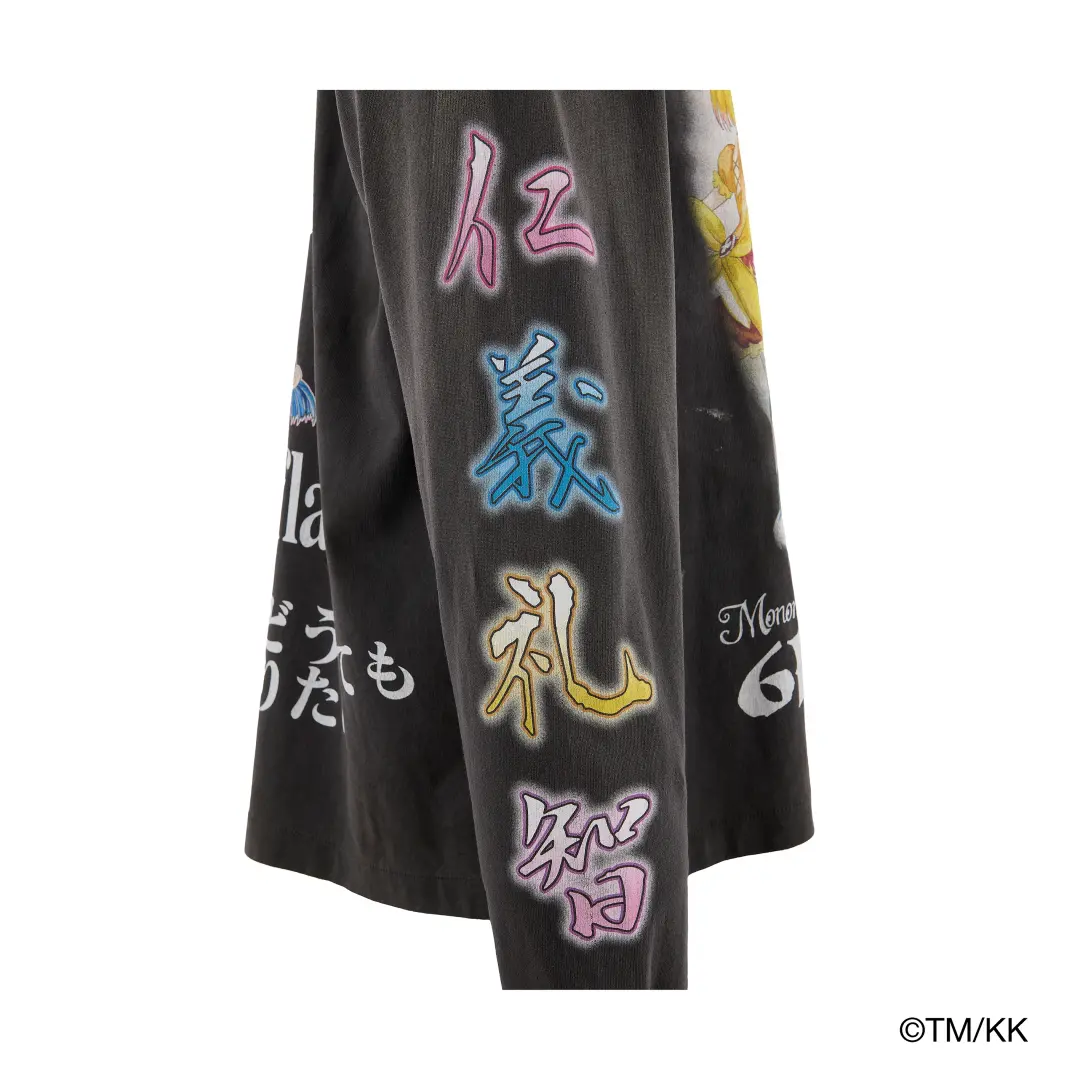
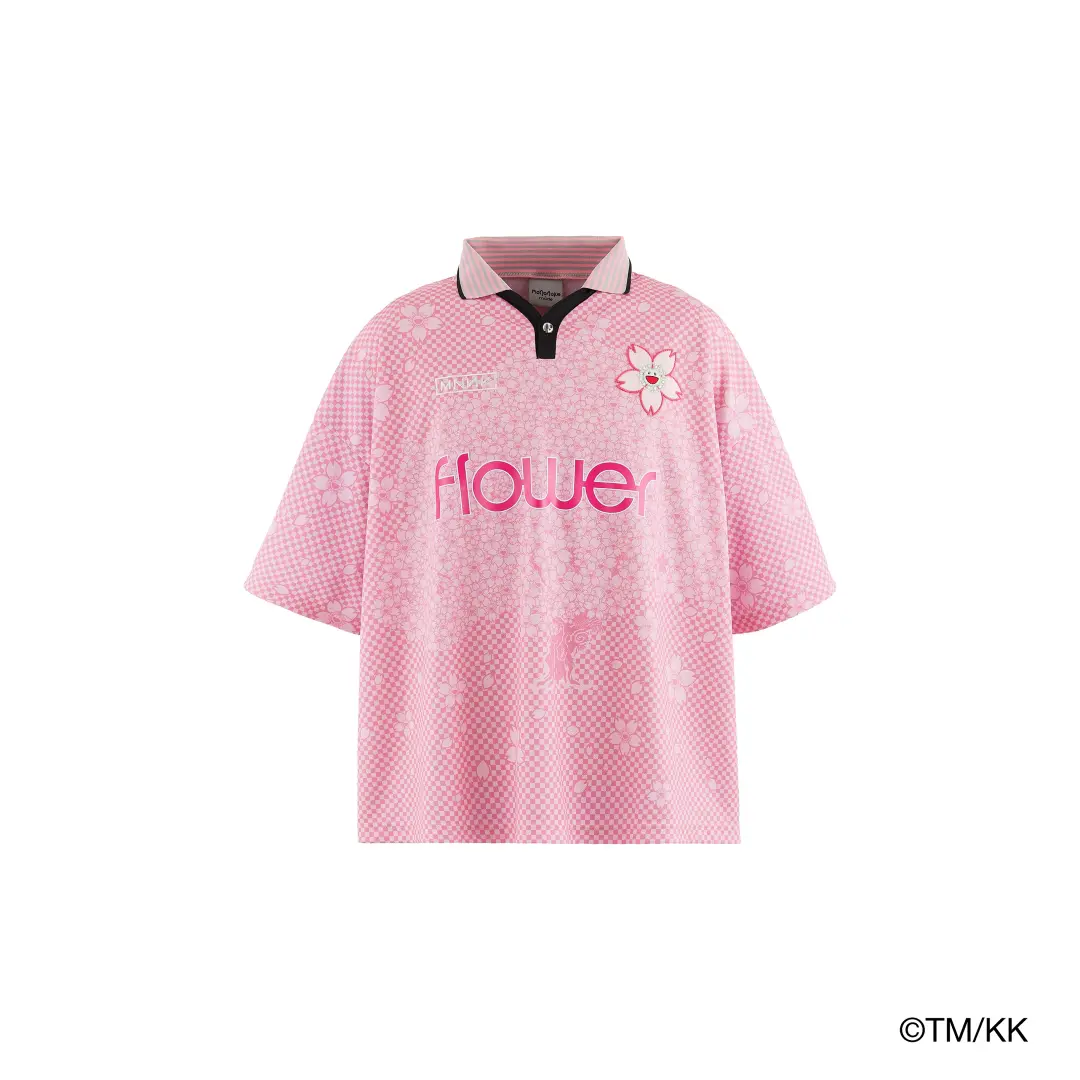
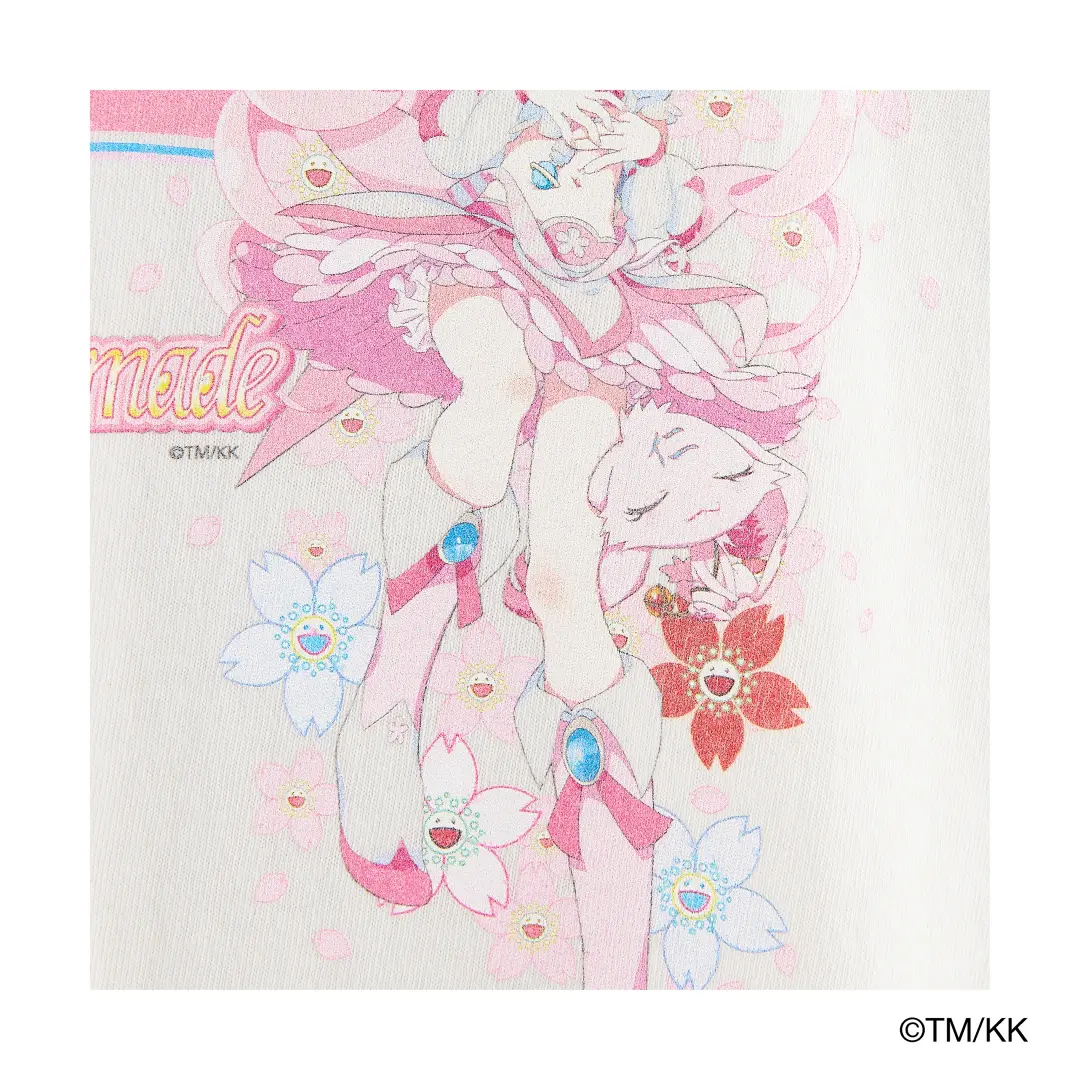
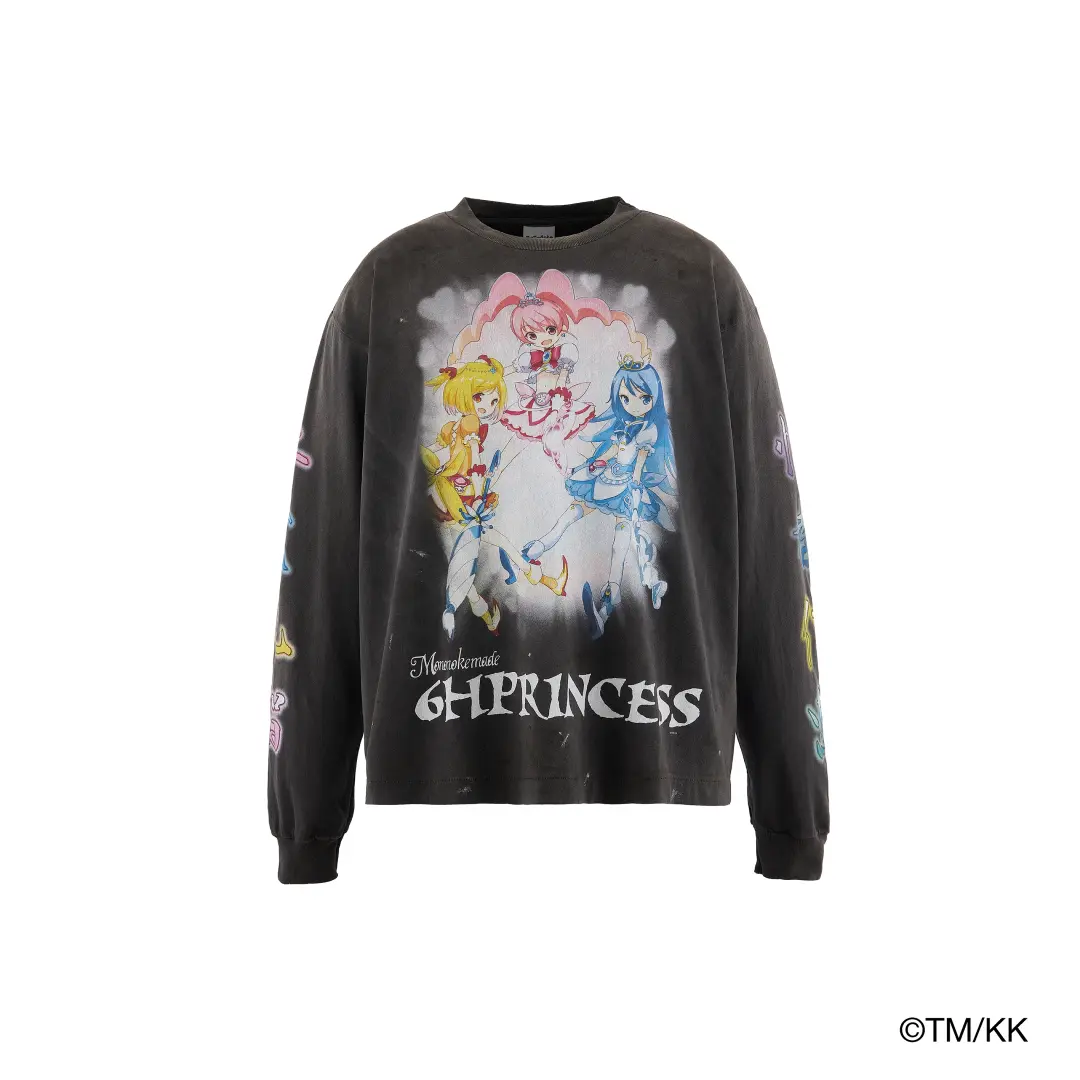
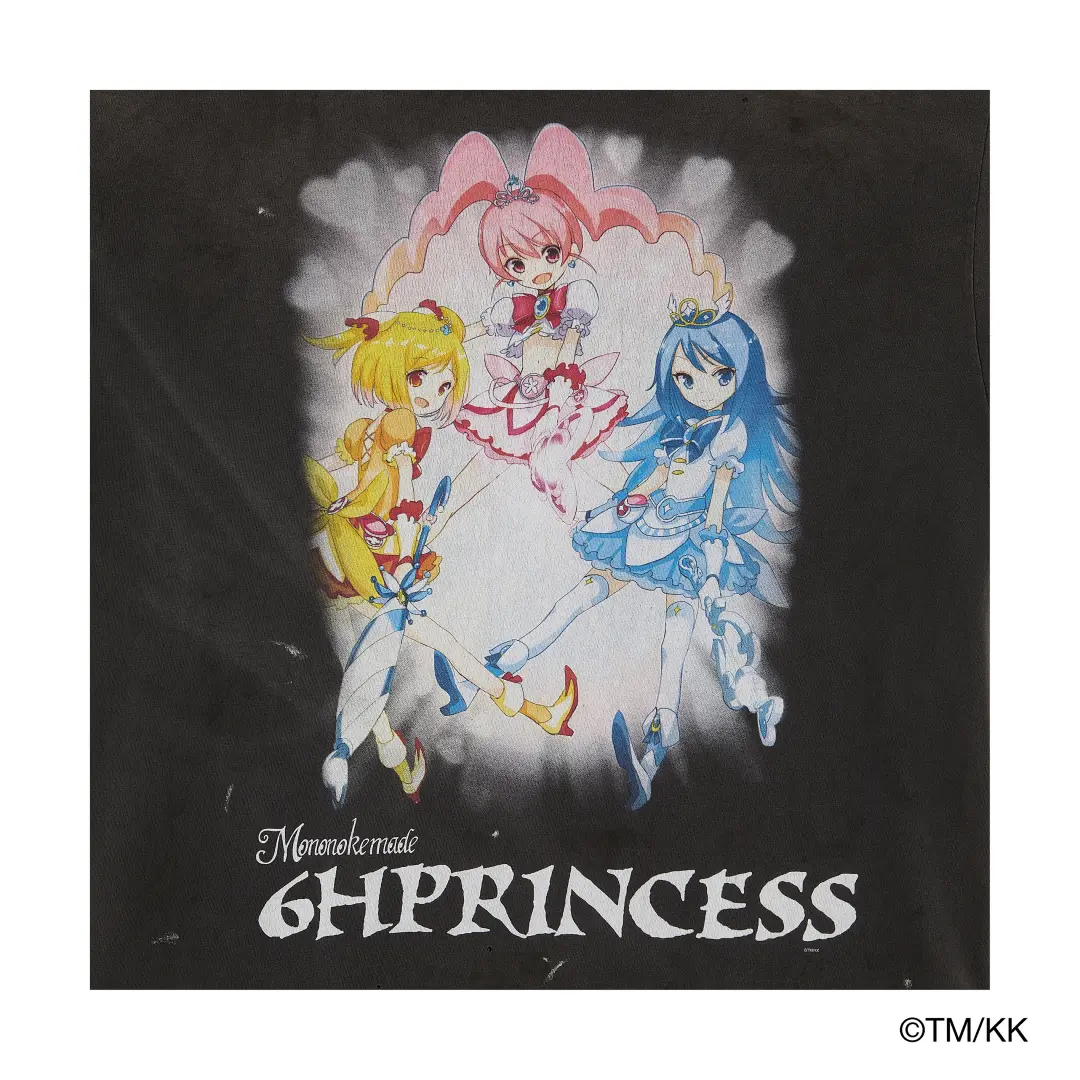
On June 20 and June 27, 2026, the streets of Tokyo and select global outposts will witness the arrival of the second collection from “mononoke・made,” the groundbreaking special project uniting world-renowned artist Takashi Murakami with designer Yuta Hosokawa of READYMADE and ©SAINT Mxxxxxx. Titled evocatively around themes like “Mononoke Maid Ready Maid St. Michael,” this drop builds on the debut’s explosive success, deepening the dialogue between Murakami’s vibrant, superflat universe and Hosokawa’s meticulous, heritage-infused craftsmanship. This release is more than a fashion drop—it is a culture event that bridges contemporary art, upcycled streetwear, and Japanese design know in ways that resonate far beyond the runway.
View this post on Instagram
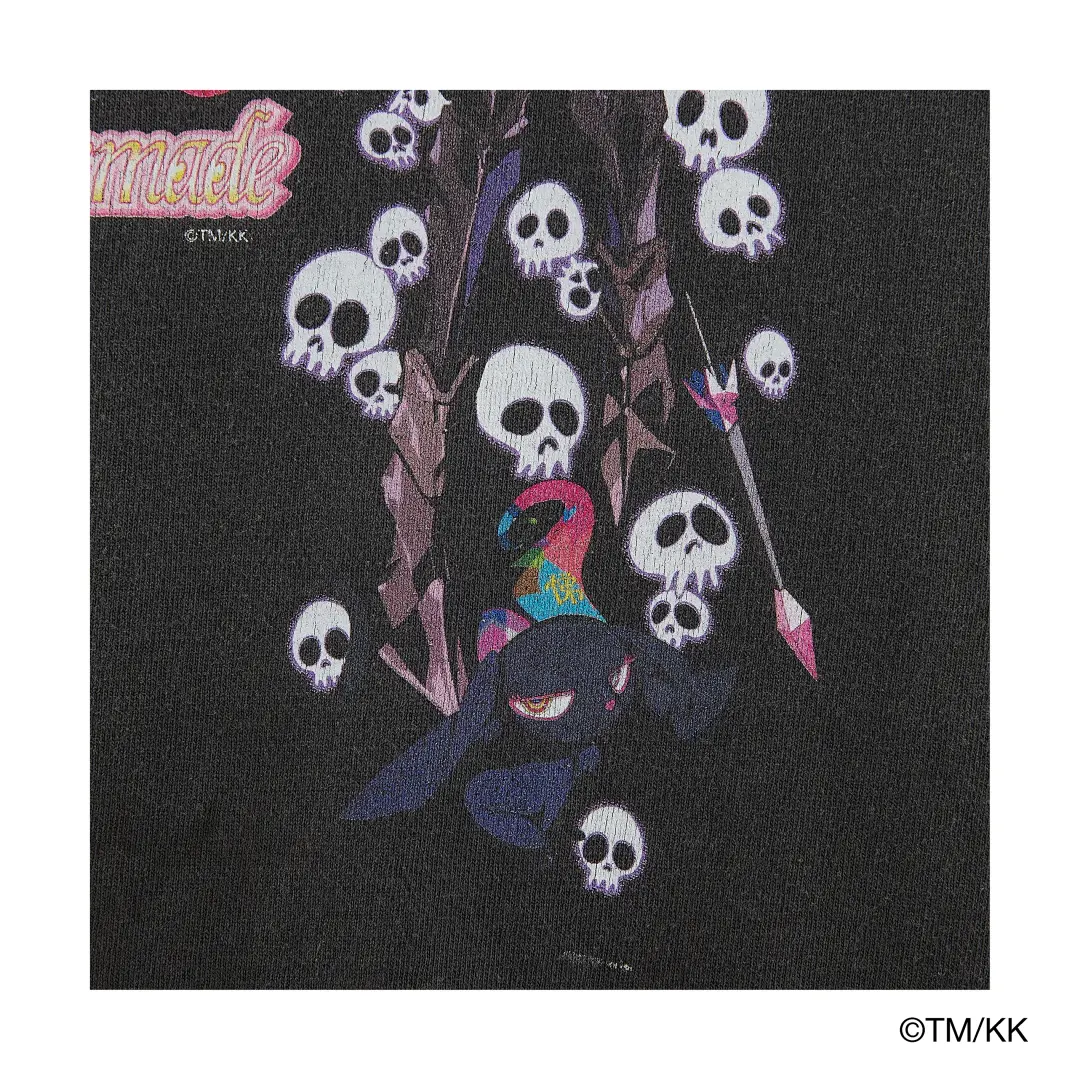
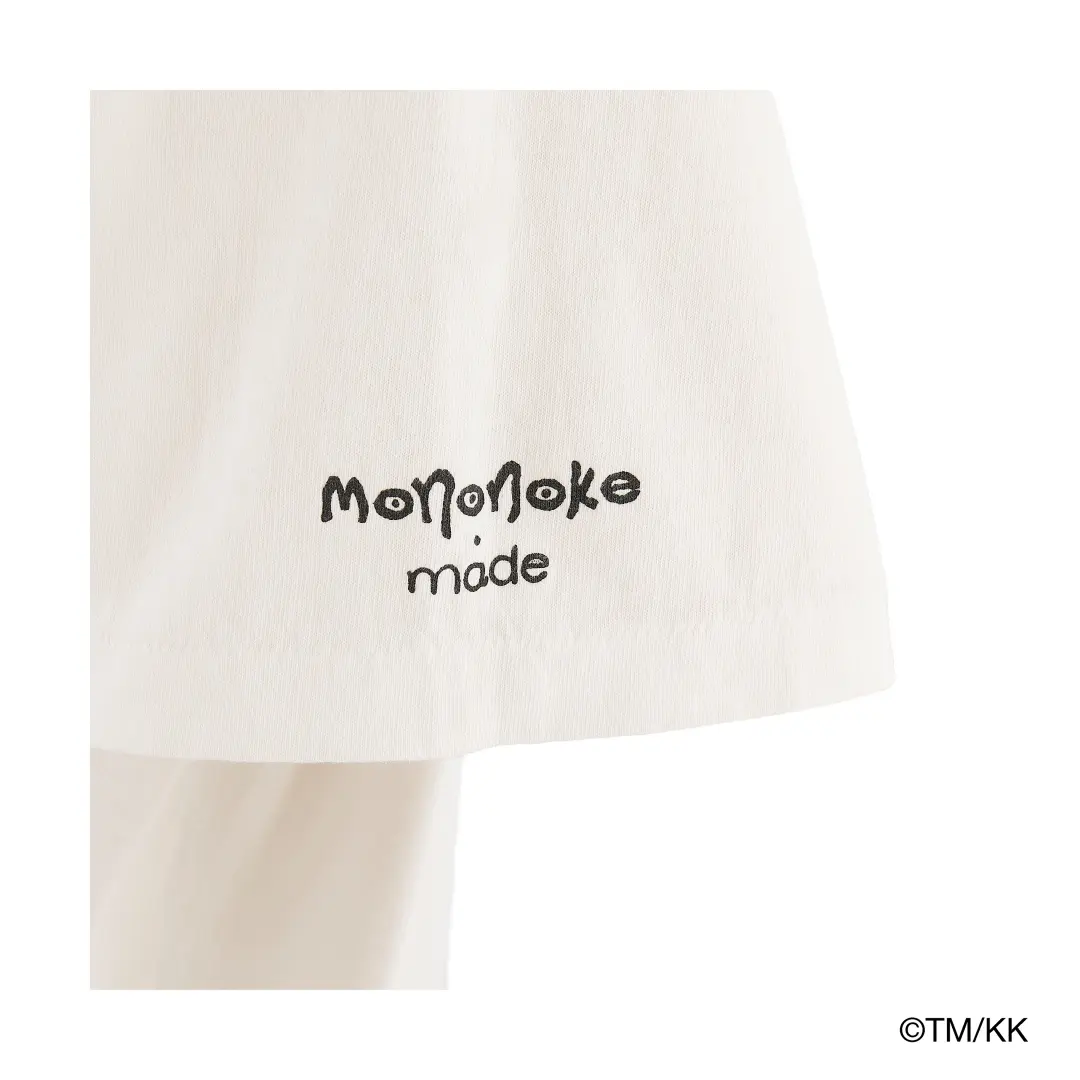
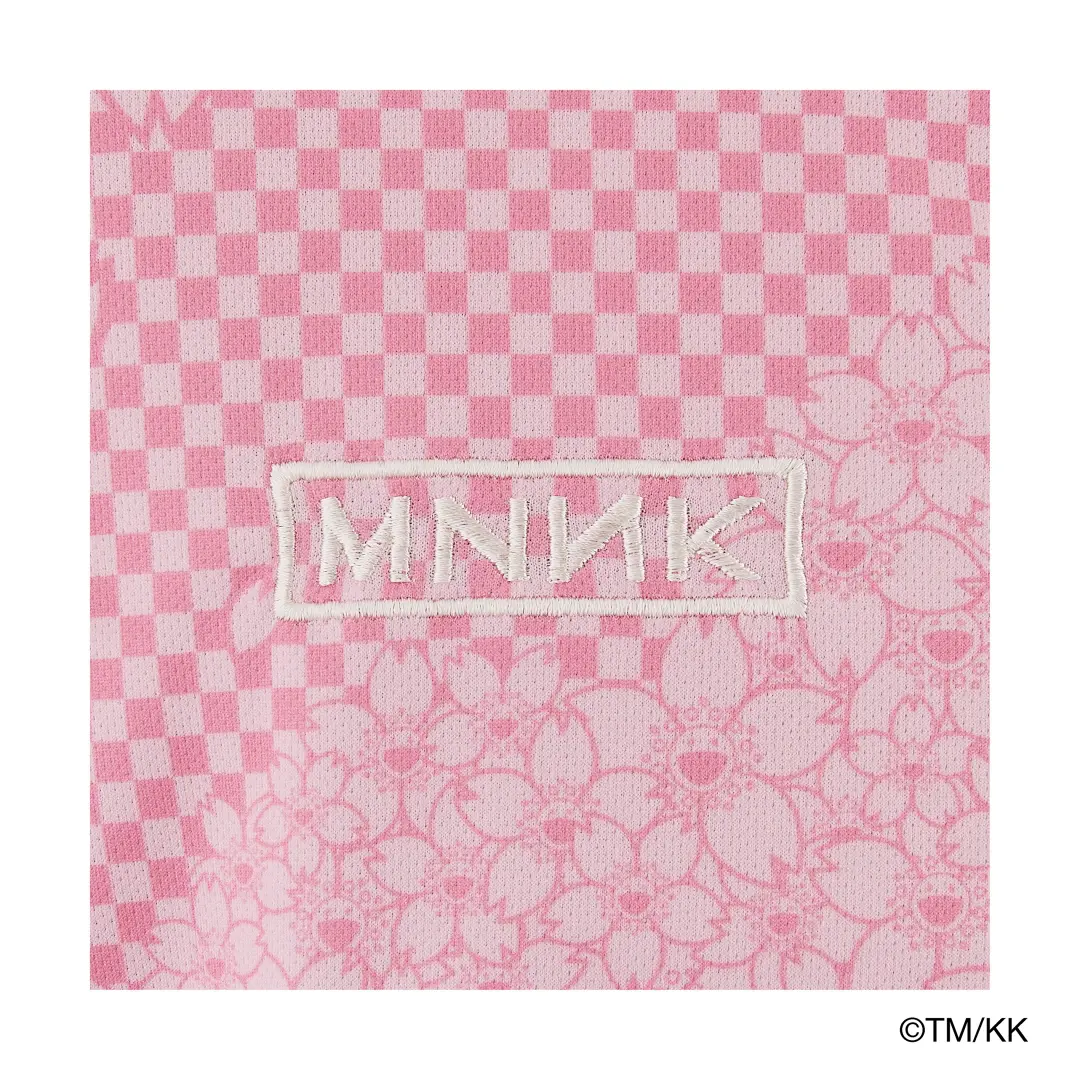
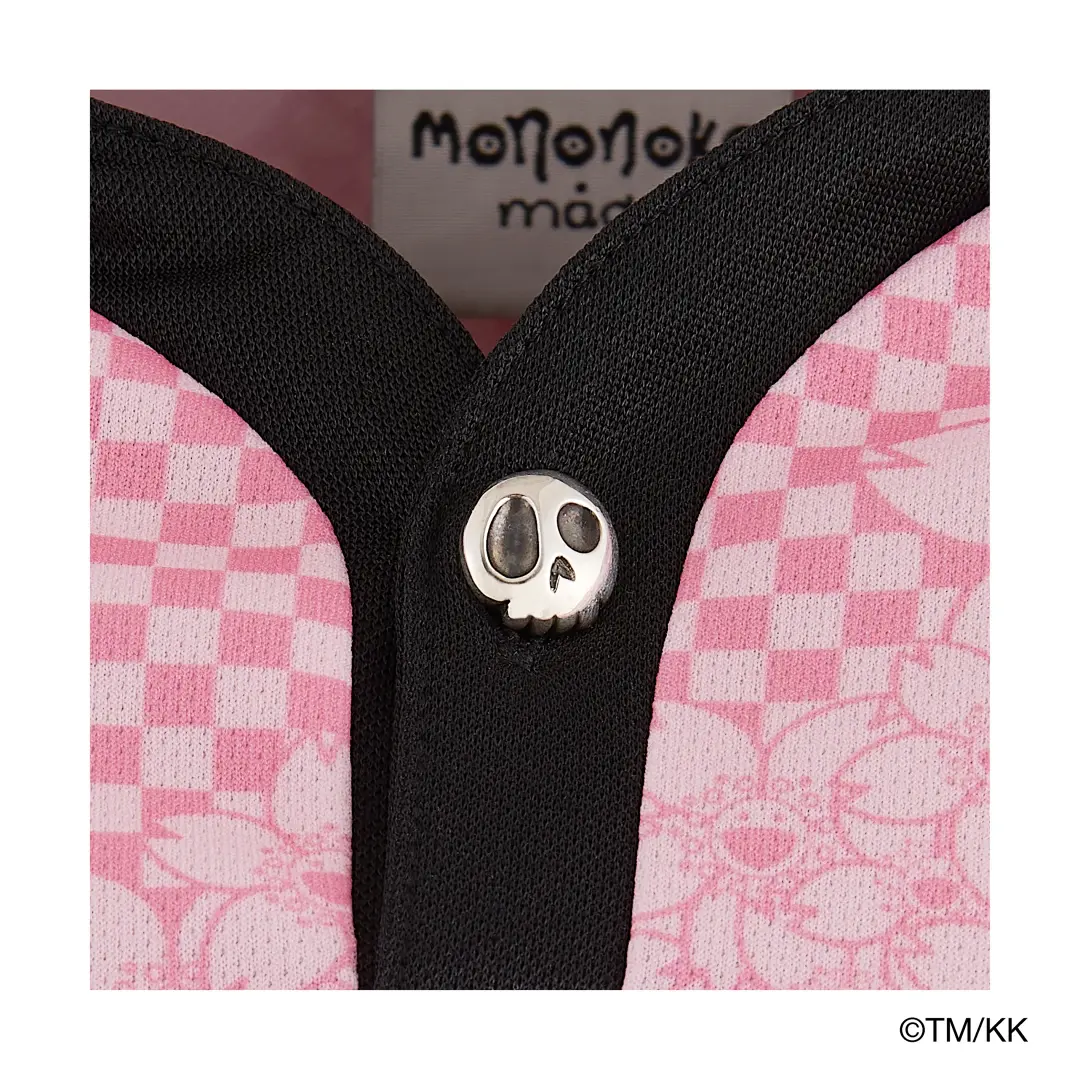
The project’s name, “mononoke・made,” draws inspiration from Murakami’s 2024 exhibition at the Kyoto City Kyocera Museum of Art while evoking Studio Ghibli’s Princess Mononoke—a tale of spirits, nature, and human intervention. It encapsulates a know of transformation: raw artistic motifs “made” wear through Hosokawa’s lens of upcycling and functional haute. Where the first collection (launched April 2026) introduced unseen artworks on apparel like cherry blossom varsity jackets and skull-adorned pieces, the second promises further evolution—refined silhouettes, new motifs, and a stronger integration of READYMADE’s military-inspired durability with SAINT Mxxxxxx’s play, seditious edge.

vision
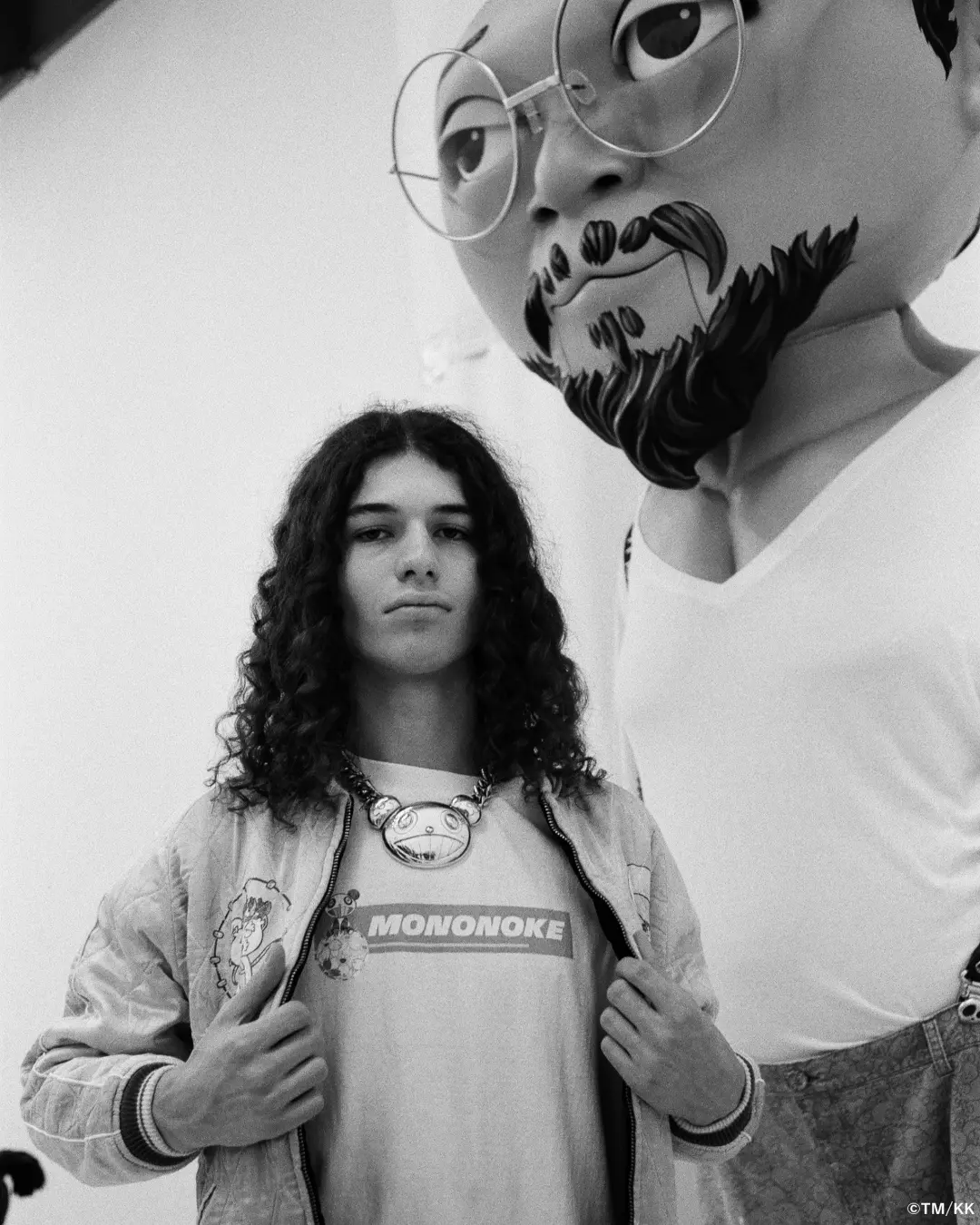
Takashi Murakami, the “king of pop art” in Japan, needs little introduction. Born in 1962, his superflat aesthetic—blending high and low culture, anime, otaku subculture, and traditional Japanese painting—has redefined global contemporary art. From Louis Vuitton connections to his Kaikai Kiki studio empire, Murakami has long sought to dissolve boundaries between fine art and commercial objects. “mononoke・made” marks a significant milestone: Kaikai Kiki’s first original apparel brand, allowing unprecedented freedom in translating his motifs into clothing.
Yuta Hosokawa, born in 1982 in Osaka, brings a complementary depth. Founder of READYMADE in 2013, he pioneered high-end upcycling using surplus military fabrics, creating bags and garments that honor history while embracing imperfection. His dual role with ©SAINT Mxxxxxx infuses a gothic, street-savvy spirit—think distressed denim, religious iconography, and rock-inflected attitude. Hosokawa’s process is artisanal yet industrial: each piece is a dialogue between found materials and precise tailoring. The partnership with Murakami, developed over two years, stems from mutual respect forged through prior smaller collaborations.
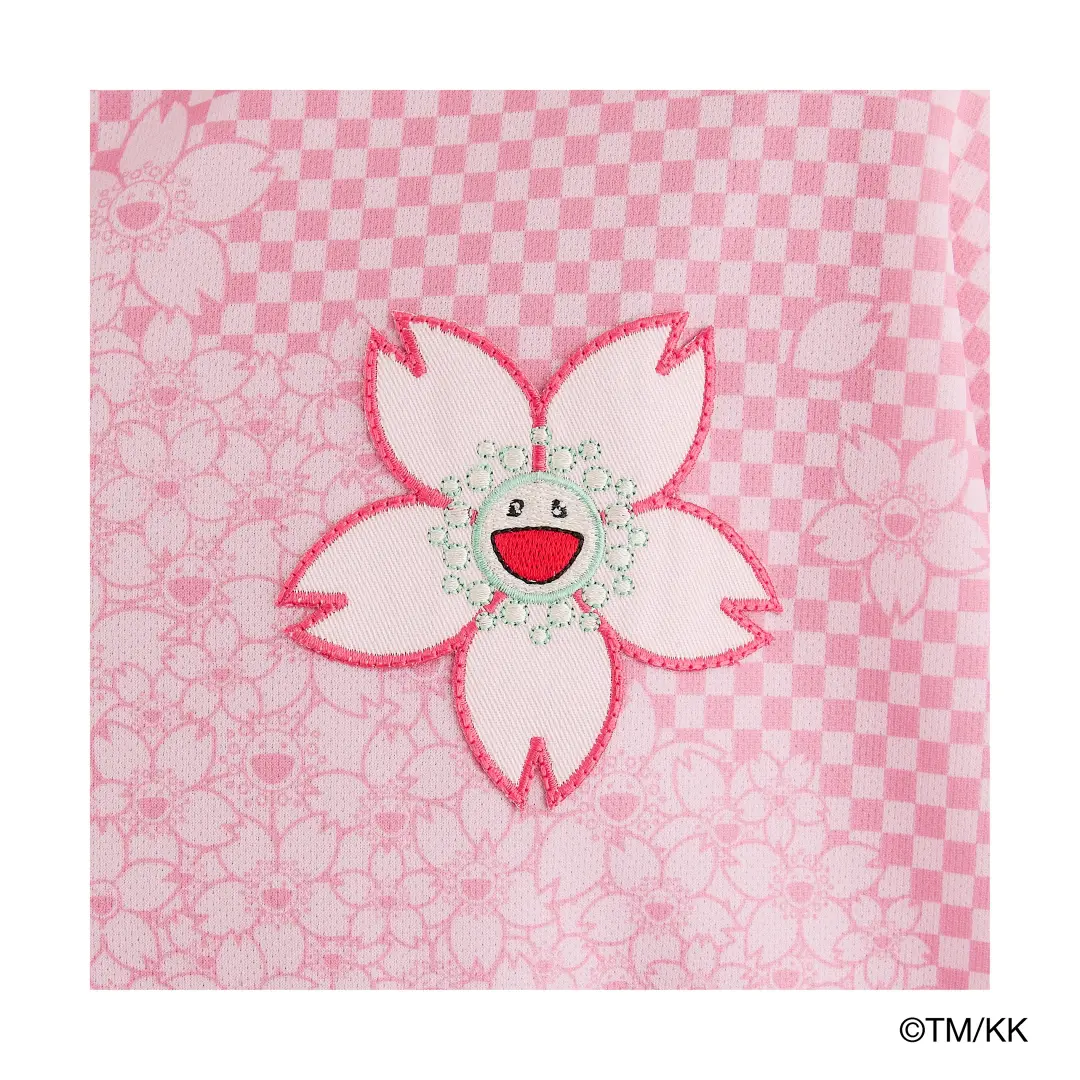
Together, they pursue “harmony between art and fashion.” Murakami provides explosive visuals—cherry blossoms symbolizing transient beauty, skulls nodding to mortality, flowers evoking life’s cycles—while Hosokawa ensures wear, durability, and that elusive “lived-in” soul. The result is clothing that functions as both daily uniform and wear canvas.

flow
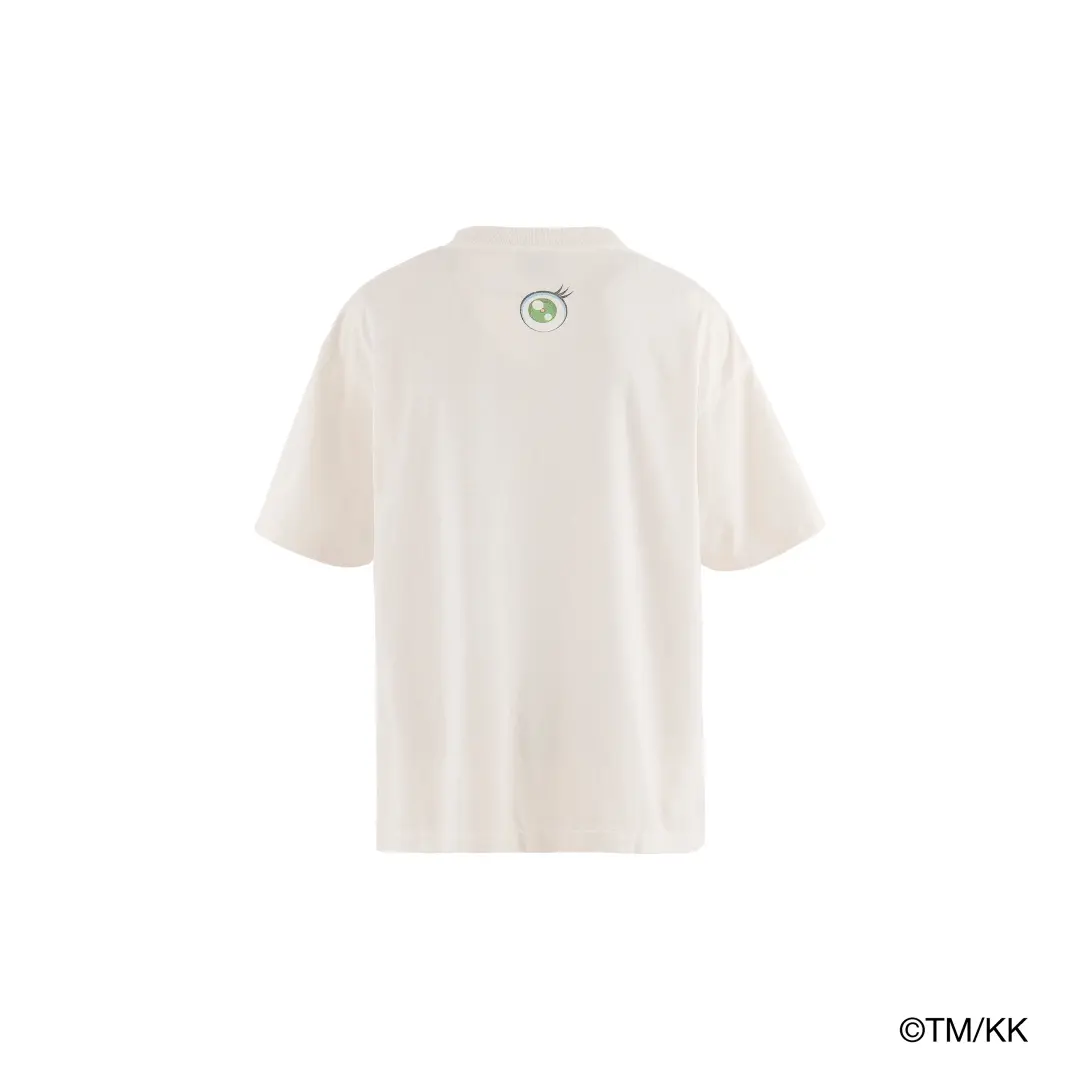
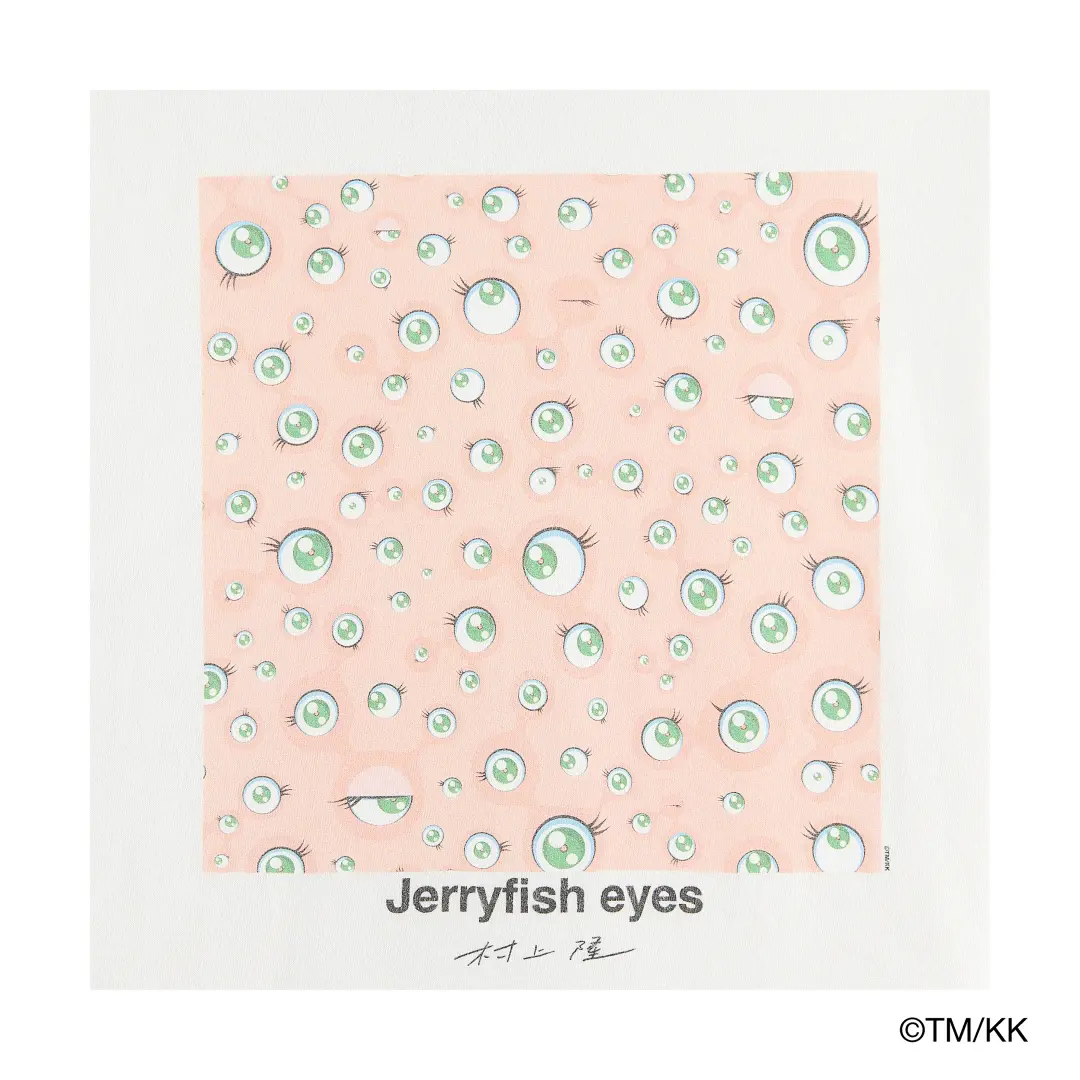
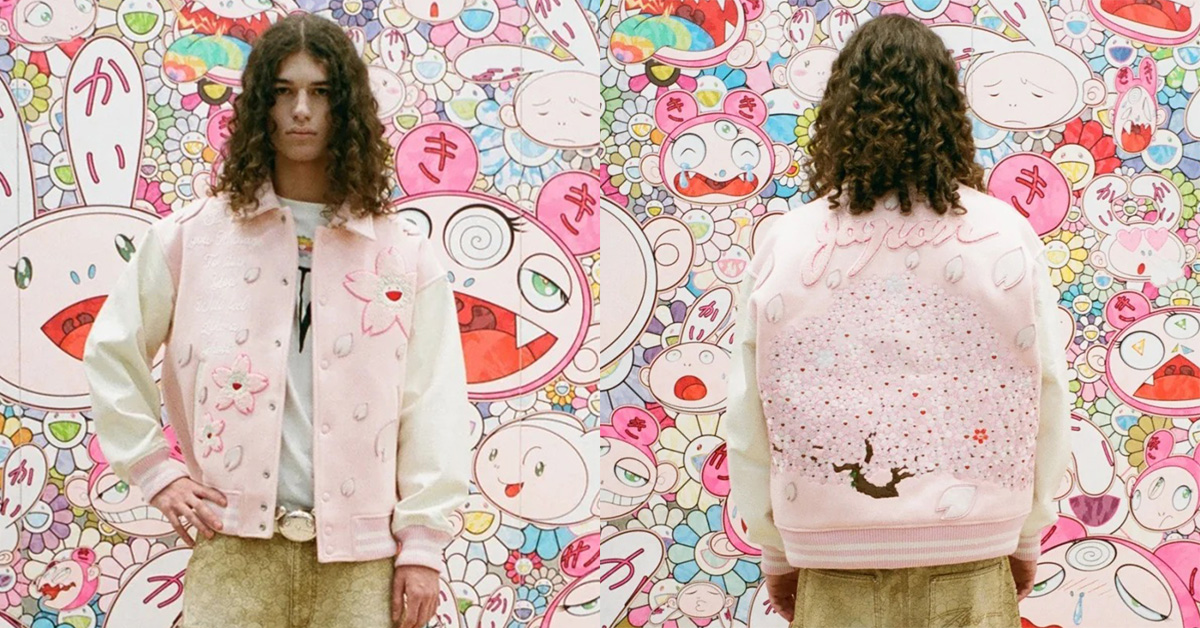
The debut drop in April 2026 set an impossibly high bar. Standouts included the Sakura Varsity Jacket— a luxurious pink number embroidered with Murakami’s signature cherry blossoms, some petals appearing to fall or transform into darker, almost ominous forms. Priced as a collector’s item (often exceeding ¥1.5 million), it sold out rapidly at retailers like Nubian Tokyo and online. Other pieces featured Azure Dragon and White Tiger motifs, skulls reimagined in playful yet haunting scales, and everyday staples like hoodies and T-shirts that carried rare, previously unreleased artworks.
Accessories—belts, wallet chains, and caps—extended the universe. Production emphasized quality: premium fabrics, intricate embroidery, and Hosokawa’s signature patchwork techniques. The launch was accompanied by a music video and track by MNNK Bro. (Murakami’s connective music project), turning the collection into a multisensory experience. Critically, it was praised for avoiding mere graphic tees; instead, art became structural—prints integrated into seams, embroidery adding texture that evolves with wear.
This foundation informs the second collection. Expect continuations of floral and mythical themes, perhaps with deeper explorations of “mononoke” spirits—ethereal, nature-bound entities clashing with human-made elements, mirroring READYMADE’s upcycling ethos.
second
Dropping in two phases (June 20 in-store, June 27 online, per the announcement), the second installment teases a more intimate, narrative-driven evolution. “Mononoke Maid” suggests a fusion of play maid-inspired silhouettes (a nod to Japanese pop culture and Murakami’s cute-yet-creepy aesthetic) with READYMADE’s rugged utility. “Ready Maid” likely conjures on READYMADE’s name, while “St. Michael” invokes SAINT Mxxxxxx’s branding—perhaps angelic or warrior motifs blended with Murakami’s flowers and skulls.
Anticipated highlights, based on the project’s trajectory:
- Outerwear: Evolved varsity or chore jackets with layered prints, incorporating new colorways or distressed finishes that reveal hidden artworks.
- Denim and Bottoms: Upcycled military pants or skirts featuring embroidered mononoke figures, blending durability with delicate floral details.
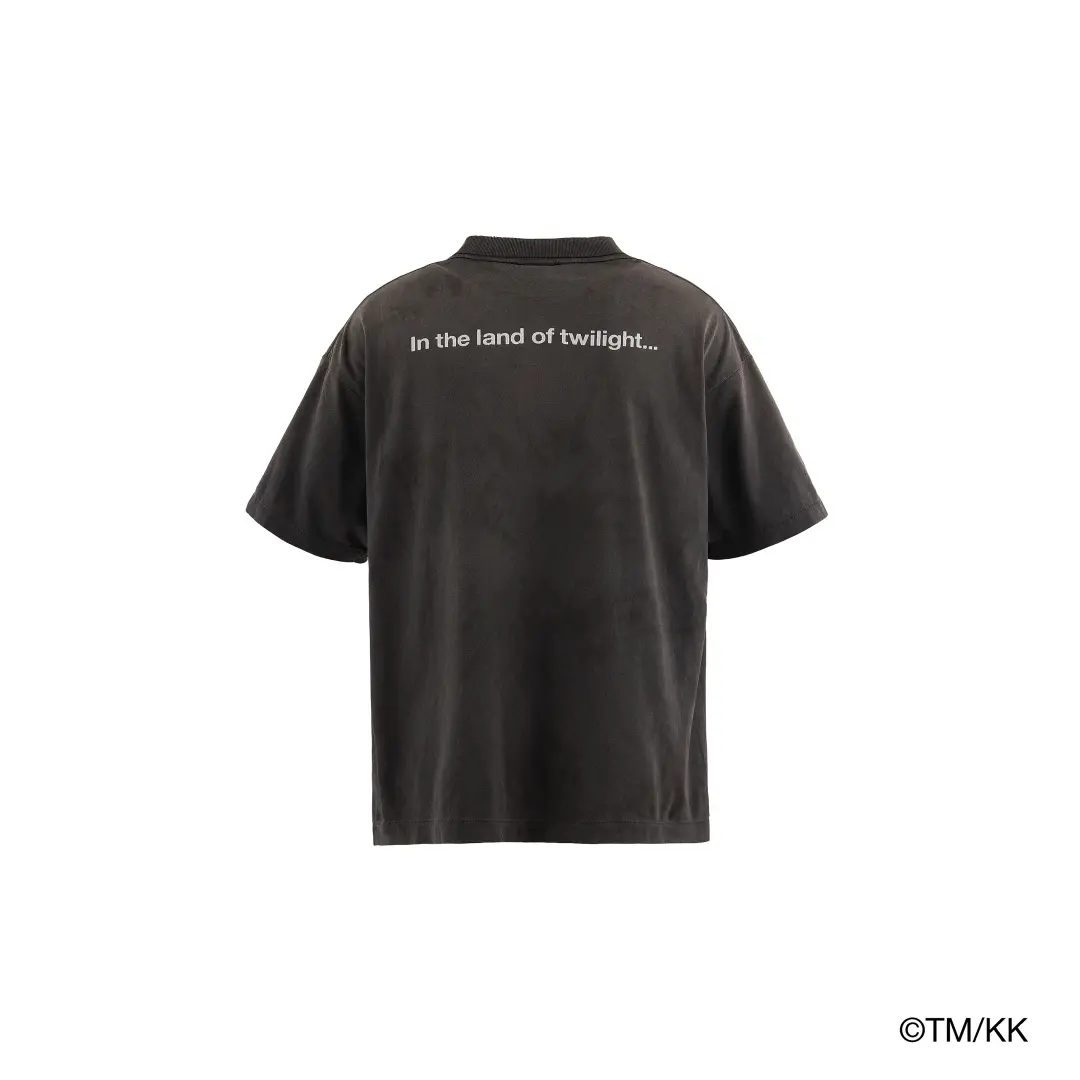
- Tops and Knits: Hoodies and tees with expanded skull-flower hybrids, possibly incorporating reflective or glow elements for a supernatural twist.
- Accessories: Expanded wallet chains, belts, and perhaps footwear or headwear tying into the “maid” and “saint” motifs—subversive takes on uniform aesthetics.
Hosokawa’s upcycling will shine: surplus fabrics reworked into one-of-a-kind pieces, ensuring sustainability without sacrificing luxury. Murakami’s input promises fresh, site-specific artworks created for this drop, pushing the boundaries of what “apparel as art” means in 2026.

The timing aligns with summer streetwear season, making these pieces ideal for layering in Tokyo’s humid heat or global festivals.
sig
“mononoke・made” arrives at a pivotal moment. In an era of fast fashion fatigue, it champions thoughtful production—art that lasts, stories embedded in seams. Murakami’s superflat theory finds perfect expression here: no hierarchy between gallery wall and wardrobe. Hosokawa’s work adds layers of Japanese craft tradition—wabi-sabi imperfection, respect for materials—elevating streetwear into something almost sacred.
The project echoes historical artist-designer alliances (think Warhol x fashion, or Basquiat’s influence on hip-hop style) but roots them firmly in Japanese identity. Mononoke spirits symbolize the wild, untamed forces resisting industrialization; similarly, Hosokawa resists disposable culture through upcycling. Murakami’s flowers and skulls remind us of life’s ephemerality—clothing as memento mori that one can actually wear.
For Gen Z and millennial consumers, it offers authenticity in a saturated market. These aren’t hype-driven logo pieces but wearable philosophy. Social media has amplified the first drop through unboxings, styling videos, and collector discussions, turning owners into curators of living art.
impression
READYMADE and SAINT Mxxxxxx have long influenced global streetwear—military surplus recontextualized for the runway, gothic motifs for everyday rebels. Partnering with Murakami catapults them into the luxury-art stratosphere, comparable to Off-White x museum drops or Supreme x artist capsules, but with deeper craft.
In 2026, as AI-generated fashion floods the market, “mononoke・made” reaffirms the value of human touch: Murakami’s hand-drawn lines, Hosokawa’s pattern-cutting intuition. It also advances sustainability conversations—upcycling as artistic act rather than marketing checkbox.
Expect ripple effects: increased interest in Japanese independent design, more artist-apparel ventures, and a benchmark for quality in collaborations. Retailers report waitlists and secondary market premiums from the first drop; the second will likely intensify demand.
idea
Styling tips lean into eclectic maximalism. Pair the Sakura jacket with neutral bottoms for contrast, or layer maid-inspired tops under SAINT Mxxxxxx outerwear for a subversive uniform look. Denim pieces work with sneakers or boots, echoing Hosokawa’s military roots.
Collecting advice: Focus on statement pieces like jackets for longevity. Authenticate via official channels (Kaikai Kiki, READYMADE stockists). Care involves gentle washing to preserve embroidery—treating garments as artworks.
The June releases coincide with summer events, music festivals, and Tokyo’s vibrant street scene—perfect for capturing the collection in action.
fin
As the second collection of “mononoke・made” lands, it reaffirms Takashi Murakami and Yuta Hosokawa’s commitment to evolving their view. What began as a special project is becoming a platform for ongoing experimentation—new motifs, techniques, and perhaps even expansions into homeware or digital realms.
In the grand tapestry of fashion and art, this collaboration stands out for its sincerity, craft, and joy. Murakami’s flowers bloom on fabric that tells stories of reuse and resilience. Hosokawa’s “ready made” know meets supernatural spirits, creating pieces that feel both ancient and futuristic.
For those fortunate enough to secure items from the June 20/27 drops, they acquire more than clothing—they claim a fragment of a culture moment. “mononoke・made” doesn’t just dress the body; it adorns the spirit, inviting wearers to embody the harmony of art, nature, and human ingenuity.
As summer 2026 unfolds, keep eyes on Tokyo’s select shops and online drops. The spirits are stirring once more—and this time, they’re dressed to impress.
n
From the DRIFT archive: Saint Laurent Unveils New Visuals For Its Spring 2026 Collection
Related Articles
The Frankie Shop Takes Milan: Oversized Suiting Moves Into the Quadrilatero
Eleven years after a Lower East Side boutique, Gaëlle Drevet’s label opens its first Italian […]