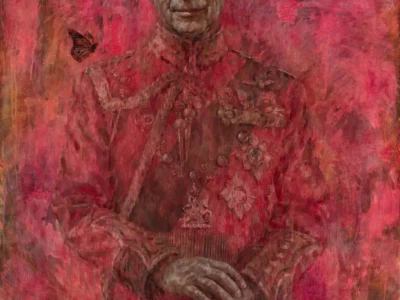
The Artistic Alchemy: “How Painting Happens” by Martin Gayford

October 6, 2024
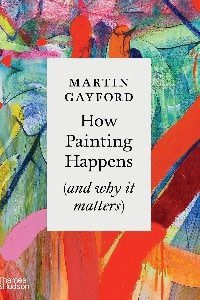
Martin Gayford’s “How Painting Happens” is an introspective exploration into the minds of artists, uncovering the delicate interplay between technique, temperament, and inspiration. Through in-depth studio visits and vivid narrative, Gayford provides a glimpse into the often-mysterious process behind creating great art. His approach is both analytical and empathetic, delving into the emotional and psychological aspects that influence an artist’s work.
In his book, Gayford poses intriguing questions: What is the catalyst that turns a blank canvas into a masterpiece? Is it the artist’s innate skill, honed over years of practice, or is it an emotional impulse—a flash of insight or a sudden burst of inspiration—that guides their hand? Through engaging anecdotes and meticulous observation, he highlights how these two aspects are not mutually exclusive but are inextricably linked in the creation of art.
The Artist’s Process: An Alchemical Journey
Gayford’s journey through various painters’ studios offers readers a rare opportunity to observe the environments in which creativity flourishes. These spaces, filled with the scent of turpentine and splattered with paint, are where ideas take form, where emotions are poured onto canvas, and where the transformation from thought to visual expression occurs. The book underscores the importance of environment and mood, showing how artists draw from their surroundings and experiences, translating them into their work.
One of the book’s central themes is the concept of artistic alchemy—the transformative process that turns raw materials like paint and canvas into a finished piece that speaks to the viewer. Gayford draws parallels between this process and the work of Renaissance alchemists, who sought to transform base metals into gold. In the same vein, artists strive to distill beauty and meaning from the mundane, creating something greater than the sum of its parts.
Technique vs. Temperament: The Elusive Balance
Gayford’s analysis highlights how the success of a painting is often a delicate balance between technical mastery and personal expression. He references artists who painstakingly perfect their craft, spending years refining their brushwork, color palettes, and compositions. Yet, he also emphasizes that technical skill alone is insufficient to produce a truly great work of art. It is the infusion of the artist’s unique perspective, emotional depth, and willingness to experiment that breathes life into the painting.
He delves into the temperaments of various artists, describing how personality, mood, and even the time of day can affect their output. The relationship between an artist’s state of mind and their creative work is a recurring motif in the book. Gayford provides examples of artists whose struggles with anxiety, depression, or even physical illness have influenced their artistic style and subject matter, turning personal suffering into universal beauty.
The Role of Inspiration and Influence
In “How Painting Happens”, Gayford also addresses the often-debated role of inspiration in the creative process. He argues that while inspiration is crucial, it is rarely a sudden revelation. Instead, it is the culmination of sustained effort, observation, and a willingness to embrace failure. The author recounts stories of artists who toiled for months, scrapping canvas after canvas, until finally arriving at the piece that felt true to their vision.
Gayford also explores the impact of external influences on an artist’s work. Historical events, political climates, and social movements have all shaped the development of art throughout history, and “How Painting Happens” pays homage to this interplay. He illustrates how artists react to their times, whether by resisting mainstream trends or by using their art as a platform for social commentary.
The Unfinished Work: A Study in Creative Frustration
A particularly fascinating aspect of the book is its discussion of unfinished works. Gayford examines pieces abandoned or left incomplete, viewing them as windows into the artist’s psyche. These fragments reveal the frustrations and doubts that plague even the most celebrated painters, shedding light on the unpredictability of the artistic journey. Gayford suggests that these unfinished works, in their raw and unpolished state, often convey more about the creative process than a perfectly executed painting ever could.
Impression
Ultimately, “How Painting Happens” is a compelling exploration of the artistic process, offering insights that resonate beyond the canvas. Gayford’s blend of historical context, personal anecdotes, and philosophical musings makes the book a rich and thought-provoking read. For those seeking to understand not just how paintings are made, but why they captivate us, this book is an invaluable guide. Through his careful examination of technique and temperament, Gayford demystifies the alchemy of painting, leaving readers with a deeper appreciation of the art that shapes our world.
With “How Painting Happens”, Martin Gayford invites us into the private world of artists, revealing the struggles, triumphs, and moments of pure inspiration that define their creative lives. It is a book that resonates with artists and art lovers alike, offering a nuanced perspective on what it means to create—and to behold—a true work of art.
Related Articles
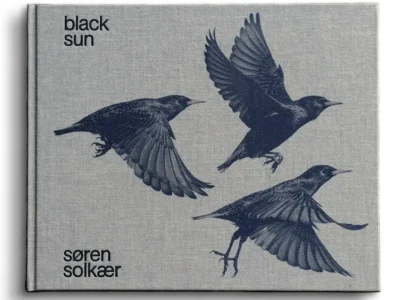
Chasing the Sort Sol: Inside Søren Solkær’s Six Year Pursuit of Europe’s Starling Clouds
A Danish portrait photographer spent six years following a bird nobody photographs on purpose, and […]