“The Blue Angel” (1930): A Cinematic Triumph of Temptation, Tragedy, and Transformation

September 25, 2024
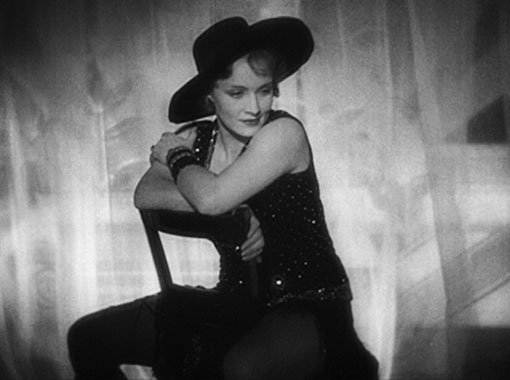
Josef von Sternberg’s “The Blue Angel” (1930) is a seminal film that not only marked the dawn of sound in German cinema but also established its place in the annals of film history for its provocative themes and unforgettable performances. This cinematic masterpiece is a rich tapestry of human desire, morality, and ultimate ruin, woven through the tragic arc of Professor Immanuel Rath and his ill-fated infatuation with the cabaret singer Lola-Lola. Starring the formidable Emil Jannings as the professor and introducing the world to the indomitable Marlene Dietrich, “The Blue Angel*”offers more than a simple morality tale—it’s an exploration of human frailty, societal pressures, and the devastating power of obsession.
The Plot: Desire and Downfall
The story of “The Blue Angel” begins in a seemingly unremarkable setting, a small provincial town in Germany, where the strict and proper Professor Immanuel Rath leads a disciplined and uneventful life. As a teacher at the local gymnasium (secondary school), he is the epitome of academic authority—respected but somewhat distant and humorless. His life takes a dramatic turn when he discovers that his students are frequenting a local cabaret called “The Blue Angel” to watch a captivating performer, Lola-Lola. His initial decision to visit the club is driven by a desire to discipline his students, but it quickly becomes clear that Rath is entranced by Lola’s seductive charm.
Marlene Dietrich’s portrayal of Lola-Lola is one of the film’s most significant highlights. With her sultry allure, she becomes the embodiment of temptation. Her provocative performances, particularly her rendition of “Falling in Love Again (Can’t Help It),” capture both Rath’s imagination and the audience’s. Lola is no innocent victim; she is fully aware of her power over men, and while she is not depicted as malicious, she exudes an air of careless indifference toward the men she ensnares. The professor, blinded by his newfound infatuation, gradually loses his dignity, his job, and, ultimately, his identity.
As Rath’s obsession with Lola deepens, he abandons his academic life and becomes a pathetic shell of his former self, reduced to performing humiliating acts as a clown in the very cabaret where he first encountered Lola. The transformation is stark and painful to watch, as a once-proud man disintegrates before the audience’s eyes. The juxtaposition of Rath’s downfall against Lola’s carefree demeanor creates an emotional tension that drives the narrative to its tragic conclusion.
Related Articles

The Heart Association Just Told Millions of Coffee Drinkers to Relax a Little
New guidance from the American Heart Association says up to five cups a day is […]