DRIFT AUDIO
Listen to this story
Choose a voice, then press play.
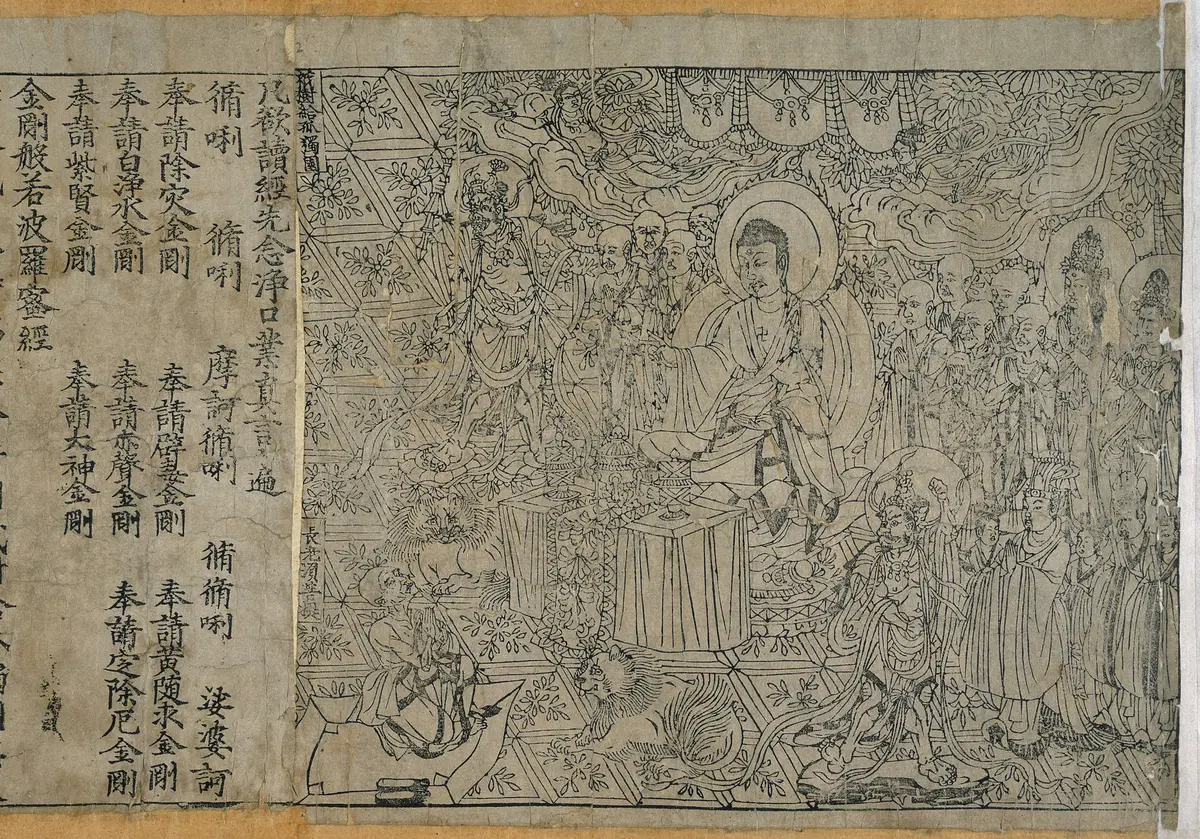
The history of printing and literature is rich and varied, but few artifacts can claim the significance and historical importance of the Diamond Sutra. As the world’s earliest dated, printed book, the Diamond Sutra represents a monumental achievement in human history, marking the beginning of a new era in the dissemination of knowledge and culture. This upcoming exhibit, titled “The Diamond Sutra: A Journey Through Time and Wisdom,” offers a rare opportunity to explore the legacy and influence of this ancient text. Visitors will not only witness the profound beauty of the Diamond Sutra but also gain insights into its historical context, its impact on the world of printing, and its enduring spiritual significance.
Background of the Diamond Sutra
The Diamond Sutra, also known as the Vajracchedikā Prajñāpāramitā Sūtra, is a Mahayana Buddhist scripture that has played a pivotal role in Buddhist philosophy and practice for centuries. The sutra takes the form of a dialogue between the Buddha and his disciple Subhuti, exploring themes of emptiness, impermanence, and the nature of enlightenment. The text emphasizes the importance of transcending dualistic thinking and cultivating wisdom, or prajñā, to achieve liberation from suffering.
What makes the Diamond Sutra particularly significant in the history of literature is its status as the earliest dated, printed book. The copy that will be featured in the exhibit was printed in the year 868 CE, during the Tang Dynasty in China. This remarkable artifact was discovered in 1900 by a Taoist monk named Wang Yuanlu in the Caves near Dunhuang, a site that has yielded numerous other ancient manuscripts and artworks. The Diamond Sutra’s printed date, which is clearly indicated in the text, marks a turning point in the history of printing, as it provides the earliest known evidence of the use of woodblock printing technology to produce a book.
Exhibit Overview
The exhibit, “The Diamond Sutra: A Journey Through Time and Wisdom,” will be held at the prestigious British Library, next month. It will feature the original printed copy of the Diamond Sutra, along with a curated selection of related artifacts, artworks, and interactive displays. The exhibit aims to provide visitors with a comprehensive understanding of the Diamond Sutra’s historical and cultural significance, as well as its profound spiritual teachings.
Highlights of the Exhibit
The Original Printed Diamond Sutra: The centerpiece of the exhibit is the original printed copy of the Diamond Sutra, which is approximately 16 feet long and consists of seven panels of printed text and illustrations. Visitors will have the unique opportunity to view this ancient artifact up close and appreciate the intricate details of its woodblock prints. The exhibit will also feature detailed explanations of the printing techniques used to create the Diamond Sutra, shedding light on the technological advancements of the Tang Dynasty.
Historical Context and Significance: The exhibit will provide an in-depth look at the historical context in which the Diamond Sutra was created. Visitors will learn about the cultural and religious landscape of Tang Dynasty China, as well as the development of printing technology during this period. The exhibit will also explore the spread of Buddhism along the Silk Road and the role of the Diamond Sutra in the dissemination of Buddhist teachings.
Artistic and Spiritual Interpretations: In addition to the original text, the exhibit will showcase various artistic interpretations of the Diamond Sutra, including paintings, sculptures, and calligraphy. These artworks reflect the diverse ways in which the Diamond Sutra has been revered and interpreted by different cultures and traditions over the centuries. The exhibit will also feature interactive displays that allow visitors to explore the spiritual teachings of the Diamond Sutra and their relevance to contemporary life.
Multimedia Presentations and Interactive Displays: To enhance the visitor experience, the exhibit will include multimedia presentations and interactive displays that provide additional context and insights into the Diamond Sutra. These presentations will cover topics such as the life of the Buddha, the teachings of the Diamond Sutra, and the history of printing technology. Interactive displays will allow visitors to engage with the material in a hands-on way, providing a deeper understanding of the text and its significance.
Special Lectures and Workshops: Throughout the duration of the exhibit, the museum will host a series of special lectures and workshops featuring experts in the fields of Buddhist studies, art history, and printing technology. These events will provide visitors with the opportunity to engage with scholars and practitioners, deepening their understanding of the Diamond Sutra and its impact on the world.
Why This Exhibit Matters
The Diamond Sutra is not only a significant artifact in the history of printing and literature but also a powerful symbol of the enduring wisdom of Buddhist teachings. Its themes of impermanence, emptiness, and the cultivation of wisdom continue to resonate with people of all backgrounds and beliefs. By bringing this ancient text to a wider audience, the exhibit aims to foster a greater appreciation for the cultural and spiritual heritage of Buddhism, as well as the technological innovations that have shaped human history.
In an era of rapid technological advancement and information overload, the Diamond Sutra offers a timely reminder of the importance of wisdom and mindfulness in navigating the challenges of modern life. The exhibit provides an opportunity for visitors to reflect on the timeless teachings of the Diamond Sutra and their relevance to contemporary society.
“The Diamond Sutra: A Journey Through Time and Wisdom” is more than just an exhibition of an ancient text; it is a celebration of the human spirit and its quest for knowledge, understanding, and enlightenment. By exploring the historical, cultural, and spiritual dimensions of the Diamond Sutra, the exhibit invites visitors to embark on their own journey of discovery and reflection. Whether you are a scholar, a spiritual seeker, or simply a curious visitor, this exhibit promises to be a thought-provoking and inspiring experience. Don’t miss this rare opportunity to witness the world’s earliest dated, printed book and explore the profound wisdom it holds.
Related Articles
Modigliani’s Limestone ‘Tête’
Carved from a single block of limestone in Montparnasse more than a century ago, one of Modigliani's rare stone heads goes to auction for the first time…