
DRIFT AUDIO
Listen to this story
Choose a voice, then press play.
In the realm of industrial history, few innovations have had as profound an impact as vulcanization, the process that transformed natural rubber from a temperamental material into a durable substance essential to countless modern applications. At the heart of this transformation stands Charles Goodyear, whose accidental discovery in 1839 paved the way for a revolution in materials science and manufacturing. This article delves deep into the intricacies of the vulcanization process, exploring its origins, mechanisms, and enduring legacy.
Natural rubber, derived from the latex of rubber trees, has been utilized for centuries by indigenous cultures in Mesoamerica and other regions. Initially prized for its waterproof properties and flexibility, rubber posed significant challenges when exposed to extreme temperatures—it would become sticky in heat and brittle in cold conditions. These limitations hindered its widespread industrial application until the mid-19th century.
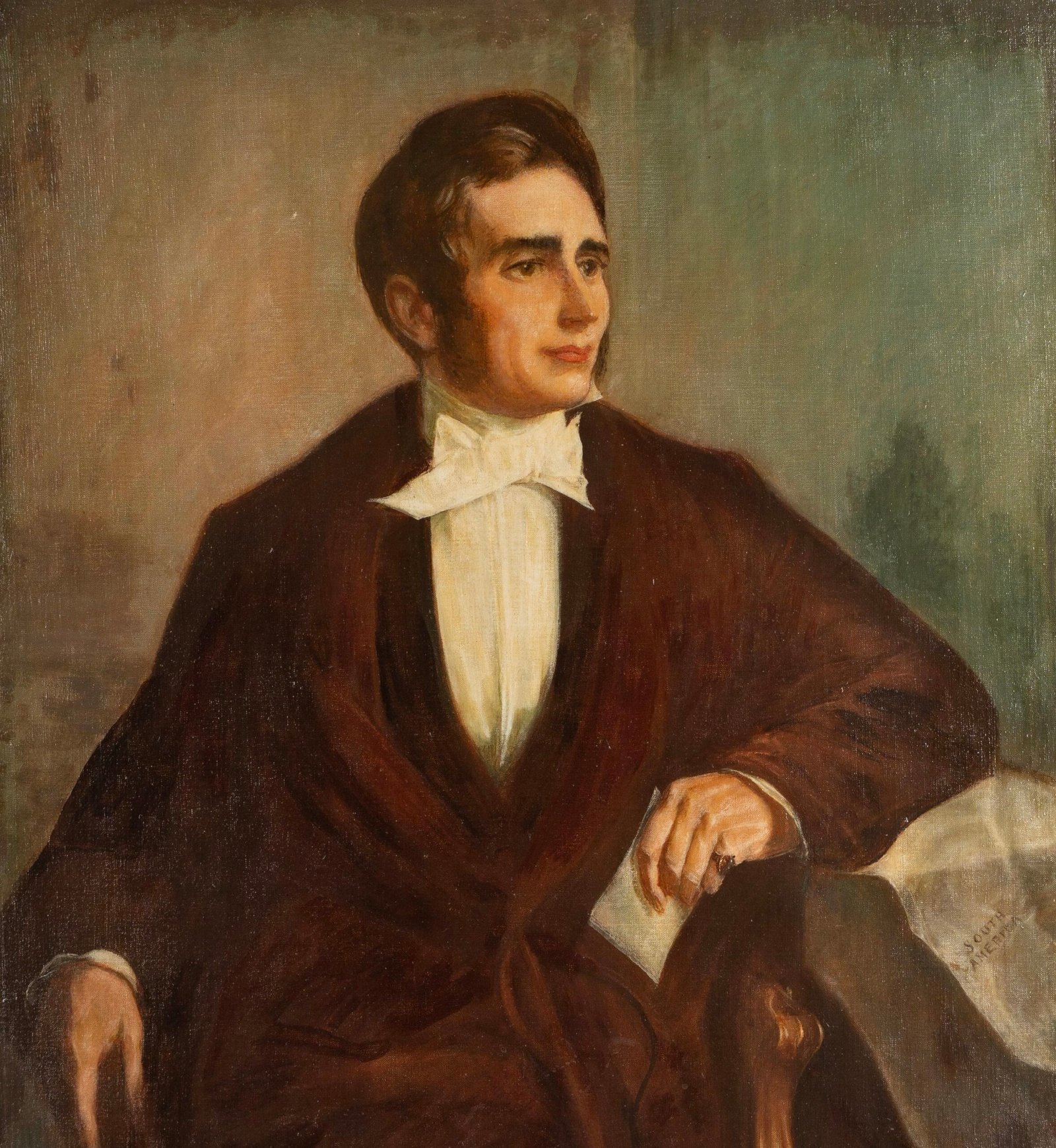
Charles Goodyear’s journey towards discovering vulcanization was one marked by perseverance and experimentation. Born in 1800 in Connecticut, Goodyear initially embarked on a career in hardware manufacturing before turning his attention to rubber goods, inspired by the burgeoning demand for waterproof materials in various industries.
The pivotal moment in Goodyear’s career came in 1839 at the Eagle India Rubber Company in Woburn, Massachusetts. While experimenting with rubber compounds, Goodyear accidentally dropped a mixture of rubber and sulfur onto a hot stove. Rather than melting or decomposing, the material underwent a transformative process—it charred and hardened, retaining its elasticity while becoming significantly more durable.
Vulcanization fundamentally alters the molecular structure of rubber. The addition of sulfur, typically in the presence of heat, initiates cross-linking reactions between polymer chains. This process creates a network of sulfur bridges that enhance the rubber’s resilience to temperature variations, abrasion, and chemical exposure.
Over time, researchers and manufacturers have refined the vulcanization process through the use of additives and varying conditions. These innovations have led to tailored rubber formulations suited for specific applications—from automotive tires to medical devices—each optimized for performance and durability.
Goodyear’s discovery sparked a revolution in the rubber industry. By 1844, he had refined the vulcanization process to an industrial scale, establishing factories that produced vulcanized rubber products ranging from footwear to industrial machinery components. The durability and versatility of vulcanized rubber soon made it indispensable across industries, driving economic growth and technological innovation.
In the decades following Goodyear’s breakthrough, advancements in chemistry and engineering further enhanced the properties of vulcanized rubber. Innovations such as synthetic rubbers and advanced curing methods have expanded the material’s capabilities, enabling its use in cutting-edge applications like aerospace engineering and electronics.
Despite its myriad benefits, the production and disposal of rubber products raise environmental concerns. Efforts are underway to develop sustainable alternatives and recycling technologies to mitigate the ecological impact of rubber manufacturing.
The legacy of Charles Goodyear’s vulcanization process continues to shape modern industry and everyday life. From enhancing vehicle safety to enabling advancements in healthcare, vulcanized rubber remains an indispensable material in a rapidly evolving world. As technology progresses, ongoing research and innovation promise to further optimize rubber properties and sustainability, ensuring that Goodyear’s legacy endures as a cornerstone of materials science and engineering.