The Fall of Concord: A Lesson in Player Feedback and Developer Responsiveness

September 5, 2024
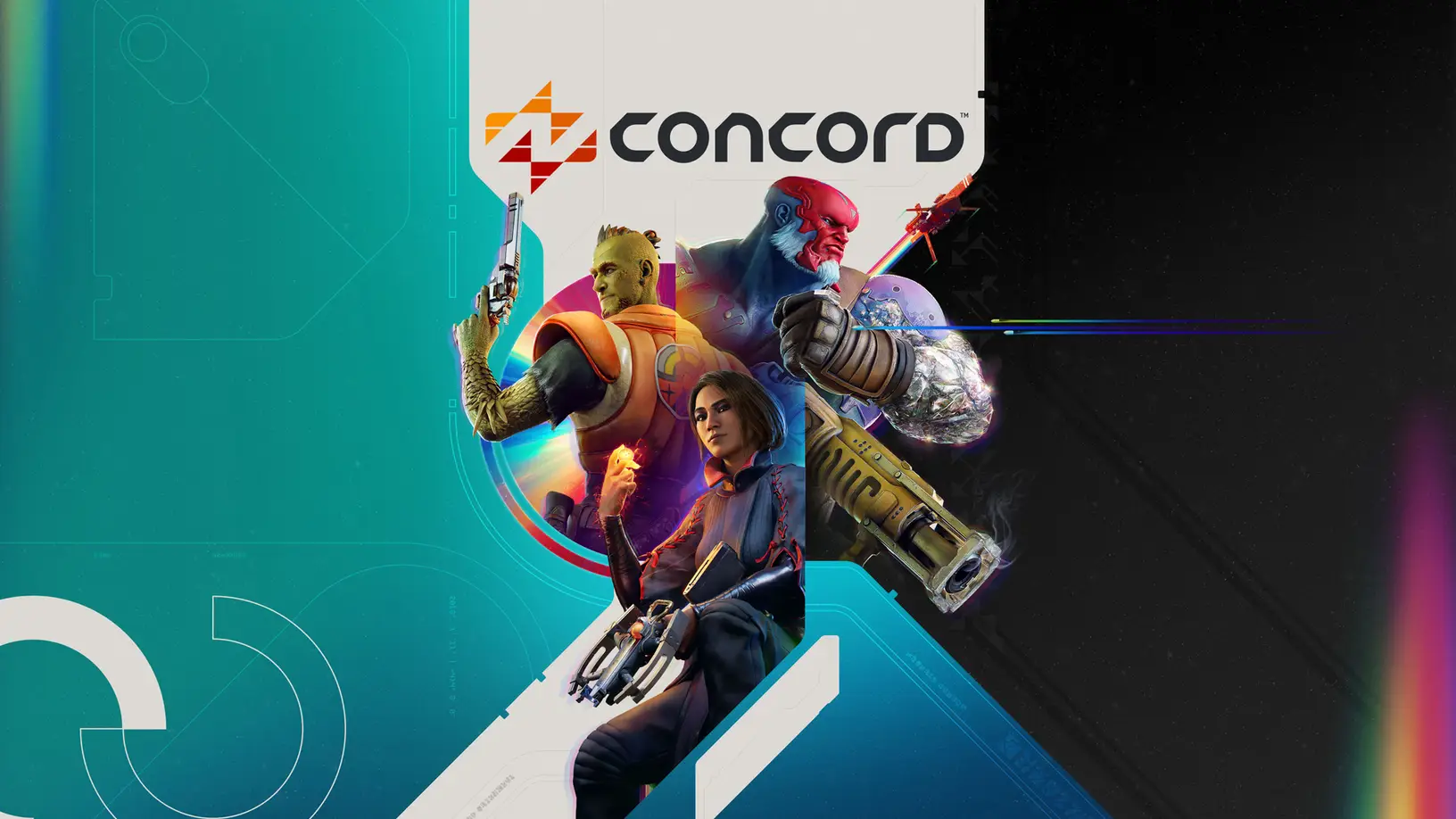
In a surprising announcement, the developers behind Concord—a game that had held promise for both PlayStation 5 and PC gamers—revealed their decision to take the game offline as of September 6, 2024. In the modern gaming industry, where competition is fierce and player expectations are continually on the rise, such a move is not unprecedented, but it is certainly significant. Concord, a game that aimed to break new ground and captivate its audience, has become another casualty of the increasingly dynamic interaction between developers and the gaming community.
This decision to remove the game from circulation, halting sales, and issuing full refunds is noteworthy for a number of reasons. It signals a pivot in the relationship between developers and players—a shift toward deeper engagement with community feedback and a commitment to adapting to player needs, even if it means pulling a product from the shelves. While there is no denying that Concord had elements that resonated with its audience, it also fell short in several key areas. Ultimately, this mismatch between player expectations and the delivered experience appears to have influenced the game’s premature closure.
In this article we will examine the rise and fall of Concord—from its early ambitions to the eventual decision to take it offline. We’ll explore what went wrong, the role of player feedback, and how this move reflects a broader trend within the gaming industry. Finally, we’ll discuss what this might mean for the future of Concord and the developers behind it.
The Launch of Concord: High Hopes and Initial Excitement
When Concord first launched on PlayStation 5 and PC, it was met with a fair amount of anticipation. Positioned as a highly stylized, narrative-driven game with expansive multiplayer elements, Concord promised players a fresh experience in a world that combined futuristic design with deeply immersive storytelling. The developers had spent significant time building a universe that they believed would resonate with players who enjoyed a blend of fast-paced action, intricate puzzles, and cooperative gameplay.
From the outset, there were clear indicators that Concord had the potential to thrive. Its marketing campaign highlighted cutting-edge graphics, an evocative soundtrack, and a storyline that suggested players could expect a deep, emotional connection to the world they would inhabit. By leaning into the increasing popularity of multiplayer games that also offer narrative depth, Concord hoped to tap into an audience that demanded both adrenaline-pumping action and meaningful engagement with the game’s characters and plot.
At first glance, this formula seemed promising. The gaming community, always hungry for the next big thing, was intrigued by what Concord appeared to offer. Early reviews from players and critics were generally positive, praising the game’s aesthetic and ambition. However, beneath the surface, there were growing concerns about the game’s actual execution, concerns that would soon escalate into more substantial criticisms.
The Shortcomings: Where Concord Fell Short
Despite its strong launch and initial wave of enthusiasm, Concord struggled to maintain the momentum it needed to stay relevant in an increasingly competitive market. While certain aspects of the game were praised—particularly its graphics and sound design—other elements were met with disappointment. A few key issues stood out:
1. Unpolished Mechanics: One of the biggest points of criticism was the game’s core mechanics. Players reported that the controls often felt unresponsive, with movement and combat mechanics that seemed clunky and underdeveloped. For a game that marketed itself on fast-paced action and immersive gameplay, this was a significant flaw. Many players found themselves frustrated by the gap between what Concord promised and what it actually delivered in terms of gameplay fluidity.
2. Lack of Content Depth: While Concord offered a compelling narrative, players quickly found that the game lacked depth in terms of its available content. The initial excitement of exploring a new world was soon overshadowed by a realization that there simply wasn’t enough to do. Missions felt repetitive, and the game’s open-world design, which was meant to encourage exploration, instead felt barren and unfinished.
3. Multiplayer Woes: Multiplayer elements, which were supposed to be a core part of the Concord experience, also suffered from a variety of issues. Server stability was a frequent problem, with players often being disconnected during matches or facing long waiting times to find games. Additionally, balancing issues meant that certain characters or abilities were overpowered, leading to frustration among players. In an era where multiplayer games like Fortnite, Apex Legends, and Call of Duty have set a high standard for performance, Concord simply couldn’t compete.
4. A Missed Opportunity in Player Engagement: One of Concord’s goals had been to foster a strong community of players who would engage not only with the game but also with one another. However, the tools to build this community were lacking. Social features, such as in-game chat, customization, and player-driven events, were either missing or underdeveloped. This left many players feeling disconnected from the game and each other, further diminishing the game’s appeal.
The Role of Player Feedback: A Catalyst for Change
It became clear that Concord was facing serious challenges in retaining its player base. With each passing month, the game’s shortcomings became more apparent, and the community was vocal about its dissatisfaction. On platforms like Reddit, Twitter, and dedicated gaming forums, players expressed their frustrations and offered detailed feedback on how the game could improve. From addressing mechanical issues to adding more content and improving multiplayer functionality, the community’s critiques were both extensive and constructive.
In response, the developers behind Concord began to take notice. Patches and updates were rolled out in an attempt to fix some of the game’s more glaring issues, but these efforts were often too little, too late. While the developers demonstrated a willingness to listen to player feedback, the scale of the changes needed to salvage the game was daunting. The player base, once hopeful for a turnaround, began to dwindle.
Ultimately, this decision to pull the game from circulation and offer refunds seems to be a recognition of how integral player feedback has become in the gaming landscape. Rather than pushing forward with a product that no longer met the expectations of its audience, the developers made the difficult decision to acknowledge their failure and return to the drawing board. In an industry where games are often released prematurely and patched in response to criticism, the developers of Concord are taking a different route: a full retraction and reconsideration of what the game could and should be.
The Decision to Halt Sales and Issue Refunds: A Bold Move
One of the most surprising aspects of this entire situation is the developers’ decision to halt sales of the game entirely and issue full refunds to those who purchased it. This level of accountability is rare in the gaming industry, where many developers and publishers opt to patch problematic games rather than pull them from circulation.
Refunds will be issued to players who purchased the game on PlayStation 5 and PC, regardless of whether they bought it from a digital storefront like Steam or Epic Games, or as a physical copy from a retailer. The logistics of such a large-scale refund process will undoubtedly be complex, but the decision underscores the developers’ commitment to doing right by their players.
This move could be seen as a way of preserving the relationship between the developers and the gaming community. While Concord may not have lived up to expectations, the decision to offer refunds signals that the developers value their players and are willing to take a financial hit in order to maintain trust and goodwill. It also reflects a broader trend in the industry toward greater transparency and accountability, where developers are more willing to admit mistakes and take corrective action when necessary.
The Future of Concord: What Comes Next ?
While Concord is being taken offline and its sales are being halted, this may not be the end of the game’s story. The developers have indicated that they are exploring new avenues that better cater to the desires of their player base. Whether this means a complete overhaul of the game or a new project entirely remains to be seen, but there is potential for Concord to re-emerge stronger than before.
In an industry where reboots, expansions, and sequels are common, Concord could return in a new form that addresses the issues raised by players while building on the elements that worked. If the developers are able to learn from this experience and apply that knowledge to future projects, there is a chance that Concord—or a spiritual successor—could become the game it was always meant to be.
A Cautionary Tale and a Glimmer of Hope
The story of Concord serves as both a cautionary tale and a hopeful example of how developers can adapt to the changing needs of their audience. The game’s failure to meet expectations is a reminder that ambition alone is not enough to create a successful product; execution is key. At the same time, the developers’ willingness to listen to player feedback, halt sales, and issue refunds is a testament to their commitment to their community.
As the gaming industry continues to evolve, the relationship between developers and players will only become more critical. In the case of Concord, that relationship is still unfolding. Whether the game returns in a new form or the developers move on to other projects, the lessons learned from this experience will undoubtedly shape their future endeavors.
Related Articles

The Heart Association Just Told Millions of Coffee Drinkers to Relax a Little
New guidance from the American Heart Association says up to five cups a day is […]