The Intersection of Luxury Hotels and High-End Bath Products: Authenticity, Exclusivity, and Guest Experience

February 8, 2025
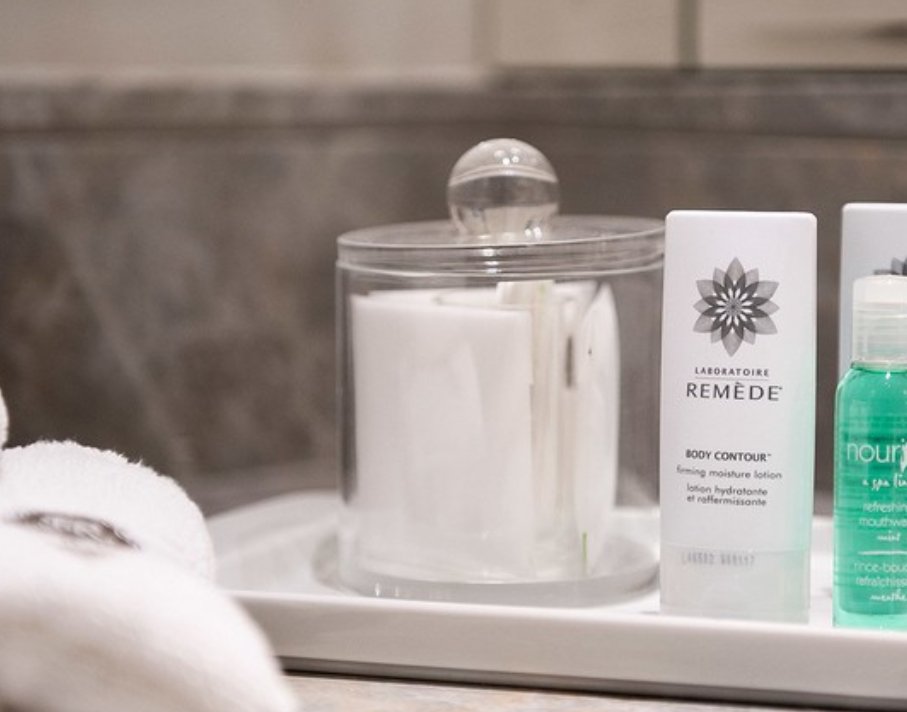
Luxury hotels have long been synonymous with indulgence, offering guests an experience that goes beyond mere accommodation. Every element, from interior design to personalized services, is meticulously curated to evoke a sense of sophistication and comfort. A key component of this experience lies in the bath and body products provided in hotel rooms—small yet significant details that contribute to an overall feeling of exclusivity and refinement.
For years, high-end hotels have partnered with renowned fragrance and skincare brands to enhance their status and cater to guests with discerning tastes. These partnerships, while seemingly straightforward, have sparked curiosity and debate regarding the authenticity of the products offered. Many guests who encounter these luxury-branded toiletries in their hotel rooms may assume they are receiving the same formulations available for purchase in retail stores. However, closer examination reveals that these hotel-exclusive versions are often different, raising questions about product integrity, quality, and the broader implications of these partnerships.
Luxury Hotels and Prestige Through Brand Association
Aligning with premium skincare and fragrance brands is a strategic move for luxury hotels seeking to differentiate themselves in an increasingly competitive hospitality industry. By featuring products from highly regarded names such as Le Labo, Diptyque, Aesop, and Byredo, hotels signal their commitment to quality and exclusivity. This association not only enhances the guest experience but also reinforces the hotel’s brand identity as a provider of superior hospitality.
One of the most notable examples is the partnership between Fairmont Hotels and Le Labo, a brand celebrated for its artisanal approach to perfumery and skincare. Fairmont’s use of Le Labo’s Rose 31 fragrance in its bath products creates a distinctive sensory experience that aligns with the hotel’s image of luxury. The scent itself—characterized by warm, spicy, floral, and woodsy notes—transforms an ordinary hotel stay into a more immersive and indulgent experience. Guests who appreciate fine fragrances may find themselves drawn to Le Labo’s retail offerings after encountering the scent in a Fairmont hotel, making the partnership mutually beneficial.
Similarly, other luxury hotels have established collaborations with premium skincare and fragrance brands. The Carlyle, a Rosewood Hotel, features bath products from D.S. & Durga, a brand known for its evocative, storytelling-driven scents. The Palace Hotel, part of the Luxury Collection, offers Bamford products, which emphasize natural, organic ingredients. The Ritz-Carlton, a name synonymous with elegance, provides guests with Diptyque toiletries, ensuring that even the smallest details reflect an air of refinement.
Boutique hotels, despite their smaller scale, have also embraced this strategy. Hotel June in Los Angeles has partnered with Aesop, a brand revered for its minimalist packaging and botanically based formulations. Faraway in Nantucket features Byredo products, a favorite among those who appreciate contemporary luxury fragrances. These partnerships allow boutique hotels to cultivate a distinct identity, appealing to travelers who prioritize uniqueness and curated experiences over standard luxury offerings.
The Authenticity Dilemma: Are Hotel-Exclusive Products the Same as Retail Versions?
While these partnerships undoubtedly elevate a hotel’s reputation, they also raise concerns regarding product authenticity and formulation differences. Many guests assume that the products provided in their hotel rooms are identical to those available for purchase in retail stores. However, industry insiders and skincare experts suggest that this is not always the case.
Luxury skincare and fragrance brands often create exclusive formulations for their hotel partnerships, sometimes using different ingredient compositions or manufacturing processes. These exclusive products may be designed to be more cost-effective, as hotels require large quantities for guest use. Additionally, the packaging and branding of hotel-exclusive products may be subtly altered to distinguish them from retail versions.
For instance, while Fairmont’s Le Labo Rose 31 toiletries retain the signature scent profile, they may differ in ingredient concentration or texture compared to the full-size retail versions. The same applies to Diptyque’s partnership with The Ritz-Carlton, where the hotel’s bath products might not match the high concentrations of essential oils found in the brand’s standard retail offerings.
This practice is not unique to the luxury sector. Many mid-range hotels also feature brand partnerships for their toiletries, but with formulations that are tailored to mass distribution rather than retail-level quality. While some guests may not notice a difference, those with a keen eye for skincare ingredients or a deep familiarity with a brand’s retail products may find the variations striking.
Brand Exposure vs. Cost Considerations
From a business perspective, these partnerships offer significant advantages for both hotels and beauty brands. For hotels, aligning with a prestigious skincare or fragrance house enhances the perceived value of the guest experience, making the stay more memorable and luxurious. It also creates an opportunity for indirect marketing—guests who enjoy the scents and textures of these products may be inclined to purchase the full-sized versions after their stay, extending the brand’s reach beyond the hotel room.
For beauty brands, partnering with hotels serves as a powerful marketing strategy. Luxury hotels attract affluent, well-traveled guests who are more likely to invest in premium skincare and fragrance products. By placing their products directly in the hands of these consumers, brands create an immersive experience that a traditional advertising campaign cannot replicate.
However, cost considerations play a significant role in these partnerships. Hotels must balance their desire to provide high-quality amenities with the practical realities of bulk procurement. Ian Ginsberg, president of C.O. Bigelow, a historic New York City pharmacy, has observed this dynamic firsthand. He notes that while these products are intended to enhance the guest experience, they ultimately represent a cost to the hotel—a “line item on the balance sheet that gets poured down the sink.” As such, there is often a fine line between luxury branding and cost-efficient formulation.
The Psychological Impression of Luxury Bath Products in Hotels
The inclusion of well-known luxury skincare and fragrance products in hotel rooms has a profound psychological effect on guests. High-end toiletries contribute to a sense of exclusivity, making guests feel pampered and valued. This small but impressionable detail can significantly influence a guest’s perception of their stay, reinforcing their loyalty to the hotel brand.
For many travelers, experiencing luxury bath products in a hotel setting is their first encounter with these high-end brands. The association between the brand and a memorable hotel experience can create a lasting and thoughtful flow, leading guests to seek out the same products for personal use. This is particularly effective for fragrance-based products, as scent is closely linked to memory and emotion. A guest who enjoys the calming aroma of Diptyque’s Philosykos body wash at The Ritz-Carlton, for instance, may later purchase the full-sized version as a way to recreate the sense of tranquility they felt during their stay.
Moreover, the exclusivity of these hotel-specific products adds to their allure. Guests who recognize that certain formulations are only available in select hotels may view them as collectible or desirable. This perceived rarity enhances the brand’s luxury status and strengthens its association with elite hospitality.
Sustainability and the Future of Luxury Hotel Toiletries
As the luxury hospitality industry evolves, sustainability is becoming an increasingly important consideration in the selection of bath and body products. Many high-end hotels are shifting towards eco-friendly packaging and refillable dispensers to reduce waste while maintaining the same level of luxury. Brands such as Aesop and Bamford, known for their natural formulations and sustainable practices, are particularly well-suited for this shift.
Some hotels have begun offering full-sized, refillable versions of their bath products rather than single-use miniatures. This not only minimizes plastic waste but also enhances the guest experience by providing more generous quantities of high-quality products. However, this transition must be carefully managed to maintain the perception of exclusivity and luxury.
Additionally, transparency in ingredient sourcing and formulation integrity is becoming more critical as guests become more knowledgeable about skincare and wellness. Hotels and their partnered brands will need to ensure that the quality of their exclusive formulations meets consumer expectations, even if the products differ slightly from their retail counterparts.
The Fine Balance Between Luxury and Practicality
The use of high-end bath and body products in luxury hotels is more than just a detail—it is a carefully curated element of the guest experience that shapes perceptions of both the hotel and the skincare brand. While these partnerships provide significant branding opportunities and enhance the sense of indulgence, they also raise questions about authenticity and cost-efficiency.
Ultimately, the true value of these products lies in the experience they create. Whether a guest is indulging in a Le Labo-scented bath at the Fairmont or enjoying the minimalist elegance of Aesop at a boutique hotel, the carefully chosen toiletries contribute to an atmosphere of refinement and exclusivity. As the industry moves toward sustainability and transparency, maintaining this balance between luxury and practicality will be key to ensuring that both hotels and skincare brands continue to thrive in this evolving landscape.
Related Articles
The Heart Association Just Told Millions of Coffee Drinkers to Relax a Little
New guidance from the American Heart Association says up to five cups a day is […]