DRIFT AUDIO
Listen to this story
Choose a voice, then press play.
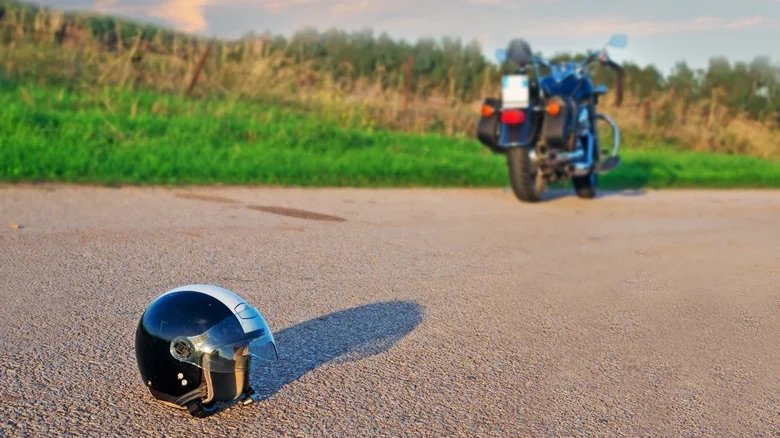
Motorcycles evoke a sense of freedom, power, and a tight-knit community. These vehicles, beyond just transportation, often represent a lifestyle filled with unspoken rules, traditions, and symbols. One such practice that intrigues many, especially those new to the motorcycle culture, is placing a helmet on the ground behind a motorcycle. While seemingly simple, this gesture holds deep meanings and can serve multiple purposes. This comprehensive guide explores the symbolism, practical reasons, and cultural significance behind placing a helmet on the ground behind a motorcycle.
Practical Reasons for Placing a Helmet on the Ground
– Preventing Damage: One of the simplest reasons a rider might place their helmet on the ground is to prevent it from falling. When helmets are precariously balanced on seats or handlebars, a small gust of wind or an accidental bump can send them tumbling. Helmets are designed to absorb impacts and protect riders’ heads during a crash, so dropping them unintentionally can compromise their structural integrity. By placing the helmet on the ground, riders minimize the risk of damage.
– Avoiding Theft: Helmets are not only essential for safety but can be quite expensive. Leaving a helmet on the ground, especially if it is positioned close to the rear tire or under the motorcycle, can make it less visible or accessible to passersby. This approach can deter opportunistic thieves who might otherwise be tempted to snatch a helmet left on the seat.
– Signaling Rest or Pause: Placing a helmet on the ground behind a motorcycle can also indicate that the rider is taking a short break. It is an unobtrusive way of signaling to others, especially in group rides, that the rider intends to return shortly and is not preparing to leave.
Symbolic Interpretations in Motorcycle Culture
– A Signal of Distress or Help: One of the most widely recognized interpretations of a helmet placed on the ground behind a motorcycle is as a signal of distress. This practice can be a silent call for assistance, communicating to fellow riders or passing motorists that the rider may need help, whether due to a mechanical issue or personal distress. In motorcycle culture, this gesture acts as a universal code that speaks to the solidarity among riders. When another motorcyclist or a compassionate driver spots a helmet in this position, they may slow down or stop to check if assistance is needed.
– Paying Respects: For some motorcyclists, placing a helmet on the ground can have a poignant, symbolic meaning, representing respect for a fallen rider. In these instances, the helmet becomes a powerful emblem of remembrance, paying tribute to those who have lost their lives while riding. This ritual is often observed during memorial rides or events dedicated to commemorating riders who have passed away.
– Showing Ownership or Presence: When attending a large gathering, such as a rally or a motorcycle meetup, parking lots can become crowded. Placing a helmet behind a motorcycle can indicate to others that the space is taken and that the rider is nearby. This prevents misunderstandings about whether a parked motorcycle has been abandoned or whether the owner plans to move it soon.
Historical Context and Evolution
– Military Roots: The symbolism of helmets in general has roots in military tradition. Helmets are often used to signify fallen soldiers or indicate respect during solemn ceremonies. This practice could have influenced motorcyclists, especially veterans who joined the riding community after serving. The motorcycle culture has long been linked with military history, from early 20th-century soldiers returning from World War I and World War II to modern-day veterans. The symbolism of a helmet as an emblem of respect or distress may stem from these associations.
– Biker Brotherhood: The concept of a biker brotherhood, where motorcyclists view themselves as part of a larger, interconnected community, amplifies the meaning behind a helmet on the ground. This symbolic action reinforces the unwritten code of helping one another and remaining vigilant for those who share the road. The gesture transcends mere practicality and becomes a testament to the shared values of trust, respect, and camaraderie.
Cultural Differences and Variations
– Global Interpretations: The specific meanings associated with placing a helmet on the ground can vary across cultures. For example, in certain European countries, placing a helmet on the ground can carry superstitious meanings, such as bad luck or disrespect. In contrast, in the United States, it is more commonly associated with a call for assistance or a simple indication of the rider’s temporary absence.
– Superstitions: In some cultures, particularly those influenced by folklore or traditional beliefs, placing a helmet on the ground is considered bad luck. This belief might stem from the idea that helmets protect the most vital part of the body—the head—and placing it on the ground, symbolically at the lowest point, is seen as inviting negative energy or an omen of accidents.
Community Insights and Experiences
– Rider Testimonies: Many motorcyclists have shared personal stories in forums and community groups about how placing a helmet on the ground helped them. For instance, one rider recounted how a passing motorist noticed the helmet and stopped to offer assistance during a breakdown in a remote area. These stories serve as a testament to the power of non-verbal communication within the riding community.
– Social Media and Awareness: Platforms like Instagram, TikTok, and Facebook often feature posts from riders sharing tips and discussing common practices. This has led to increased awareness of the meanings behind certain signals, including the placement of helmets. Hashtags such as #BikerLife or #RiderSafety often accompany posts that share these insights, helping newer riders learn the unspoken rules of the road.
Impression
Placing a helmet on the ground behind a motorcycle is more than a quirky habit—it is a nuanced gesture filled with practical benefits and rich symbolism. Whether used as a signal of distress, a mark of respect, or simply a pragmatic way to keep the helmet safe, this practice underscores the unique language of motorcycling culture. It highlights how the community of riders communicates and cares for each other, often without words. Understanding and respecting these signs is crucial, not just for seasoned riders but for anyone who shares the road with them.
Motorcyclists have developed these traditions over decades, binding them through shared experiences and common values. The helmet on the ground, simple as it may seem, represents the broader, unspoken agreement among riders to look out for one another, embodying the spirit of solidarity, respect, and mutual aid that defines the motorcycling world.
Related Articles

Ameri Put Wrangler On Drive And Cut It To Two Denims
First Ameri × Wrangler drop. Jacket ¥30,800. Pants ¥26,400. Blue, black, pink. 29 September. Drive […]