DRIFT AUDIO
Listen to this story
Choose a voice, then press play.
For decades, the ritual of going to the movies has remained a sacred social tradition: you buy your ticket, line up for popcorn, and anxiously shuffle into a dimly lit auditorium to claim the perfect seat. The lights dim, and for a brief moment, there’s a collective hush as trailers and previews roll across the screen, priming the audience for the main event. But this experience is evolving — and perhaps, for some, losing a bit of its magic.
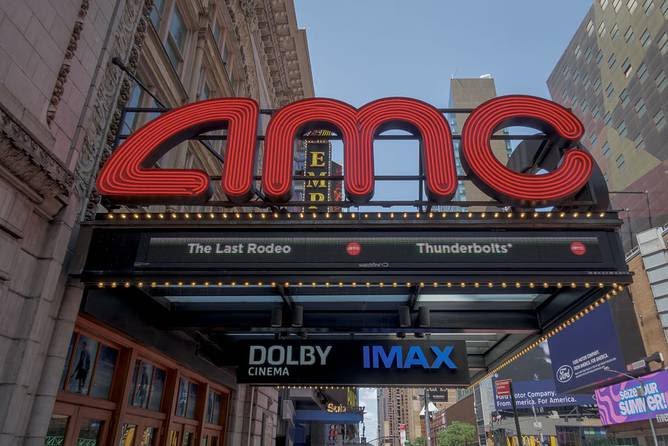
According to a recent report by The Verge, AMC Theatres now officially discloses that movies start about 25 minutes after their scheduled showtimes. In practical terms, your 7 p.m. screening of F1 or Inside Out 2 won’t actually start until around 7:25 or 7:30 p.m. This revelation came alongside the announcement that AMC has signed an agreement with National CineMedia to show more pre-show advertisements, a move driven by urgent financial needs and a shifting entertainment economy.
A Historical Glance: The Rise of the Pre-Show
Movie trailers have long been an integral part of the cinematic experience. Historically, they were shown after the film as a way to encourage audiences to come back for future releases. It wasn’t until the mid-20th century that trailers were repositioned before the main feature, evolving into an art form of their own — mini-movies promising future adventures.
In the 1980s and 90s, with the rise of blockbuster culture, trailers became not just advertisements but communal events. Moviegoers would discuss them passionately, and certain trailers — such as Star Wars prequels or The Dark Knight — became viral phenomena before “viral” was even a thing.
However, the shift toward longer pre-show experiences didn’t fully take root until the late 1990s and early 2000s. As multiplexes expanded and theater chains merged, advertising opportunities in theaters became a lucrative revenue stream. National CineMedia, founded in 2002, capitalized on this shift, establishing itself as a powerhouse for in-theater marketing, pushing pre-show content further and further into the timeline.
The Business of the Pre-Show: Revenue Versus Experience
From a business perspective, pre-show ads make undeniable sense. Theaters, already grappling with razor-thin margins on ticket sales, rely heavily on concessions and advertising to stay afloat. According to a 2022 report by the National Association of Theatre Owners, theaters retain only about 40-45% of ticket revenue, while the rest goes back to film distributors.
As streaming services and at-home viewing options continue to gain traction, traditional theaters have had to adapt, often finding themselves in precarious financial situations. AMC, the largest movie theater chain in the U.S., famously found itself in the headlines as a “meme stock” during the pandemic, fueled by retail investor enthusiasm. But despite momentary stock market windfalls, AMC continues to face significant debt and operational challenges.
The recent agreement with National CineMedia marks a significant pivot for AMC. Once the lone major operator holding out against adding more ads, AMC is now following the industry trend to secure new revenue streams. Yet, this decision isn’t purely financial — it’s emblematic of a larger cultural transformation in how we consume entertainment.
Cultural Shifts: Audience Habits and the “Flexibility Buffer”
In a culture obsessed with instant gratification and convenience, it might seem paradoxical that audiences tolerate — even expect — extended pre-show periods. But there’s a logic to this trend. In a world where being late is commonplace and distractions are abundant, a built-in buffer period alleviates social anxiety and logistical stress.
The explicit disclosure that movies will start 25 minutes after the official showtime enables audiences to plan accordingly. You can grab that overpriced slushy, browse TikTok, or even linger over dinner before heading to your seat. For some, it transforms the cinema experience from a punctual ritual into a more relaxed, modular activity.
On the other hand, this trend raises issues for punctual moviegoers — the purists who cherish the collective hush and who settle into their seats precisely on time. For them, the continuous influx of latecomers rustling into the dark theater is not just distracting but disrespectful to the cinematic sanctity they hold dear.
The Precedent of Other Formats: Sports and Concerts
The extended pre-show is not a phenomenon unique to cinema. Concerts, too, rarely start at the ticketed time. Opening acts, merchandise booths, and last-minute bar trips all serve as cultural padding. Similarly, sports events have elaborate pre-game festivities and sponsor-heavy programming before the real action begins.
However, movies have traditionally prided themselves on being different — on demanding attention from the moment the lights go down. Unlike concerts or sports, a movie invites deep immersion from the start, an uninterrupted mental and emotional journey. Extending pre-show ads risks fracturing this immersion before it even begins.
The Rise of Pre-Show Content as a Creative Medium
Another facet of this evolution is the increasing sophistication of pre-show content. Once limited to static slides advertising local car dealerships and trivia games, pre-show programming now includes mini-documentaries, behind-the-scenes footage, and branded entertainment pieces.
For brands, these captive audiences present a golden opportunity. A study from the Cinema Advertising Council found that recall rates for in-theater advertising are significantly higher than for traditional TV ads. The dark room, massive screen, and focused sound system create an environment almost tailor-made for deep brand imprinting.
This context has encouraged more premium, “cinematic” advertisements. Companies like Nike, Apple, and luxury automakers have embraced high-production-value short films that blur the line between marketing and art, effectively transforming the pre-show into an additional layer of entertainment — though, to many, an unwelcome one.
Consumer Backlash and the Future of Moviegoing
Despite the business rationale, audience backlash is a growing concern. Movie forums and social media channels are increasingly filled with complaints about extended pre-shows. Many moviegoers express a feeling of “bait-and-switch,” arguing that paying for a 7 p.m. movie should mean seeing a film at 7 p.m., not 7:30.
These frustrations are symptomatic of a broader tension between profit-driven models and user-centric experiences. Much like streaming services that introduce ad-supported tiers or video games that lean on microtransactions, theaters risk alienating their most loyal customers in the pursuit of revenue diversification.
The European Contrast
Interestingly, this approach is far from universal. In many European countries, movie start times are taken quite literally. Trailers and ads are minimal, and the main feature starts on time. In France, for example, strict guidelines limit the number of pre-show ads, preserving a more traditional viewing experience.
This cultural difference highlights how deeply commercial priorities can shape even the most fundamental aspects of entertainment.
Is There a Middle Ground?
AMC’s move raises important questions about possible middle-ground solutions. Could theaters offer “ad-free” showings at a premium, akin to higher subscription tiers in streaming? Could loyalty programs reward frequent patrons with reduced pre-show ad experiences?
These ideas would allow theaters to maintain crucial ad revenue streams while offering choice and control to consumers — a win-win that aligns with modern expectations for personalized, flexible services.
A Ritual in Flux
At its core, going to the movies is more than a transactional activity; it’s a ritual, an escape, and a communal storytelling event. The extended pre-show, for all its business logic, represents a shift in this ritual — from communal immediacy to fragmented flexibility.
Whether this shift is seen as a degradation or an evolution depends largely on the viewer. Some may cherish the extra time to settle in and socialize, while others may mourn the erosion of an art form that demands punctual reverence and collective focus.
Impression
AMC’s decision to extend pre-show advertising is a microcosm of the entertainment industry’s ongoing identity crisis. In an era defined by hyper-capitalism and relentless content saturation, businesses must innovate to survive. Yet, as they do, they must grapple with the responsibility of preserving the experiences that made them culturally significant in the first place.
The next time you buy a ticket for a 7 p.m. show, consider what it means to wait an extra 25 minutes. Maybe it’s a chance to breathe, to catch up with a friend, or to savor the popcorn a little longer. Or perhaps it’s a reminder that in an age of boundless choice, even our oldest rituals are up for negotiation.
Ultimately, the future of moviegoing may hinge on whether theaters can find a balance between economic sustainability and the integrity of the shared cinematic experience. As ads continue to lengthen and audiences evolve, one thing is certain: the moviegoing ritual is not static. It’s a living narrative, written anew with every flickering frame and every minute we spend in those reclining seats, waiting for the lights to finally dim.
Related Articles

Garage Italia’s Electric Spiaggina Puts the Fiat 500’s Riviera Years on Battery Power
Ten kilowatts, rattan seats and a €85,000 starting price: Garage Italia's 500 Spiaggina rebuilds Ghia's 1958 beach car for the yacht crowd.