DRIFT AUDIO
Listen to this story
Choose a voice, then press play.
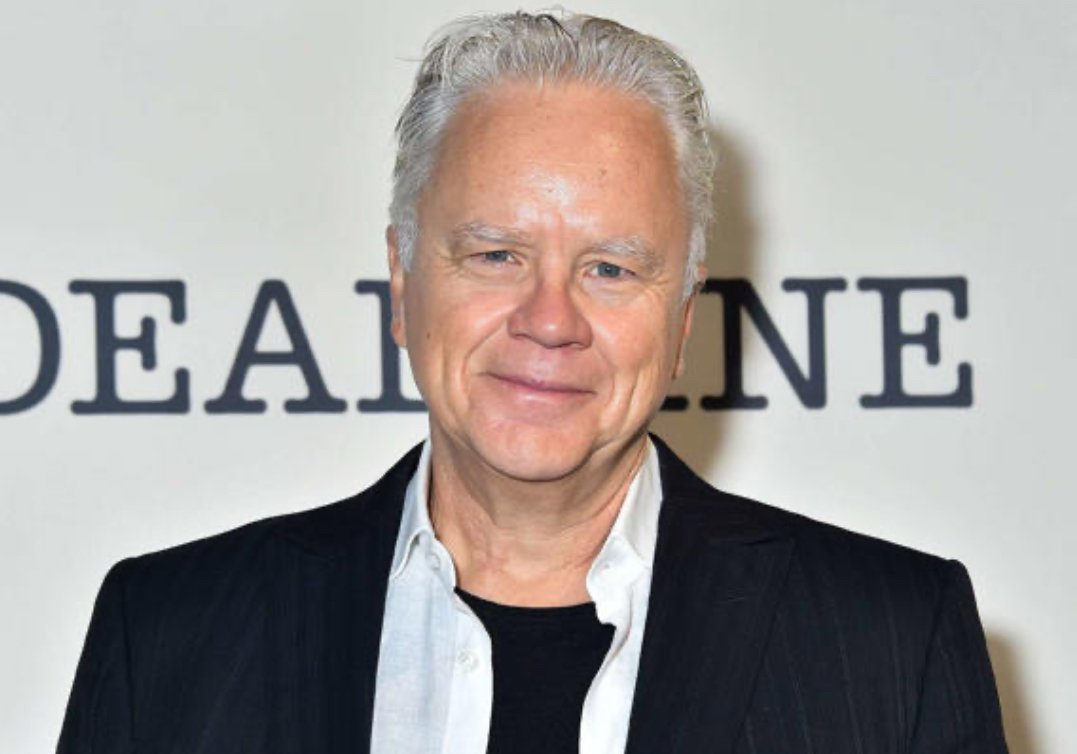
Tim Robbins, the iconic actor known for his unforgettable role in The Shawshank Redemption, recently made headlines with his candid remarks about the state of modern cinema. In a rapidly changing entertainment landscape dominated by streaming services, Robbins expressed deep concern for what he calls “the future of cinema.” His thoughts reflect a growing unease among filmmakers, actors, and cinephiles who fear that the traditional magic of movies may be fading as streaming platforms reshape the industry.
Tim Robbins: A Voice of Authority in Cinema
Tim Robbins is not just a celebrated actor but also a writer, director, and producer. His career spans decades, with notable works like Mystic River, The Player, and Dead Man Walking. Robbins’ deep involvement in the industry lends weight to his critique. He has witnessed the evolution of filmmaking firsthand, from its heyday of large theatrical releases to today’s on-demand digital era.
For Robbins, cinema is more than an industry; it’s an art form that thrives on storytelling, emotional depth, and collective experience. His remarks come as a warning that the current trajectory, driven by streaming giants, threatens to undermine these very qualities.
Robbins’ Critique: The Bleak Future of Cinema
Robbins’ concerns center around the dominance of streaming services like Netflix, Amazon Prime, Disney+, and Apple TV+. In his view, these platforms are altering the fabric of cinema in ways that prioritize convenience and profit over artistic integrity and cultural value. His arguments can be summarized into three key points:
The Death of the Theatrical Experience
Robbins laments the decline of traditional theaters as the primary venue for movie-watching. Streaming services have shifted the focus to in-home viewing, where audiences consume content on smaller screens and often in isolation. For Robbins, this erodes the communal aspect of cinema—the shared experience of watching a story unfold in a darkened theater with a crowd of strangers.
The Prioritization of Algorithms Over Art
Another concern Robbins raises is the role of data-driven algorithms in determining what gets produced. Streaming platforms rely heavily on viewer data to greenlight projects, often favoring content with broad, algorithmic appeal rather than taking risks on unconventional or innovative storytelling. This, he argues, stifles creativity and reduces cinema to a formulaic endeavor.
The Loss of Cultural Impression
Robbins highlights the way streaming’s binge-watching model dilutes the cultural impression of films. In the past, a movie’s theatrical release was a cultural event, sparking conversations and shaping public discourse. Today, the rapid consumption of content often means films are quickly forgotten, replaced by the next release in the queue.
The Streaming Revolution: A Double-Edged Sword
While Robbins’ critique raises valid concerns, it’s important to consider the broader context of the streaming revolution. Streaming services have undeniably transformed how people access and consume entertainment. Their affordability and convenience have democratized content in ways traditional cinema could not. Yet, these very qualities are also the source of the challenges Robbins identifies.
The Positive Impact of Streaming Services
Accessibility: Streaming platforms have made films accessible to global audiences, providing opportunities for independent filmmakers to reach viewers who might never have seen their work in theaters.
Diverse Content: Many platforms have championed diverse voices, funding projects that might not have found support in traditional Hollywood.
Convenience: For audiences, the ability to watch movies anytime, anywhere, is a significant advantage.
Over-Saturation: The sheer volume of content has created a fragmented media landscape where individual films struggle to stand out.
Devaluation of Films: The all-you-can-watch subscription model has led some to argue that films are being treated as disposable commodities rather than artistic achievements.
Impression on Theaters: The pandemic accelerated a trend that was already underway—declining attendance at movie theaters.
The Decline of Movie Theaters: A Telling Sign
One of Robbins’ most poignant arguments is the loss of theaters as cultural hubs. In the golden age of cinema, theaters were places where people came together, experiencing stories that reflected universal themes. Today, many theaters are struggling to stay afloat, with streaming platforms offering audiences a cheaper and more convenient alternative.
Why Theaters Matter
The theatrical experience offers something that streaming simply cannot replicate: immersion. The large screen, surround sound, and absence of distractions create a unique environment where viewers are fully engaged with the story. Moreover, theaters foster a sense of community, as audiences react collectively to the film—whether through laughter, tears, or applause.
Streaming’s rise has coincided with a decline in box office revenue for all but the biggest blockbuster films. While franchises like Marvel and Fast & Furious continue to dominate, mid-budget dramas and indie films—which were once the backbone of cinema—struggle to find theatrical audiences. These films are now often relegated to streaming platforms, where they risk being lost in the sea of content.
The Algorithm Dilemma: Art vs. Data
Robbins’ critique of algorithms shaping content is particularly resonant. Streaming platforms analyze viewer data to determine what kinds of projects to fund, favoring genres, themes, or formats that perform well. While this approach maximizes profits, it often discourages artistic risk-taking.
The Rise of Formulaic Storytelling
Algorithms prioritize familiarity, leading to an increase in sequels, reboots, and formulaic storytelling. For Robbins, this trend threatens to homogenize cinema, leaving little room for the daring and unconventional films that have historically pushed the medium forward.
The Role of Prestige Projects
To their credit, some streaming platforms have invested in prestige projects, such as Roma (Netflix), The Power of the Dog (Netflix), and Coda (Apple TV+). However, these films are often exceptions rather than the rule, and their impact is often overshadowed by the overwhelming volume of less ambitious content.
The Cultural Role of Cinema in the Streaming Era
For Robbins, one of cinema’s greatest strengths has always been its ability to reflect and shape culture. Films like The Shawshank Redemption and Dead Man Walking had profound cultural impacts, sparking discussions on themes like hope, justice, and morality. Today, the rapid turnover of streaming content makes it harder for films to leave a lasting impression.
The Binge-Watching Effect
Streaming’s binge-watching model encourages rapid consumption, with viewers often moving on to the next series or film without fully absorbing the one they just watched. This contrasts sharply with the traditional model, where a film’s theatrical release was a cultural event that lingered in public consciousness.
Loss of Shared Experiences
With everyone watching different content on their own devices, the shared cultural experiences that defined past eras of cinema are increasingly rare. Robbins fears that this fragmentation undermines cinema’s role as a unifying force.
Is There Hope for Cinema’s Future?
Despite his bleak outlook, Robbins’ critique is not without hope. He acknowledges that cinema is a resilient art form, one that has survived numerous challenges throughout its history. From the advent of television to the rise of home video, cinema has always adapted to changing times.
Embracing Hybrid Models
One potential path forward is the hybrid release model, where films are made available both in theaters and on streaming platforms. This approach allows audiences to choose how they want to experience a film while preserving the theatrical option.
The Role of Independent Theaters
Independent theaters and arthouse cinemas may play a crucial role in preserving the theatrical experience. By curating unique film lineups and fostering community events, these venues can offer something that streaming cannot replicate.
Filmmakers Taking a Stand
Robbins is not alone in his concerns. Directors like Christopher Nolan and Martin Scorsese have also spoken out about the challenges posed by streaming. Their advocacy for cinema as an art form, combined with innovations in theatrical experiences, could help ensure that films continue to thrive.
A Call to Action for Cinema Lovers
Tim Robbins’ remarks about the future of cinema serve as both a warning and a call to action. While streaming services have undeniably transformed the entertainment landscape, their dominance raises critical questions about what cinema will become in the years ahead.
As audiences, we have a role to play in shaping this future. By supporting theaters, championing diverse and innovative films, and engaging with cinema as an art form rather than disposable content, we can help ensure that the magic of movies endures. For Robbins and countless others, cinema is not just an industry—it’s a vital part of our cultural fabric, one worth fighting for.
Related Articles
Two Chicago Lifers, One Wave: Kaicrewsade and Luke Titus on ‘#SWAG SURF’
Kaicrewsade's new album RAINBOW_ arrived on October 14, and its second track pulls in Chicago drummer and singer Luke Titus.